Call Us
+86 136 6007 9809
Call Us
+86 136 6007 9809

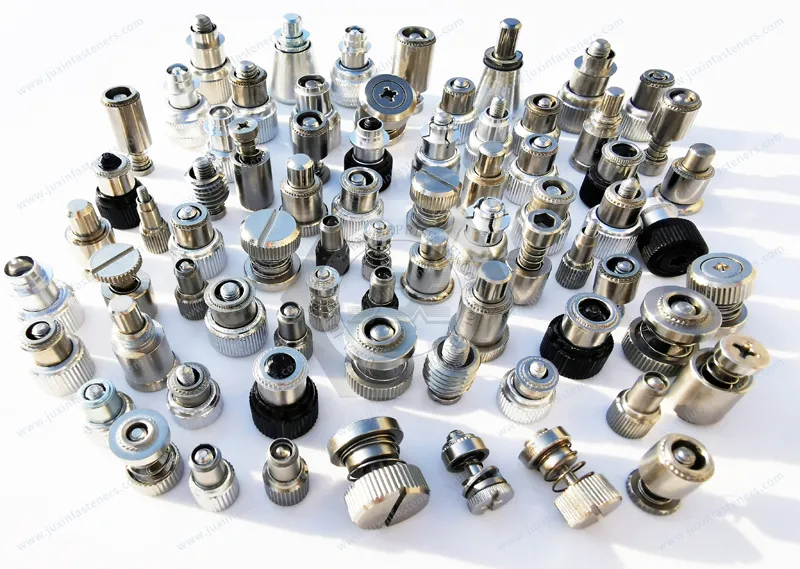
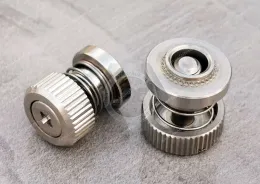
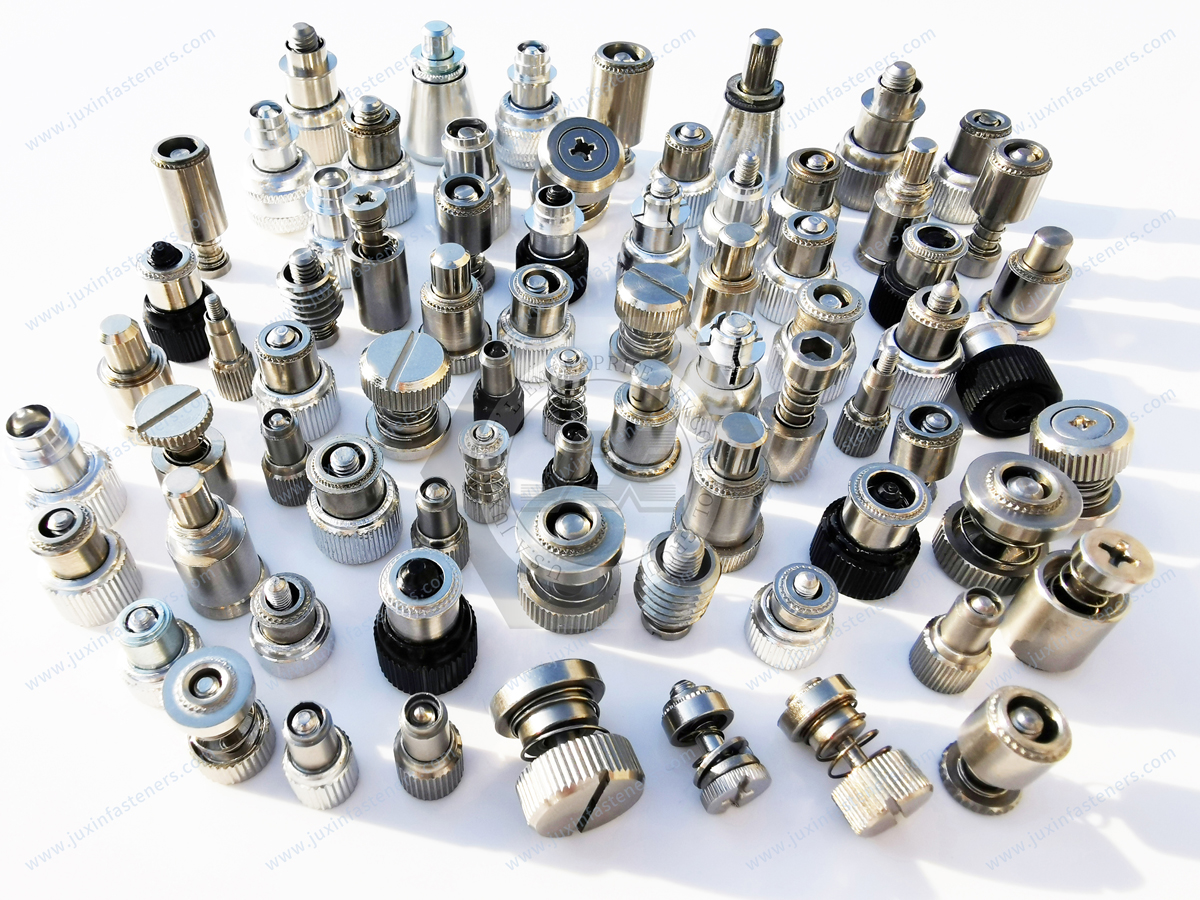
Captivated screws (also known as captive fasteners or captive bolts) typically involve multiple parts, which leads to relatively higher costs and higher stakes for manufacturers. This leads to greater specialization of features, with different combinations depending on the application. But the basic concept has a screw retained in a panel either directly or through a separate retainer. Some products have a knob cap screw or a thumb screw intended for tool-free installation, while others may recess the screw within the retainer to discourage disassembly by hand.
Product Specification
Captivated Screws: Engineering Design, Attachment Technologies & Production Advantages
What Are Captivated Screws?
Captivated screws (also known as captive fasteners or captive bolts) are multi-component fastening systems designed to remain permanently retained within a panel, enclosure, or assembly. Unlike standard loose screws, captivated screws are engineered to prevent separation from the parent structure during installation, servicing, or transportation.
They are widely used in:
EV charging stations
Electrical enclosures
Industrial control panels
Automotive electronics
Energy storage systems
The primary engineering objective is simple:
Eliminate loose hardware while maintaining serviceability.
Core Engineering Concept
A captivated screw consists of:
A threaded screw body
A retention feature (integrated or separate retainer)
A panel interface system
The screw is mechanically retained either:
Directly within the panel material, or
Through a dedicated retainer component
Retention is achieved by deforming panel material or mechanically locking a retainer into place, preventing axial removal while allowing full thread engagement during assembly.
How Captivated Screws Solve Production Challenges
1. Elimination of Loose Parts
In high-voltage and safety-critical environments — such as EV charging infrastructure — loose screws present serious risks:
Short circuits
Fire hazards
Foreign object damage
Misassembly during production
For example, in electric vehicle charging stations, a screw with a threaded end wider than its shaft can be retained inside a cover plate by deforming the panel material after insertion. This ensures that:
Technicians cannot drop hardware inside the enclosure.
Assembly is safer and faster.
Electrical hazards are minimized
Comparison: Loose Screws vs Captivated Screws
Feature Loose Screws Captivated Screws
Cost per unit Lower Higher
Production steps Fewer Additional retention step
Risk of loss High Eliminated
Safety performance Moderate Superior
Field service efficiency Slower Faster
While loose screws may reduce initial sourcing costs, captivated screws significantly reduce total system risk and warranty exposure — especially in mission-critical applications.
Common Design Variations
Captivated screws can be customized based on user interaction and security requirements:
Tool-Less Designs
Thumb screws
Knob cap screws
Designed for manual field access
Tamper-Resistant Designs
Recessed screw heads
Limited hand accessibility
Attachment Technologies for Captivated Screws
One reason captivated screws vary significantly by application is the wide range of panel attachment methods available.
1. Self-Clinching Technology
Self-clinching remains one of the most efficient and structurally reliable attachment methods.
It works by:
Pressing a retainer into ductile sheet metal
Displacing panel material into an undercut
Creating a permanent mechanical interlock
This method offers:
High torque-out resistance
Strong push-out performance
No heat distortion
Compatibility with automated production lines
Self-clinching captivated screws are common in automotive and industrial enclosures.
Enhanced security control
2. Broaching
Broaching forces a retainer into a precisely sized hole, creating mechanical engagement through material interference.
Used in:
Thicker panels
High-strength assemblies
3. Surface Mount Technology (SMT)
For PCB and electronics applications, captive fasteners may utilize SMT attachment methods to integrate directly with board-level assemblies.
This is common in:
Server racks
Telecom equipment
Industrial computing systems
4. Flare Mounting (Including Floating Designs)
Flare mounting deforms the retainer body during installation, enabling secure attachment to materials that cannot be easily clinched or broached.
Floating variants accommodate:
Panel misalignment
Tolerance stack-up issues
Dynamic load conditions
Production Advantages in Modern Manufacturing
Captivated screws represent an evolution in production fastening systems, especially for industries requiring:
High reliability
Electrical safety compliance
Vibration resistance
Repeatable automation
Compared to spot welding or secondary retention hardware, captivated fastening systems provide:
Cleaner assembly
Reduced rework risk
Improved service efficiency
Greater safety assurance
For OEM manufacturers, the slightly higher component cost is typically offset by:
Reduced assembly errors
Lower warranty claims
Faster on-site servicing
Why OEM Manufacturers Choose Captivated Screws
Modern EV, industrial, and energy storage systems demand fastening solutions that integrate:
Mechanical strength
Safety compliance
Ease of maintenance
Production efficiency
Captivated screws provide a controlled fastening solution that balances manufacturability with operational safety — making them a preferred choice in safety-critical and high-voltage applications.
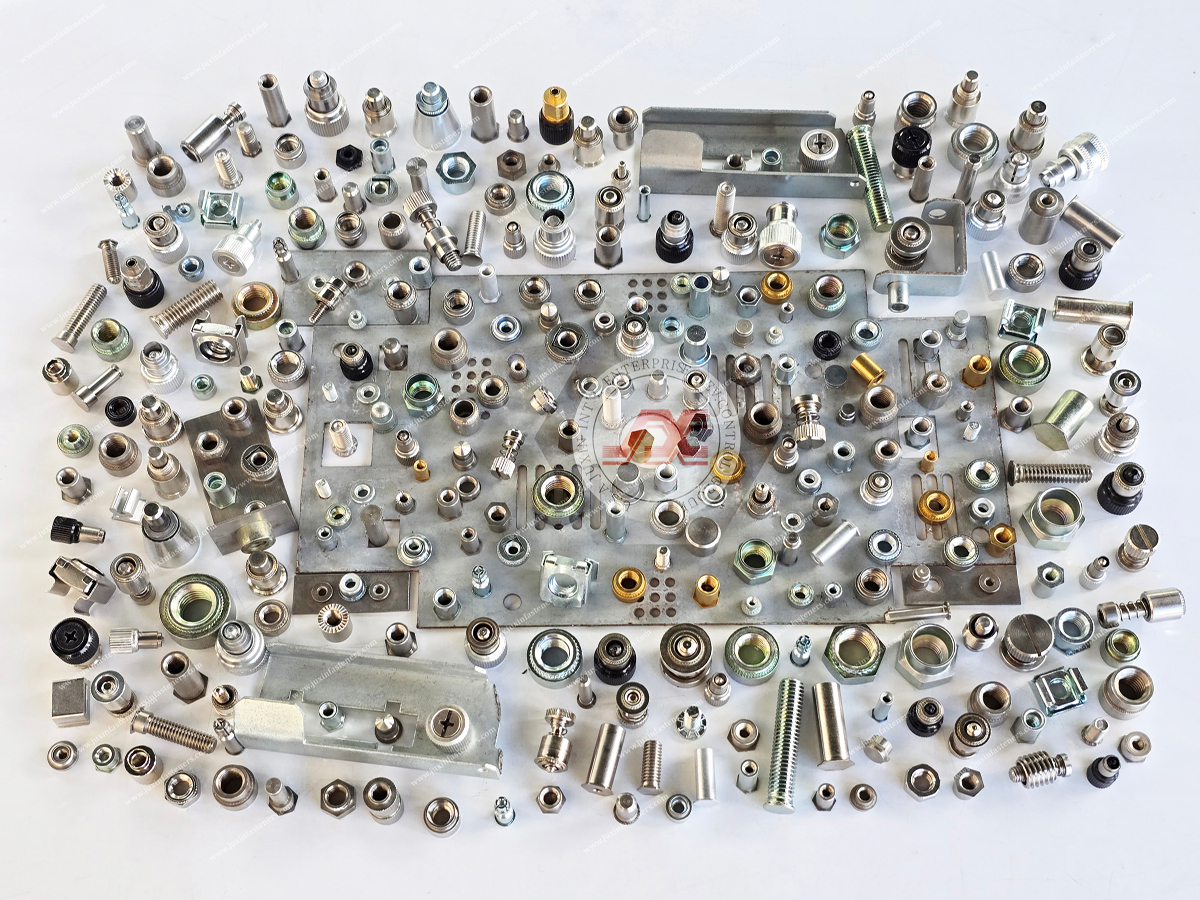
Product Pictures
Contact Us
Tel.:
+86 020 8621 0320
+86 020 3121 6067
E-mail:
Technical Support:
Navigation
SEND INQUIREY