Call Us
+86 136 6007 9809
Call Us
+86 136 6007 9809

Blind Rivet Nut Selection Guide for Industrial Applications
Optimized Fastening Solutions for Automotive, Aerospace & Electrical Systems
Learn about blind rivet nut types and how to select the right fastener for industrial applications, including automotive, aerospace, and electrical systems.
Product Specification
Blind Rivet Nut Selection Guide for Industrial Applications
Optimized Fastening Solutions for Automotive, Aerospace & Electrical Systems
Learn about blind rivet nut types and how to select the right fastener for industrial applications, including automotive, aerospace, and electrical systems.
Introduction: Why Blind Rivet Nuts Matter in Modern Engineering
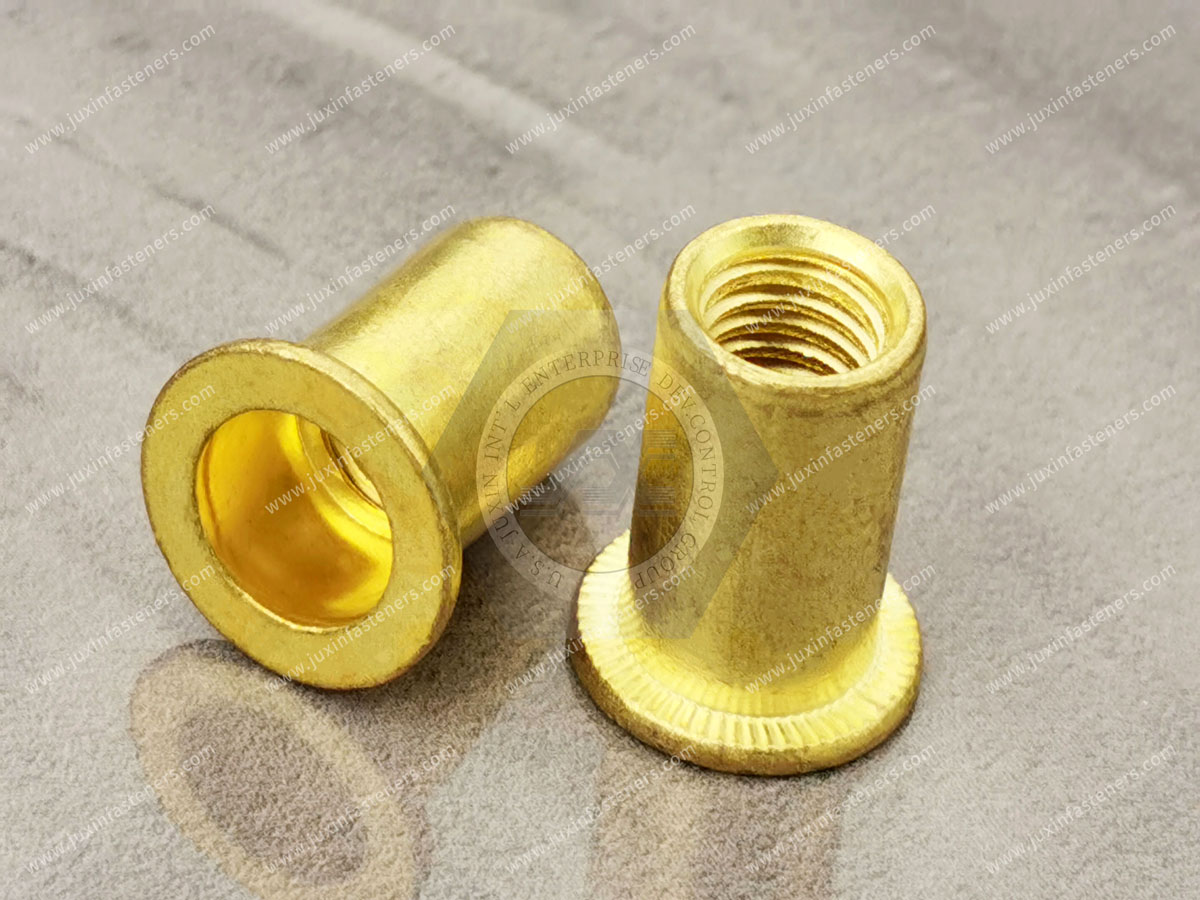
Blind rivet nuts (also known as rivet nuts, threaded inserts, or blind rivet inserts) are essential fastening solutions for industries where access to the backside of a workpiece is limited or impossible.
As a single-sided installation fastener, the blind rivet nut creates strong internal threads in thin materials through controlled plastic deformation—making it a critical solution in automotive manufacturing, aerospace panel assembly, and electrical enclosure design.
For procurement engineers and design specialists, selecting the right blind rivet nut type directly impacts joint strength, fatigue resistance, and long-term reliability.
Types of Blind Rivet Nuts and Their Industrial Applications
Understanding different blind rivet nut types is key to choosing the best fastening solution:
1. Standard Blind Rivet Nuts
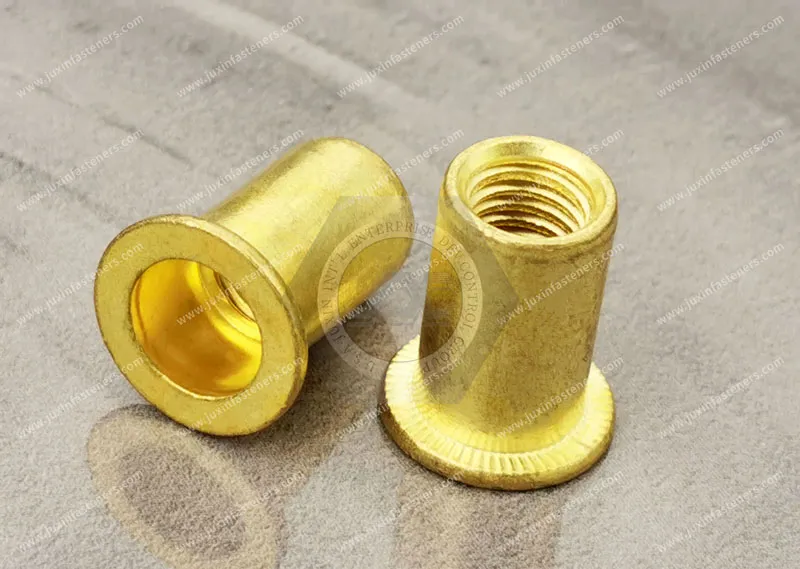
Cylindrical body design
Ideal for general-purpose fastening in thin sheet metal
Widely used in HVAC systems, industrial equipment, and electrical cabinets
2. Jack Nuts
Feature expanding legs for load distribution
Perfect for soft or brittle materials such as plastics, composites, and wood
Common in lightweight assemblies and non-metal applications
3. Closed-End Rivet Nuts
Sealed structure prevents leakage
Suitable for liquid-tight or gas-tight environments
Used in automotive fluid systems and sealed enclosures
4. Hex Rivet Nuts
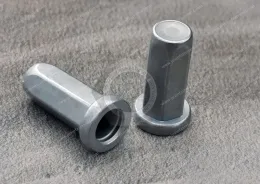
Hexagonal body prevents rotation under torque
Ideal for high-torque mechanical assemblies
Frequently used in automotive structural components
5. Blind Rivet Studs
Provide external threads instead of internal threads
Enable quick mounting of components without additional bolts
Common in modular assemblies and panel mounting systems
Key Factors for Selecting the Right Blind Rivet Nut
Choosing the optimal industrial rivet nut requires evaluating multiple engineering parameters:
1. Material Selection
Zinc-plated steel: Cost-effective, suitable for indoor environments
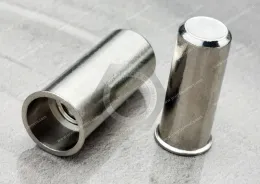
Stainless steel rivet nuts: Superior corrosion resistance for harsh conditions
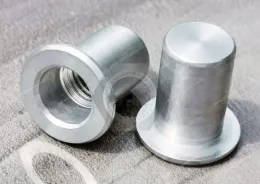
Aluminum rivet nuts: Lightweight, ideal for aerospace and EV applications
2. Grip Range (Panel Thickness)
Match rivet nut specifications to material thickness
Typical range: 0.5 mm – 6 mm
Ensures proper deformation and secure installation
3. Mechanical Performance
Evaluate pull-out strength and torque resistance
Critical for load-bearing and vibration-prone environments
4. Installation Conditions
Designed for one-sided access (blind installation)
Ideal for closed cavities, tubular structures, and enclosed housings
Engineering Advantages of Blind Rivet Nuts
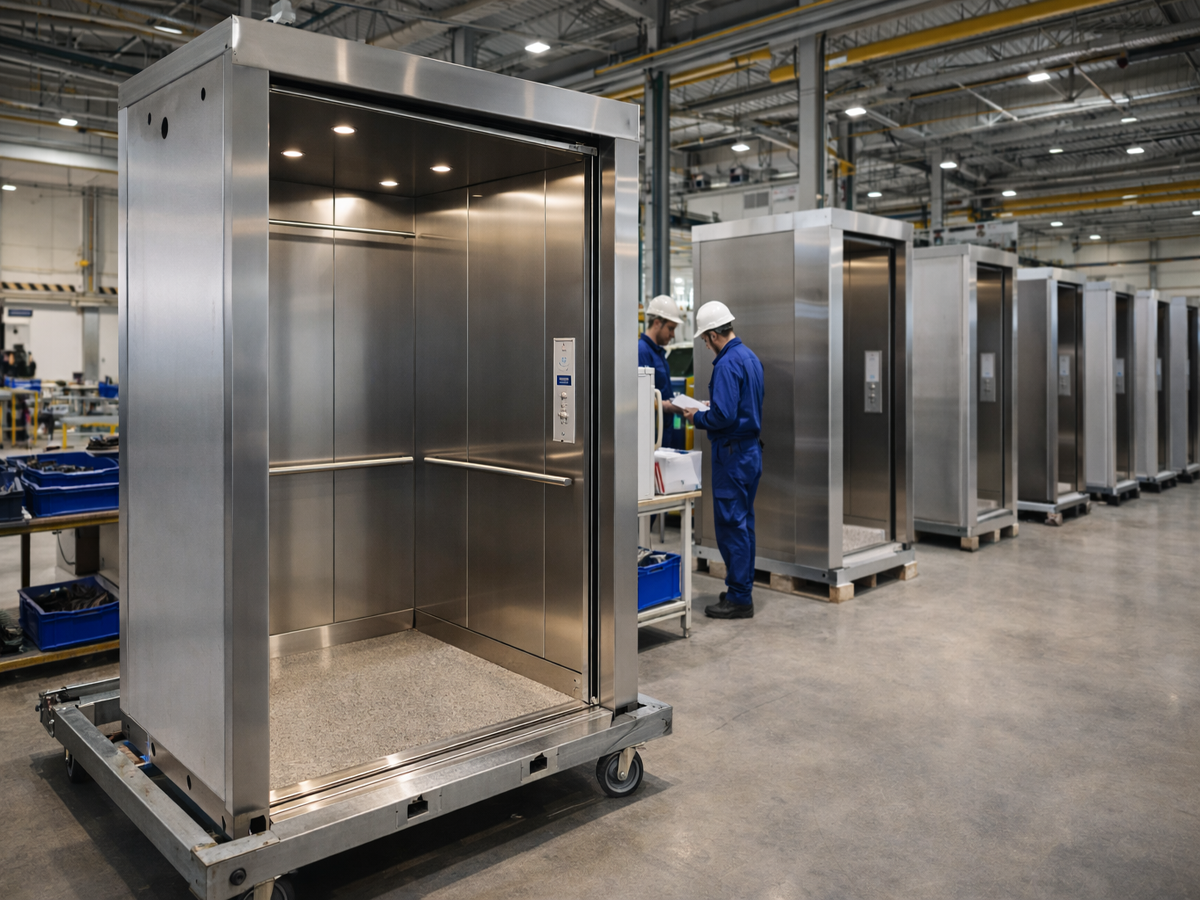
1. Single-Sided Installation Capability
Blind rivet nuts eliminate the need for backside access, solving fastening challenges in:
Automotive door panels and side structures
Aerospace cabin assemblies
Enclosed electrical systems
2. Reinforcement of Thin-Walled Structures
Blind rivet nuts create strong internal threads in thin materials such as:
Aluminum body panels
Aerospace skins
This significantly reduces the risk of thread stripping and improves load distribution.
3. Compatibility with Dissimilar Materials
Unlike welding, rivet nuts enable the reliable joining of:
Steel fasteners to aluminum panels
Multi-material composite structures
This is essential in lightweight vehicle design and advanced aerospace engineering.
4. High Fatigue Resistance
Cold-form installation avoids heat-affected zones, ensuring:
Superior fatigue strength
Long-term durability under vibration
Ideal for vehicle operation and aircraft structural performance.
Industry Applications and Use Cases
Automotive Industry Solutions
Blind rivet nuts are widely used in modern vehicle manufacturing:
Body Structures:
Mounting window regulators, door locks, and seat belt anchors
Body Panels & Closures:
Fixing hinges in hoods and trunk lids
Modular Assembly:
Providing standardized threaded points for fast, repeatable assembly
Aerospace Panel Applications
In aerospace and spacecraft manufacturing, high-performance rivet nuts are critical:
Cabin Structure Assembly:
Used in thin aluminum alloy skins for lightweight fastening
Maintenance Panels:
Enable easy access and reassembly
High-Standard Compliance:
Manufactured according to strict aerospace standards (e.g., NAS specifications)
Electrical & Industrial Equipment
Electrical Enclosures: Secure mounting points for components
HVAC Systems: Reliable fastening in sheet metal ducting
Industrial Machinery: Durable connections in high-load environments
Automation & Manufacturing Efficiency
Advanced automated rivet nut installation systems significantly improve production:
Installation speed increased from ~50 pcs/hour to over 1000 pcs/hour
Quality consistency improved from 85% to 99.5%
Reduced labor cost and production cycle time
This is especially valuable in automotive mass production and aerospace manufacturing lines.
Quality Assurance and Reliability
For critical industries, fastener quality is non-negotiable. A professional manufacturer ensures:
Precision cold forming for dimensional accuracy
Strict quality control systems
Compliance with international standards
Stable and scalable supply chain
Conclusion: Optimizing Your Fastening Strategy
Blind rivet nuts provide a high-performance, flexible, and cost-effective fastening solution for modern industrial applications.
With advantages such as single-sided installation, enhanced strength in thin materials, and compatibility with multi-material assemblies, they are indispensable in automotive, aerospace, and industrial manufacturing.
Product Packaging
Packaging Standard
At Juxin Fasteners, we apply standardized export packaging to ensure product protection, traceability, and compliance with international logistics requirements.
1. Standard Export Packaging
Unless otherwise specified, all products will be packed according to our factory standard export packaging, which includes:
Moisture-resistant inner protection
Poly bag or small box packing as required
Reinforced export cartons
Clear labeling with part number, specification, batch number, and quantity
Palletizing for sea or air shipment when necessary
Our standard packaging is designed to ensure safe transportation, efficient warehousing, and long-distance international shipping.
2. Customized Packaging Options
We also provide customized packaging solutions according to customer requirements, including but not limited to:
Private labeling
Customized barcodes
Specific carton dimensions
Retail packaging
Special pallet configuration
Customer-specific marking and identification
So that you know, customized packaging may involve additional costs and extended lead time depending on the complexity of the requirements.
3. Compliance & Quality Assurance
All packaging processes are controlled under our ISO 9001 quality management system to ensure consistency, traceability, and product integrity throughout the supply chain.
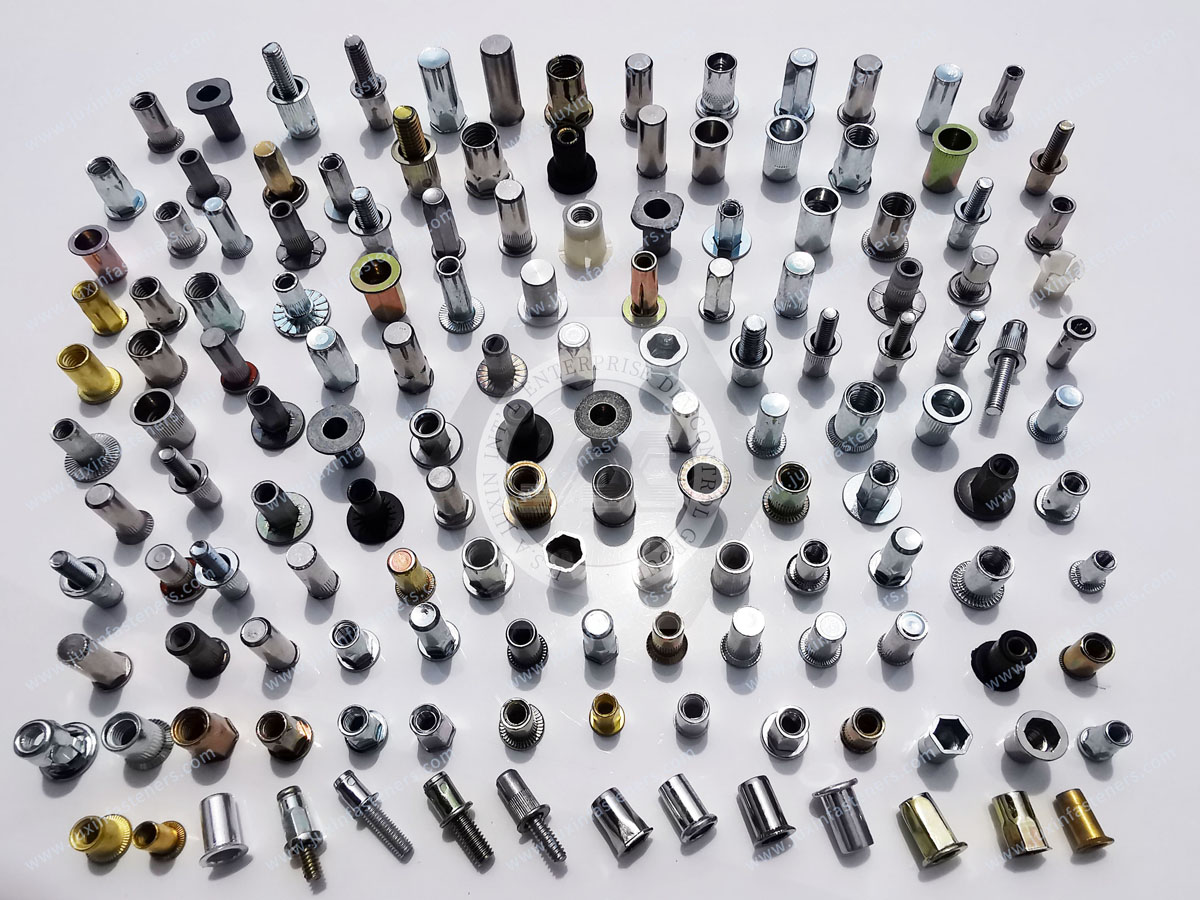
Product Pictures
Contact Us
Tel.:
+86 020 8621 0320
+86 020 3121 6067
E-mail:
Technical Support:
Navigation
SEND INQUIREY