Call Us
+86 136 6007 9809
Call Us
+86 136 6007 9809

Pipe Thread Selection Guide: NPT, BSP, R, Rp Explained for Industrial Pipe Fittings and Sealing Systems
Engineering Guide for Pipe Thread Standards in Industrial Fastening and Fluid Systems
In industrial piping systems, pipe thread selection is one of the most commonly misunderstood aspects of engineering.
Product Specification
Pipe Thread Selection Guide: NPT, BSP, R, Rp Explained for Industrial Pipe Fittings and Sealing Systems
Engineering Guide for Pipe Thread Standards in Industrial Fastening and Fluid Systems
In industrial piping systems, pipe thread selection is one of the most commonly misunderstood aspects of engineering.
On technical drawings, engineers often encounter multiple thread designations, such as:
NPT
BSP (G, R, Rp)
Rc
PT (legacy JIS designation)
For new engineers or procurement teams, these symbols may appear interchangeable. However, incorrect selection can lead to:
Leakage
Thread damage
Assembly failure
System pressure loss
Complete joint replacement
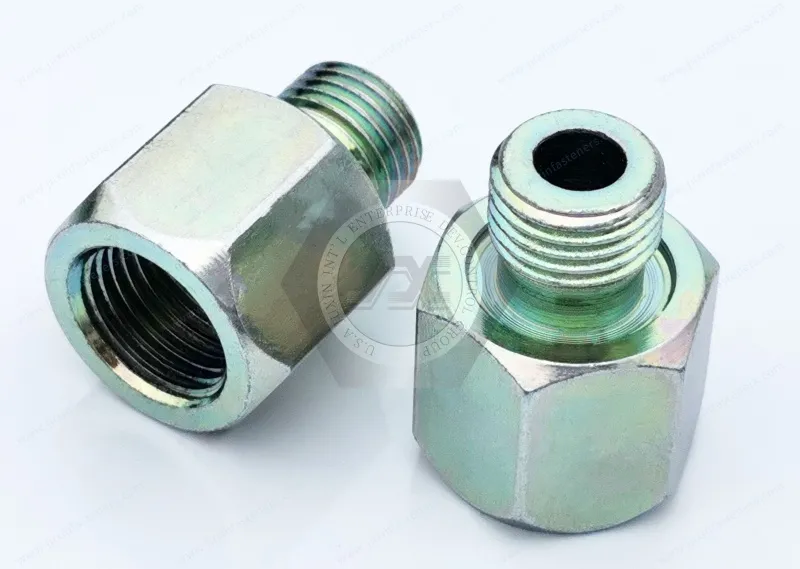
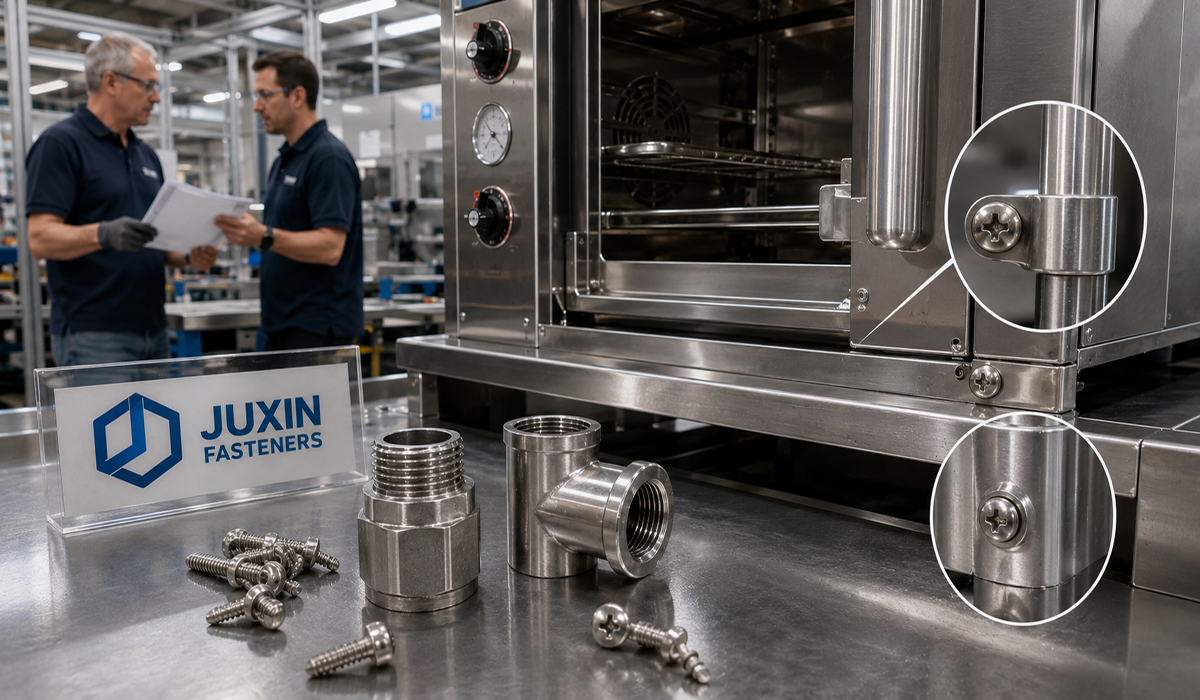
At JUXIN FASTENERS, we provide industrial pipe fittings, threaded fasteners, and precision sealing thread components for global fluid, hydraulic, pneumatic, and petrochemical systems.
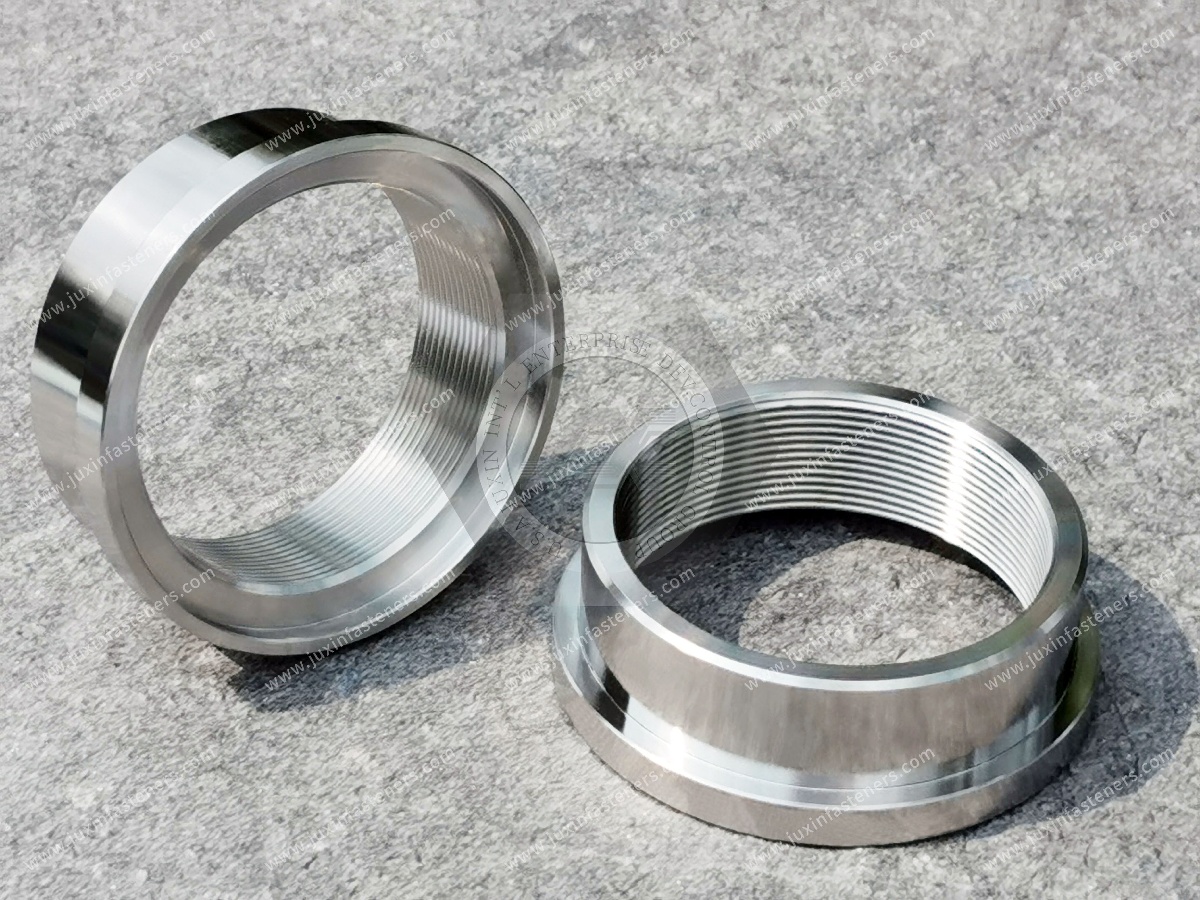
1. Pipe Threads Are NOT Standard Metric Threads
Unlike metric fasteners (e.g., M10, M12), pipe thread sizes do NOT represent the actual outer diameter.
Instead, pipe thread sizes represent nominal pipe bore (NPS / BSP nominal size).
For example:
A 1/2” NPT thread does NOT mean the thread diameter is 12.7 mm.
In reality:
Outer diameter ≈ 21 mm
Actual geometry depends on thread taper and standard
Key Engineering Principle
Pipe thread sizing is based on:
“What pipe size does this fitting connect to?”
NOT:
“What is the actual diameter of the thread?”
This is the fundamental difference between pipe threads and standard mechanical fasteners.
2. Two Major Pipe Thread Systems: 55° vs 60°
Global pipe thread standards are based on two main systems:
55° BSP (British Standard Pipe System – ISO 7 / ISO 228)
Used widely in Europe, Asia, and international industrial systems.
Includes:
BSPP (Parallel threads) → G thread
BSPT (Taper threads) → R / Rc / Rp
60° NPT System (ASME B1.20.1 – ANSI Standard)
Primarily used in North America.
Includes:
NPT (Taper pipe thread)
NPTF (Dryseal thread system)
3. BSP Thread System (G, R, Rc, Rp)
The BSP system follows ISO standards:
ISO 7-1 (sealing threads)
ISO 228-1 (non-sealing threads)
G Thread (BSPP – Parallel Thread)
Standard: ISO 228-1 / DIN 259
Parallel (straight) thread
Non-sealing by design
Sealing depends on:
PTFE tape
sealing washers
O-rings
Typical Applications:
HVAC piping
Water distribution systems
Low-pressure pneumatic systems
✔ Easy assembly
✔ Low cost
✘ Not suitable for high-pressure sealing without auxiliary materials
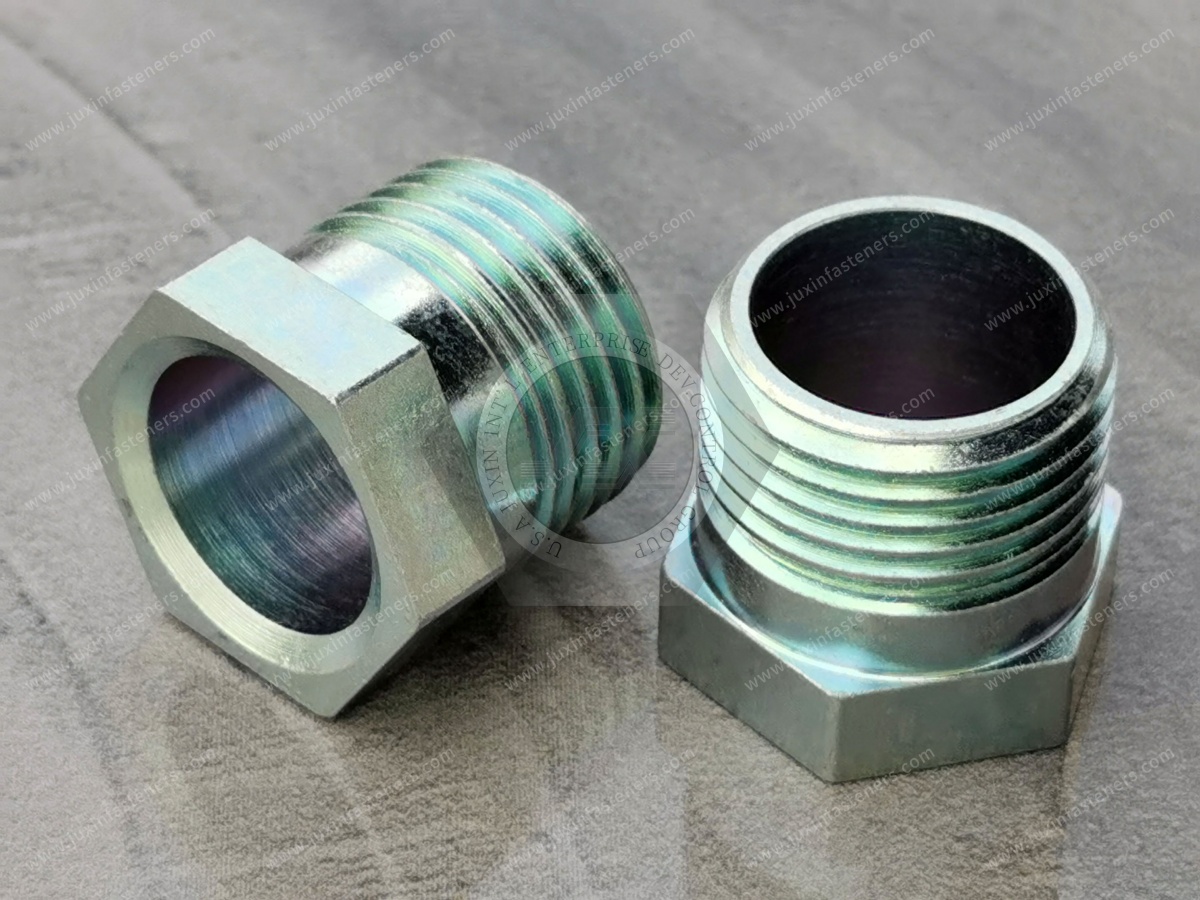
R / Rc / Rp Threads (BSPT – Taper Thread System)
Standard: ISO 7-1 / DIN 2999
These are sealing threads based on taper geometry.
R Thread (External Taper Thread)
Male taper thread
Seals via metal-to-metal interference
Rc Thread (Internal Taper Thread)
Female taper thread
Used with R external threads
Rp Thread (Parallel Internal Thread)
Internal parallel thread
Used with an R external thread for sealing via deformation
Sealing Principle
BSPT sealing relies on:
Taper interference fit
Metal deformation contact
Controlled thread engagement
4. NPT Thread System (ASME B1.20.1)
NPT (National Pipe Taper) is the North American standard.
60° thread angle
Taper ratio: 1:16
Self-sealing geometry through interference fit
Key Characteristics:
Metal-to-metal sealing
Requires thread sealant (PTFE tape or sealant paste)
Widely used in oil & gas, instrumentation, and hydraulic systems
Typical Applications:
Petrochemical piping systems
Hydraulic equipment
Industrial instrumentation lines
North American OEM equipment
NPTF (Dryseal Thread System)
Advanced version of NPT:
Designed for “dry sealing.”
Minimal reliance on sealants
Tighter thread tolerances
Used mainly in:
High-pressure hydraulic systems
Aerospace and military applications
5. Why Mixing Thread Systems Causes Failure
One of the most common engineering mistakes is mixing:
BSP (55°) and NPT (60°)
Even though both systems use taper geometry (1:16), they are NOT compatible.
Consequences of Mixing:
Thread galling
Partial engagement failure
Leakage under pressure
Permanent thread damage
Engineering Rule:
BSP and NPT systems must NEVER be interchanged.
6. Sealing vs Non-Sealing Threads: Critical Distinction
G Thread (Non-Sealing)
Requires external sealing materials
Common in low-pressure systems
R / Rc / Rp / NPT (Sealing Threads)
Designed for pressure sealing via geometry
Seal is achieved through an interference fit
Important Engineering Note:
Using excessive PTFE tape on taper sealing threads can:
Prevent proper metal contact
Reduce sealing performance
Cause over-tightening damage
7. International Standard Cross Reference
BSP Thread Standards (Europe & International)
ISO 7-1 → R / Rc / Rp sealing threads
ISO 228-1 → G parallel threads
DIN 2999 → BSPT equivalent
NPT Thread Standards (North America)
ASME B1.20.1 → NPT taper pipe threads
ANSI/ASME standards for industrial piping systems
Legacy Standards
PT (Japanese JIS taper thread – outdated in many applications)
ZG (older terminology replaced by ISO 7 system)
Modern engineering design should always reference:
ISO 7-1
ISO 228-1
ASME B1.20.1
8. Practical Selection Guide for Engineers and Procurement Teams
Low Pressure Systems (≤10 bar)
Recommended:
✔ G Thread (ISO 228-1 / BSPP)
✔ PTFE tape sealing
✔ HVAC / water systems
Medium to High Pressure Systems
Recommended:
✔ R / Rc BSPT threads (ISO 7-1)
✔ Metal sealing taper threads
✔ Hydraulic and industrial piping systems
North American Standard Equipment
Recommended:
✔ NPT (ASME B1.20.1)
✔ NPTF for dry sealing applications
9. Key Engineering Rules for Pipe Thread Selection
To avoid failure in industrial piping systems, always confirm:
1. Thread Standard System
BSP (55°) vs NPT (60°)
Never mix systems
2. Sealing Mechanism
G = non-sealing (requires external sealing)
R / NPT = sealing via thread geometry
3. Installation Method
Taper threads: controlled torque required
Parallel threads: sealing accessory required
10. Conclusion
Pipe thread selection is a fundamental engineering decision in industrial piping, fluid systems, and mechanical assembly design.
Incorrect selection can lead to:
System leakage
Pressure failure
Equipment damage
Safety risks
Understanding the difference between:
NPT (ASME 60° system)
BSP (ISO 55° system)
G / R / Rp thread types
is essential for reliable industrial design.
At JUXIN FASTENERS, we supply:
Industrial pipe threads and fittings
Precision threaded fastening systems
BSP / NPT compatible industrial components
Custom engineering fastening solutions
We support global industries, including:
Oil & Gas
Petrochemical
Hydraulic systems
Power generation
Industrial automation
JUXIN FASTENERS – Precision Threaded Solutions for Global Industrial Engineering Systems.

Product Packaging
Packaging Standard
At Juxin Fasteners, we apply standardized export packaging to ensure product protection, traceability, and compliance with international logistics requirements.
1. Standard Export Packaging
Unless otherwise specified, all products will be packed according to our factory standard export packaging, which includes:
Moisture-resistant inner protection
Poly bag or small box packing as required
Reinforced export cartons
Clear labeling with part number, specification, batch number, and quantity
Palletizing for sea or air shipment when necessary
Our standard packaging is designed to ensure safe transportation, efficient warehousing, and long-distance international shipping.
2. Customized Packaging Options
We also provide customized packaging solutions according to customer requirements, including but not limited to:
Private labeling
Customized barcodes
Specific carton dimensions
Retail packaging
Special pallet configuration
Customer-specific marking and identification
So that you know, customized packaging may involve additional costs and extended lead time depending on the complexity of the requirements.
3. Compliance & Quality Assurance
All packaging processes are controlled under our ISO 9001 quality management system to ensure consistency, traceability, and product integrity throughout the supply chain.
Product Pictures
Contact Us
Tel.:
+86 020 8621 0320
+86 020 3121 6067
E-mail:
Technical Support:
Navigation
SEND INQUIREY