Call Us
+86 136 6007 9809
Call Us
+86 136 6007 9809

Plastic Snap Fasteners for Industrial Applications
Tool-Free, Lightweight, and Cost-Effective Connection Solutions for Modern Product Design
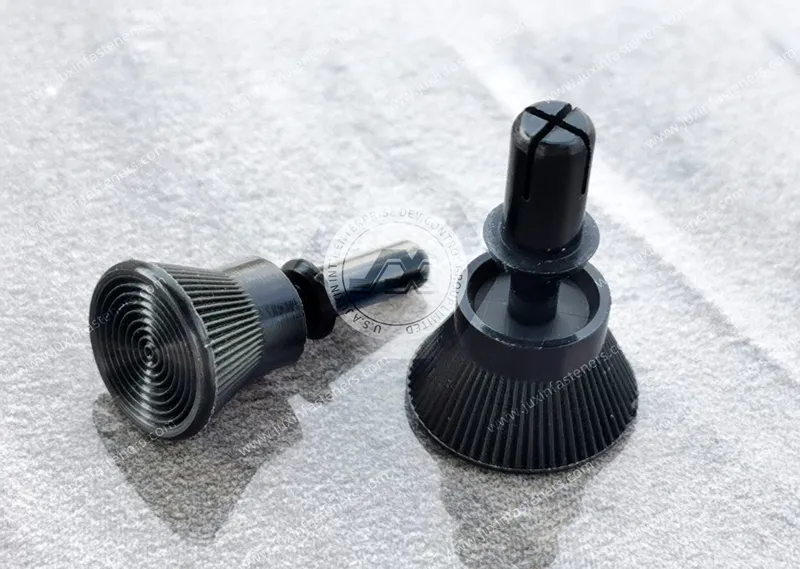
Plastic snap fasteners are widely used in modern manufacturing as a highly efficient method for connecting, locking, and securing components without tools. Designed with flexible engineering plastics such as ABS, Nylon (PA), and PS, these fastening systems provide a reliable alternative to traditional screws, rivets, and metal connectors.
Due to their ease of installation, durability, and cost efficiency, Plastic Snap Fasteners and Plastic Clips are now essential components across industries, including automotive, electronics, furniture, and consumer goods.
Product Specification
Plastic Snap Fasteners for Industrial Applications
Tool-Free, Lightweight, and Cost-Effective Connection Solutions for Modern Product Design
Plastic snap fasteners are widely used in modern manufacturing as a highly efficient method for connecting, locking, and securing components without tools. Designed with flexible engineering plastics such as ABS, Nylon (PA), and PS, these fastening systems provide a reliable alternative to traditional screws, rivets, and metal connectors.
Due to their ease of installation, durability, and cost efficiency, Plastic Snap Fasteners and Plastic Clips are now essential components across industries, including automotive, electronics, furniture, and consumer goods.
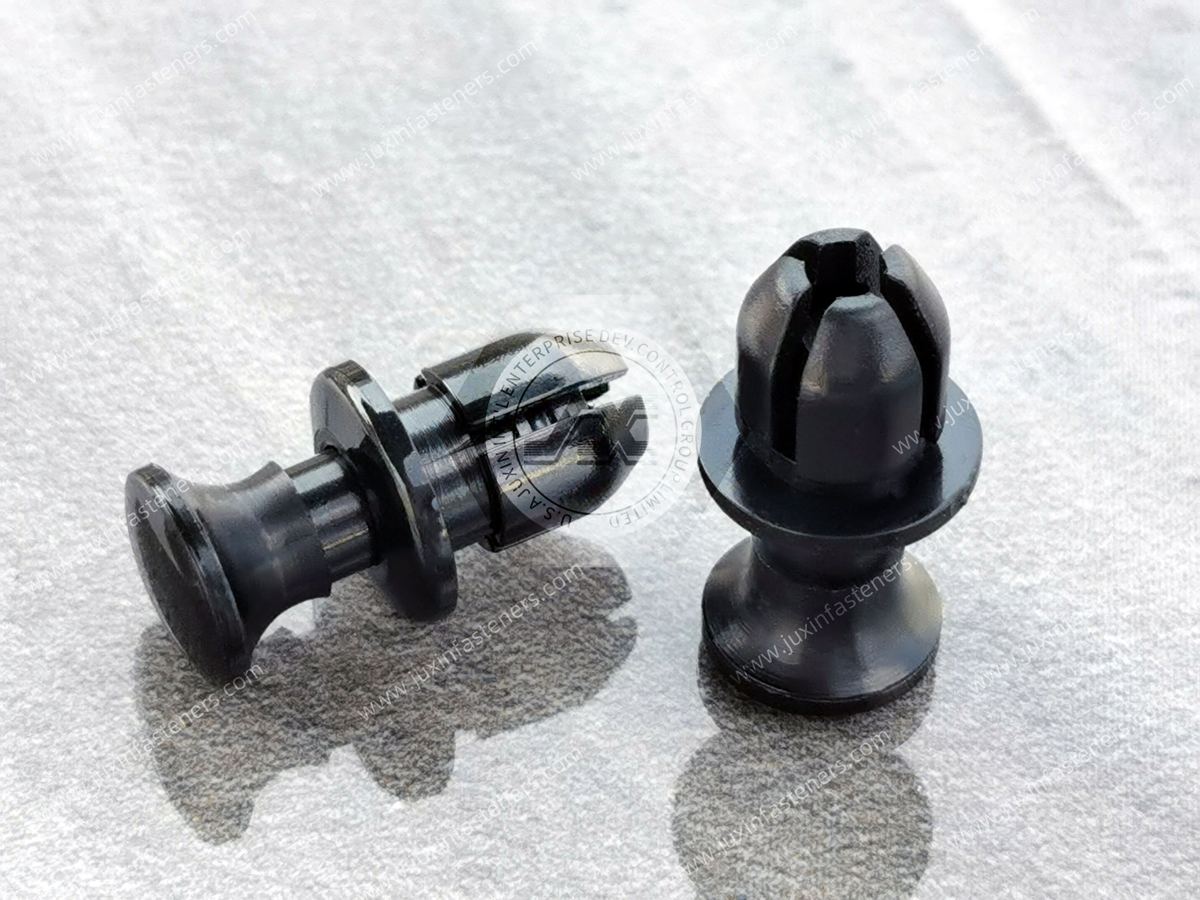
1. What Are Plastic Snap Fasteners?
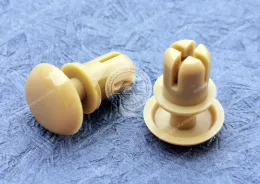
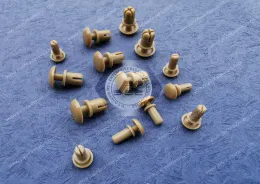
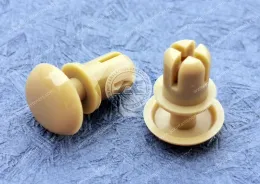
Plastic snap fasteners are mechanical fasteners that join two components through elastic deformation and snap-fit engagement.
A typical snap-fit system consists of:
Positioning components – guide alignment during assembly
Locking components – provide retention force after installation
Once inserted, the fastener deforms slightly and then returns to its original shape, creating a secure mechanical lock.
Depending on design requirements, snap fasteners can be:
Fixed snap fasteners
Adjustable snap fasteners
Connecting snap fasteners
They are widely used alongside Plastic Rivets, Push-In Rivets, and Barbed Fasteners in modern assembly systems.
2. Common Types of Snap-Fit Connector Designs
Cantilever Snap Fasteners
Most widely used structure
Suitable for thermoplastic components
Common in automotive and electronics assemblies
U-Shaped Snap Fasteners
Variant of cantilever design
Provides improved flexibility and controlled deformation
Ideal for repeated assembly and disassembly
Ring Snap Fasteners
Designed for cylindrical components
Provides uniform locking force around the structure
Torsion Snap Fasteners
Uses rotational deformation
Suitable for compact or constrained installation spaces
3. Materials Used in Plastic Snap Fasteners
Material selection plays a critical role in performance and durability.
ABS (Acrylonitrile Butadiene Styrene)
Smooth surface finish
Good rigidity and appearance quality
Widely used in visible components
Nylon (PA – Polyamide)
High toughness and flexibility
Excellent fatigue resistance
Heat and vibration resistant
Preferred material for automotive OEM applications, especially in high-load or high-frequency environments.
PS (Polystyrene)
Cost-effective
Suitable for low-stress applications
Common in consumer goods
4. Key Advantages of Plastic Snap Fasteners
✔ Tool-Free Assembly
One of the biggest advantages of Plastic Snap Fasteners is their ability to be installed and removed without tools, significantly improving production efficiency.
✔ Lightweight Design
Compared to metal fasteners, plastic snap-fit systems reduce overall product weight, supporting:
Automotive lightweight engineering
Portable electronic devices
Energy-efficient product design
✔ Cost Efficiency
Snap-fit systems reduce:
Assembly time
Labor costs
Additional hardware requirements
✔ Aesthetic Integration
Unlike exposed screws or bolts, snap fasteners enable:
Clean surface design
Hidden fastening structures
Improved product appearance
✔ Durability and Corrosion Resistance
Plastic materials provide resistance to:
Moisture
Chemicals
Environmental corrosion
This ensures long-term stability in both indoor and outdoor applications.
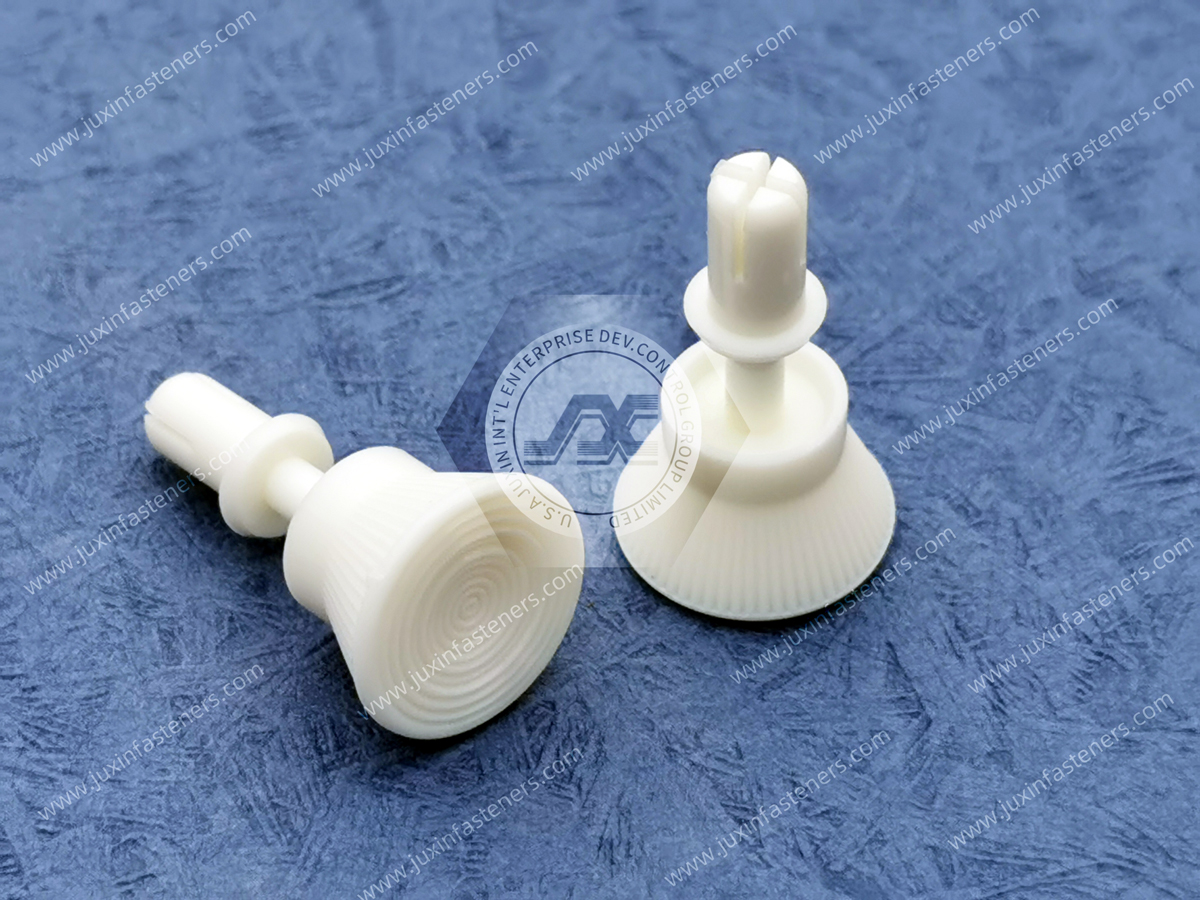
5. Industrial Applications
Plastic snap fasteners are used across multiple industries:
Automotive Manufacturing
Door interior panels
Center consoles
Fender liners
Trunk and bumper components
They are widely adopted in modern automotive interior fastening systems, replacing traditional mechanical fasteners.
Electronics Industry
Device housings
USB hubs
Ethernet enclosures
Control module covers
Often combined with PCB Hardware, PCB Spacers, and Screw Grommets for complete electronic assembly solutions.
Furniture and Consumer Goods
Covers and caps
Decorative panels
Buckles and adjustment systems
Outdoor and Sports Equipment
Backpacks
Tents
Sports gear fastening systems
3D Printing and Prototyping
Snap-fit structures are widely used in:
Rapid prototyping
Functional testing models
Lightweight design validation
6. Design Considerations for Reliable Performance
Controlled Deformation Design
Proper snap-fit design must ensure:
Sufficient elastic deformation for secure locking
Avoidance of over-deformation that leads to failure
Balanced stress distribution
Stress Optimization
Good engineering practice includes:
Adding rounded corners to reduce stress concentration
Designing gradual taper structures for improved fatigue life
Using reinforcement lugs for alignment and stability
Avoiding Over-Constraint
Excessive constraints can cause:
Installation difficulty
Dimensional mismatch
Reduced assembly reliability
Assembly Feedback Design
Effective snap-fit systems provide:
Audible “click” confirmation
Tactile feedback during installation
This ensures correct installation in production environments.
7. Advantages and Limitations
Advantages
Easy manufacturing
Low production cost
Tool-free installation
Durable under normal operating conditions
Aesthetic design flexibility
Limitations
Lower mechanical strength compared to metal fasteners
Wear over repeated assembly cycles
Sensitive to material selection and design accuracy
Stress concentration risk in poorly designed structures
High-performance polymers such as reinforced Nylon (PA) are often used to overcome these limitations.
8. Engineering Development Trends
Modern Plastic Snap Fasteners and Plastic Clips are evolving with advancements in manufacturing technology:
Finite element analysis (FEA) for structural optimization
Additive manufacturing (3D printing) for rapid design iteration
Material reinforcement for higher strength applications
Improved design precision for reduced assembly force
These developments allow engineers to achieve:
Lower manufacturing cost
Higher structural reliability
More compact product designs
9. Role in Modern Manufacturing Systems
Plastic snap fasteners are not just small components—they are a critical part of modern product engineering strategies.
They support:
Modular product design
Fast assembly line production
Lightweight structural optimization
Simplified maintenance and repair
When integrated with Plastic Rivets, Push-In Rivets, and PCB Hardware systems, they form a complete fastening ecosystem for industrial manufacturing.

10. Conclusion
Plastic snap fasteners provide a highly efficient and versatile solution for modern engineering applications.
With advantages in:
Tool-free assembly
Lightweight design
Cost efficiency
Corrosion resistance
Structural flexibility
they have become essential components in automotive, electronics, and consumer product manufacturing.
Through optimized design, material selection, and engineering analysis, Plastic Snap Fasteners and Plastic Clips continue to play a key role in improving product performance, reducing manufacturing cost, and enabling next-generation industrial design.
Product Packaging
Packaging Standard
At Juxin Fasteners, we apply standardized export packaging to ensure product protection, traceability, and compliance with international logistics requirements.
1. Standard Export Packaging
Unless otherwise specified, all products will be packed according to our factory standard export packaging, which includes:
Moisture-resistant inner protection
Poly bag or small box packing as required
Reinforced export cartons
Clear labeling with part number, specification, batch number, and quantity
Palletizing for sea or air shipment when necessary
Our standard packaging is designed to ensure safe transportation, efficient warehousing, and long-distance international shipping.
2. Customized Packaging Options
We also provide customized packaging solutions according to customer requirements, including but not limited to:
Private labeling
Customized barcodes
Specific carton dimensions
Retail packaging
Special pallet configuration
Customer-specific marking and identification
So that you know, customized packaging may involve additional costs and extended lead time depending on the complexity of the requirements.
3. Compliance & Quality Assurance
All packaging processes are controlled under our ISO 9001 quality management system to ensure consistency, traceability, and product integrity throughout the supply chain.
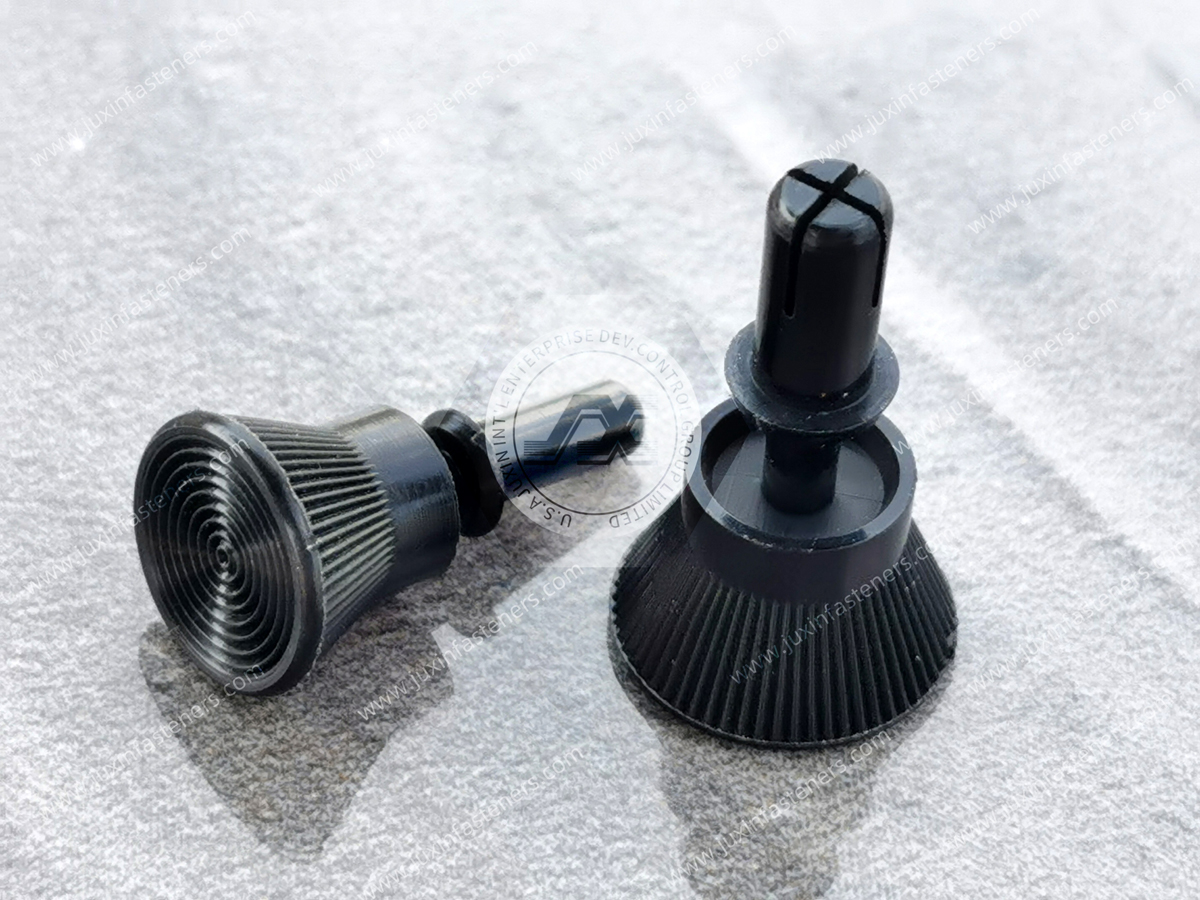
Product Pictures
Contact Us
Tel.:
+86 020 8621 0320
+86 020 3121 6067
E-mail:
Technical Support:
Navigation
SEND INQUIREY