Call Us
+86 136 6007 9809
Call Us
+86 136 6007 9809

Advanced Riveting Fastener Flatness Improvement Solution for Automotive and Aerospace Manufacturing
How Advanced Riveting Technology Delivers Superior Joint Strength and Perfect Surface Flushness
As modern automotive, aerospace, rail transportation, and industrial equipment manufacturers pursue lighter structures, improved aerodynamics, and premium exterior appearance, traditional joining technologies face increasing challenges.
Product Specification
Advanced Riveting Fastener Flatness Improvement Solution for Automotive and Aerospace Manufacturing
How Advanced Riveting Technology Delivers Superior Joint Strength and Perfect Surface Flushness
As modern automotive, aerospace, rail transportation, and industrial equipment manufacturers pursue lighter structures, improved aerodynamics, and premium exterior appearance, traditional joining technologies face increasing challenges.
Conventional welding processes often create heat distortion, residual stress, coating damage, and surface irregularities. Traditional riveted joints improve manufacturing flexibility but frequently leave visible protrusions that require additional finishing operations.
To address these challenges, an advanced riveting fastener technology has emerged that combines exceptional joint strength with fully flush surface quality. By optimizing hole preparation and rivet-forming processes, manufacturers can achieve mechanical joints that outperform traditional welds while maintaining perfectly smooth surfaces.
This article explores an advanced flush-riveting solution for high-strength sheet-metal assemblies and explains why it is becoming an important joining technology for automotive body structures, aerospace panels, and lightweight metal assemblies.
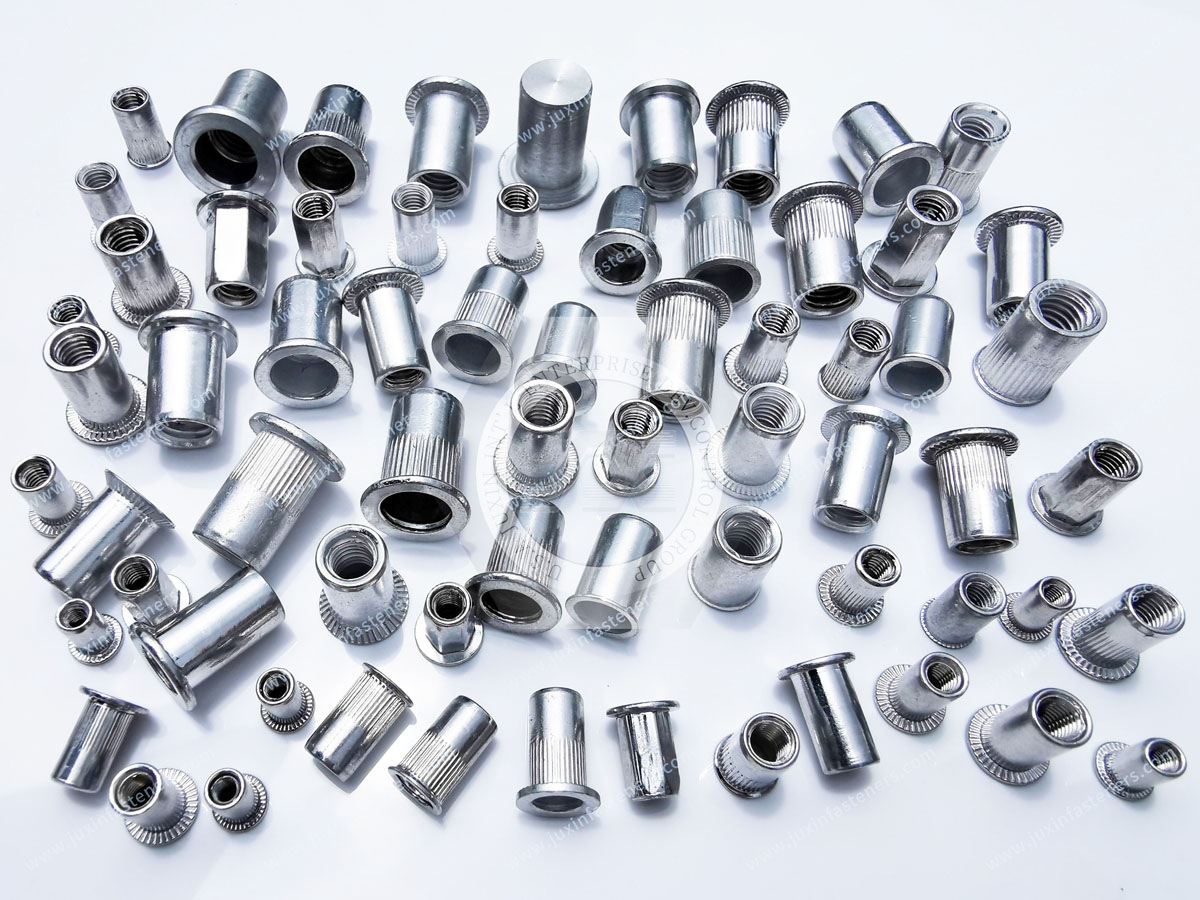
Why Surface Flatness Matters in Riveted Fastener Applications
In industries where appearance, aerodynamics, and structural efficiency are critical, surface flatness directly impacts product performance.
Typical applications include:
Automotive body panels
Electric vehicle battery enclosures
Aircraft fuselage skins
Aerospace structural panels
Rail vehicle exterior panels
High-speed transportation equipment
Architectural metal structures
Even small surface protrusions can create:
Aerodynamic drag
Surface quality issues
Additional finishing costs
Paint appearance defects
Assembly fit-up problems
For these reasons, manufacturers increasingly adopt flush riveting systems that create smooth surfaces on both sides of the joint.
Limitations of Conventional Flush Riveting
Traditional Double Flush Riveting (DFR) utilizes solid rivets installed into prepared holes.
The process generally consists of:
Hole punching
Rivet insertion
Rivet compression
Mechanical interlocking
While effective, conventional flush riveting presents several engineering limitations.
Inconsistent Hole Quality
As punching tools wear over time:
Hole geometry varies
Surface quality decreases
Joint consistency becomes difficult to maintain
Variations in hole dimensions directly affect rivet expansion and locking performance.
Limited Mechanical Interlock
Traditional punched holes often generate relatively small wall taper angles.
As a result:
Material engagement is reduced
Mechanical locking efficiency decreases
Joint strength remains limited
This can restrict the load-carrying capability of the riveted connection.

Manufacturing Challenges
Modern automotive production requires:
High-volume manufacturing
Automated assembly
Consistent quality
Tight dimensional control
Conventional riveting methods may struggle to meet increasingly demanding production requirements.
Advanced Flush Riveting Technology
To overcome these limitations, an enhanced riveting process introduces two additional operations between hole punching and final riveting.
The process sequence becomes:
Step 1 – Hole Punching
A precision hole is created in the overlapping sheet materials.
Step 2 – Hole Forging
The hole entrance is plastically formed to create:
Larger taper angles
Improved material flow
Strengthened hole walls
This significantly improves mechanical interlocking capability.
Step 3 – Hole Reaming and Deburring
The hole is precisely calibrated to:
Remove burrs
Improve dimensional consistency
Optimize rivet insertion
Step 4 – Rivet Installation
The solid rivet is compressed into the prepared hole.
Material flows uniformly, producing a high-strength mechanical lock while maintaining flush surfaces on both sides.
Mechanical Performance Advantages
Higher Joint Strength
The forged hole geometry creates a significantly stronger mechanical lock between rivet and substrate material.
Compared with conventional flush riveting:
Improved load distribution
Enhanced interlocking effect
Higher structural integrity
The optimized geometry allows the rivet to transfer greater tensile and shear loads.
Superior Peel Resistance
Many joining methods perform well under shear loading but fail under peel loading.
Advanced flush riveting significantly improves:
Peel strength
Joint stability
Impact resistance
This is particularly important in vehicle body structures subjected to dynamic loading conditions.
Improved Fatigue Life
Automotive and aerospace structures experience millions of load cycles throughout their service life.
The optimized rivet geometry helps:
Reduce stress concentration
Improve load transfer
Delay crack initiation
Extend fatigue durability
For vehicle body-in-white structures, fatigue resistance is often as important as static strength.
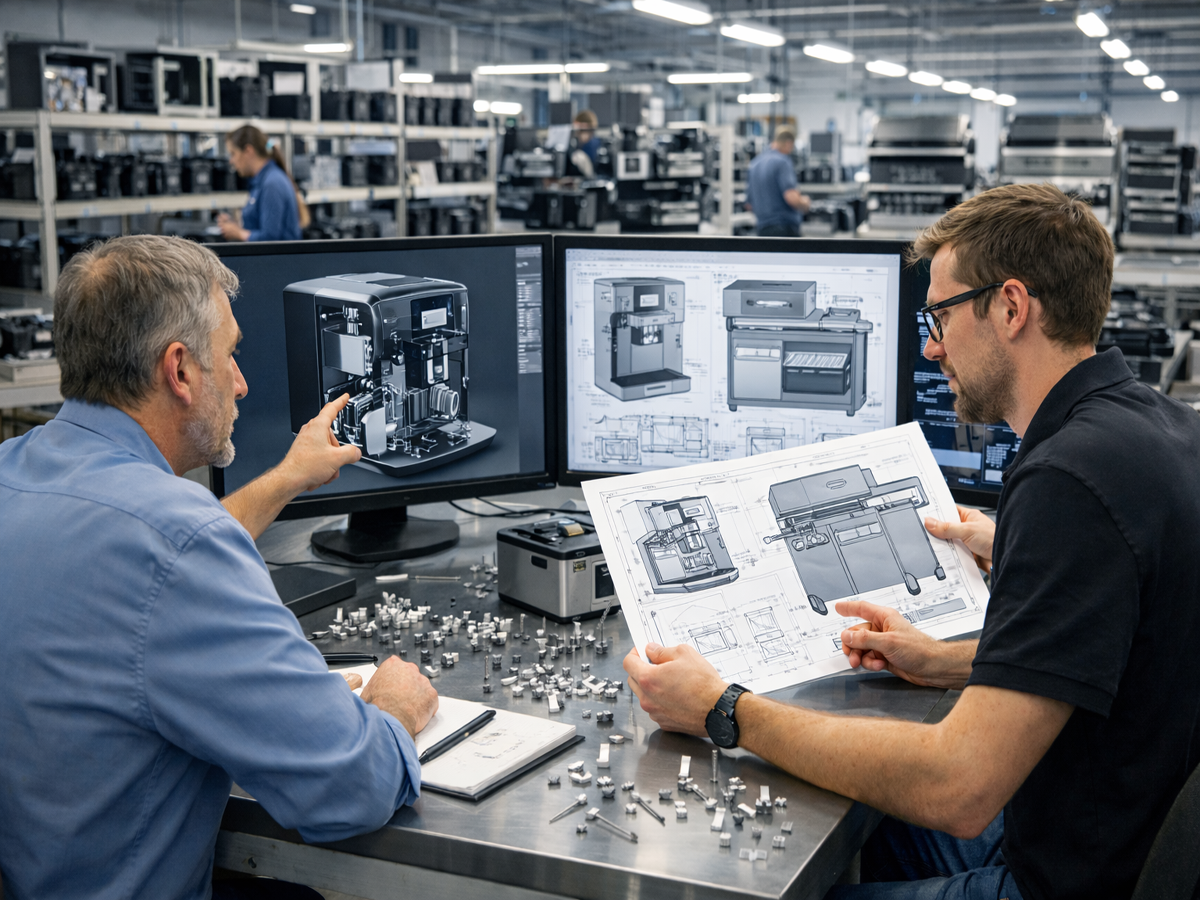
Comparison with Resistance Spot Welding
Resistance spot welding remains widely used in automotive manufacturing.
However, advanced riveting fasteners offer several advantages.
Performance Factor | Advanced Riveting | Resistance Spot Welding |
Surface Flatness | Excellent | Moderate |
Heat Distortion | None | Present |
Coating Damage | None | Possible |
Mixed Material Joining | Excellent | Limited |
Fatigue Performance | Excellent | Good |
Corrosion Resistance | Better | Dependent on protection |
Appearance Quality | Outstanding | Requires finishing |
Testing has demonstrated that optimized flush riveting joints can achieve significantly higher mechanical performance than comparable spot welds in certain applications, particularly in peel loading conditions.
Material Compatibility
One major advantage of advanced riveting fasteners is compatibility with modern lightweight materials.
Suitable materials include:
High-strength steel
Advanced high-strength steel (AHSS)
Dual-phase steel
Galvanized steel
Aluminum alloys
Multi-material assemblies
Coated sheet metal
This flexibility makes riveting fasteners ideal for modern lightweight vehicle design.
Automotive Applications
Advanced riveting fasteners are increasingly used throughout vehicle body structures.
Common applications include:
Body-in-White Assemblies
Side members
Floor panels
Reinforcement structures
Roof assemblies
Electric Vehicle Structures
Battery enclosure systems
Battery tray assemblies
Structural aluminum components
Exterior Panels
Closure panels
Roof skins
Body side panels
Mixed-Material Structures
Steel-to-aluminum joints
Multi-layer assemblies
Corrosion-sensitive connections
Key Design Considerations
When selecting a riveting fastener solution, engineers should evaluate:
Material Thickness
Joint geometry must support sufficient material flow during riveting.
Rivet Material Selection
High-strength steel rivets typically provide maximum structural performance.
Hole Geometry Optimization
Hole angle and dimensional control directly influence joint strength.
Corrosion Protection
Appropriate surface treatments such as:
Zinc-Nickel Coating
Zinc Flake Coating
Mechanical Zinc Coating
Electroplated Zinc
should be selected according to service conditions.
Production Requirements
The joining process must integrate smoothly into automated manufacturing lines.
Why Automotive Manufacturers Are Moving Toward Advanced Riveting Fasteners
Modern vehicle platforms demand:
Lightweight construction
Mixed-material joining
Improved crash performance
Enhanced durability
Premium appearance quality
Advanced riveting technology addresses all of these requirements simultaneously.
By introducing optimized hole forming and precision finishing processes, manufacturers can obtain:
✓ Fully flush surfaces
✓ Superior joint appearance
✓ Higher mechanical strength
✓ Improved fatigue performance
✓ Better corrosion resistance
✓ Enhanced manufacturing consistency
✓ Reduced post-processing requirements

Conclusion
Advanced flush riveting technology represents a significant evolution in mechanical fastening systems for automotive and aerospace manufacturing.
Through the combination of precision hole forming, controlled material flow, and optimized rivet installation, manufacturers can achieve structural joints that deliver exceptional strength while maintaining perfectly smooth surface finishes.
For applications requiring riveting fasteners, structural rivets, automotive fasteners, high-strength fastening systems, body-in-white joining solutions, aluminum fastening systems, sheet metal fastening solutions, and lightweight vehicle assembly technologies, advanced flush riveting provides an effective alternative to conventional welding and traditional riveting methods.
As vehicle lightweighting and multi-material construction continue to expand, advanced riveting fasteners are expected to become one of the most important joining technologies in next-generation automotive manufacturing.
Product Packaging
Packaging Standard
At Juxin Fasteners, we apply standardized export packaging to ensure product protection, traceability, and compliance with international logistics requirements.
1. Standard Export Packaging
Unless otherwise specified, all products will be packed according to our factory standard export packaging, which includes:
Moisture-resistant inner protection
Poly bag or small box packing as required
Reinforced export cartons
Clear labeling with part number, specification, batch number, and quantity
Palletizing for sea or air shipment when necessary
Our standard packaging is designed to ensure safe transportation, efficient warehousing, and long-distance international shipping.
2. Customized Packaging Options
We also provide customized packaging solutions according to customer requirements, including but not limited to:
Private labeling
Customized barcodes
Specific carton dimensions
Retail packaging
Special pallet configuration
Customer-specific marking and identification
So that you know, customized packaging may involve additional costs and extended lead time depending on the complexity of the requirements.
3. Compliance & Quality Assurance
All packaging processes are controlled under our ISO 9001 quality management system to ensure consistency, traceability, and product integrity throughout the supply chain.
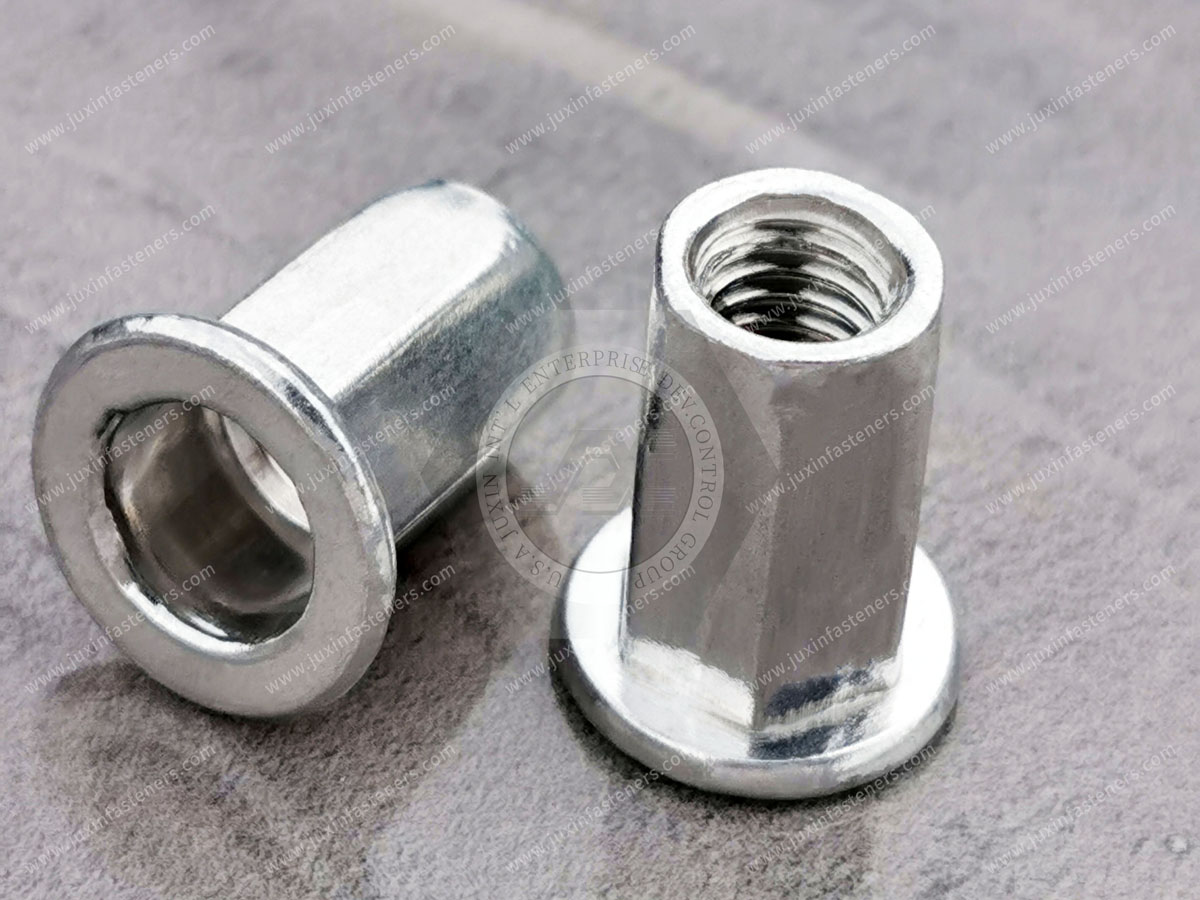
Product Pictures
Contact Us
Tel.:
+86 020 8621 0320
+86 020 3121 6067
E-mail:
Technical Support:
Navigation
SEND INQUIREY