Call Us
+86 136 6007 9809
Call Us
+86 136 6007 9809

Rivet Nuts and Advanced Riveting Solutions for the Rail Transit Manufacturing Industry
High-Strength Permanent Fastening Systems for High-Speed Rail, Metro & Rolling Stock Applications
In the rail transit manufacturing industry, where operating speeds exceed 350 km/h, and structures are subjected to millions of vibration cycles, connection reliability is a critical safety factor. Traditional threaded fasteners often suffer from preload loss, fatigue failure, and corrosion-induced loosening under long-term dynamic stress.
Product Specification
Rivet Nuts and Advanced Riveting Solutions for the Rail Transit Manufacturing Industry
High-Strength Permanent Fastening Systems for High-Speed Rail, Metro & Rolling Stock Applications
In the rail transit manufacturing industry, where operating speeds exceed 350 km/h, and structures are subjected to millions of vibration cycles, connection reliability is a critical safety factor. Traditional threaded fasteners often suffer from preload loss, fatigue failure, and corrosion-induced loosening under long-term dynamic stress.
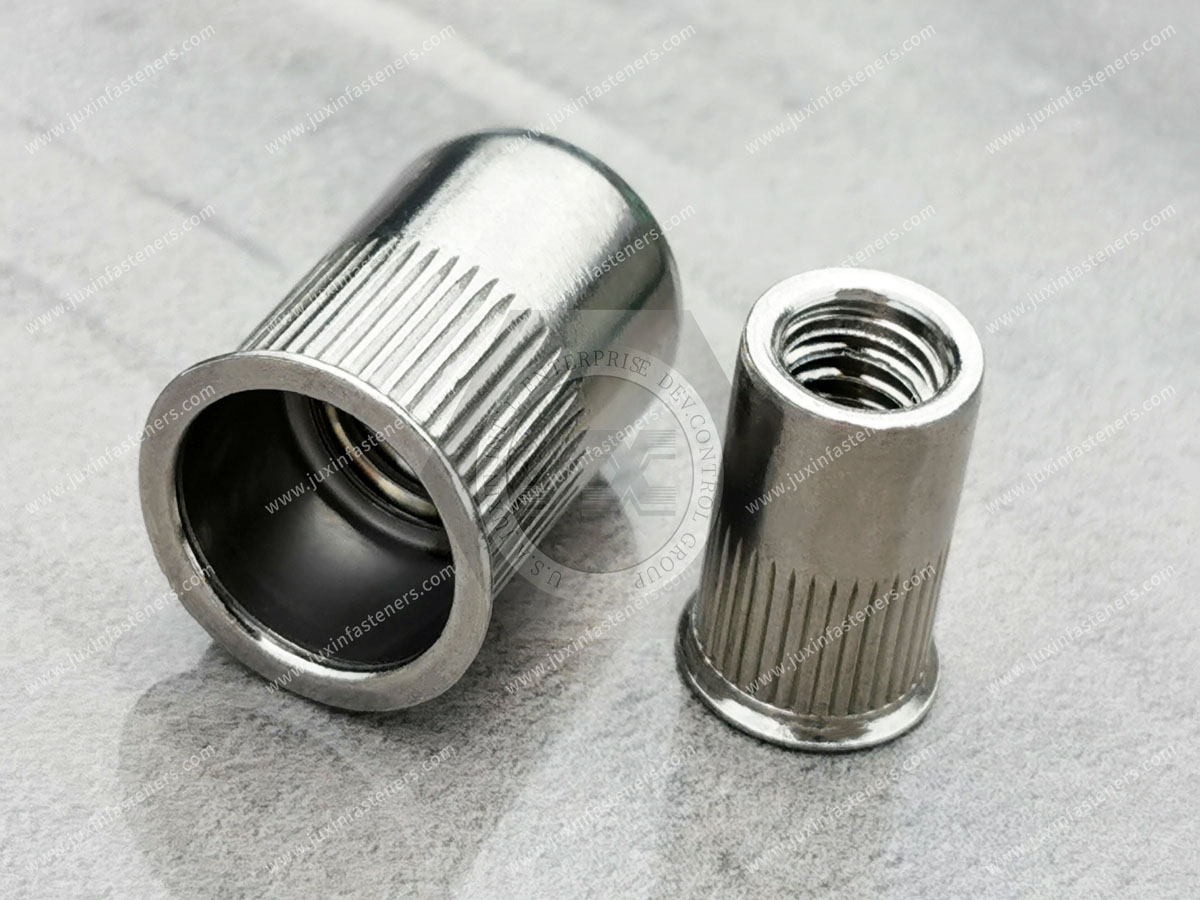
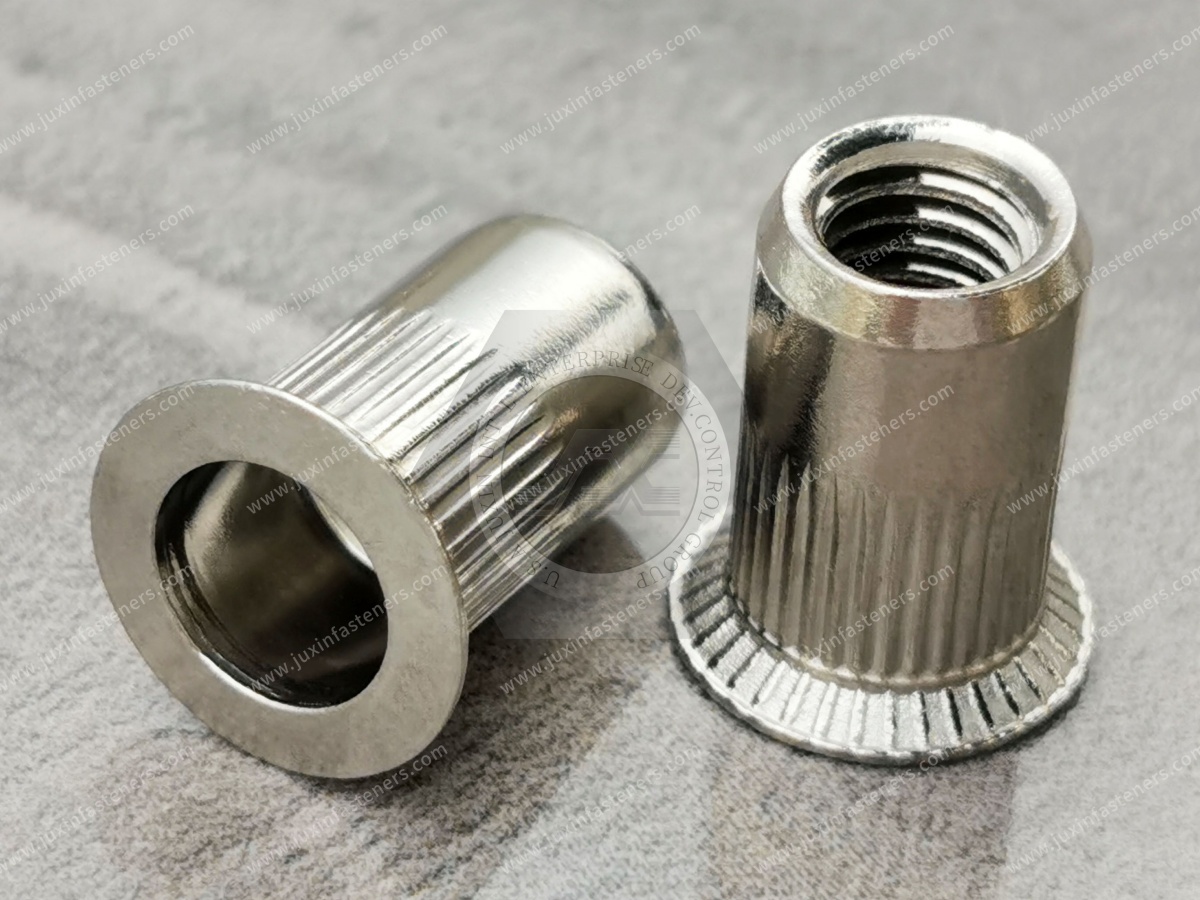
To meet these extreme engineering requirements, rivet nuts and specialized riveting solutions for rail transit manufacturing have become a preferred fastening technology. By forming a permanent mechanical lock through controlled plastic deformation, riveting systems provide a vibration- and fatigue-resistant, maintenance-free connection method for modern rail infrastructure and vehicle assembly.
1. Industry Challenges in Rail Transit Fastening Systems
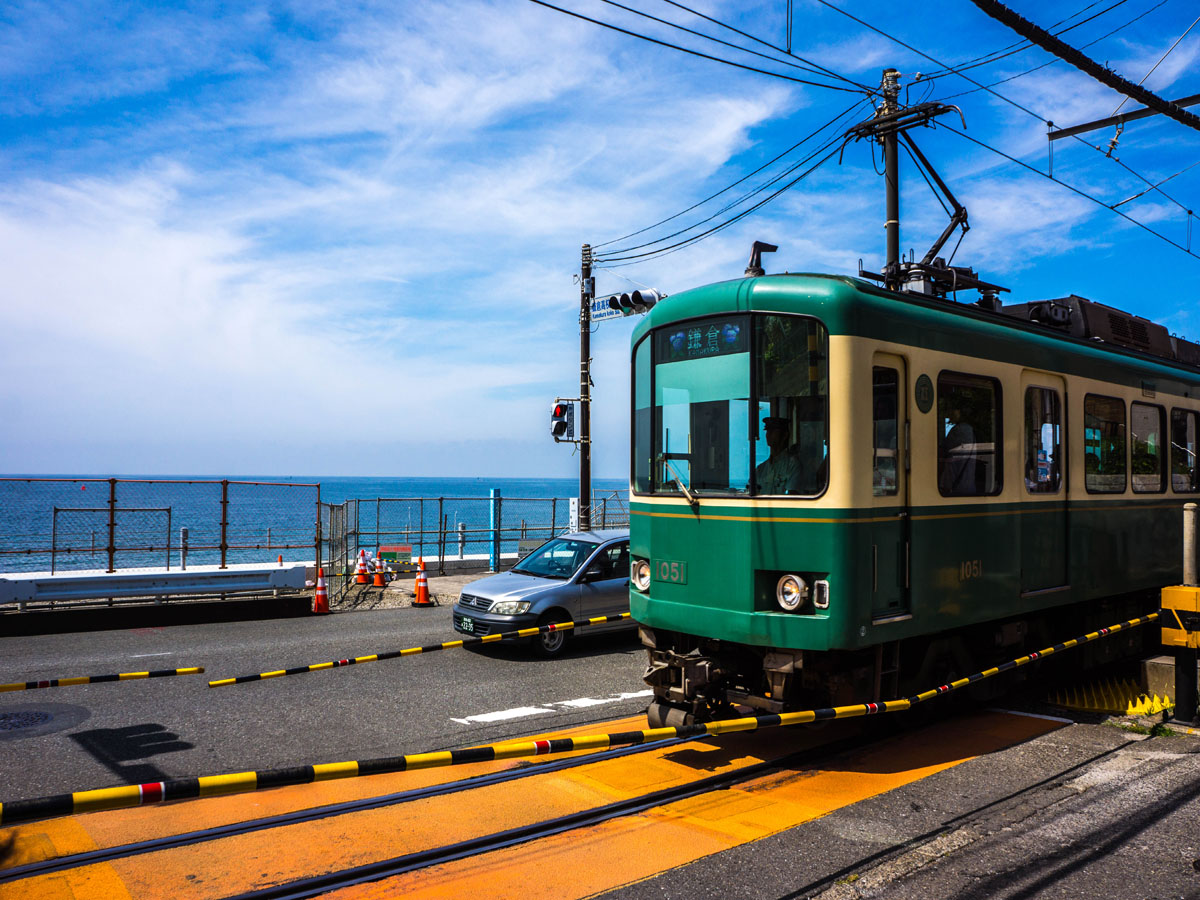
Rail transit equipment—including high-speed trains, subway systems, and freight wagons—operates under some of the harshest mechanical conditions in industrial engineering.
Key Engineering Challenges:
Continuous high-frequency vibration and cyclic loading
Impact forces from rail joints and track irregularities
High humidity, salt spray, and corrosive environments
Fatigue failure of conventional threaded fasteners
Preload relaxation in bolted connections over time
Increasing maintenance frequency and lifecycle cost
Traditional rail transit threaded fastening systems rely on friction-based preload retention, which is not sufficient for long-term structural stability under dynamic loads.
This creates a strong industry demand for permanent fastening solutions such as rivet nuts and industrial riveting systems.
2. Technical Principle of Rivet Nuts and Riveting Systems
Rivet nuts and specialized riveting fasteners operate through a controlled plastic deformation process using dedicated installation tools.
Working Principle:
The fastener body is plastically deformed during installation
Expansion creates a permanent mechanical interlock
The joint becomes independent of thread friction
A stable clamping force is maintained throughout service life
Unlike conventional threaded connections, rail transit riveting systems do not rely on preload friction, making them inherently resistant to loosening under vibration.
3. Engineering Advantages of Rail Transit Riveting Solutions
3.1 High Vibration Resistance
Riveted connections are ideal for high-speed rail fastening systems, as they remain stable under:
Continuous vibration cycles
High-speed dynamic loads
Mechanical shock conditions
3.2 Superior Fatigue Performance
Compared to threaded fasteners, rivet nut systems for rail transit provide:
Uniform stress distribution
Reduced stress concentration
Enhanced fatigue resistance under cyclic loading
3.3 Corrosion Resistance and Long-Term Stability
Because riveting does not depend on thread friction:
Corrosion has minimal impact on structural integrity
No preload degradation over time
Ideal for humid and salt-spray environments
3.4 Permanent and Traceable Connection
The irreversible nature of industrial rivet nut fastening systems enables:
Reliable assembly traceability
Lifecycle quality control
Stable long-term structural performance
4. Application Scenarios in Rail Transit Manufacturing
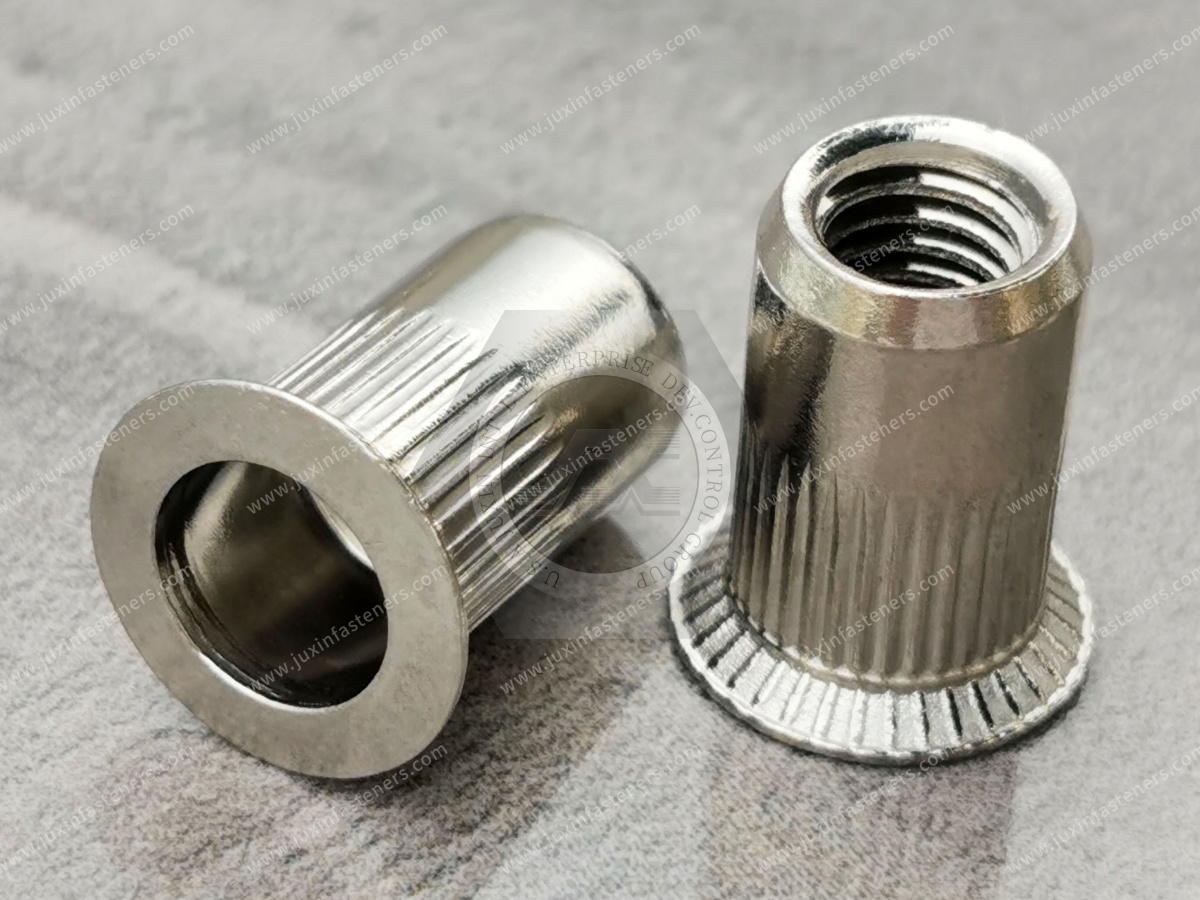
Rivet nuts and specialized riveting solutions are widely used across rail transit systems:
4.1 Rail Vehicle Body Structure
High-speed train body panels
Subway car structural frames
Freight wagon assemblies
These applications require high-strength permanent fastening systems to ensure structural rigidity and safety.
4.2 Bogie and Underframe Components
Suspension and load-bearing brackets
Mechanical linkage assemblies
Shock-resistant structural joints
Riveting ensures long-term stability under heavy vibration and dynamic impact.
4.3 Interior and Cabin Systems
Seat assemblies
Interior panels
Electrical mounting systems
Rivet nut fastening systems for thin-walled structures provide strong internal threads without requiring thick material sections.
4.4 Electrical Cabinets and Control Systems
Control box enclosures
Signal and wiring fixtures
Lightweight structural assemblies
Rivet nuts enable fast installation while maintaining high structural integrity.
4.5 Rail Infrastructure Components
Subway power rail systems
Track-side equipment enclosures
Railway switch assemblies
These environments demand high-reliability corrosion-resistant fastening solutions.
5. Lifecycle Engineering Service System
A complete rail transit riveting solution requires full lifecycle technical support.
5.1 Pre-Sales Engineering Analysis
Load condition evaluation
Vibration frequency assessment
Environmental corrosion analysis
Fastener selection optimization
This ensures correct specification of rivet nuts for rail transit applications, reducing installation errors and rework risk.
5.2 Installation Process Engineering
Tool selection guidance (manual / pneumatic / hydraulic rivet tools)
Installation parameter definition
Standardized riveting procedures
Torque and deformation control standards
This guarantees consistent performance across production lines.
5.3 After-Sales Technical Support
On-site troubleshooting support
Process optimization guidance
Failure mode analysis
Installation quality improvement
5.4 Digital Riveting Quality Systems
Advanced digital riveting tools for rail manufacturing enable:
Real-time force monitoring
Displacement tracking during installation
Full process traceability
Digital quality records for compliance
6. Engineering Value of Riveting Systems in Rail Transit
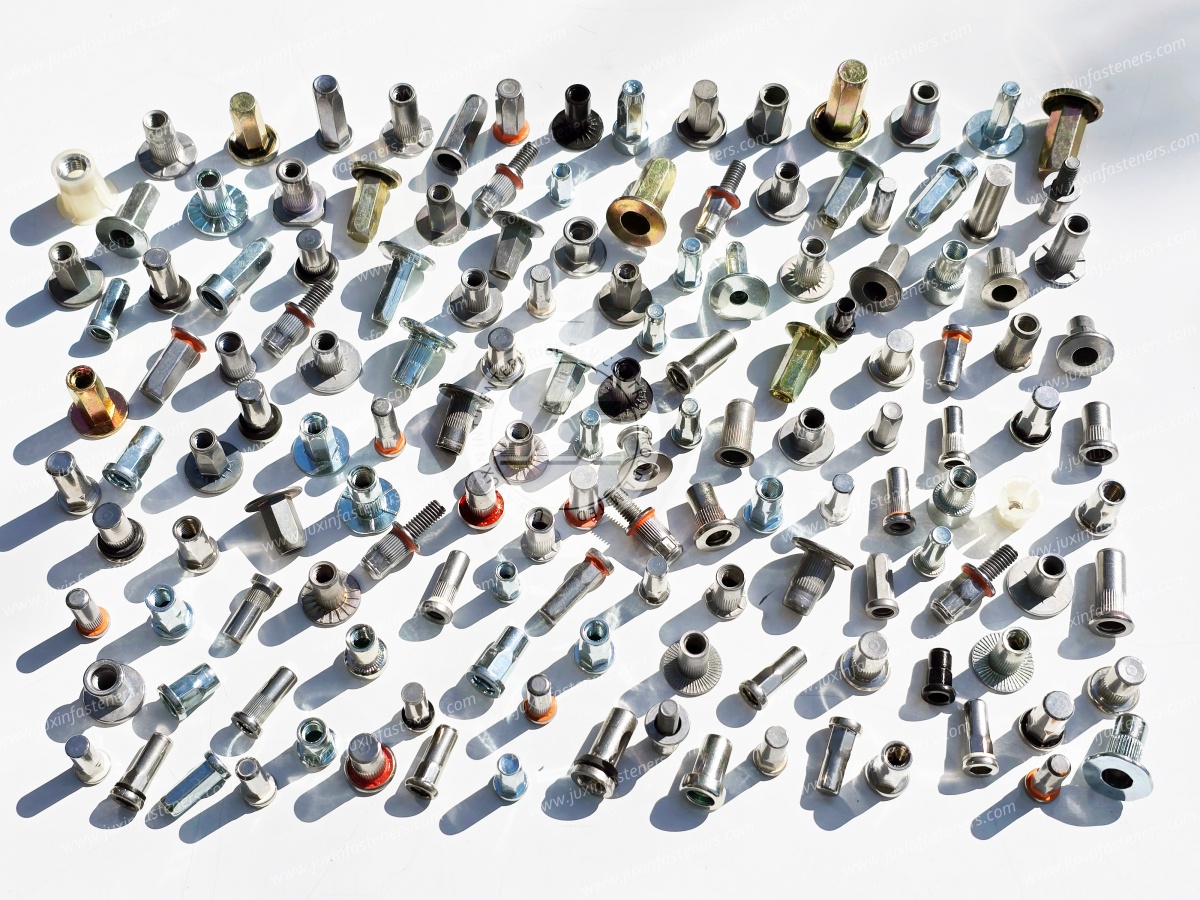
The adoption of rivet nut and industrial riveting technology in rail transit manufacturing delivers significant operational and economic benefits:
Extended maintenance intervals
Improved vehicle operational safety
Reduced fastener-related failure rates
Lower lifecycle maintenance costs
Increased structural reliability under extreme conditions
By replacing traditional threaded systems with permanent riveting solutions, manufacturers achieve long-term stability in high-speed rail environments.
7. Future Development Trends in Rail Transit Fastening Technology
The evolution of rail transit fastening systems is moving toward:
High-strength lightweight alloy integration
Composite material compatibility
Smart digital installation monitoring
Automated riveting production lines
Full lifecycle digital traceability systems
Future rivet nut fastening systems for rail manufacturing will combine material science, automation, and digital engineering to achieve higher precision and reliability.
Conclusion
In the rail transit industry, where safety and structural reliability are non-negotiable, rivet nuts and specialized riveting solutions provide a superior alternative to traditional threaded fastening systems. Their vibration resistance, fatigue durability, and permanent locking mechanism make them ideal for high-speed rail, metro systems, and infrastructure applications.
By adopting advanced rail transit riveting technology and rivet nut fastening systems, manufacturers can significantly enhance operational safety, reduce maintenance costs, and achieve long-term structural stability across the entire vehicle lifecycle.
Product Packaging
Packaging Standard
At Juxin Fasteners, we apply standardized export packaging to ensure product protection, traceability, and compliance with international logistics requirements.
1. Standard Export Packaging
Unless otherwise specified, all products will be packed according to our factory standard export packaging, which includes:
Moisture-resistant inner protection
Poly bag or small box packing as required
Reinforced export cartons
Clear labeling with part number, specification, batch number, and quantity
Palletizing for sea or air shipment when necessary
Our standard packaging is designed to ensure safe transportation, efficient warehousing, and long-distance international shipping.
2. Customized Packaging Options
We also provide customized packaging solutions according to customer requirements, including but not limited to:
Private labeling
Customized barcodes
Specific carton dimensions
Retail packaging
Special pallet configuration
Customer-specific marking and identification
So that you know, customized packaging may involve additional costs and extended lead time depending on the complexity of the requirements.
3. Compliance & Quality Assurance
All packaging processes are controlled under our ISO 9001 quality management system to ensure consistency, traceability, and product integrity throughout the supply chain.
Product Pictures
Contact Us
Tel.:
+86 020 8621 0320
+86 020 3121 6067
E-mail:
Technical Support:
Navigation
SEND INQUIREY