Call Us
+86 136 6007 9809
Call Us
+86 136 6007 9809

How to Choose the Right Rivet Nut for Thin Sheet Materials
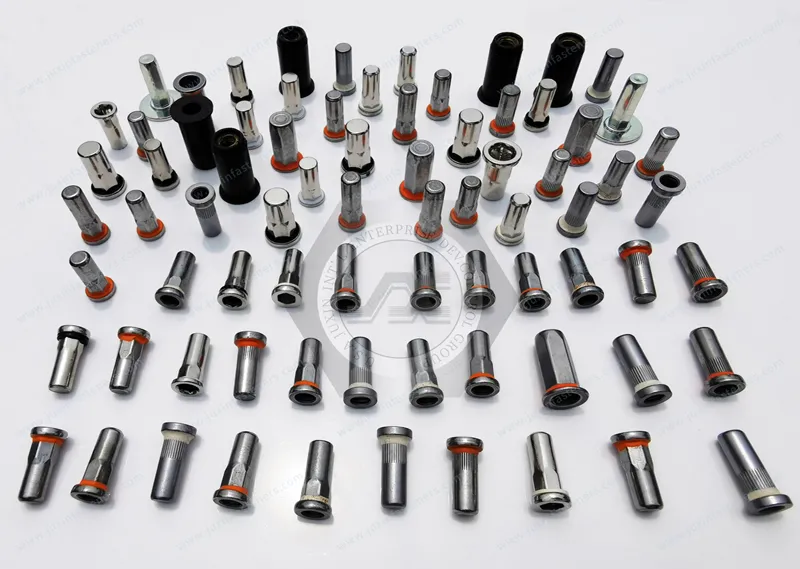
Thin sheet materials such as aluminum panels, sheet steel, and engineered plastics are widely used in modern manufacturing industries, including automotive, electronics, and electrical equipment.
Product Specification
How to Choose the Right Rivet Nut for Thin Sheet Materials
Thin sheet materials such as aluminum panels, sheet steel, and engineered plastics are widely used in modern manufacturing industries, including automotive, electronics, and electrical equipment.
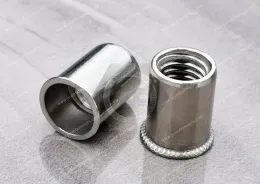
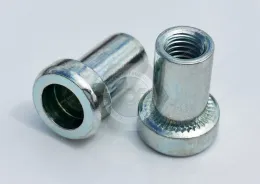
Traditional tapping methods often cannot provide reliable threads in thin materials. Blind rivet nuts offer an effective solution by creating strong internal threads without requiring access to the backside of the workpiece.
Understanding Grip Range
Grip range refers to the material thickness that a rivet nut can properly clamp after installation.
When selecting a rivet nut, ensure the base material thickness falls within the recommended grip range.
If two rivet nut sizes are suitable for the same material thickness, the shorter grip version is generally recommended, particularly for complex assemblies.
Rivet Nut Material Selection
The most common rivet nut materials include:
Carbon Steel
• High strength
• Suitable for structural applications
Aluminum
• Lightweight
• Good corrosion resistance
Stainless Steel
• Excellent corrosion resistance
• Ideal for outdoor or harsh environments
Selecting the correct material ensures both mechanical performance and long-term durability.
Increasing Pull-Out Strength
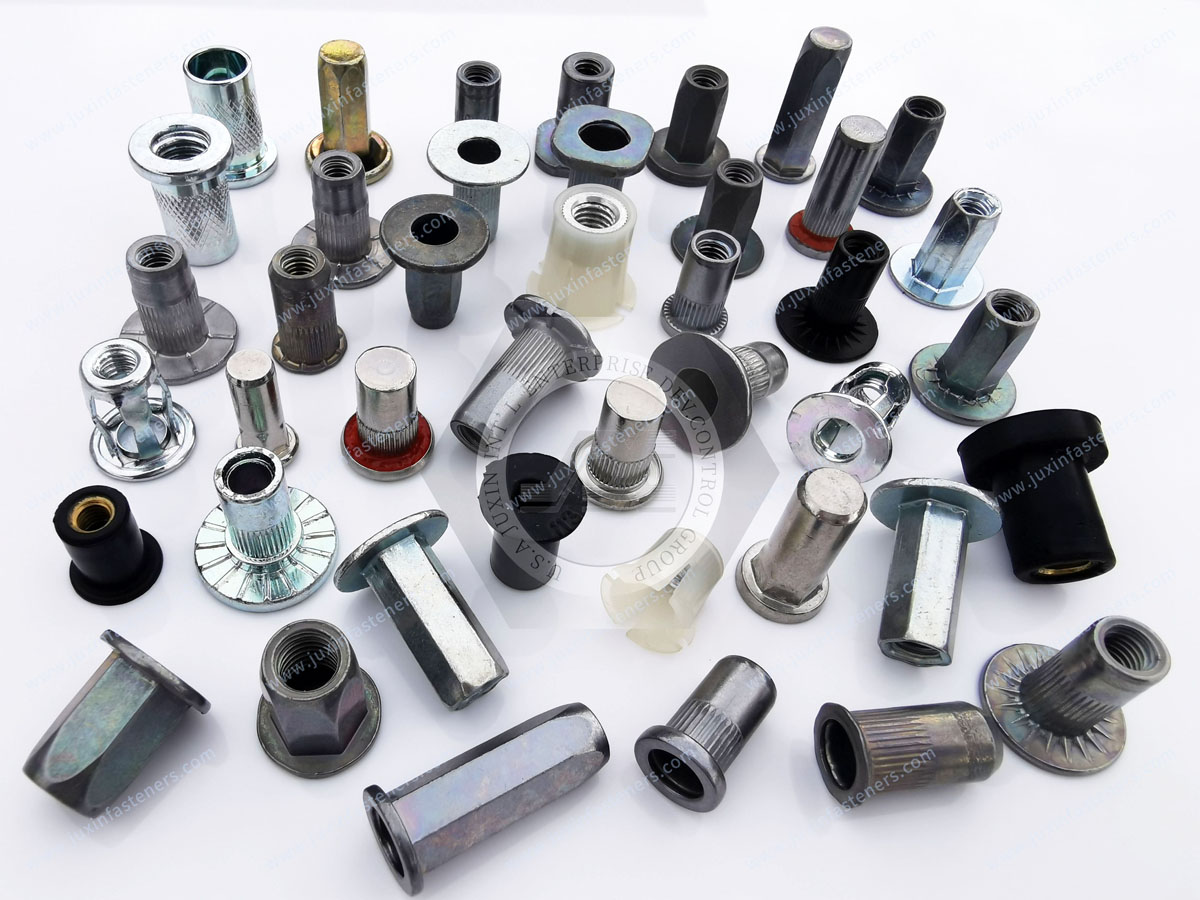
In soft materials such as plastic or aluminum, slotted shank rivet nuts are often recommended.
During installation, the slotted body expands into multiple segments, creating a large bearing surface that significantly improves pull-out resistance.
This design helps distribute loads more evenly and prevents damage to thin or fragile materials.
Applications Across Industries
Rivet nuts for thin sheet materials are widely used in:
• Automotive manufacturing
• Electrical equipment
• Industrial machinery
• Electronics enclosures
• Renewable energy equipment
Their versatility and easy installation make them a preferred fastening solution in modern manufacturing.
Product Packaging
Packaging Standard
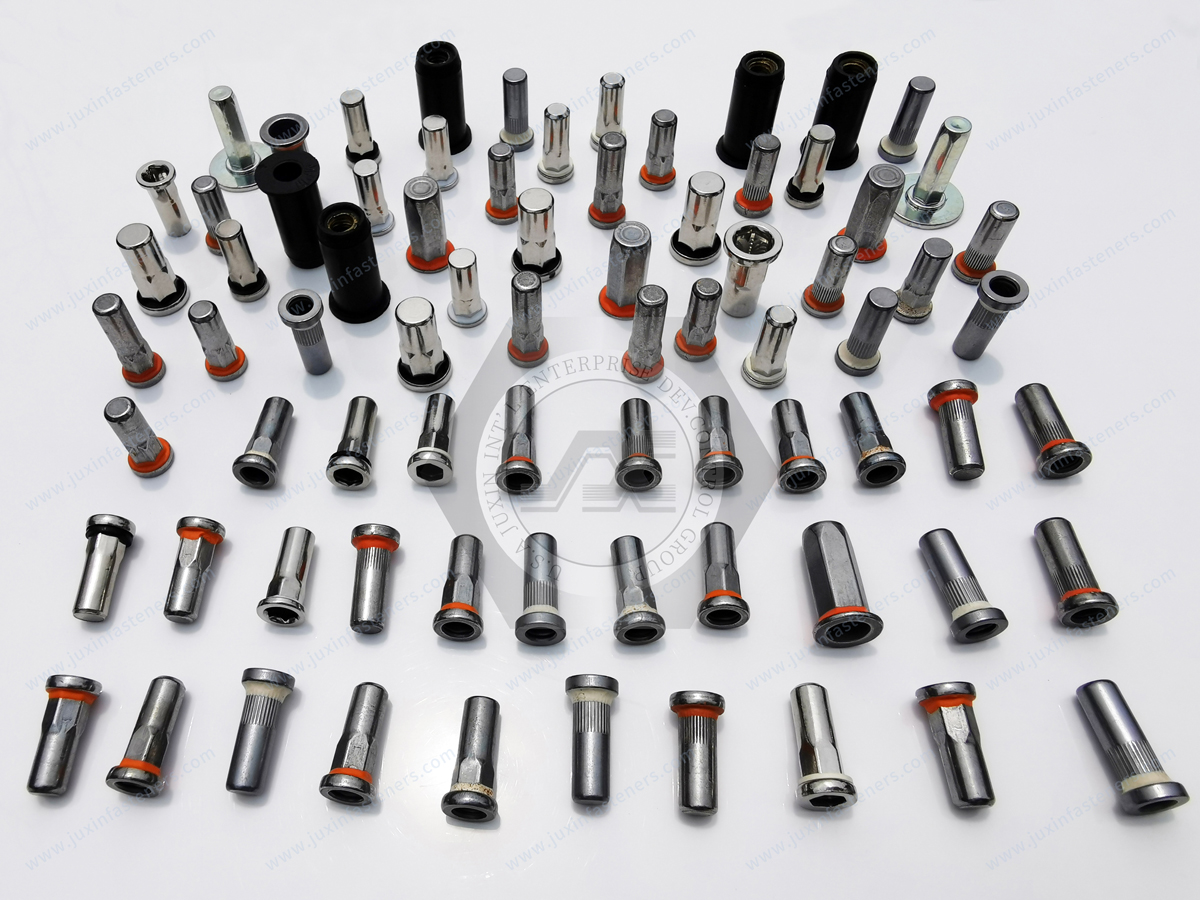
At Juxin Fasteners, we apply standardized export packaging to ensure product protection, traceability, and compliance with international logistics requirements.
1. Standard Export Packaging
Unless otherwise specified, all products will be packed according to our factory standard export packaging, which includes:
Moisture-resistant inner protection
Poly bag or small box packing as required
Reinforced export cartons
Clear labeling with part number, specification, batch number, and quantity
Palletizing for sea or air shipment when necessary
Our standard packaging is designed to ensure safe transportation, efficient warehousing, and long-distance international shipping.
2. Customized Packaging Options
We also provide customized packaging solutions according to customer requirements, including but not limited to:
Private labeling
Customized barcodes
Specific carton dimensions
Retail packaging
Special pallet configuration
Customer-specific marking and identification
So that you know, customized packaging may involve additional costs and extended lead time depending on the complexity of the requirements.
3. Compliance & Quality Assurance
All packaging processes are controlled under our ISO 9001 quality management system to ensure consistency, traceability, and product integrity throughout the supply chain.
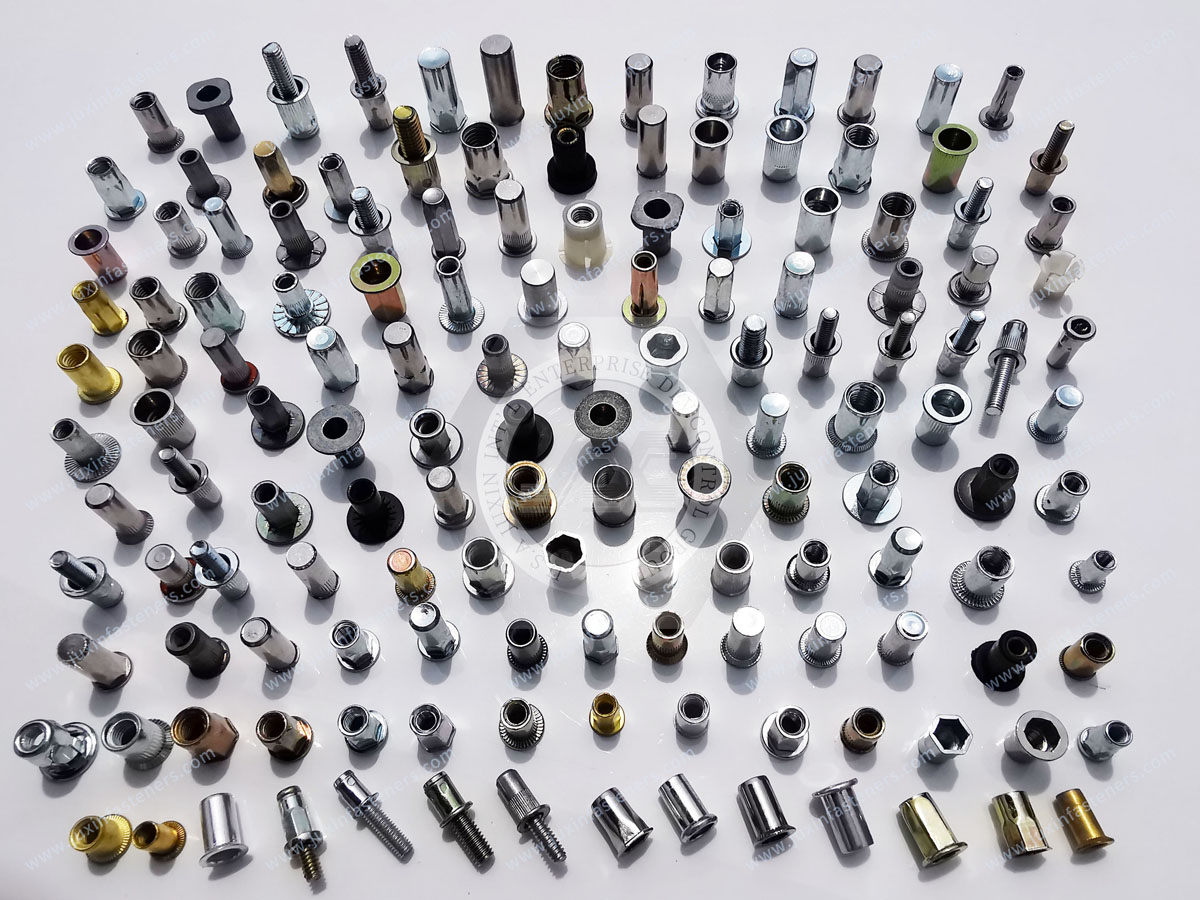
Product Pictures
Contact Us
Tel.:
+86 020 8621 0320
+86 020 3121 6067
E-mail:
Technical Support:
Navigation
SEND INQUIREY