Call Us
+86 136 6007 9809
Call Us
+86 136 6007 9809

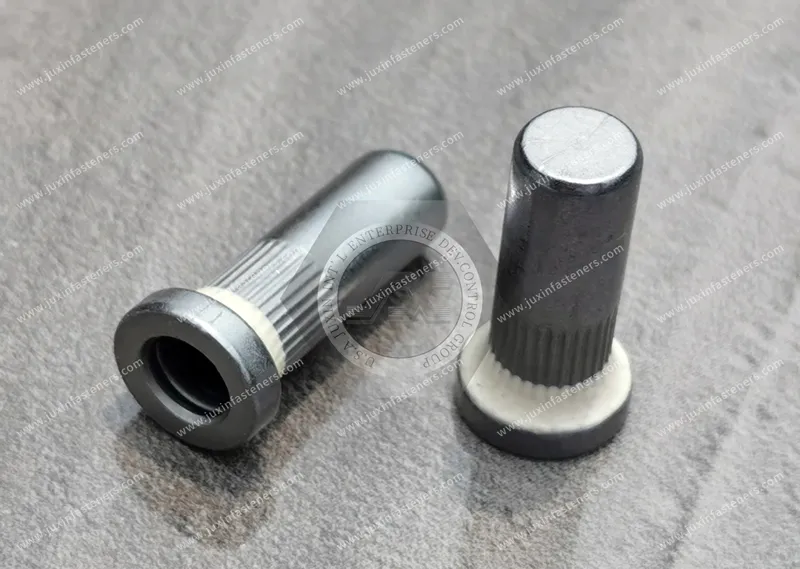
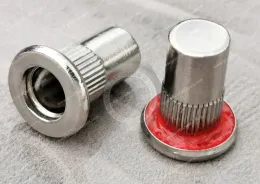
Waterproof Rivet Nuts for EV Battery Pack Sealing Solutions (IP67–IP69K)
Engineering-Grade Fastening System for New Energy Vehicle Battery, Chassis, and Electrical Enclosures
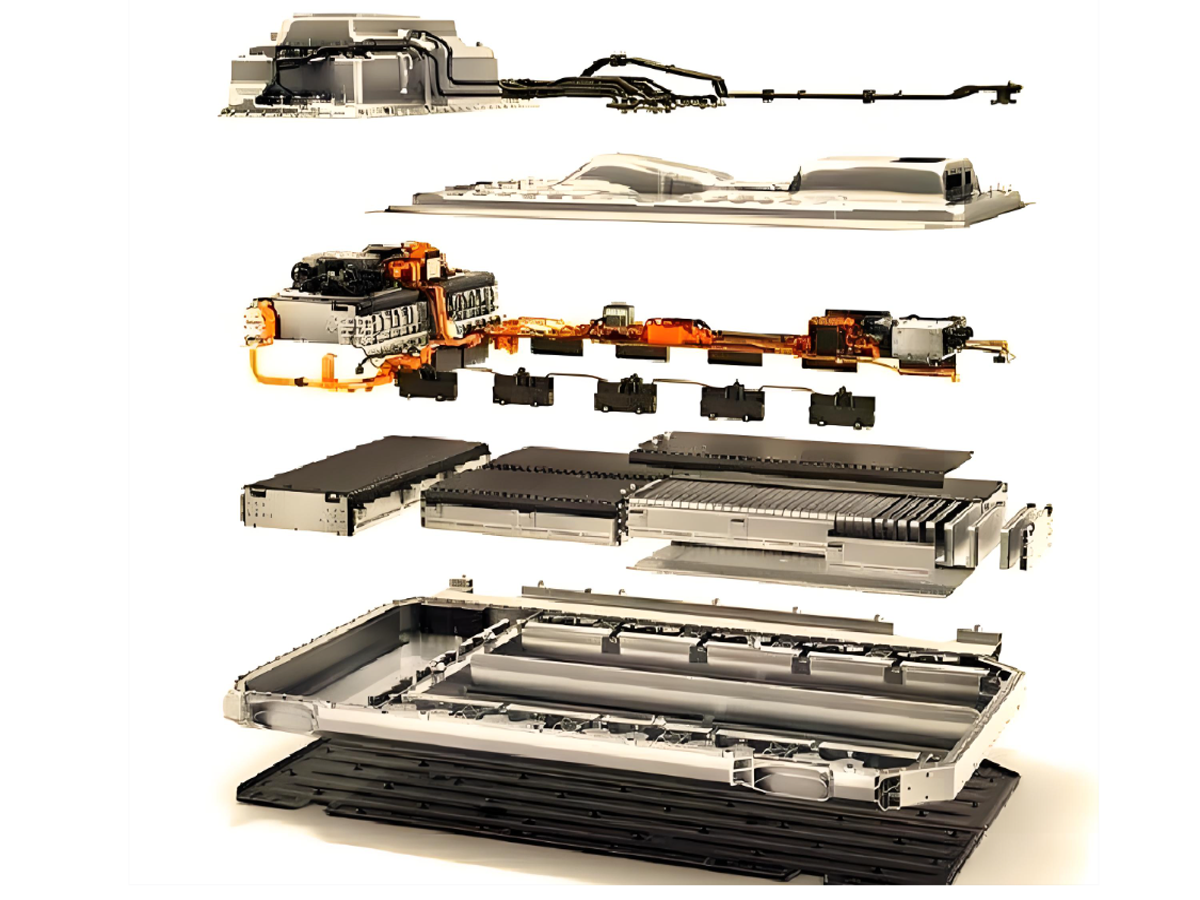
In the new energy vehicle (NEV) industry, battery system safety, structural sealing performance, and long-term vibration resistance are critical engineering requirements that directly impact vehicle reliability and operational safety.
Product Specification
Waterproof Rivet Nuts for EV Battery Pack Sealing Solutions (IP67–IP69K)
Engineering-Grade Fastening System for New Energy Vehicle Battery, Chassis, and Electrical Enclosures
In the new energy vehicle (NEV) industry, battery system safety, structural sealing performance, and long-term vibration resistance are critical engineering requirements that directly impact vehicle reliability and operational safety.
As EV platforms evolve toward high-voltage architectures (400V–800V), integrated battery structures (CTB/CTC), and lightweight aluminum body systems, traditional fastening methods such as welding, self-tapping screws, and standard rivet nuts are increasingly unable to meet demanding requirements for:
Long-term waterproof sealing under thermal cycling
High-frequency vibration resistance during driving conditions
Corrosion protection in battery and underbody environments
High-efficiency automated assembly on production lines
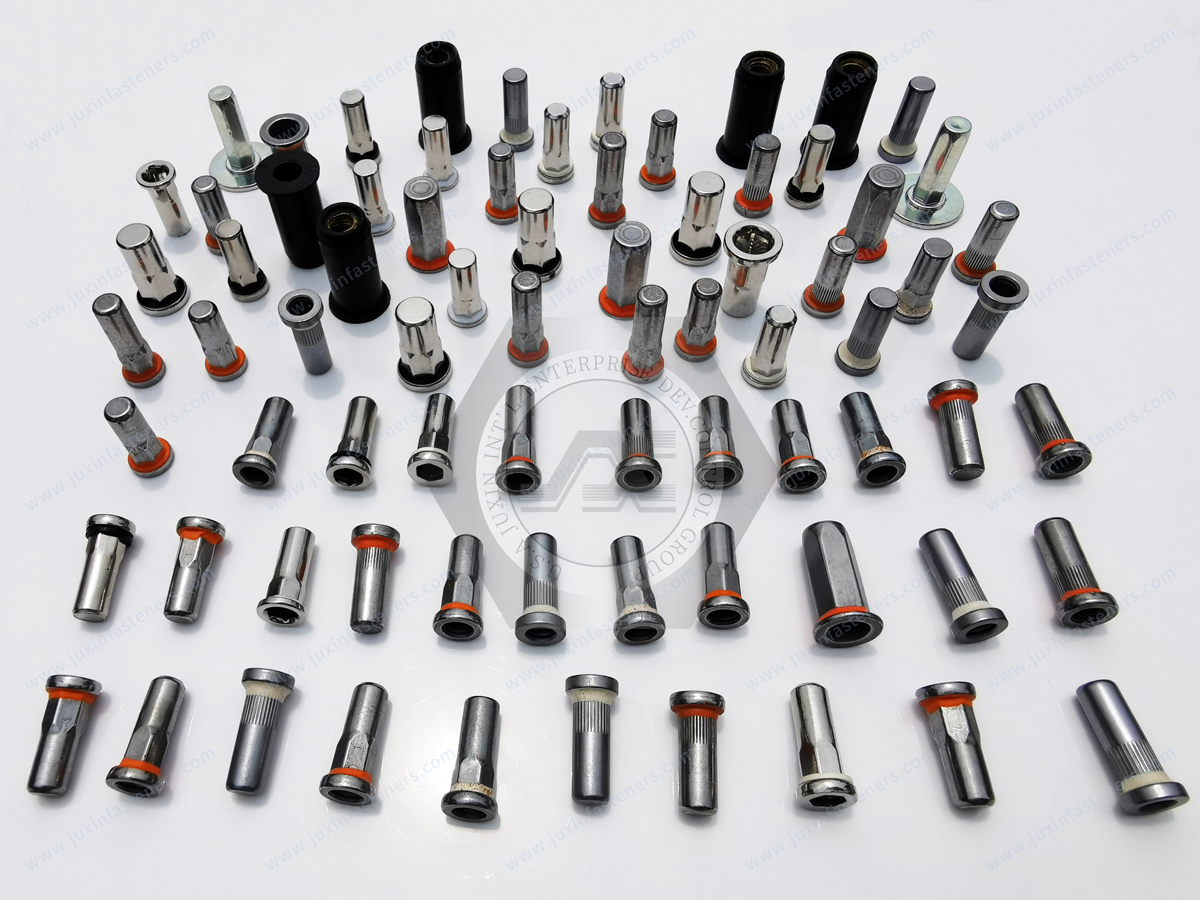
To address these challenges, waterproof rivet nuts (also known as sealed blind rivet nuts) have become a widely adopted fastening solution in EV battery pack systems and structural assemblies.
I. Why Waterproof Rivet Nuts Are Used in EV Battery Systems
From an engineering perspective, EV battery enclosures operate under extremely harsh environmental conditions, including:
Continuous vibration and road shock loads
Water exposure from rain, washing, and wading conditions
Thermal expansion and contraction cycles (-40°C to +150°C)
Exposure to electrolyte vapor and road salt corrosion
Traditional fastening systems often fail due to:
Seal gasket aging and micro-leakage
Weld deformation in aluminum battery trays
Thread loosening under vibration fatigue
Corrosion at fastener contact interfaces
IP-rated waterproof rivet nuts provide a structural sealing solution that eliminates these failure modes at the source.
II. IP67–IP69K Waterproof Rivet Nut Technology
1. Protection Performance (IP Rating Design)
Waterproof rivet nut systems are engineered to meet high protection requirements:
IP5X: Dust ingress prevention
IPX7 / IPX8: Water immersion resistance
IP69K (in advanced configurations): High-pressure water jet resistance
These properties make them suitable for:
EV battery pack enclosures
Undercarriage electronic control units
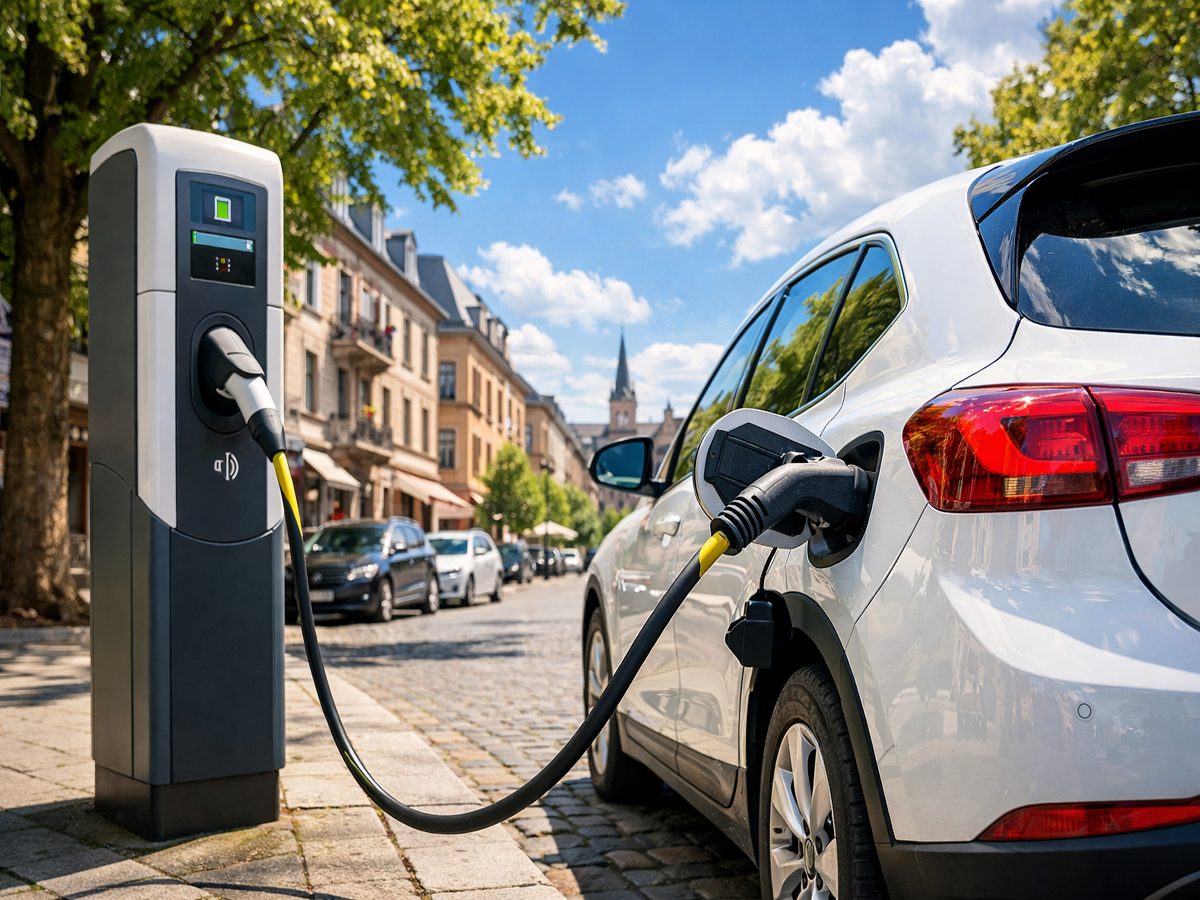
Charging system interfaces
Motor and inverter housings
2. Active Structural Sealing Design
Unlike conventional fasteners that rely on external O-rings or manual sealants, waterproof rivet nuts use an integrated structural sealing system.
The sealing mechanism consists of:
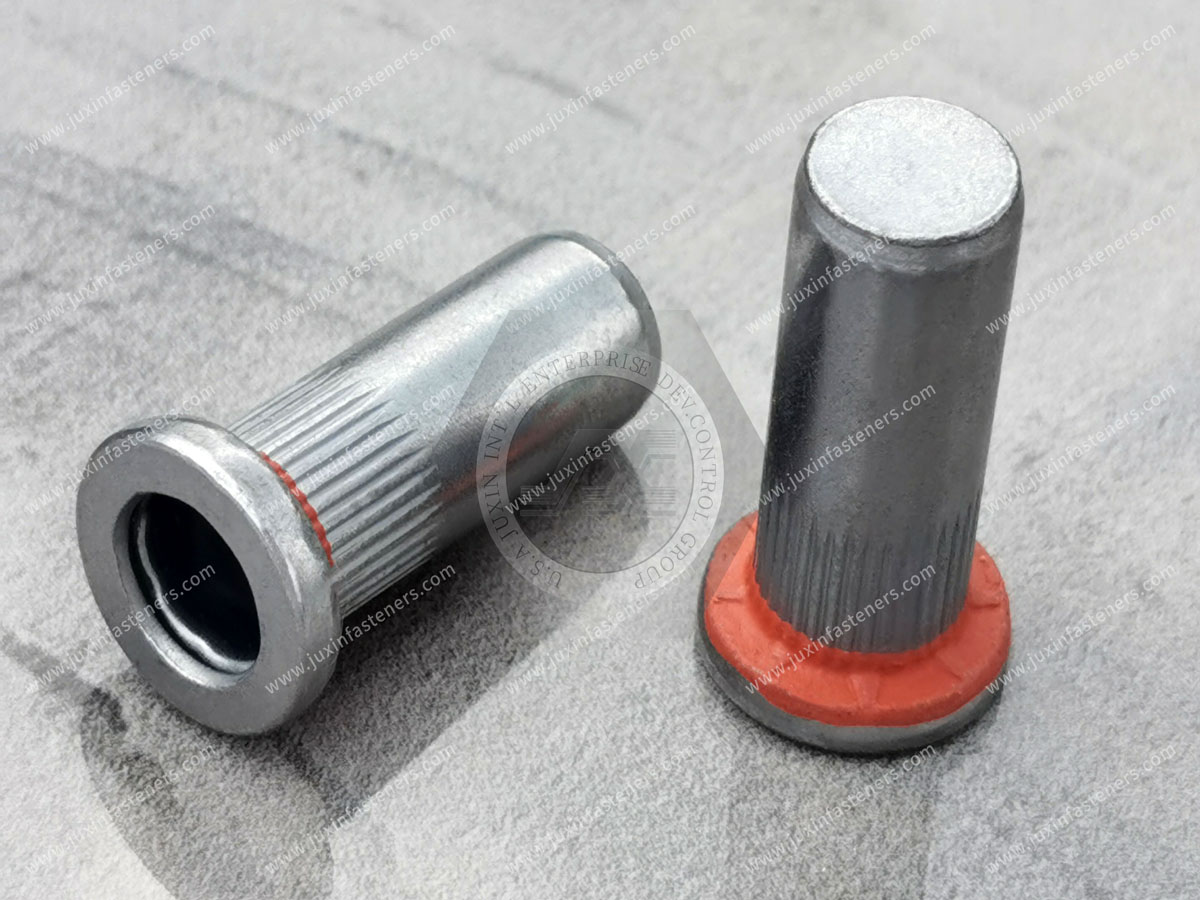
Blind rivet nut body
Controlled deformation zone
Integrated sealing membrane or sealing ring
During installation, axial force compresses the sealing element, creating a 360° sealing interface around the fastener hole, preventing:
Water ingress
Dust penetration
Capillary leakage paths
Engineering advantage: eliminates long-term seal degradation caused by vibration or aging.
3. High-Temperature and Aging Resistance
Advanced sealing variants are designed for EV lifecycle conditions:
Operating temperature: -40°C to +150°C
Thermal shock resistance for rapid heating/cooling cycles
“Double 85” damp heat resistance (85°C / 85% RH)
UV and chemical exposure resistance for underbody use
4. Materials and Surface Treatments
To ensure corrosion resistance and mechanical stability, common configurations include:
304 stainless steel rivet nuts (standard EV structures)
316 stainless steel rivet nuts (high-corrosion environments)
High-strength aluminum alloy rivet nuts (lightweight body systems)
Surface treatments include:
Zinc-nickel plating
Dacromet coating
PTFE composite coating
These treatments provide:
Salt spray resistance >500–1000 hours
Improved electrical insulation performance
Long-term corrosion protection in coastal environments
III. Key Application Areas in New Energy Vehicles
1. EV Battery Pack Sealing Systems (Primary Application)
Waterproof rivet nuts are widely used in:
Battery tray sealing interfaces
Battery cover plate mounting points
Cooling system connection structures
Engineering function:
Prevents water ingress that could lead to:
Short circuits
Thermal runaway risk
Battery degradation
2. Electric Drive and Power Electronics
Applications include:
Motor controller housings
Inverter mounting brackets
Power distribution enclosures
Key requirement:
Stable mechanical fastening under high vibration + high voltage environments.
3. Charging System and High-Voltage Interfaces
Used in:
Charging port structural housings
High-voltage connector mounting systems
Engineering requirement:
Reliable sealing during repeated plug/unplug cycles
Protection against outdoor environmental exposure
4. Vehicle Body and Underbody Systems
Used for:
Aluminum alloy body panels
Underbody protective covers
Sensor and bracket mounting points
Advantage:
Enables lightweight structures without welding deformation or heat damage.
IV. Engineering Advantages of Waterproof Rivet Nuts
1. Single-Sided Installation Efficiency
Blind-hole installation capability
No access required to backside of structure
Fully compatible with automated riveting systems
Assembly efficiency improvement: 40%–60%
2. High Vibration and Fatigue Resistance
Maintains preload stability under cyclic loads
Prevents loosening caused by micro-motion
Suitable for EV road vibration and impact conditions
3. Corrosion and Environmental Resistance
Salt spray resistance up to 1000 hours
Resistant to coolant, moisture, and road chemicals
Suitable for global export vehicle requirements
4. Lightweight Structural Design Support
Ideal for 1.0–2.0 mm aluminum sheets
Eliminates welding distortion
Supports multi-material EV body structures
V. Manufacturing and Quality Control Standards
Waterproof rivet nuts for automotive applications are manufactured under strict quality systems:
IATF 16949 automotive quality management system
Full-process traceability (raw material → forming → coating → inspection)
CNC precision cold forming and thread rolling
100% dimensional and sealing inspection for critical batches
Validation tests include:
Tensile pull-out strength
Torque-out resistance
Salt spray corrosion test
Thermal cycling (-40°C to +150°C)
Vibration fatigue simulation
VI. Engineering Selection Guidelines (For OEM & Tier 1 Engineers)
When selecting waterproof rivet nuts for EV applications:
1. Match Material to Environment
Stainless steel → high corrosion zones
Aluminum alloy → lightweight structures
2. Define Protection Level Requirement
IP67 → standard sealing applications
IP69K → high-pressure wash / extreme environments
3. Control Installation Parameters
Correct setting force is critical
Over-compression may damage sealing structure
Use calibrated pneumatic or servo riveting tools
4. Optimize Sheet Thickness Compatibility
Typical range: 1.0 mm – 6.0 mm
Ensure correct grip range selection
VII. Industry Trend: Sealed Fastening Systems in EV Manufacturing
The EV industry is moving toward:
Integrated battery pack structures (CTB / CTC)
Higher sealing standards (IP68–IP69K)
Fully automated assembly lines
Lifecycle traceable fastening systems
Future fastening technologies will focus on:
Smart fasteners with sensing capability
Composite sealing materials
Zero-leak structural integration systems
Digital torque and force monitoring
Conclusion
IP67–IP69K waterproof rivet nuts and sealing fastener systems provide a critical engineering solution for next-generation electric vehicle manufacturing.
By combining:
Active structural sealing design
High-performance corrosion-resistant materials
Automated single-sided installation capability
Verified vibration and thermal reliability
They enable OEMs and Tier 1 suppliers to achieve:
Higher battery system safety
Improved manufacturing efficiency
Reduced maintenance risk
Enhanced vehicle lifecycle reliability
Product Packaging
Packaging Standard
At Juxin Fasteners, we apply standardized export packaging to ensure product protection, traceability, and compliance with international logistics requirements.
1. Standard Export Packaging
Unless otherwise specified, all products will be packed according to our factory standard export packaging, which includes:
Moisture-resistant inner protection
Poly bag or small box packing as required
Reinforced export cartons
Clear labeling with part number, specification, batch number, and quantity
Palletizing for sea or air shipment when necessary
Our standard packaging is designed to ensure safe transportation, efficient warehousing, and long-distance international shipping.
2. Customized Packaging Options
We also provide customized packaging solutions according to customer requirements, including but not limited to:
Private labeling
Customized barcodes
Specific carton dimensions
Retail packaging
Special pallet configuration
Customer-specific marking and identification
So that you know, customized packaging may involve additional costs and extended lead time depending on the complexity of the requirements.
3. Compliance & Quality Assurance
All packaging processes are controlled under our ISO 9001 quality management system to ensure consistency, traceability, and product integrity throughout the supply chain.
Product Pictures
Contact Us
Tel.:
+86 020 8621 0320
+86 020 3121 6067
E-mail:
Technical Support:
Navigation
SEND INQUIREY