Call Us
+86 136 6007 9809
Call Us
+86 136 6007 9809

Blind Rivet Nuts for Electric Vehicle Manufacturing
High-Strength Fastening Solutions for EV Battery Systems
The rapid development of electric vehicles (EVs) has significantly increased the demand for lightweight, high-strength, and reliable fastening solutions. In modern EV manufacturing, blind rivet nuts play a critical role in assembling components such as battery enclosures, aluminum body structures, electronic modules, and chassis systems.
Product Specification
Blind Rivet Nuts for Electric Vehicle Manufacturing
High-Strength Fastening Solutions for EV Battery Systems
The rapid development of electric vehicles (EVs) has significantly increased the demand for lightweight, high-strength, and reliable fastening solutions. In modern EV manufacturing, blind rivet nuts play a critical role in assembling components such as battery enclosures, aluminum body structures, electronic modules, and chassis systems.
Compared with traditional welding nuts or tapped threads, blind rivet nuts provide a high-efficiency installation method for thin sheet materials and closed structures, making them particularly suitable for the manufacturing requirements of new energy vehicles.
What Are Blind Rivet Nuts?
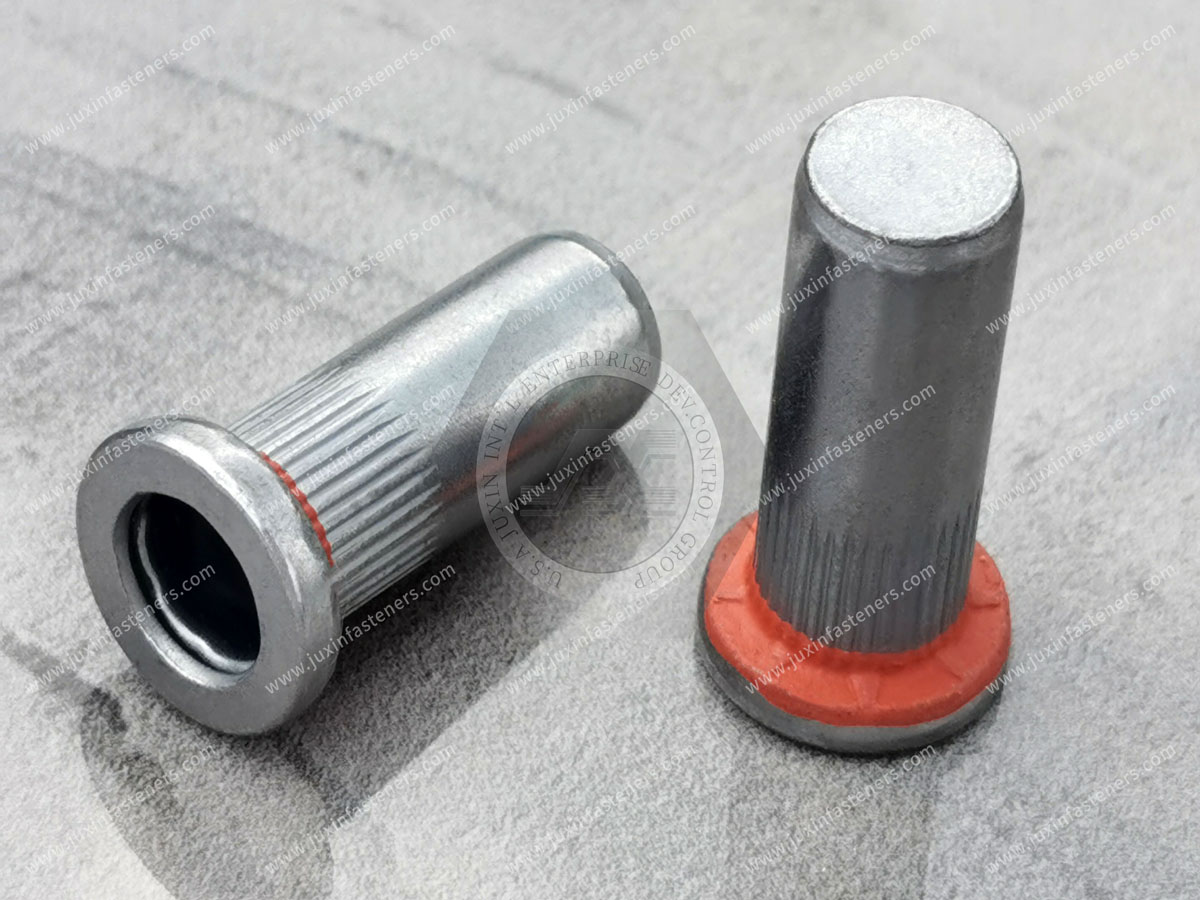
Blind rivet nuts are internally threaded fasteners designed to create strong, load-bearing threads in thin sheet materials where conventional tapping or welding is difficult or impossible.
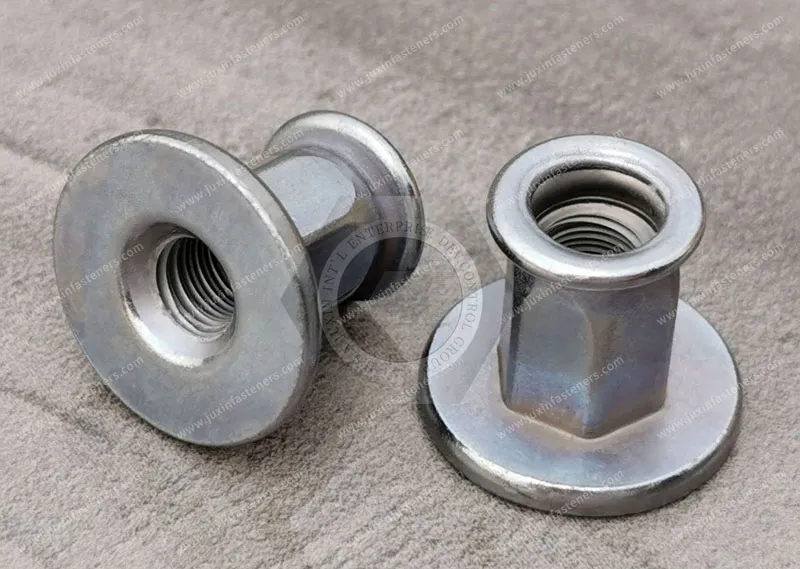
A typical blind rivet nut consists of:
A head flange
A cylindrical body
An internally threaded bore
A deformable section that forms a backside bulge during installation
They are commonly manufactured from carbon steel, stainless steel, or aluminum, depending on the application environment and mechanical requirements.
Blind rivet nuts are widely used in industries such as:
Electric vehicle manufacturing
Aerospace engineering
Railway transportation
Electronics and communication equipment
Industrial machinery
Furniture manufacturing
Their single-side installation capability makes them ideal for assemblies where only one side of the material is accessible.
Why EV Manufacturers Use Blind Rivet Nuts
Electric vehicle structures rely heavily on thin aluminum panels, lightweight alloys, and sealed battery enclosures. These materials create challenges for conventional fastening methods.
Blind rivet nuts provide several key advantages.
1. Reliable Installation in Thin Materials
Battery enclosures and EV structural panels are often made from thin aluminum or high-strength steel sheets. Blind rivet nuts create strong internal threads without requiring thick material.
2. No Welding Required
Welding nuts on thin sheet metal can cause:
Material deformation
Heat-affected zones
Surface damage
Blind rivet nuts eliminate the need for welding while maintaining excellent joint strength.
3. Suitable for Closed Structures
EV battery packs are sealed systems. Blind rivet nuts can be installed from one side only, making them ideal for closed battery housings.
4. High Anti-Rotation Performance
Modern EV battery box structures require high anti-rotation torque to maintain structural stability under vibration and road impact.
Ribbed or knurled blind rivet nuts significantly increase resistance to rotation.
5. Efficient Mass Production
Blind rivet nuts are compatible with automated installation systems, making them ideal for high-volume automotive production lines.
Application of Blind Rivet Nuts in EV Battery Box Assembly
One of the most critical applications of blind rivet nuts in EV manufacturing is battery enclosure fastening.
Battery packs require secure mounting points for:
Battery module brackets
Cooling plates
Protective covers
Electrical control units
Structural reinforcements
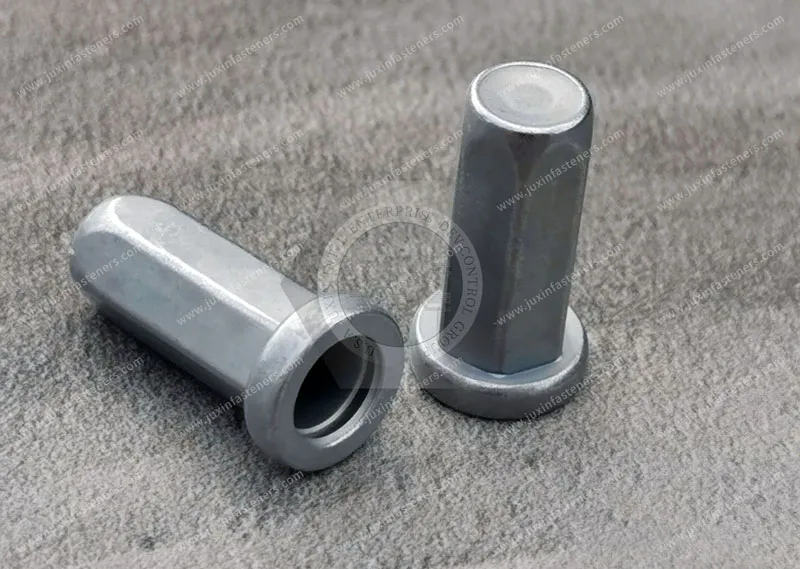
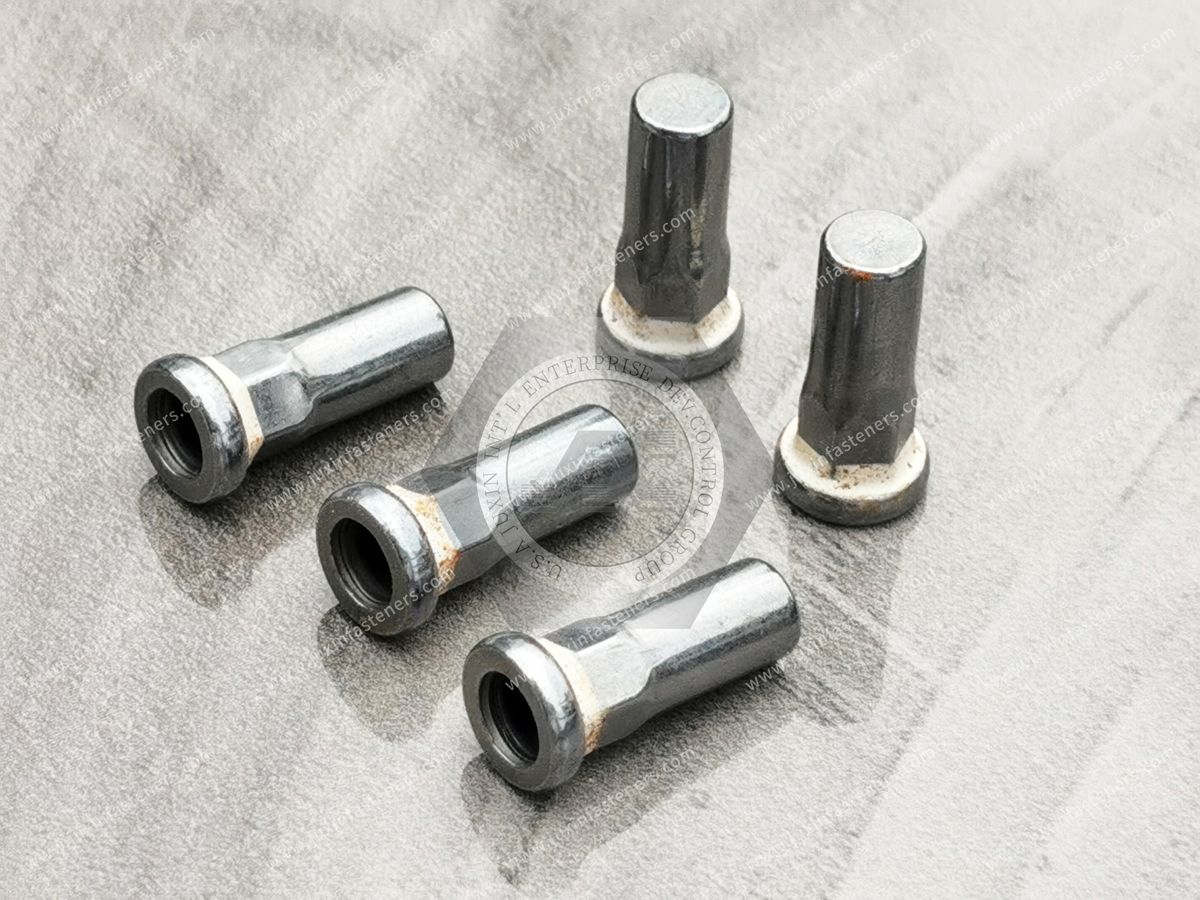
Closed-end blind rivet nuts are often used because they provide:
Sealed fastening
Improved corrosion resistance
Protection against moisture and dust
These features help maintain the long-term safety and reliability of EV battery systems.
Advanced Manufacturing Process for Closed-End Blind Rivet Nuts
To meet the strict quality requirements of electric vehicle manufacturers, closed-end blind rivet nuts are produced using advanced cold heading and precision forming processes.
The typical manufacturing process includes the following steps.
1. Wire Cutting and Blank Formation
Steel wire is cut to a predetermined length and formed into a preset blank.
2. Head Formation
The upper portion of the blank is shaped using a preset head forming station, establishing the initial flange structure.
3. First Bore Counter-Extrusion
A first bore and rod flower tooth structure are counter-extruded within the head section to create the primary internal cavity.
4. Second Bore Formation
The lower portion of the blank undergoes secondary counter-extrusion, forming the internal bore and preparing the rivet body.
5. Flange Diameter Finishing
The head flange diameter and chamfer are precisely finished to meet dimensional requirements.
6. Rib Forming
Multiple anti-rotation ribs are formed through plastic deformation, improving torque resistance.
7. Heat Treatment and Surface Finishing
The pre-formed blind rivet nuts undergo several finishing processes:
Heat treatment for mechanical strength
Thread tapping
Zinc-nickel plating (up to 720 hours neutral salt spray resistance)
Environmentally friendly color zinc plating (196 hours salt spray resistance)
Adhesive coating if required
These treatments ensure high durability, corrosion resistance, and reliable performance in demanding automotive environments.
Performance Advantages for EV Applications
High-quality blind rivet nuts designed for electric-vehicle manufacturing offer several key performance advantages.
High Load Capacity
Blind rivet nuts provide strong internal threads that support structural loads in automotive assemblies.
Excellent Anti-Rotation Torque
Ribbed body structures ensure secure locking within aluminum battery housings.
Corrosion Resistance
Advanced coatings such as zinc-nickel plating provide superior corrosion protection for outdoor and high-humidity environments.
Sealed Connection
Closed-end designs prevent moisture ingress and help maintain battery enclosure integrity.
Other Industrial Applications
Although widely used in EV manufacturing, blind rivet nuts are also essential fastening components in many other industries.
Aerospace
Used for lightweight aircraft panels and structural components.
Rail Transportation
Applied in train interiors, equipment cabinets, and structural frames.
Electronics and Communication Equipment
Used for chassis assembly and the mounting of electronic modules.
Industrial Machinery
Provides strong threaded connections in thin metal structures.
Furniture and Architectural Hardware
Used in metal furniture frames and decorative structures.
Choosing the Right Blind Rivet Nuts Supplier
When selecting blind rivet nuts for electric vehicle applications, manufacturers should consider several factors:
Material quality
Anti-rotation design
Surface coating performance
Production capacity
Automotive industry standards compliance
Working with an experienced fastener manufacturer ensures consistent product quality and reliable supply.
With more than 21 years of industry experience, Juxin Fasteners provides high-performance fastening solutions for global manufacturers in automotive, electronics, and industrial sectors.
Learn more about our fastening solutions at:
Product Packaging
Packaging Standard
At Juxin Fasteners, we apply standardized export packaging to ensure product protection, traceability, and compliance with international logistics requirements.
1. Standard Export Packaging
Unless otherwise specified, all products will be packed according to our factory standard export packaging, which includes:
Moisture-resistant inner protection
Poly bag or small box packing as required
Reinforced export cartons
Clear labeling with part number, specification, batch number, and quantity
Palletizing for sea or air shipment when necessary
Our standard packaging is designed to ensure safe transportation, efficient warehousing, and long-distance international shipping.
2. Customized Packaging Options
We also provide customized packaging solutions according to customer requirements, including but not limited to:
Private labeling
Customized barcodes
Specific carton dimensions
Retail packaging
Special pallet configuration
Customer-specific marking and identification
So that you know, customized packaging may involve additional costs and extended lead time depending on the complexity of the requirements.
3. Compliance & Quality Assurance
All packaging processes are controlled under our ISO 9001 quality management system to ensure consistency, traceability, and product integrity throughout the supply chain.
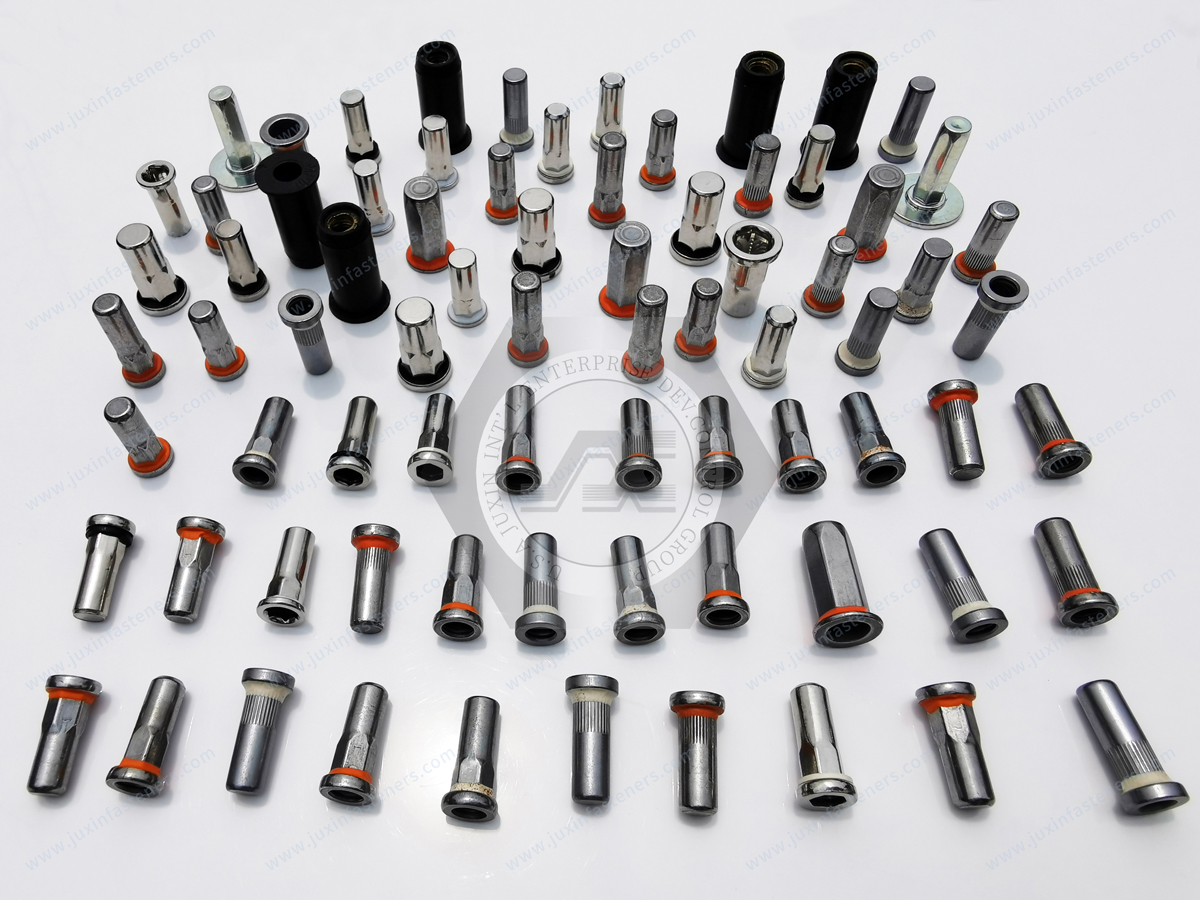
Product Pictures
Contact Us
Tel.:
+86 020 8621 0320
+86 020 3121 6067
E-mail:
Technical Support:
Navigation
SEND INQUIREY