Call Us
+86 136 6007 9809
Call Us
+86 136 6007 9809

Self-Piercing Thread-Forming Screws vs Blind Rivets in Automotive Manufacturing
Selection and Performance Comparison for Lightweight Multi-Material Vehicle Structures
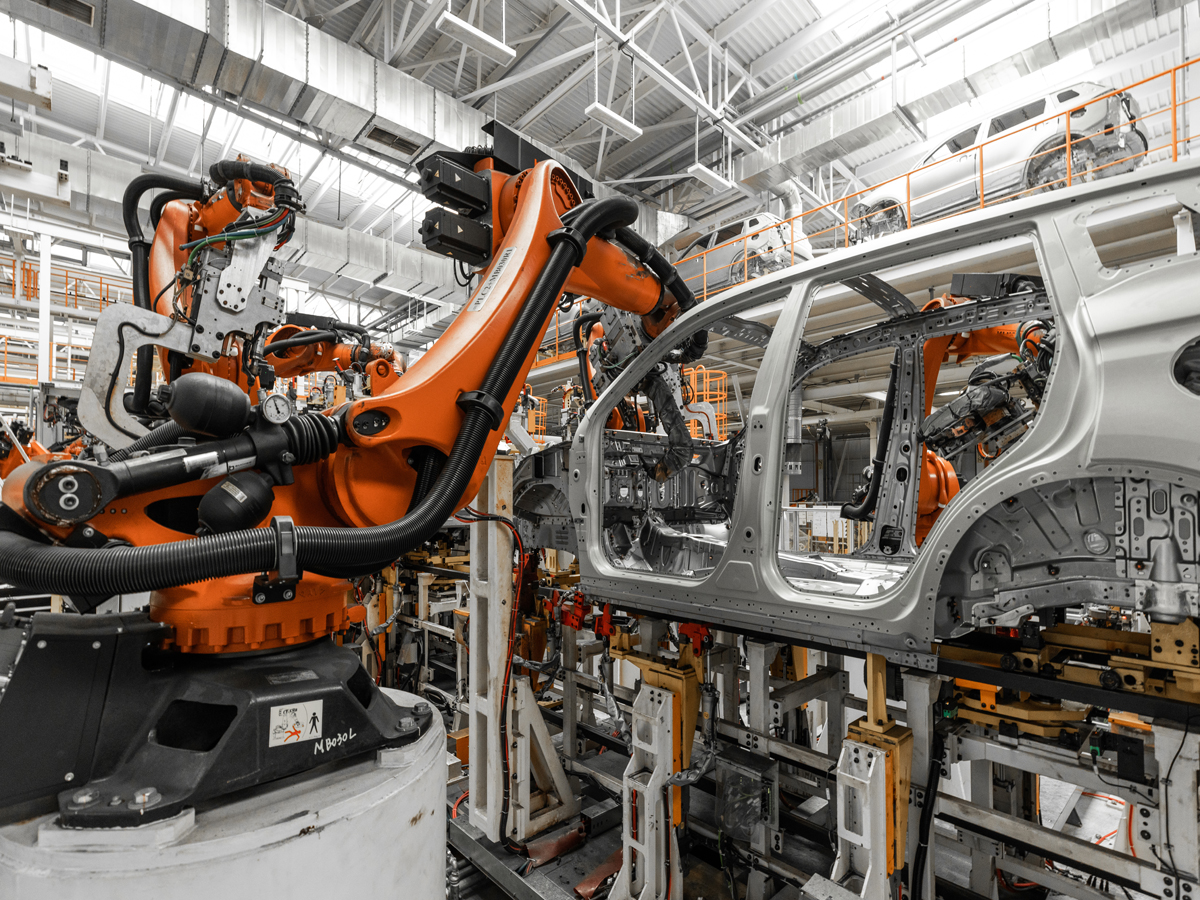
As modern automotive manufacturers continue to adopt lightweight vehicle architectures, the use of aluminum alloys, advanced high-strength steels (AHSS), magnesium alloys, and composite materials is increasing rapidly. These material combinations create significant joining challenges, particularly in closed-profile structures, hollow sections, and areas where access is available from only one side.
Product Specification
Self-Piercing Thread-Forming Screws vs Blind Rivets in Automotive Manufacturing
Selection and Performance Comparison for Lightweight Multi-Material Vehicle Structures
As modern automotive manufacturers continue to adopt lightweight vehicle architectures, the use of aluminum alloys, advanced high-strength steels (AHSS), magnesium alloys, and composite materials is increasing rapidly. These material combinations create significant joining challenges, particularly in closed-profile structures, hollow sections, and areas where access is available from only one side.
Traditional welding processes are often unsuitable for these applications due to heat distortion, material incompatibility, corrosion concerns, and limited accessibility. As a result, two fastening technologies have become widely adopted across automotive body manufacturing:
Self-Piercing Thread-Forming Screws
Blind Rivets
Both technologies enable single-side installation and are commonly used in body-in-white (BIW), battery enclosures, structural reinforcements, aluminum body assemblies, and mixed-material joining applications.
This guide compares the engineering performance, manufacturing considerations, and selection criteria of these two fastening systems in accordance with international automotive manufacturing practices and standards.
Why Mechanical Fastening Is Essential for Lightweight Vehicle Structures
Modern vehicle platforms increasingly combine:
Aluminum sheet metal
High-strength steel
Ultra-high-strength steel
Magnesium components
Composite panels
Extruded structural profiles
These materials often cannot be welded together efficiently.
As a result, automotive engineers rely on advanced mechanical fastening technologies such as:
High-strength automotive fasteners
Thread-forming screws
Blind rivets
Structural rivets
Flow-forming fasteners
Structural bolts
Rivet nut systems
to achieve durable and reliable joints.
What Is a Self-Piercing Thread-Forming Screw?
A self-piercing thread-forming screw is a high-strength fastening solution that creates its own hole and forms mating threads during installation.
The joining process consists of four stages:
1. Friction Heating
The screw rotates at high speed while an axial force is applied.
Friction generates localized heat, typically between:
600°C and 900°C
The material softens without melting.
2. Penetration
The fastener penetrates the upper material layer.
3. Thread Formation
The screw forms mating threads in the lower material through controlled displacement of the material.
4. Final Tightening
The screw applies a controlled clamping load and forms a preload-based mechanical joint.
The result is a high-strength threaded connection capable of handling significant structural loads.
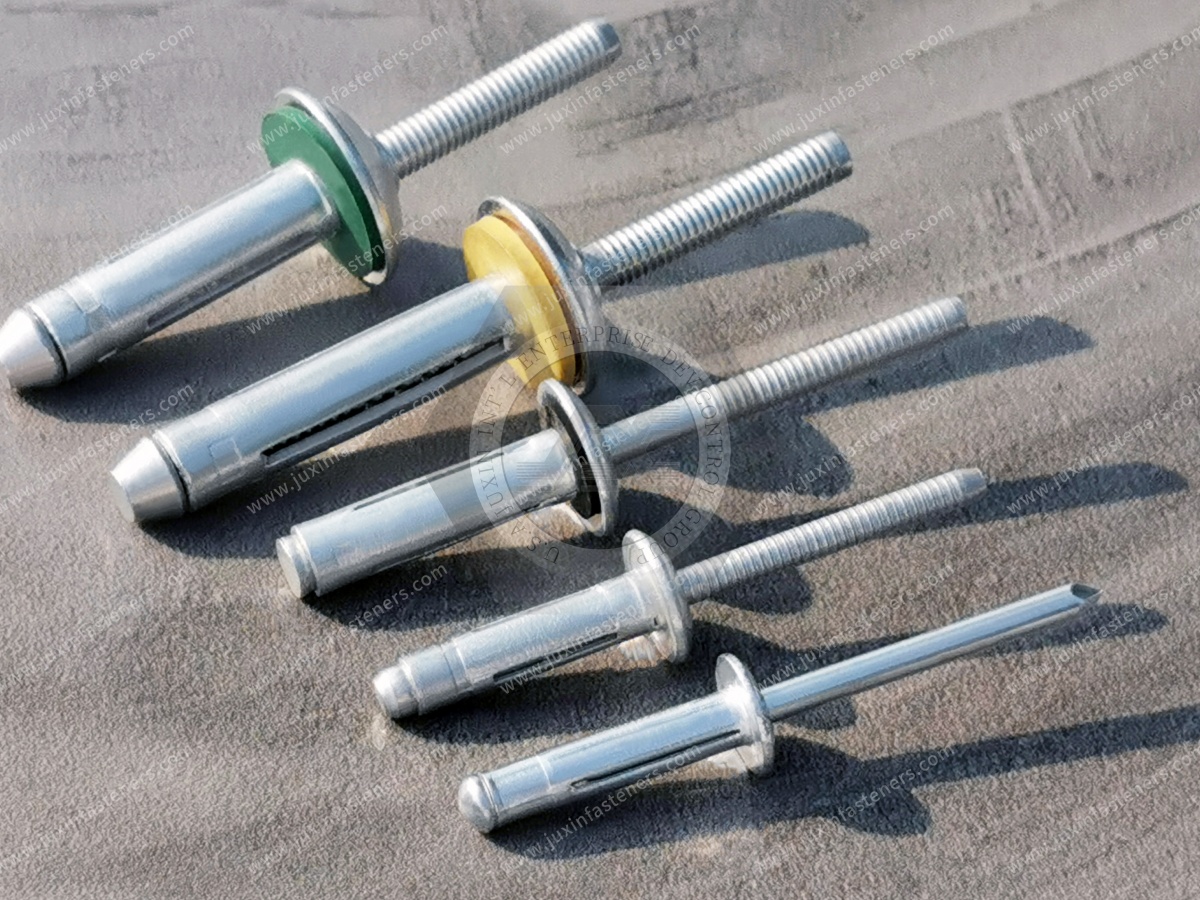
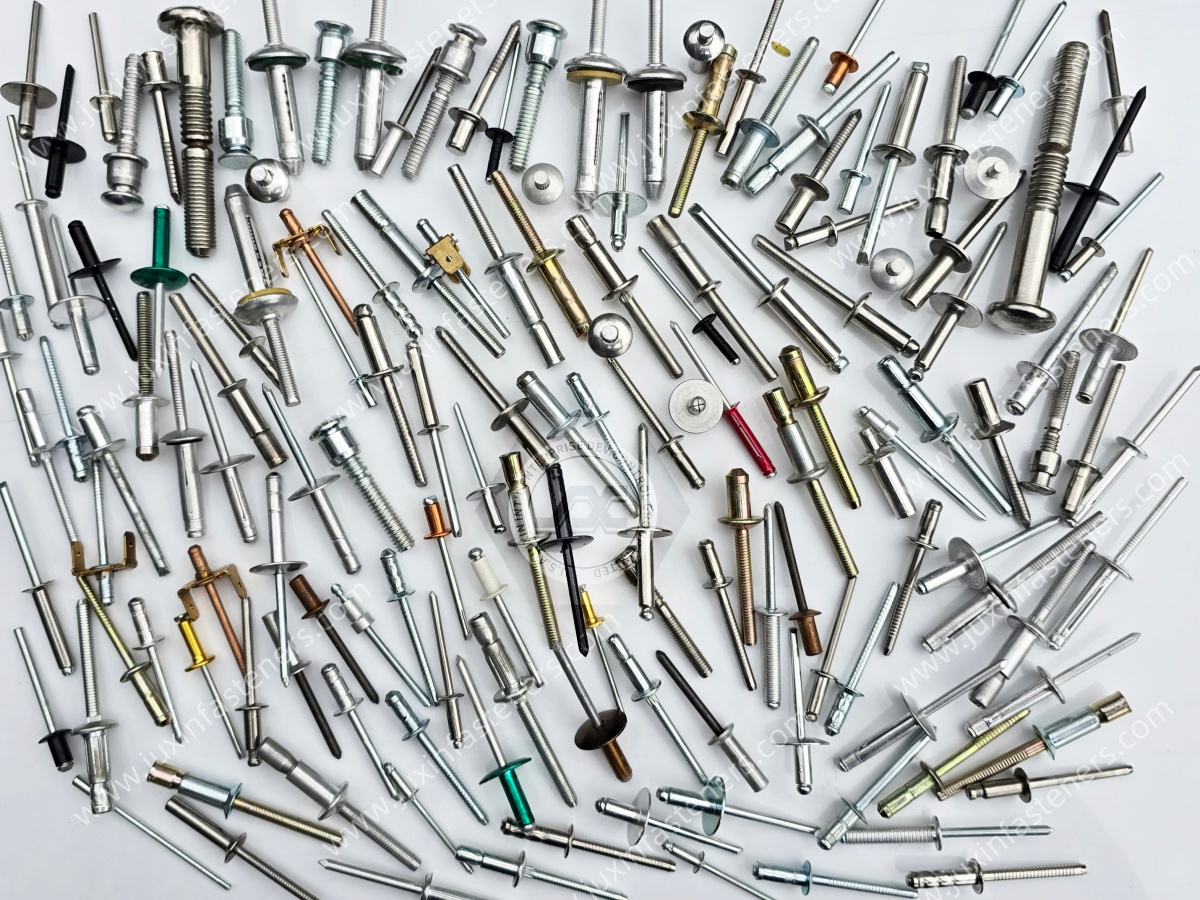
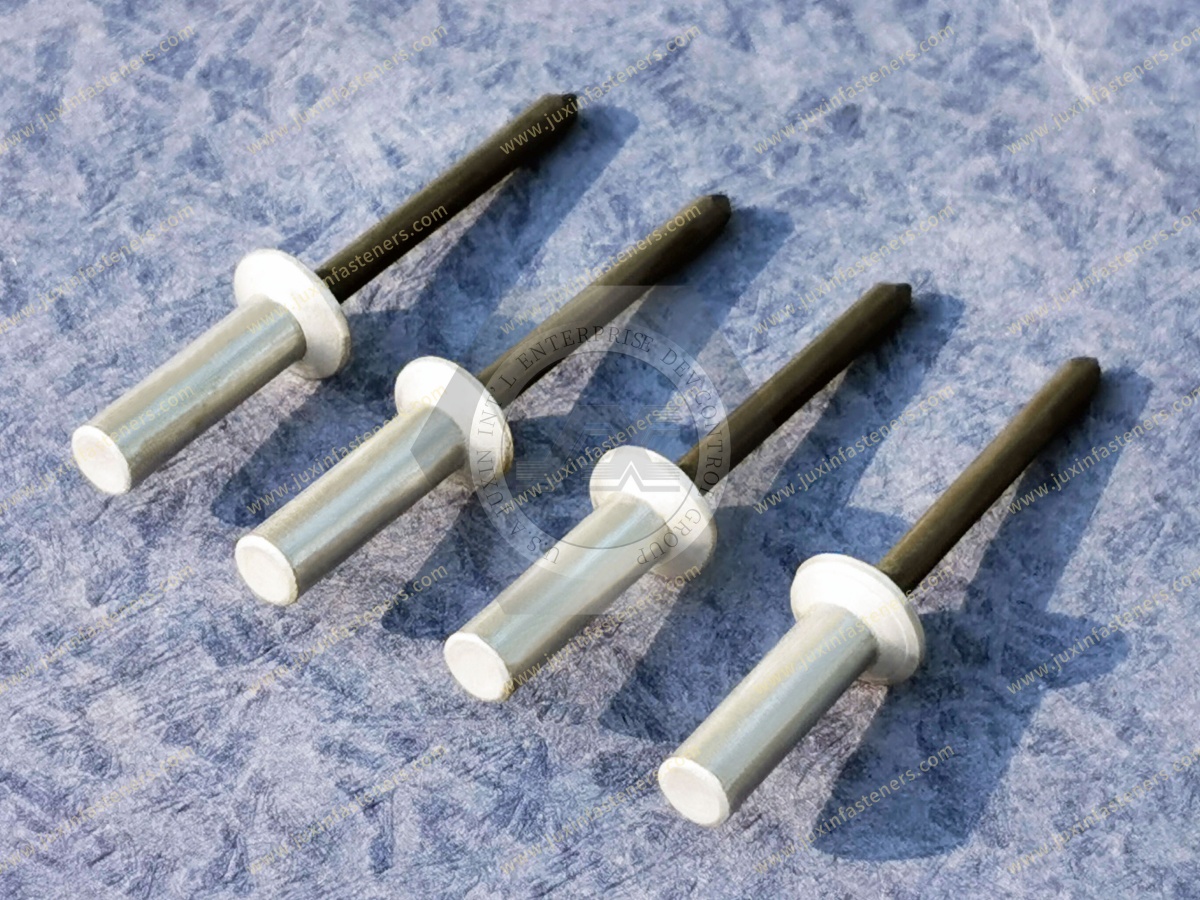
What Is a Blind Rivet?
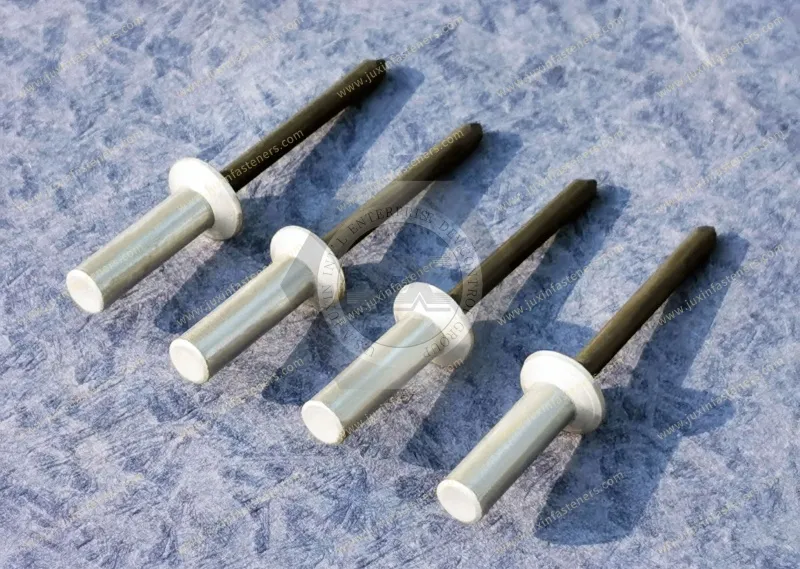
A blind rivet is a mechanical fastening solution designed for applications where access is available from only one side of the assembly.
The installation process includes:
1. Clamping
The rivet is inserted into a pre-drilled hole.
2. Pulling
The mandrel is pulled using a rivet installation tool.
3. Expansion
The rivet body expands behind the material layers.
4. Mandrel Break
The mandrel fractures at a predetermined break point, completing the joint.
The expanded rivet body forms a mechanical interlock between the joined materials.
Static Strength Comparison
Self-Piercing Thread-Forming Screws
Advantages include:
High tensile strength
High shear strength
Strong thread engagement
Controlled clamp load
Structural load-carrying capability
The threaded connection allows load transfer through both preload and mechanical engagement.
Blind Rivets
Advantages include:
Reliable joining performance
Good shear resistance
Fast installation
However, overall static load capacity is generally lower than threaded fastening systems due to the absence of thread engagement and preload.
Engineering Conclusion
For critical structural applications, self-piercing thread-forming screws typically provide higher load capacity than blind rivets.
Fatigue Performance Comparison
Fatigue resistance is often the most important factor in automotive joint design.
Self-Piercing Thread-Forming Screws
The preload generated during installation:
Reduces micro-movement
Minimizes fretting wear
Improves load distribution
Delays crack initiation
As a result, fatigue performance can approach or exceed resistance welding in many applications.
Typical applications include:
Side structures
Rocker reinforcements
Suspension attachment areas
Battery housing assemblies
Crash load paths
Blind Rivets
Blind rivets rely primarily on mechanical locking.
Because preload is limited:
Joint movement can occur under cyclic loading
Fretting wear may develop
Fatigue life is generally lower
This limitation makes blind rivets less suitable for highly fatigue-sensitive structural joints.
Sealing and Corrosion Protection
Self-Piercing Thread-Forming Screws
During installation, displaced material fills gaps around the fastener.
Benefits include:
Excellent water resistance
Improved air tightness
Better galvanic corrosion isolation
Enhanced long-term durability
When combined with structural adhesives, these fasteners provide outstanding sealing performance.
Blind Rivets
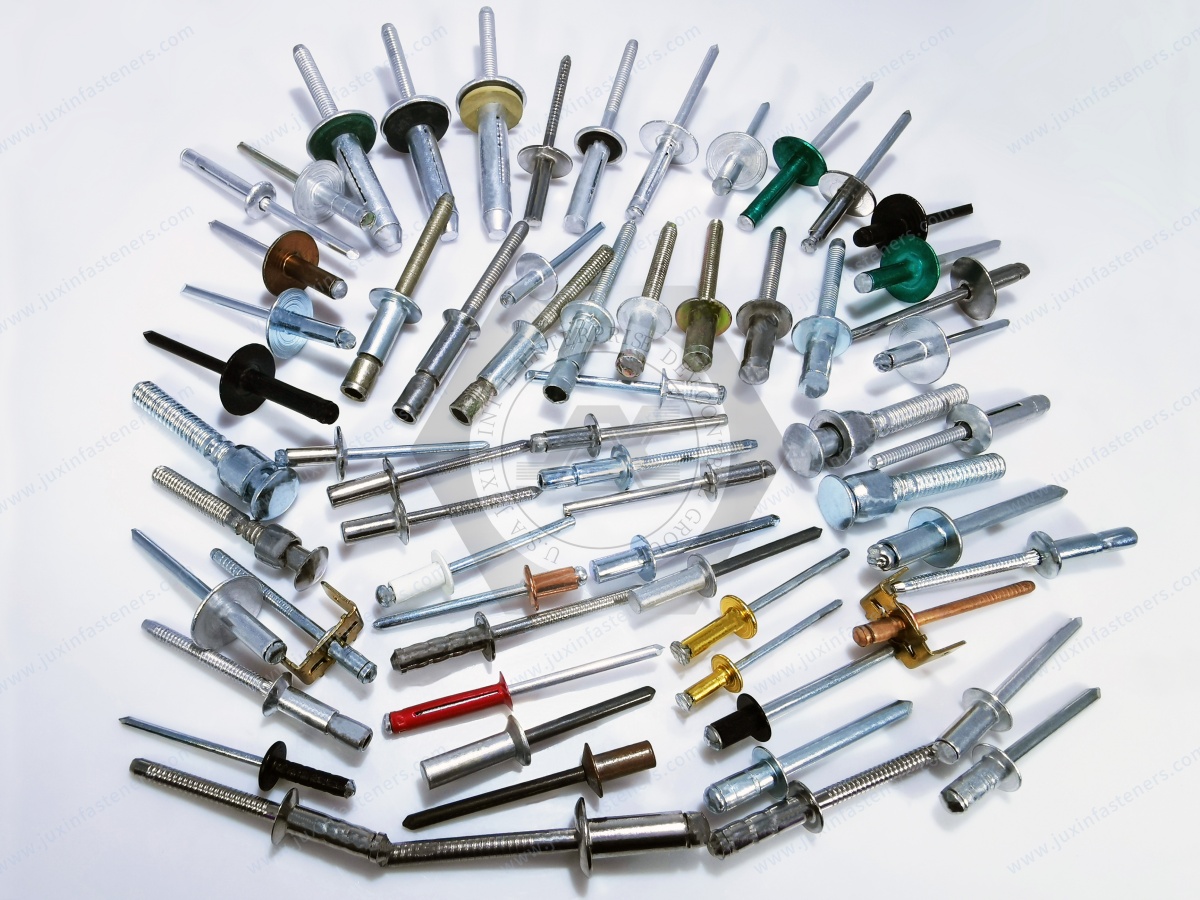
Blind rivets can provide moderate sealing capability.
However:
Small gaps may remain
Additional sealing treatments are often required
Long-term sealing reliability is generally lower
Manufacturing Cost Comparison
Equipment Investment
Self-Piercing Thread-Forming Screw Systems
Require:
Robotic automation
Servo-controlled fastening units
Process monitoring systems
Torque and angle control
Investment costs are significantly higher.
Blind Rivet Systems
Require:
Rivet guns
Standard automation equipment
Simpler process controls
Capital investment is substantially lower.
Fastener Cost
In most automotive programs:
Thread-forming screws have higher individual unit costs.
Blind rivets are generally more economical.
However, stronger joints may allow fewer fastening points, partially offsetting system costs.
Material Compatibility
Self-Piercing Thread-Forming Screws
Suitable for:
Aluminum alloys
Mild steel
High-strength steel
Magnesium alloys
Multi-material stacks
Common applications include:
Aluminum body structures
Steel-aluminum hybrid assemblies
Electric vehicle battery housings
Blind Rivets
Suitable for:
Metals
Plastics
Composite materials
Mixed-material assemblies
Blind rivets provide excellent versatility across many manufacturing sectors.
Hole Preparation Requirements
Self-Piercing Thread-Forming Screws
Benefits include:
Pre-drilling may not be required
Reduced manufacturing steps
Improved assembly efficiency
Depending on stack-up design, pilot holes may be optional.
Blind Rivets
Require:
Precisely controlled pre-drilled holes
Additional manufacturing operations
Hole quality control
Recommended Automotive Applications
Applications Favoring Self-Piercing Thread-Forming Screws
Vehicle Structural Components
Rocker panels
Side frames
Floor assemblies
Crash structures
Battery enclosures
Mixed-Material Joints
Steel-to-aluminum connections
Aluminum extrusions
Multi-layer assemblies
Fatigue-Critical Areas
Suspension mounting structures
Dynamic load paths
High-vibration environments
Sealing-Critical Zones
Battery packs
Water intrusion barriers
Corrosion-sensitive assemblies
Applications Favoring Blind Rivets
Secondary Structures
Brackets
Covers
Mounting supports
Interior reinforcement components
Cost-Sensitive Programs
Non-structural assemblies
Auxiliary mounting systems
Production Flexibility Requirements
Low-volume manufacturing
Service operations
Retrofit installations
Fastener Selection Guidelines for Automotive Engineers
When selecting between self-piercing thread-forming screws and blind rivets, engineers should evaluate:
Structural Load Requirements
Tensile loading
Shear loading
Crash performance
Fatigue Requirements
Cyclic loading
Vibration resistance
Corrosion Resistance
Galvanic compatibility
Environmental exposure
Sealing Performance
Water ingress prevention
Battery enclosure protection
Manufacturing Cost
Equipment investment
Fastener cost
Production volume
Assembly Accessibility
Single-side access
Closed-section joining
Conclusion
For modern lightweight automotive structures, self-piercing thread-forming screws and blind rivets are complementary fastening technologies rather than direct substitutes.
Where structural strength, fatigue resistance, corrosion protection, and sealing performance are critical, high-strength thread-forming screws typically provide the most robust solution.
Where cost efficiency and installation flexibility are primary considerations, blind rivets remain an excellent choice.
Successful vehicle programs commonly combine multiple joining technologies—including automotive fasteners, high-strength bolts, structural screws, blind rivets, rivet nuts, thread-forming fasteners, and adhesive bonding systems—to achieve the optimal balance of safety, durability, weight reduction, and manufacturing efficiency.
For automotive OEMs, Tier 1 suppliers, and EV manufacturers, selecting the correct fastening technology at the design stage remains one of the most important factors in achieving reliable multi-material vehicle structures.
Product Packaging
Packaging Standard
At Juxin Fasteners, we apply standardized export packaging to ensure product protection, traceability, and compliance with international logistics requirements.
1. Standard Export Packaging
Unless otherwise specified, all products will be packed according to our factory standard export packaging, which includes:
Moisture-resistant inner protection
Poly bag or small box packing as required
Reinforced export cartons
Clear labeling with part number, specification, batch number, and quantity
Palletizing for sea or air shipment when necessary
Our standard packaging is designed to ensure safe transportation, efficient warehousing, and long-distance international shipping.
2. Customized Packaging Options
We also provide customized packaging solutions according to customer requirements, including but not limited to:
Private labeling
Customized barcodes
Specific carton dimensions
Retail packaging
Special pallet configuration
Customer-specific marking and identification
So that you know, customized packaging may involve additional costs and extended lead time depending on the complexity of the requirements.
3. Compliance & Quality Assurance
All packaging processes are controlled under our ISO 9001 quality management system to ensure consistency, traceability, and product integrity throughout the supply chain.
Product Pictures
Contact Us
Tel.:
+86 020 8621 0320
+86 020 3121 6067
E-mail:
Technical Support:
Navigation
SEND INQUIREY