Call Us
+86 136 6007 9809
Call Us
+86 136 6007 9809

Material selection is a critical part of designing and manufacturing custom CNC machined parts. The material selected for an OEM component directly affects its machinability, mechanical strength, weight, corrosion resistance, thermal performance, electrical conductivity, dimensional stability, surface finish, service life, and total manufacturing cost.
Product Specification
Material selection is a critical part of designing and manufacturing custom CNC machined parts. The material selected for an OEM component directly affects its machinability, mechanical strength, weight, corrosion resistance, thermal performance, electrical conductivity, dimensional stability, surface finish, service life, and total manufacturing cost.
Juxin provides custom CNC machining for OEM and industrial applications, manufacturing precision components according to customer drawings, technical specifications, material requirements, tolerances, and application conditions.
Our material capabilities support a wide range of industries, including automotive, EV, electronics, robotics, industrial machinery, medical equipment, telecommunications, electrical equipment, food processing equipment, and other OEM applications.
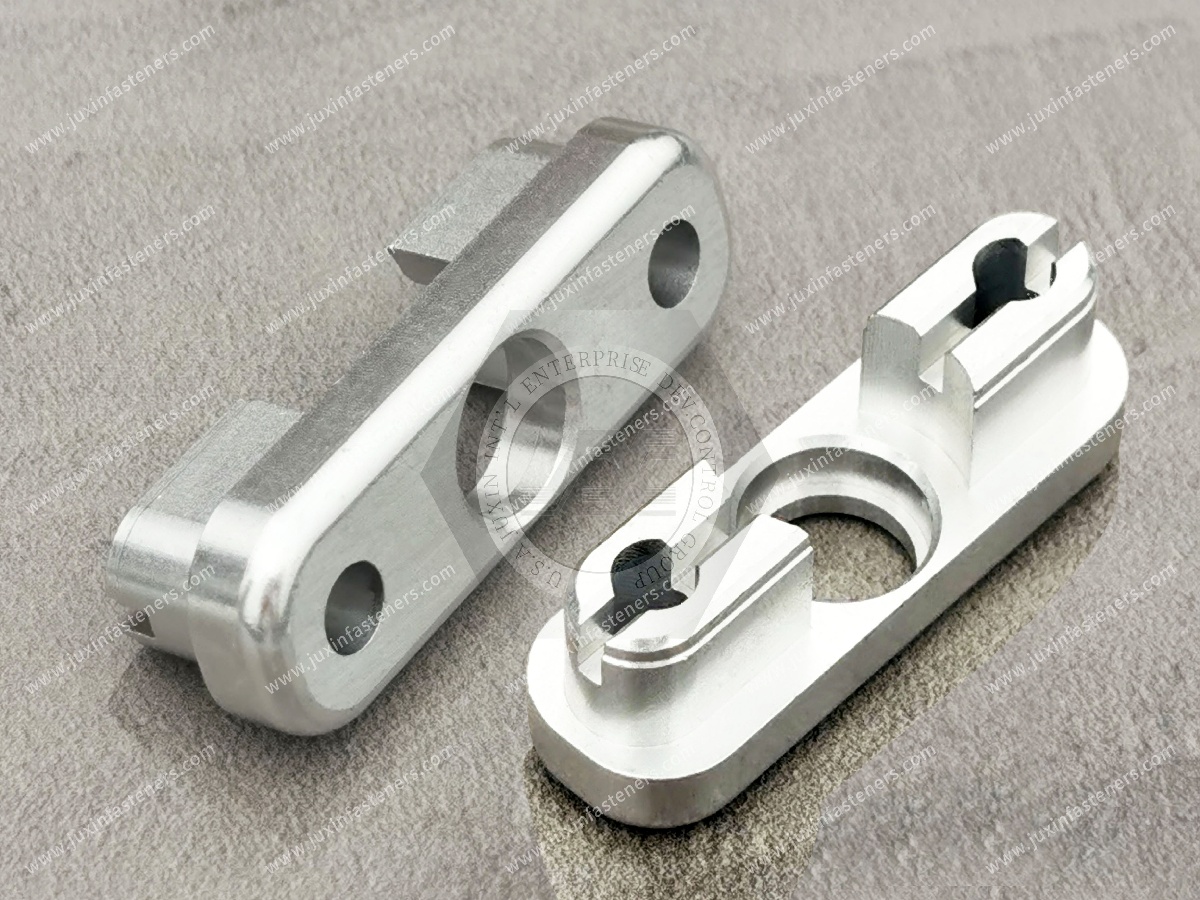
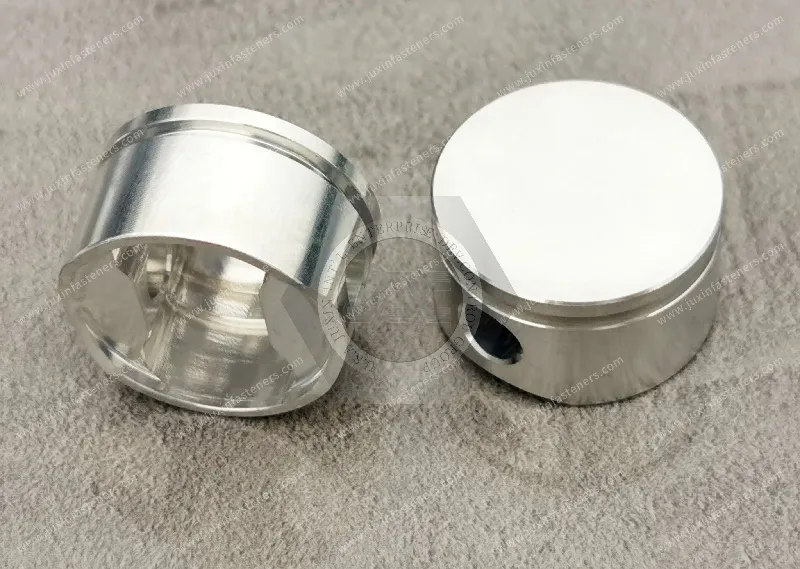
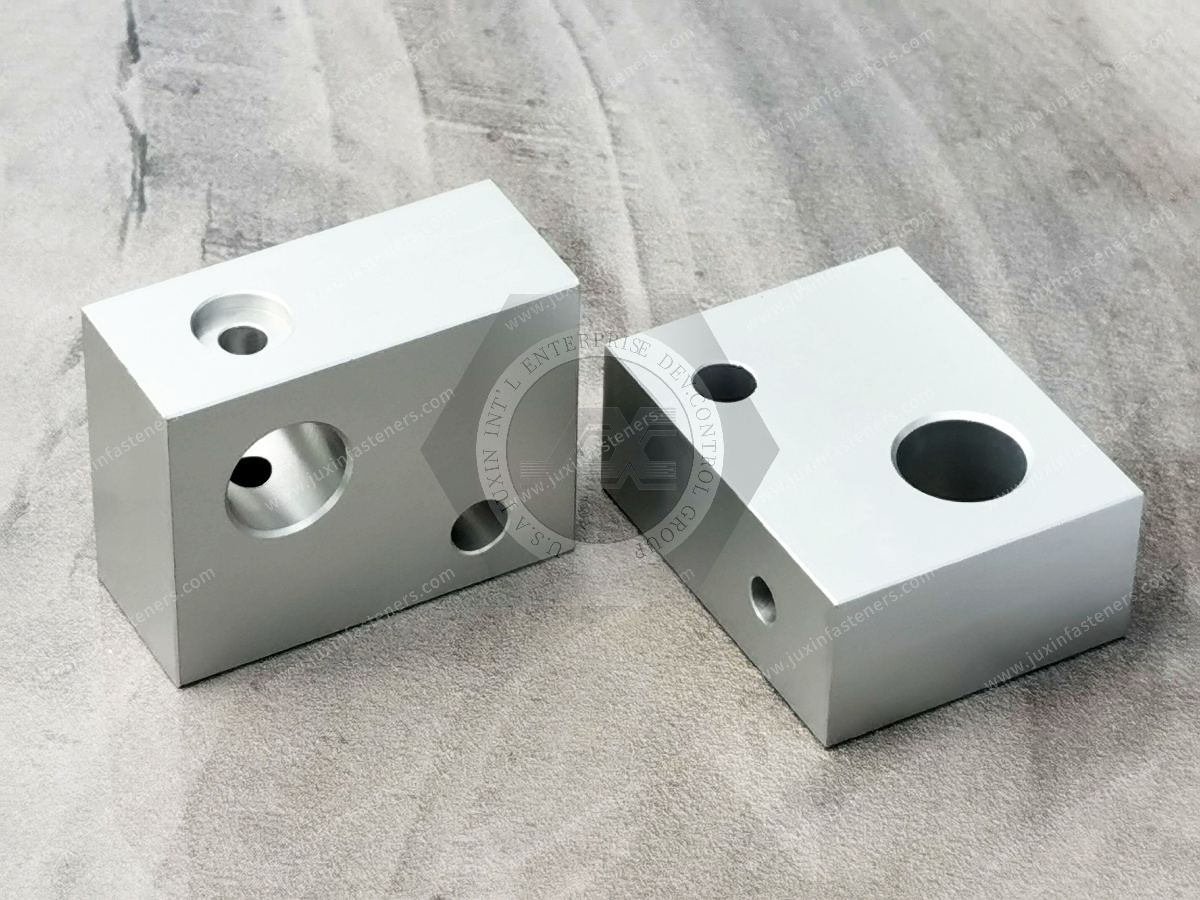
Aluminum CNC machining is widely used when lightweight construction, good machinability, corrosion resistance, and an excellent strength-to-weight ratio are required.
Aluminum is particularly suitable for components that require efficient CNC milling or turning while maintaining low component weight.
Typical applications include:
EV and automotive components
Electronics housings and enclosures
Heat sinks and thermal management components
Robotics components
Industrial machinery parts
Aerospace-related components
Automation equipment
Communication equipment
Depending on the application, aluminum CNC parts can also be supplied with surface treatments such as anodizing or other specified finishes.
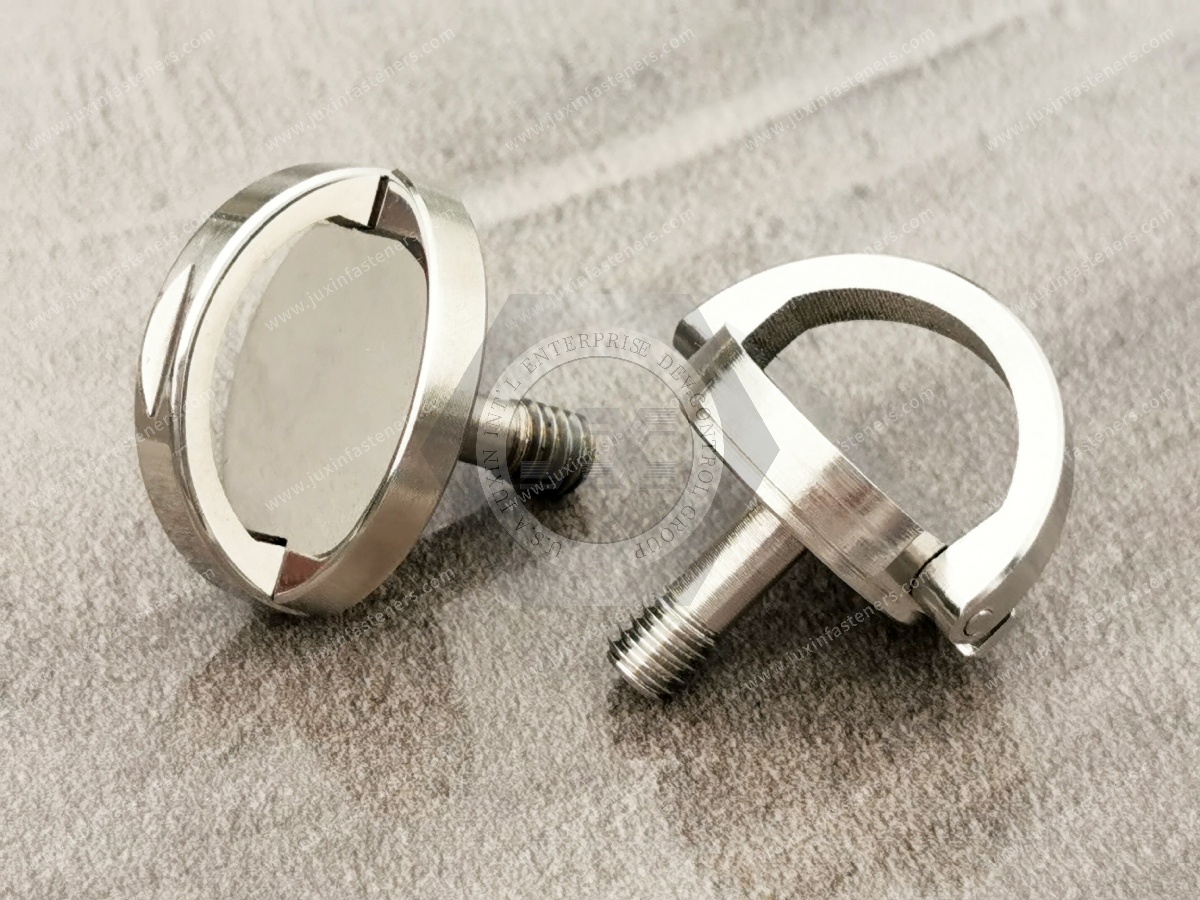
Stainless steel CNC machining is selected when corrosion resistance, mechanical durability, dimensional stability, and long-term service performance are important.
Stainless steel components are commonly used in demanding industrial environments where resistance to moisture, chemicals, cleaning processes, or temperature variations may be required.
Typical applications include:
Medical equipment components
Food processing equipment
Industrial machinery
Electrical equipment
Automotive components
Outdoor equipment
Pumps and fluid-handling systems
Precision mechanical assemblies
Material grade should be specified according to the required mechanical properties, corrosion environment, and applicable drawing requirements.
Carbon steel CNC machining provides a practical combination of strength, machinability, availability, and cost efficiency.
It is often selected for mechanical components where high corrosion resistance is not the primary requirement or where an appropriate protective surface treatment will be applied.
Typical applications include:
Machinery components
Shafts and pins
Brackets
Mounting components
Structural mechanical parts
Industrial equipment
Automotive mechanical components
Material grade, heat treatment, hardness, and surface treatment can be specified according to the application and engineering requirements.
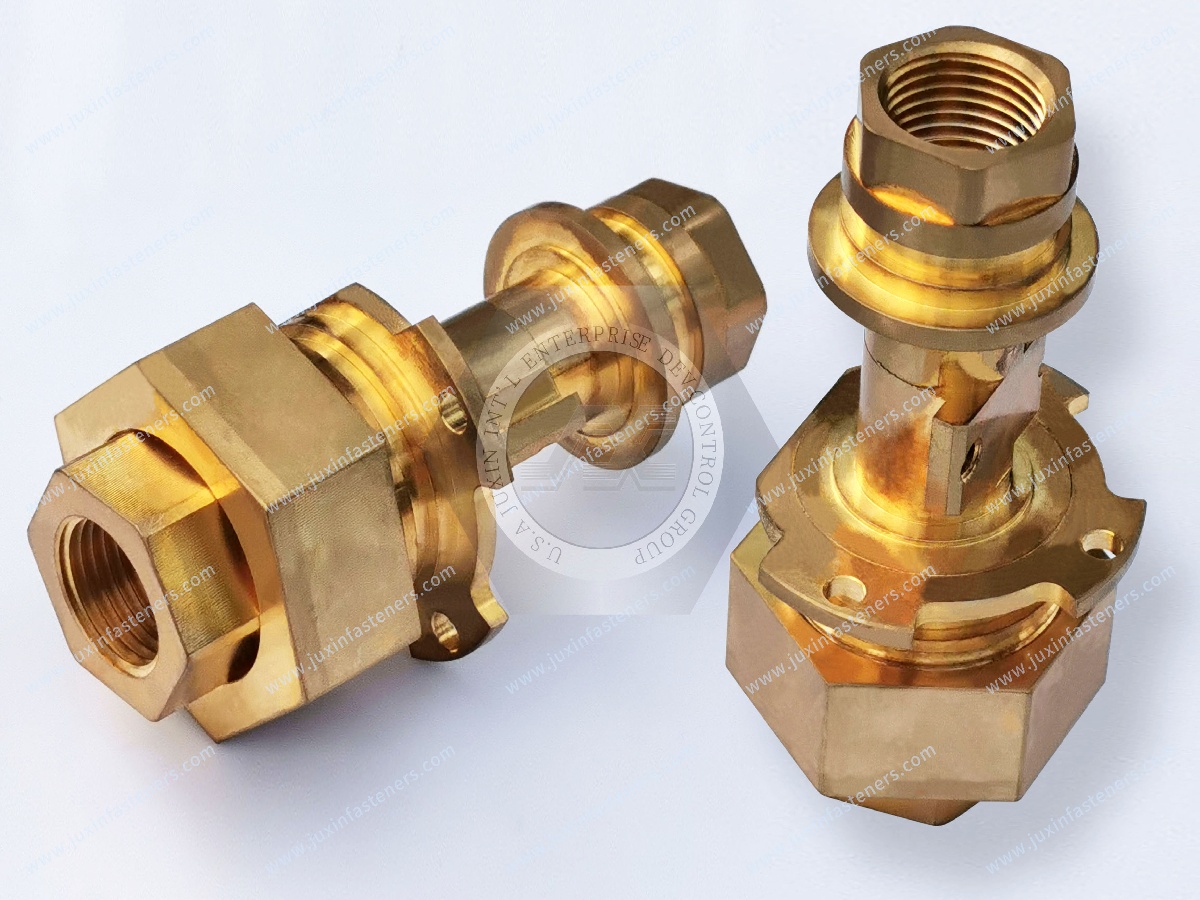
Brass CNC machining is suitable for precision components requiring good machinability, corrosion resistance, and an attractive surface finish.
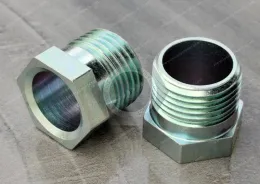
Brass is commonly used for fittings, connectors, bushings, electrical components, and other precision OEM parts.
Typical applications include:
Electrical connectors
Fittings
Bushings
Instrument components
Industrial equipment
Electrical and electronic assemblies
Copper CNC machining is particularly useful for components where electrical or thermal conductivity is an important design requirement.
Copper can be used for:
Electrical components
Conductive parts
Thermal management components
Busbar-related components
Electronic equipment
Industrial electrical systems
Because copper and copper alloys have different machining characteristics, material grade and component geometry should be considered during the manufacturing process.
Titanium CNC machining is used for applications requiring high strength-to-weight performance, corrosion resistance, and demanding mechanical properties.
Titanium alloys can be more challenging to machine than aluminum or conventional steels. Tool selection, cutting parameters, workholding, heat management, and process control therefore require careful consideration.
Typical applications may include:
High-performance mechanical components
Aerospace-related parts
Medical and specialized equipment
Chemical-processing components
Lightweight industrial assemblies
For titanium components, Juxin can manufacture according to customer drawings and specified material requirements.
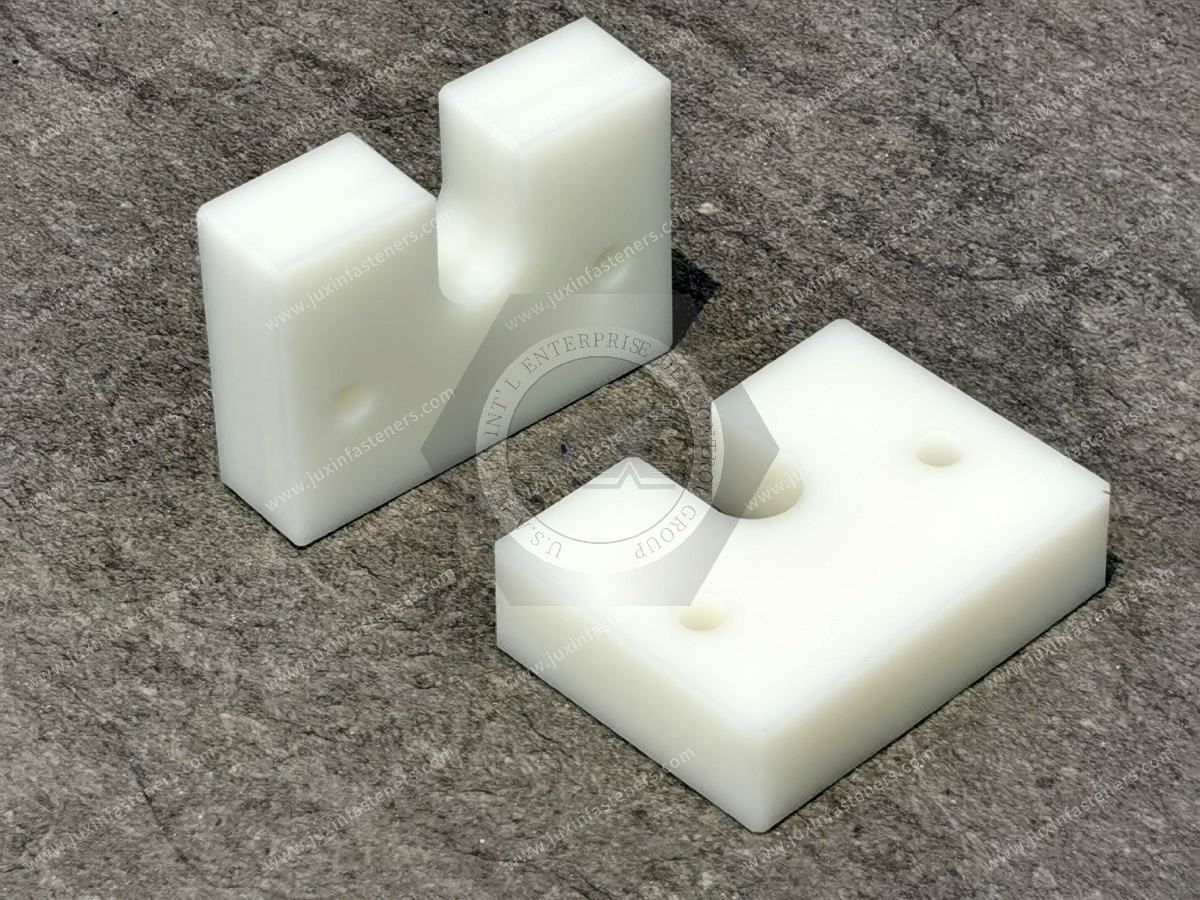
CNC machining of engineering plastics provides an alternative to metal components when low weight, electrical insulation, chemical resistance, low friction, or specific dimensional requirements are important.
Depending on the application, engineering plastics can be used for:
Electrical insulation components
Bushings and wear components
Machine guards and fixtures
Electronic equipment components
Robotics components
Chemical-resistant parts
Low-friction mechanical components
Material selection should consider temperature, load, chemical exposure, moisture absorption, friction, and dimensional stability.
The best CNC machining material depends on the actual operating environment rather than simply the material's nominal strength.
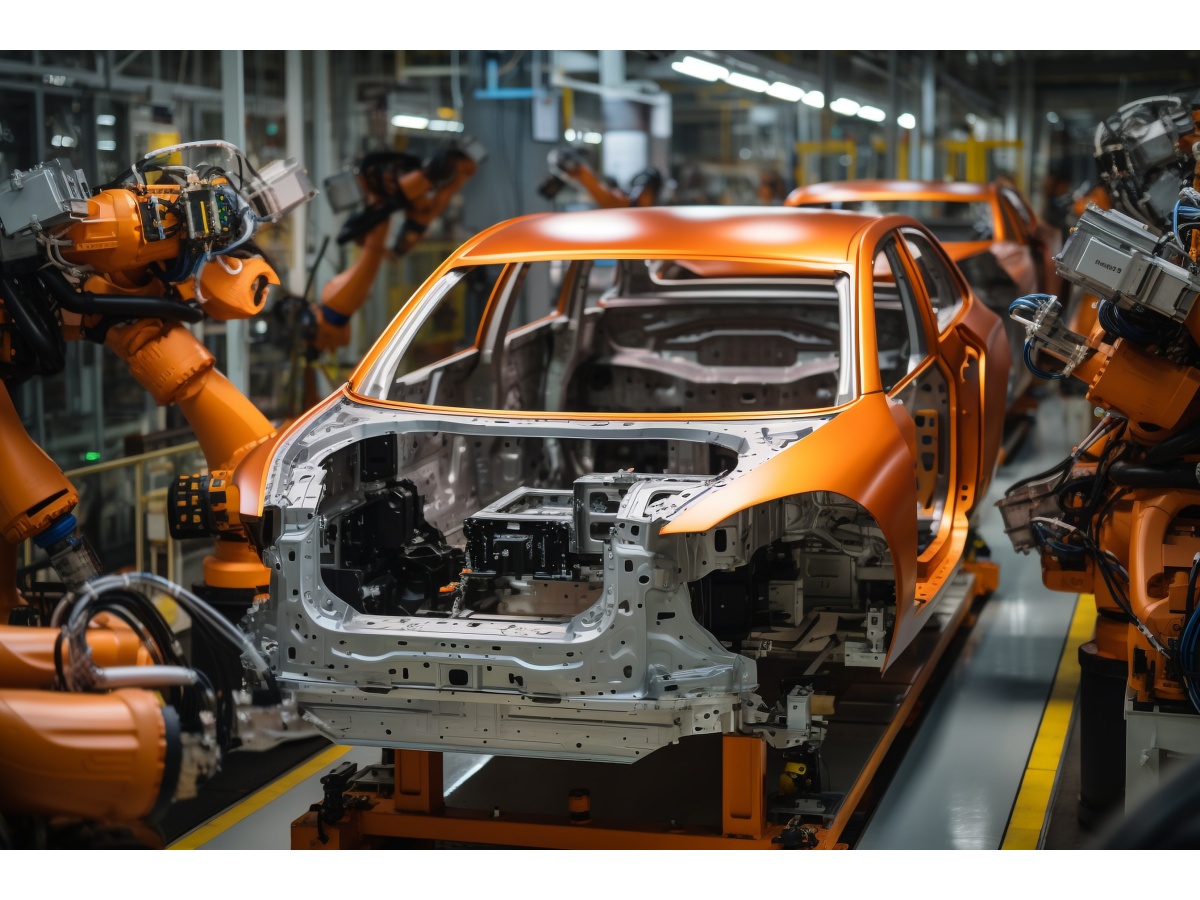
Automotive and EV applications may require a combination of low weight, mechanical strength, corrosion resistance, thermal management, and dimensional accuracy.
Common material choices include:
Aluminum alloys
Stainless steel
Carbon steel
Copper and copper alloys
Engineering plastics
Applications include brackets, housings, mounting components, thermal-management parts, shafts, connectors, and other custom mechanical components.
Electrical and electronic components may require electrical conductivity, insulation, thermal performance, lightweight construction, or corrosion resistance.
Suitable materials may include:
Aluminum
Copper
Brass
Stainless steel
Engineering plastics
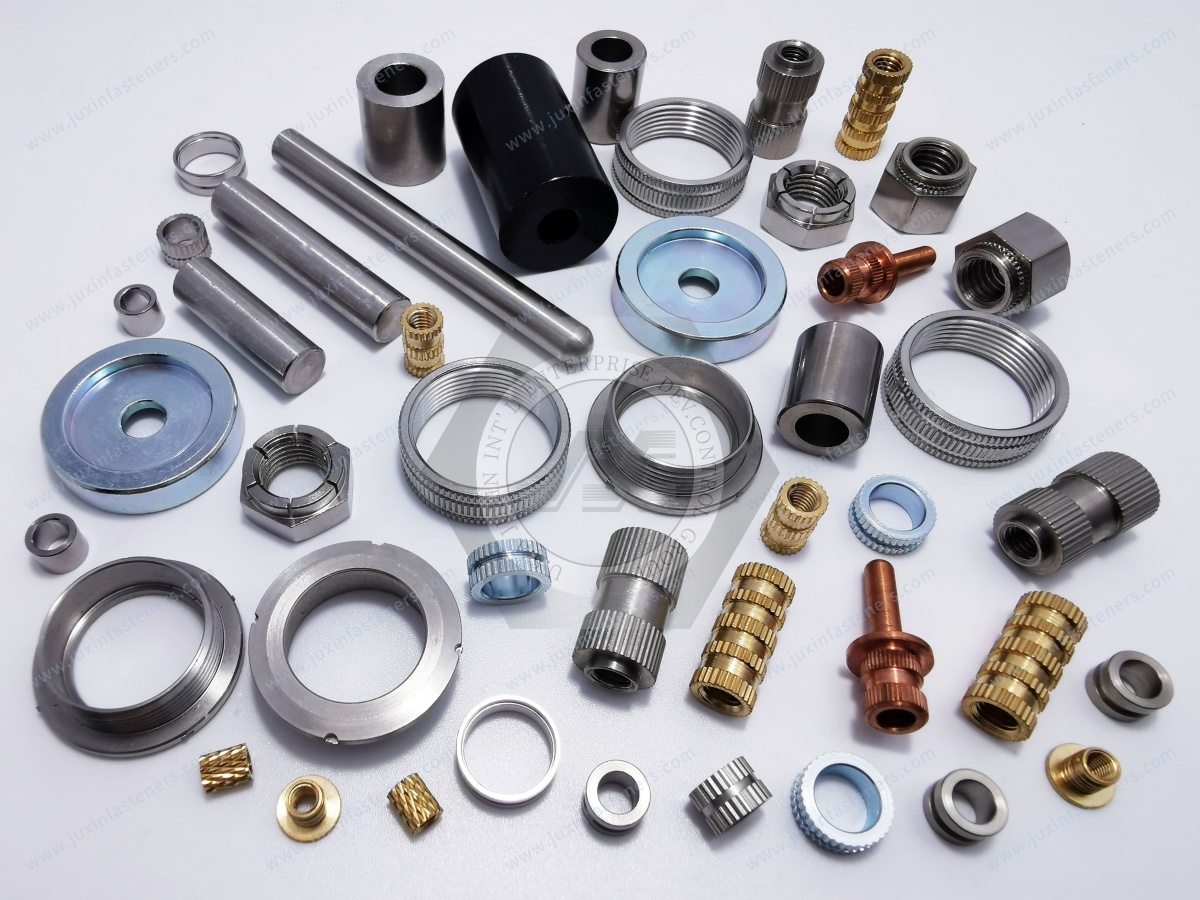
Robotics and automation equipment often require lightweight, precise, and repeatable mechanical components.
Typical materials include aluminum alloys, stainless steel, carbon steel, brass, and engineering plastics.
Applications include brackets, housings, shafts, fixtures, mounting components, joints, and custom machine parts.
Medical and laboratory equipment may require corrosion resistance, dimensional stability, cleanable surfaces, and appropriate material compatibility.
Stainless steel, aluminum, and selected engineering plastics are commonly considered depending on the specific application and applicable requirements.
Industrial machinery often requires a balance of strength, machinability, wear resistance, dimensional accuracy, and manufacturing cost.
Carbon steel, stainless steel, aluminum, brass, and engineering plastics can all be considered depending on the component's function and operating conditions.
For food-processing equipment, corrosion resistance, cleanability, durability, and environmental resistance are important considerations.
Stainless steel is frequently selected for components exposed to moisture, cleaning processes, or demanding operating environments.
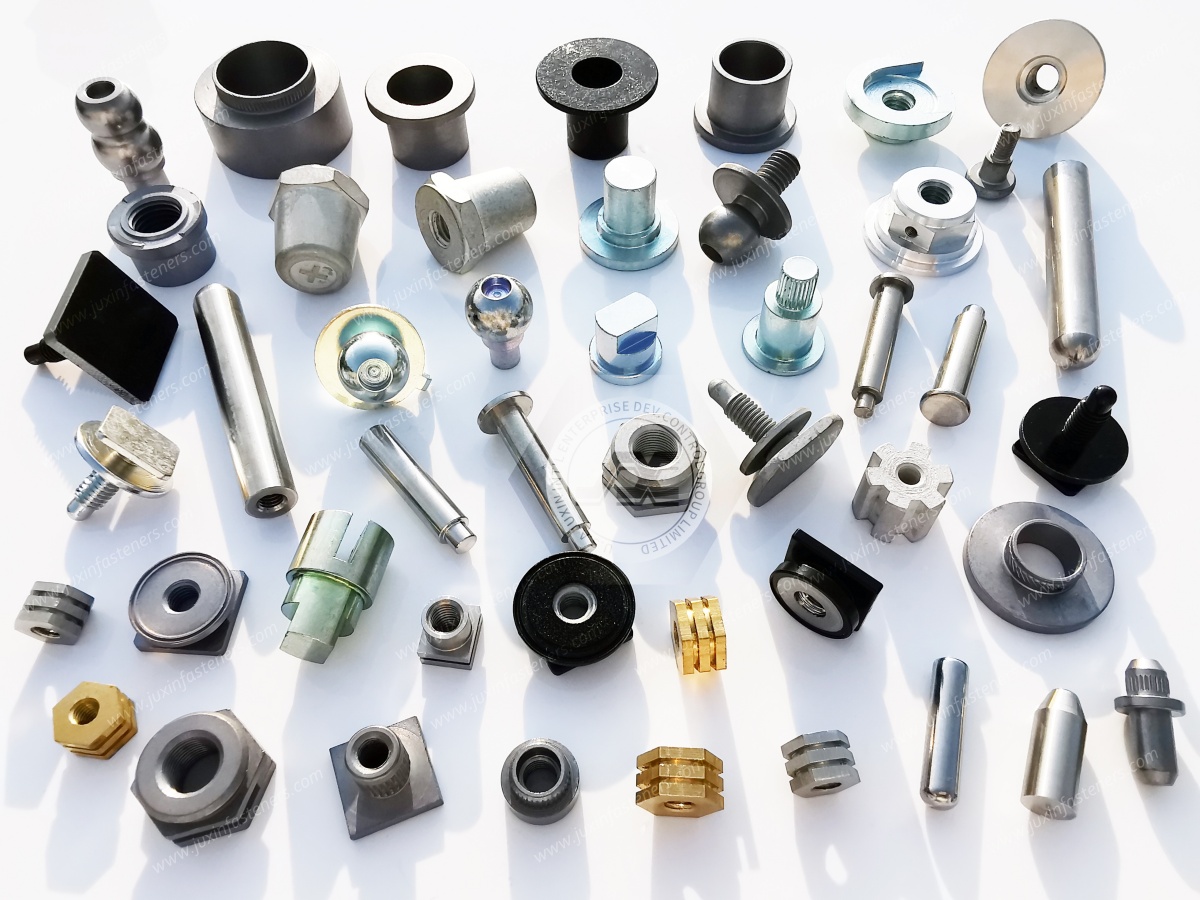
When requesting a quotation for custom CNC machined parts, providing complete material and application information helps engineers select the appropriate manufacturing process and avoid unnecessary cost.
Where applicable, provide:
Material name and exact grade
Mechanical property requirements
Heat-treatment requirements
Operating temperature
Corrosion or chemical exposure
Electrical or thermal requirements
Surface finish requirements
Surface treatment or coating
Dimensional tolerances
Drawing and revision level
Annual or project quantity
For critical components, the material specification should be clearly defined on the engineering drawing or purchase specification.
Material selection is only one part of producing reliable custom CNC machined parts. Component geometry, tolerances, machining strategy, tooling, workholding, inspection requirements, surface treatment, and production volume must also be considered.
Juxin works with OEM customers based on technical drawings and application requirements to support the production of precision CNC machined components for industrial applications.
Whether you require aluminum CNC machining, stainless steel CNC machining, steel CNC parts, brass and copper components, titanium machining, or engineering plastic parts, the material should be selected according to the component's actual operating requirements.
For a CNC machining quotation, send your 2D drawing, 3D CAD file, material specification, required quantity, tolerances, surface finish requirements, and application information.
Our engineering and production team can review the requirements and provide a manufacturing solution based on the component design and intended application.
Email: info@juxinfasteners.com
Juxin Fasteners — Custom CNC Machining and OEM Manufacturing Solutions
Product Packaging
Packaging Standard
At Juxin Fasteners, we apply standardized export packaging to ensure product protection, traceability, and compliance with international logistics requirements.
1. Standard Export Packaging
Unless otherwise specified, all products will be packed according to our factory standard export packaging, which includes:
Moisture-resistant inner protection
Poly bag or small box packing as required
Reinforced export cartons
Clear labeling with part number, specification, batch number, and quantity
Palletizing for sea or air shipment when necessary
Our standard packaging is designed to ensure safe transportation, efficient warehousing, and long-distance international shipping.
2. Customized Packaging Options
We also provide customized packaging solutions according to customer requirements, including but not limited to:
Private labeling
Customized barcodes
Specific carton dimensions
Retail packaging
Special pallet configuration
Customer-specific marking and identification
So that you know, customized packaging may involve additional costs and extended lead time depending on the complexity of the requirements.
3. Compliance & Quality Assurance
All packaging processes are controlled under our ISO 9001 quality management system to ensure consistency, traceability, and product integrity throughout the supply chain.
Product Pictures
Contact Us
Tel.:
+86 020 8621 0320
+86 020 3121 6067
E-mail:
Technical Support:
Navigation
SEND INQUIREY