Call Us
+86 136 6007 9809
Call Us
+86 136 6007 9809

Product Specification
Before a new product enters mass production, engineers often need physical parts to verify whether the design performs as expected.
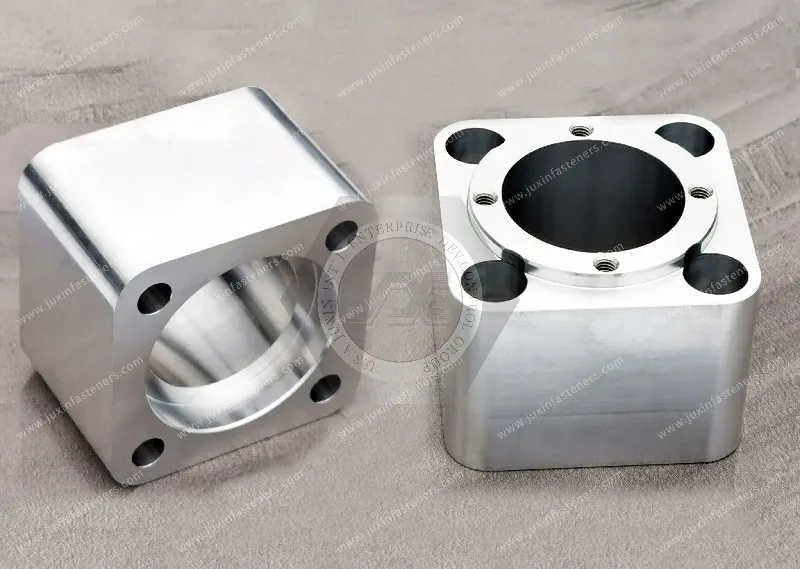
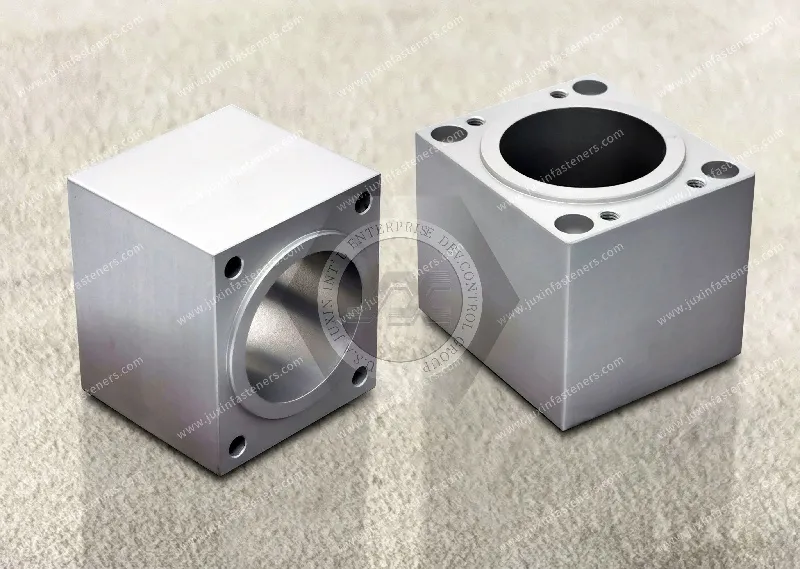
Prototype CNC machining provides a practical way to manufacture functional prototype parts directly from engineering drawings, 3D CAD models, or technical specifications.
Unlike visual-only prototypes, CNC machined prototypes can be produced from engineering materials and manufactured with production-oriented machining processes.
This allows product development teams to evaluate dimensional accuracy, assembly fit, mechanical performance, mounting interfaces,
and other critical design requirements before committing to larger production volumes.
At Juxin Fasteners, we support OEM and engineering teams with custom CNC machining for prototypes, small-batch components, and production parts.
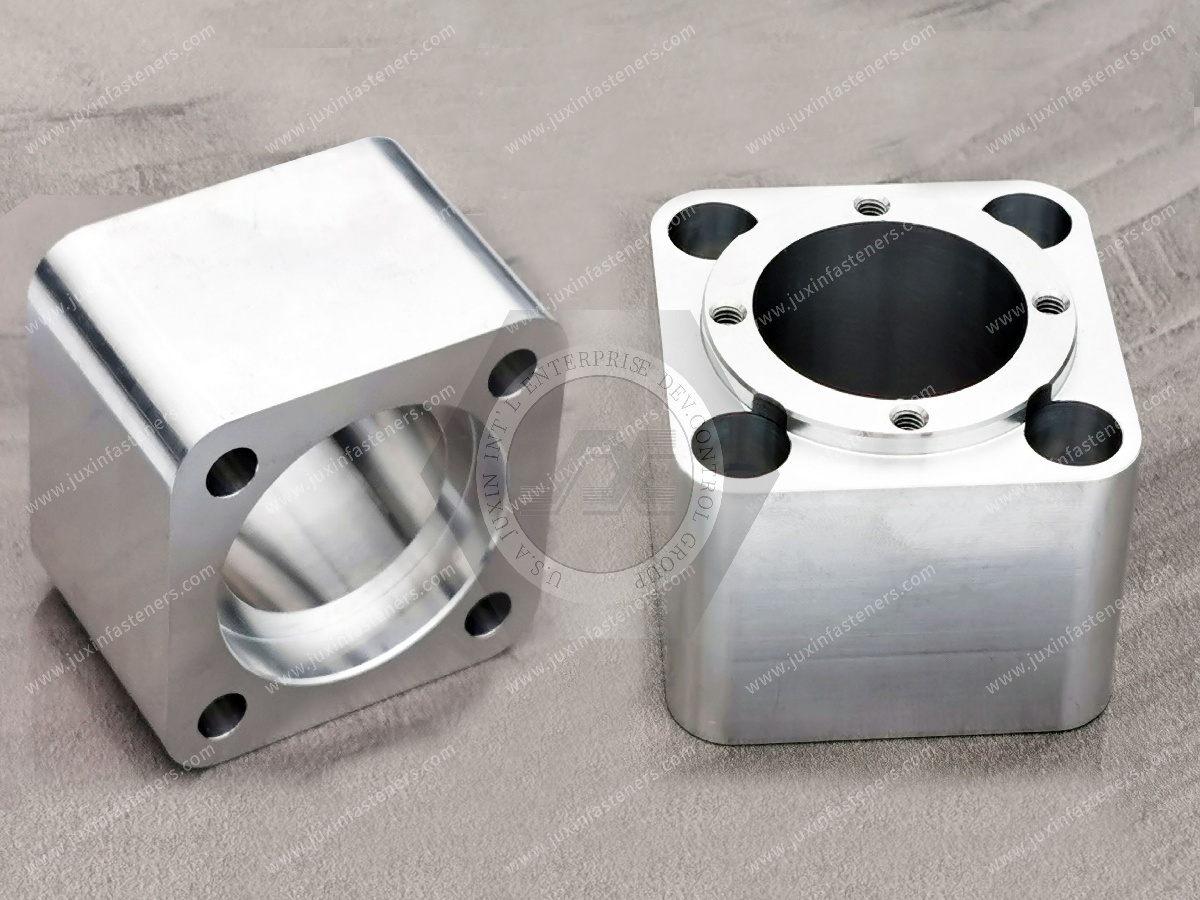
CNC machining is well suited to product development because it can produce accurate and functional components without requiring dedicated production tooling for many applications.
Engineers can use CNC prototype parts to verify:
Critical dimensions and tolerances
Assembly fit and component interfaces
Mechanical function
Interference and clearance
Threaded holes and mounting points
Surface finish
Fastener interfaces
Brackets and structural connections
Design changes before production
Manufacturability before mass production
For components with complex geometries, tight dimensional requirements, or functional mechanical interfaces,
precision CNC machining can provide a more representative prototype than many non-production prototyping methods.
A professional prototype machining process should begin with accurate engineering information.
Depending on the project, CNC prototype manufacturing can be based on:
2D engineering drawings
3D CAD models
STEP files
Technical specifications
Material requirements
Surface treatment requirements
Dimensional tolerances
Prototype quantities
The manufacturing team can review the design and identify potential machining considerations before production.
This engineering-oriented approach is particularly valuable when the prototype will later become a custom CNC machined part for low-volume or larger-scale production.
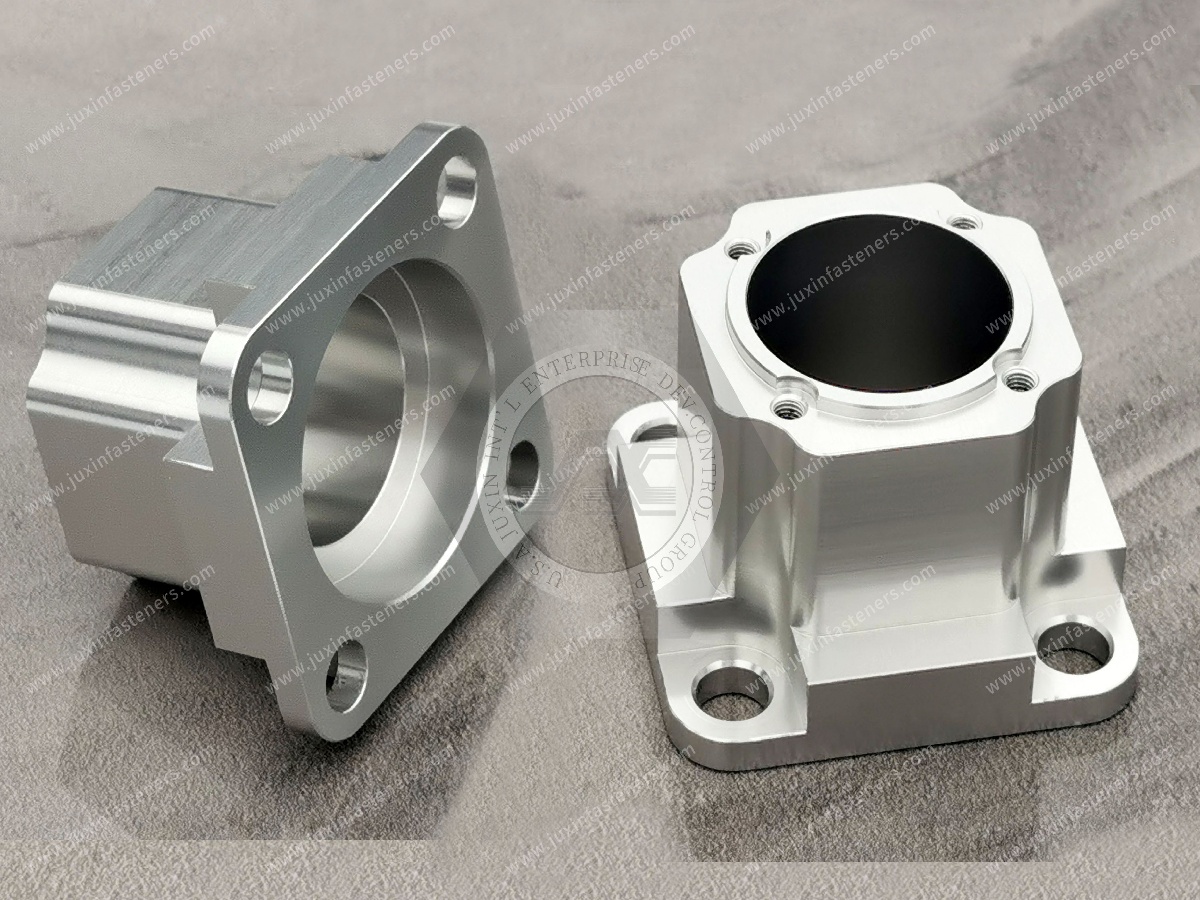
Prototype components may require different materials depending on their intended application.
Common CNC machining materials include:
Stainless steel
Carbon steel
Alloy steel
Aluminum
Brass
Copper
Engineering plastics
Other application-specific materials
Material selection should consider the prototype's intended mechanical function, operating environment, strength requirements, corrosion resistance, weight, and final production requirements.
For example, stainless steel CNC prototypes may be appropriate for components requiring corrosion resistance, while aluminum prototypes can be useful where low weight and machinability are important.
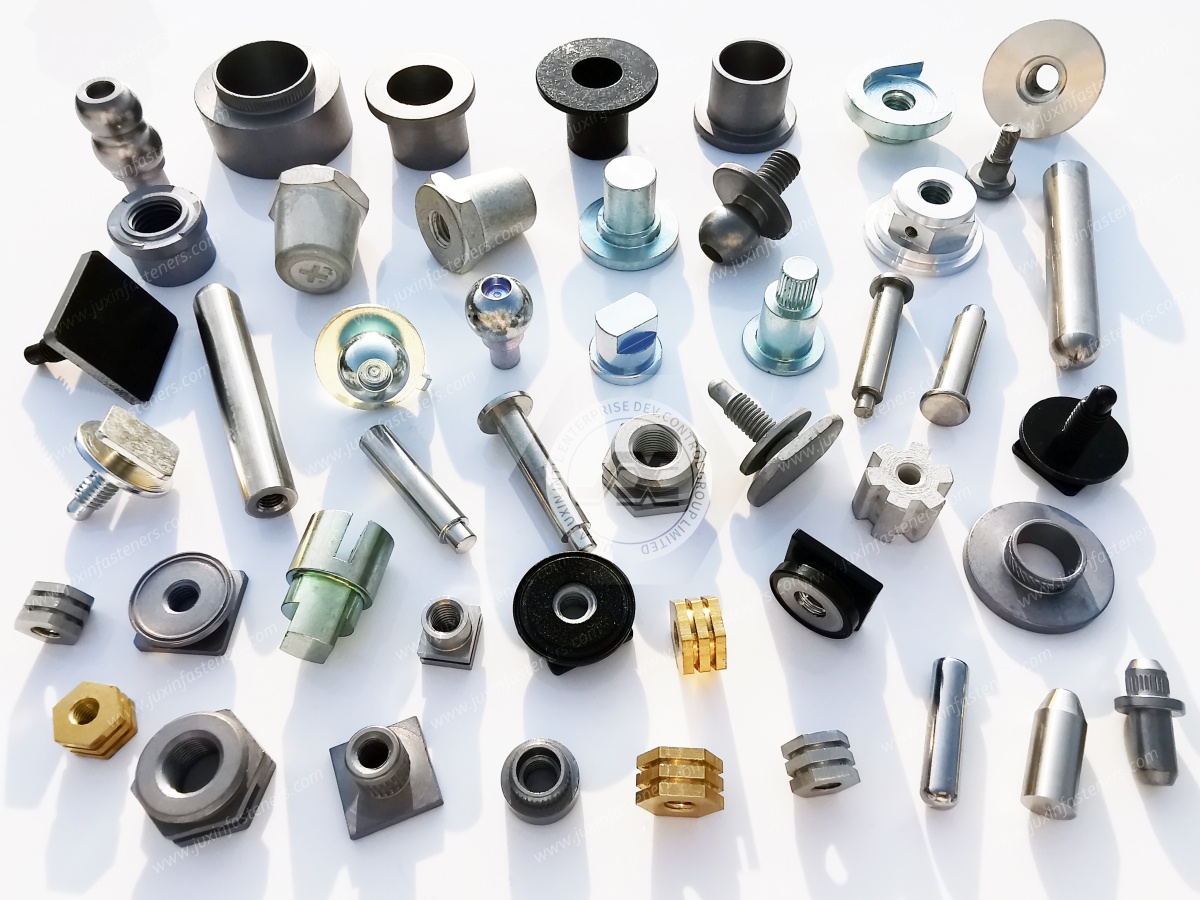
Automotive and electric vehicle manufacturers frequently require prototype components during new product development.
Automotive CNC machining can support the development of:
Mounting components
Brackets
Mechanical housings
Battery-related components
Sensor mounting components
Structural interfaces
Custom fastener components
Prototype mechanical assemblies
For EV applications, CNC machining can also be used during the development of components associated with EV battery systems, battery enclosures, electrical systems, and thermal management assemblies.
Prototype parts allow engineering teams to test physical interfaces before finalizing production designs.
Robotics and industrial automation equipment often contain customized mechanical components that must fit accurately within an assembly.
CNC machining for robotics can be used for prototype:
Robot mounting components
Precision brackets
Mechanical adapters
End-effector components
Machine interfaces
Shafts and hubs
Custom housings
Structural components
Because robotic systems frequently involve multiple moving or interconnected components, dimensional accuracy and assembly fit are important during the development stage.
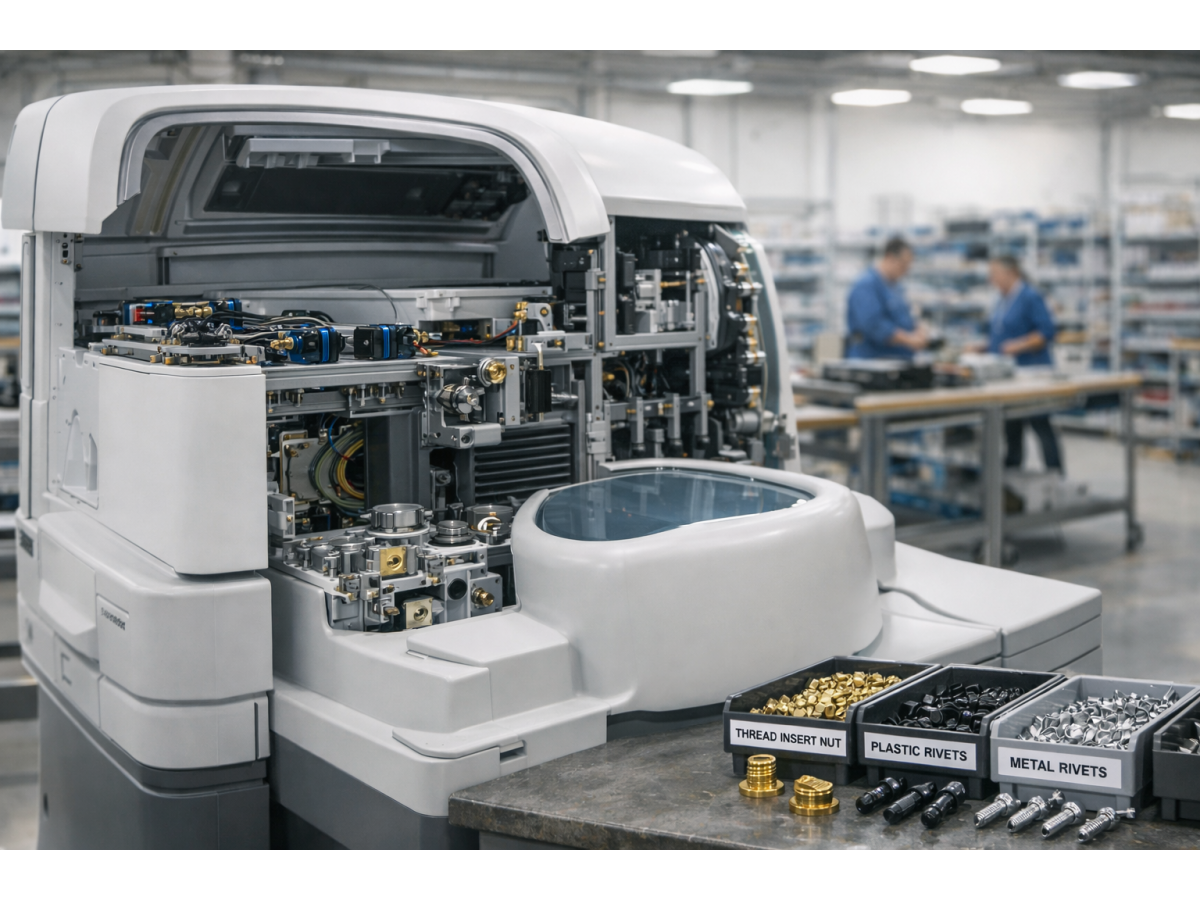
Medical equipment manufacturers may require functional prototypes to evaluate mechanical assemblies, equipment interfaces, and enclosure components.
CNC machining for medical equipment can support product development for:
Equipment housings
Mounting components
Precision mechanical parts
Structural brackets
Instrument components
Custom interfaces
Prototype assemblies
Material, dimensional, surface-finish, and cleanliness requirements should be defined according to the intended application and applicable product requirements.
Electronic and electrical products often require custom mechanical components to support PCBs, enclosures, connectors, cable systems, and mounting structures.
Prototype CNC machining can be used to develop:
Electronic equipment housings
Mounting brackets
Connector interfaces
Heat-related mechanical components
PCB mounting components
Electrical cabinet components
Custom mechanical interfaces
Physical CNC prototypes allow engineers to verify enclosure dimensions, mounting positions, connector clearances, and assembly interfaces before production tooling or larger-volume manufacturing.
Industrial machinery frequently uses application-specific components that cannot always be sourced as standard parts.
CNC machining for industrial equipment can provide prototypes for:
Machine brackets
Shafts
Bushings
Housings
Mounting plates
Mechanical adapters
Fixtures
Custom machine components
For machinery manufacturers, prototype machining can help identify design issues before a component moves into low-volume or repeat production.
One of the advantages of working with a manufacturing supplier that supports both prototyping and production is continuity.
After prototype validation, the same component can potentially progress through:
CAD Design → CNC Prototype → Dimensional Inspection → Assembly Testing → Design Optimization → Low-Volume Production → Batch Manufacturing
This can reduce the need to transfer drawings, material specifications, inspection requirements, and manufacturing information between multiple suppliers.
For OEM purchasing teams, this can also simplify supplier management and communication as product quantities increase.
Prototype production is not only about making the first physical part. It can also provide valuable feedback for Design for Manufacturing (DFM).
During prototype development, engineers may identify opportunities to:
Simplify machining operations
Reduce unnecessary tolerances
Improve tool accessibility
Modify hole or thread designs
Reduce material waste
Improve assembly
Reduce manufacturing costs
Prepare the component for repeat production
A prototype can therefore serve as an important bridge between product design and scalable manufacturing.
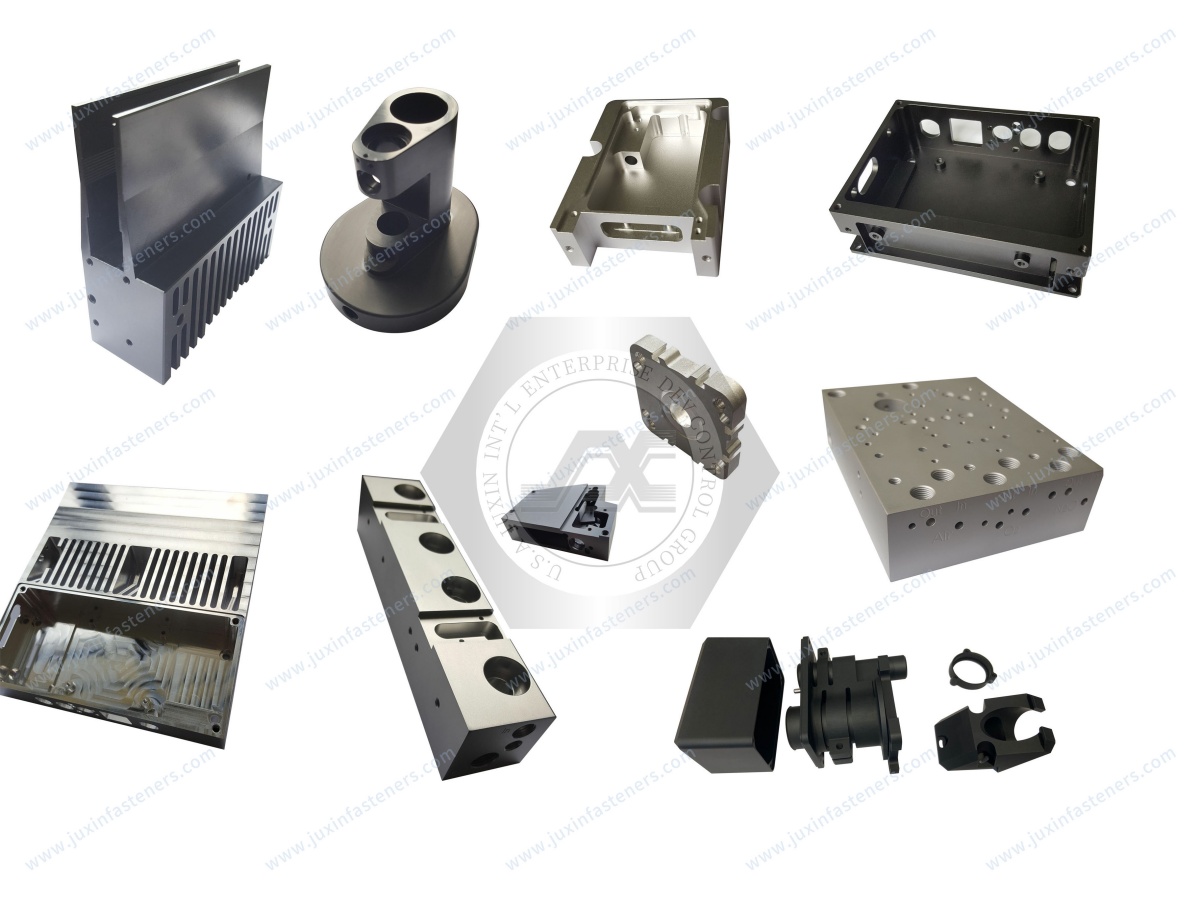
Dimensional verification is particularly important when CNC prototype parts are used to validate an engineering design.
Depending on project requirements, inspection may include:
Dimensional inspection
Thread inspection
Critical tolerance verification
Surface finish inspection
Material verification
Visual inspection
Functional fit testing
Final inspection documentation
For production-oriented projects, prototype inspection results can also help establish the critical dimensions and quality requirements for subsequent batch production.
For OEM manufacturers, the ideal prototype supplier should understand more than machining alone.
A complete prototype manufacturing service should consider:
Engineering requirements + Material + Machining Process + Tolerances + Surface Finish + Inspection + Production Scalability
This approach helps engineering and purchasing teams evaluate not only whether a prototype can be manufactured, but also whether the design can eventually be produced consistently at commercial volumes.
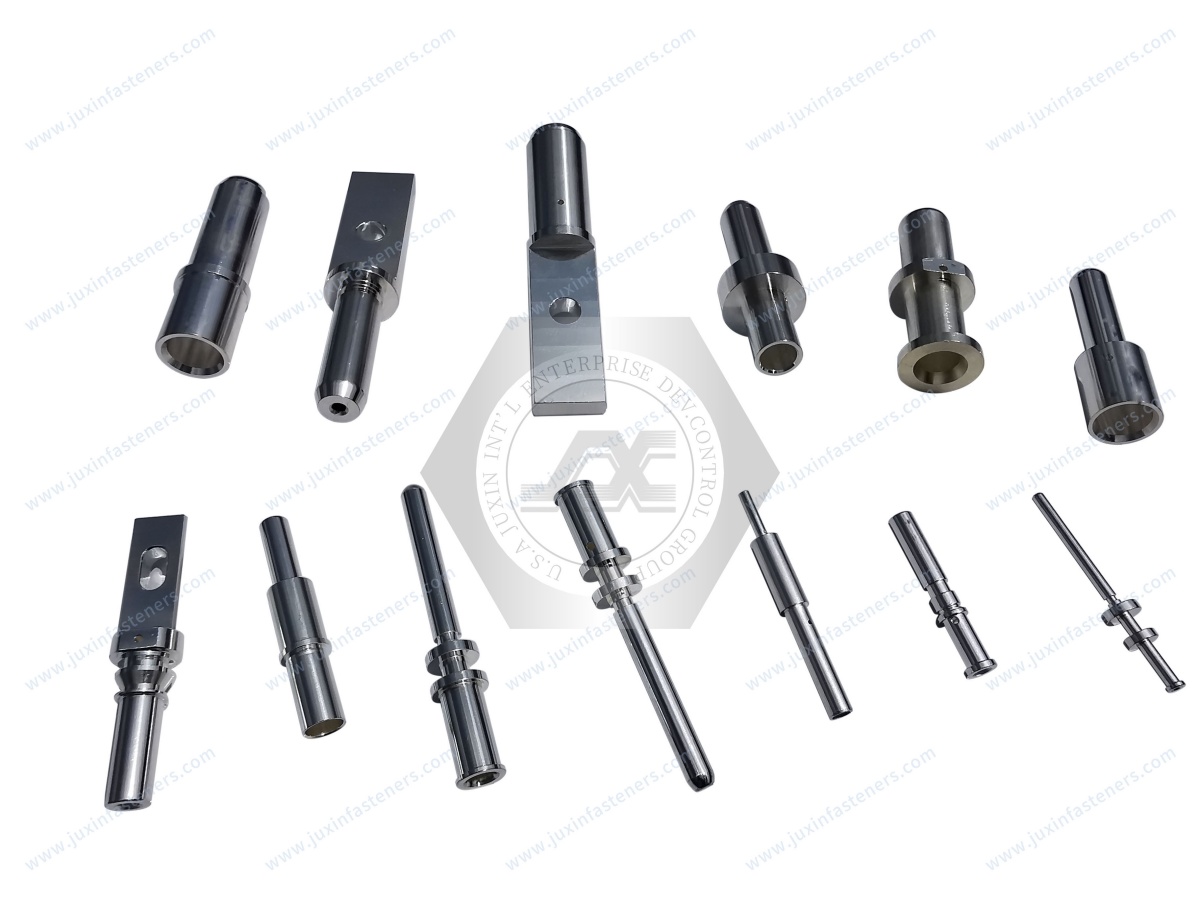
Juxin Fasteners provides prototype and custom manufacturing support for a range of industrial applications, including:
Automotive
EV and Battery Systems
Robotics and Automation
Medical Equipment
Electronics
Electrical Equipment
Industrial Machinery
HVAC Equipment
Rail Transit
Renewable Energy
Marine Equipment
General OEM Manufacturing
With more than two decades of experience in industrial fastener and engineered component manufacturing, Juxin Fasteners works with OEM customers and engineering teams that require reliable manufacturing support.
Our capabilities can support projects from prototype development through low-volume and repeat production, helping customers maintain consistent technical communication throughout the product development process.
We focus on:
Engineering drawing and CAD-based manufacturing
Custom CNC machined components
Prototype and low-volume production
Industrial fasteners and engineered fastening components
Dimensional quality control
OEM manufacturing support
Production-oriented DFM considerations
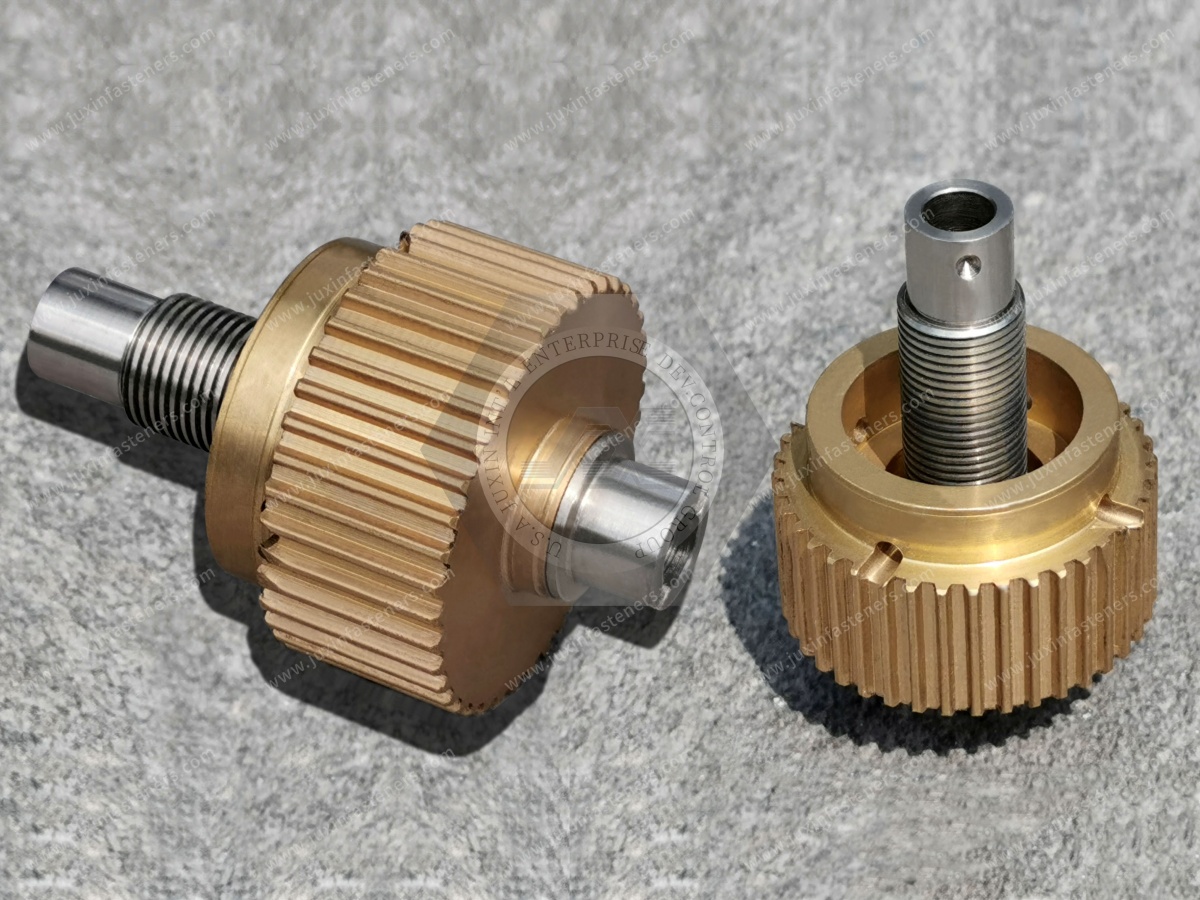
If you are developing a new product and need CNC machining prototypes, send us your engineering drawing or 3D CAD model.
Our team can review your requirements and provide manufacturing feedback for prototype CNC machining, custom CNC machined parts, and potential transition to low-volume or production manufacturing.
Email: info@juxinfasteners.com
Juxin Fasteners — Prototype CNC Machining and OEM Manufacturing Support for Product Development.
Product Packaging
Packaging Standard
At Juxin Fasteners, we apply standardized export packaging to ensure product protection, traceability, and compliance with international logistics requirements.
1. Standard Export Packaging
Unless otherwise specified, all products will be packed according to our factory standard export packaging, which includes:
Moisture-resistant inner protection
Poly bag or small box packing as required
Reinforced export cartons
Clear labeling with part number, specification, batch number, and quantity
Palletizing for sea or air shipment when necessary
Our standard packaging is designed to ensure safe transportation, efficient warehousing, and long-distance international shipping.
2. Customized Packaging Options
We also provide customized packaging solutions according to customer requirements, including but not limited to:
Private labeling
Customized barcodes
Specific carton dimensions
Retail packaging
Special pallet configuration
Customer-specific marking and identification
So that you know, customized packaging may involve additional costs and extended lead time depending on the complexity of the requirements.
3. Compliance & Quality Assurance
All packaging processes are controlled under our ISO 9001 quality management system to ensure consistency, traceability, and product integrity throughout the supply chain.
Product Pictures
Contact Us
Tel.:
+86 020 8621 0320
+86 020 3121 6067
E-mail:
Technical Support:
Navigation
SEND INQUIREY