
Call Us
+86 136 6007 9809
Call Us
+86 136 6007 9809

Nov. 28, 2026
JUXIN FASTENERS is an industrial fastener manufacturer supporting drawing-based fastener programs and blind riveting solutions for sheet-metal OEMs.
Blind rivets join layers where backside access is limited. The relevant engineering question for production is not only which rivet family to select, but how to demonstrate repeatable installed-joint quality on actual panels.
Unlike a blind rivet nut, a blind rivet creates a permanent mechanical joint rather than a removable female thread.
Standard open-end, closed-end, multi-grip and structural designs can have different body and mandrel materials, grip windows and setting requirements.
The following guide focuses on incoming-to-assembly lot acceptance rather than repeating a general rivet type selection guide.
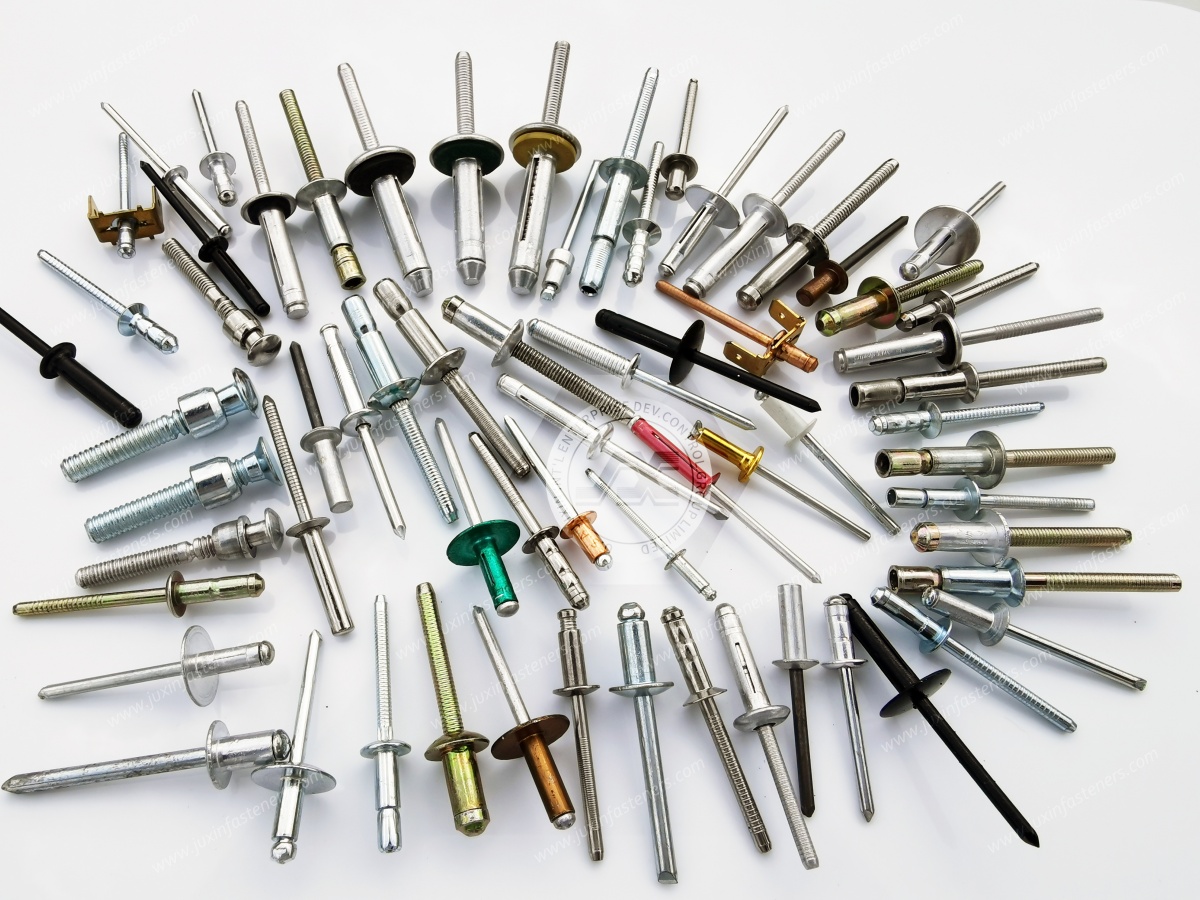
Translate the approved drawing into receiving checks
Confirm rivet body diameter, length, head geometry, mandrel design and material combination against the approved specification.
ISO 15977 and ISO 15983 are examples of open-end rivet standards with defined head and material combinations, not universal standards for every blind rivet.
Verify the applicable standard edition and exact configuration on the purchase drawing.
Use the product-specific hole diameter tolerance and grip range rather than a universal hole allowance.
Panel thickness includes the actual assembled stack and relevant coatings.
Confirm the rivet identification, packaging lot reference and inspection documentation required by the purchase order.
Do not treat different mandrel locking designs as interchangeable solely because nominal dimensions match.
Build a repeatable assembly acceptance plan
Use production-representative panels, hole condition, tooling and access to establish acceptance.
Check the installed rivet from both accessible and blind sides on sample assemblies or representative coupons.
Closed-end bodies can reduce leakage paths, but joint sealing depends on the hole, head interface, panel stack and any sealant; verify leakage separately when required.
Multi-grip designs accommodate specified thickness ranges, not arbitrary oversized holes.
| Control stage | Check | Evidence for release |
|---|---|---|
| Receiving | Body, mandrel, head, grip marking, lot reference | Approved specification and inspection record |
| Panel trial | Hole tolerance, stack thickness, tool compatibility | Representative coupon and agreed trial results |
| Installed joint | Head seating, backside formation, mandrel retention | Inspection reference / sample section where required |
| Functional verification | Shear, tensile, vibration or leakage as specified | Project-specific test method and acceptance limits |
| Batch release | Lot identity, deviations, packaging and inspection results | Traceable records and authorized disposition |
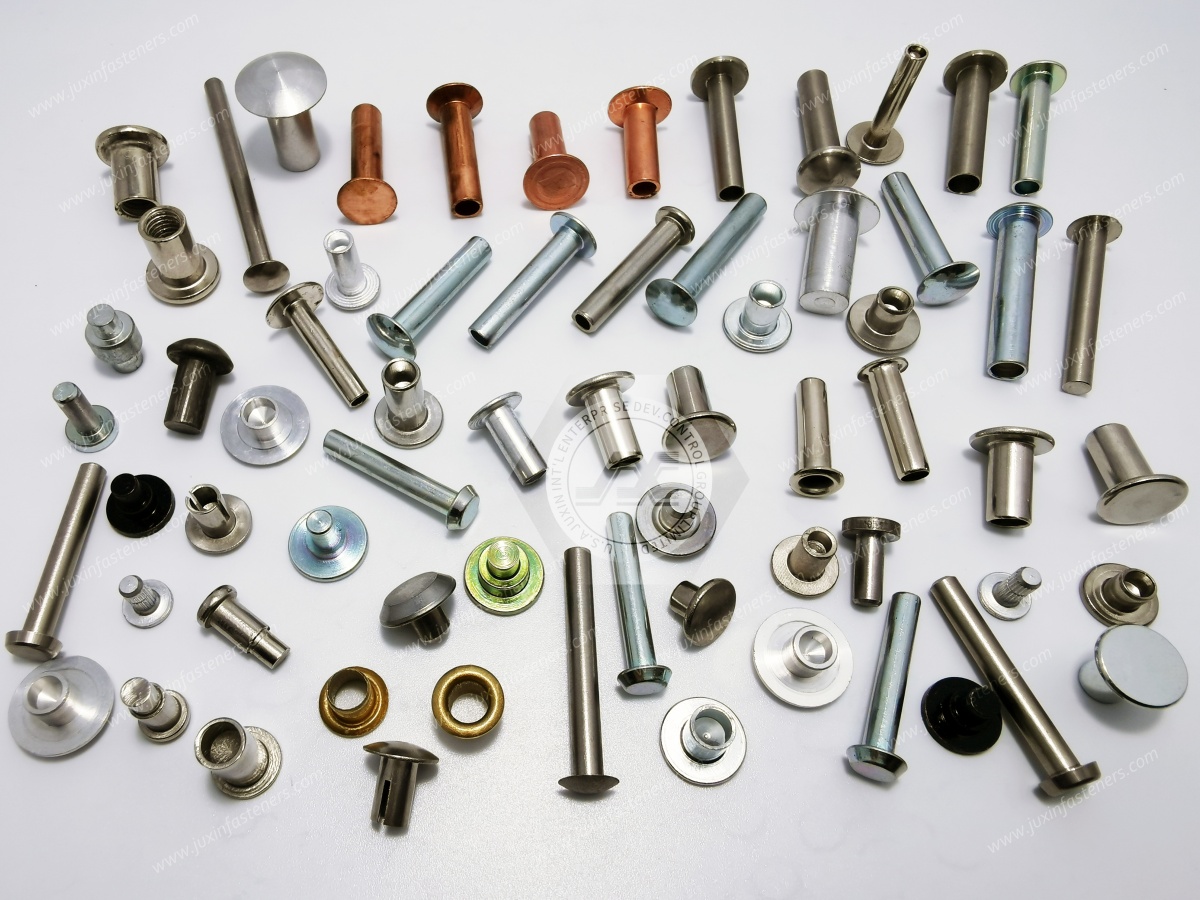
Investigate variation before changing the selected fastener
An incomplete set can originate from the panel stack, hole burrs, tool condition or mismatched gripping range.
An irregular blind-side upset or loose mandrel may indicate an unsuitable fit or incomplete setting; inspect representative joints before attributing the defect to material strength alone.
Establish approved visual references and a documented response to out-of-tolerance assemblies.
Material compatibility also matters. Aluminum, steel and stainless steel body/mandrel combinations should be selected with exposure, galvanic contact, coating condition and joint loads in mind. High-strength structural rivets may use a mechanical mandrel lock, but the exact system and capacity depend on the approved design. Never infer sealing, corrosion duration or structural load ratings from the rivet category or a photograph.
Submit the complete OEM production requirement
Provide the assembly drawing, panel materials and thickness range, hole tolerances, required head style, expected joint loads, corrosion or leak requirements, setting equipment, annual volume and acceptance criteria. Specify any lot traceability or sample documentation needed. JUXIN FASTENERS can review the specified product and manufacturing feasibility before quotation and sample approval. Contact info@juxinfasteners.com.
 MORE NEWS
Contact Us
Tel.:
+86 020 8621 0320
+86 020 3121 6067
E-mail:
Technical Support:
Navigation
SEND INQUIREY