Call Us
+86 136 6007 9809
Call Us
+86 136 6007 9809

Anti-Loosening Fasteners for Railway Vibration Control Systems
Rail transportation systems operate under continuous dynamic loading conditions. High-speed trains, metro vehicles, tram systems, and rail infrastructure are exposed to vibration, impact forces, cyclic stress, braking loads, and temperature fluctuations throughout their service life.
Product Specification
Anti-Loosening Fasteners for Railway Vibration Control Systems
Rail transportation systems operate under continuous dynamic loading conditions. High-speed trains, metro vehicles, tram systems, and rail infrastructure are exposed to vibration, impact forces, cyclic stress, braking loads, and temperature fluctuations throughout their service life.
Under these conditions, traditional fastening methods may gradually lose preload, leading to joint movement, structural fatigue, increased maintenance frequency, and even safety risks.
For this reason, anti-loosening fasteners have become one of the most important technologies in modern rail transit fastener solutions.
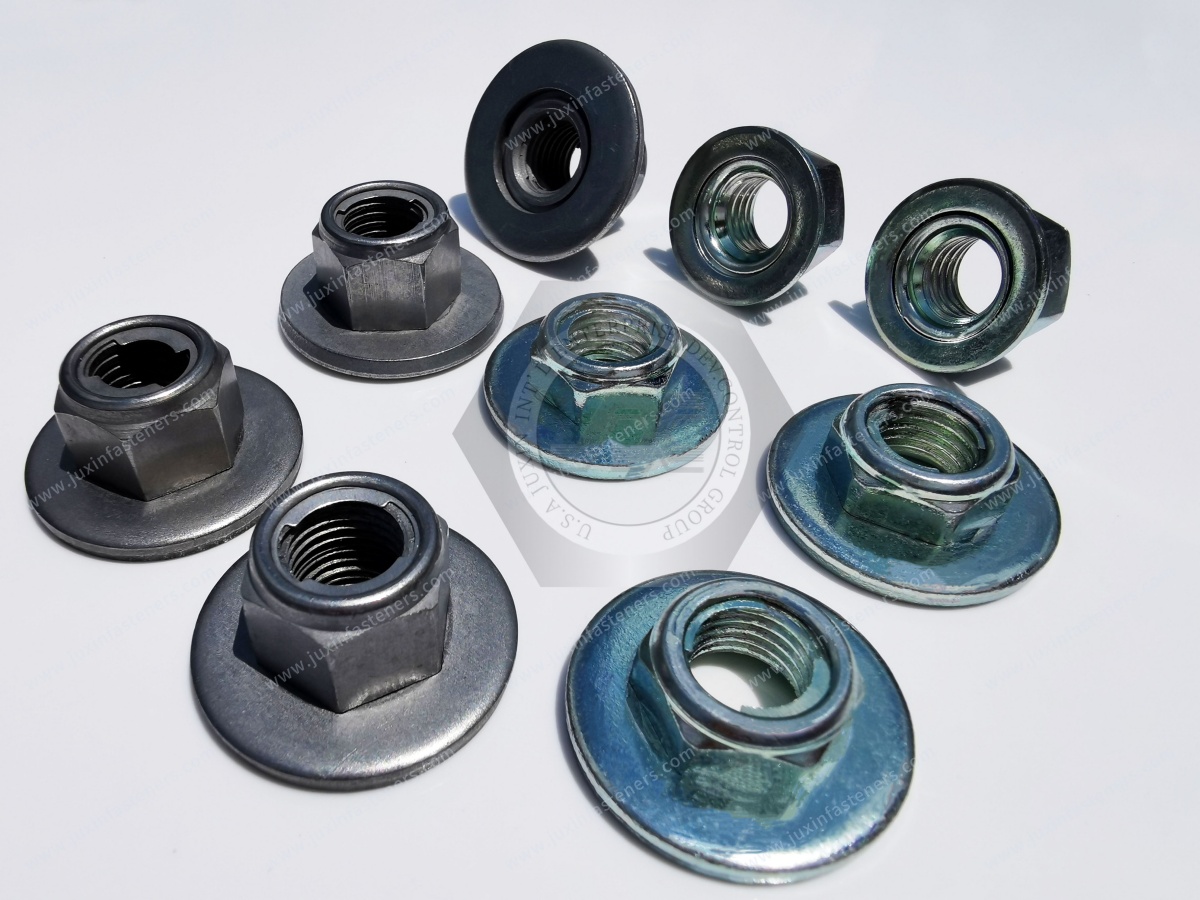
Railway manufacturers increasingly integrate vibration-resistant fastening systems into vehicle structures, suspension assemblies, electrical systems, body frames, and wheel components to improve operational stability and reduce lifecycle cost.
Primary applications include:
High-speed rail vehicles
Metro systems
Light rail transportation
Bogie structures
Brake assemblies
Electrical equipment modules
Rail body structures
Maintenance replacement systems
Why Fastener Loosening Happens in Railway Systems
Rail environments pose unique mechanical challenges that differ significantly from those in ordinary industrial applications.
The main sources of vibration include:
Wheel and rail interaction
Acceleration and deceleration cycles
Track irregularities
Aerodynamic loads at high speed
Braking force transmission
Suspension movement
These repeated loads gradually reduce bolt preload.
Common problems caused by loosening include:
Clamp force reduction
Relative movement between parts
Noise generation
Structural displacement
Increased fatigue cracking
Maintenance interruption
Rail fastening systems, therefore, require more than standard bolts. They need engineered anti-loosening structures that maintain a stable clamping force during long-term operation.
Mechanical Locking Bolt Technology
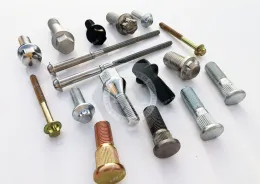
Mechanical locking bolts remain among the most reliable anti-loosening solutions in railway engineering.
Unlike conventional bolts, these designs use physical locking mechanisms to resist rotation.
Typical designs include:
Serrated locking surfaces
Groove engagement systems
Thread interference mechanisms
Dual-lock structures
Applications:
Bogie assemblies
Chassis connections
Suspension supports
Rail equipment frames
Advantages:
High vibration resistance
Stable preload retention
Long maintenance intervals
Reduced inspection frequency
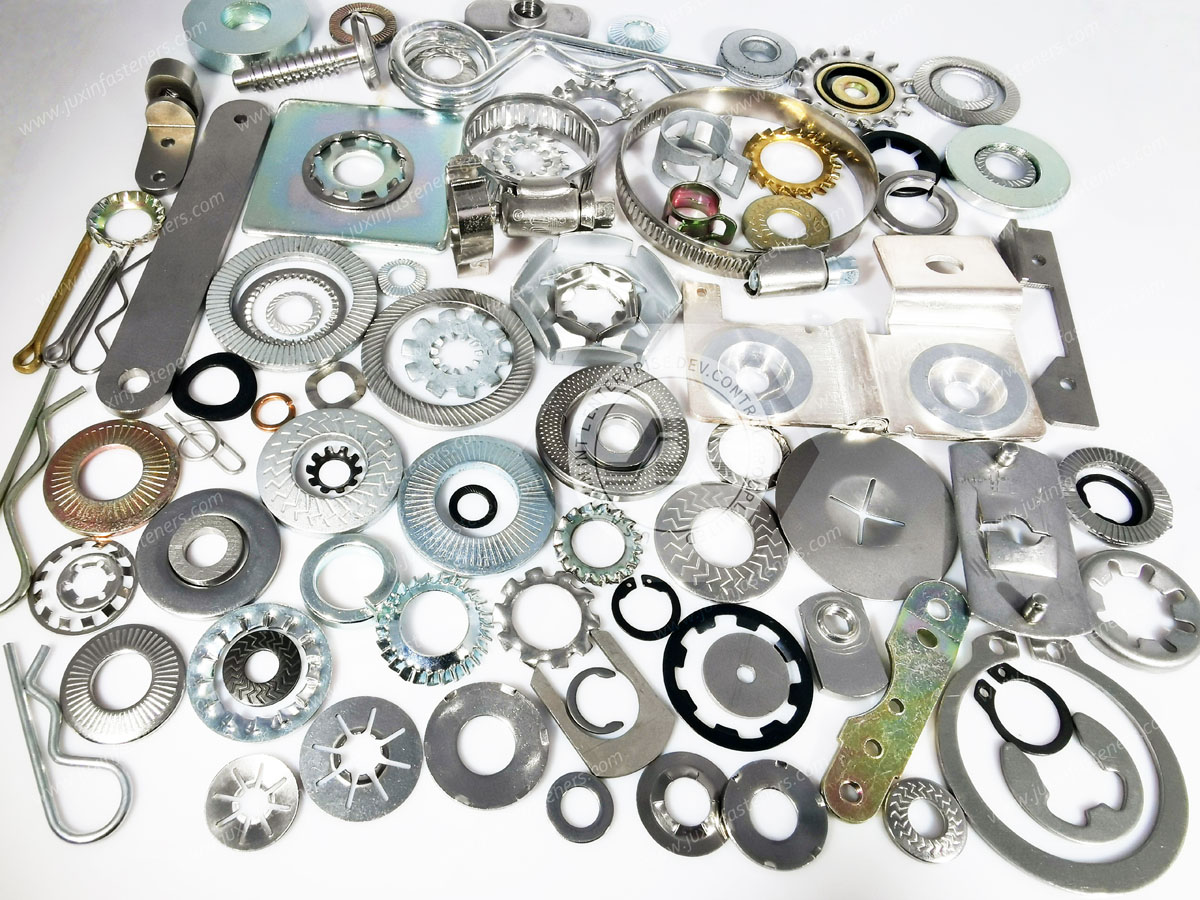
Serrated Flange Fasteners for Rail Applications
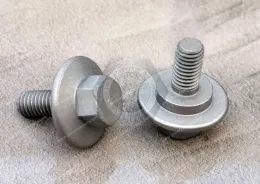
Serrated flange fasteners increase friction between the bolt head and mating surface.
This design improves resistance against rotation caused by vibration.
Common railway uses include:
Seat mounting systems
Equipment brackets
Interior modules
Electrical cabinets
Door mechanisms
Benefits:
Improved anti-rotation performance
Reduced washer requirements
Faster assembly
Better load distribution
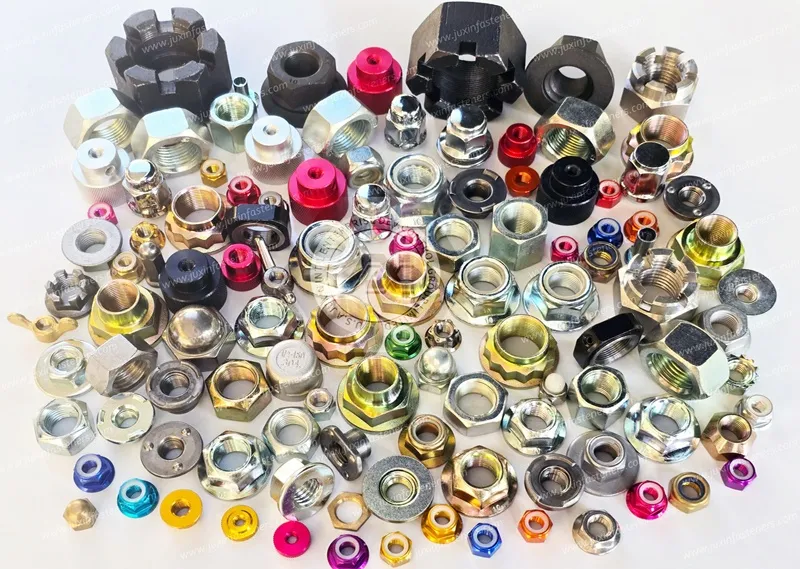
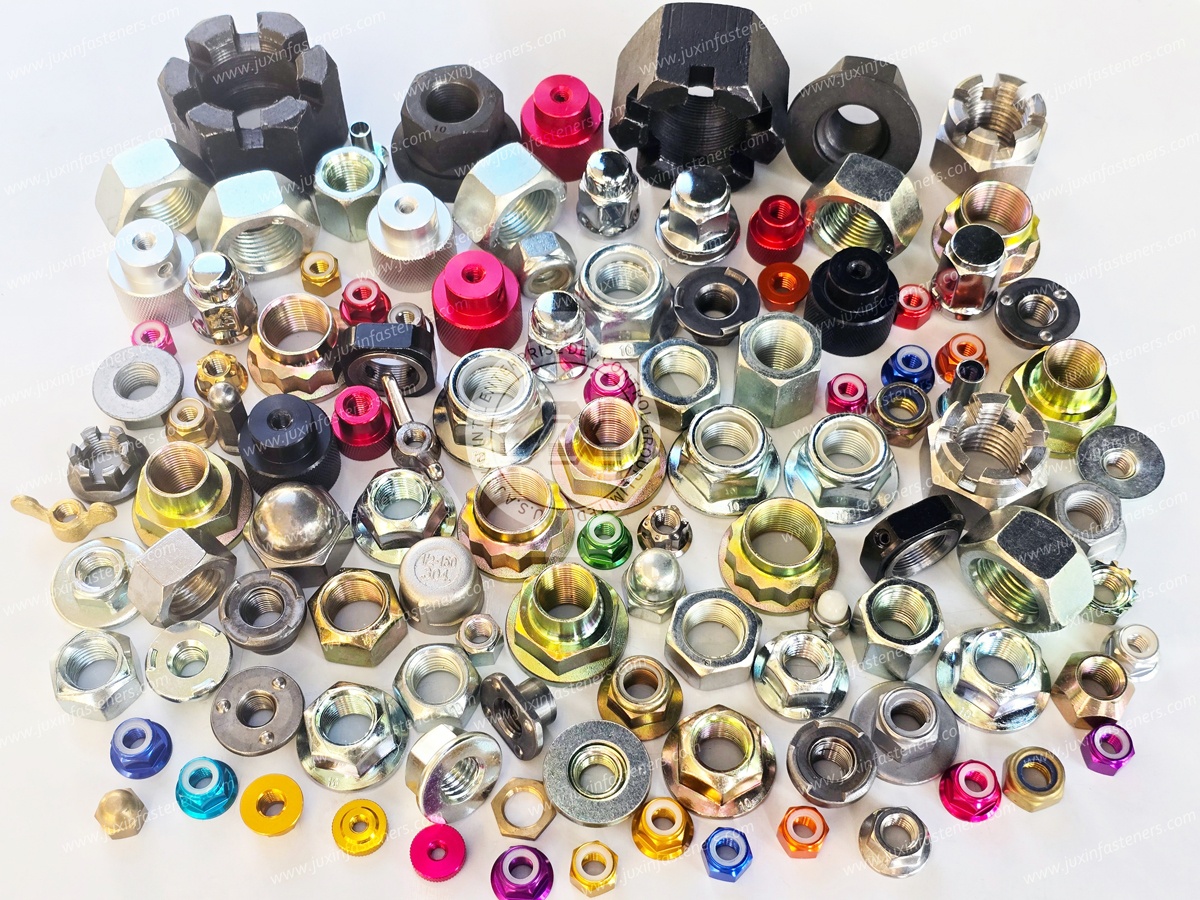
Prevailing Torque Lock Nuts
Prevailing torque lock nuts generate additional resistance during installation.
They maintain clamp force even under repeated vibration cycles.
Typical forms include:
All-metal lock nuts
Deformed thread nuts
Nylon insert locking nuts
Flange lock nuts
Applications in rail transit include:
Brake systems
Wheel assemblies
Suspension mechanisms
Safety structures
Rail operators often select all-metal designs where temperature resistance is required.
Wedge Locking Systems for Extreme Vibration
High-speed rail and heavy-load transportation frequently use wedge locking systems.
The principle relies on controlled wedge geometry to maintain tension under dynamic loading.
Suitable applications:
Structural frame joints
High-load brackets
Wheel systems
Traction equipment
Motor assemblies
Engineering benefits:
Excellent vibration resistance
Reduced preload loss
Improved fatigue performance
Longer operating cycles
Thread Reinforcement for Anti-Loosening Performance
Modern rail vehicles increasingly adopt lightweight materials such as:
Aluminum alloys
Thin steel panels
Composite structures
These materials may experience thread wear after repeated servicing.
Thread reinforcement systems help maintain fastening reliability.
Common solutions include:
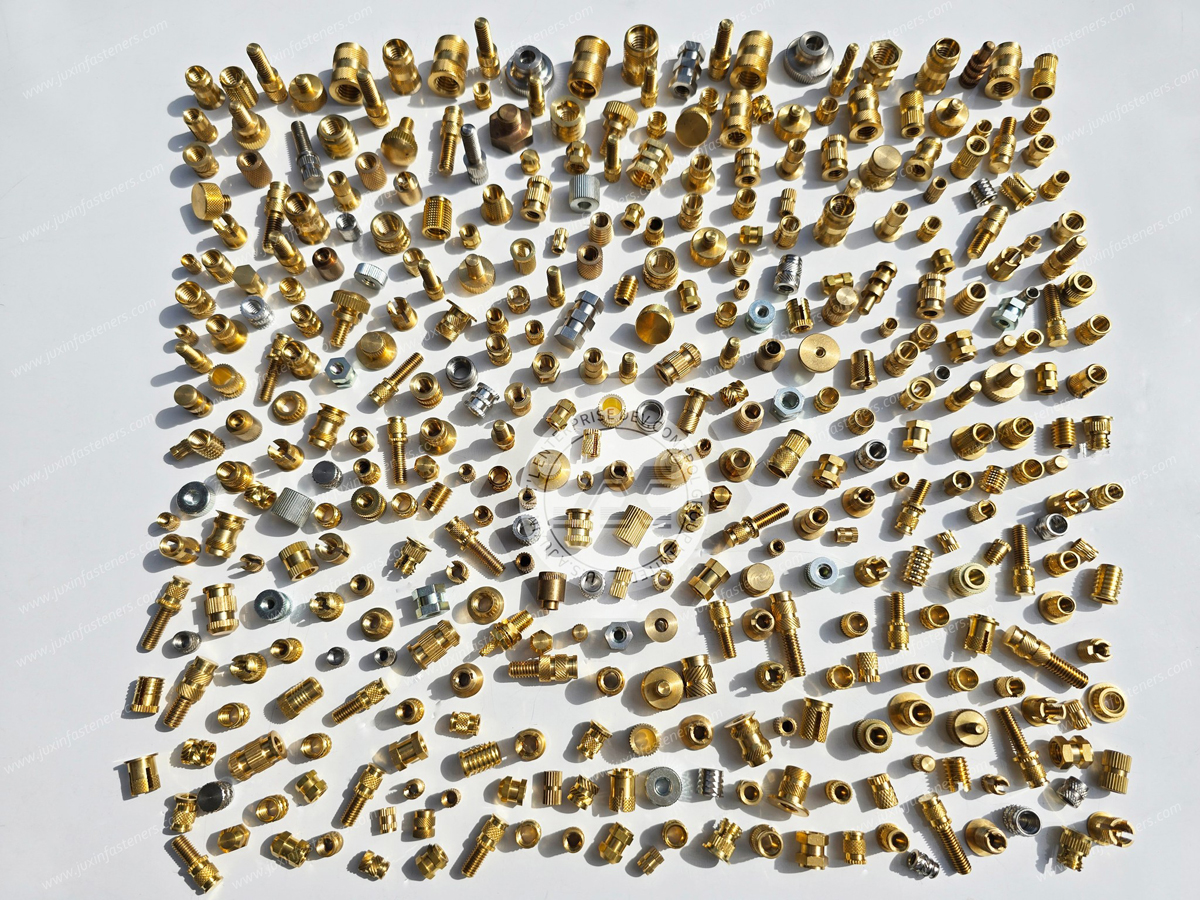
Wire Thread Inserts
Recommended for:
Repair applications
Service maintenance
Lightweight structures
Solid Thread Inserts
Suitable for:
High pull-out resistance
Heavy load areas
Repetitive installation cycles
Self-Tapping Inserts
Advantages:
Faster installation
Simplified repair process
Improved assembly efficiency
Wheel Bolt Locking Technology in Rail Systems
Wheel assemblies are among the highest-risk areas in transportation fastening.
Wheel bolt systems must resist:
Continuous impact loading
Rotational vibration
Thermal expansion
Cyclic stress
Recommended anti-loosening methods include:
Mechanical lock nuts
Double nut systems
Serrated flanges
Wedge locking devices
Controlled torque assembly
Wheel bolt locking technology helps maintain safety while extending inspection intervals.
Material Selection for Anti-Loosening Railway Fasteners
Rail fastening performance depends not only on locking design but also on material optimization.
Recommended materials include:
Carbon Steel Grade 8
Applications:
General structural connections
Interior equipment
Grade 10 Alloy Steel
Applications:
Dynamic loading systems
Suspension assemblies
Grade 12 High Strength Fasteners
Applications:
Heavy structural areas
Wheel mechanisms
Safety components
304 Stainless Steel
Recommended for:
Interior modules
Humid environments
316L Stainless Steel
Suitable for:
Coastal rail lines
Outdoor installations
High-corrosion environments
Digital Torque Management in Rail Fastening Systems
Modern railway manufacturers increasingly use digital assembly technologies.
Integrated systems include:
Torque monitoring equipment
Electronic tightening tools
Barcode traceability
Production data recording
Lifecycle management systems
Benefits:
Better assembly consistency
Improved quality control
Reduced human error
Faster maintenance tracking
Future Development of Anti-Loosening Fastener Technology
Rail transportation continues moving toward:
Lightweight vehicle design
High-speed operation
Intelligent maintenance systems
Predictive inspection programs
Extended service intervals
Anti-loosening fasteners will increasingly become engineering systems rather than individual components.
Manufacturers capable of integrating vibration-resistant bolts, locking structures, thread reinforcement systems, and rail fastening technologies will gain significant advantages in future railway projects.
Related Engineering Resources
Rail Transit Fastener Solutions
Stainless Steel Screws in Rail Transit
Rivet Nuts for Rail Applications
Wheel Bolt Locking Systems
Thread Inserts Engineering Guide
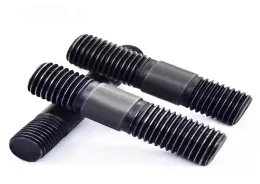
Weld Stud Solutions for Railway Equipment
Blind Rivet Systems for Rail Vehicle Structures
Product Packaging
Packaging Standard
At Juxin Fasteners, we apply standardized export packaging to ensure product protection, traceability, and compliance with international logistics requirements.
1. Standard Export Packaging
Unless otherwise specified, all products will be packed according to our factory standard export packaging, which includes:
Moisture-resistant inner protection
Poly bag or small box packing as required
Reinforced export cartons
Clear labeling with part number, specification, batch number, and quantity
Palletizing for sea or air shipment when necessary
Our standard packaging is designed to ensure safe transportation, efficient warehousing, and long-distance international shipping.
2. Customized Packaging Options
We also provide customized packaging solutions according to customer requirements, including but not limited to:
Private labeling
Customized barcodes
Specific carton dimensions
Retail packaging
Special pallet configuration
Customer-specific marking and identification
So that you know, customized packaging may involve additional costs and extended lead time depending on the complexity of the requirements.
3. Compliance & Quality Assurance
All packaging processes are controlled under our ISO 9001 quality management system to ensure consistency, traceability, and product integrity throughout the supply chain.
Product Pictures
Contact Us
Tel.:
+86 020 8621 0320
+86 020 3121 6067
E-mail:
Technical Support:
Navigation
SEND INQUIREY