Call Us
+86 136 6007 9809
Call Us
+86 136 6007 9809

Blind Rivet Nuts for Electrical Cabinets: Step-by-Step Installation and Industrial Solutions
Step-by-step guide to install blind rivet nuts for electrical cabinets and industrial assemblies. Learn tools, techniques, and best practices for sheet metal and tubular structures.
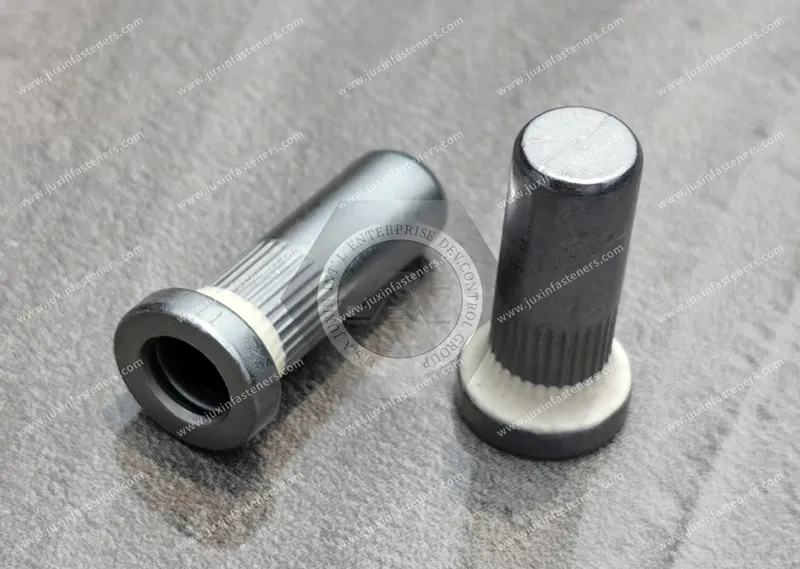
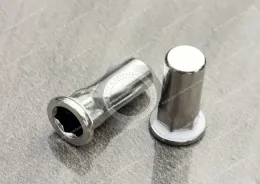
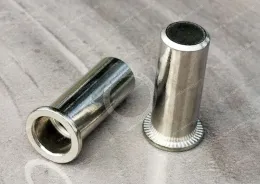
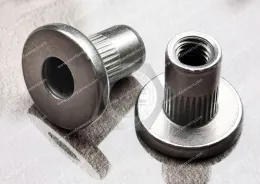
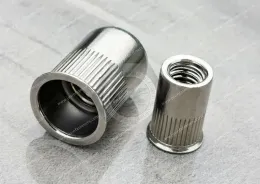
Blind rivet nuts, also known as pull nuts or rivet caps, are a reliable one-sided fastening solution for sheet metal and tubular structures. They provide secure threaded connections without welding or tapping, making them ideal for electrical cabinet manufacturing, HVAC enclosures, machinery housings, and other industrial assemblies. Proper installation ensures high pull-out strength, torque resistance, and long-term durability even in demanding environments.
Product Specification
Blind Rivet Nuts for Electrical Cabinets: Step-by-Step Installation and Industrial Solutions
Step-by-step guide to install blind rivet nuts for electrical cabinets and industrial assemblies. Learn tools, techniques, and best practices for sheet metal and tubular structures.
Blind rivet nuts, also known as pull nuts or rivet caps, are a reliable one-sided fastening solution for sheet metal and tubular structures. They provide secure threaded connections without welding or tapping, making them ideal for electrical cabinet manufacturing, HVAC enclosures, machinery housings, and other industrial assemblies. Proper installation ensures high pull-out strength, torque resistance, and long-term durability even in demanding environments.
Keywords: blind rivet nuts, rivet nut installation, electrical cabinet fasteners, pull-fit rivet nuts, sheet metal rivet nuts
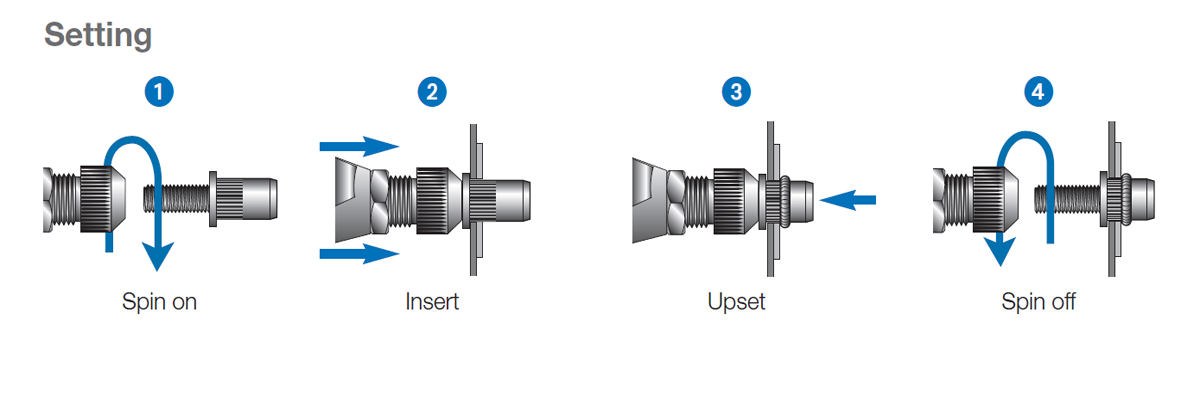
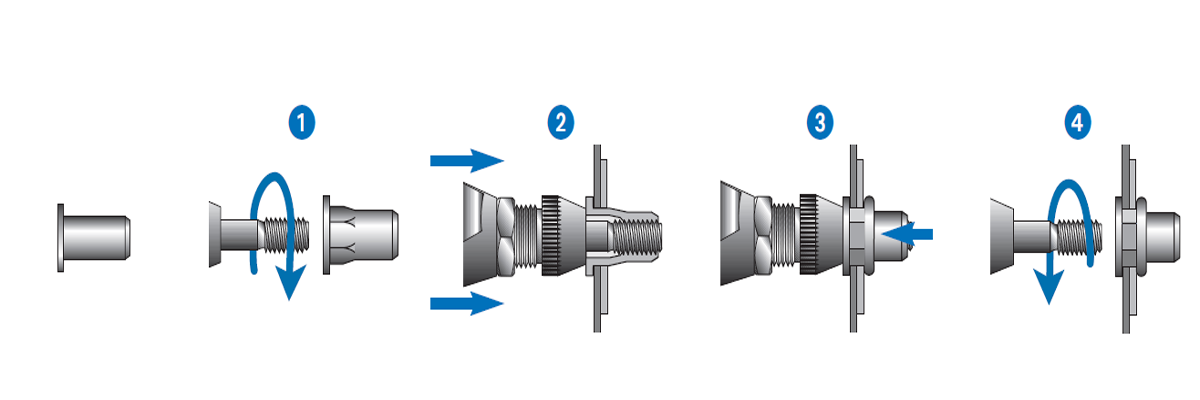
Step-by-Step Installation Guide
1. Drill or Punch the Mounting Hole
Ensure the hole diameter matches the rivet nut size for a secure fit.
2. Insert the Blind Rivet Nut
Place the rivet nut into the prepared hole and align it properly.
3. Thread the Installation Tool
Attach a manual, pneumatic, or electric rivet gun compatible with the nut.
4. Pull and Compress
Activate the tool to expand the rivet nut tail behind the panel, forming a strong, mechanically locked connection.
5. Remove the Tool
Leave a secure threaded insert ready for fastener installation.
Engineering Tips:
Verify rivet nut alignment before compression.
Use corrosion-resistant materials for high-load or harsh environments.
Ensure consistent installation using pneumatic or automated tools for production efficiency.
Core Advantages of Blind Rivet Nuts in Electrical Cabinet Assembly
1. Single-Sided Operation
Ideal for enclosed structures such as electrical cabinets, where only one side is accessible.
2. Material Versatility
Common materials include stainless steel and galvanized carbon steel; coatings like zinc-nickel plating improve corrosion resistance and adhesion.
3. Head Type Options
Flat Head: Standard surface applications.
Countersunk Head: Flush mounting for screws, preserving clean aesthetics.
4. Thread Design Options
Through-Hole Rivet Nuts: Standard threaded insert.
Blind (Closed-End) Rivet Nuts: Sealed against dust, moisture, and debris.
5. Anti-Loosening Features
Flower-shaped structures, anti-slip teeth, or pre-applied adhesives ensure reliability under vibration.
Applications in Electrical Cabinet Manufacturing
Panel Mounting: Fix instruments, switches, indicator lights, and other panel components.
Internal Structure Fixing: Install guide rails, module brackets, and cable trays securely.
Shell Assembly: Connect side panels, top panels, and door panels efficiently.
Accessory Installation: Attach handles, locks, and hinges with minimal risk of sheet damage.
Comparison of Riveting Solutions
1. Rivet Gun (Manual/Pneumatic)
Flexible and low-cost for small batches or repairs.
Limitations: Operator skill dependent, lower efficiency, and tool lifespan issues.
2. Die-Pressure Riveting
Suitable for high-volume single-product lines.
Limitations: Manual nut placement and fixed-stroke limitations may reduce consistency.
3. Automated Riveting
Maximizes production efficiency and consistency.
Challenges: Requires proper nut and hole design for automated feeding and anti-rotation.
Solution: Hexagonal holes with circular rivet nuts form a hexagonal boss after deformation, achieving both automation and anti-rotation.
Key Selection and Quality Control Considerations
1. Specification Matching:
Select rivet nuts according to sheet thickness (typically 0.5mm–6mm).
Choose appropriate head type and material based on functional and environmental requirements.
2. Process Control:
Prefer tension-controlled riveting to ensure consistent preload and prevent loosening.
Use anti-slip or flower-shaped designs to maintain thread stability under vibration.
3. Automation Adaptation:
Optimize nut shape, hole design, and mold structure for automated production while maintaining anti-rotation capability.

Industry Development Trends
The electrical cabinet and sheet metal industry is moving toward:
Higher efficiency and automation: Intelligent riveting tools reduce labor intensity and improve quality consistency.
Lightweight and high-strength materials: High-strength aluminum alloys reduce weight without compromising strength.
Process optimization: Advanced rivet nut designs improve load-bearing capacity and ensure reliable connections in high-demand environments.
Conclusion:
Blind rivet nuts provide a versatile, reliable, and efficient fastening solution for electrical cabinets and industrial assemblies. By selecting the right type, material, and installation method, engineers can achieve:
Stable and durable connections
Reduced risk of sheet deformation or thread stripping
Fast and repeatable installation for both small and mass production
Long-term reliability in vibration-prone or high-load environments
Product Packaging
Packaging Standard
At Juxin Fasteners, we apply standardized export packaging to ensure product protection, traceability, and compliance with international logistics requirements.
1. Standard Export Packaging
Unless otherwise specified, all products will be packed according to our factory standard export packaging, which includes:
Moisture-resistant inner protection
Poly bag or small box packing as required
Reinforced export cartons
Clear labeling with part number, specification, batch number, and quantity
Palletizing for sea or air shipment when necessary
Our standard packaging is designed to ensure safe transportation, efficient warehousing, and long-distance international shipping.
2. Customized Packaging Options
We also provide customized packaging solutions according to customer requirements, including but not limited to:
Private labeling
Customized barcodes
Specific carton dimensions
Retail packaging
Special pallet configuration
Customer-specific marking and identification
So that you know, customized packaging may involve additional costs and extended lead time depending on the complexity of the requirements.
3. Compliance & Quality Assurance
All packaging processes are controlled under our ISO 9001 quality management system to ensure consistency, traceability, and product integrity throughout the supply chain.
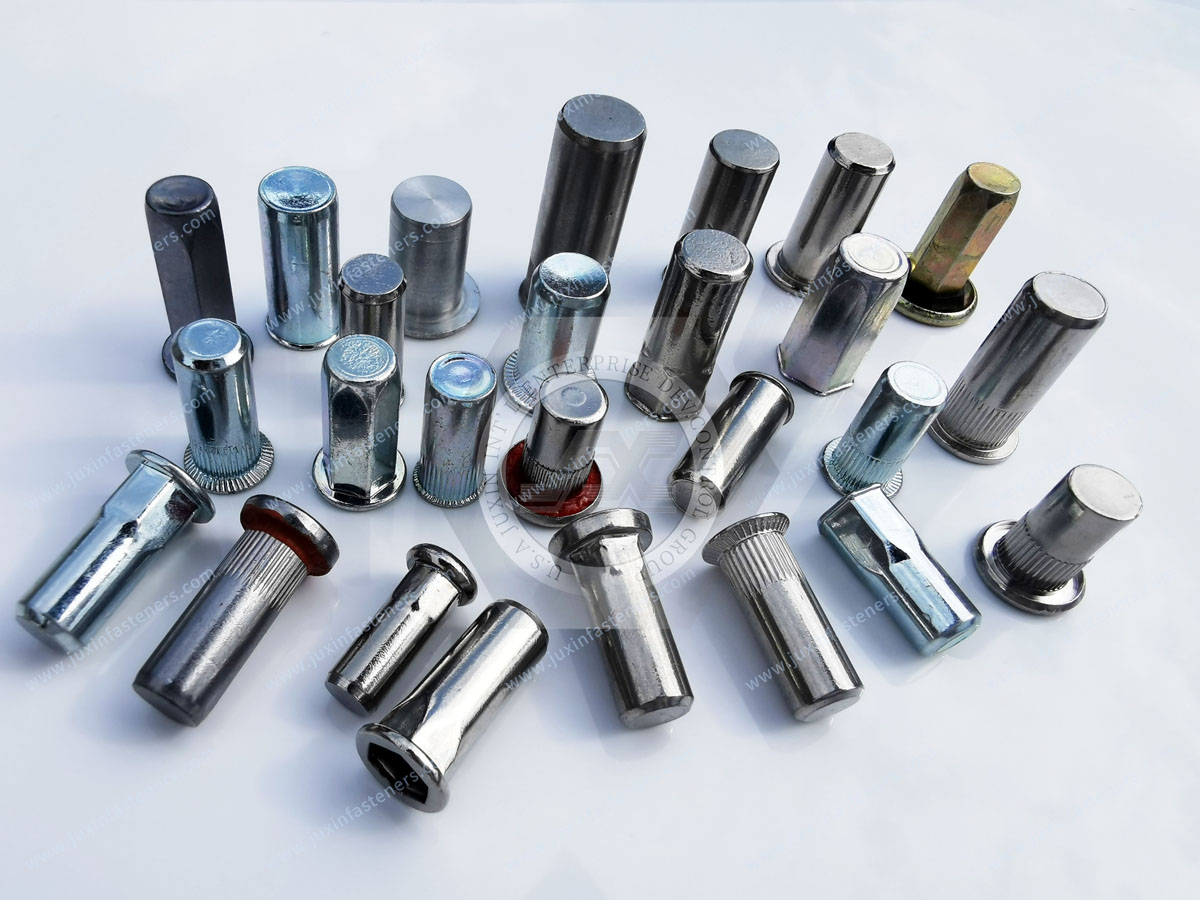
Product Pictures
Contact Us
Tel.:
+86 020 8621 0320
+86 020 3121 6067
E-mail:
Technical Support:
Navigation
SEND INQUIREY