CNC Machined Parts for Food Processing Equipment
Food processing equipment operates in demanding production environments where corrosion resistance, cleanability, material compatibility, dimensional consistency,
and reliable mechanical performance can be important considerations.
Processing machinery may include conveyors, mixers, filling systems, cutting equipment, packaging machinery, inspection systems, and other automated production equipment.
These machines often require customized mechanical components that cannot be sourced as standard catalog parts.
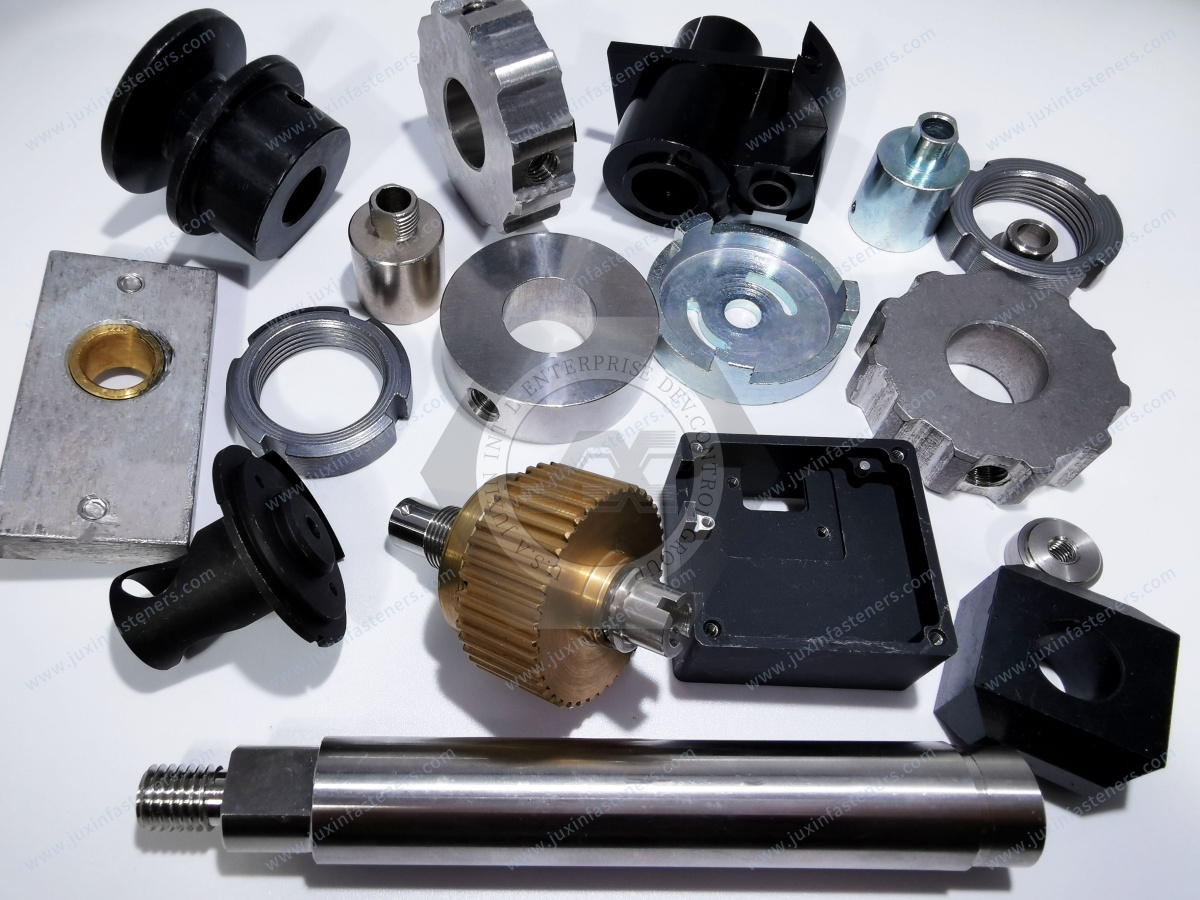
CNC machining for food processing equipment provides a flexible manufacturing method for producing custom shafts, bushings, rollers, brackets, housings, fittings,
mounting components, and other precision mechanical interfaces.
Juxin Fasteners supports OEM equipment manufacturers and engineering teams with drawing-based CNC machining for prototypes, low-volume production, batch production, and repeat OEM supply.
CNC Machining for Food Processing Equipment
Food processing machines can contain numerous mechanical components that must operate consistently throughout production.
Depending on the machine design, CNC machined food processing equipment components can include:
Each component should be evaluated according to its actual function, material, geometry, dimensional requirements, production quantity, and operating environment.
Stainless Steel CNC Machining for Food Equipment
Stainless steel is often considered for suitable food-processing equipment components because of its corrosion resistance and durability.
Stainless steel CNC machining for food equipment can support components such as:
Shafts
Rollers
Bushings
Brackets
Housings
Mounting components
Equipment fittings
Conveyor components
Mechanical interfaces
However, "stainless steel" is not a single material specification.
The customer should identify the exact stainless steel grade required for the application. Material selection should consider the equipment environment, mechanical loads,
temperature, cleaning conditions, corrosion exposure, and applicable customer or regulatory requirements.
CNC Machined Shafts for Food Processing Machinery
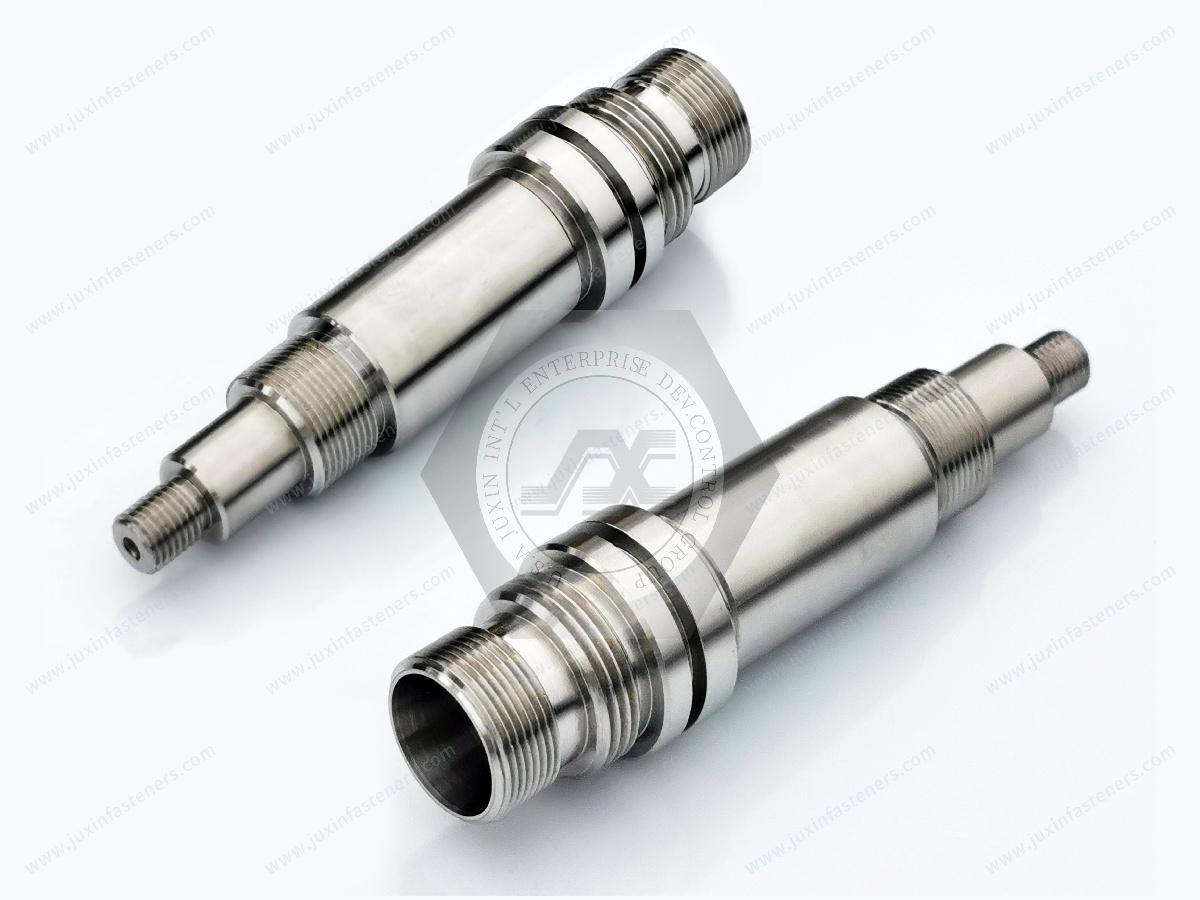
Shafts are widely used in food processing machinery for rotating, conveying, mixing, cutting, feeding, and transmission functions.
CNC machined shafts for food processing equipment can be manufactured with:
Stepped diameters
Precision journals
Threads
Grooves
Shoulders
Keyways
Custom mounting features
Depending on the application, important engineering requirements may include diameter tolerance, concentricity, straightness, surface finish, and compatibility with bearings, bushings, seals, or other mating components.
The appropriate tolerance should be established according to the functional requirements of the machine.
CNC Machined Rollers for Conveyor Systems
Conveyors are widely used throughout food processing and packaging operations.
CNC machining can produce suitable:
Roller requirements may include controlled diameter, concentricity, surface finish, shaft interfaces, and material specifications.
For equipment operating in demanding cleaning or processing environments, the material and surface requirements should be established before production.
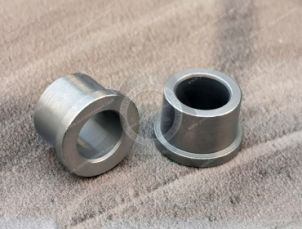
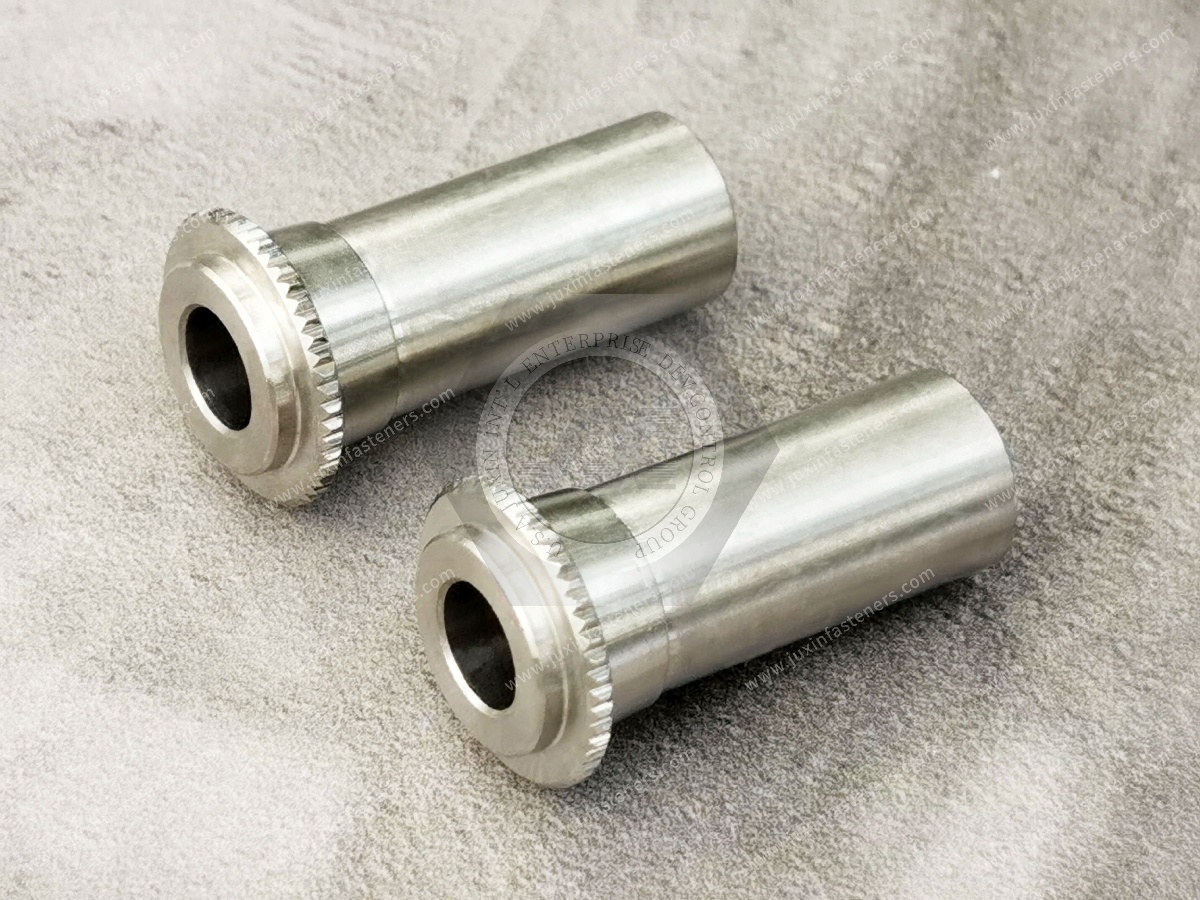
CNC Machined Bushings for Food Machinery
Bushings can be used to support shafts, create controlled mechanical interfaces, or provide spacing within processing equipment.
CNC machining can manufacture:
Plain bushings
Flanged bushings
Precision sleeves
Spacers
Shaft collars
Custom bushings
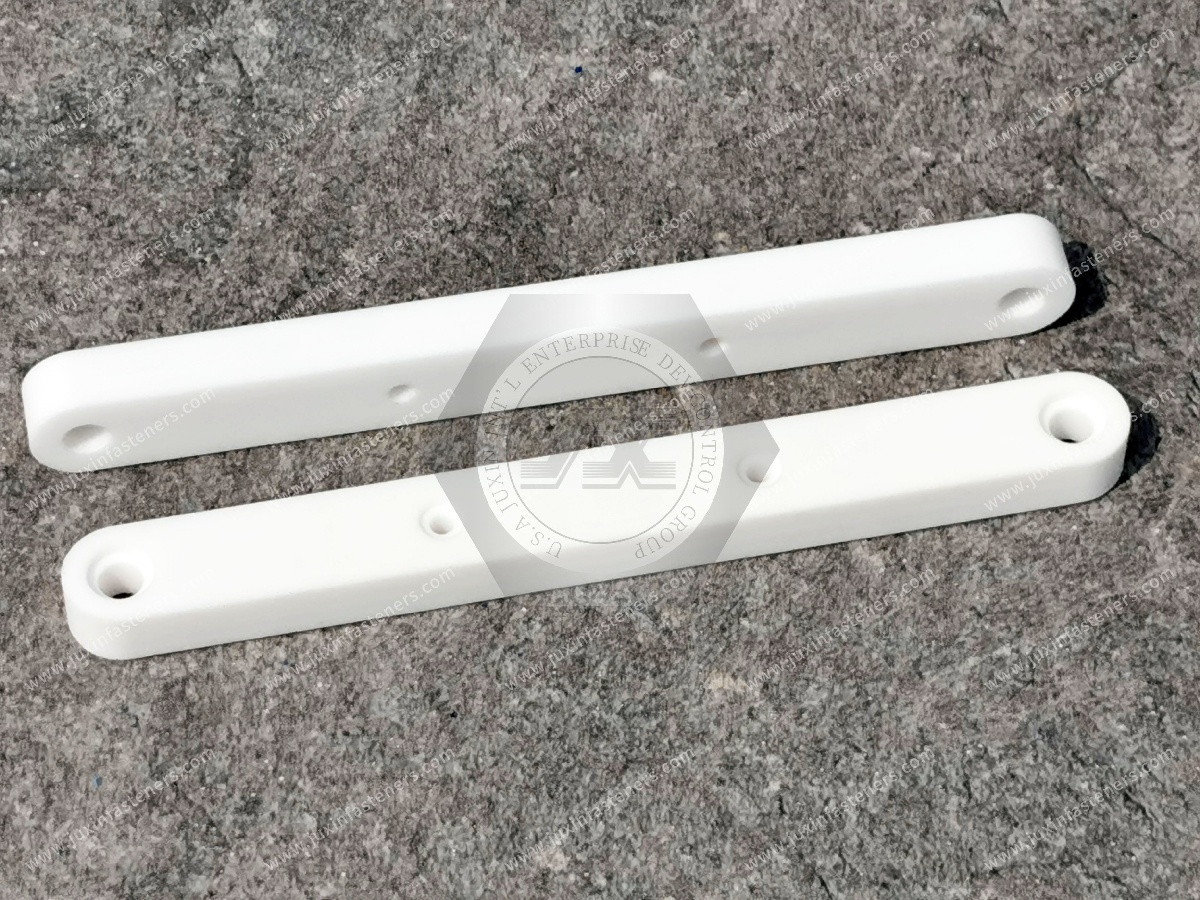
Depending on the application, stainless steel, brass, engineering plastics, or other specified materials may be considered.
Material selection should take into account load, wear, temperature, lubrication, cleaning conditions, and chemical exposure.
CNC Machined Brackets for Food Processing Equipment
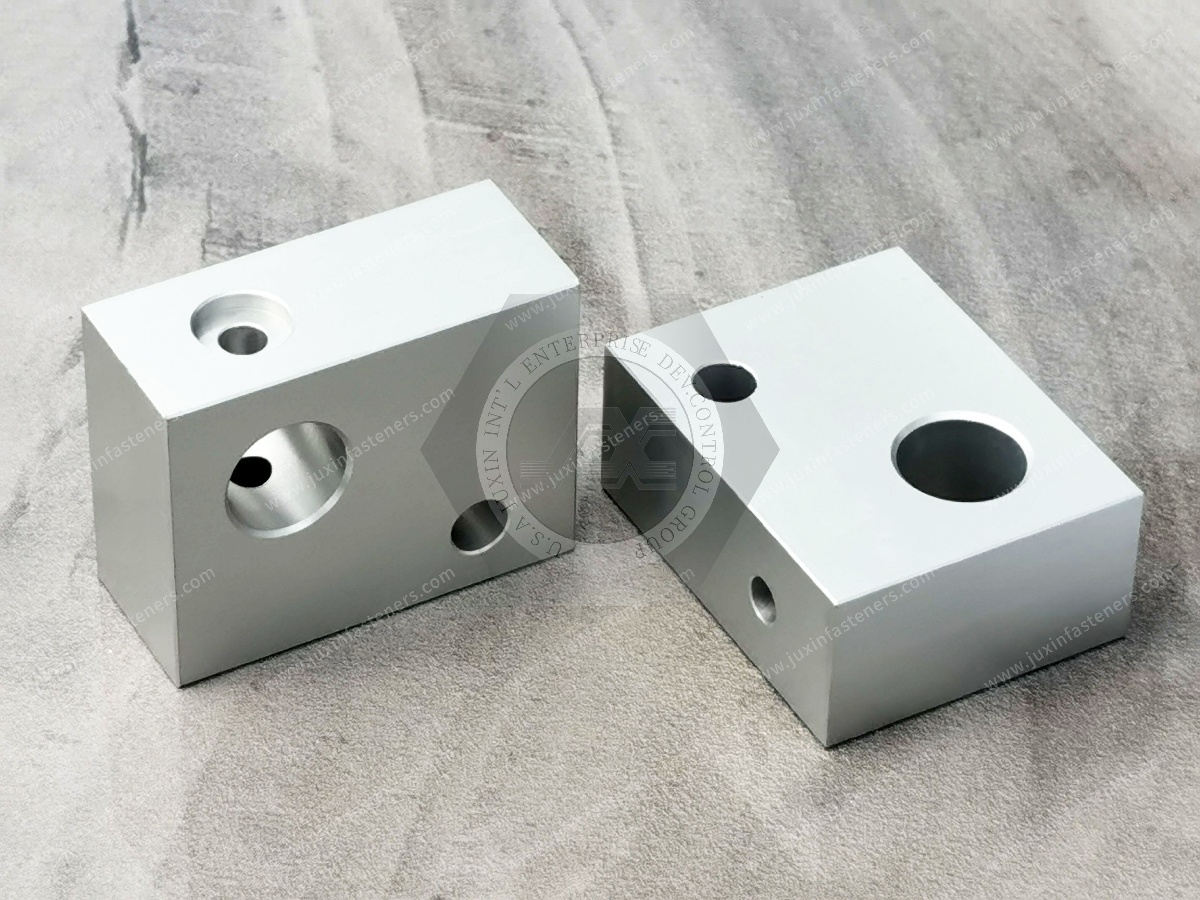
Food processing machinery requires brackets to connect motors, sensors, conveyors, guards, actuators, and structural components.
CNC machined food equipment brackets can incorporate:
CNC machining allows the bracket geometry to be adapted to the actual machine design.
CNC Machined Housings for Food Machinery
Housings can protect and support mechanical, electrical, or drive components within processing equipment.
Depending on the design, CNC machining can produce housings with:
Precision bores
Threaded holes
Mounting surfaces
Internal cavities
Locating features
Connector interfaces
Custom external profiles
The material and surface requirements should be selected according to the equipment environment and the customer's engineering specification.
CNC Machined Conveyor Components
Conveyor systems can require numerous customized components to maintain reliable material movement.
Potential CNC machined conveyor components include:
Roller components
Roller shafts
Mounting brackets
Bushings
Spacers
Guide components
Drive interfaces
Mechanical adapters
For conveyor equipment, the dimensional relationship between shafts, rollers, bearings, brackets, and mounting interfaces can be important for assembly and operation.
Custom Fittings and Mechanical Interfaces
Food processing equipment frequently contains application-specific connections between mechanical assemblies.
CNC machining can support customized:
Equipment fittings
Mechanical adapters
Mounting interfaces
Connector components
Spacers
Coupling components
Custom transition pieces
The final design should consider the operating environment, mating components, cleaning requirements, material compatibility, and applicable specifications.
Cleanability and Surface Requirements
For components used in food-processing environments, the surface condition can be an important engineering consideration.
Depending on the application, customers may specify requirements relating to:
Surface roughness
Surface finish
Burr removal
Edge condition
Corrosion resistance
Cleaning procedures
Material compatibility
The required surface finish should be specified on the engineering drawing or technical documentation where it is functionally important.
CNC machining processes should then be evaluated against those requirements.
Material Selection for Food Processing CNC Components
Material selection should be based on the actual operating conditions rather than assuming that one material is suitable for every food-processing application.
Engineering teams may consider:
Important considerations can include:
The exact material grade should be confirmed before production.
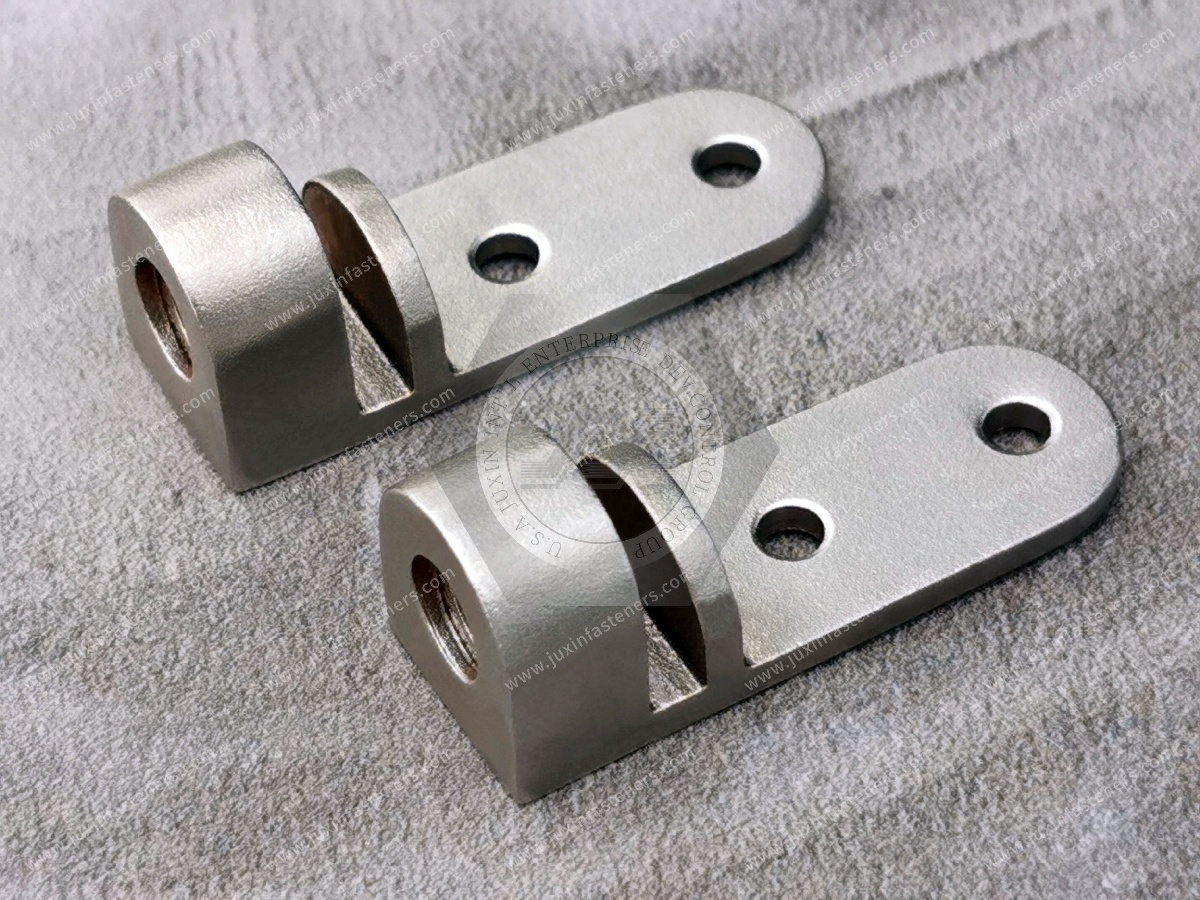
Stainless Steel Grades for Food Equipment Components
Different stainless steel grades provide different combinations of corrosion resistance, mechanical properties, machinability, and environmental performance.
For this reason, the customer should specify the required grade rather than simply requesting "stainless steel."
Depending on the application, engineering teams may evaluate grades such as 304 or 316 stainless steel, subject to their own equipment specifications and applicable requirements.
The appropriate grade should be determined by the equipment manufacturer or responsible engineering team based on the actual application.
Precision CNC Machining for Food Machinery
Some food-processing components require controlled dimensions to maintain consistent mechanical assembly.
CNC machining can produce:
Actual machining tolerance depends on the machine, material, geometry, tooling, machining process, part size, and inspection method.
Juxin evaluates tolerance requirements according to the customer's engineering drawing rather than applying a universal tolerance claim to every component.
CNC Machining for Automated Food Processing Equipment
Modern food processing plants increasingly use automated equipment for production, inspection, packaging, sorting, filling, and material handling.
CNC machining can support mechanical components used in:
Custom CNC components can be designed around specific motors, sensors, actuators, conveyors, and other machine assemblies.
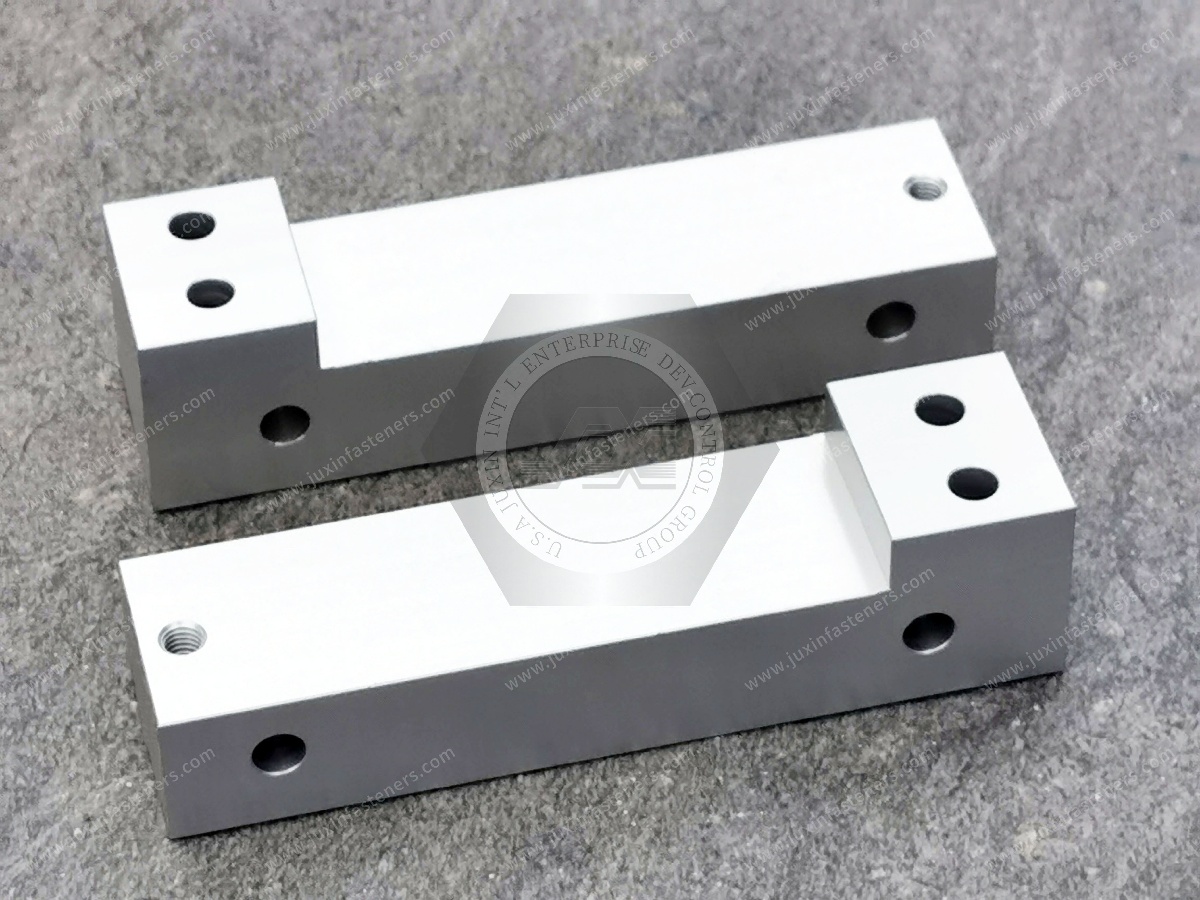
CNC Machined Parts for Food Packaging Machinery
Food packaging systems often require high repeatability and customized mechanical interfaces.
Potential CNC machined components include:
The manufacturing process should be selected according to the part geometry, material, production quantity, dimensional requirements, and operating conditions.
CNC Prototyping for Food Processing Equipment
Food equipment manufacturers may require prototypes when developing new machinery or modifying existing production systems.
CNC prototyping for food processing equipment can help engineers evaluate:
A typical development process can include:
CAD Model → CNC Prototype → Dimensional Inspection → Machine Assembly → Functional Testing → Design Optimization → Production
This allows engineering teams to identify potential manufacturing or assembly issues before larger production quantities are committed.
Batch CNC Machining for Food Machinery
After a component has been validated, equipment manufacturers may require repeated production for multiple machines or production lines.
Batch CNC machining for food processing equipment can provide:
This can be particularly useful when the same component is used across multiple machines or equipment platforms.
Production efficiency depends on factors such as component geometry, material, machining time, quantity, tooling, and inspection requirements.
CNC Machining for Food Equipment OEMs
Food machinery OEMs can provide:
This information allows the manufacturing team to evaluate the component and select an appropriate production process.
For repeat orders, maintaining consistent engineering and quality documentation can help support long-term OEM supply.
Quality Control for Food Processing CNC Parts
Quality control should focus on dimensions and features that affect equipment assembly and operation.
Depending on customer requirements, inspection may include:
First-piece inspection
Critical dimensional inspection
Hole and bore inspection
Thread inspection
Material verification
Surface finish inspection
Visual inspection
Burr and edge inspection
Functional fit verification
Batch consistency checks
The appropriate inspection method should be selected according to the component's tolerance and functional requirements.
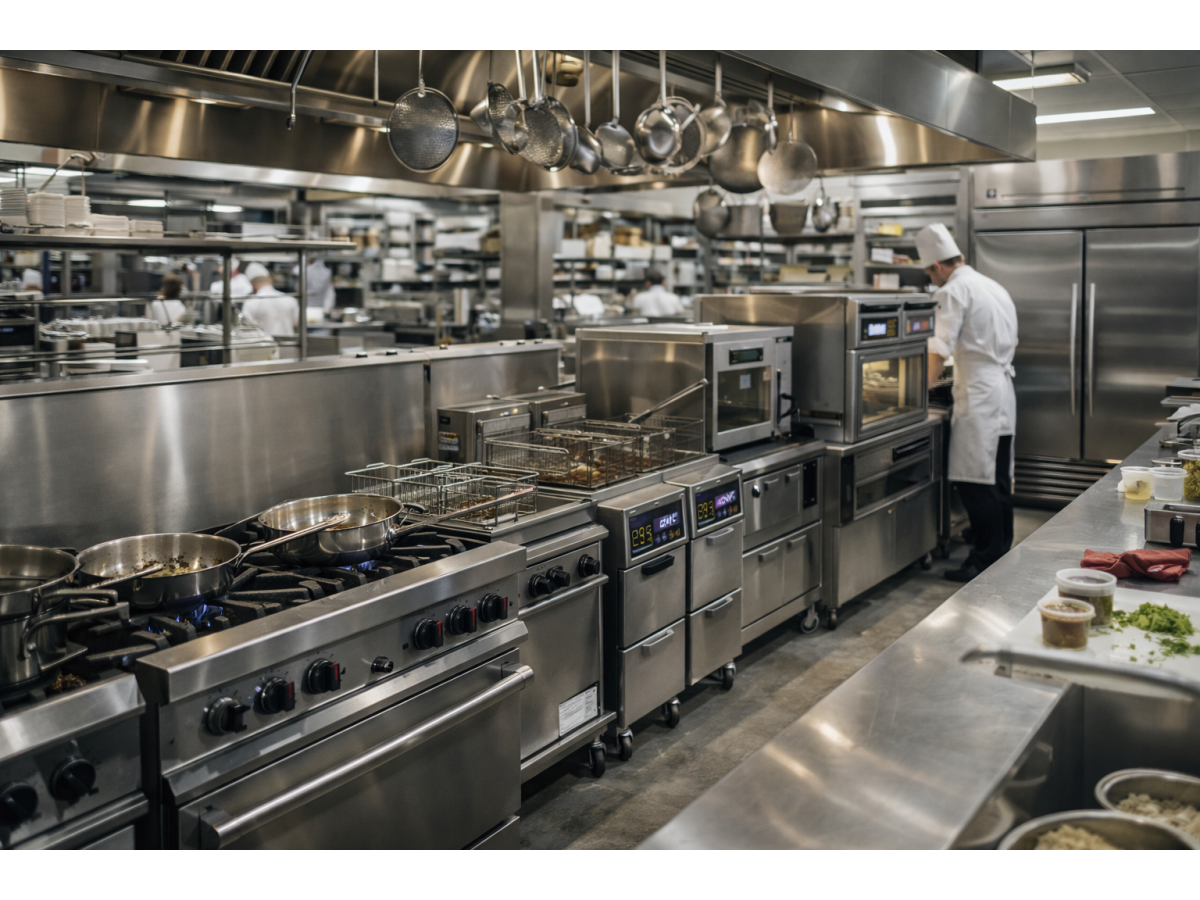
Design for Manufacturing for Food Equipment Components
A DFM review can help identify manufacturing considerations before production.
Important factors may include:
Part geometry
Material selection
Tool accessibility
Internal corner radii
Hole depth
Thread design
Tolerance allocation
Surface finish
Workholding
Production quantity
Where the design permits, tighter tolerances can be reserved for functionally critical features.
This can help achieve the required machine performance without introducing unnecessary manufacturing complexity.
From Prototype to Food Equipment OEM Production
Using one manufacturing partner for prototype and production can simplify the transition from equipment development to repeat manufacturing.
A typical workflow can include:
Engineering Drawing → CNC Prototype → Dimensional Inspection → Equipment Assembly → Functional Validation → DFM Review → Process Validation → Batch CNC Production → Repeat OEM Supply
Maintaining continuity in drawings, materials, inspection requirements, and production information can help support repeat orders.
Industries and Equipment Applications
CNC machined components can support equipment used in:
Food Processing
Food Packaging
Beverage Processing
Bakery Equipment
Meat Processing Equipment
Dairy Processing Equipment
Conveyor Systems
Filling Equipment
Packaging Machinery
Automated Production Lines
Inspection Equipment
Material Handling Equipment
The appropriate material and manufacturing process should always be determined according to the specific application.
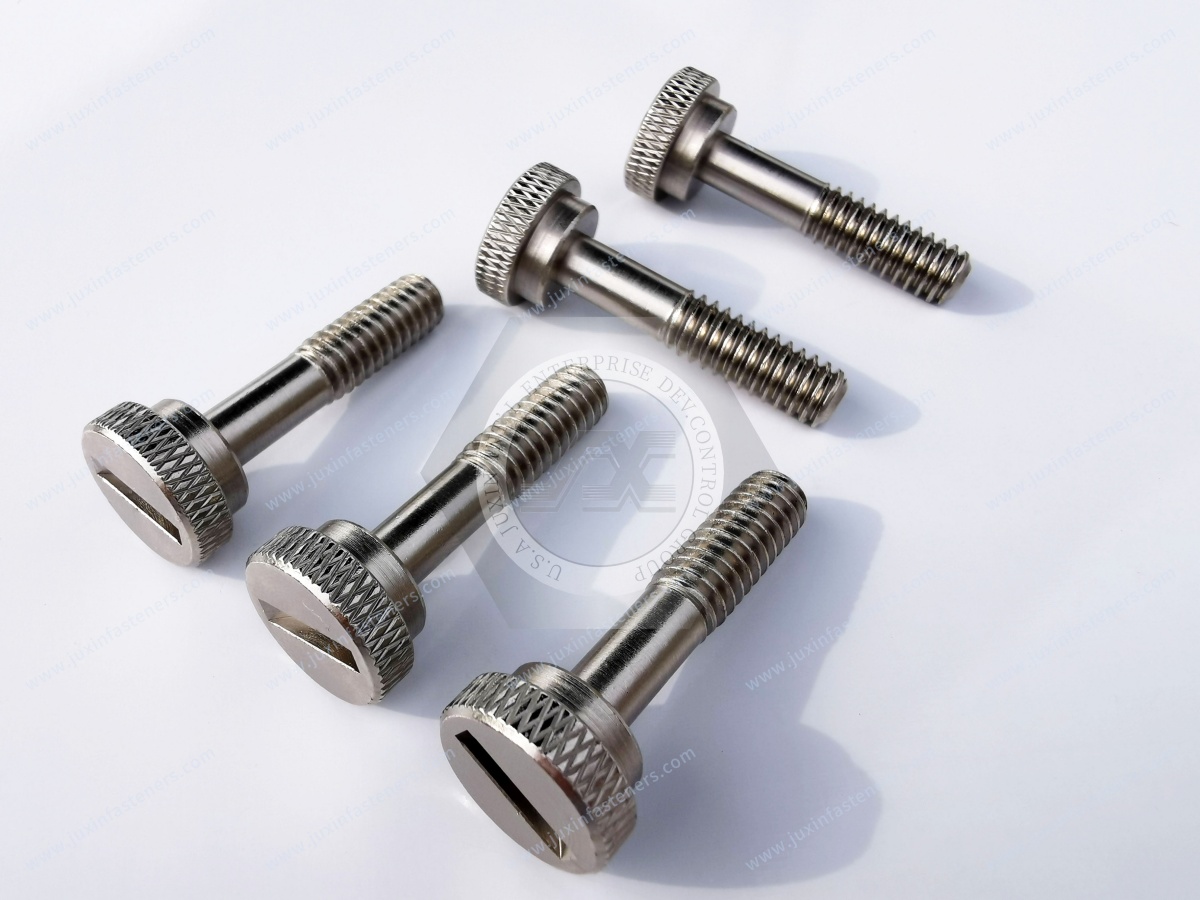
Why Choose Juxin Fasteners?
Juxin Fasteners has more than 20 years of experience supporting OEM customers with industrial fasteners and engineered components.
We provide drawing-based manufacturing support for food processing equipment, automation, machinery, automotive, EV, electronics, medical, aerospace, and other engineering-driven industries.
Our capabilities include:
Food equipment CNC machining
Stainless steel CNC machining
Precision CNC machining
Custom CNC machined parts
CNC prototype machining
Batch CNC production
Multi-axis CNC machining
Aluminum CNC machining
Industrial fasteners
Custom fastening components
Dimensional inspection
OEM manufacturing support
We evaluate each project according to the customer's actual engineering requirements, including material, tolerances, surface finish, quantity, inspection, and application environment.
Request a CNC Machining Quote for Food Processing Equipment
If you are sourcing CNC machined parts for food processing equipment, send us your engineering drawing, 3D CAD model, or physical sample together with the required material grade,
quantity, dimensional tolerances, surface finish, and inspection requirements.
Our engineering and manufacturing team can review your project and provide a quotation for stainless steel shafts, bushings, rollers, brackets, housings, conveyor components,
equipment fittings, precision mechanical interfaces, prototypes, batch production, or repeat OEM supply.
Email: info@juxinfasteners.com
Website: www.juxinfasteners.com
Juxin Fasteners — CNC Machined Parts for Food Processing Equipment, Automation Systems, and OEM Manufacturing.


 MORE NEWS