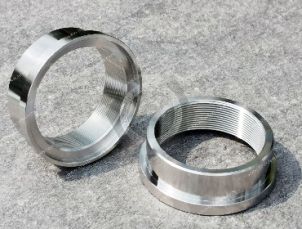
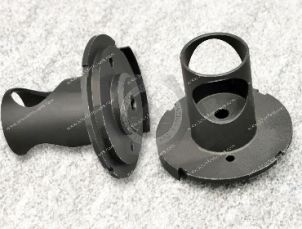
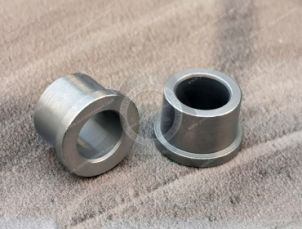
CNC Machined Parts for Robotics and Automation
Robotics and industrial automation systems combine motors, sensors, controllers, actuators, cables, tooling, and structural components into increasingly sophisticated mechanical systems.
These systems often require custom CNC machined parts for robotics and automation with controlled dimensions, repeatable mounting interfaces, suitable materials, and application-specific geometries.
CNC machining provides engineers with a flexible manufacturing method for producing customized mechanical components directly from engineering drawings, CAD models, samples, or prototypes.
Juxin Fasteners supports OEMs, robotics manufacturers, automation integrators, and engineering teams with robotics CNC machining and automation CNC machining for prototypes,
low-volume production, batch manufacturing, and repeat OEM supply.
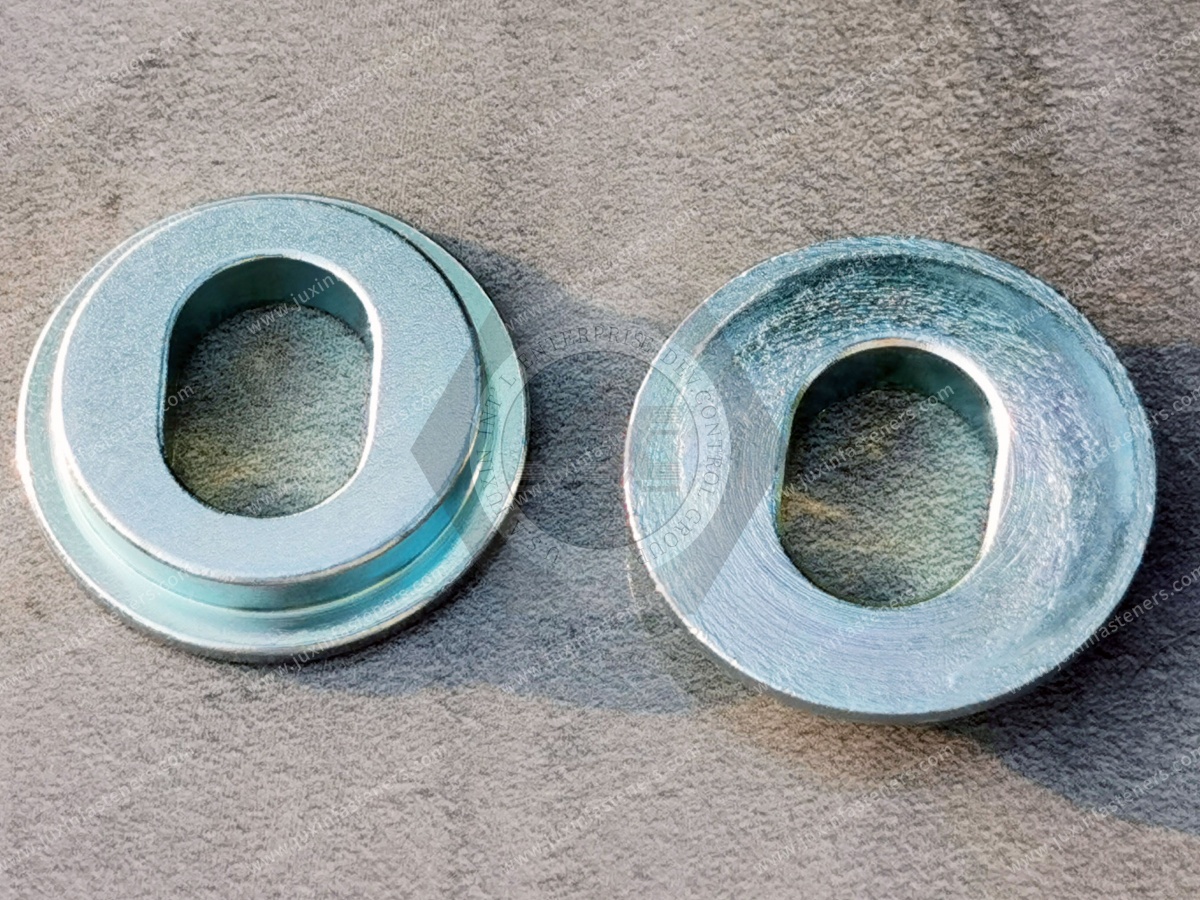
CNC Machining for Robotics Components
Robotic systems contain many mechanical interfaces that must work accurately with motors, sensors, actuators, gearboxes, tooling, and structural assemblies.
Depending on the robot design, CNC machining can support:
Robot brackets
Sensor mounts
Motor mounts
Actuator components
Equipment housings
End-effector components
Cable management parts
Automation machine components
Precision mechanical interfaces
Custom adapters
Mounting plates
Spacers and mechanical supports
Each component should be evaluated according to its geometry, material, tolerance requirements, operating environment, production quantity, and functional requirements.
Custom CNC Machined Robot Components
Robotics manufacturers frequently develop equipment around application-specific designs.
Standard components may not always provide the required combination of mounting dimensions, geometry, weight, or mechanical interfaces.
Custom CNC machining for robotics allows components to be manufactured according to:
This drawing-based approach allows the machining process to follow the actual engineering requirements of the robot or automation system.
CNC Machined Robot Brackets
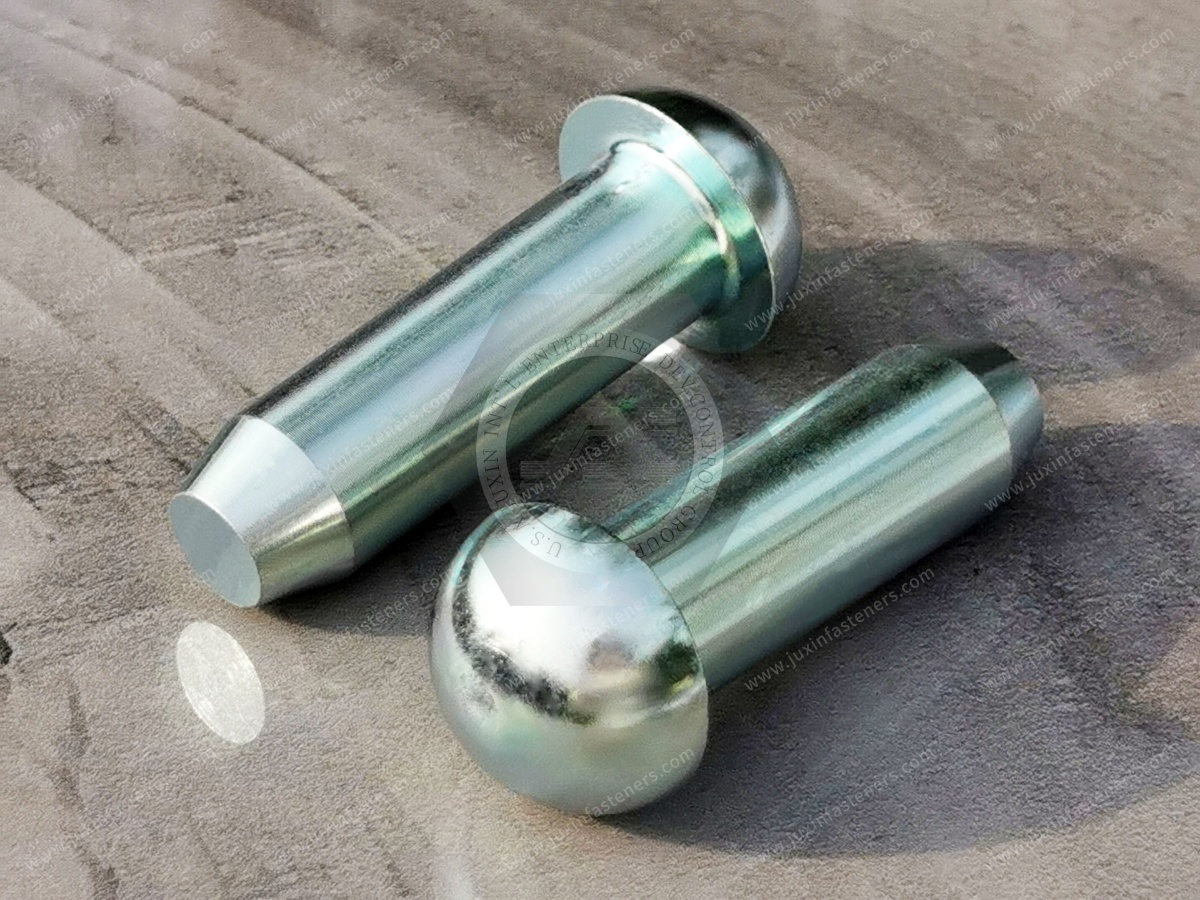
Robot brackets provide mechanical connections between structural components, motors, sensors, actuators, and other assemblies.
CNC machined robot brackets can be produced with:
For robotic applications, the positional relationship between mounting features can be critical to the alignment of connected components.
Tolerance requirements should therefore be established according to the functional requirements of the assembly.
CNC Machined Motor Mounts
Motors are fundamental components of robotic and automated equipment.
A motor mounting component may need to maintain controlled relationships between:
Motor mounting holes
Shafts
Gearboxes
Structural frames
Couplings
Adjacent components
CNC machined motor mounts can provide customized mounting geometries for specific motors and automation platforms.
Depending on the design, components may be manufactured from aluminum, steel, stainless steel, or other specified materials.
CNC Machining for Sensor Mounts
Robotics and automation systems rely on sensors for position detection, object recognition, measurement, safety, and process control.
CNC machining can produce custom:
Sensor brackets
Sensor mounts
Sensor housings
Positioning components
Protective covers
Mechanical interfaces
For sensor applications, repeatable positioning can be important because the mechanical location of the sensor can influence the overall system configuration.
CNC Machined Actuator Components
Actuators convert energy into mechanical movement and are widely used in robotic and automated systems.
CNC machining may support suitable actuator-related components such as:
Mounting brackets
Adapter plates
Shafts
Bushings
Coupling components
Mechanical interfaces
End connections
Custom housings
The manufacturing process should be selected according to the actuator's load, movement, dimensional requirements, and operating environment.
CNC Machining for Robotic End Effectors
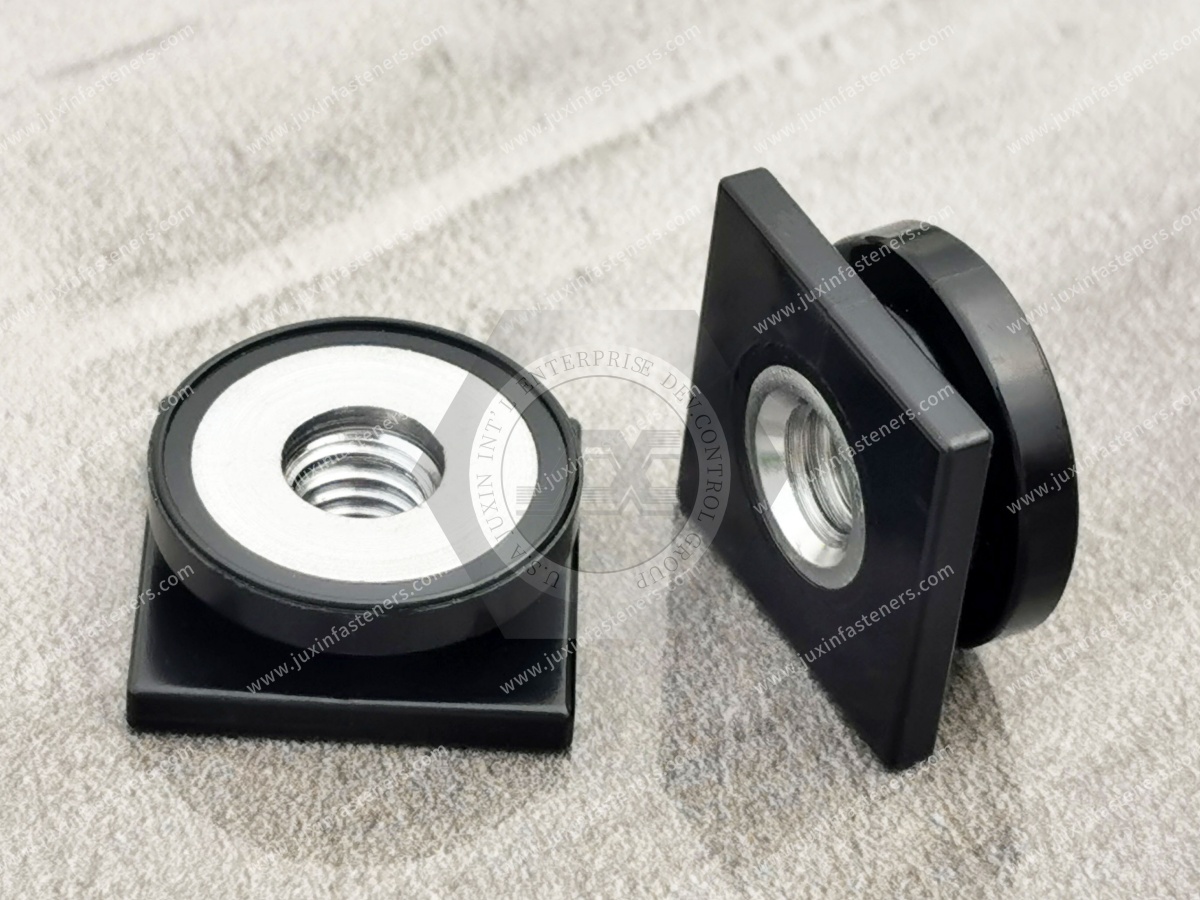
End effectors interact directly with the workpiece and can be highly application-specific.
Examples include:
CNC machined end-effector components can be manufactured according to the workpiece geometry and the robot's mounting interface.
CNC machining is particularly useful when end-effectors require custom geometries or need to be modified for different production applications.
CNC Machined Cable Management Components
Robotic systems frequently contain cables, tubes, connectors, and flexible lines that must be routed around moving components.
CNC machining can support customized:
The design should account for movement, clearance, bend radius, assembly access, and the operating environment.
CNC Machining for Automation Equipment
Industrial automation equipment can contain numerous custom mechanical components.
Automation CNC machining can support:
These components can be used in automated assembly, inspection, material handling, packaging, machining, and production equipment.
Precision CNC Machining for Robotics
Robotic systems often depend on accurate relationships between moving and stationary components.
Depending on the design, precision CNC machining can produce:
Critical features should be identified on the engineering drawing so that manufacturing and inspection can focus on the dimensions that affect system performance.
Juxin evaluates tolerance requirements based on the customer's drawing rather than applying a universal tolerance claim to every robotics component.
Multi-Axis CNC Machining for Robotics Components
Some robot and automation components have complex geometries that cannot be efficiently manufactured with a simple three-axis setup.
Multi-axis CNC machining can be considered for components with:
Depending on the component geometry, multi-axis machining can reduce repositioning and the number of setups required.
This can help improve manufacturing efficiency and reduce setup-related variation.
Aluminum CNC Machining for Robotics
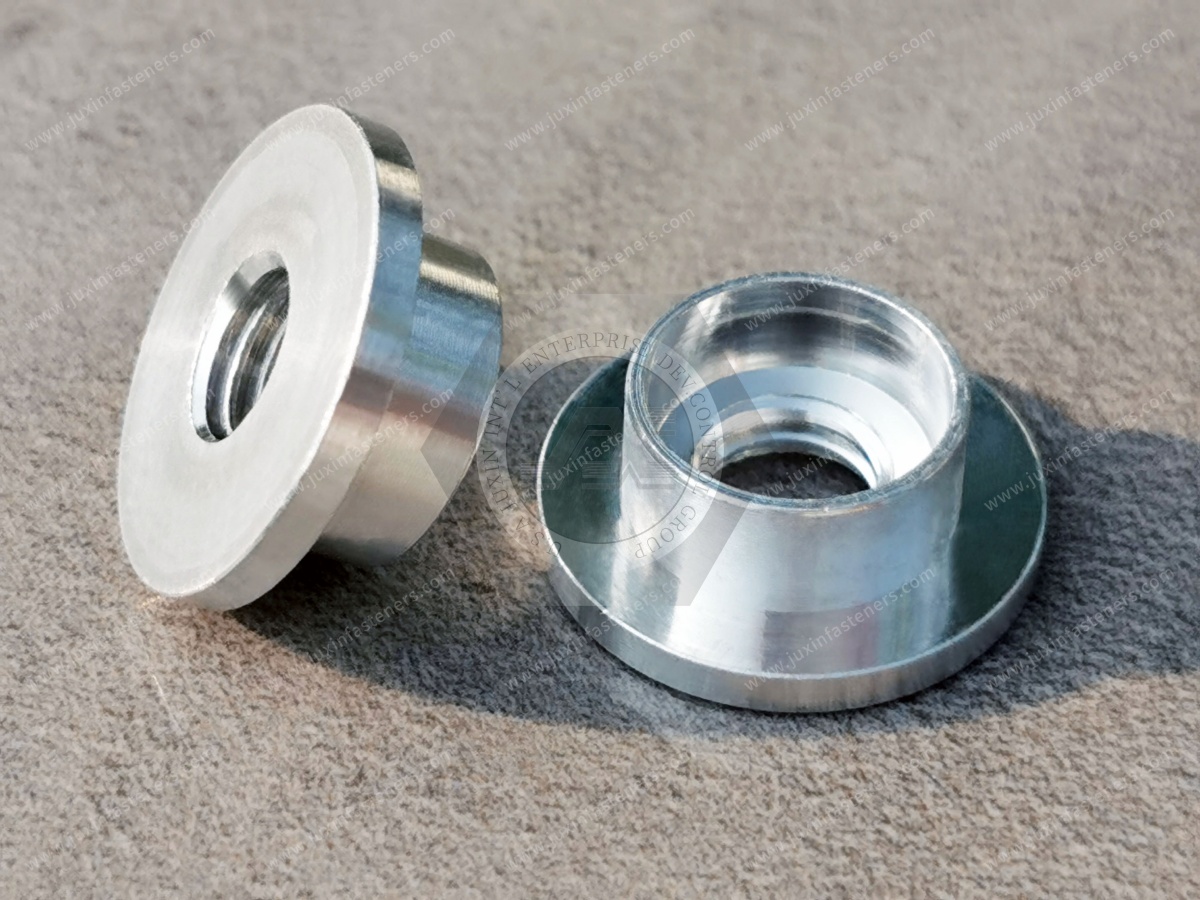
Aluminum is commonly considered for robotic components where low weight and good machinability are important.
Aluminum CNC machining for robotics can support:
Reducing component weight can be useful for moving assemblies because lower moving mass can influence the mechanical requirements of the overall system.
The appropriate aluminum alloy should be selected according to the component's mechanical, thermal, corrosion, and manufacturing requirements.
Stainless Steel CNC Machining for Automation
Stainless steel can be considered for automation components where corrosion resistance, durability, or environmental resistance is important.
Potential applications include:
Machine brackets
Sensor mounts
Mechanical interfaces
Fixtures
Equipment components
Mounting hardware
Stainless steel selection should be based on the operating environment and engineering requirements.
Carbon Steel CNC Machining
Carbon and alloy steels can be considered for components requiring specific strength, hardness, wear resistance, or structural properties.
Potential applications may include:
The appropriate steel grade and heat treatment should be specified according to the component's application.
Brass CNC Machining for Robotics and Automation
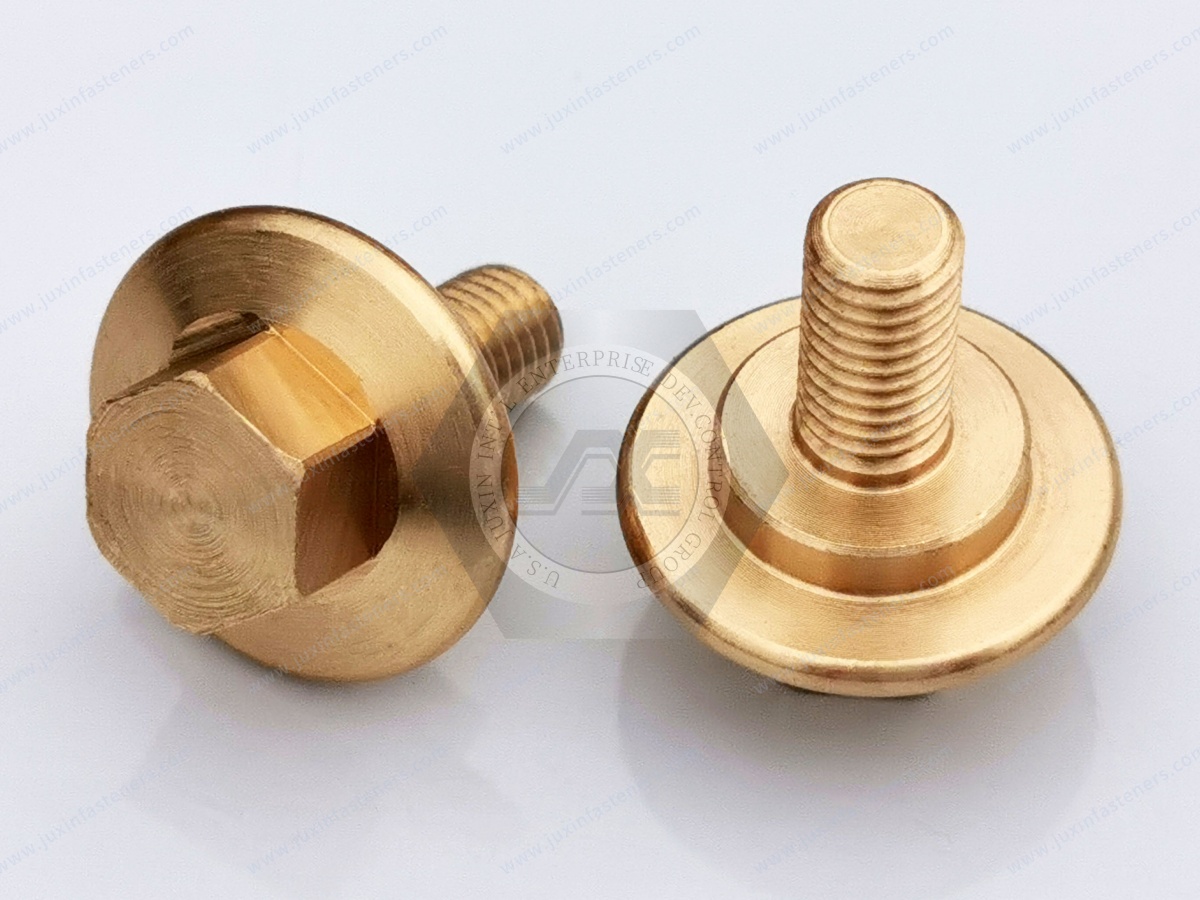
Brass can be considered for selected components where machinability, electrical properties, corrosion resistance, or other application-specific characteristics are required.
Potential applications include:
Material selection should be based on the functional requirements of the component rather than using a material solely because of its machinability.
Engineering Plastic CNC Machining
Engineering plastics can provide alternatives to metal components where low weight, electrical insulation, chemical resistance, or low-friction characteristics are required.
Depending on the application, CNC machining may support components manufactured from suitable engineering plastics for:
The specific plastic material should be selected according to temperature, mechanical load, chemical exposure, wear, and other operating requirements.
CNC Prototyping for Robotics Development
Robotics companies often develop new mechanical assemblies through multiple engineering iterations.
CNC prototyping for robotics can help engineers evaluate:
Component dimensions
Robot assembly fit
Motor mounting
Sensor positioning
End-effector interfaces
Cable clearance
Mechanical movement
Interference
Design changes
A typical development process can include:
CAD Model → CNC Prototype → Assembly Testing → Design Optimization → Process Validation → Production
This allows engineers to identify mechanical integration issues before committing to larger production quantities.
Batch CNC Machining for Robotics and Automation
Once a robot component or automation part has been validated, CNC machining can support batch and repeat production.
Batch CNC machining for robotics can provide:
Production economics depend on component geometry, material, machining time, quantity, tooling, surface treatment, and inspection requirements.
CNC Machining for Robotic Arms
Robotic arms contain multiple mechanical joints and interfaces requiring controlled alignment.
CNC machining can support suitable components for:
For moving assemblies, dimensional relationships between shafts, bores, mounting holes, and mating surfaces can be particularly important.
CNC Machining for Automated Assembly Equipment
Automated assembly machines use numerous custom mechanical components to position, transfer, clamp, inspect, and assemble products.
CNC machining can produce:
Assembly fixtures
Precision brackets
Mounting plates
Machine bases
Sensor mounts
Tooling components
Clamping components
Mechanical guides
Custom adapters
These components can be manufactured from materials selected according to load, wear, temperature, corrosion, and production requirements.
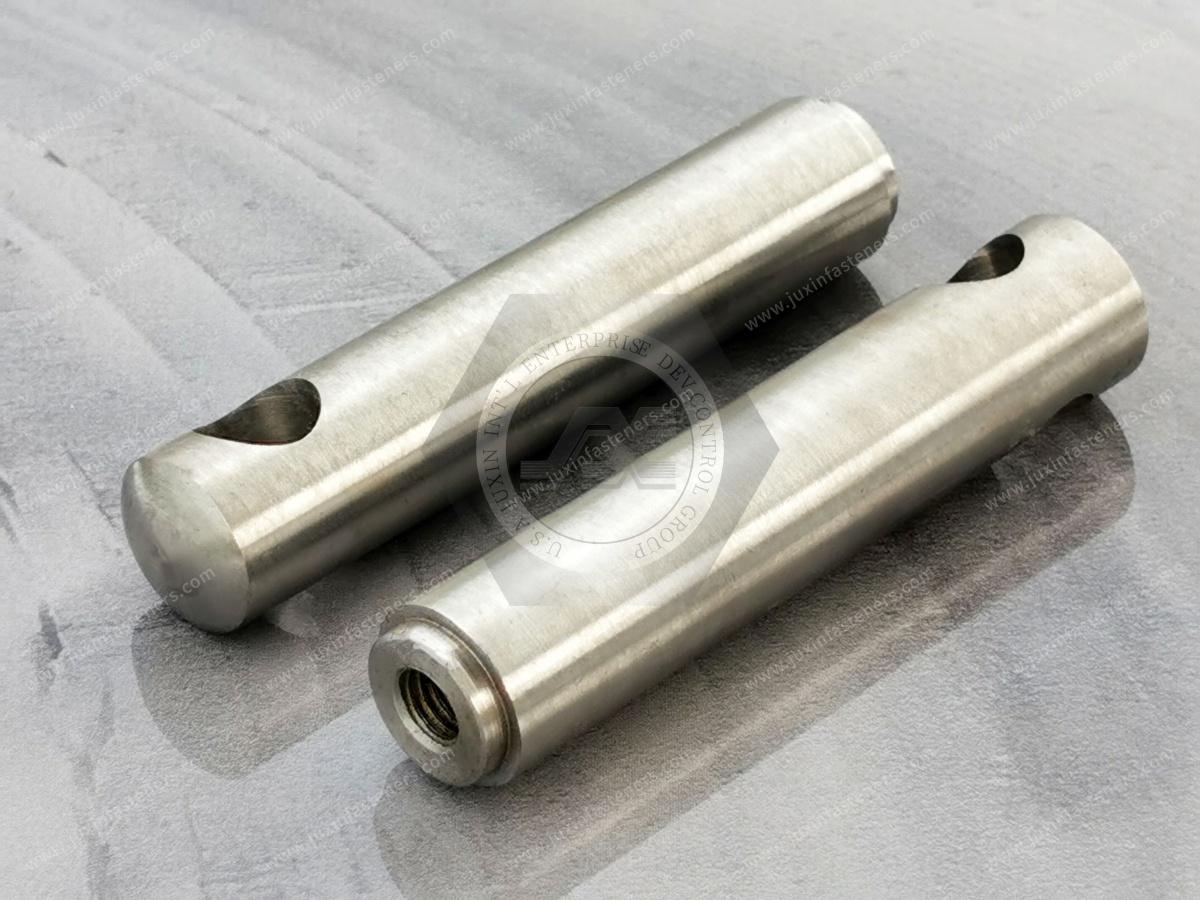
CNC Machining for Industrial Inspection Equipment
Automation and inspection systems often require precision mechanical interfaces for cameras, sensors, measuring devices, and positioning mechanisms.
Potential applications include:
CNC machining allows these components to be customized around specific inspection equipment and machine layouts.
Quality Control for Robotics CNC Components
Quality control should focus on the dimensions and interfaces that affect robotic assembly and machine performance.
Depending on customer requirements, inspection may include:
First-piece inspection
Critical dimensional inspection
Hole diameter inspection
Thread inspection
Material verification
Surface finish inspection
Visual inspection
Functional fit verification
Batch consistency checks
The inspection method should be selected according to the tolerance and functional importance of each feature.
Design for Manufacturing for Robotics CNC Parts
A DFM review can identify potential machining considerations before production.
Important factors may include:
Part geometry
Tool accessibility
Material selection
Internal corner radii
Hole depth
Thread design
Tolerance allocation
Workholding
Surface treatment
Production quantity
Where the design permits, tighter tolerances can be reserved for functionally critical features.
This can help maintain required robotic performance while avoiding unnecessary manufacturing complexity and cost.
From Robotics Prototype to OEM Production
A manufacturing partner capable of supporting both prototypes and production can simplify the transition from engineering development to repeat manufacturing.
A typical workflow may include:
Engineering Drawing → CNC Prototype → Dimensional Inspection → Assembly Validation → DFM Review → Process Validation → Batch CNC Production → Repeat OEM Supply
Maintaining consistent drawings, material specifications, inspection requirements, and manufacturing information can help support long-term OEM production.
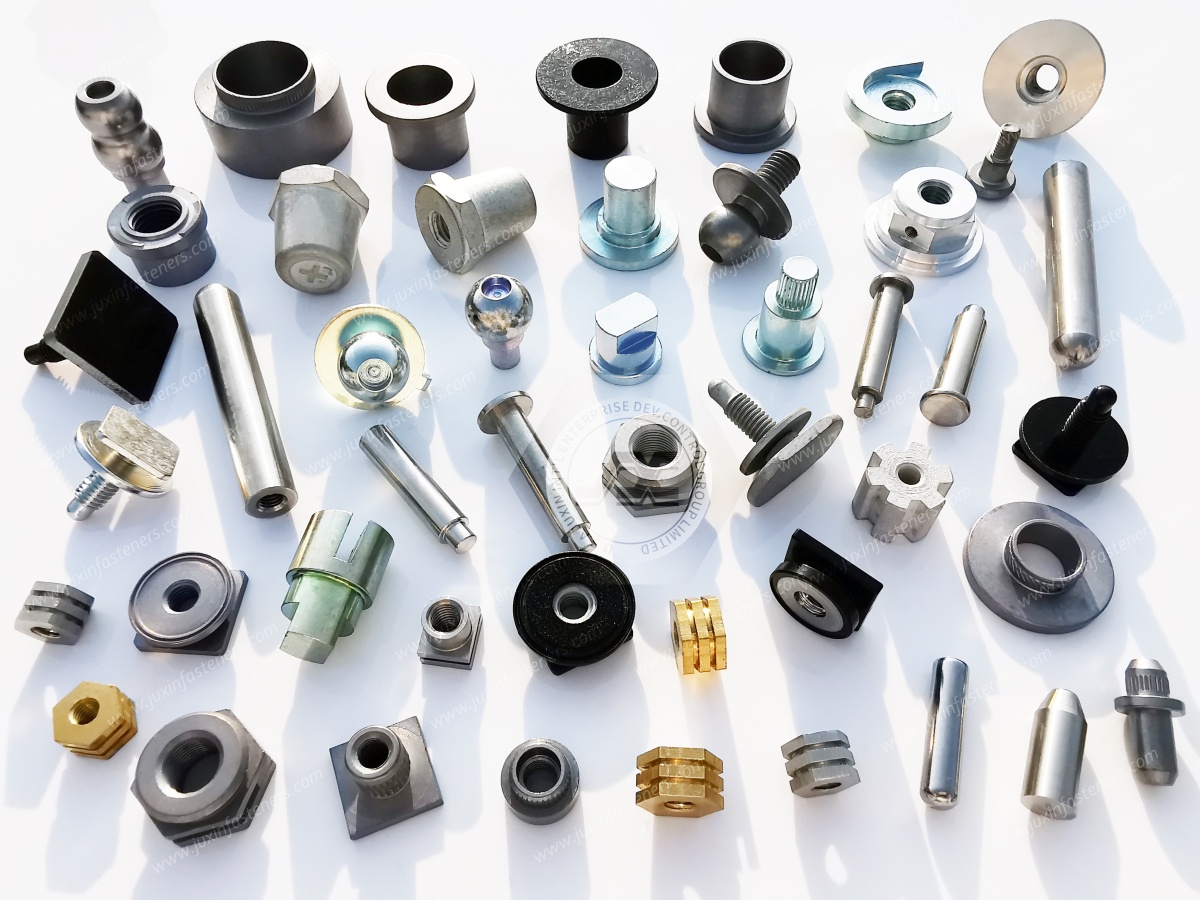
OEM CNC Machining for Robotics and Automation
Juxin can manufacture CNC components from:
This allows robotics manufacturers and automation integrators to source customized components for both development and production applications.
Industries Using Robotics CNC Machined Components
Our CNC machining capabilities can support robotics and automation applications in:
Industrial Automation
Automotive Manufacturing
EV Manufacturing
Electronics Manufacturing
Semiconductor Equipment
Packaging Machinery
Machine Building
Warehouse Automation
Material Handling
Food Processing Equipment
Medical Equipment
Inspection Systems
Renewable Energy Equipment
Why Choose Juxin Fasteners?
Juxin Fasteners has more than 20 years of experience supporting OEM customers with industrial fasteners and engineered components.
We provide drawing-based manufacturing support for robotics, automation, automotive, EV, electronics, medical, aerospace, machinery, and other engineering-driven applications.
Our capabilities include:
Robotics CNC machining
Automation CNC machining
Precision CNC machining
Custom CNC machined parts
CNC prototype machining
Batch CNC production
Multi-axis CNC machining
Aluminum CNC machining
Stainless steel CNC machining
Carbon steel machining
Brass CNC machining
Engineering plastic machining
Industrial fasteners
Custom fastening components
Dimensional inspection
OEM manufacturing support
We evaluate each component according to its actual engineering requirements, helping robotics manufacturers, automation integrators, purchasing teams, and engineers develop a practical manufacturing solution.
Request a CNC Machining Quote for Robotics and Automation
If you are sourcing CNC machined parts for robotics and automation, send us your engineering drawing, 3D CAD model, or physical sample together with the material, quantity, dimensional tolerances, surface finish, and inspection requirements.
Our engineering and manufacturing team can review your project and provide a quotation for robot brackets, sensor mounts, motor mounts, actuator components, end-effector parts, automation machine components, precision mechanical interfaces, prototypes, batch production, or repeat OEM supply.
Email: info@juxinfasteners.com
Juxin Fasteners — CNC Machined Parts for Robotics, Industrial Automation, and OEM Equipment Manufacturing.


 MORE NEWS