Call Us
+86 136 6007 9809
Call Us
+86 136 6007 9809

Advanced Evolution of Self-Locking Nuts: Deep Technical Analysis of Next-Generation Engineering Breakthroughs in ISO/DIN Fastening Systems
Modern industrial equipment is operating under increasingly extreme conditions—high-frequency vibration, wide temperature cycling from -55°C to +250°C, sustained dynamic loading, strong electromagnetic interference, and aggressive corrosion environments, including salt spray, acidic vapors, alkaline media, and biofluids.
Product Specification
Advanced Evolution of Self-Locking Nuts: Deep Technical Analysis of Next-Generation Engineering Breakthroughs in ISO/DIN Fastening Systems
Modern industrial equipment is operating under increasingly extreme conditions—high-frequency vibration, wide temperature cycling from -55°C to +250°C, sustained dynamic loading, strong electromagnetic interference, and aggressive corrosion environments, including salt spray, acidic vapors, alkaline media, and biofluids.
Under these harsh conditions, conventional bolted joints often suffer from:
Micro-slip under dynamic loads
Preload relaxation
Self-loosening under vibration
Sudden joint failure in critical assemblies
As a result, self-locking nuts (ISO 10511, DIN 985, DIN 980, and advanced OEM-specific locking nut systems) have evolved from optional components into mission-critical fastening solutions in high-end engineering systems.
This article provides a deep engineering analysis of the three major directions of technological evolution for self-locking nuts in 2026 and beyond, based on both industrial production practices and cutting-edge research trends.
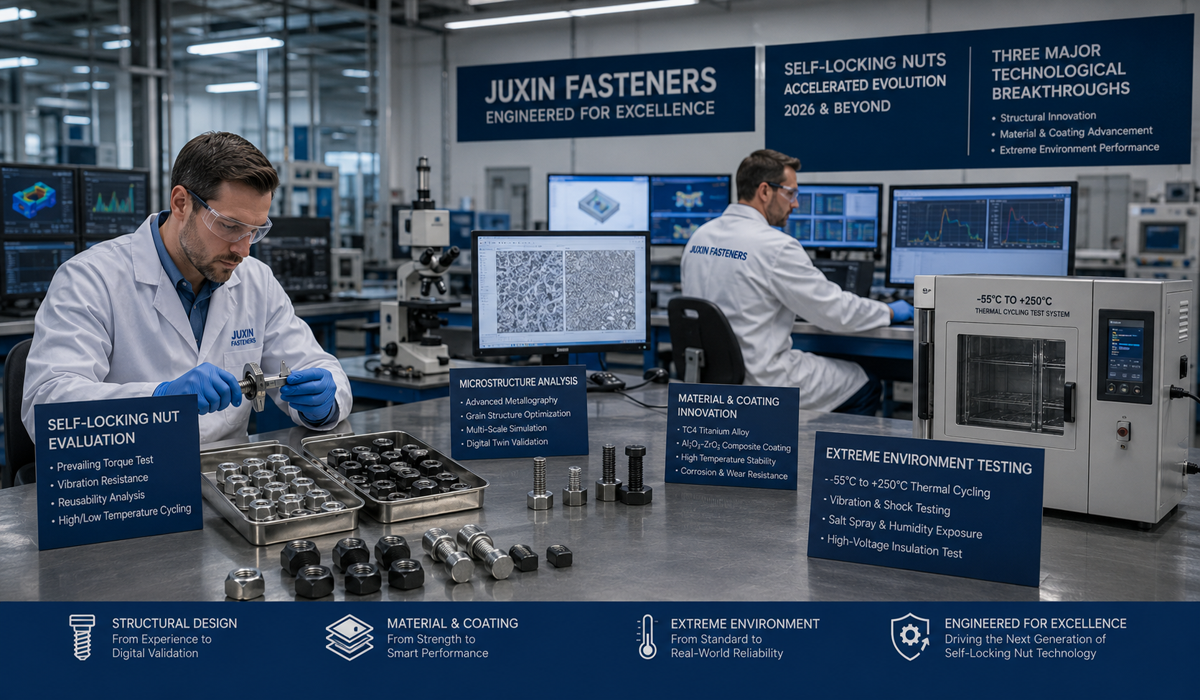
1. Structural Innovation: From Empirical Design to Digital Twin Validation
Traditional self-locking nut designs were largely based on empirical engineering experience. Optimization relied heavily on trial-and-error testing, resulting in:
Limited performance predictability
Inconsistent batch stability
Weak adaptation to extreme environments
Today, fourth-generation self-locking nuts are designed using:
Multi-physics simulation
Finite element analysis (FEA)
Digital twin lifecycle validation systems
1.1 Dual-Thread Differential Lead Locking Mechanism
A major innovation in modern DIN 980 all-metal self-locking nuts is the dual-thread differential lead structure.
This design introduces:
Primary and secondary thread lead offset
Controlled elastic interference during tightening
Progressive axial locking force buildup
Engineering Advantage:
Compared to traditional friction-based locking:
Converts passive friction locking → active mechanical interlocking
Significantly reduces vibration-induced micro-slip
Improves long-term preload stability under cyclic loading
1.2 Progressive Deformation Tooth Geometry
Advanced self-locking nuts use asymmetric tooth geometry with graded yield behavior.
Key characteristics:
Controlled plastic embedding during installation
Elastic recovery of the mating material surface
Reduced thread damage during repeated assembly cycles
This structure is especially suitable for:
Aerospace maintenance systems
Heavy equipment requiring periodic disassembly
High-reliability ISO 898-2 fastening assemblies
1.3 Micro-Texture Friction Enhancement Technology
A breakthrough surface engineering method uses laser-controlled micro-texturing to create:
Millions of micro-scale contact asperities
Stable friction coefficient differentiation (static vs dynamic)
Reduced fretting wear under vibration
This significantly improves:
Anti-loosening torque retention
Resistance to micro-motion fatigue
Long-term torque stability
Performance Benchmark
Advanced self-locking nut systems demonstrate:
≥85% preload retention after 50 installation cycles
≤15% torque decay rate
Performance exceeding ISO 16149 Class 9 requirements
2. Materials and Coatings: Engineering Adaptation for Extreme Environments
Modern self-locking nut systems are no longer defined only by geometry—they are driven by material–coating synergy design.
2.1 Aerospace-Grade Titanium Alloy Locking Nuts
In aerospace applications:
Base material: TC4 (Ti-6Al-4V equivalent)
Coating: Al₂O₃–ZrO₂ ceramic gradient layer
Engineering Benefits:
42% weight reduction compared to carbon steel fasteners
Stable operation at up to 600°C
76% reduction in fretting wear rate
These systems are widely used in:
Turbine engine accessory structures
High-temperature auxiliary fastening zones
Lightweight aerospace assemblies
2.2 Food & Pharmaceutical Grade Self-Locking Nuts
For hygienic and sterile environments:
Material: 316L stainless steel
Internal liner: PTFE / PI composite (FDA compliant)
Certified under:
FDA 21 CFR 177.1550
Key Engineering Features:
Zero-contamination assembly design
Stable dry friction coefficient
Torque variation controlled within ±3%
Applications include:
Pharmaceutical production lines
Food processing equipment
Medical device assemblies
3. Application Expansion: From Traditional Infrastructure to Emerging Industries
Self-locking nuts are experiencing rapid adoption across both mature and emerging industrial sectors.
3.1 Renewable Energy and Rail Infrastructure
Widely used in:
Wind turbine tower flange connections
High-speed rail bogie assemblies
Heavy structural steel joints
Requirements:
High vibration resistance
Long-term preload stability
Corrosion resistance under cyclic environments
3.2 New Energy Vehicle (NEV) Systems
In electric vehicle battery pack assemblies, self-locking nuts must meet:
±15 μm dimensional tolerance control
High dynamic impact resistance
Thermal cycling stability under rapid charging conditions
Typical applications:
Battery module stacking systems
High-voltage busbar fastening
Chassis structural connections
3.3 Hydrogen Fuel Cell Systems
Fuel cell stacks require extreme reliability under:
-40°C cold start conditions
120°C humid thermal cycling
Continuous sealing pressure load
Self-locking nuts must ensure:
Long-term sealing stability
Resistance to stress relaxation
Zero leakage fastening integrity
3.4 Humanoid Robotics and Precision Mechanisms
In robotics joint systems:
Compact design requirements (up to 35% size reduction)
High-frequency motion resistance
Zero-backlash fastening performance
Applications include:
Hip joint assemblies
Knee actuator systems
Precision transmission modules
4. Engineering Fastener Solutions for Advanced Industrial Systems
Guangzhou Juxin Development Co., Ltd. provides advanced self-locking fastening systems including:
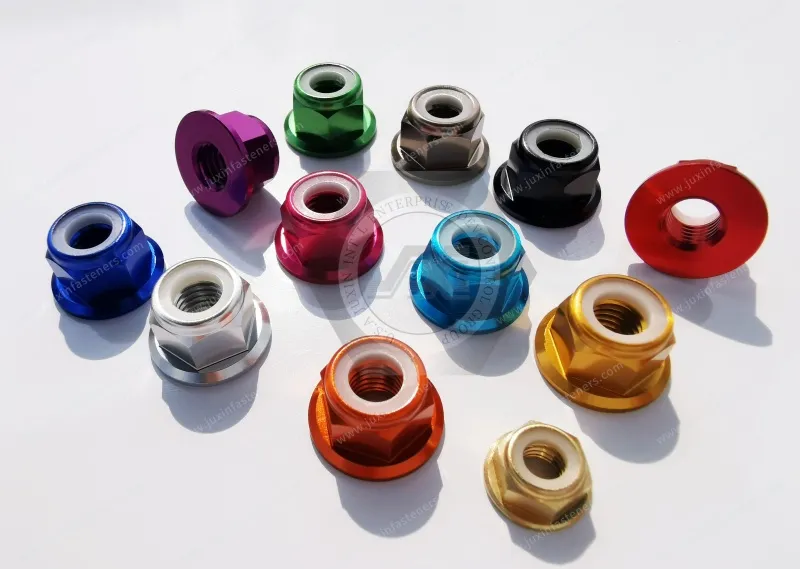
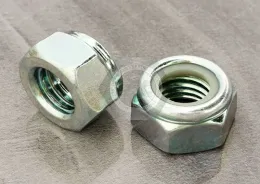
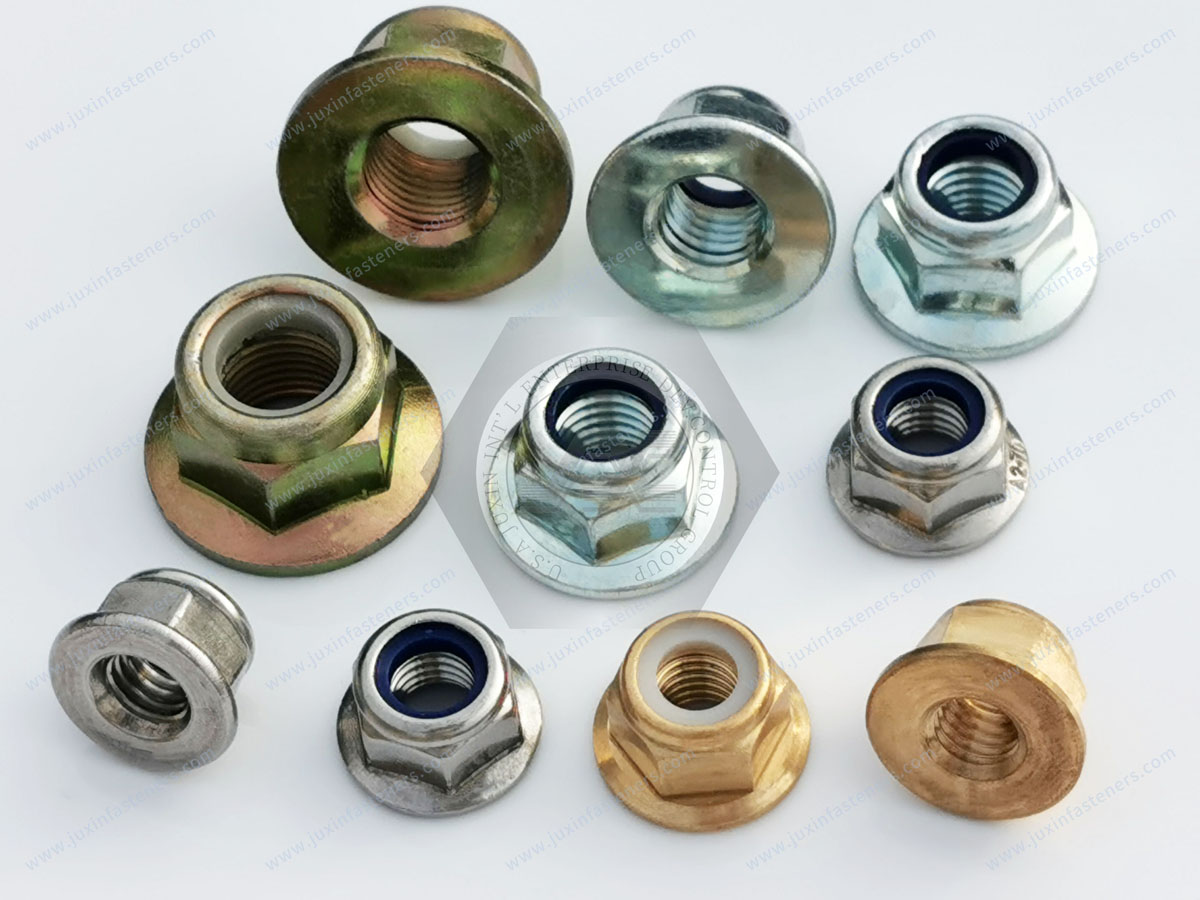
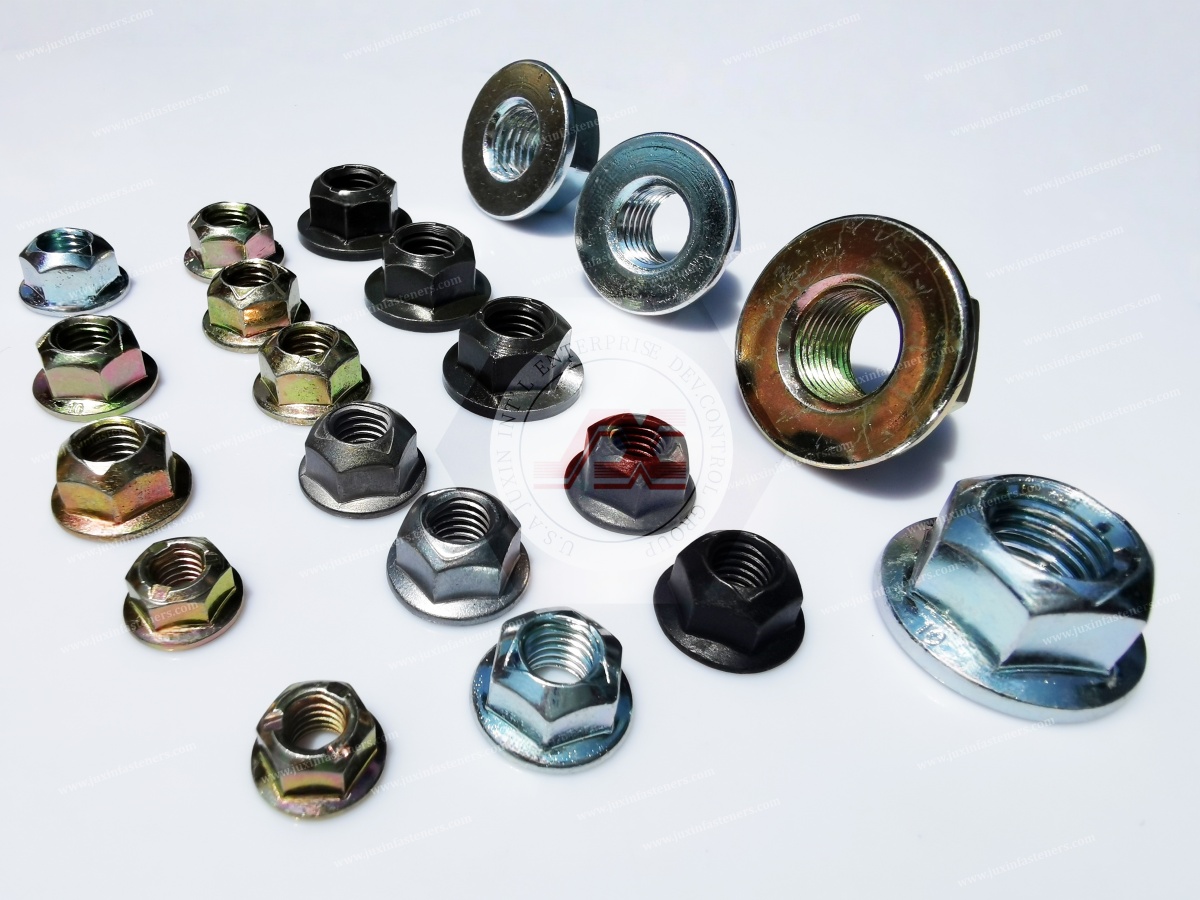
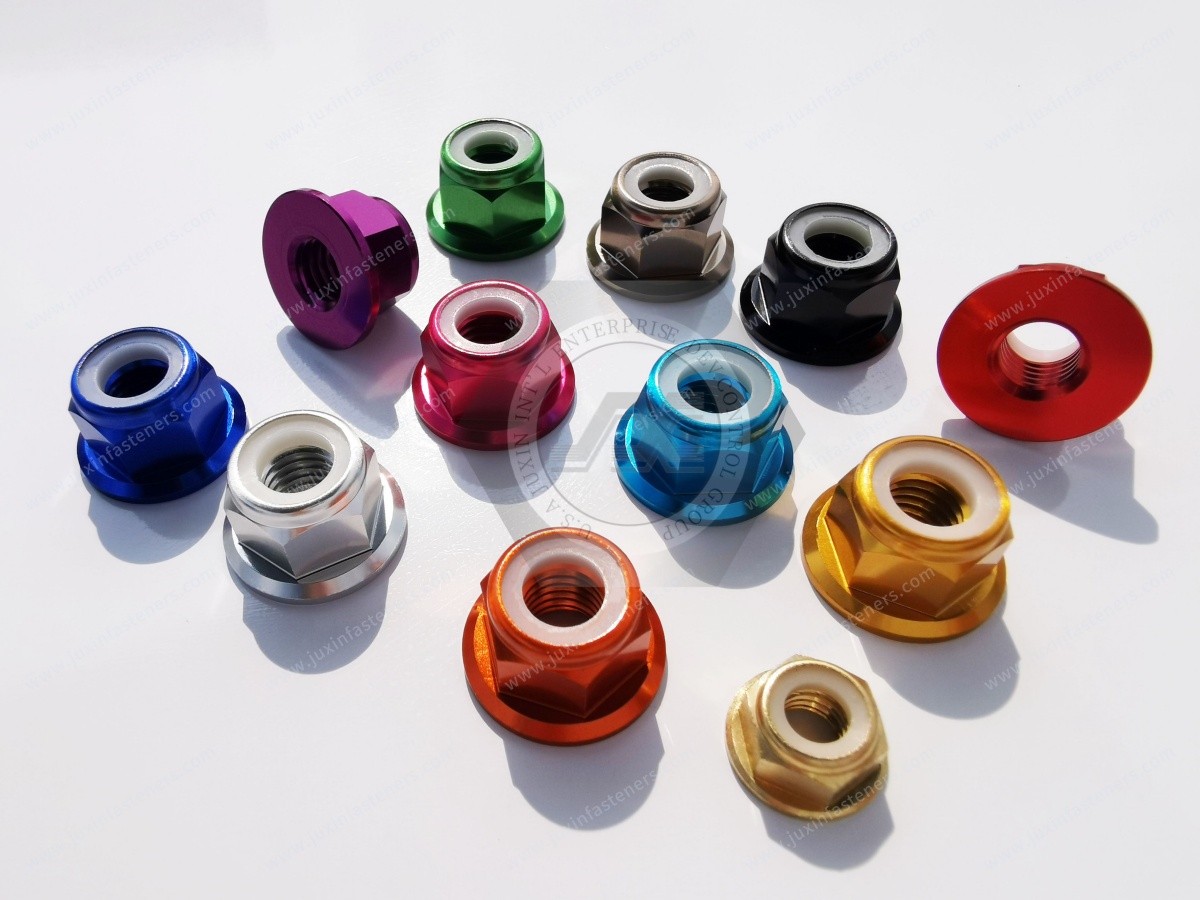
DIN 985 nylon insert lock nuts
DIN 980 all-metal self-locking nuts
High-temperature aerospace locking nut systems
Custom engineered anti-vibration fastening solutions
OEM-specific friction and preload-controlled assemblies
Our engineering focus is centered on:
Structural locking optimization + material system engineering + ISO/DIN compliance validation
Conclusion: Self-Locking Nuts Are Becoming Intelligent Mechanical Safety Components
The evolution of self-locking nuts is driven by three major technological forces:
Structural design digitalization (digital twin + simulation validation)
Material and coating functionalization (extreme environment adaptation)
Application-driven customization (EV, hydrogen, robotics, aerospace)
Key engineering insights:
Mechanical locking is transitioning from friction-based to hybrid mechanical–material systems
Performance is now defined by lifecycle stability, not initial torque
Extreme environments require engineered, not generic, fastening solutions
In modern ISO/DIN-based fastening engineering systems, self-locking nuts are no longer simple components—they are critical reliability control units within mechanical assemblies.
Product Packaging
Packaging Standard
At Juxin Fasteners, we apply standardized export packaging to ensure product protection, traceability, and compliance with international logistics requirements.
1. Standard Export Packaging
Unless otherwise specified, all products will be packed according to our factory standard export packaging, which includes:
Moisture-resistant inner protection
Poly bag or small box packing as required
Reinforced export cartons
Clear labeling with part number, specification, batch number, and quantity
Palletizing for sea or air shipment when necessary
Our standard packaging is designed to ensure safe transportation, efficient warehousing, and long-distance international shipping.
2. Customized Packaging Options
We also provide customized packaging solutions according to customer requirements, including but not limited to:
Private labeling
Customized barcodes
Specific carton dimensions
Retail packaging
Special pallet configuration
Customer-specific marking and identification
So that you know, customized packaging may involve additional costs and extended lead time depending on the complexity of the requirements.
3. Compliance & Quality Assurance
All packaging processes are controlled under our ISO 9001 quality management system to ensure consistency, traceability, and product integrity throughout the supply chain.
Product Pictures
Contact Us
Tel.:
+86 020 8621 0320
+86 020 3121 6067
E-mail:
Technical Support:
Navigation
SEND INQUIREY