Call Us
+86 136 6007 9809
Call Us
+86 136 6007 9809

19-inch server racks, AI data center cabinets, telecom enclosures, network racks,
PDU systems and industrial electrical cabinets require mounting points that can accommodate equipment replacement,
tolerance variation and repeated field installation.
Product Specification
19-inch server racks, AI data center cabinets, telecom enclosures, network racks, PDU systems and industrial electrical cabinets require mounting
points that can accommodate equipment replacement, tolerance variation and repeated field installation.
One of the most widely used solutions is the cage nut.
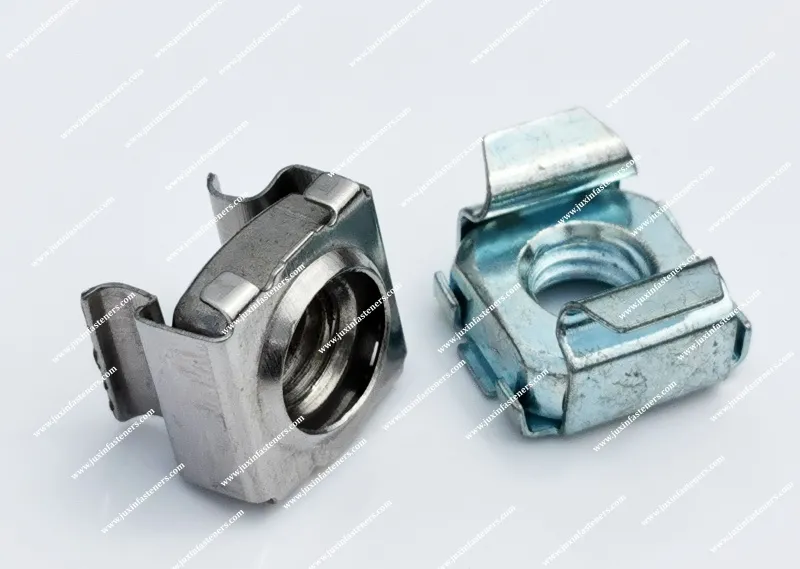
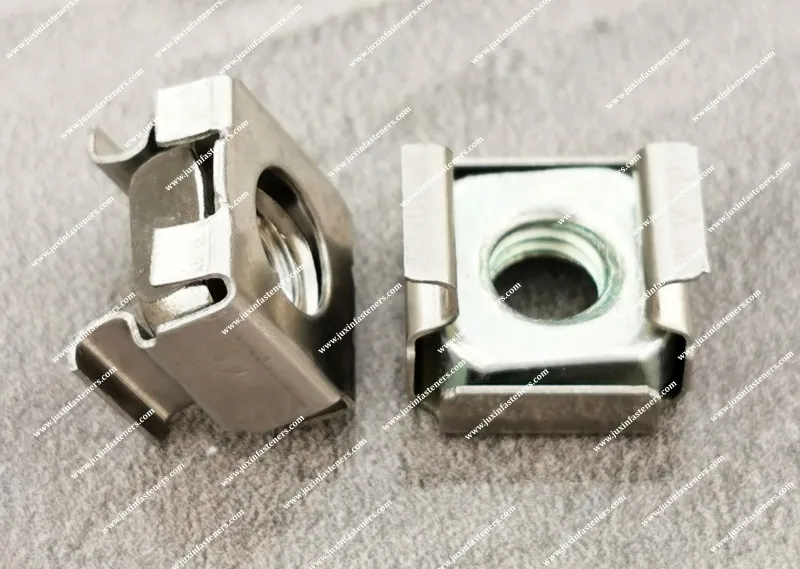
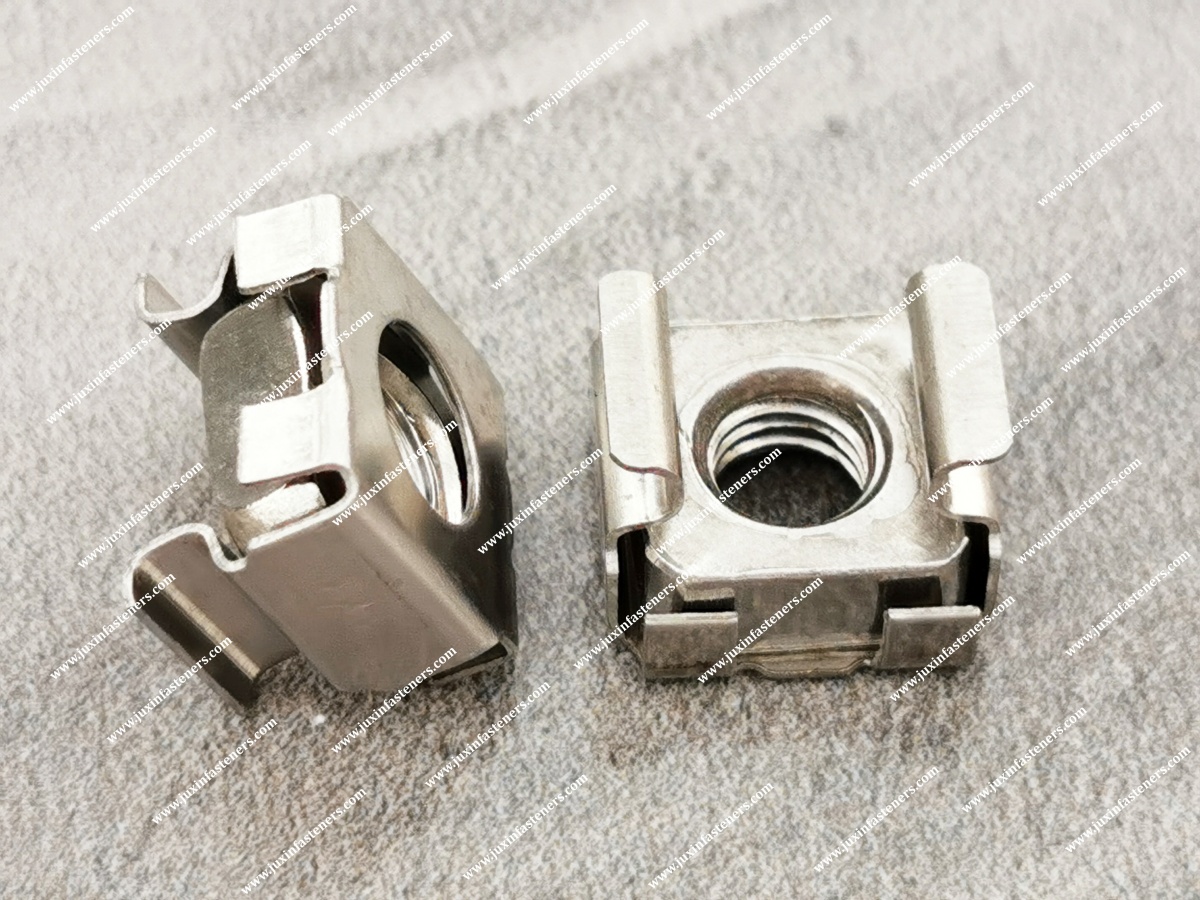
A cage nut combines a threaded nut element with a spring-steel retaining cage.
The assembly clips into a compatible opening in the rack rail or sheet-metal panel, creating a removable threaded mounting point without welding or permanently clinching a nut into the structure.
JUXIN FASTENERS supplies cage nut and captive nut solutions for:
19-inch server racks
AI data center cabinets
Network racks
Telecom cabinets
PDU enclosures
UPS systems
Electrical cabinets
Control cabinets
Industrial enclosures
Equipment frames
Available and drawing-based configurations can include:
M5 cage nuts
M6 cage nuts
M8 cage nuts
Metric cage nuts
Imperial-thread cage nuts
Square-hole cage nuts
Floating cage nuts
Spring-retainer cage nuts
Custom cage nut assemblies
However, selecting a cage nut by thread size alone is not enough.
Thread size, rack opening, panel thickness, cage geometry, available float, mating screw and equipment mounting geometry must work together.
A server rack needs more than threaded holes.
Rack-mounted equipment is frequently:
Installed
Removed
Replaced
Repositioned
Upgraded
Serviced
This makes flexibility valuable.
A cage nut can be installed at the required rack-unit position and removed or replaced when the rack configuration changes.
This makes cage nuts useful for mounting equipment such as:
Servers
Network switches
Routers
Patch panels
PDU equipment
UPS equipment
Storage systems
Rack accessories
Cable-management components
The cage nut creates a serviceable threaded mounting point without requiring the rack rail itself to contain a permanent tapped thread.
This is one of the most important distinctions in rack hardware sourcing.
The term 19-inch rack describes the equipment mounting architecture.
It does not, by itself, completely define:
Square-hole dimensions
Rail thickness
Cage nut envelope
Cage spring geometry
Thread size
Screw type
Washer configuration
Available float
Therefore:
“M6 cage nut for 19-inch rack” is still an incomplete engineering specification.
Two M6 cage nuts can use the same mating screw but have different cage dimensions and fit different rail openings or panel thicknesses.
For OEM rack manufacturing, the rail drawing should be reviewed together with the cage nut.
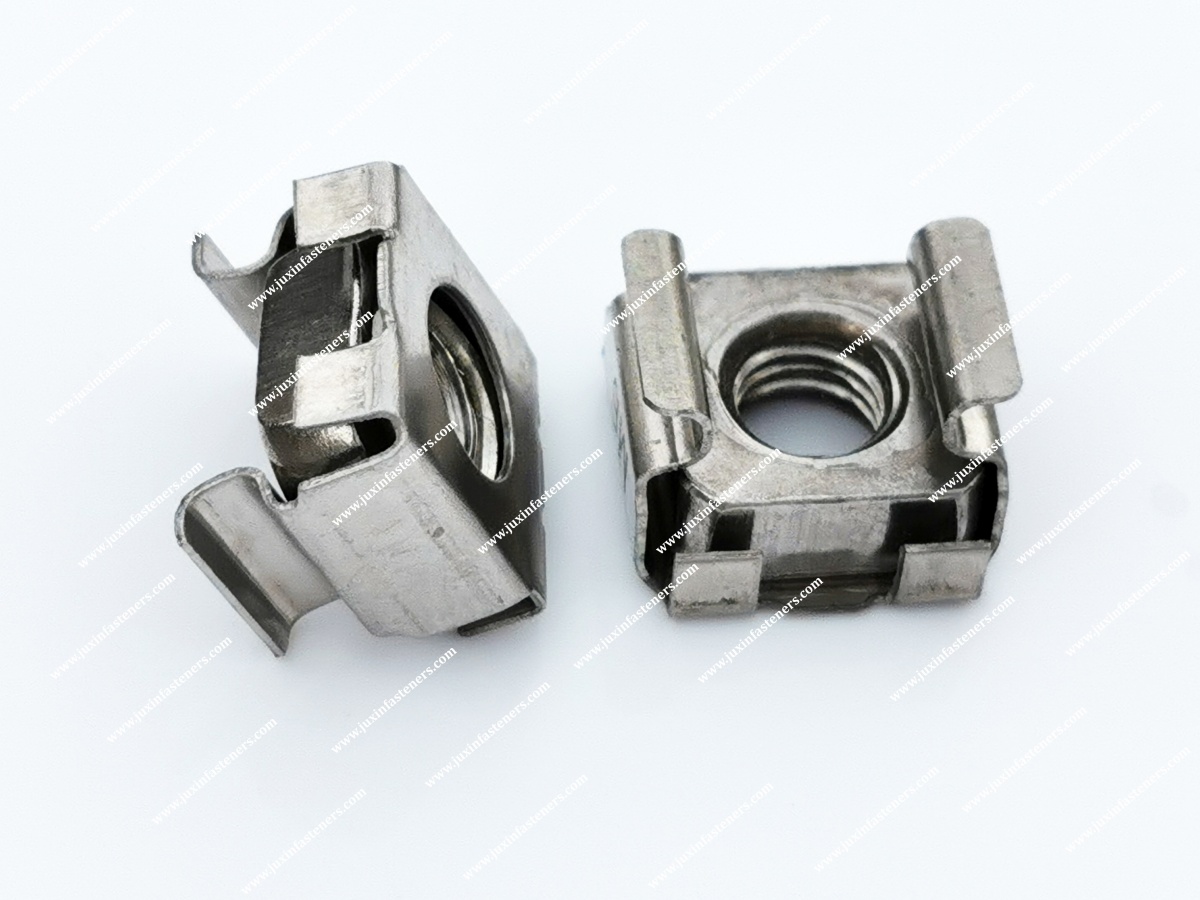
A typical cage nut assembly contains two functional components:
The internal nut provides the machine thread for the rack mounting screw.
The surrounding cage retains the nut within the rack opening and allows the assembly to clip into the mounting rail.
Depending on the design, the nut can move slightly inside the cage.
This controlled movement is commonly referred to as float.
The float helps the threaded element align with the mating screw when small positional differences exist between:
Rack rail
Mounted equipment
Bracket
Screw
Adjacent mounting points
The purpose is tolerance accommodation, not uncontrolled movement.
A rack-mounted device can have multiple mounting screws.
Each mounting point belongs to a tolerance chain involving:
Rack rail hole position
Opposite rail position
Equipment bracket
Bracket hole position
Equipment width
Cage nut position
Screw alignment
If every threaded mounting point were completely rigid, accumulated dimensional variation could make screw engagement more difficult.
A floating cage nut allows limited positional adjustment during assembly.
This can reduce sensitivity to small alignment differences.
However:
More float is not automatically better.
Excessive movement can make screw starting less predictable and may be unsuitable for the mounting architecture.
The required float should follow the equipment and rail design.
The rack opening is a functional interface with the cage nut.
If the opening is too small:
Installation may be difficult
Cage legs may be damaged
The retainer may deform
Removal may become difficult
If the opening is too large:
The cage may fit loosely
Retention may be reduced
Position variation may increase
The assembly may move unexpectedly during screw installation
This means the square-hole dimension should be treated as a controlled engineering feature.
When sourcing an alternative cage nut, procurement teams should not compare only the thread.
They should compare the cage-to-hole interface.
A spring cage must engage the rack rail or sheet-metal panel correctly.
Rail thickness can influence:
Installation force
Retention
Cage deformation
Removal force
Final nut position
A cage nut designed around one panel thickness may not behave the same way in a significantly different rail thickness.
Therefore, an OEM RFQ should identify:
Rack opening dimensions
Rail material
Rail thickness
This is especially important for custom server cabinet and industrial enclosure manufacturers.
M6 is a widely used metric thread size for rack mounting applications.
Typical search requirements include:
M6 server rack cage nuts
M6 square-hole cage nuts
M6 rack mounting nuts
M6 cage nuts for network cabinets
M6 cage nuts for PDU mounting
But M6 defines only the internal thread.
An M6 cage nut should still be matched to:
Rack opening
Rail thickness
Cage geometry
Screw length
Washer arrangement
Equipment bracket
For OEM projects, JUXIN FASTENERS recommends confirming the rack rail drawing rather than assuming all M6 cage nuts are interchangeable.
M5 cage nuts can be used in server, telecom, electrical and industrial equipment depending on the mounting architecture.
Potential applications include:
Network equipment
Telecom racks
Electrical cabinets
Control enclosures
Equipment brackets
Rack accessories
As with M6 products, the thread designation alone does not determine compatibility with the rack opening.
Larger cage nut configurations can be used where the equipment design requires a larger metric thread.
Potential applications may include:
Industrial cabinets
Equipment frames
Heavy mounting brackets
Electrical equipment
The required thread should follow the actual mechanical load and equipment specification rather than being selected simply because a larger thread appears stronger.
North American rack and enclosure systems can also use imperial threads such as:
10-32
12-24
These should not be confused with metric M5 or M6 hardware.
A screw may appear visually similar while using a completely different thread system.
Mixing metric and imperial rack hardware can cause:
Difficult screw engagement
Cross-threading
Thread damage
Field-service problems
For global rack programs, procurement teams should clearly identify the thread system on drawings, packaging and part numbers.
When a rack screw is difficult to install, the immediate assumption is often:
“The cage nut thread is defective.”
Sometimes it is.
But screw-starting problems can also result from:
Equipment bracket misalignment
Cage nut position
Excessive or insufficient float
Rail deformation
Wrong screw thread
Damaged screw
Screw angle during insertion
Multiple mounting points constraining one another
Before rejecting a cage nut for a thread problem, quality teams should determine whether the screw engages correctly outside the assembled rack.
This separates thread quality from assembly-alignment problems.
A rack rail can be manufactured with fixed tapped holes instead of cage nuts.
Both systems have valid applications.
| Design Condition | Cage Nut | Tapped Rack Rail |
|---|---|---|
| Thread replacement | Cage nut can be replaced | Damaged rail thread may be harder to repair |
| Positional float | Available depending on design | Normally fixed |
| Hardware count | Separate cage nut required | Thread integrated into rail |
| Rack reconfiguration | Flexible | Depends on hole pattern |
| Installation | Cage nut inserted into opening | No cage nut installation |
| Thread selection | Nut can potentially vary | Defined by rail |
| Typical use | Square-hole modular racks | Fixed threaded rack systems |
Neither architecture is universally superior.
The decision should follow equipment strategy, service requirements and manufacturing design.
A self-clinching nut becomes permanently attached to a suitable sheet-metal panel during fabrication.
A cage nut is removable and normally provides controlled positional movement.
The threaded point should be replaceable
Positional float is useful
Rack configuration may change
Square-hole mounting architecture is used
Field installation is expected
A permanent threaded point is preferred
The sheet can be accessed during press installation
Positional float is unnecessary
The threaded location is fixed by design
This distinction is important in server cabinets because both technologies may be used within the same enclosure.
Rack rails may use cage nuts while internal chassis structures use self-clinching nuts.
Blind rivet nuts create a permanent threaded point through mechanical deformation.
Cage nuts remain removable.
A rivet nut can be useful where:
Only one side is accessible
A permanent thread is required
The structure does not use a square-hole cage architecture
A cage nut can be preferable where:
The mounting location must remain serviceable
Thread replacement is desirable
Positional adjustment is useful
Rack-style square holes are already part of the design
The correct choice depends on the manufacturing and service architecture.
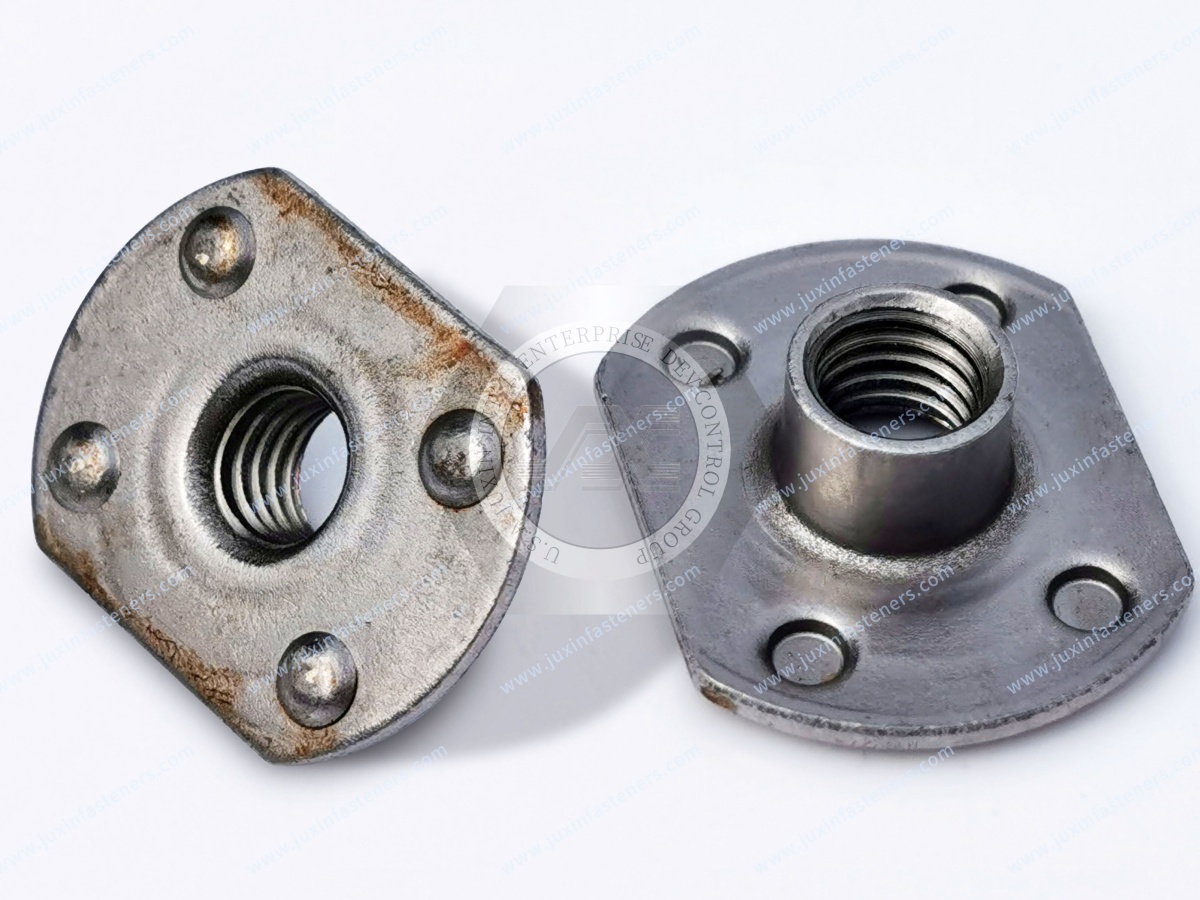
The term cage nut can describe more than one fastening architecture.
A server-rack cage nut normally refers to a removable spring-cage assembly clipped into a rack opening.
A floating cage weld nut is a different component.
It typically uses a retained nut within a cage that is attached to a fabricated structure, often by welding, while allowing controlled positional movement.
These products solve related tolerance problems but use different installation methods.
Engineers and procurement teams should therefore distinguish between:
Rack cage nuts
Floating cage nuts
Welded cage nuts
Floating cage weld nuts
This distinction prevents incorrect RFQs and supplier substitutions.
The cage is not simply packaging around the nut.
It performs several functions:
Retains the nut
Interfaces with the rack opening
Provides installation/removal elasticity
Controls available nut movement
Helps maintain the assembly in position before screw installation
Retainer performance can depend on:
Material
Thickness
Forming geometry
Heat-treatment condition where applicable
Opening geometry
Rail thickness
Therefore, a cage nut should be evaluated as an assembly rather than as a nut plus an unimportant clip.
The threaded nut and spring cage perform different mechanical functions.
The nut needs appropriate properties for:
Thread engagement
Tightening load
Dimensional stability
The cage needs appropriate characteristics for:
Elastic deformation during installation
Retention
Repeated handling where required
This is why specifying one material description for the entire cage nut assembly can be misleading.
For OEM projects, the material requirement should distinguish between the threaded nut element and the spring retainer where necessary.
A cage nut is normally compressed and inserted into the rack opening so that the spring tabs engage the rail.
Installation method can affect:
Operator effort
Cage deformation
Surface damage
Retention
For production and field service, installation tools can be useful where large quantities of cage nuts are handled.
However, tooling should match the cage geometry and rack design.
Excessive force or incorrect installation technique can deform the retainer even when the cage nut itself is correctly manufactured.
A cage nut may be removed and reinstalled in some applications.
But unlimited reuse should not be assumed.
Repeated installation can affect:
Spring geometry
Retention force
Surface finish
Cage deformation
If repeated reuse is important, the required cycle behavior should be defined and validated.
For service applications, replacing a visibly deformed cage nut can be more appropriate than attempting to reuse it indefinitely.
The spring cage holds the nut assembly in the rack rail before and during screw installation.
Once the equipment screw is tightened, the bolted joint carries the mounting load according to the complete rack architecture.
Therefore:
The spring cage should not be treated as the primary load-bearing element of the tightened equipment joint.
This distinction matters when engineers evaluate cage strength.
The cage needs sufficient retention and integrity for installation and service, while the threaded nut, screw, equipment bracket and rack rail participate in the final clamped joint.
Cage nuts are sometimes marketed as grounding cage nuts.
Certain hardware designs may contribute to electrical bonding by creating metal-to-metal contact with the rack structure.
However:
A standard cage nut should not automatically be treated as a verified grounding component.
Electrical continuity can depend on:
Rack coating
Paint thickness
Cage geometry
Nut material
Surface finish
Contact pressure
Equipment bracket
Screw and washer system
Dedicated bonding features
If a cage nut is intended to participate in protective bonding, grounding or EMC architecture, the electrical requirement should be defined and validated within the complete rack assembly.
Powder coating is widely used on server and electrical cabinets.
The coating can affect electrical contact between metal components.
Design approaches may include:
Defined grounding points
Conductive contact surfaces
Dedicated bonding hardware
Tooth washers
Grounding-specific fasteners
Masked coating areas
The correct approach depends on the equipment's electrical design.
A generic cage nut should not be expected to pierce a coating and automatically create a compliant grounding path unless the specific assembly has been designed and validated for that purpose.
Server racks, telecom equipment and industrial cabinets can experience vibration during:
Transportation
Installation
Equipment operation
Building or machinery movement
But a cage nut is not inherently a prevailing-torque lock nut.
If resistance to screw loosening is required, engineers should evaluate the complete bolted joint and appropriate locking strategy.
Possible considerations can include:
Correct preload
Locking screw features
Lock washers where appropriate
Prevailing-torque nuts in other joint architectures
Application-specific locking methods
The cage nut's primary functions are thread provision, retention and alignment—not universal vibration locking.
Cage nut assemblies can use different materials for the nut and spring retainer depending on the design.
Possible material and finish considerations include:
Carbon-steel nut elements
Spring-steel retainers
Zinc-plated finishes
Black finishes
Customer-specified coatings
The correct specification depends on:
Indoor or outdoor use
Corrosion requirement
Rack finish
Appearance
Electrical requirements
Customer drawing
If a corrosion test such as ASTM B117 is required, the coating system and acceptance criteria should be specified.
A salt-spray-hour number should not be assumed from appearance alone.
AI infrastructure is increasing equipment density inside server racks.
Potential rack-mounted systems include:
GPU servers
AI compute nodes
High-density storage
Network switches
PDU equipment
UPS equipment
Liquid-cooling support equipment
Monitoring systems
Cage nuts remain a relatively simple component within this complex infrastructure.
But high equipment density can make installation efficiency and hardware standardization increasingly important.
A small mismatch in cage nut, rail or screw specification can be multiplied across thousands of mounting positions.
This is why rack hardware should be controlled as part of the cabinet platform rather than treated as an incidental commodity.
For a data center cabinet manufacturer, reducing the price of one cage nut by a very small amount may appear attractive.
But introducing multiple nearly identical cage nut variants can create:
Mixed inventory
Wrong-thread installation
Incorrect cage-to-hole combinations
Field-service confusion
Packaging errors
For high-volume rack programs, procurement teams should consider whether standardizing:
Thread
Square-hole architecture
Cage envelope
Screw
Washer
across multiple cabinet platforms can reduce total supply-chain complexity.
The lowest individual component price does not always create the lowest total assembly cost.
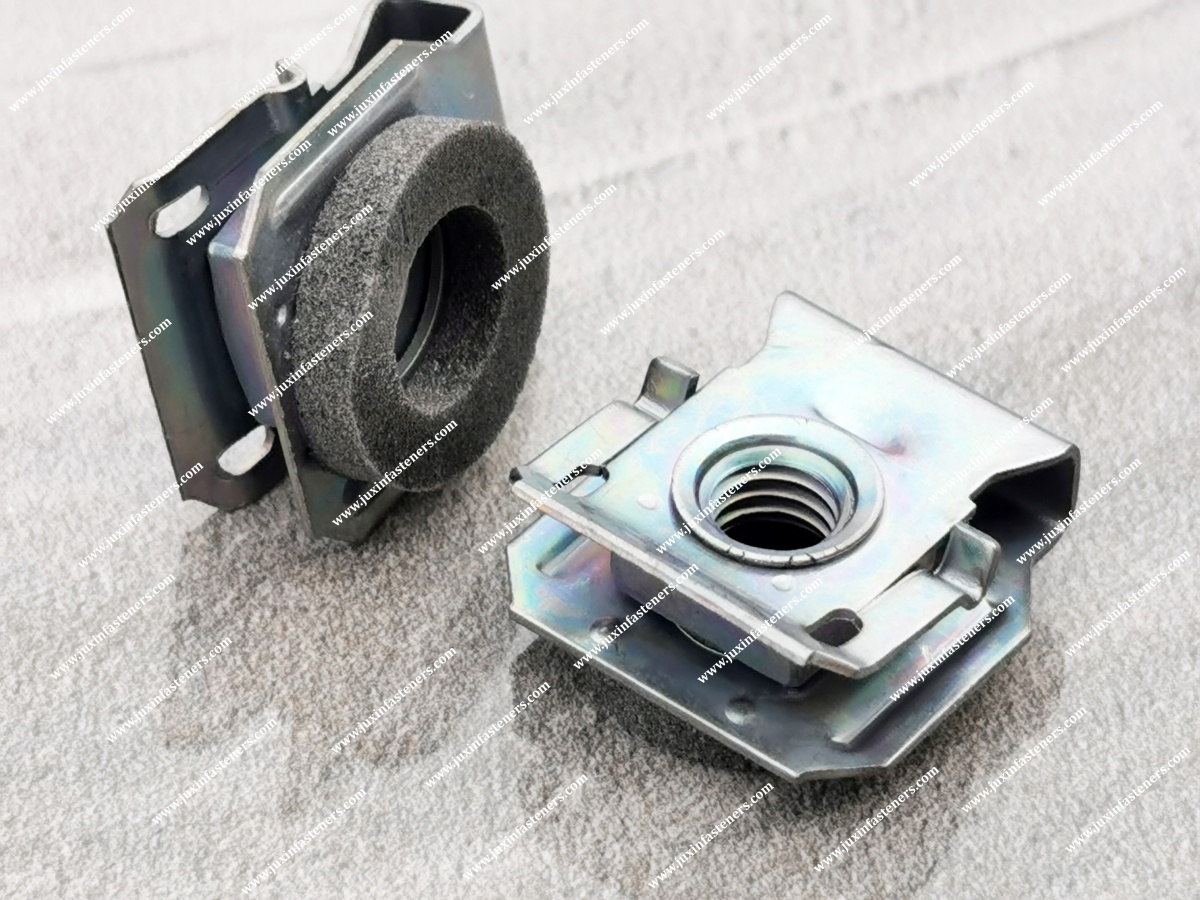
Cage nuts are not limited to IT racks.
They can also be useful in:
Electrical cabinets
Switchgear enclosures
Control cabinets
Industrial equipment racks
Power cabinets
Telecom enclosures
The same selection principles apply:
Thread
Opening geometry
Panel thickness
Float
Material
Finish
Mating hardware
For industrial cabinets, corrosion and vibration requirements may differ significantly from indoor data center racks.
Design engineers should begin with these questions:
What is the rack or panel opening?
Do not start with thread size alone.
What is the rail thickness?
Confirm cage compatibility.
What thread is required?
M5, M6, M8, 10-32, 12-24 or another thread?
How much positional float is required?
Define it from the tolerance stack rather than assuming maximum float is best.
What screw will be used?
Confirm thread, length, head and washer system.
Is electrical bonding required?
If yes, define and validate it separately.
Will the cage nut be repeatedly removed?
Consider the service requirement.
What corrosion environment applies?
Indoor server room, industrial cabinet or outdoor enclosure?
These questions define the cage nut more accurately than “19-inch rack nut.”
For accurate evaluation and quotation, procurement teams should provide:
Thread size and pitch
Metric or imperial thread
Rack opening dimensions
Opening shape
Rail material
Rail thickness
Cage nut overall dimensions
Required float where specified
Nut material requirement
Cage material requirement where specified
Surface finish
Mating screw specification
Washer requirement
Electrical bonding requirement if applicable
Corrosion requirement
Installation/removal requirement
Prototype quantity
Annual production quantity
Packaging requirement
Inspection requirement
2D drawing where available
For OEM server rack projects, providing the rack rail drawing together with the cage nut specification is strongly recommended.
Do not compare only:
M6 + zinc plated + price.
Important sourcing characteristics can include:
Square-hole compatibility
Rail-thickness compatibility
Cage dimensions
Nut dimensions
Thread quality
Available float
Spring-retainer geometry
Retention behavior
Material
Surface finish
Installation consistency
Removal behavior
Drawing revision control
Packaging
Production repeatability
A cage nut that fits the same M6 screw can still be incompatible with the existing rack rail.
Standard cage nuts cover many rack applications.
Drawing-based configurations may be required where the OEM uses:
Special rack openings
Non-standard rail thickness
Special cage envelope
Restricted installation space
Special thread
Imperial thread
Application-specific float
Special surface finish
Custom retainer geometry
JUXIN FASTENERS supports standard and drawing-based cage nut and captive nut configurations for equipment manufacturers.
For custom projects, the rack opening and rail thickness should be supplied together with the fastener drawing.
A practical development path can follow:
Rack Architecture → Rail Opening & Thickness → Thread Selection → Cage Nut Geometry → Screw / Washer Selection
→ Sample Installation → Assembly Evaluation → Golden Sample Approval → Production
If electrical bonding, corrosion or special mechanical testing is required, the acceptance criteria should be agreed separately according to the OEM specification.
JUXIN FASTENERS supports server rack manufacturers, data center infrastructure suppliers, telecom equipment manufacturers,
electrical cabinet builders, power equipment manufacturers and industrial enclosure OEMs.
This page is a product-specific child page within the AI data center and sheet-metal enclosure fastening architecture.
Related pages include:
AI Data Center Server Rack & Cabinet Fastening Solutions — overall fastening architecture for AI server racks, GPU cabinets, PDU and UPS equipment
Self-Clinching Fasteners for Telecom Cabinets & AI Data Center Enclosures — permanent nuts, studs and standoffs for thin-sheet structures
Self-Clinching Standoffs for AI Server Chassis & Electronic Enclosures — integrated PCB spacing and threaded mounting points
Blind Rivet Nuts for Sheet Metal Enclosures & One-Sided Assembly — permanent blind-side threaded attachment
Floating Cage Weld Nuts — controlled positional adjustment in welded fabricated structures
All-Metal Prevailing-Torque Lock Nuts — locking nuts for applications where prevailing torque is required
Each detailed product page should own a distinct search intent while linking back to the relevant enclosure or data center solution pillar.
If you are designing or sourcing cage nuts for:
19-inch server racks
AI data center cabinets
GPU server racks
Network cabinets
Telecom racks
PDU systems
UPS equipment
Electrical cabinets
Control cabinets
Industrial enclosures
Power equipment
send us your thread requirement, square-hole dimensions, rail material, rail thickness, cage nut drawing, mating screw specification, surface-finish requirement and estimated quantity.
If you are replacing an existing cage nut, send the existing part drawing or sample together with the rack rail dimensions.
JUXIN FASTENERS can evaluate M5, M6, M8, metric, imperial, floating and drawing-based custom cage nut configurations according to the rack or enclosure architecture.
JUXIN FASTENERS
Website: www.juxinfasteners.com
Engineering & RFQ: info@juxinfasteners.com
Product Packaging
Packaging Standard
At Juxin Fasteners, we apply standardized export packaging to ensure product protection, traceability, and compliance with international logistics requirements.
1. Standard Export Packaging
Unless otherwise specified, all products will be packed according to our factory standard export packaging, which includes:
Moisture-resistant inner protection
Poly bag or small box packing as required
Reinforced export cartons
Clear labeling with part number, specification, batch number, and quantity
Palletizing for sea or air shipment when necessary
Our standard packaging is designed to ensure safe transportation, efficient warehousing, and long-distance international shipping.
2. Customized Packaging Options
We also provide customized packaging solutions according to customer requirements, including but not limited to:
Private labeling
Customized barcodes
Specific carton dimensions
Retail packaging
Special pallet configuration
Customer-specific marking and identification
So that you know, customized packaging may involve additional costs and extended lead time depending on the complexity of the requirements.
3. Compliance & Quality Assurance
All packaging processes are controlled under our ISO 9001 quality management system to ensure consistency, traceability, and product integrity throughout the supply chain.
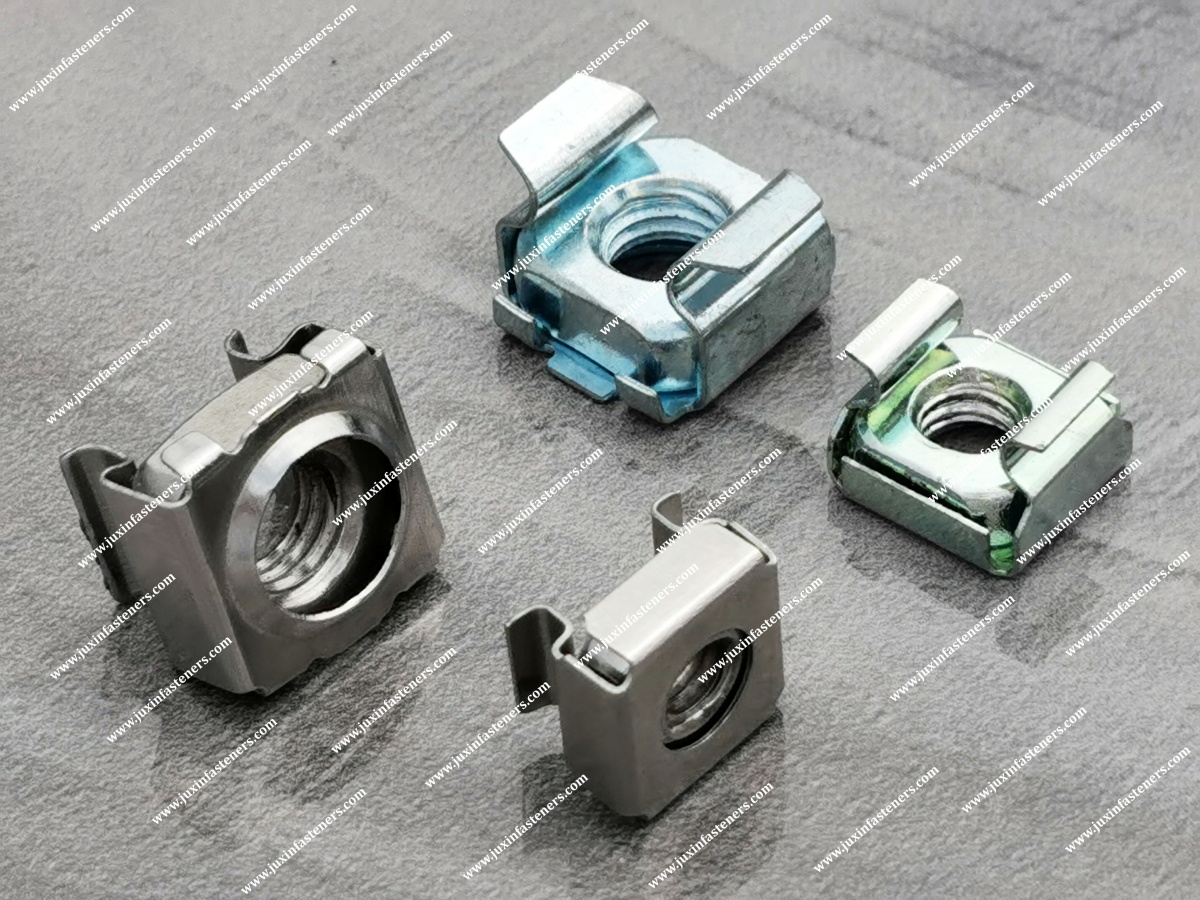
Product Pictures
Contact Us
Tel.:
+86 020 8621 0320
+86 020 3121 6067
E-mail:
Technical Support:
Navigation
SEND INQUIREY