Call Us
+86 136 6007 9809
Call Us
+86 136 6007 9809

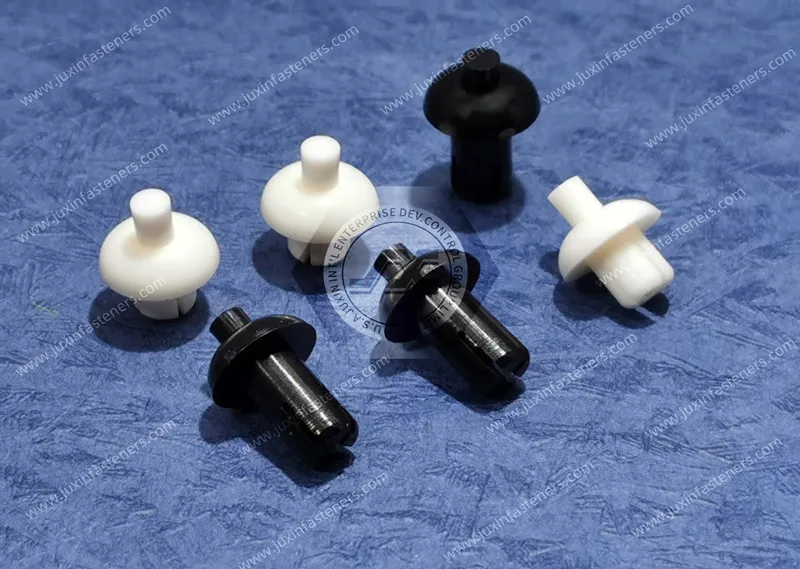
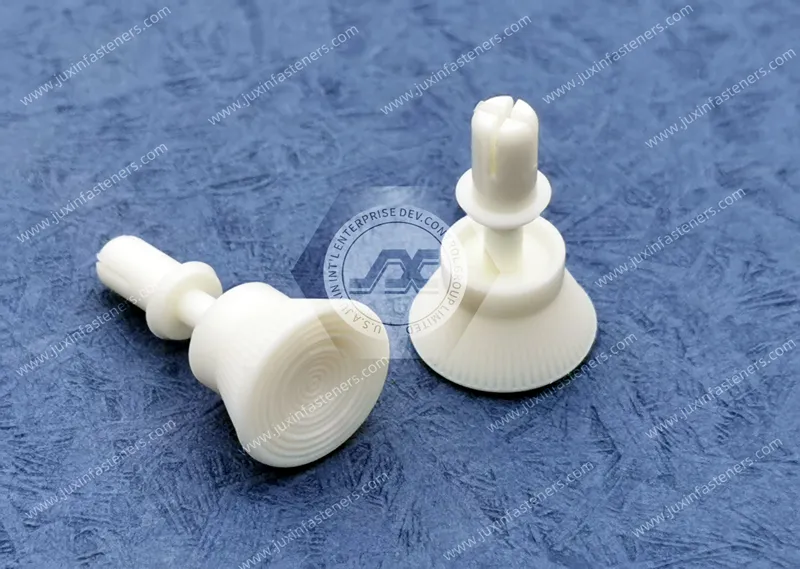
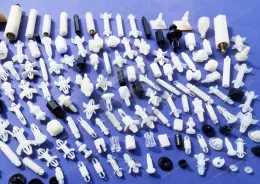
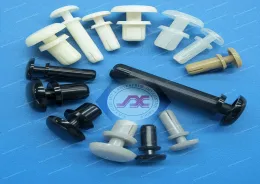
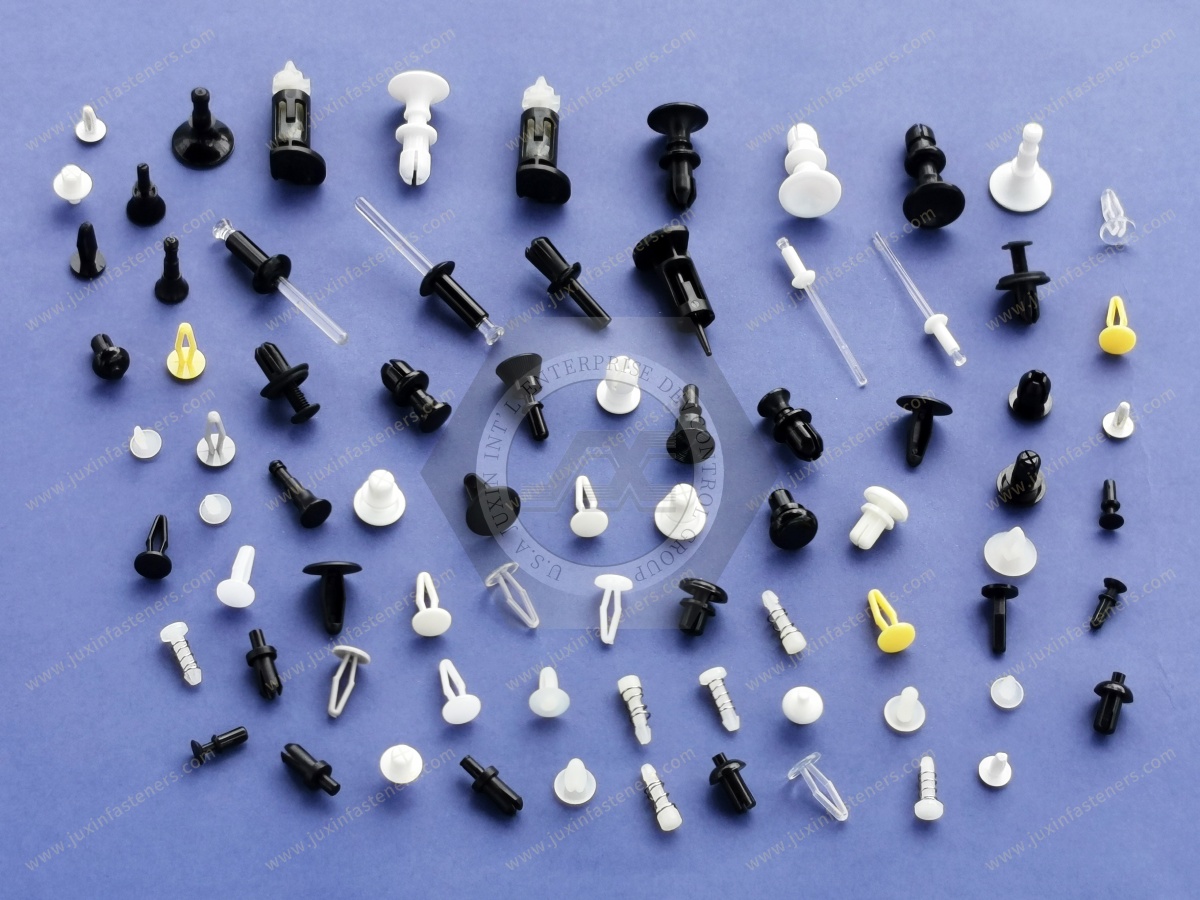
Arrowhead and barbed push fasteners provide rapid, one-piece mechanical retention for panels, trim components, wire harnesses,
cable-management hardware, covers, insulation components, and lightweight equipment assemblies.
Product Specification
Their principal advantage is assembly efficiency.
Instead of requiring a nut, threaded insert, or rear-side tightening operation, the molded fastener is pushed into a correctly sized mounting hole.
Flexible retaining features deflect during insertion and then recover sufficiently to engage the panel, hole wall, rear surface, or molded substrate geometry.
This makes arrowhead push fasteners, barbed push fasteners, nylon barbed clips, and related snap-in panel retainers particularly useful in high-volume OEM assembly.
Common applications include automotive interiors, commercial vehicles, appliances, HVAC equipment, industrial enclosures, electrical equipment,
electronics, wire harness routing, agricultural equipment, and machinery.
However, selecting a push-in fastener by stem diameter or appearance alone creates significant engineering risk.
Retention depends on the complete interface:
Fastener Geometry + Hole Geometry + Substrate Material + Panel Thickness / Hole Depth + Polymer Behavior + Environment
Juxin Fasteners supplies standard and custom arrowhead push fasteners, barbed plastic clips, plastic push rivets, panel retainers,
wire harness anchors, cable-management fasteners, and drawing-based custom molded plastic fasteners for industrial OEM applications.
Engineering and sourcing evaluation can begin from an existing manufacturer part number, OEM part number, 2D drawing,
3D CAD model, physical sample, mounting-hole dimensions, panel specification, or application requirement.
An arrowhead push fastener uses a molded retention feature shaped to compress during insertion and resist movement in the opposite direction after seating.
Depending on the design, the retaining geometry may engage:
the rear surface of a panel;
the edge of a through-hole;
the wall of a suitable blind hole;
a molded boss or cavity.
The characteristic geometry provides a different mechanical behavior from a conventional threaded fastener.
Installation generally requires axial insertion rather than rotation.
The engineering objective is therefore to establish a controlled relationship between:
Insertion Force ↔ Retention Force
The fastener must install without damaging the component while still providing sufficient resistance against unintended withdrawal.
“Barbed push fastener” is a broader engineering description for push-in components incorporating one or more retention barbs along the fastening stem.
Barbs can be designed to:
deflect during insertion;
engage a panel edge;
interfere with a hole wall;
accommodate limited dimensional variation;
resist axial withdrawal.
Depending on the product architecture, a barbed stem can be integrated with:
panel clips;
cable clips;
wire saddles;
cable tie mounts;
harness retainers;
trim clips;
component holders.
This means the push-fastener portion can perform the mounting function while the upper molded geometry performs another functional task.
These terms are sometimes used loosely in sourcing searches, but they should not automatically be treated as identical products.
Typically use a defined snap-type retention feature intended to deflect during insertion and engage after passing or entering the mounting interface.
Can use one or multiple molded barbs to resist extraction.
Usually use multiple flexible ribs or fins along the stem.
These ribs can provide engagement over a broader depth range in suitable applications.
The practical distinction is important because:
Similar appearance ≠ identical hole requirement or retention behavior.
A fir-tree clip should not automatically replace an arrowhead fastener merely because the nominal stem diameter appears similar.
See our Fir Tree Fasteners engineering solution for multi-rib push-in retention applications.
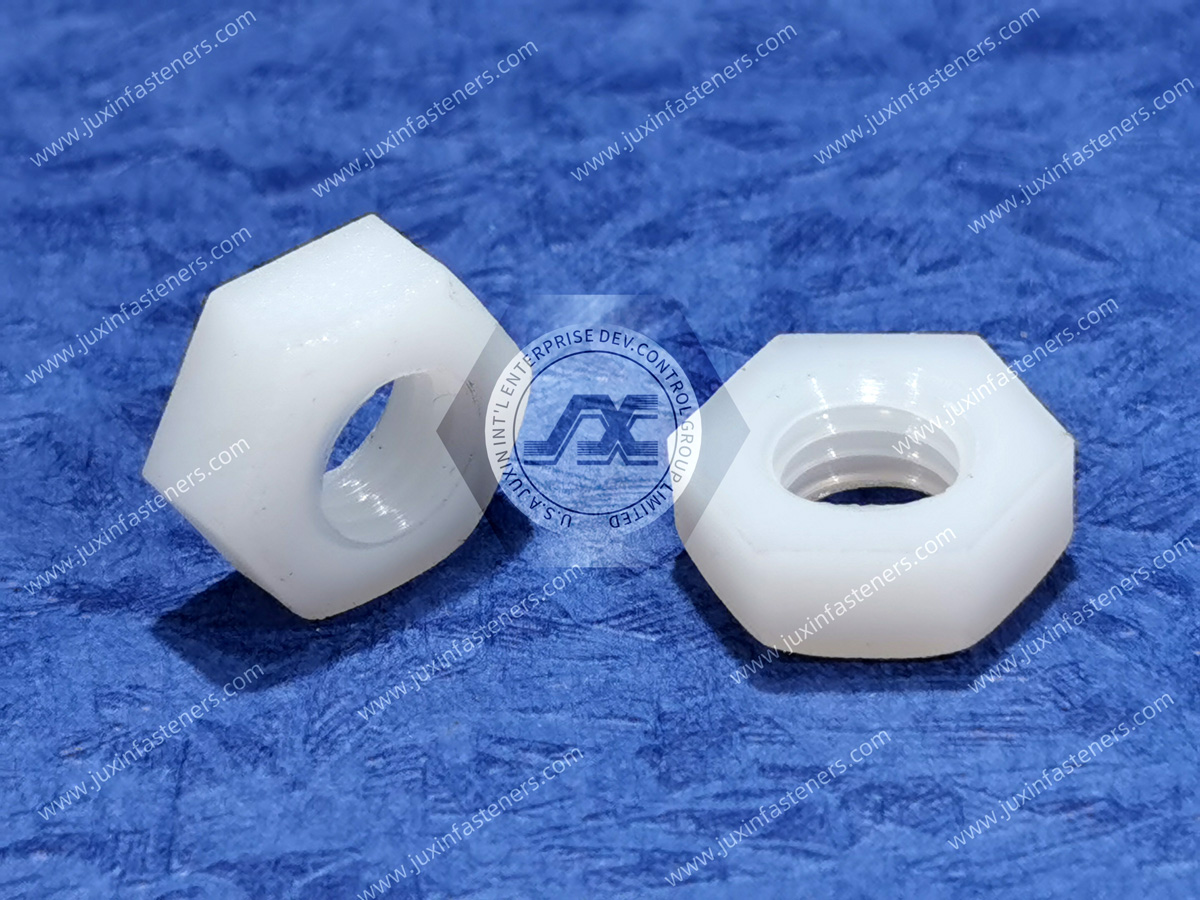
These fasteners use a defined retention shoulder or arrowhead-style feature.
After insertion, the retaining geometry engages the mounting interface.
They can provide:
fast installation;
tactile seating feedback;
low component count;
one-sided assembly.
The actual retention mechanism depends on the mating hole design.
Multi-barbed designs use two or more retaining features along the stem.
Depending on geometry, they may provide additional engagement positions or accommodate a limited range of substrate dimensions.
However:
More barbs ≠ automatically higher pull-out force.
Retention also depends on:
barb angle;
barb flexibility;
stem diameter;
hole diameter;
substrate stiffness;
engagement depth;
polymer material.
A barbed mounting stem can be integrated directly with a cable-management feature.
Examples include:
wire harness clips;
cable saddles;
cable tie mounts;
routing clips;
bundle retainers.
This reduces component count because one molded part provides both:
Chassis Attachment + Cable Retention
Such designs are common where assembly speed and controlled harness routing are important.
Panel clips can incorporate a barbed stem beneath a functional head.
The upper portion may support:
another panel;
insulation;
trim;
lightweight covers;
wire routing.
The mounting interface and retained-component interface should be evaluated separately.
Gemini's original description focuses heavily on blind holes, but arrowhead and barbed fasteners can be used in different mounting architectures.
The first engineering question should therefore be:
Is the receiving feature a through-hole or a blind hole?
In a through-hole design, the retaining feature may pass through the panel and engage the rear edge or rear surface.
Important parameters include:
hole diameter;
panel thickness;
rear clearance;
barb expansion;
pull-out resistance.
In a blind-hole application, there may be no accessible rear panel surface.
Retention may instead depend on interference with the hole wall or another internal geometry.
Important parameters include:
hole diameter;
hole depth;
taper;
substrate material;
bottom clearance;
stem geometry.
Therefore:
A fastener validated in a through-hole should not automatically be assumed suitable for a blind hole of the same nominal diameter.
The retention mechanisms can be fundamentally different.
The mounting hole is part of the fastening system.
It should not be treated as merely a clearance feature.
If the hole is too small, possible consequences include:
excessive insertion force;
barb damage;
stem buckling;
incomplete seating;
substrate damage;
assembly-tool overload.
If the hole is too large, possible consequences include:
reduced engagement;
low pull-out retention;
lateral movement;
panel rattle;
fastener rotation.
Therefore:
Nominal stem diameter ≠ required hole diameter.
The recommended hole size should be confirmed for the actual fastener geometry.
A design can perform correctly at nominal dimensions but become unstable near the production tolerance limits.
For example:
minimum hole diameter may produce excessive insertion force;
maximum hole diameter may produce inadequate pull-out retention.
This creates an engineering window:
Minimum Hole → Installation Limit
Maximum Hole → Retention Limit
A robust design must function across the intended manufacturing tolerance range rather than only at nominal size.
This is especially important for high-volume OEM production.
Mounting holes may be:
punched;
stamped;
drilled;
laser cut;
molded;
machined.
Each process can produce different edge and dimensional characteristics.
Relevant variables include:
burrs;
taper;
roundness;
edge radius;
coating buildup;
mold draft;
local deformation.
A fastener that performs correctly in a machined prototype hole may behave differently in a stamped production panel.
Therefore:
Prototype hole condition ≠ production hole condition.
Representative production validation is recommended where retention is critical.
For through-hole arrowhead designs, panel thickness can determine whether the retention feature fully clears the rear surface.
If the panel is too thick:
the arrowhead may not fully expand;
the barb may remain partially compressed;
insertion may appear complete while retention remains inadequate.
If the panel is too thin:
axial clearance may increase;
the retained component may rattle;
the fastener may not provide the intended seating condition.
Therefore:
Hole diameter and panel thickness must be evaluated together.
For blind-hole designs, available depth is another critical dimension.
If the hole is too shallow:
the fastener may bottom out before seating;
the barb may not reach its intended engagement zone;
the head may remain above the mounting surface.
If the hole is excessively deep, the issue may not necessarily be harmful, but the design must still provide engagement at the intended location.
The engineering review should therefore include:
usable hole depth;
stem length;
tip clearance;
barb position;
insertion stop geometry.
A barbed fastener installed into sheet steel behaves differently from one installed into molded plastic.
Common receiving substrates include:
steel;
stainless steel;
aluminum;
engineering plastics;
composite materials;
molded housings.
For metal panels, retention may depend strongly on:
panel edge;
thickness;
hole diameter.
For plastic substrates, additional factors can include:
substrate stiffness;
local creep;
wall thickness;
molded-hole geometry;
temperature.
Therefore:
Same hole diameter + different substrate ≠ necessarily same retention force.
This is a critical consideration during cross-reference and second-source qualification.
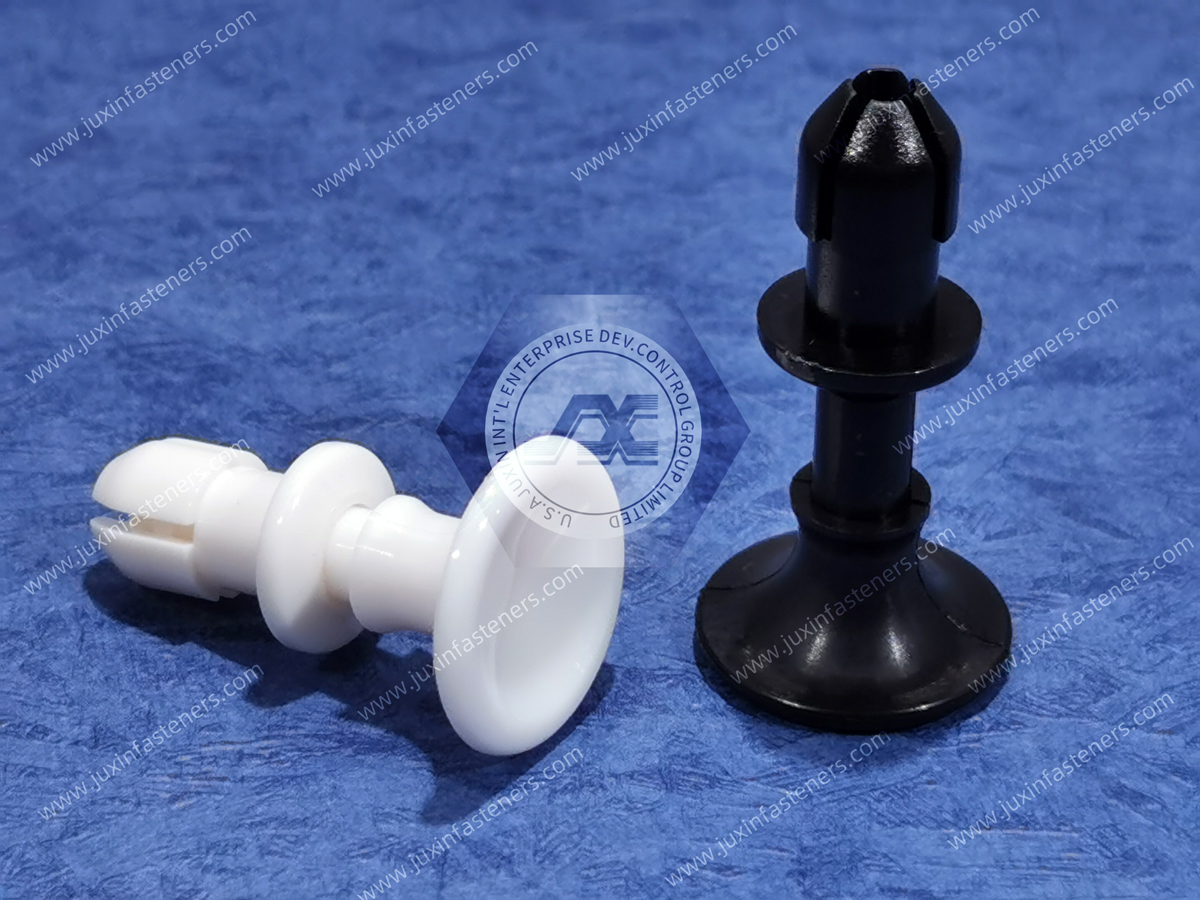
The geometry of a retaining barb can influence both assembly and pull-out behavior.
Relevant dimensions can include:
barb width;
barb thickness;
barb angle;
root radius;
stem diameter;
distance between retaining features;
free-state outside dimension.
A gradual insertion-facing geometry can reduce installation resistance, while the withdrawal-facing geometry can increase resistance to extraction.
However, aggressive retention geometry can also increase:
insertion stress;
panel damage;
removal difficulty;
barb strain.
The design objective is therefore not maximum retention at any cost.
It is:
Sufficient Retention + Acceptable Installation Force + Required Serviceability
This is one of the most useful engineering metrics for push-in fasteners.
The axial force required to install the fastener into the intended mounting interface.
Excessive insertion force can:
increase operator fatigue;
slow production;
damage flexible barbs;
deform panels;
create automated-assembly problems.
The axial force required to extract the fastener after installation.
Insufficient pull-out force can lead to:
panel separation;
harness movement;
clip release;
rattle;
vibration-related failure.
The ideal fastener does not simply have the highest possible pull-out force.
A more useful design target is a suitable relationship between installation effort and retention performance.
This is particularly important for design engineers.
A very aggressive barb may provide excellent static extraction resistance but create other problems:
difficult assembly;
panel deformation;
damage during service;
broken fasteners during removal;
high assembly-tool loads.
For a permanent attachment, high extraction resistance may be desirable.
For a serviceable assembly, controlled removal may be more important.
Therefore:
Retention requirement should be application-defined rather than maximized blindly.
Arrowhead and barbed fasteners cover different levels of serviceability.
The fastener is expected to remain installed for most or all of the product life.
High extraction resistance may be prioritized.
The component may be removed during repair but not during routine maintenance.
Some fastener damage or replacement during service may be acceptable.
If frequent removal and reinstallation are required, a dedicated Removable Plastic Rivet, threaded fastener, or another reusable panel fastening architecture may be more appropriate.
Therefore:
Arrowhead fastener ≠ automatically destructive fastener.
But it also should not automatically be assumed reusable.
The actual geometry determines serviceability.
See our Removable Plastic Rivets & Reusable Panel Fasteners guide for maintenance-access applications.
PA66 is commonly used for molded plastic push fasteners because suitable grades can provide a useful balance of:
strength;
stiffness;
toughness;
fatigue behavior;
molded detail;
flexible retention features.
However:
PA66 is a material family, not a complete performance specification.
Actual performance can vary with:
resin grade;
moisture condition;
heat stabilization;
impact modification;
additives;
component geometry.
Material requirements should therefore reflect the application rather than specifying “nylon” generically where performance is critical.
Polyamides absorb moisture from their environment.
This can influence:
stiffness;
toughness;
dimensions;
insertion force;
barb flexibility;
pull-out behavior.
A dry PA66 fastener and a moisture-conditioned PA66 fastener may not produce identical assembly forces.
Therefore:
Dry-as-molded performance ≠ conditioned in-service performance.
Where the fit window is narrow, moisture condition should be considered during engineering validation.
Impact-modified grades can be considered where additional toughness is required.
Potential applications can include:
low-temperature assembly;
shock-loaded equipment;
flexible retention features;
components exposed to rough service handling.
However, changes in polymer formulation can also affect:
stiffness;
dimensions;
thermal behavior;
retention force.
Material selection should therefore be validated against the actual joint.
Temperature can influence polymer stiffness and long-term behavior.
Relevant applications include:
automotive interiors;
engine-adjacent equipment housings where appropriately specified;
outdoor machinery;
HVAC equipment;
electrical enclosures;
industrial machinery.
For continuously stressed retaining features, long-term stress relaxation may also influence retention.
Therefore:
Initial room-temperature pull-out force ≠ guaranteed lifetime retention.
For long-life or high-temperature applications, material, geometry and environment should be considered together.
See our guide to Polymer Creep & Stress Relaxation in Plastic Fasteners for additional information.
Static pull-out testing is useful, but some applications are dominated by vibration.
Examples include:
vehicles;
agricultural machinery;
industrial machinery;
HVAC equipment;
material-handling equipment.
Vibration can expose problems such as:
axial movement;
panel rattle;
progressive hole wear;
clip rotation;
harness movement.
Therefore:
Static retention ≠ vibration qualification.
Representative assembly testing should be considered where dynamic loading is important.
A fastener can have sufficient extraction resistance while still allowing small axial or lateral movement.
That movement can generate:
buzz;
squeak;
rattle;
harness noise;
panel wear.
For automotive interiors, appliances, equipment housings, and commercial vehicles, anti-rattle performance may therefore be a separate engineering requirement.
Design teams should evaluate:
axial seating;
lateral clearance;
head bearing;
panel stack;
hole tolerance.
Plastic push fasteners are non-metallic and can help avoid a direct conductive fastening path at selected interfaces.
They can also avoid corrosion of the fastener itself in environments where a suitable polymer is used.
However:
Plastic fastener ≠ complete electrical insulation system.
Electrical performance depends on the complete assembly, including:
voltage;
creepage;
clearance;
contamination;
material properties;
equipment design.
Similarly, replacing a metal fastener with plastic does not automatically eliminate galvanic corrosion elsewhere in the assembly.
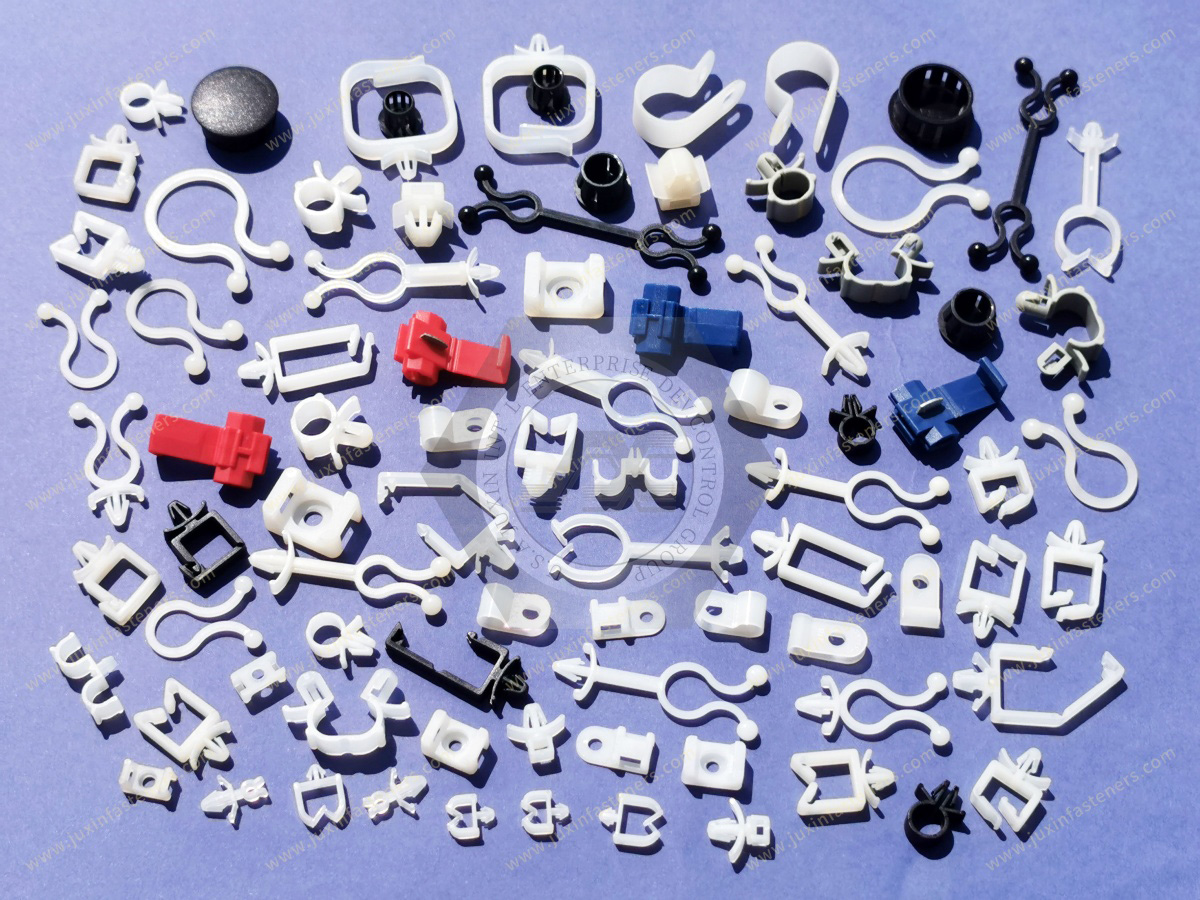
One of the most commercially important uses of barbed push fasteners is integrated cable management.
A molded component can combine:
Push-In Anchor + Cable Management Feature
Examples include:
barbed wire clips;
harness retainers;
cable saddles;
push-mount cable tie bases;
routing clips.
These components can reduce:
assembly steps;
separate hardware;
installation time;
tool requirements.
They are widely relevant to automotive electronics, industrial automation, electrical equipment, appliances, commercial vehicles, and machinery.
See our Nylon Cable Clips and Cable Tie Mounts solutions for related harness-routing hardware.
Arrowhead and barbed plastic fasteners can be used in suitable automotive applications including:
interior trim;
wire harness routing;
console assemblies;
door trim;
trunk trim;
lightweight covers;
electronic harness management.
Important engineering parameters include:
insertion force;
anti-rattle performance;
vibration;
temperature;
panel-hole consistency;
serviceability.
Commercial vehicles may use barbed clips for:
cabin trim;
harness routing;
interior covers;
electrical components;
service panels.
Vibration and long service life can make retention validation particularly important.
Potential applications include:
wire routing;
lightweight panel attachment;
insulation retention;
internal component mounting;
cable-management hardware.
Where electrical isolation or environmental performance is required, the complete equipment design must be evaluated.
Arrowhead and barbed push fasteners can support:
internal wiring;
lightweight trim;
control-panel components;
insulation retainers;
internal covers.
High-volume assembly makes installation force and cycle time commercially important.
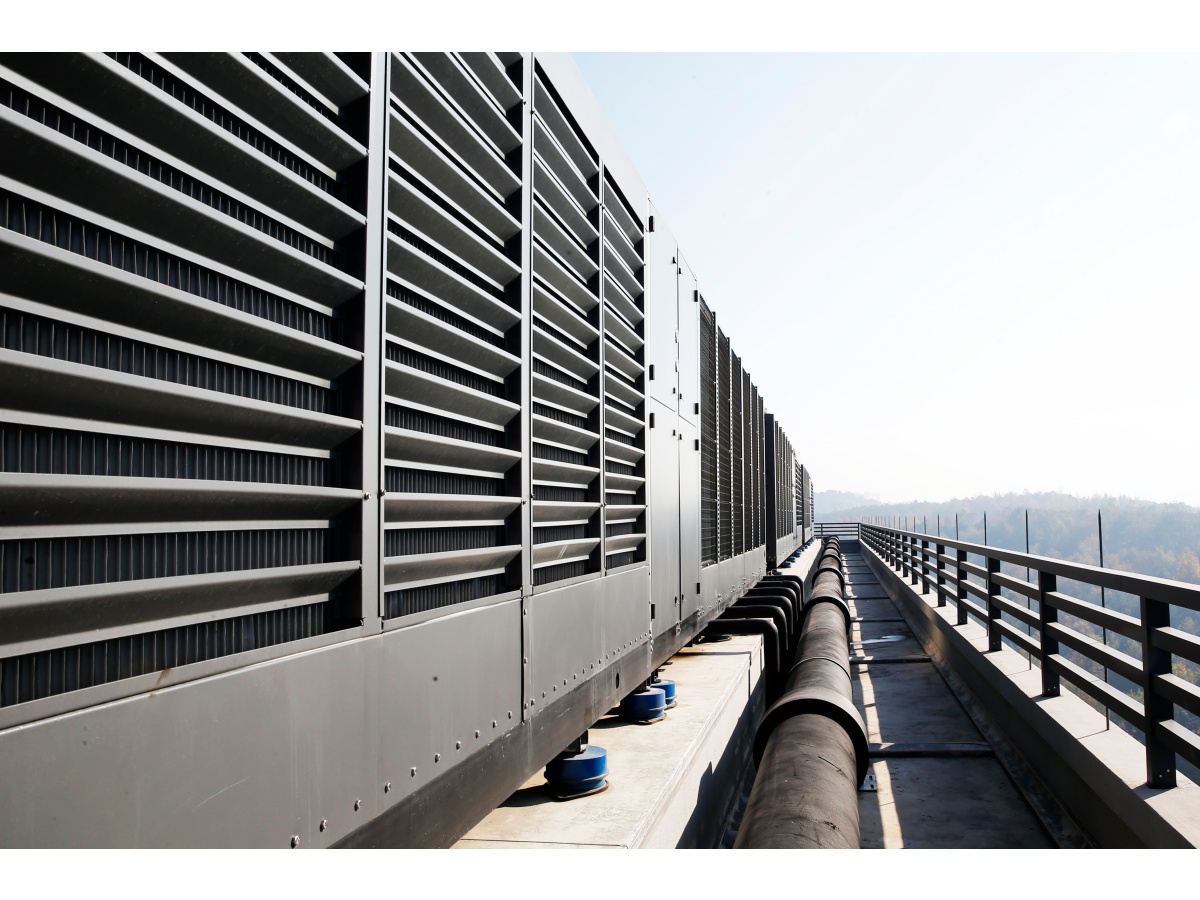
Potential applications include:
wire harness routing;
internal panels;
insulation;
airflow components;
control wiring.
Temperature, vibration and condensation conditions should be considered.
Potential applications include:
cab trim;
harness routing;
equipment covers;
control wiring;
lightweight interior panels.
Dust, vibration, temperature and outdoor exposure can increase qualification requirements.
Plastic push fasteners may be used in selected applications for:
internal cable routing;
electronics housings;
lightweight covers;
equipment panels.
Material and equipment-specific regulatory requirements must be evaluated for each project.
Possible causes:
undersized hole;
excessive panel thickness;
insufficient blind-hole depth;
burrs;
coating buildup;
incorrect fastener geometry.
Possible causes:
hole near minimum tolerance;
aggressive barb geometry;
stiff substrate;
unsuitable material condition;
dimensional mismatch.
Possible causes:
oversized hole;
insufficient barb engagement;
thin panel;
incorrect blind-hole geometry;
unsuitable substrate.
Possible causes:
excessive interference;
insufficient barb flexibility;
low-temperature condition;
damaged fastener;
incorrect installation alignment.
Possible causes:
axial clearance;
oversized hole;
incorrect head seating;
panel stack mismatch;
insufficient preload or seating force.
Possible contributors include:
polymer stress relaxation;
substrate creep;
temperature;
vibration;
hole wear;
repeated service.
This may be:
intentional for the design;
the result of aggressive retention geometry;
caused by incorrect service method;
an indication that a removable fastener architecture would be more appropriate.
A proper failure analysis should evaluate:
Fastener + Hole + Substrate + Geometry + Environment + Installation Process
rather than evaluating the fastener in isolation.
Procurement teams frequently receive requests such as:
“Find an equivalent plastic clip with the same stem diameter.”
That is not sufficient for reliable cross-referencing.
Two fasteners with the same nominal stem diameter can differ in:
required hole diameter;
barb outside diameter;
barb angle;
engagement depth;
panel thickness range;
head diameter;
insertion force;
pull-out force;
polymer;
serviceability.
Therefore:
Same stem diameter ≠ interchangeable fastener.
Second-source qualification should compare the complete functional interface.
Provide:
manufacturer part number;
OEM part number;
drawing;
CAD model;
physical sample;
photographs.
Define:
through-hole or blind-hole;
nominal hole diameter;
hole tolerance;
panel thickness;
blind-hole depth;
substrate material;
surface coating.
Define:
insertion-force requirement;
pull-out requirement;
anti-rattle requirement;
vibration;
expected serviceability.
Provide:
minimum temperature;
maximum temperature;
humidity;
UV exposure where applicable;
chemical exposure.
Compare:
body dimensions;
barb geometry;
head geometry;
material;
mounting interface.
Install samples into the actual production panel or a representative production-quality fixture.
Evaluate:
insertion;
seating;
retention;
rattle;
extraction;
surrounding-panel condition.
Where necessary, perform representative:
pull-out testing;
vibration testing;
temperature exposure;
environmental aging;
repeated assembly testing.
After engineering approval, proceed to:
commercial quotation;
quality requirements;
material documentation;
packaging;
supply planning.
Standard push fasteners cover many applications, but proprietary OEM assemblies may require custom geometry.
Custom development may involve:
special arrowhead geometry;
custom barb angle;
dedicated stem diameter;
non-standard engagement depth;
special head design;
integrated cable clip;
integrated cable tie mount;
custom panel interface;
specified polymer;
custom color.
Juxin Fasteners can support drawing-based custom plastic fastener sourcing through:
2D drawing review;
3D CAD review;
sample comparison;
dimensional analysis;
DFM discussion;
material evaluation;
tooling evaluation;
sample validation;
production sourcing.
See our Custom Molded Plastic Fasteners solutions for proprietary OEM fastening and cable-management components.
For faster engineering review and quotation, provide as much of the following information as possible.
manufacturer;
manufacturer part number;
OEM part number;
drawing;
CAD;
sample;
photographs.
through-hole or blind-hole;
mounting-hole diameter;
hole tolerance;
panel thickness;
blind-hole depth;
substrate material;
coating or finish.
stem diameter;
overall length;
engagement length;
head diameter;
head height;
barb dimensions where specified.
insertion force;
pull-out force;
vibration;
anti-rattle requirement;
permanent or serviceable joint.
minimum operating temperature;
maximum operating temperature;
humidity;
UV exposure;
chemical exposure;
expected service life.
PA66 or specified polymer;
impact-modified grade where required;
heat stabilization where required;
color;
flame-retardant requirement if applicable.
sample quantity;
production quantity;
expected annual usage;
delivery schedule;
RoHS declaration;
REACH declaration;
material documentation;
lot traceability;
inspection requirements.
Providing the complete interface allows engineering and sourcing teams to qualify the fastener based on functional performance rather than visual similarity.
Related Juxin Fasteners product and engineering solutions include:
Plastic Push Rivets for rapid panel assembly;
Fir Tree Fasteners for multi-rib push-in retention;
Removable Plastic Rivets for service-access applications;
Nylon Cable Clips for harness and cable routing;
Cable Tie Mounts for structured wire-bundle attachment;
Panel Fasteners for enclosure and equipment assembly;
Nylon Machine Screws for threaded fastening applications;
Custom Molded Plastic Fasteners for proprietary OEM mounting interfaces;
Polymer Creep & Stress Relaxation in Plastic Fasteners for long-term polymer retention analysis.
Each family solves a different mechanical problem and should be selected according to the actual mounting interface, retention requirement, environment, assembly process, and product lifecycle.
Juxin Fasteners supports OEM engineering teams, product designers, automotive engineers, harness engineers, procurement departments,
supplier-development engineers, strategic sourcing teams, and contract manufacturers requiring standard or custom plastic fastening components.
For arrowhead and barbed push fastener projects, the sourcing pathway can begin with:
Existing Part / Drawing / Sample → Hole & Substrate Review → Insertion & Retention Review → Material & Environment Review
→ Candidate Fastener → Sample Validation → Application Testing → Second-Source Qualification → Production RFQ
This process can support:
new product development;
high-speed push-in assembly;
wire harness mounting;
automotive trim retention;
industrial panel fastening;
replacement fastener sourcing;
supplier consolidation;
second-source qualification;
obsolete component replacement;
custom molded fastener development.
Send us your existing supplier part number, OEM part number, 2D drawing, 3D CAD model, physical sample, mounting-hole dimensions,
panel or substrate specification, retention requirements, operating environment, documentation requirements, and expected annual volume for technical review.
Email: info@juxinfasteners.com
Website: www.juxinfasteners.com
Product Packaging
Packaging Standard
At Juxin Fasteners, we apply standardized export packaging to ensure product protection, traceability, and compliance with international logistics requirements.
1. Standard Export Packaging
Unless otherwise specified, all products will be packed according to our factory standard export packaging, which includes:
Moisture-resistant inner protection
Poly bag or small box packing as required
Reinforced export cartons
Clear labeling with part number, specification, batch number, and quantity
Palletizing for sea or air shipment when necessary
Our standard packaging is designed to ensure safe transportation, efficient warehousing, and long-distance international shipping.
2. Customized Packaging Options
We also provide customized packaging solutions according to customer requirements, including but not limited to:
Private labeling
Customized barcodes
Specific carton dimensions
Retail packaging
Special pallet configuration
Customer-specific marking and identification
So that you know, customized packaging may involve additional costs and extended lead time depending on the complexity of the requirements.
3. Compliance & Quality Assurance
All packaging processes are controlled under our ISO 9001 quality management system to ensure consistency, traceability, and product integrity throughout the supply chain.
Product Pictures
Contact Us
Tel.:
+86 020 8621 0320
+86 020 3121 6067
E-mail:
Technical Support:
Navigation
SEND INQUIREY