Call Us
+86 136 6007 9809
Call Us
+86 136 6007 9809

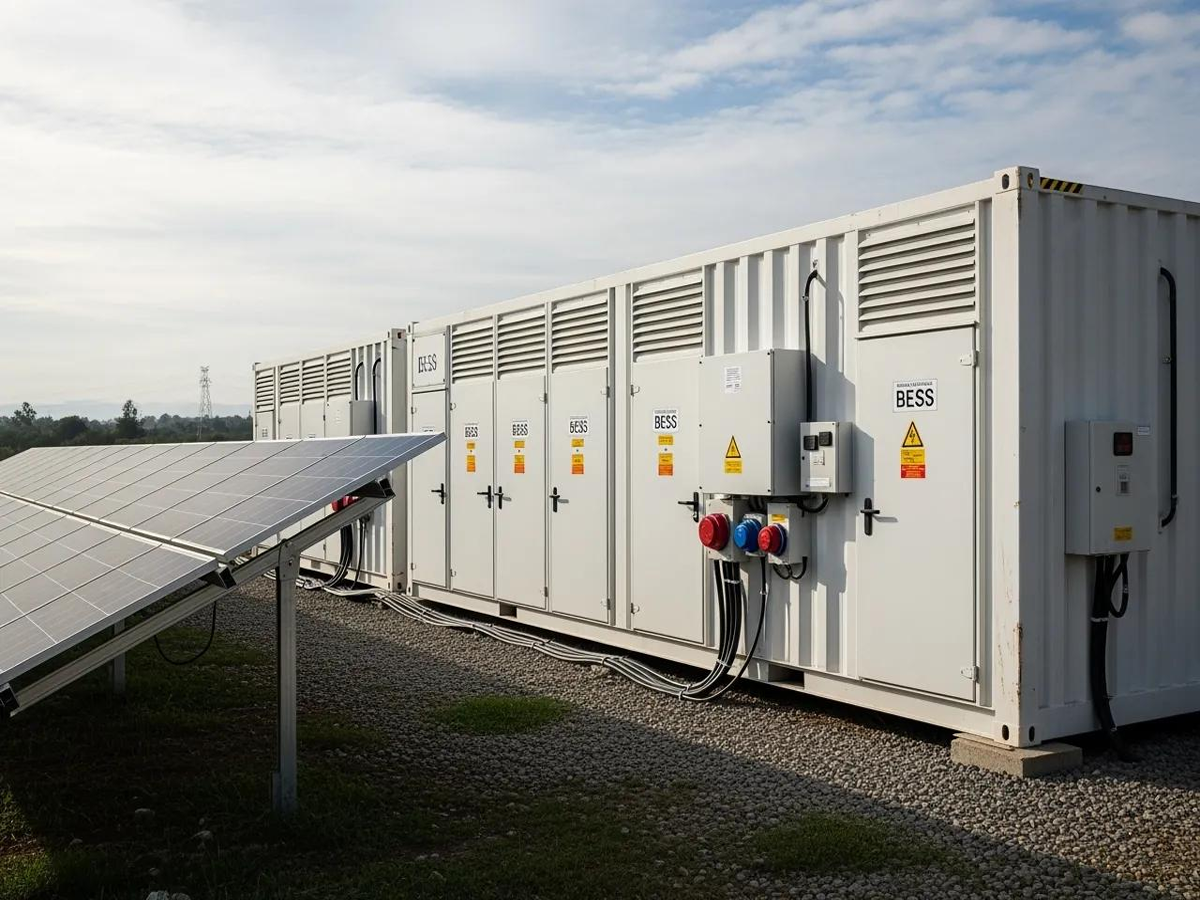
Photovoltaic solar installations, battery energy storage systems (BESS), wind energy equipment, power conversion systems, inverters,
and outdoor electrical infrastructure create demanding environments for plastic fasteners and cable management hardware.
Product Specification
Photovoltaic solar installations, battery energy storage systems (BESS), wind energy equipment, power conversion systems, inverters,
and outdoor electrical infrastructure create demanding environments for plastic fasteners and cable management hardware.
Depending on the installation, components may be exposed to ultraviolet radiation, thermal cycling, humidity, moisture, wind-induced movement,
vibration, cable loads, electrical equipment environments, and long periods of mechanical stress.
At the same time, BESS and renewable energy equipment increasingly combine high-voltage power circuits, battery management systems,
sensors, control electronics, thermal management equipment, power conversion hardware, and dense wire harnesses within compact enclosures.
This creates several different fastening and routing requirements.
Plastic and nylon hardware may be used to:
route PV and electrical cables;
support BMS and sensor wiring;
secure internal wire harnesses;
protect cables passing through sheet metal;
support PCBs and control electronics;
retain lightweight panels and covers;
close unused enclosure openings;
provide non-metallic mounting interfaces where appropriate;
support outdoor cable-management systems.
However, outdoor renewable energy applications require more than simply specifying “nylon.”
A plastic fastener suitable for an indoor electrical enclosure is not automatically suitable for direct outdoor solar exposure,
and a UV-stabilized polymer is not automatically suitable for every BESS or high-voltage application.
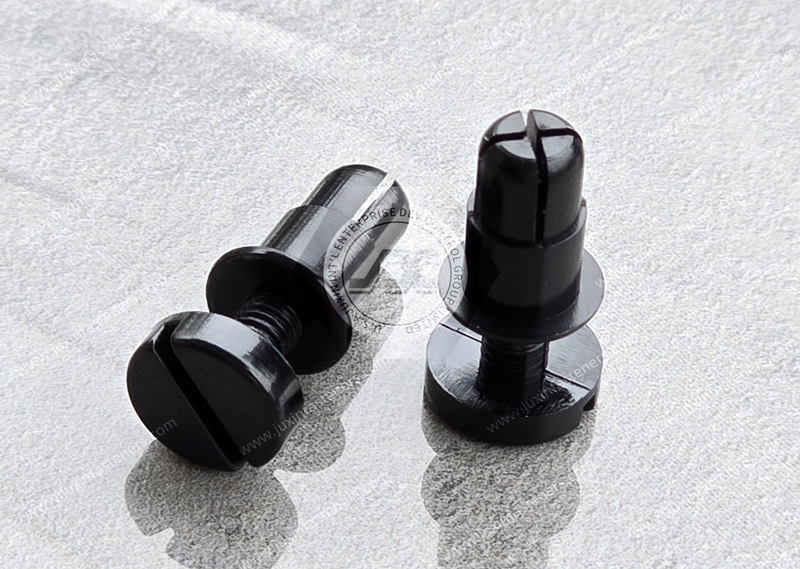
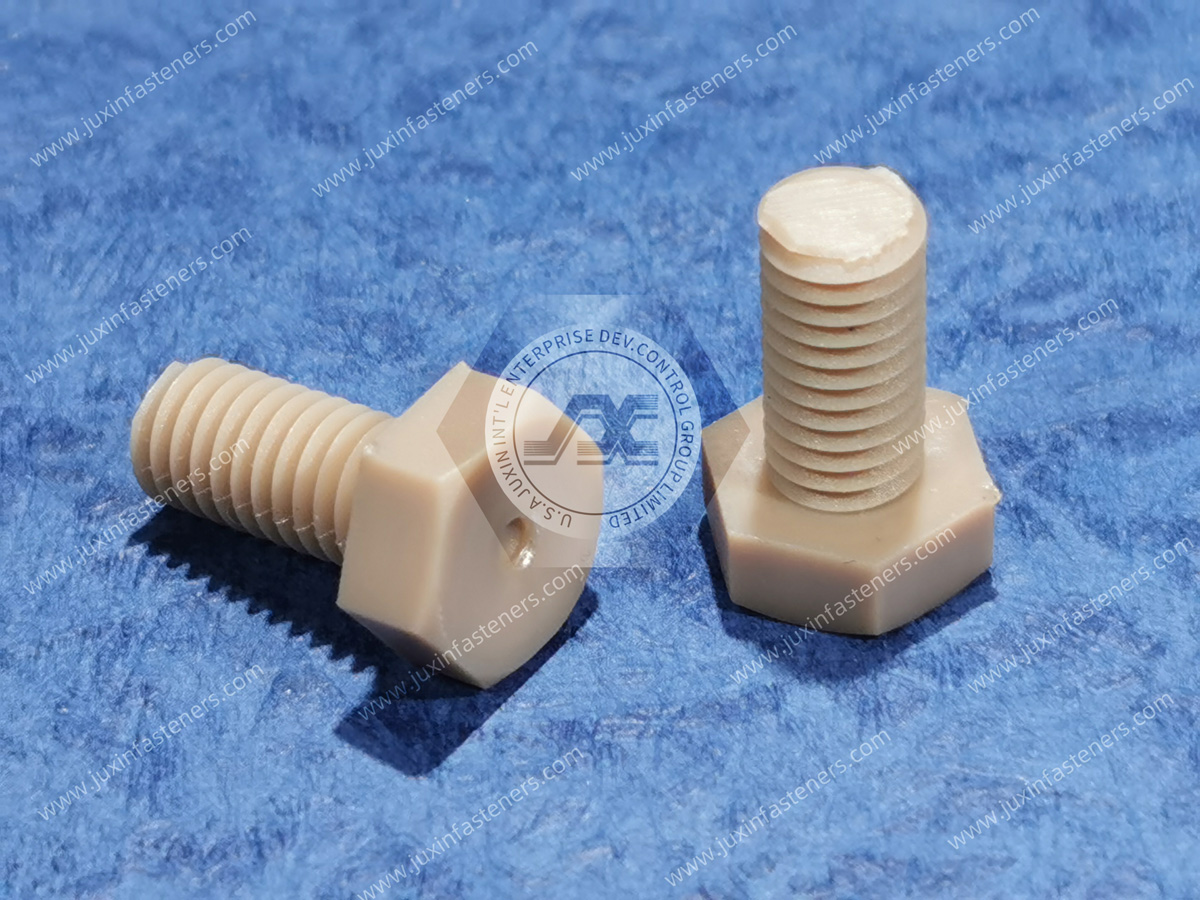
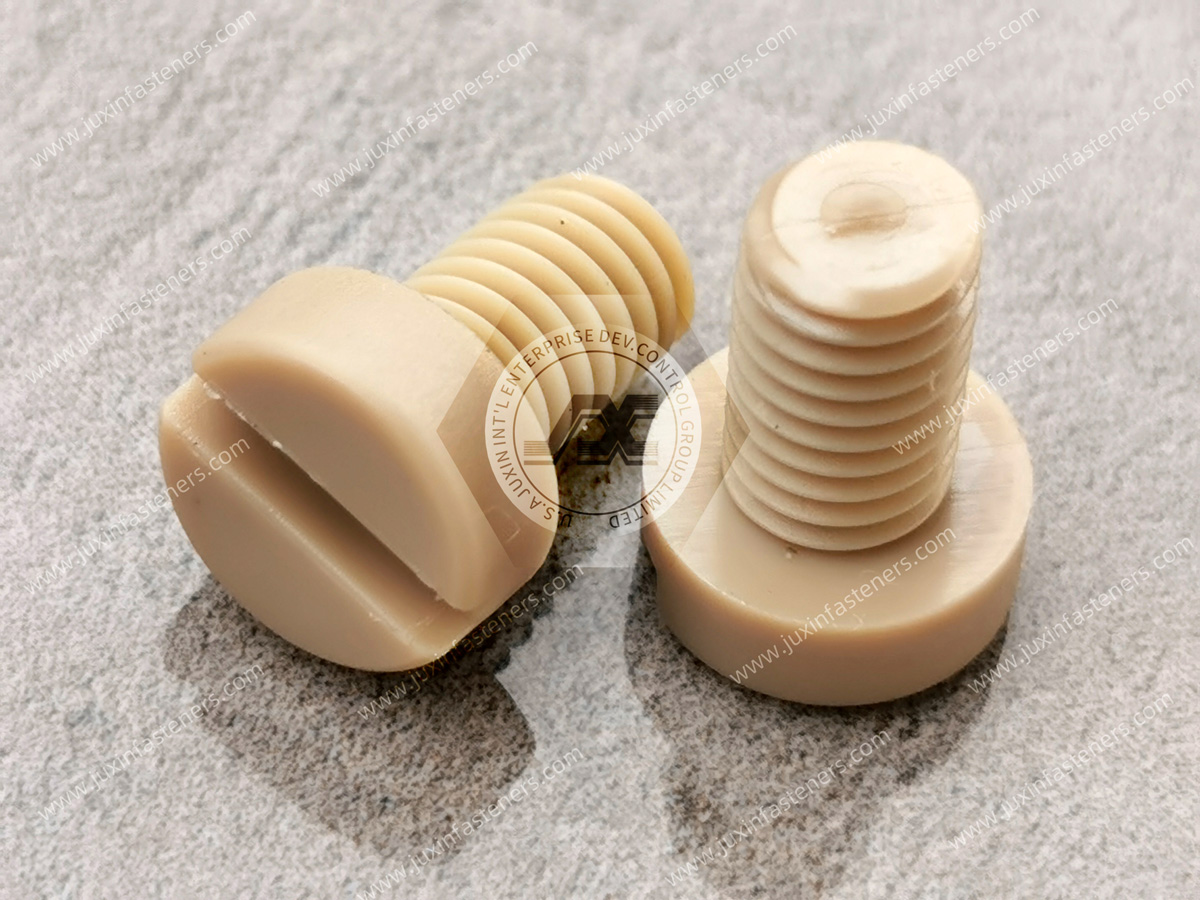
Juxin Fasteners supplies standard and custom plastic and nylon fastening components for solar equipment, battery energy storage systems,
power electronics, electrical enclosures, renewable energy equipment, and related industrial applications.
Product families include nylon P-clips, adjustable cable clamps, cable tie mounts, nylon snap bushings, strain relief bushings,
PCB supports, plastic spacers and standoffs, nylon push rivets, panel fasteners, panel hole plugs, nylon screws and nuts, and drawing-based custom molded plastic components.
For OEM sourcing and second-source projects, technical evaluation can begin from an existing supplier part number,
OEM part number, physical sample, 2D drawing, 3D CAD model, or application specification.
Different zones within renewable energy equipment impose very different requirements on plastic hardware.
A cable clip mounted directly below a PV module, a BMS harness clip inside a battery cabinet, and a snap bushing inside an inverter enclosure
should not automatically be specified using the same material or qualification criteria.
PV installations require controlled routing of cables between modules, junction boxes, optimizers, microinverters, string inverters, combiner equipment, and other system components.
Depending on the architecture, cable-management hardware may include:
solar cable clips;
nylon cable clamps;
P-clips;
cable tie mounts;
edge-mounted cable retainers;
custom molded cable-routing components.
Cable management is not simply an appearance issue.
Poor routing can allow cables to:
contact sharp edges;
hang below the intended routing zone;
experience repeated movement;
rub against mounting structures;
become unnecessarily stressed near connectors.
Outdoor cable-management components should therefore be selected according to the actual mechanical and environmental requirements of the installation.
Battery energy storage systems can contain extensive wiring for:
battery management systems;
voltage sensing;
temperature sensing;
communication;
contactors;
control electronics;
monitoring systems;
thermal management equipment;
power distribution.
Plastic cable-management hardware can help maintain controlled routing between battery modules, racks, control assemblies, and enclosure structures.
Depending on the application, engineers may evaluate:
nylon P-clips;
adjustable cable clamps;
cable tie mounts;
snap-in wire retainers;
custom molded harness clips.
However:
Bundle diameter ≠ harness load.
Two wire bundles with similar diameters can have different mass, stiffness, conductor construction, dynamic behavior, and service requirements.
Cable-management hardware should therefore be selected according to the actual harness rather than diameter alone.
Sheet metal enclosures used for inverters, combiner equipment, power conversion systems, and control electronics frequently require cable pass-through protection.
Depending on the required function, engineers may evaluate:
Nylon Snap Bushings for sheet metal edge protection;
Strain Relief Bushings for cable movement and retention;
Panel Hole Plugs for unused openings;
Closed Grommets for suitable unused cable-entry applications.
These products should not be treated as interchangeable.
Edge protection ≠ strain relief ≠ environmental sealing.
A snap bushing can protect a cable from a metal edge, but this does not automatically provide strain relief or a defined enclosure ingress rating.
Solar tracking systems introduce an additional challenge: movement.
Cables associated with tracker actuators, motors, sensors, controls, and power systems may experience repeated positional changes as the array moves.
A clamp that performs well on a stationary cable does not automatically perform well in a dynamic harness application.
Engineers should consider:
cable movement envelope;
bend location;
clamp spacing;
harness mass;
abrasion;
cable jacket;
repeated flexing;
attachment geometry;
environmental exposure.
Maximum clamp tightness ≠ maximum dynamic harness reliability.
Excessive compression can introduce localized stress, while insufficient retention can permit uncontrolled movement and abrasion.
Dynamic cable routing should therefore be evaluated as a system rather than selecting a clamp only by nominal cable diameter.
BESS, inverter, solar control, and power conversion equipment can contain:
monitoring boards;
communication boards;
control PCBs;
sensor interfaces;
auxiliary power electronics.
Plastic PCB supports and standoffs may provide:
controlled board spacing;
support above conductive chassis surfaces;
positioning;
snap-fit assembly in suitable designs;
reduced loose-hardware requirements.
Selection should consider:
PCB thickness;
board hole diameter;
chassis mounting hole;
standoff height;
connector loads;
board mass;
vibration;
local temperature;
service requirements.
Higher standoff height ≠ automatically better PCB support.
Support height changes mechanical leverage, board vibration, connector alignment, airflow, and packaging.
Renewable energy equipment may use nylon push rivets, panel fasteners, hole plugs, and other molded components for:
lightweight covers;
internal barriers;
airflow components;
protective panels;
unused cutouts;
accessory mounting.
The correct component depends on panel thickness, hole geometry, retention requirement, serviceability, and environmental exposure.
Outdoor polymer selection should consider the actual exposure rather than relying only on the generic material name.
Suitable UV-stabilized polyamide grades can be considered for outdoor components exposed to solar radiation.
UV stabilization may involve formulation strategies intended to reduce degradation caused by ultraviolet exposure.
However:
UV-stabilized does not mean unlimited outdoor service life.
Actual weathering performance depends on:
specific resin grade;
stabilizer package;
pigmentation;
component geometry;
mechanical stress;
UV exposure;
temperature;
moisture;
geographic environment;
required service duration.
Therefore, a specific service life should not be claimed without material data and application-specific validation.
Carbon black can contribute to UV protection in appropriately formulated polymer systems.
But color alone is not sufficient evidence of weatherability.
Black nylon ≠ automatically UV-qualified nylon.
Procurement teams should identify the actual resin requirement and required supporting documentation rather than relying on appearance.
Polyamides are hygroscopic and absorb moisture from their environment.
Moisture conditioning can influence:
stiffness;
toughness;
dimensions;
snap-fit behavior;
retention;
assembly characteristics.
In outdoor environments, moisture and temperature can change simultaneously.
Therefore:
Moisture conditioning should not be treated only as a toughness benefit. It changes the mechanical condition of the material.
For tight-tolerance or heavily loaded components, environmental conditioning should be considered during validation.
Renewable energy equipment can experience repeated heating and cooling.
Metal frames, enclosures, cables, and plastic components do not necessarily expand and contract at the same rate.
Thermal cycling can influence:
snap-fit preload;
clamp pressure;
panel engagement;
cable retention;
dimensional relationships;
long-term stress.
This is particularly relevant where plastic components are tightly engaged with aluminum or steel structures.
Room-temperature fit ≠ guaranteed performance across the full operating environment.
The complete interface should be evaluated under representative thermal conditions.
Heat-stabilized materials may be considered inside BESS, inverter, power conversion, and electrical equipment where local temperatures are elevated.
However:
Heat-stabilized nylon does not have one universal operating-temperature limit.
Suitability depends on:
specific resin grade;
component geometry;
mechanical load;
exposure duration;
moisture;
thermal aging;
application requirements.
The local component temperature should be considered rather than relying only on enclosure ambient temperature.
Some battery energy storage and electrical equipment applications may require defined flammability characteristics.
Flame-retardant polymer grades can be evaluated where specified.
However:
A flame-retardant resin classification does not automatically mean the finished plastic fastener carries an independent finished-component certification.
Where UL 94 or another flammability requirement applies, the RFQ should identify:
required classification;
resin requirements;
relevant thickness;
color where applicable;
required documentation;
equipment-level compliance requirements.
Specific resin grade and applicable test conditions should be confirmed.
Plastic components can be useful where engineers want to avoid a direct conductive fastener path at a particular interface.
They may also help separate components from conductive chassis surfaces.
However:
Plastic fastener ≠ complete high-voltage insulation system.
Electrical safety depends on the complete assembly.
Relevant considerations can include:
working voltage;
creepage distance;
clearance distance;
dielectric requirements;
pollution conditions;
material properties;
surface condition;
geometry;
applicable equipment standards.
A nylon spacer or cable clamp should therefore not be described as automatically making a BESS or high-voltage assembly compliant.
The electrical design engineer should define the isolation architecture first.
Polymer components can remove a direct metal-to-metal interface at selected locations.
This may be useful around aluminum structures or other dissimilar-metal assemblies.
However:
Using one plastic fastener does not eliminate every galvanic corrosion path in a renewable energy system.
The complete assembly should consider:
metal combinations;
coatings;
moisture;
conductive paths;
grounding;
joint design;
environmental exposure.
Plastic hardware can be one part of that strategy, but it should not be treated as a universal corrosion solution.
Plastic components under sustained mechanical load can experience creep and stress relaxation.
This is particularly relevant for:
continuously loaded cable clamps;
deflected snap features;
PCB supports;
panel retainers;
components exposed to elevated temperature.
A clamp that feels secure immediately after installation may not maintain exactly the same clamping condition indefinitely.
Therefore:
Initial clamping force ≠ long-term retention performance.
For critical harness retention, long-term mechanical and environmental conditions should be considered during validation.
Outdoor solar equipment can be exposed to wind, snow, ice, and structural movement.
However, the structural loading of the PV array should not automatically be assigned directly to a small plastic cable clip.
The relevant question is:
What load and movement actually reach the cable-retention component?
This depends on:
cable routing;
clip spacing;
harness mass;
frame movement;
installation geometry;
environmental conditions.
Cable-management components should be validated for their actual mechanical function rather than described as carrying the structural wind or snow load of the solar array.
Renewable energy equipment may encounter:
cleaning agents;
oils or greases;
atmospheric contaminants;
salt-containing environments;
industrial chemicals;
coolant or thermal-management fluids in some equipment.
Polymer resistance varies by resin grade, chemical, concentration, temperature, stress, and exposure duration.
Plastic ≠ universal chemical resistance.
Where chemical exposure is relevant, compatibility should be evaluated specifically.
Understanding how components fail provides more useful engineering guidance than simply specifying a generic “weather-resistant fastener.”
Possible contributors include:
unsuitable resin;
insufficient UV stabilization;
long-term solar exposure;
combined thermal and mechanical stress.
Possible causes include:
incorrect bundle range;
creep;
stress relaxation;
vibration;
thermal cycling;
incompatible mounting interface.
Possible causes include:
uncontrolled movement;
sharp metal edges;
incorrect bushing;
inappropriate clamp geometry;
insufficient routing support.
Possible causes include:
incorrect clamp location;
excessive bend concentration;
insufficient movement allowance;
over-tight clamping;
repeated tracker movement.
Possible contributors include:
incorrect mounting hole;
panel thickness mismatch;
excessive insertion stress;
environmental aging;
material condition.
Possible causes include:
incorrect board or chassis hole;
excessive unsupported board span;
connector loads;
vibration;
unsuitable material/environment combination.
Potential causes include:
creep;
stress relaxation;
unsuitable resin grade;
excessive sustained load.
A panel plug, snap bushing, or closed grommet may close or protect an opening without providing a specified liquid-tight or IP-rated interface.
Closed-end ≠ waterproof.
| Application Requirement | Plastic Hardware to Evaluate |
|---|---|
| Route fixed PV cable | Nylon P-Clip / Suitable Cable Clip |
| Manage variable cable bundle | Adjustable Cable Clamp |
| Secure harness with cable tie | Cable Tie Mount |
| Protect cable through sheet metal | Nylon Snap Bushing |
| Manage cable movement at enclosure entry | Strain Relief Bushing |
| Support BMS or control PCB | Snap-Fit PCB Support / Plastic Standoff |
| Retain lightweight enclosure panel | Nylon Push Rivet / Panel Fastener |
| Close unused enclosure opening | Panel Hole Plug / Closed Grommet |
| Dynamic tracker cable routing | Application-Specific Cable Clamp / Custom Retainer |
| Non-standard renewable energy interface | Custom Molded Plastic Fastener |
The correct product should be selected by function, environment, and interface—not simply because it is described as outdoor plastic hardware.
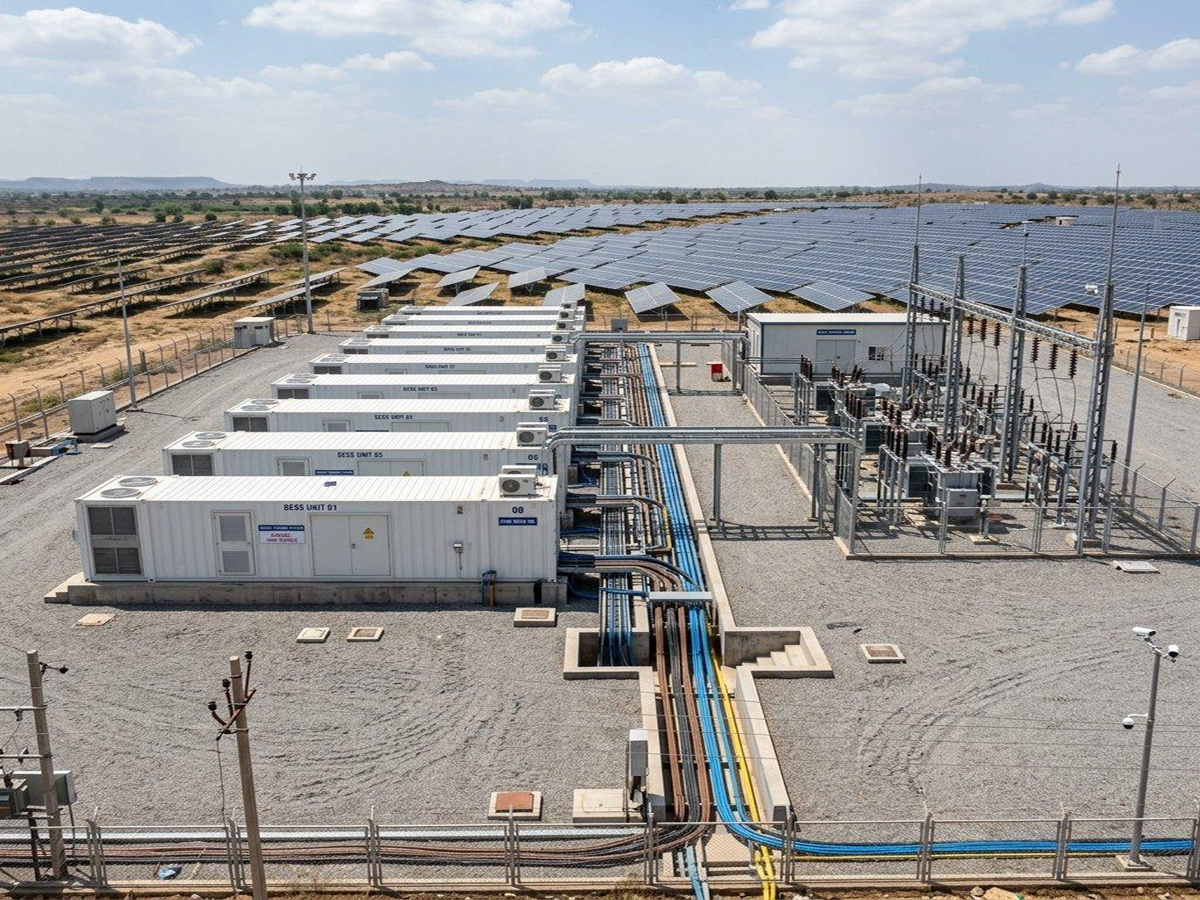
Potential plastic hardware applications include:
module cable routing;
inverter wiring;
sensor cable retention;
cable tie mounting;
panel edge protection;
enclosure hole closure.
Exterior components require particular attention to UV and weather exposure.
BESS plastic hardware can support:
BMS harness routing;
sensor wiring;
monitoring electronics;
control PCB mounting;
thermal-management wiring;
internal cable organization;
lightweight enclosure components.
BESS hardware should be evaluated according to the actual internal thermal, electrical, mechanical, and material requirements.
Applications may include:
PCB support;
internal cable routing;
snap bushings;
strain relief;
panel plugs;
airflow component retention.
Local temperature near power electronics can be more important than general enclosure ambient temperature.
Tracker equipment can require:
actuator cable routing;
sensor wiring retention;
moving harness management;
outdoor clips and clamps.
Dynamic movement should be included in the design rather than treating the cable as a static bundle.
Plastic cable-management and enclosure hardware may be used for:
sensor wiring;
control harnesses;
internal electrical equipment;
cable routing;
panel interfaces.
Vibration, movement, temperature, and environmental exposure should be considered according to the specific installation location.
Many similar component families can also support:
charging equipment;
power cabinets;
control electronics;
outdoor electrical enclosures;
auxiliary power systems.
However, requirements should be evaluated according to the specific equipment rather than assuming all renewable-energy applications are equivalent.
Renewable energy OEMs and equipment manufacturers may need to qualify alternative sources for existing cable-management or molded plastic components.
An existing manufacturer part number provides a useful reference, but it does not prove functional interchangeability.
Visual similarity ≠ functional interchangeability.
Depending on the component, second-source evaluation should compare:
mounting dimensions;
panel thickness;
mounting-hole geometry;
cable or bundle range;
locking mechanism;
retention geometry;
material;
resin grade;
UV requirement;
flame-retardant requirement;
temperature environment;
chemical exposure;
installation method;
serviceability.
Provide:
existing supplier part number;
OEM internal part number;
2D drawing;
3D CAD;
physical sample;
clear photographs.
Depending on the component, identify:
cable diameter;
bundle range;
panel hole;
panel thickness;
PCB thickness;
board hole;
mounting rail or frame geometry;
mating component.
Specify:
indoor or outdoor location;
direct or indirect UV exposure;
temperature conditions;
humidity;
moisture exposure;
vibration;
movement;
chemical exposure.
Identify:
polymer specification;
UV-stabilization requirement;
heat-stabilization requirement;
flame-retardant requirement;
color;
project-specific material documentation.
Samples should be evaluated in the actual production assembly or a representative fixture.
Depending on the component, validation can include:
installation behavior;
retention;
cable fit;
routing;
movement allowance;
panel fit;
board fit;
removal or serviceability.
Following engineering approval, procurement teams can proceed with commercial evaluation, quality documentation, packaging, traceability requirements, and production sourcing.
Standard cable clips and fasteners cover many common applications, but renewable energy equipment may require dedicated geometries.
Custom molded plastic components may be considered for:
proprietary solar frame interfaces;
custom cable routing;
BESS harness retention;
dedicated sensor wiring;
unusual panel cutouts;
integrated mounting features;
obsolete component replacement;
application-specific polymer requirements.
Juxin Fasteners can support drawing-based custom plastic component sourcing through:
2D drawing review;
3D CAD review;
dimensional and interface evaluation;
DFM discussion;
resin selection according to project requirements;
tooling evaluation;
prototype or sample validation;
production sourcing.
See our Custom Molded Plastic Fasteners solutions for non-standard renewable energy applications.
For efficient engineering review and quotation, provide the information relevant to the application.
existing supplier part number;
OEM part number;
drawing;
CAD model;
physical sample;
product photographs.
cable type;
cable diameter;
bundle range;
cable jacket material where relevant;
static or dynamic routing;
mounting method;
clip spacing requirement if defined;
movement envelope where relevant.
mounting-hole diameter or geometry;
panel thickness;
panel material;
coating or finish;
installation direction.
PCB thickness;
board hole diameter;
chassis mounting hole;
standoff height;
retention style;
significant connector or mechanical loads where relevant.
required polymer;
indoor or outdoor use;
direct UV exposure;
temperature requirement;
humidity;
chemical exposure;
flame-retardant requirement;
color;
required weathering documentation.
sample quantity;
expected annual volume;
production schedule;
material documentation;
RoHS declaration;
REACH declaration;
lot traceability;
dimensional inspection requirements;
customer-specific documentation.
The more accurately the application is defined, the more effectively a candidate component can be evaluated.
Renewable energy equipment normally requires multiple plastic hardware families working together.
Related Juxin Fasteners solutions include:
Nylon P-Clips for fixed cable routing;
Adjustable Cable Clamps for variable harness sizes;
Cable Tie Mounts for tie-based cable retention;
Nylon Snap Bushings for sheet metal cable-edge protection;
Strain Relief Bushings for cable-entry retention;
Plastic Spacers and Standoffs for PCB and component spacing;
Snap-Fit PCB Supports for control electronics;
Nylon Push Rivets for lightweight panels and internal hardware;
Panel Hole Plugs and Closed Grommets for unused enclosure openings;
EV Battery Pack Plastic Fasteners for related battery and high-voltage equipment;
Custom Molded Plastic Fasteners for proprietary renewable energy interfaces.
These components should be selected according to actual mechanical function, environmental exposure, and mating interface rather than simply by material family.
Juxin Fasteners supports solar equipment manufacturers, battery energy storage system manufacturers, power electronics companies, renewable energy OEMs,
electrical enclosure manufacturers, engineering teams, contract manufacturers, procurement departments, and supplier-development programs requiring standard or custom plastic fastening components.
For solar, BESS, and renewable energy projects, the sourcing path can begin with:
Existing Part Number / Drawing / Sample → Application & Environmental Review → Interface & Material Evaluation → Candidate Component
→ Sample Validation → Second-Source Qualification → Production RFQ
This process can support:
photovoltaic equipment development;
battery energy storage systems;
BMS harness management;
inverter and power conversion equipment;
solar tracker cable routing;
wind energy equipment;
outdoor power infrastructure;
second-source qualification;
obsolete component replacement;
supplier consolidation;
custom molded plastic component development.
Send us your existing supplier part number, OEM part number, drawing, CAD model, physical sample, cable or PCB information,
mounting interface, material requirements, environmental conditions, documentation requirements, and expected annual volume for technical review.
Email: info@juxinfasteners.com
Website: www.juxinfasteners.com
Product Packaging
Packaging Standard
At Juxin Fasteners, we apply standardized export packaging to ensure product protection, traceability, and compliance with international logistics requirements.
1. Standard Export Packaging
Unless otherwise specified, all products will be packed according to our factory standard export packaging, which includes:
Moisture-resistant inner protection
Poly bag or small box packing as required
Reinforced export cartons
Clear labeling with part number, specification, batch number, and quantity
Palletizing for sea or air shipment when necessary
Our standard packaging is designed to ensure safe transportation, efficient warehousing, and long-distance international shipping.
2. Customized Packaging Options
We also provide customized packaging solutions according to customer requirements, including but not limited to:
Private labeling
Customized barcodes
Specific carton dimensions
Retail packaging
Special pallet configuration
Customer-specific marking and identification
So that you know, customized packaging may involve additional costs and extended lead time depending on the complexity of the requirements.
3. Compliance & Quality Assurance
All packaging processes are controlled under our ISO 9001 quality management system to ensure consistency, traceability, and product integrity throughout the supply chain.
Product Pictures
Contact Us
Tel.:
+86 020 8621 0320
+86 020 3121 6067
E-mail:
Technical Support:
Navigation
SEND INQUIREY