
Call Us
+86 136 6007 9809
Call Us
+86 136 6007 9809

Apr. 14, 2026
High-Performance Fastening Solutions in Motorsport: Why DIN985 Nylon Lock Nuts in Aluminum and Titanium Are Essential
In the world of high-performance engineering, especially in motorsport applications such as racing motorcycles and superbikes, every gram of weight and every millimeter of reliability matters. Components are constantly exposed to extreme vibration, rapid acceleration, high temperatures, and mechanical stress. Under these conditions, fastening systems play a critical role in safety and performance.
One of the most widely used solutions in this field is the DIN985 nylon insert lock nut, especially when manufactured in lightweight materials such as aluminum and titanium.
Why Fastening Matters in Racing Motorcycles
Motorsport environments—such as those seen in professional racing series and high-performance motorcycles from manufacturers like BMW Motorrad, Ducati, and Yamaha Motor—push mechanical systems to their limits.
In these applications, fasteners must resist:
Continuous high-frequency vibration
Sudden torque load changes
Thermal expansion and contraction
Shock loads from acceleration, braking, and track impacts
Standard fasteners often fail under these combined conditions unless a locking mechanism is integrated.
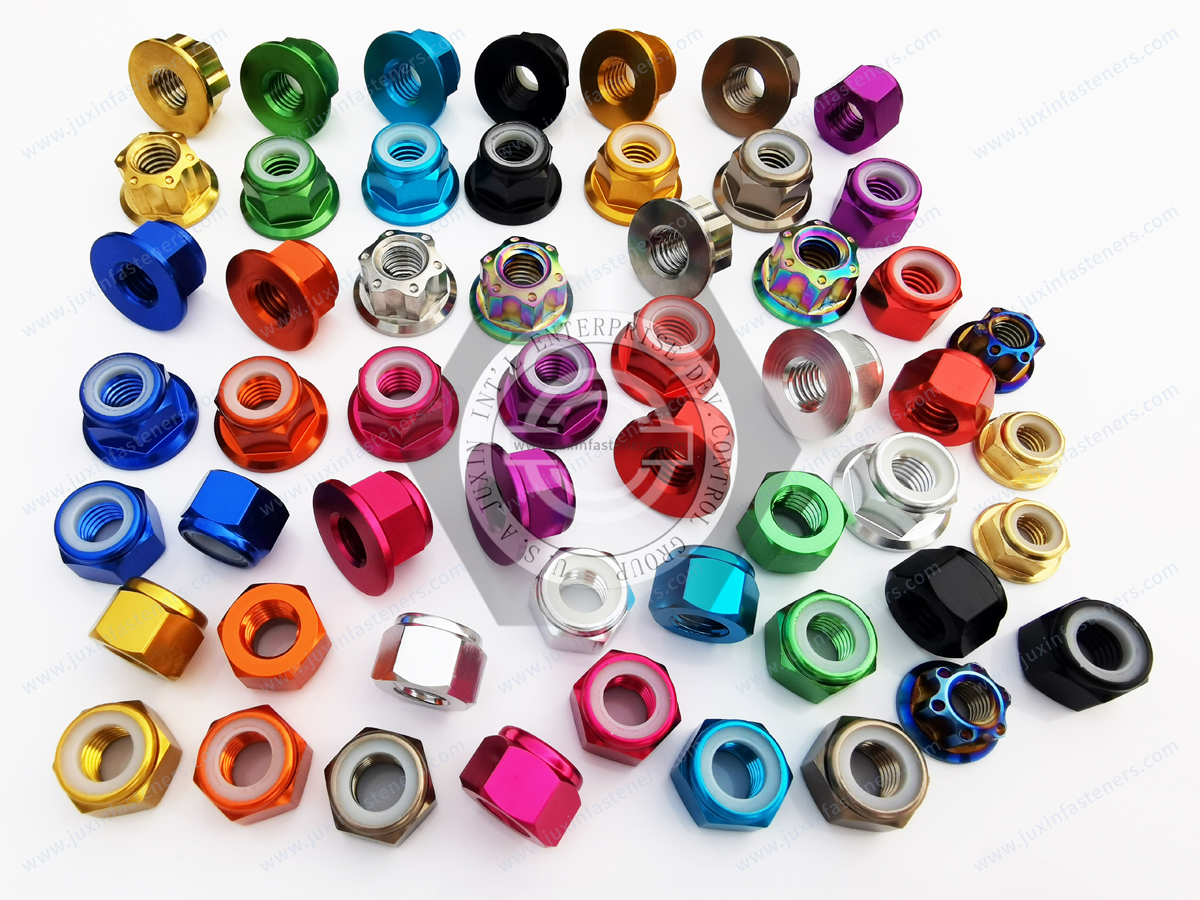
What Makes DIN985 Nylon Lock Nuts Ideal?
The DIN985 nylon insert lock nut features a polymer insert that provides friction against the screw threads. This prevents loosening caused by vibration and dynamic loads.
Key advantages include:
Reliable anti-loosening performance without additional adhesives
Reusable in controlled applications
Stable locking force under vibration
Simple and cost-effective design
In motorsport environments, this reliability is essential for safety-critical assemblies.
Why Aluminum and Titanium Versions Are Used in Motorsport
While standard carbon steel fasteners provide strength, racing applications demand weight reduction without sacrificing performance.
Aluminum DIN985 Lock Nuts
Aluminum versions are widely used where extreme weight reduction is required.
Benefits include:
Extremely lightweight
Good corrosion resistance
Suitable for non-critical or medium-load assemblies
Ideal for racing body panels and auxiliary systems
However, aluminum is generally used where torque requirements are controlled and carefully engineered.
Titanium DIN985 Lock Nuts
Titanium fasteners are the premium solution for high-performance motorsport engineering.
Advantages include:
Exceptional strength-to-weight ratio
High fatigue resistance
Excellent corrosion resistance
Stable performance under extreme temperatures
Titanium lock nuts are commonly found in engine components, chassis connections, and high-stress structural points in racing motorcycles.
Real-World Motorsport Applications
DIN985 nylon insert lock nuts in aluminum and titanium are widely applied in:
Racing motorcycle chassis assemblies
Suspension systems
Brake system mounting points
Engine covers and guards
Fairing and lightweight structural components
In high-level racing, even small improvements in fastener performance contribute to overall reliability and safety.
Engineering Considerations
When selecting fasteners for motorsport applications, engineers must consider:
Torque specification and preload control
Material compatibility (galvanic corrosion prevention)
Temperature exposure range
Reusability vs. safety-critical single use
Vibration profile of the assembly
Proper selection ensures that fastening systems enhance rather than limit vehicle performance.
Conclusion
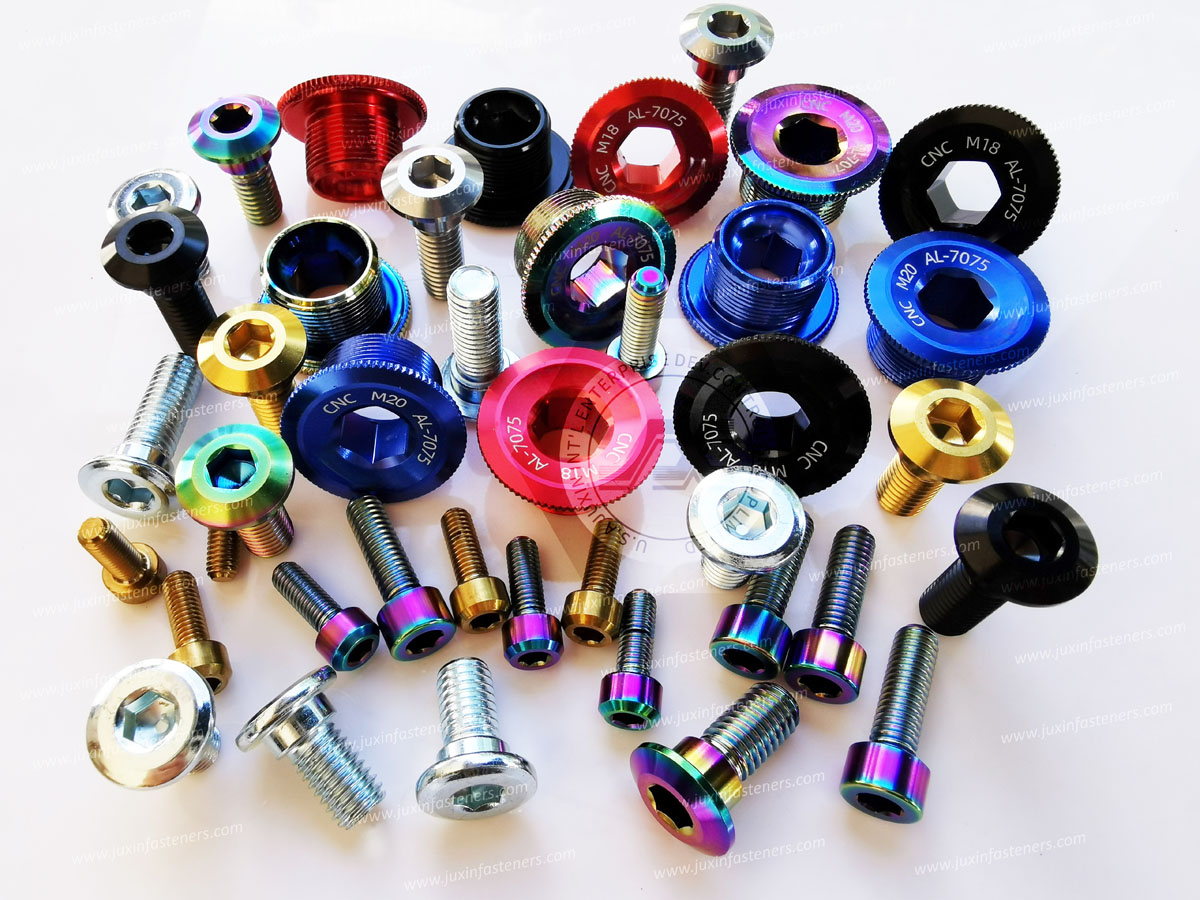
In modern motorsport engineering, especially in high-performance motorcycle applications, DIN985 nylon insert lock nuts made from aluminum and titanium have become essential components. They combine vibration resistance, weight reduction, and mechanical reliability—key factors in racing success.
As performance demands continue to increase, advanced fastening solutions will remain a critical part of motorsport innovation.
 MORE NEWS
Sep. 27, 2026
Sep. 27, 2026
Sep. 27, 2026
Contact Us
Tel.:
+86 020 8621 0320
+86 020 3121 6067
E-mail:
Technical Support:
Navigation
SEND INQUIREY