Call Us
+86 136 6007 9809
Call Us
+86 136 6007 9809

Miniature Self-Clinching Fasteners & Self-Locking Nuts | Engineering Guide to Anti-Loosening Solutions for High-Reliability Assemblies
Introduction: Solving Fastener Loosening in Precision Mechanical Systems
In modern mechanical assembly, fastener loosening under vibration and dynamic load is one of the most persistent engineering challenges. It can lead to structural failure, electrical malfunction, unexpected downtime, and increased maintenance costs across industries such as electronics, automotive systems, industrial machinery, and sheet metal fabrication.
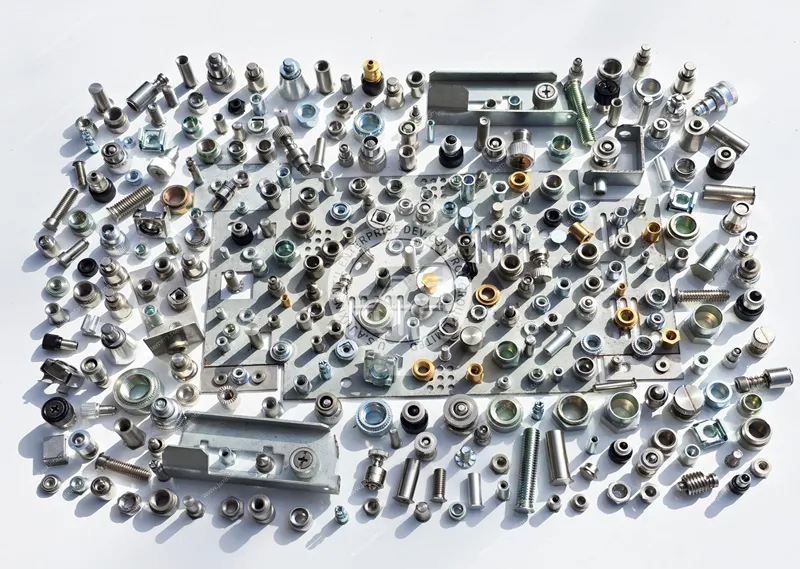
Miniature Self-Clinching Fasteners and Self-Locking Nuts provide an advanced engineering solution to this problem. Designed for thin sheet materials and compact assemblies, they deliver permanent or semi-permanent anti-loosening performance through controlled mechanical deformation and friction-based locking mechanisms.
This article explains the working principles, material selection criteria, and engineering application guidelines for miniature self-clinching fasteners, self-locking nuts, and anti-loosening press-fit fasteners, optimized for procurement engineers and OEM designers.
Product Specification
Miniature Self-Clinching Fasteners & Self-Locking Nuts | Engineering Guide to Anti-Loosening Solutions for High-Reliability Assemblies
Introduction: Solving Fastener Loosening in Precision Mechanical Systems
In modern mechanical assembly, fastener loosening under vibration and dynamic load is one of the most persistent engineering challenges. It can lead to structural failure, electrical malfunction, unexpected downtime, and increased maintenance costs across industries such as electronics, automotive systems, industrial machinery, and sheet metal fabrication.
Miniature Self-Clinching Fasteners and Self-Locking Nuts provide an advanced engineering solution to this problem. Designed for thin sheet materials and compact assemblies, they deliver permanent or semi-permanent anti-loosening performance through controlled mechanical deformation and friction-based locking mechanisms.
This article explains the working principles, material selection criteria, and engineering application guidelines for miniature self-clinching fasteners, self-locking nuts, and anti-loosening press-fit fasteners, optimized for procurement engineers and OEM designers.
1. Engineering Problem: Why Fasteners Loosen in Real Applications
Fastener loosening is primarily caused by:
Continuous vibration (motor systems, vehicles, machinery)
Cyclic dynamic loading and stress relaxation
Improper installation torque or alignment
Material fatigue in joint interfaces
Thermal expansion and contraction cycles
In thin sheet metal structures and compact electronic assemblies, these effects are amplified due to limited thread engagement depth.
This is where Miniature Self-Clinching Fasteners and Self-Locking Nuts become critical design solutions.
2. Working Principles of Self-Locking Nuts and Self-Clinching Fasteners
2.1 Friction-Based Locking Mechanism
The core principle behind self-locking nuts is controlled friction:
Thread interference increases resistance torque
Preload force maintains joint compression
Surface roughness enhances friction stability
This creates a stable mechanical lock even under vibration.
2.2 Deformation Locking Mechanism (Nylon Insert Technology)
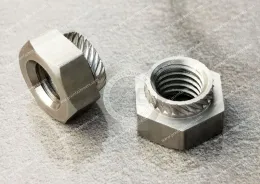
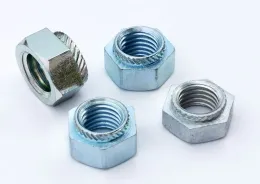
A widely used solution in self-locking nuts (including miniature types) is the nylon insert design:
A nylon ring (typically PA66 engineering plastic) is embedded at the top of the thread
During tightening, the bolt compresses the nylon insert
The nylon deforms elastically and fills thread gaps
Continuous radial pressure creates prevailing torque
This structure ensures reliable anti-loosening performance even after limited reassembly cycles.
Typical performance characteristics:
Operating temperature range: -40°C to +120°C
Stable friction performance under vibration
Suitable for repeated assembly (limited cycles)
Examples such as M3 miniature self-locking nuts (e.g., PL-M3-15 series) are commonly used in electronics and precision assemblies, with nylon ring thickness around 0.5 mm for optimized locking force.
2.3 Self-Clinching Fastener Principle (Permanent Mechanical Locking)
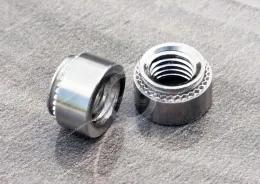
Miniature self-clinching fasteners operate differently:
Installed by pressing into sheet metal
The base material plastically deforms
Metal flow creates a permanent mechanical interlock
Radial displacement increases friction resistance
This structure is widely used in:
Electronic enclosures
Thin sheet metal chassis
Control cabinets and housings
It provides a permanent, vibration-resistant fastening point without welding.
3. Engineering Performance Standards and Testing
According to ASME fastening standards, high-quality self-locking nuts and self-clinching fasteners must pass vibration validation tests such as:
Junker vibration test
Torque retention test
Axial load stability evaluation
Field data shows that properly selected self-locking systems can reduce loosening failure rates by 50% or more in electronic and mechanical assemblies.
4. Material Selection Guide for Self-Locking Nuts and Miniature Fasteners
Proper material selection is critical for long-term reliability of miniature self-clinching fasteners and self-locking nuts.
4.1 Common Material Options
Stainless steel (304 / 316)
High corrosion resistance
Suitable for humid or outdoor environments
Carbon steel (iron-based alloys)
Cost-effective industrial applications
Requires surface coating protection
Aluminum alloy
Lightweight design applications
Good thermal conductivity
Copper alloys
Electrical conductivity applications
Material selection should comply with ASTM mechanical property standards to ensure sufficient strength grade for load conditions.
5. Surface Treatment and Corrosion Protection
Surface treatment directly affects durability and service life of self-locking nuts and self-clinching fasteners.
Common surface finishing options include:
Zinc plating: General corrosion protection
Nickel plating: Improved wear resistance
Chromium plating: Enhanced surface hardness
Anodizing (for aluminum): High humidity resistance
Electrophoretic coating: Uniform anti-corrosion layer
Typical coating thickness: 10–20 μm, compliant with ISO 4042 standards for industrial fasteners.
6. Specification Matching and Engineering Design Considerations
Correct specification matching ensures optimal performance of miniature self-locking nuts and self-clinching fasteners.
Key parameters include:
Thread size: M3, M4, M5 (common miniature range)
Width across flats: ensures tool compatibility
Height: critical for installation space constraints
Model coding: e.g., PL-M3-15 (M3 thread, 15 mm design height code)
Engineering recommendation:
Ensure bolt and nut thread compatibility
Avoid over-tolerance gaps to maintain locking torque
Match fastener geometry with sheet thickness for clinching applications
7. Installation Best Practices and Engineering Validation
To ensure reliable performance of self-locking nuts and miniature self-clinching fasteners, follow these engineering practices:
7.1 Pre-Installation Testing
Simulate vibration conditions before mass production
Validate anti-loosening performance in prototype assemblies
7.2 Torque Control
Recommended installation torque range: 5–15 N·m (application dependent)
Use calibrated torque tools for consistency
7.3 Supplier Quality Requirements
Reliable suppliers should provide:
Material certificates (MTC reports)
Mechanical performance test data
Vibration test validation reports
Compliance with ISO / ASTM / ASME standards
8. Comparison: Self-Locking Nuts vs Self-Clinching Fasteners
Technology Type | Mechanism | Application | Strength |
Nylon self-locking nuts | Friction + deformation | General vibration assemblies | High anti-loosening |
Metal lock nuts | Metal deformation | High temperature environments | Medium-high |
Self-clinching fasteners | Permanent sheet deformation | Thin sheet metal structures | Permanent lock |
Press-fit anti-loosening nuts | Radial expansion | Electronics housings | Medium vibration resistance |

Conclusion: Reliable Anti-Loosening Engineering for Precision Manufacturing
Miniature Self-Clinching Fasteners and Self-Locking Nuts provide a highly effective engineering solution to vibration-induced loosening across modern industrial applications.
By combining:
Friction-based locking technology
Nylon deformation mechanisms
Permanent clinching installation methods
Precision miniature design engineering
they deliver superior performance in electronics, automotive subsystems, and industrial equipment assemblies.
For OEM buyers, engineers, and procurement specialists, selecting the right self-locking nuts and miniature self-clinching fasteners ensures:
Higher assembly reliability
Reduced maintenance costs
Improved product lifecycle stability
Compliance with global engineering standards
These fasteners represent a critical foundation for next-generation precision manufacturing systems.
Product Packaging
Packaging Standard
At Juxin Fasteners, we apply standardized export packaging to ensure product protection, traceability, and compliance with international logistics requirements.
1. Standard Export Packaging
Unless otherwise specified, all products will be packed according to our factory standard export packaging, which includes:
Moisture-resistant inner protection
Poly bag or small box packing as required
Reinforced export cartons
Clear labeling with part number, specification, batch number, and quantity
Palletizing for sea or air shipment when necessary
Our standard packaging is designed to ensure safe transportation, efficient warehousing, and long-distance international shipping.
2. Customized Packaging Options
We also provide customized packaging solutions according to customer requirements, including but not limited to:
Private labeling
Customized barcodes
Specific carton dimensions
Retail packaging
Special pallet configuration
Customer-specific marking and identification
So that you know, customized packaging may involve additional costs and extended lead time depending on the complexity of the requirements.
3. Compliance & Quality Assurance
All packaging processes are controlled under our ISO 9001 quality management system to ensure consistency, traceability, and product integrity throughout the supply chain.
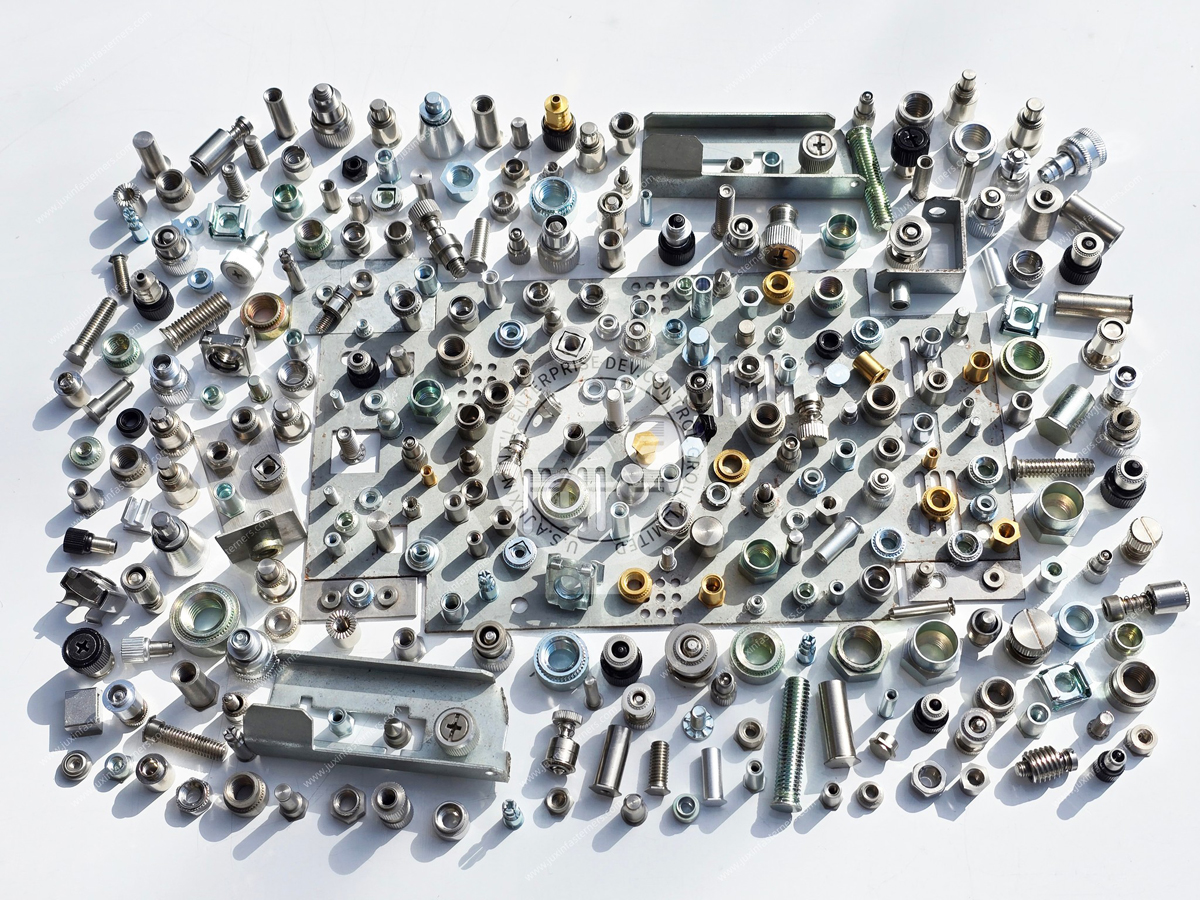
Product Pictures
Contact Us
Tel.:
+86 020 8621 0320
+86 020 3121 6067
E-mail:
Technical Support:
Navigation
SEND INQUIREY