Call Us
+86 136 6007 9809
Call Us
+86 136 6007 9809

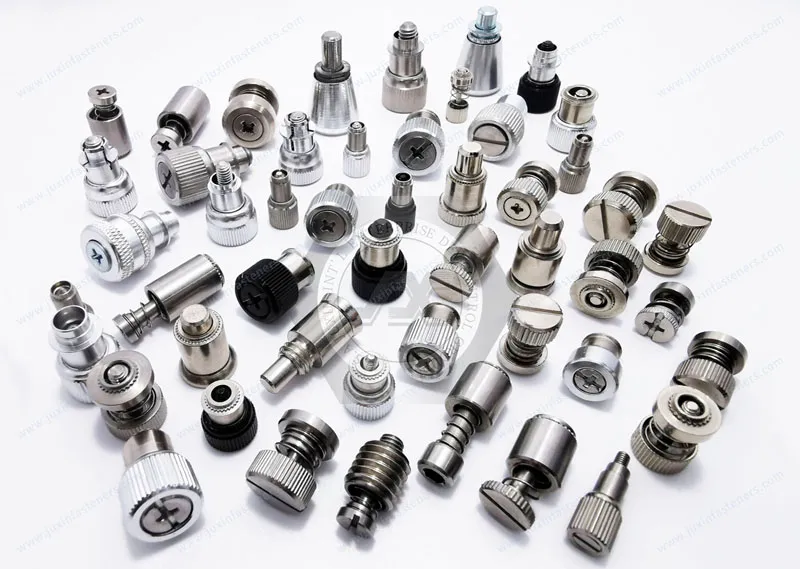
Self-Clinching Nut Solutions for Sheet Metal Applications
Reliable threaded connections are essential for modern sheet metal manufacturing. From automotive components and electronic enclosures to medical equipment and industrial machinery,
engineers need fastening solutions that provide strong threads without compromising thin sheet metal.
Product Specification
Self-Clinching Nut Solutions for Sheet Metal Applications
Reliable threaded connections are essential for modern sheet metal manufacturing.
From automotive components and electronic enclosures to medical equipment and industrial machinery,
engineers need fastening solutions that provide strong threads without compromising thin sheet metal.
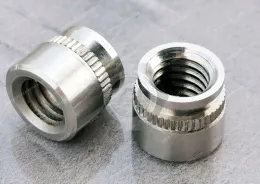
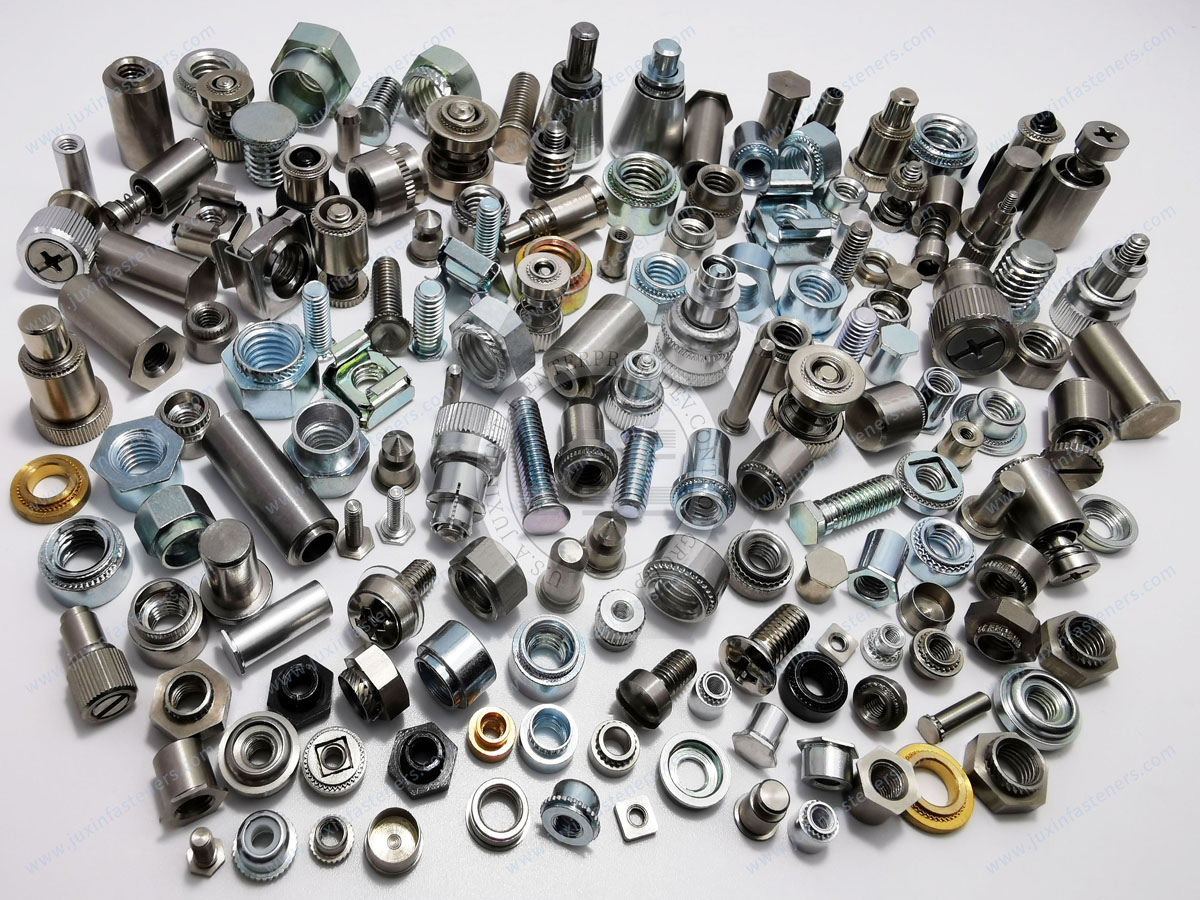
Self-clinching nuts, also known as press-in nuts or clinch nuts, offer an efficient way to create permanent internal threads in sheet metal.
Unlike conventional tapping, self-clinching nuts are installed by pressing the fastener into a properly prepared hole.
The surrounding sheet metal flows into the nut's knurled or grooved locking features, creating a strong mechanical connection.
For manufacturers seeking sheet metal fasteners, self-clinching fasteners, and reliable threaded inserts for production assemblies,
self-clinching nuts offer an effective combination of installation efficiency, connection strength, dimensional stability, and repeatability.
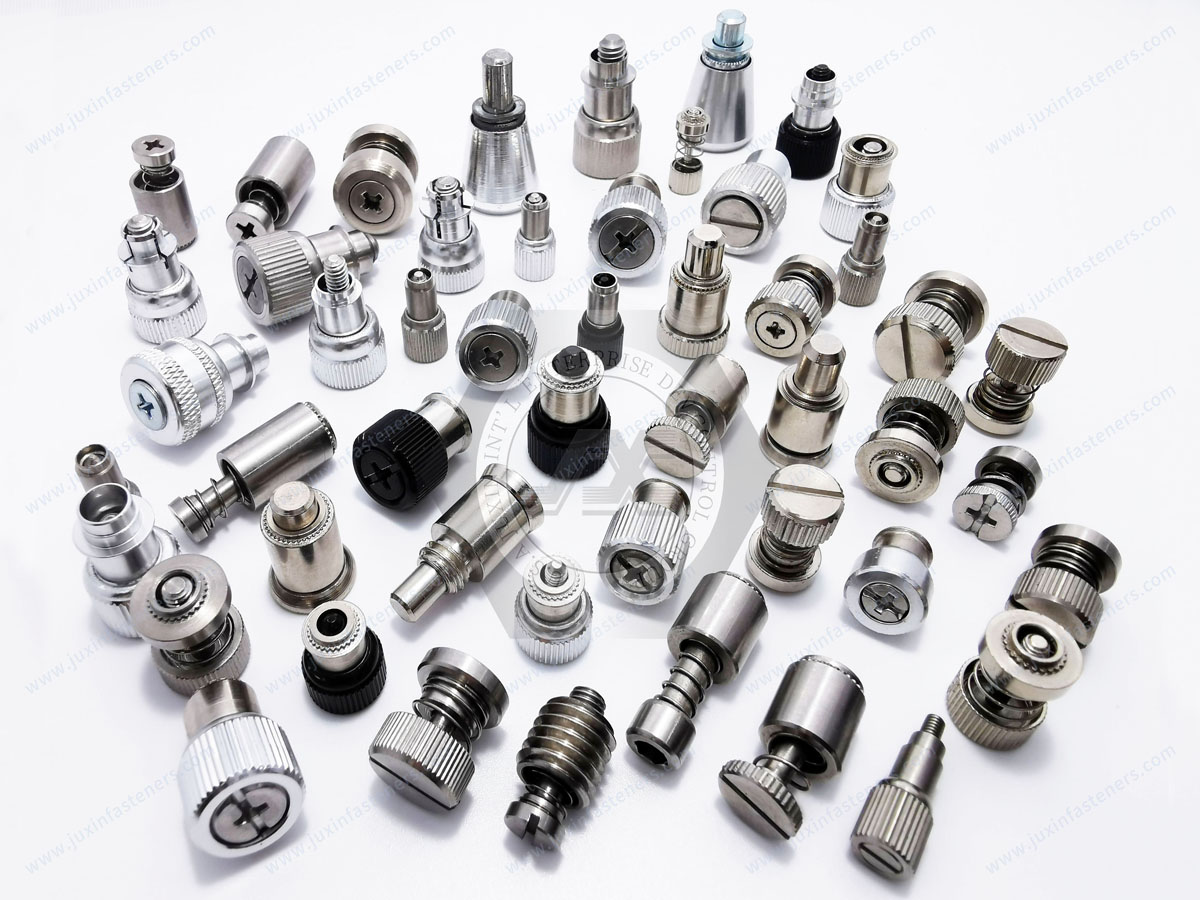
Why Use Self-Clinching Nuts in Sheet Metal?
Thin sheet metal can be difficult to tap directly. Conventional tapping may result in limited thread engagement, stripped threads, deformation, or inconsistent connection strength.
Self-clinching nuts are specifically designed to overcome these limitations.
1. Fast and Efficient Installation
Self-clinching nuts do not require conventional thread tapping or welding. After a properly sized hole is prepared, the nut can be installed using controlled pressing equipment.
This makes press-in nuts suitable for high-volume manufacturing and automated assembly operations.
The installation process can be integrated with:
Press machines
Automated assembly equipment
Robotic production lines
Precision positioning systems
High-volume sheet metal production
For procurement and manufacturing engineers, this can help simplify assembly processes and improve production efficiency.
2. Strong and Stable Threaded Connections
The mechanical locking structure of a clinch nut allows the surrounding sheet metal to engage with the nut's knurled teeth or locking grooves.
This provides a stable threaded connection capable of resisting axial and radial loads when the correct fastener and installation parameters are selected.
Self-clinching nuts can therefore provide a practical alternative to tapped threads in thin sheet metal assemblies.
3. Minimal Sheet Metal Deformation
Unlike welding-based fastening processes, self-clinching installation is a cold-forming process.
No high-temperature welding operation is required, helping minimize risks associated with heat, such as:
Material degradation
Burn-through
Heat distortion
Surface damage
This characteristic is particularly valuable for precision sheet metal components where dimensional accuracy and surface appearance are important.
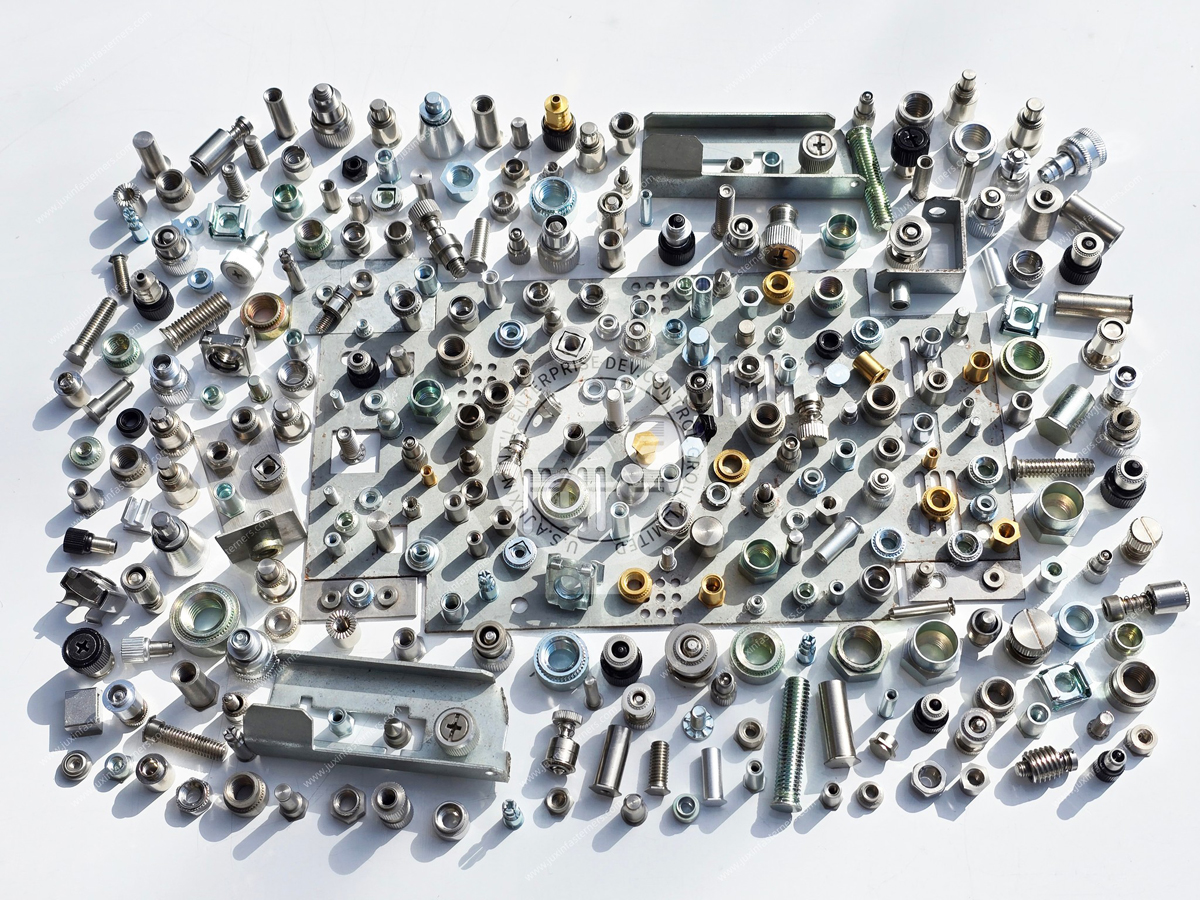
Self-Clinching Nut Applications by Industry
Self-clinching nuts are used across multiple industrial sectors where thin sheet metal requires reliable internal threads.
Automotive Industry
Automotive manufacturing uses extensive sheet metal structures throughout vehicle bodies, interiors, brackets, chassis components, and supporting assemblies.
Automotive self-clinching nuts can be used for applications such as:
Body panels
Interior brackets
Door assemblies
Window regulator mounting
Interior trim components
Chassis brackets
Supporting structures
Vehicle components are exposed to continuous vibration and mechanical loading. A properly installed self-clinching nut provides a stable threaded connection
while supporting efficient mass-production assembly.
For automotive manufacturers and Tier suppliers, self-clinching fasteners can also help reduce assembly steps compared with conventional tapping or welding operations.
Electronics and Electrical Equipment
Electronic equipment often uses thin sheet metal housings and internal brackets where space, appearance, and dimensional accuracy are critical.
Typical applications include:
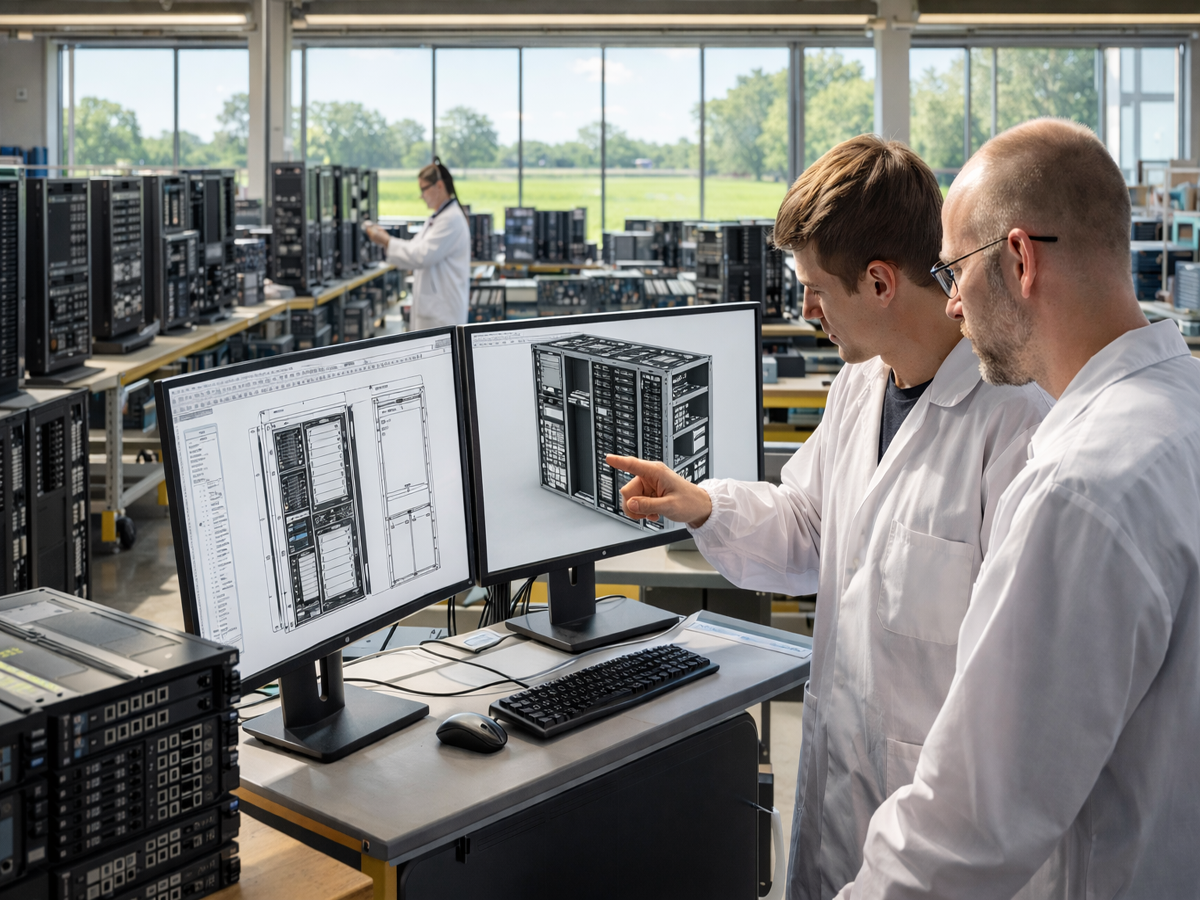
Server cabinets
Computer enclosures
Router housings
Electrical control cabinets
Internal equipment brackets
Cable management components
Cooling fan mounting
Guide rails
Self-clinching nuts for sheet metal provide internal threads without requiring a thick material section for conventional tapping.
Their flush installation characteristics also help maintain a clean enclosure surface while providing secure mounting points for internal components.
Aerospace and Rail Transportation
Aerospace and rail applications place demanding requirements on weight, connection reliability, dimensional accuracy, and environmental resistance.
Self-clinching nuts can be used in applications such as:
Aircraft cabin sheet metal
Interior equipment brackets
Lightweight panels
Rail vehicle interior structures
Train body components
Equipment mounting systems
Material and surface-finish selection should be matched carefully to the substrate and operating environment.
For applications involving aluminum or dissimilar metals, engineers should consider material compatibility and corrosion risks during fastener selection.
Medical Equipment
Medical equipment frequently incorporates precision sheet metal housings, brackets, equipment frames, and internal mounting structures.
Typical applications include:
Medical imaging equipment
Surgical equipment structures
Rehabilitation equipment
Precision equipment housings
Internal electronic component mounting
Self-clinching nuts for medical equipment can provide reliable threaded mounting points while avoiding welding-related heat and surface contamination.
Where cleanliness, dimensional precision, and repeatable assembly are important, press-in fastening technology can be an effective solution for precision sheet metal manufacturing.
Industrial Equipment and Tooling
Industrial equipment, workbenches, machine frames, fixtures, and tooling frequently require components to be installed, removed, adjusted, or replaced.
Self-clinching nuts provide standardized internal threads for attaching:
Machine components
Workbench accessories
Lighting systems
Tooling fixtures
Equipment covers
Brackets
Panels
Service components
Because threaded components can be repeatedly installed and removed, self-clinching nuts are particularly useful for equipment requiring regular maintenance or configuration changes.
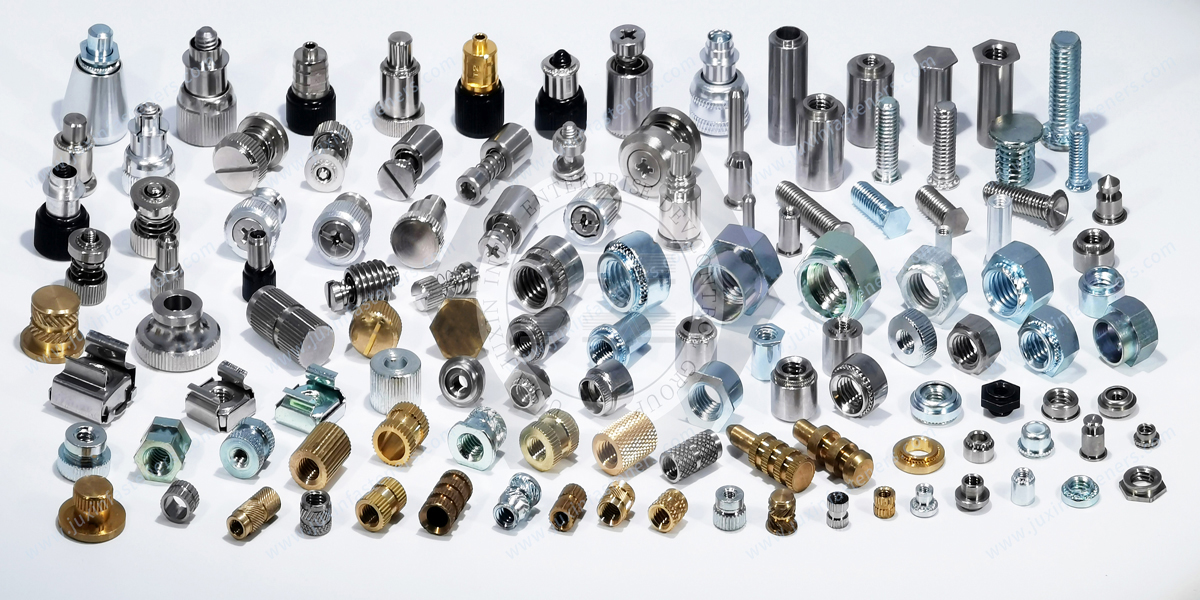
Self-Clinching Nut Material Selection
Selecting the correct self-clinching nut material is essential for connection performance and long-term reliability.
Material selection should consider:
Sheet metal material
Operating environment
Corrosion exposure
Required mechanical strength
Temperature
Assembly requirements
Compatibility with mating components
Common material considerations include:
Carbon Steel Self-Clinching Nuts
Carbon steel clinch nuts are suitable for many general industrial and sheet metal applications where appropriate strength and surface protection are required.
Stainless Steel Self-Clinching Nuts
Stainless steel self-clinching nuts are suitable for applications requiring enhanced corrosion resistance, including certain equipment and environments where carbon steel may not be appropriate.
Material Compatibility
When fastening aluminum sheet metal or dissimilar materials, engineers should evaluate material compatibility and potential galvanic corrosion.
The fastener material, sheet material, surface treatment, and operating environment should be considered together rather than independently.
Critical Engineering Considerations for Self-Clinching Nuts
Choosing the correct nut is only part of achieving a reliable connection. Installation quality and process control are equally important.
1. Match the Nut to Sheet Thickness
The self-clinching nut must be compatible with the thickness of the sheet metal.
Incorrect selection can result in:
Poor mechanical locking
Sheet deformation
Installation difficulty
Insufficient connection strength
Engineers should verify the manufacturer's recommended sheet thickness and installation requirements before production.
2. Control the Hole Diameter
The pre-punched or drilled hole is critical to self-clinching performance.
A hole that is too large can result in insufficient mechanical engagement. A hole that is too small can make installation difficult and may damage the nut or deform the sheet.
Hole diameter, tolerance, edge condition, and burr control should therefore be managed according to the selected fastener specification.
3. Control Installation Force and Process Parameters
Installation pressure, installation speed, and holding time should be controlled according to:
Nut specification
Sheet material
Sheet thickness
Production equipment
Required connection performance
Insufficient installation force can prevent proper mechanical interlocking, while excessive force may damage the sheet or fastener.
Trial installation and validation are recommended before full-scale production.
4. Perform Post-Installation Inspection
Quality inspection should verify the installed self-clinching nut and surrounding sheet metal.
Important inspection points include:
Nut position
Nut alignment
Nut seating
Sheet surface condition
Gaps between the nut and sheet
Installation deformation
Thread condition
Pull-out resistance
Torque-out resistance
Tensile and shear performance where required
For production applications, inspection criteria should be defined according to the engineering drawing, customer requirements, and applicable fastener specifications.
Self-Clinching Nuts vs. Traditional Tapped Threads
For thin sheet metal, self-clinching nuts can provide several practical advantages compared with directly tapping the sheet.
Requirement | Self-Clinching Nut | Directly Tapped Sheet |
Thin sheet application | Excellent suitability | Limited by material thickness |
Installation | Press installation | Tapping operation required |
Thread strength | Mechanical locking structure | Depends on available thread engagement |
Welding required | No | No |
Heat input | None | None |
Automation potential | High | High |
Maintenance | Standard threaded connection | Standard threaded connection |
Production efficiency | High for suitable applications | Depends on tapping process |
The optimal fastening method should always be determined according to the sheet material, thickness, load requirements, production process, and total assembly cost.
Custom Self-Clinching Nut Solutions for Industrial Manufacturing
JUXIN FASTENERS supplies fastening solutions for industrial applications requiring reliable threaded connections in sheet metal.
Our self-clinching nuts, press-in nuts, and related sheet metal fasteners can be evaluated according to application requirements such as:
Material
Thread specification
Sheet thickness
Hole diameter
Fastener dimensions
Surface finish
Mechanical requirements
Application environment
Production volume
We work with procurement teams, mechanical engineers, product designers, and manufacturers to identify suitable fastening solutions for production assemblies.
Industries We Serve
Our self-clinching fastening solutions are applicable across a wide range of industrial sectors, including:
Automotive Manufacturing
Sheet metal body components, interior brackets, chassis components, and mounting assemblies.
Electronics & Electrical Equipment
Server cabinets, equipment housings, control panels, brackets, and internal mounting structures.
Aerospace & Rail Transportation
Lightweight sheet metal structures, cabin components, interior panels, and equipment brackets.
Medical Equipment
Precision housings, equipment frames, brackets, and internal component mounting.
Industrial Equipment & Tooling
Machine frames, workbenches, fixtures, covers, panels, and service components.
Telecommunications Equipment
Cabinets, racks, enclosures, brackets, and equipment mounting systems.
Why Choose Self-Clinching Nuts for Your Sheet Metal Assembly?
For engineers and procurement professionals, the key benefits of self-clinching fastening technology include:
Reliable internal threads in thin sheet metal
Efficient press-in installation
No welding required
Reduced risk of heat-related deformation
High production efficiency
Suitable for automated assembly
Strong mechanical locking
Consistent threaded mounting points
Flexible use across multiple industrial sectors
When correctly specified and installed, self-clinching nuts provide a practical and efficient fastening solution for modern sheet metal manufacturing.
Request a Self-Clinching Nut Solution
If you are sourcing self-clinching nuts, press-in nuts, clinch nuts, or sheet metal fasteners, send us your drawing, thread specification, sheet thickness, material, quantity, and application requirements.
Our engineering team can review your requirements and recommend an appropriate fastening solution for your assembly.
JUXIN FASTENERS
Website: www.juxinfasteners.com
Email: info@juxinfasteners.com
Keywords: self-clinching nuts, self clinching nuts, press-in nuts, press in nuts, clinch nuts, self-clinching fasteners, sheet metal fasteners, sheet metal nuts, threaded fasteners for sheet metal, automotive self-clinching nuts, stainless steel self-clinching nuts, carbon steel self-clinching nuts, self-clinching nuts for electronics, self-clinching nuts for medical equipment, industrial sheet metal fasteners.
Product Packaging
Packaging Standard
At Juxin Fasteners, we apply standardized export packaging to ensure product protection, traceability, and compliance with international logistics requirements.
1. Standard Export Packaging
Unless otherwise specified, all products will be packed according to our factory standard export packaging, which includes:
Moisture-resistant inner protection
Poly bag or small box packing as required
Reinforced export cartons
Clear labeling with part number, specification, batch number, and quantity
Palletizing for sea or air shipment when necessary
Our standard packaging is designed to ensure safe transportation, efficient warehousing, and long-distance international shipping.
2. Customized Packaging Options
We also provide customized packaging solutions according to customer requirements, including but not limited to:
Private labeling
Customized barcodes
Specific carton dimensions
Retail packaging
Special pallet configuration
Customer-specific marking and identification
So that you know, customized packaging may involve additional costs and extended lead time depending on the complexity of the requirements.
3. Compliance & Quality Assurance
All packaging processes are controlled under our ISO 9001 quality management system to ensure consistency, traceability, and product integrity throughout the supply chain.
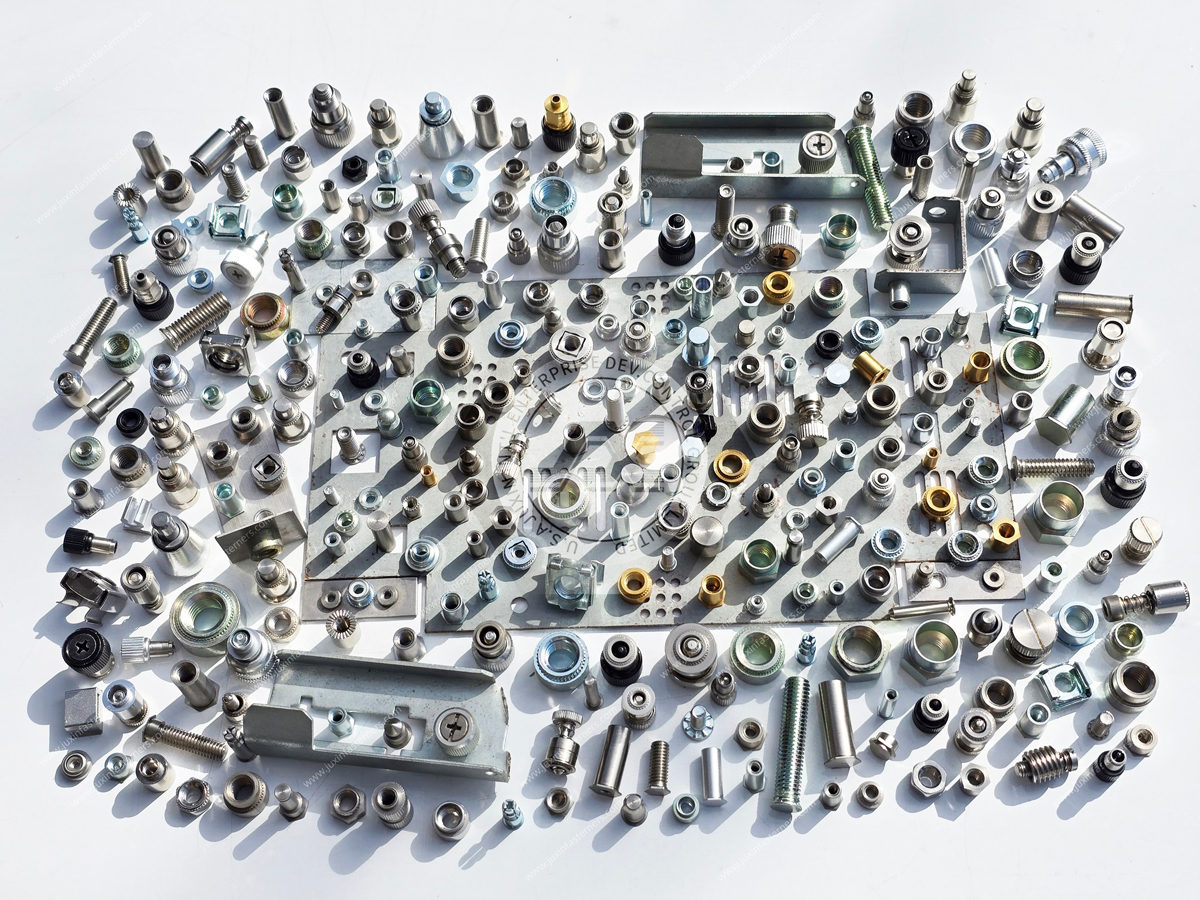
Product Pictures
Contact Us
Tel.:
+86 020 8621 0320
+86 020 3121 6067
E-mail:
Technical Support:
Navigation
SEND INQUIREY