Call Us
+86 136 6007 9809
Call Us
+86 136 6007 9809

When engineers need to create a threaded connection in thin sheet metal, two common solutions are self-clinching nuts and rivet nuts.
Both provide an internal thread where the sheet itself may be too thin to tap directly. However, their installation methods, design requirements and suitable applications are different.
Product Specification
When engineers need to create a threaded connection in thin sheet metal, two common solutions are self-clinching nuts and rivet nuts.
Both provide an internal thread where the sheet itself may be too thin to tap directly. However, their installation methods, design requirements and suitable applications are different.
Choosing between them should not be based only on thread size or unit price. Engineers should consider sheet thickness, material, access, production process, installation equipment, loading and service requirements.
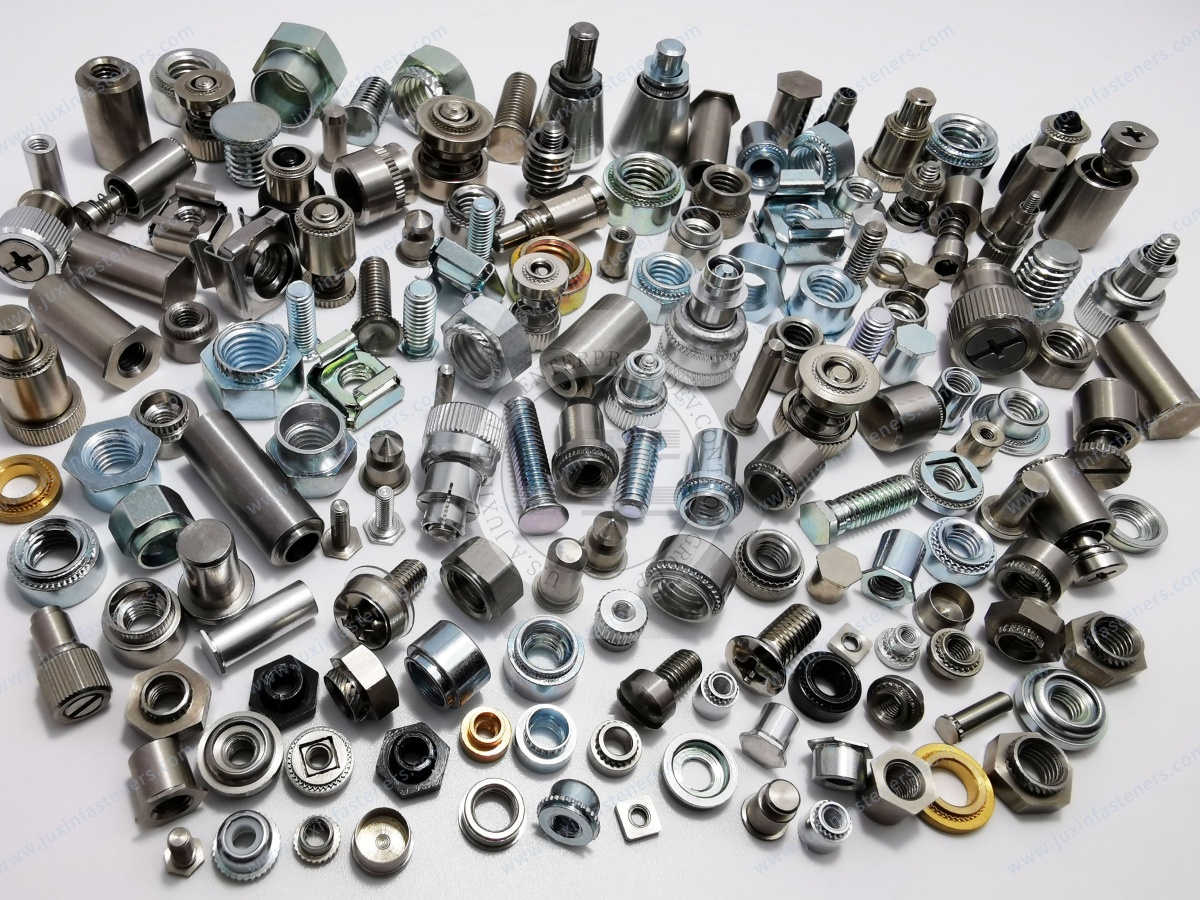
JUXIN manufactures self-clinching fasteners and rivet nuts for industrial OEM applications, including electrical enclosures, telecom cabinets, HVAC equipment, automotive components, electronic equipment and industrial machinery.
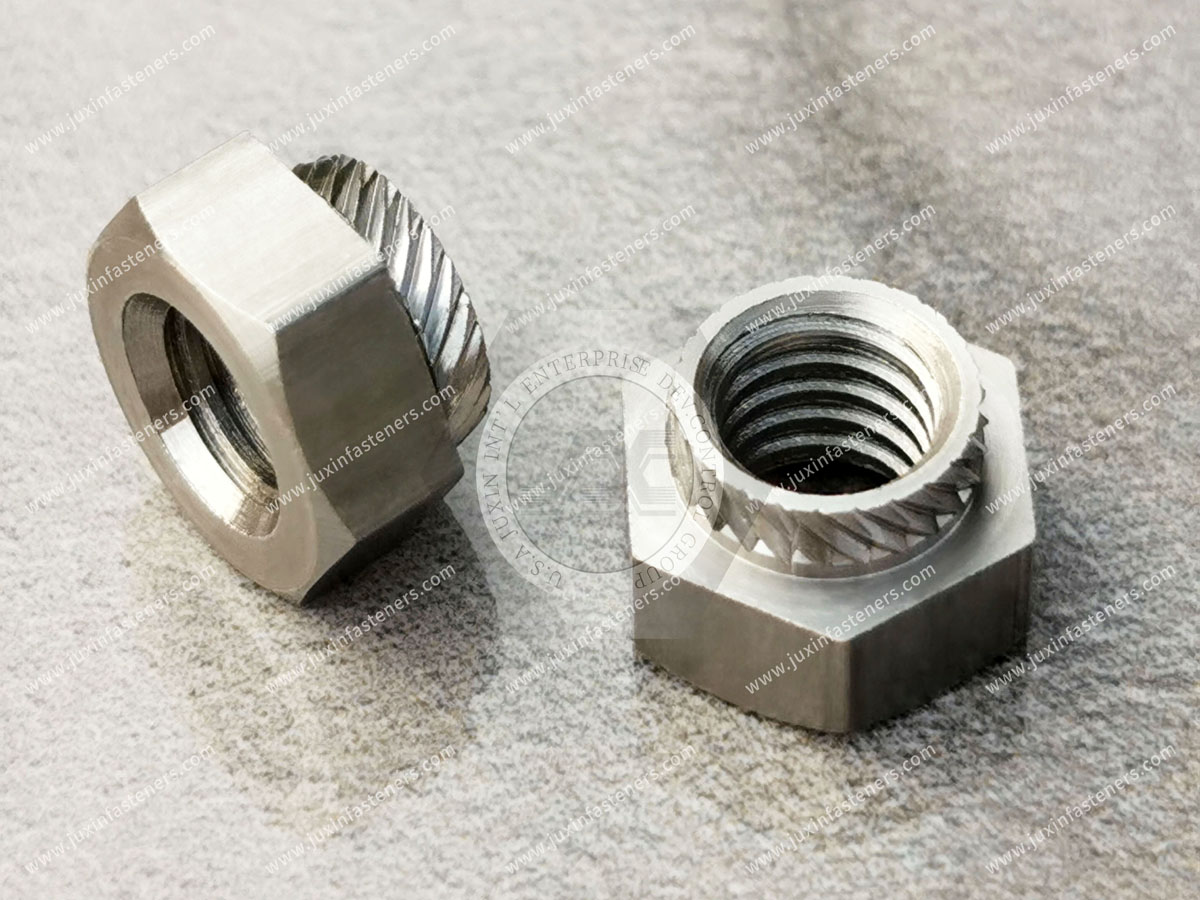
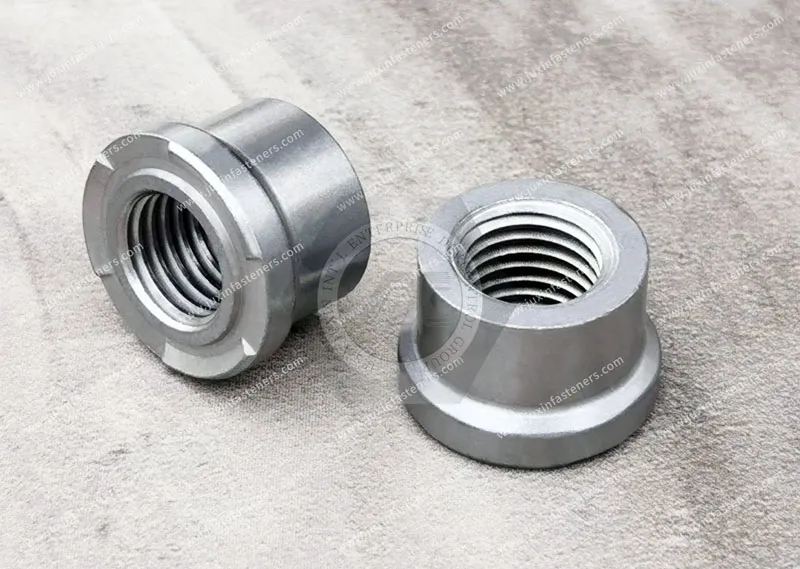
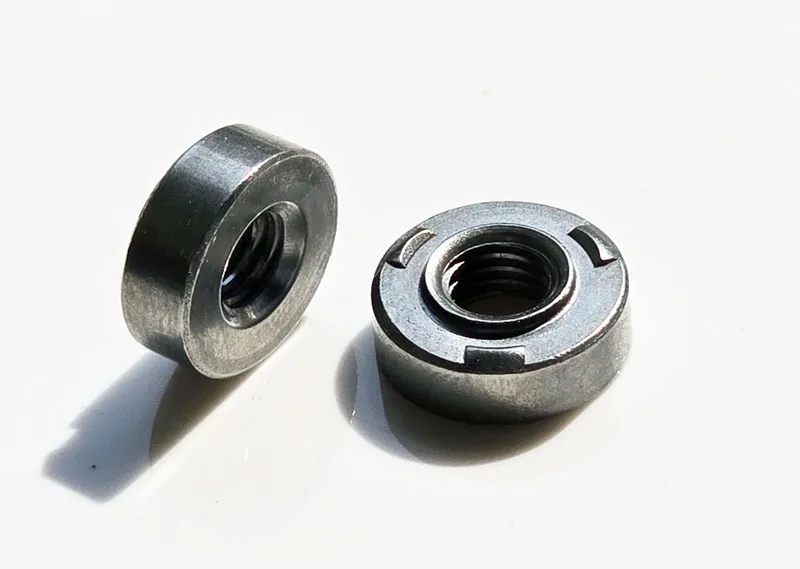
A self-clinching nut is designed to become permanently retained in a suitable sheet-metal panel through controlled press installation.
The fastener is positioned in a prepared hole and pressed into the sheet. The sheet material flows into the fastener's retention feature, creating mechanical resistance to rotation and push-out.
Self-clinching nuts are commonly considered for controlled sheet-metal production where suitable panel material, thickness and installation conditions are available.
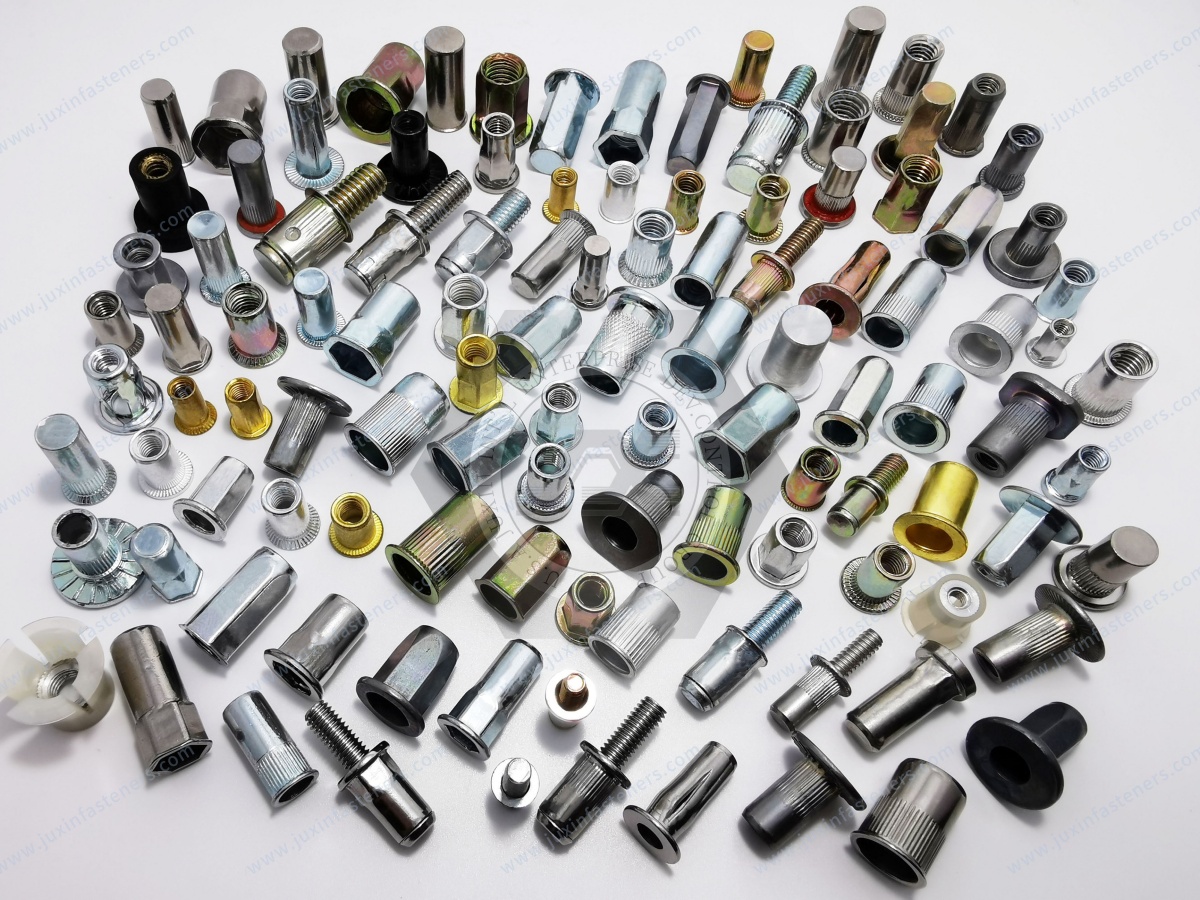
A rivet nut is an internally threaded insert installed into a prepared hole by mechanically deforming the insert so that it grips the sheet from the rear side.
One important characteristic of rivet nuts is their suitability for installation where access is available from only one side of the panel.
This can be useful for:
Enclosures
Tubular structures
Hollow sections
Field installation
Equipment assembled after fabrication
| Consideration | Self-Clinching Nut | Rivet Nut |
|---|---|---|
| Installation | Press installation | Mechanical setting |
| Rear-side access during installation | Depends on production setup | Normally not required |
| Host material | Suitable ductile sheet | Wider range depending on insert |
| Installation equipment | Press or insertion equipment | Rivet-nut setting tool |
| Production environment | Particularly suitable for controlled production | Suitable for production and field installation |
| Threaded connection | Permanent | Permanent |
| Hole preparation | Controlled hole required | Controlled hole required |
| Serviceability | Thread can be reused | Thread can be reused |
The final selection depends on the actual application.
Self-clinching nuts can be attractive when:
Sheet material is suitable for clinching
Panel thickness meets the fastener requirement
A controlled press installation process is available
High production repeatability is required
The fastener needs to remain integrated into the panel
A compact installation is preferred
They are frequently considered for electronic cabinets, industrial equipment, telecom equipment and sheet-metal assemblies.
Rivet nuts may be preferable when:
Only one side of the panel is accessible
The assembly is already fabricated
Installation must be performed after coating or painting
The panel geometry makes press installation difficult
A blind installation method is required
The correct solution depends on the complete assembly process.
Before choosing between a self-clinching nut and a rivet nut, confirm:
What is the sheet material?
What is the sheet thickness?
What is the required thread?
Is rear-side access available?
Is press installation available?
What is the expected production volume?
What loads will the connection experience?
Is the panel already coated?
What environmental conditions apply?
What inspection requirements apply?
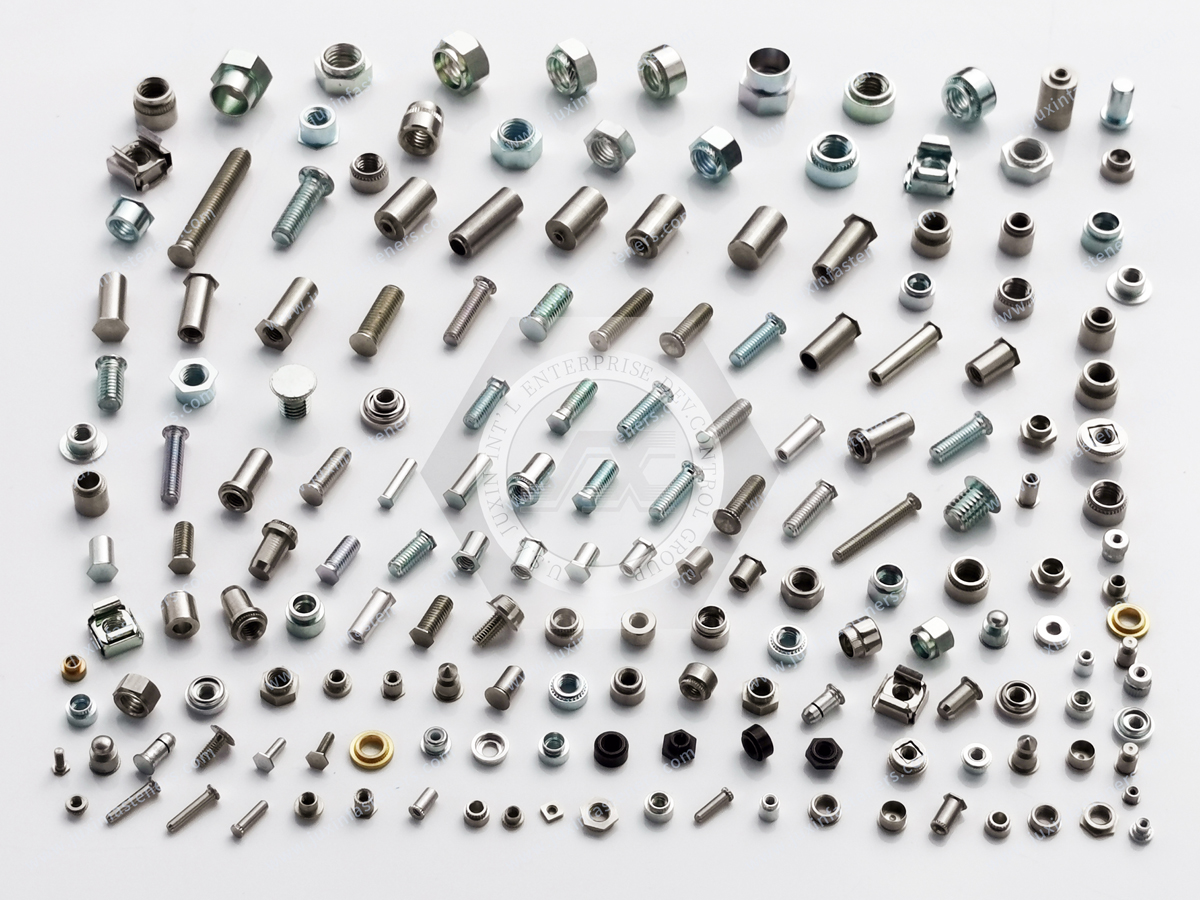
JUXIN manufactures self-clinching nuts, rivet nuts and other sheet-metal fastening components according to customer drawings and specifications.
Customers can provide:
Engineering drawings
CAD files
Sheet material
Sheet thickness
Thread specification
Surface treatment
Estimated quantity
Application information
JUXIN can evaluate the fastening solution according to the actual equipment design.
Self-clinching nuts and rivet nuts can both solve threaded fastening challenges in sheet-metal assemblies, but they are not interchangeable in every application.
The better choice depends on panel material, thickness, access, installation process, production requirements and joint performance.
For OEM applications, JUXIN can support both fastening technologies and help customers evaluate the appropriate manufacturing solution.
For self-clinching nuts, rivet nuts and custom sheet-metal fasteners:
Email: info@juxinfasteners.com
Website: www.juxinfasteners.com
Product Packaging
Packaging Standard
At Juxin Fasteners, we apply standardized export packaging to ensure product protection, traceability, and compliance with international logistics requirements.
1. Standard Export Packaging
Unless otherwise specified, all products will be packed according to our factory standard export packaging, which includes:
Moisture-resistant inner protection
Poly bag or small box packing as required
Reinforced export cartons
Clear labeling with part number, specification, batch number, and quantity
Palletizing for sea or air shipment when necessary
Our standard packaging is designed to ensure safe transportation, efficient warehousing, and long-distance international shipping.
2. Customized Packaging Options
We also provide customized packaging solutions according to customer requirements, including but not limited to:
Private labeling
Customized barcodes
Specific carton dimensions
Retail packaging
Special pallet configuration
Customer-specific marking and identification
So that you know, customized packaging may involve additional costs and extended lead time depending on the complexity of the requirements.
3. Compliance & Quality Assurance
All packaging processes are controlled under our ISO 9001 quality management system to ensure consistency, traceability, and product integrity throughout the supply chain.
Product Pictures
Contact Us
Tel.:
+86 020 8621 0320
+86 020 3121 6067
E-mail:
Technical Support:
Navigation
SEND INQUIREY