Call Us
+86 136 6007 9809
Call Us
+86 136 6007 9809

Thread Insert Nuts for Plastics: Design, Installation, and Industrial Applications
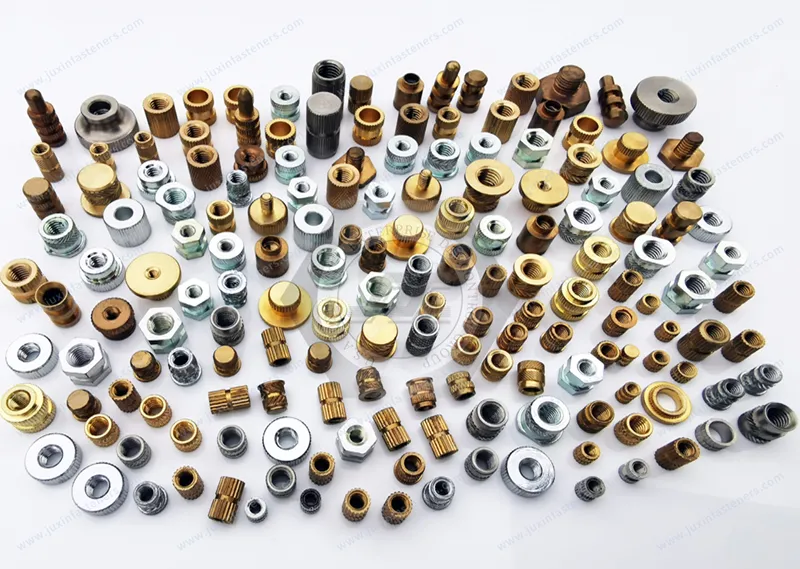
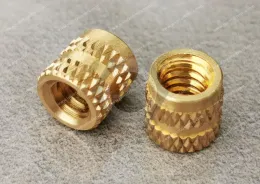
In modern product design, plastic components are widely used across industries such as automotive, electronics, medical devices, and communication equipment. However, plastic materials alone often lack the strength and durability required for repeated fastening. Thread insert nuts (also called threaded inserts, nut inserts, or threaded bushings) provide a reliable solution by creating strong, reusable metal threads within plastic components.
For design engineers and manufacturers, selecting the right thread insert solution can significantly improve product durability, assembly efficiency, and long-term reliability.
What Is a Thread Insert Nut?
A thread insert nut is a metal fastener installed into plastic parts to provide a durable internal thread. These inserts are designed to enhance the mechanical performance of plastic assemblies while preventing common issues such as thread stripping, cracking, or loosening.
Thread inserts are widely used in applications where plastic components must withstand repeated assembly and disassembly.
Product Specification
Thread Insert Nuts for Plastics: Design, Installation, and Industrial Applications
In modern product design, plastic components are widely used across industries such as automotive, electronics, medical devices, and communication equipment. However, plastic materials alone often lack the strength and durability required for repeated fastening. Thread insert nuts (also called threaded inserts, nut inserts, or threaded bushings) provide a reliable solution by creating strong, reusable metal threads within plastic components.
For design engineers and manufacturers, selecting the right thread insert solution can significantly improve product durability, assembly efficiency, and long-term reliability.
What Is a Thread Insert Nut?
A thread insert nut is a metal fastener installed into plastic parts to provide a durable internal thread. These inserts are designed to enhance the mechanical performance of plastic assemblies while preventing common issues such as thread stripping, cracking, or loosening.
Thread inserts are widely used in applications where plastic components must withstand repeated assembly and disassembly.
Key Design Features
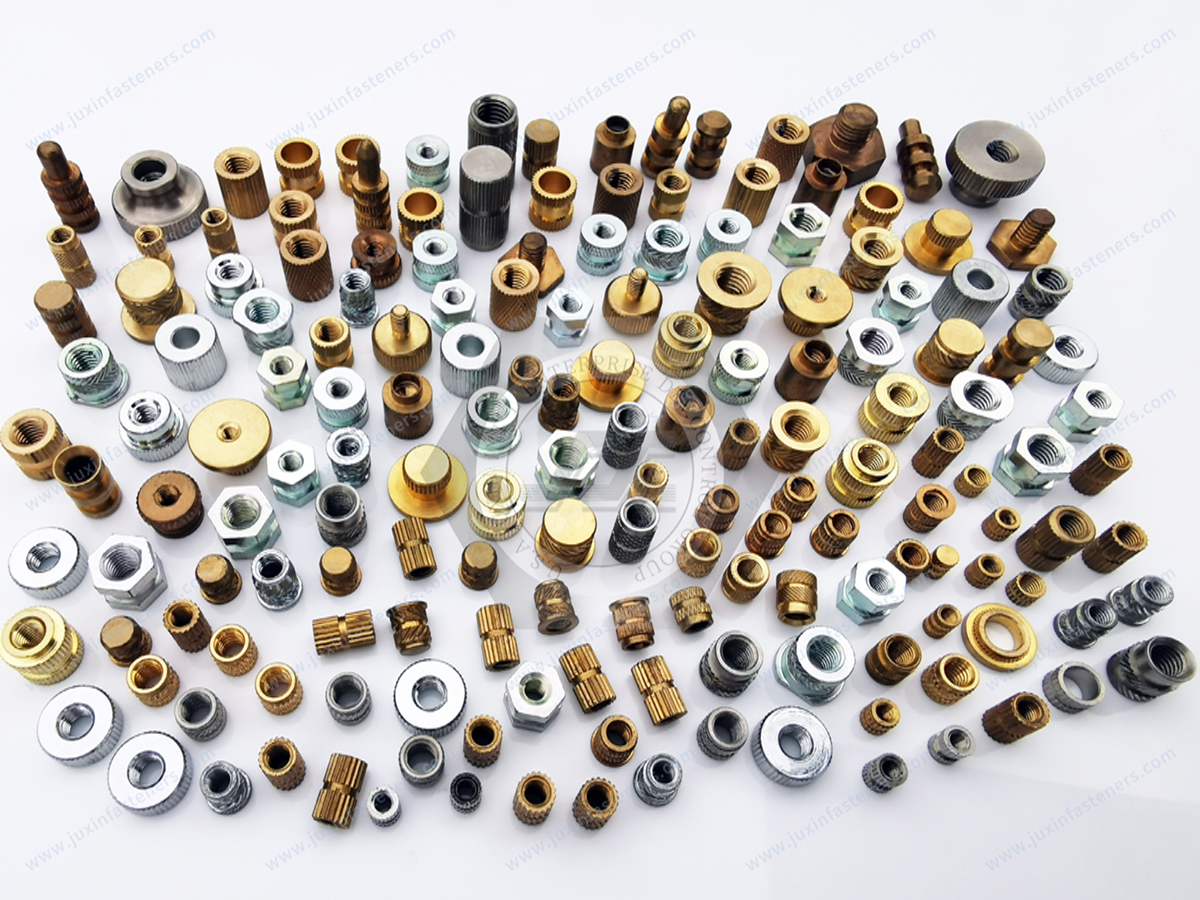
High-performance thread insert nuts typically incorporate several structural features to ensure secure installation:
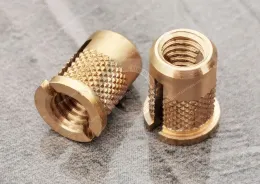
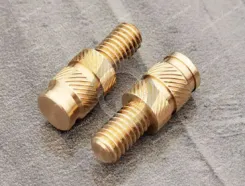
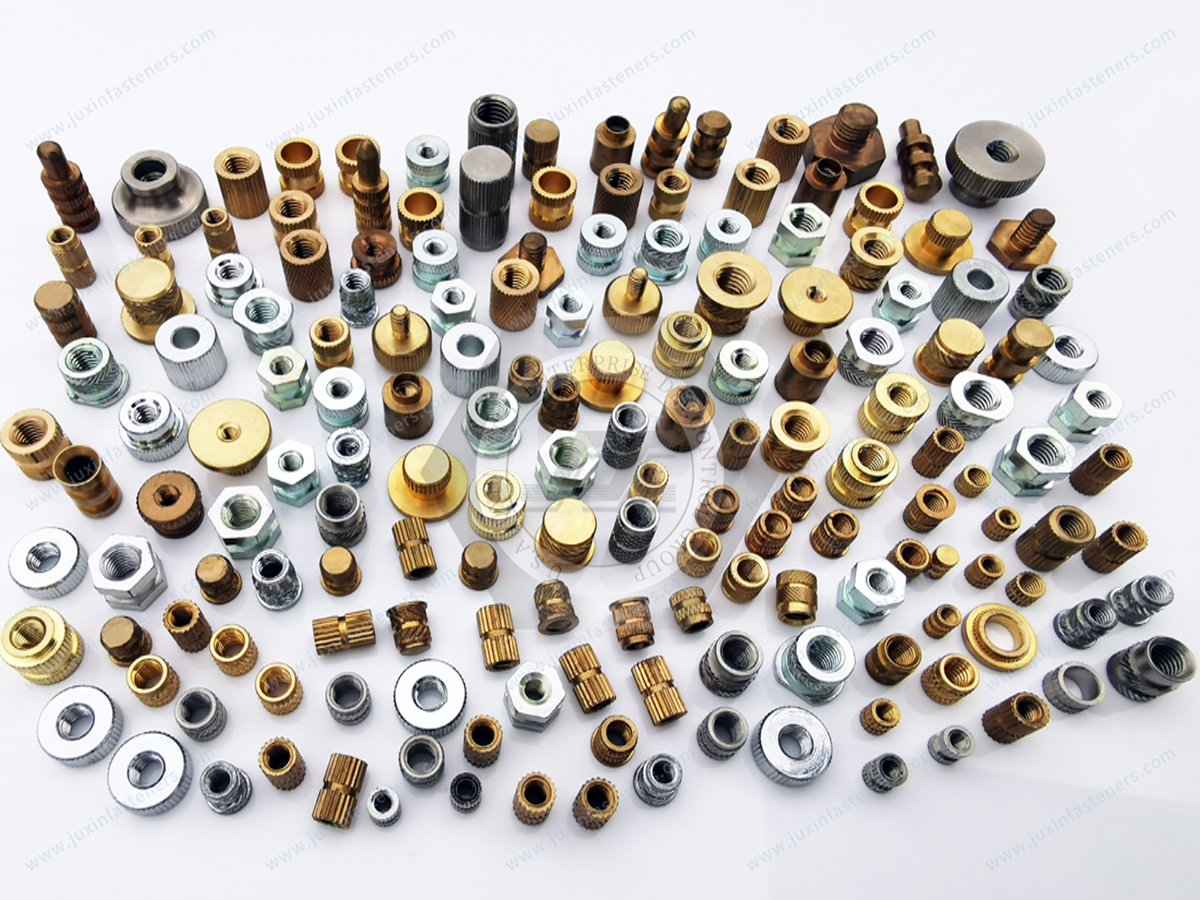
Knurled exterior surfaces to resist rotational movement
Barbs or undercuts to prevent pull-out from plastic materials
Flanged heads to improve load distribution and pull-through resistance
Symmetrical designs suitable for automated high-volume production
These design characteristics allow thread inserts to create a strong interference fit within plastic components, significantly increasing fastening reliability.
Materials Used for Thread Insert Nuts
The material selection for threaded inserts depends on application requirements, including conductivity, corrosion resistance, strength, and weight.
Brass Thread Inserts
Brass is the most commonly used material for thread inserts due to its:
Excellent machinability
High electrical conductivity
Cost efficiency
Brass threaded inserts are widely used in electronics, electrical equipment, and plastic enclosures.
Aluminum Thread Inserts
Aluminum inserts are often selected for lightweight applications that require lead-free materials. They are commonly used in:
Consumer electronics
Lightweight equipment housings
Aerospace and communication devices
Stainless Steel Thread Inserts
For harsh environments, stainless steel thread inserts offer superior performance with:
Excellent corrosion resistance
High temperature tolerance
Strong mechanical properties
These inserts are ideal for automotive, medical equipment, and industrial machinery.
Installation Methods for Thread Insert Nuts
Plastics used in manufacturing can generally be classified into two main categories: thermosets and thermoplastics. Each type requires different installation methods for threaded inserts.
Inserts for Thermoset Plastics
Thermoset plastics such as epoxies undergo a permanent chemical change during curing. Once hardened, they cannot be melted again.
For these materials, the most effective installation methods include:
Molded-in inserts (installed during the injection molding process)
Press-in inserts as a secondary option for lower load applications
Molded-in inserts provide the highest retention strength in thermoset materials.
Inserts for Thermoplastic Materials
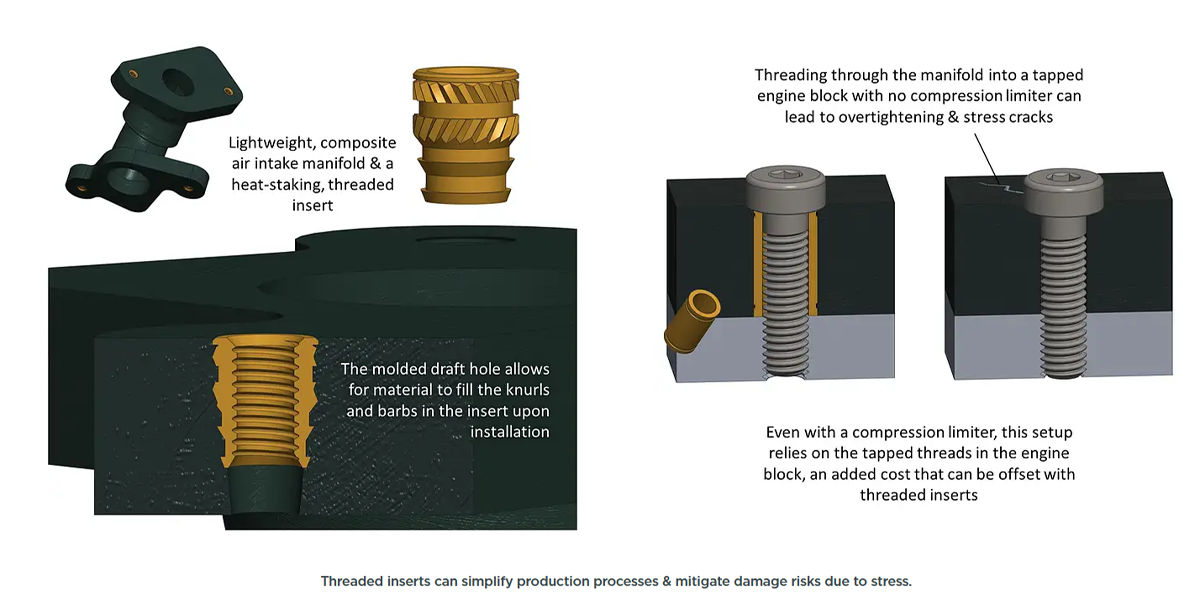
Thermoplastics can soften when heated, allowing inserts to be installed after molding. Common installation methods include:
Heat-staking inserts
Ultrasonic inserts
During heat installation, the insert is heated by specialized equipment to approximately 50°F (28°C) above the melting temperature of the plastic resin. This allows the insert to embed into the softened plastic, creating a strong mechanical bond once cooled.
Examples of thermoplastics include:
Semi-crystalline plastics: PET, PEEK
Amorphous plastics: ABS, PVC
Understanding the thermal properties of the plastic material is essential for selecting the proper installation method.
Advantages of Using Thread Insert Nuts in Plastic Parts
Thread inserts provide several critical advantages compared with direct threading in plastic:
1. Increased Thread Strength
Metal threads are significantly stronger than plastic threads, preventing stripping during repeated use.
2. Improved Assembly Reliability
Thread inserts ensure consistent torque performance during installation.
3. Enhanced Product Durability
Products with metal thread inserts can withstand repeated maintenance or disassembly.
4. Compatibility with Automated Production
Symmetrical insert designs support automated feeding and installation, improving manufacturing efficiency.
Alternative Fastening Solutions
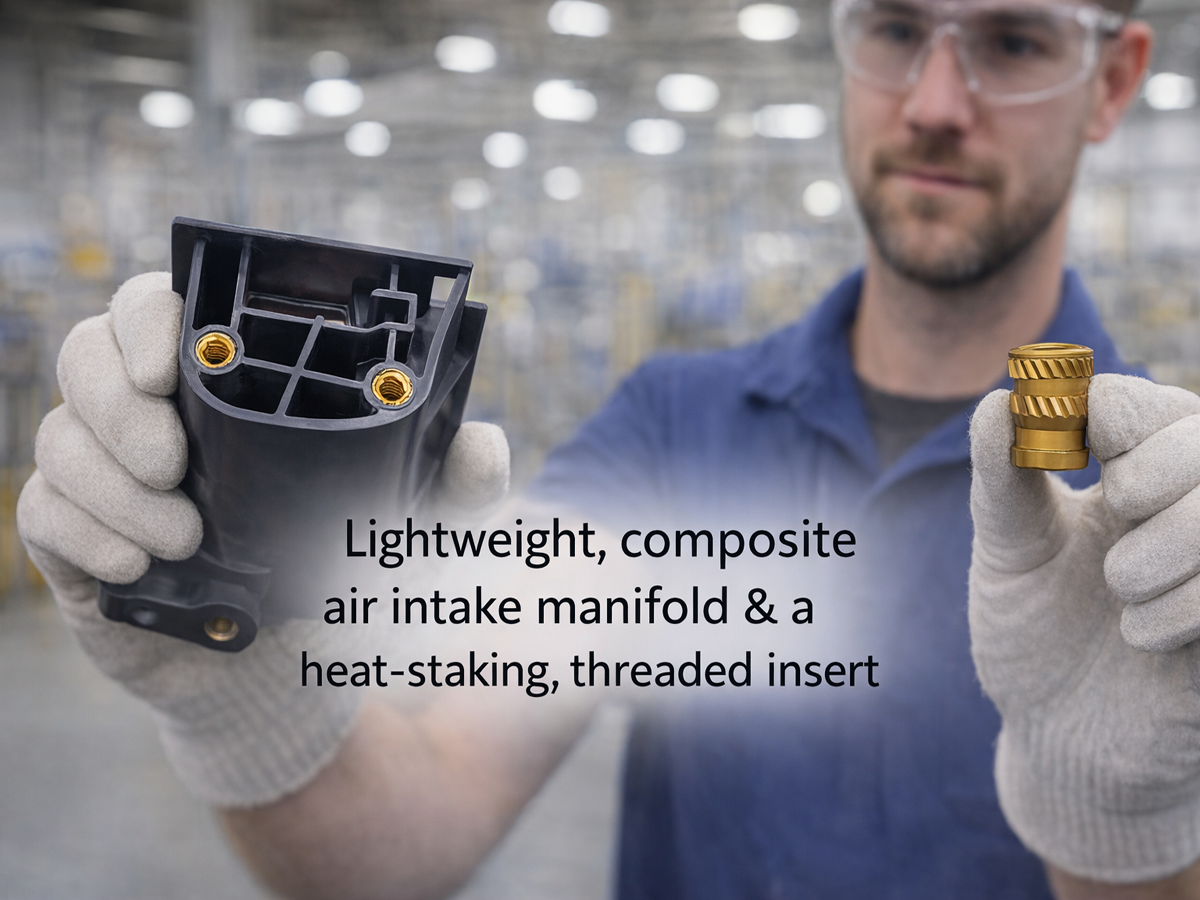
In some assemblies, designers may consider using a bolt-and-washer combination threaded directly into a mating metal component instead of inserts.
However, this approach introduces several potential issues:
Risk of overtightening plastic components
Increased likelihood of cracking or leakage
Additional parts increase the cost and weight
Thread inserts eliminate these risks by distributing load more effectively and protecting plastic structures.
When inserts are used, the mating component is often designed so that the hole rests against the insert's face, preventing the insert from being pulled out during tightening.
Typical Industrial Applications
Thread insert nuts are widely used across many industries:
Automotive plastic components
Medical device housings
Electrical enclosures
Communication equipment
Consumer electronics
Industrial plastic assemblies
These inserts enable manufacturers to combine the lightweight advantages of plastic with the mechanical strength of metal threads.
Choosing the Right Thread Insert Supplier
For industrial applications, selecting a reliable supplier is critical. A professional fastener manufacturer should provide:
Multiple insert designs for different plastics
Various materials, including brass, aluminum, and stainless steel
Support for automated production requirements
Custom design solutions for specialized applications
With over 23 years of experience in industrial fasteners, manufacturers such as Juxin Fasteners provide high-precision threaded insert solutions to global OEM customers.
Conclusion
Thread insert nuts play a vital role in modern plastic component design. By reinforcing plastic parts with durable metal threads, these inserts enhance structural strength, assembly reliability, and long-term performance.
As industries continue to demand lighter and more efficient products, threaded inserts remain one of the most effective fastening solutions for plastic assemblies.
Product Pictures
Contact Us
Tel.:
+86 020 8621 0320
+86 020 3121 6067
E-mail:
Technical Support:
Navigation
SEND INQUIREY