Call Us
+86 136 6007 9809
Call Us
+86 136 6007 9809

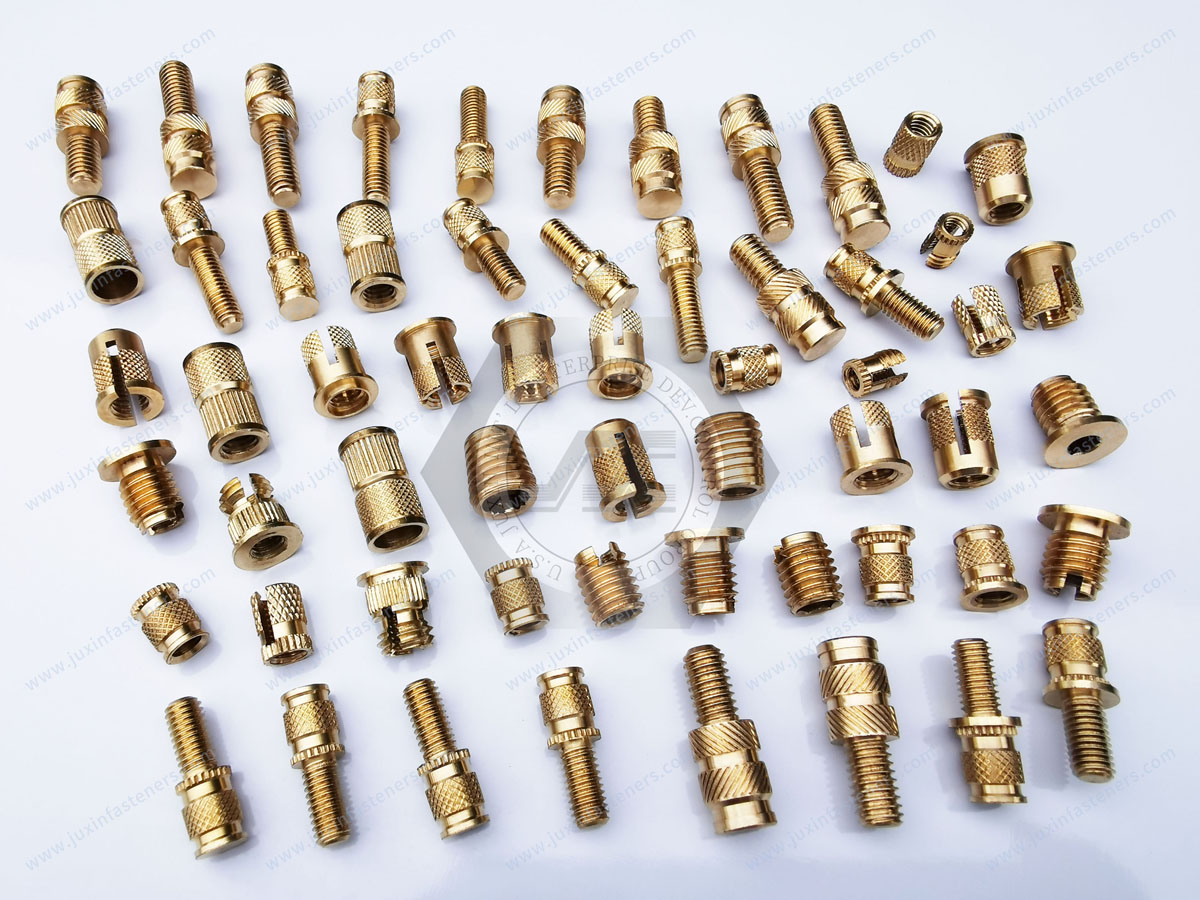
Thread Knurled Insert Nuts for Rail Transit Systems – Reliable Fastening Solutions for Railway Equipment and Signal Infrastructure
Rail transit systems—including high-speed rail, metro systems, railway signal equipment, and track infrastructure—operate under demanding mechanical and environmental conditions. Continuous vibration, heavy structural loads, and exposure to moisture, stray currents, and temperature fluctuations impose strict requirements on fastening solutions for rail transit equipment.
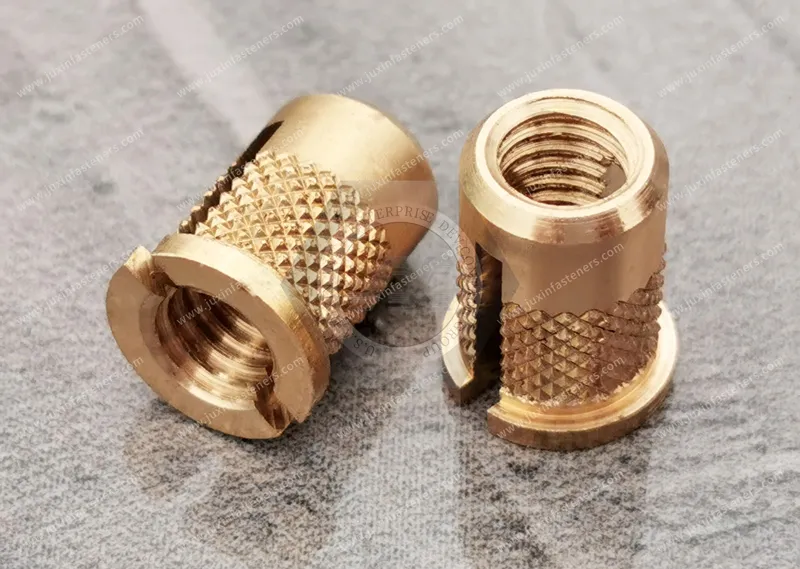
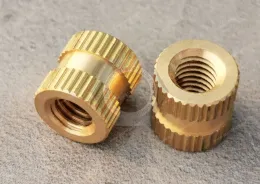
Traditional threaded connections in lightweight materials or thin-wall structures may loosen over time due to vibration and dynamic loading. Thread knurled insert nuts provide a reliable solution by creating high-strength metal internal threads embedded into plastic, aluminum, or composite components.
Through precision knurled surfaces and advanced embedding technologies, these inserts significantly improve anti-loosening performance, vibration resistance, and long-term connection reliability, making them widely used in modern rail transit manufacturing.
Product Specification
Thread Knurled Insert Nuts for Rail Transit Systems – Reliable Fastening Solutions for Railway Equipment and Signal Infrastructure
Rail transit systems—including high-speed rail, metro systems, railway signal equipment, and track infrastructure—operate under demanding mechanical and environmental conditions. Continuous vibration, heavy structural loads, and exposure to moisture, stray currents, and temperature fluctuations impose strict requirements on fastening solutions for rail transit equipment.
Traditional threaded connections in lightweight materials or thin-wall structures may loosen over time due to vibration and dynamic loading. Thread knurled insert nuts provide a reliable solution by creating high-strength metal internal threads embedded into plastic, aluminum, or composite components.
Through precision knurled surfaces and advanced embedding technologies, these inserts significantly improve anti-loosening performance, vibration resistance, and long-term connection reliability, making them widely used in modern rail transit manufacturing.
Core Advantages of Thread Knurled Insert Nuts in Rail Transit Applications
Thread knurled insert nuts are designed to enhance the durability and safety of mechanical connections in demanding railway environments.
Superior Anti-Loosening and Vibration Resistance
Rail transit vehicles and infrastructure are subject to continuous vibration, typically ranging between 5 and 200 Hz during operation. Conventional fasteners may gradually loosen under these conditions.
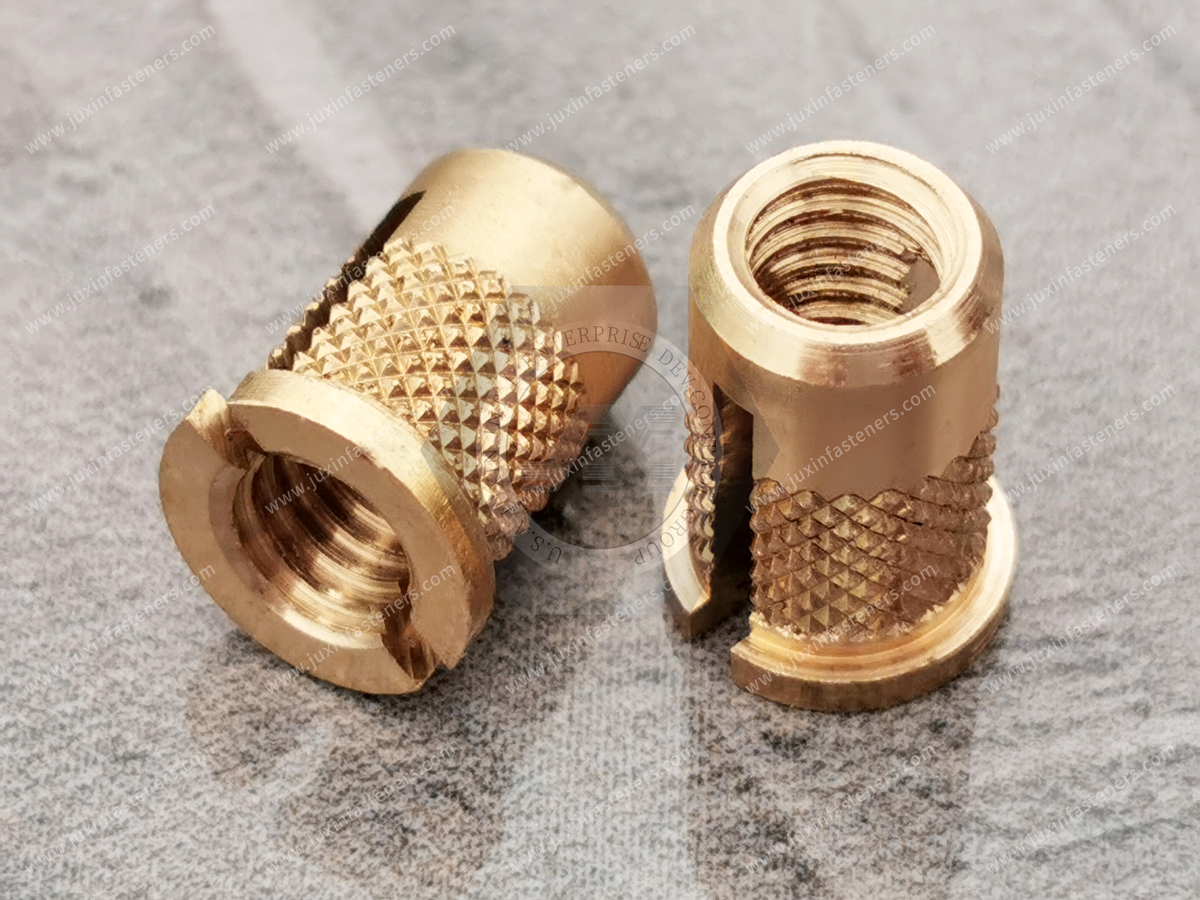
The knurled outer surface of the insert creates a mechanical interlock with the base material during embedding, significantly improving resistance to rotation and loosening.
When combined with additional locking structures such as:
positioning pins
trapezoidal threads
locking washers
The fastening system can achieve extremely high safety levels suitable for railway applications.
Reinforced Thread Strength in Lightweight Structures
Modern rail vehicles increasingly utilize lightweight materials such as aluminum alloys, engineering plastics, and composite structures to reduce vehicle weight and improve efficiency.
Thread knurled insert nuts provide high-load-bearing internal threads in these materials, preventing problems such as:
thread stripping
pull-out failure
deformation of thin-wall components
This makes them ideal for structural fastening points in critical rail equipment.
Corrosion Resistance and Harsh Environment Compatibility
Railway equipment frequently operates in harsh environments such as:
coastal regions with high salt exposure
underground tunnels with high humidity
stray current environments within metro systems
To address these challenges, inserts are commonly manufactured using materials such as:
stainless steel 316Ti
corrosion-resistant alloys
surface treatments, including passivation and PTFE coatings
These solutions provide excellent corrosion resistance and comply with railway corrosion protection requirements, including stray-current protection standards.
Precision Adjustment Capability
In certain rail infrastructure components—such as track height adjustment supports—special insert designs with trapezoidal threads or worm-gear mechanisms enable precision adjustment of up to 0.1 mm while maintaining strong self-locking performance.
This prevents structural movement or springback during long-term railway operation.
Typical Applications in Rail Transit Equipment
Thread knurled insert nuts are widely used in both rolling stock components and railway infrastructure systems.
High-Speed Rail and Metro Bogie Fastening Systems
Bogie systems are critical load-bearing structures in rail vehicles. Insert nuts can be integrated into structural components using pin-type threaded sleeves to achieve multi-directional locking.
In certain high-speed train applications, this fastening method has demonstrated significant reliability improvements, reducing replacement rates of bogie connection components by more than 80% after long-term operation.
Shield Tunnel Segment Pre-Embedded Connections
Railway tunnel construction often requires embedded connection systems in tunnel lining segments.
Stainless steel threaded sleeves with knurled structures are used to provide:
secure mechanical anchoring
electrical insulation against stray currents
long-term structural stability
These embedded systems help improve safety and significantly reduce maintenance costs in metro tunnel infrastructure.
Railway Signal Equipment and Electrical Systems
Miniature thread knurled insert nuts are widely used in railway signal equipment, control cabinets, and traction electronics, including:
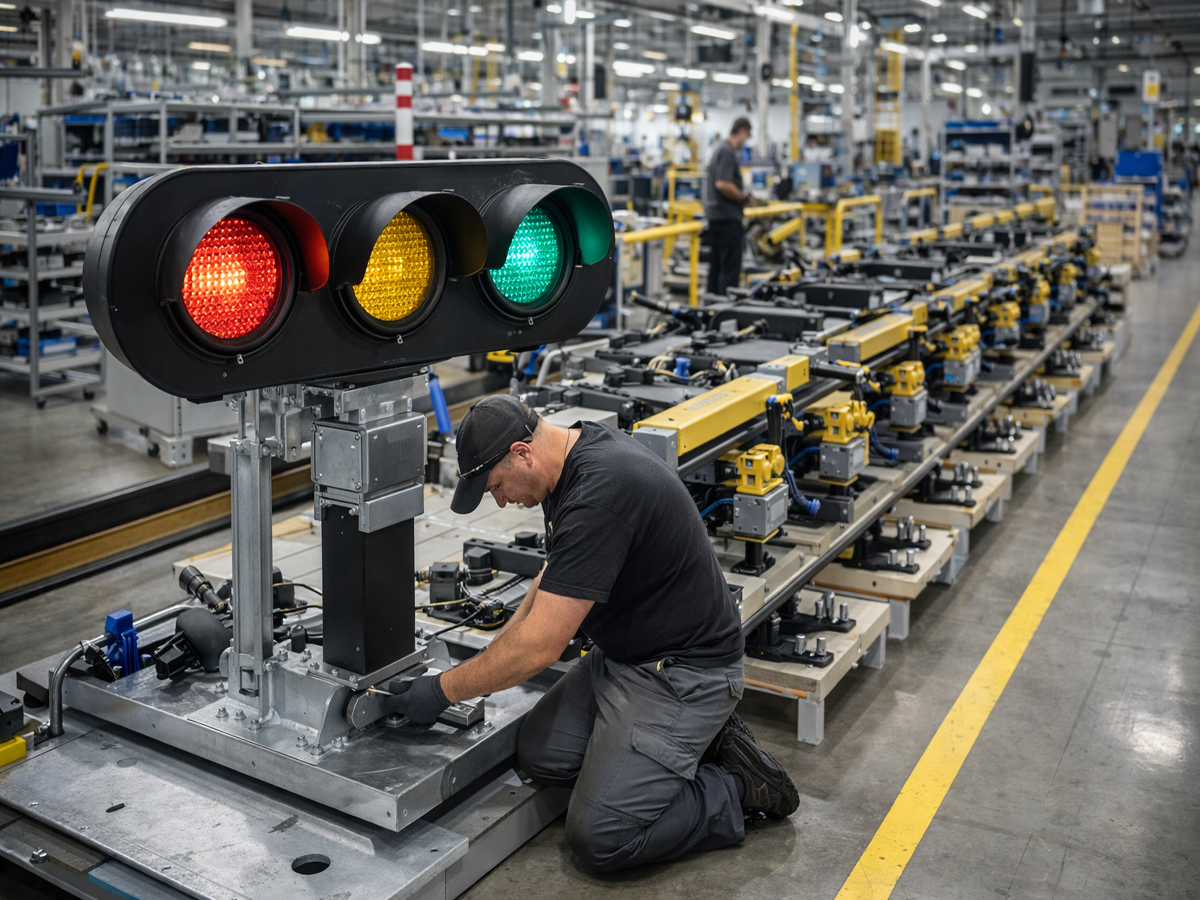
signal light housings
traction converter assemblies
electronic control modules
sensor brackets and supports
Typical thread sizes range from M1.2 to M4, supporting compact electronic assemblies that require high cleanliness and reliable fastening.
Railway Track Height Adjustment Supports
Track systems sometimes require precise height adjustment in areas such as:
ground fissure zones
infrastructure settlement areas
maintenance sections
Thread knurled inserts combined with trapezoidal thread adjustment systems can provide up to 100 mm of adjustment range, while maintaining more than 95% torque retention, ensuring long-term stability under heavy rail loads.
Materials and Technical Specifications
Thread knurled insert nuts used in rail transit applications are typically manufactured from high-performance materials.
Common Materials
Stainless steel (SUS304 / SUS316 / 316Ti)
High-strength alloy steel
Brass alloys for electrical components
Surface Treatments
Passivation
PTFE anti-corrosion coatings
specialized wear-resistant coatings
These materials ensure long-term reliability under harsh railway operating environments.
Manufacturing and Installation Methods
Thread knurled inserts can be integrated into rail transit components using several installation methods, depending on the base material.
Injection Molding Pre-Embedding
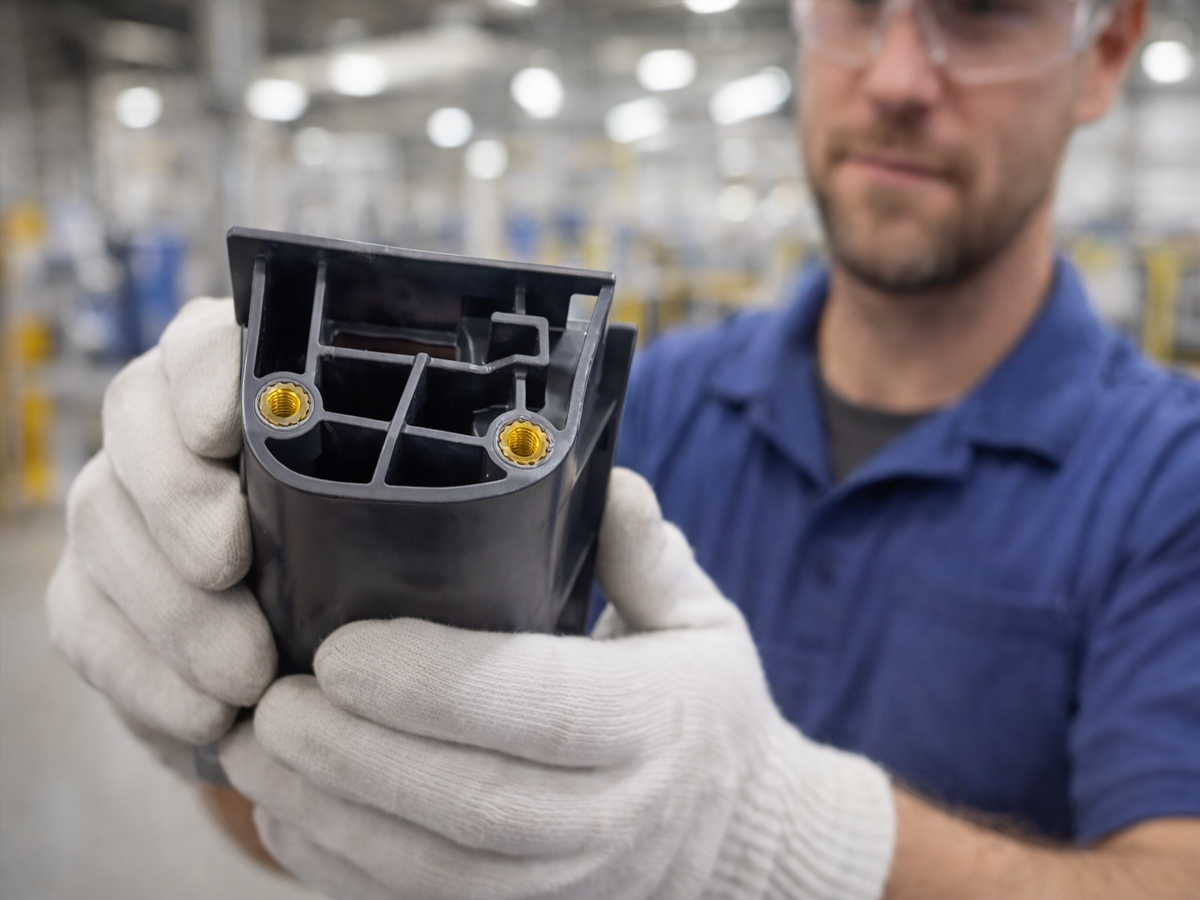
For plastic components used in railway signal equipment and electrical housings, inserts are positioned in the mold cavity before plastic injection.
Hot-Melt Insertion
A heated installation tool softens the plastic locally, allowing the insert to be pressed into place.
Ultrasonic Embedding
High-frequency vibration generates localized heat, enabling rapid and precise insertion of threaded inserts.
These processes ensure strong mechanical bonding between the insert and the base material.
Design Considerations for Rail Transit Fastening Systems
When selecting thread knurled insert nuts for rail transit equipment, engineers typically consider several factors:
vibration resistance requirements
load-bearing capacity
corrosion protection levels
installation method compatibility
long-term maintenance accessibility
Proper design and material selection ensure compliance with railway infrastructure standards and long service life.
Conclusion
Thread knurled insert nuts provide a high-reliability fastening solution for modern rail transit equipment and railway infrastructure systems. Their unique knurled structure, durable materials, and compatibility with advanced manufacturing processes enable engineers to achieve:
superior vibration resistance
strong internal threaded connections in lightweight materials
improved structural safety and reliability
reduced maintenance costs in long-term rail operations
As global rail networks continue to expand and modernize, threaded insert technology will remain an essential component in developing safe, efficient, and durable rail transit systems.
For technical consultation or customized threaded insert solutions for railway applications, manufacturers can explore professional fastening solutions from Juxin Fasteners.
Product Pictures
Contact Us
Tel.:
+86 020 8621 0320
+86 020 3121 6067
E-mail:
Technical Support:
Navigation
SEND INQUIREY