Call Us
+86 136 6007 9809
Call Us
+86 136 6007 9809

AI data centers place unusual demands on power infrastructure. High-density computing equipment requires electrical distribution systems,
power conversion equipment, cabinets, busbar assemblies, cooling infrastructure, and service-access structures to operate as an integrated system.
Product Specification
AI data centers place unusual demands on power infrastructure. High-density computing equipment requires electrical distribution systems,
power conversion equipment, cabinets, busbar assemblies, cooling infrastructure, and service-access structures to operate as an integrated system.
Fasteners may appear to be small components within these assemblies, but their design can influence enclosure assembly, grounding arrangements, structural stability,
serviceability, vibration behavior, and manufacturing efficiency.
For manufacturers of AI data center power equipment, the right fastening solution is therefore not simply a matter of selecting a screw with the correct thread.
The fastener must be evaluated together with the enclosure material, component geometry, installation process, electrical requirements, environmental exposure, and production sequence.
JUXIN FASTENERS provides custom fasteners and precision fastening components for electrical equipment, power infrastructure, data center equipment, and OEM assemblies.
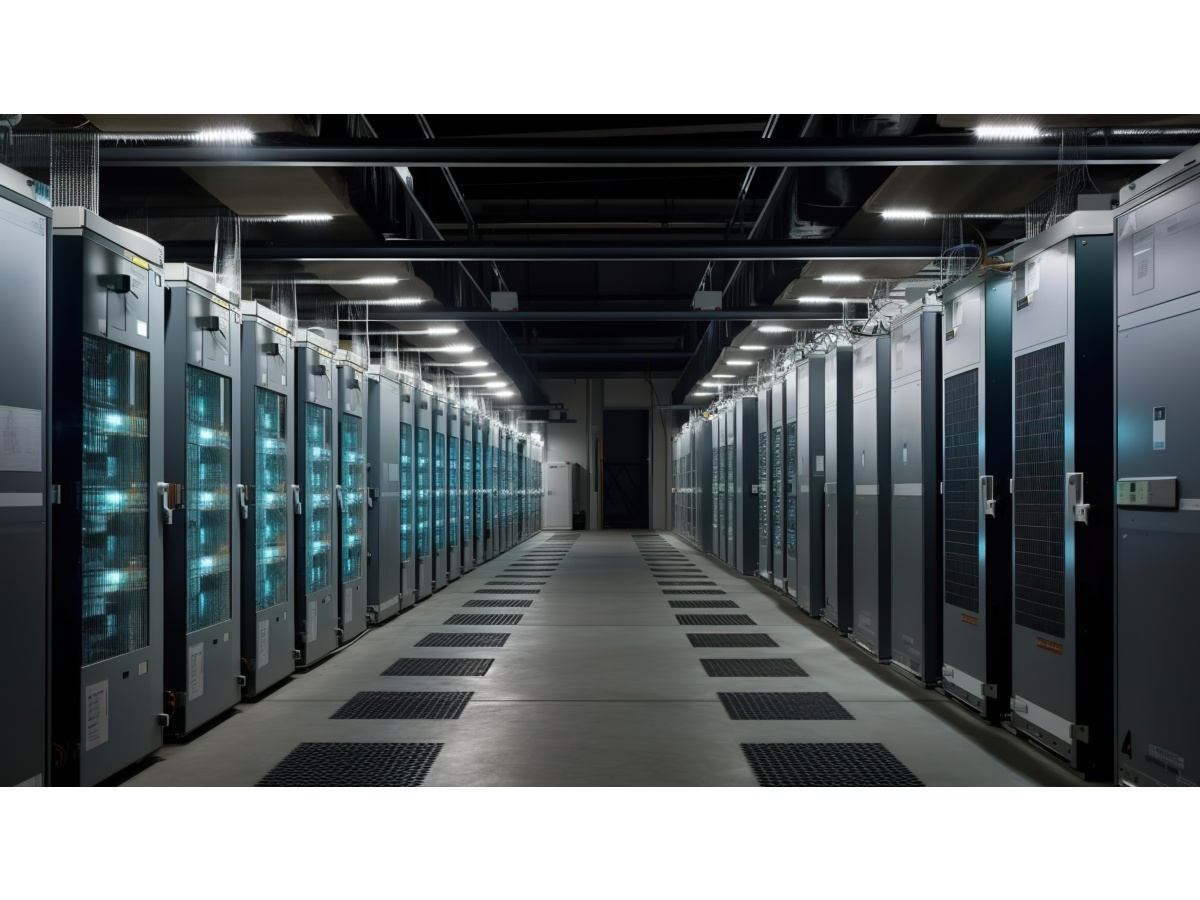
Power distribution equipment used in data centers can include:
Electrical cabinets
Power distribution units
Power conversion equipment
Busbar assemblies
Power supply enclosures
Switchgear-related assemblies
Control cabinets
Server power infrastructure
Cable management structures
Cooling and auxiliary equipment
These systems commonly combine sheet metal, machined components, electrical insulation materials, conductive components, brackets, covers, and service-access panels.
A fastening system must work with the complete assembly.
For example, a fastener installed in an electrical enclosure may need to provide a repeatable mechanical attachment while also allowing the panel to be removed during service.
A threaded fastening point inside a sheet-metal cabinet may need to remain aligned with a mating component throughout repeated assembly operations.
This makes fastening design part of the overall product architecture rather than an isolated hardware decision.
Many electrical and power-infrastructure assemblies use formed or fabricated sheet-metal components.
Creating a reliable threaded attachment point can become difficult when the available material does not support a conventional tapped thread or when access to the rear side of the panel is restricted.
Depending on the design, manufacturers may consider:
Self-clinching nuts
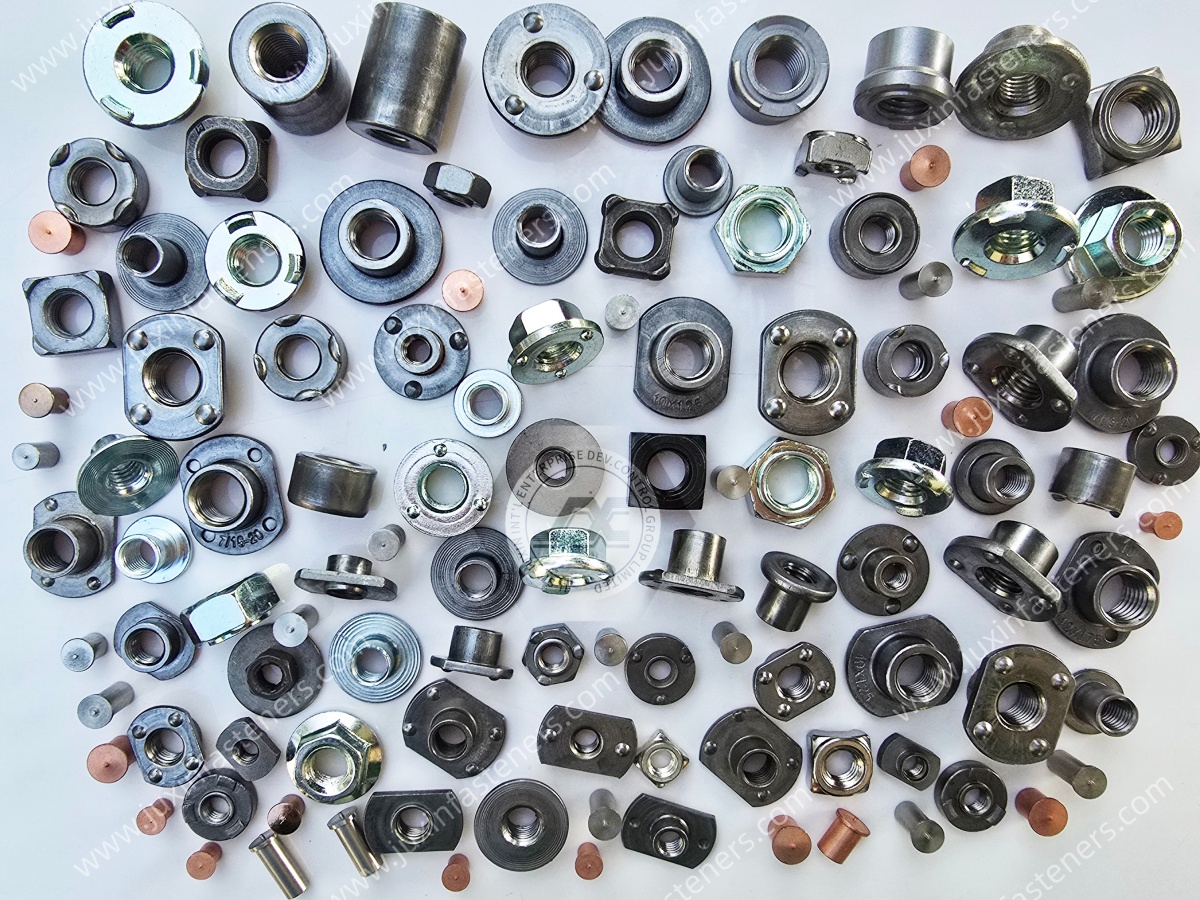
Weld nuts
Rivet nuts
Threaded inserts
Custom nuts
Weld studs
Custom screws and bolts
The appropriate technology depends on the panel material, thickness, hole design, installation process, and required joint performance.
Data center equipment is designed around maintenance and serviceability.
Panels, covers, brackets, cable-management components, and internal assemblies may need to be removed and reinstalled.
This creates a different requirement from a purely permanent structural joint.
A fastening system should therefore be evaluated for:
Thread durability
Installation repeatability
Accessibility
Alignment
Tool access
Service sequence
Risk of cross-threading or assembly damage
The best fastener is often the one that supports the entire service workflow rather than simply the one with the lowest unit price.
Fasteners used around electrical equipment may interact with conductive or insulating components.
Engineers should determine whether the fastener is intended to:
Provide mechanical retention
Maintain electrical continuity
Remain electrically isolated
Support a grounding arrangement
Hold an insulating component
Position a conductive component
These functions should not be assumed from the fastener material alone.
Electrical behavior is a system-level design issue involving the fastener, coating, mating surfaces, substrate, and intended electrical function.
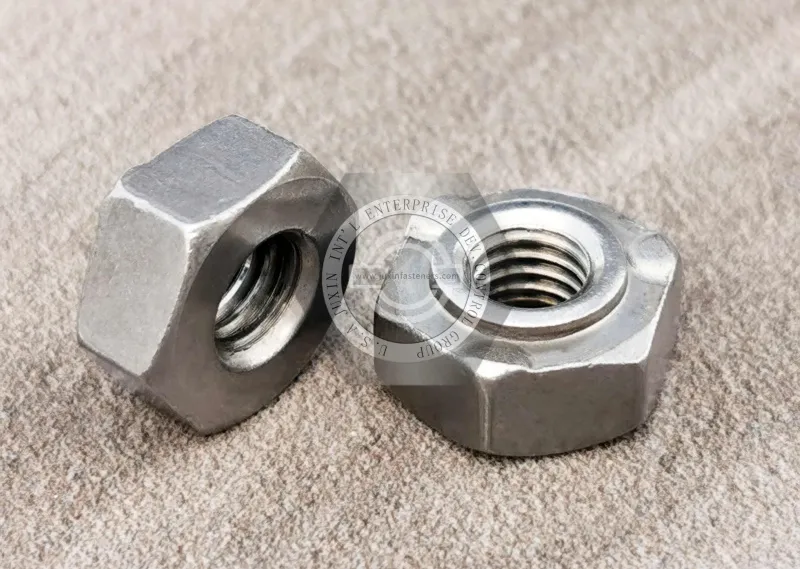
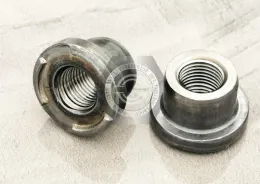
Weld nuts can be particularly useful when a permanent internal threaded feature is required on a fabricated metal component.
A weld nut becomes part of the sheet-metal assembly during manufacturing, eliminating the need to handle a separate loose nut during final assembly.
Potential advantages include:
Integrated threaded attachment points
Repeatable component positioning
Compatibility with automated manufacturing
Reduced loose-hardware handling
Simplified final assembly
Permanent fastening features
However, weld nut selection should consider the welding process, substrate material, sheet thickness, fastener geometry, electrode access, heat input, and production sequence.
Welding is not automatically appropriate for every enclosure.
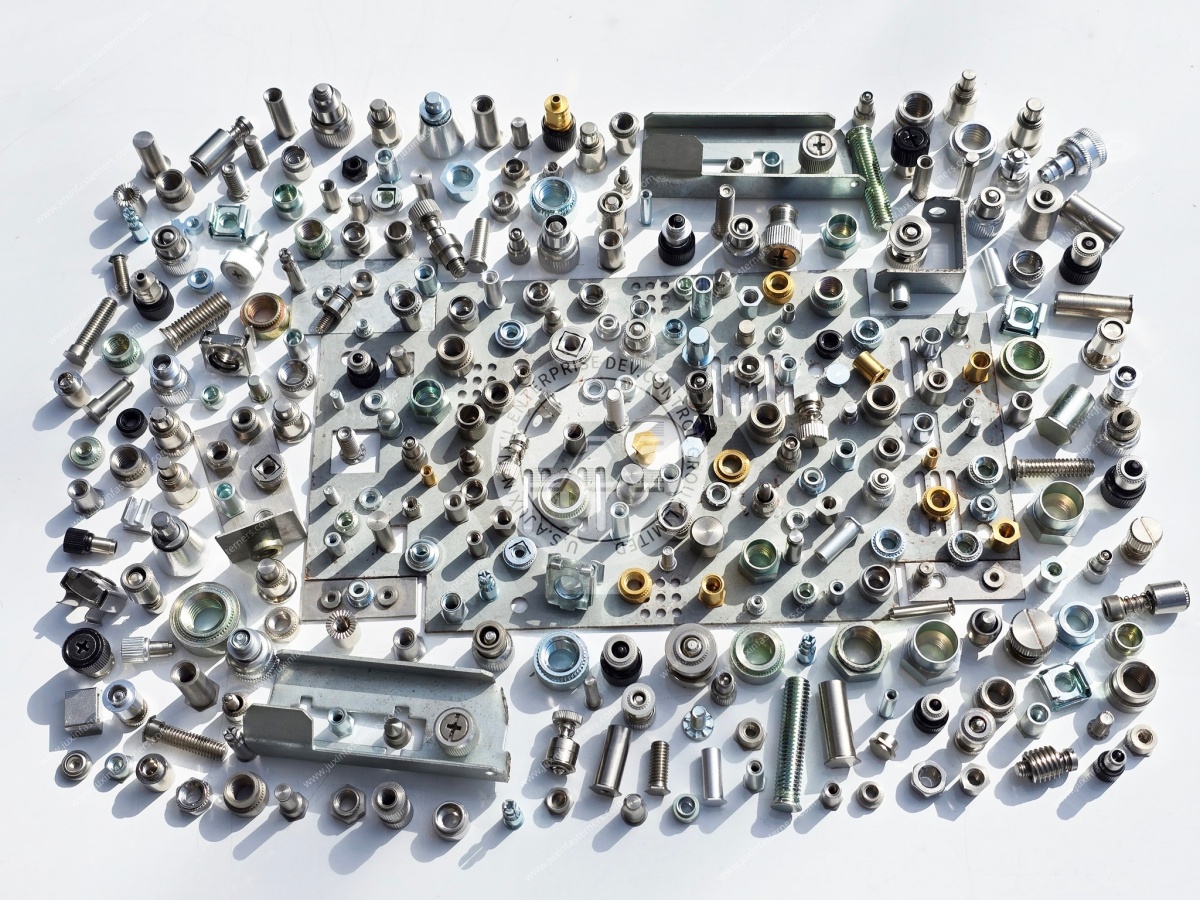
Self-clinching fasteners use mechanical installation rather than welding.
They can be considered when the enclosure design and substrate are suitable for self-clinching installation.
Typical applications may include:
Electrical cabinet panels
Control equipment
Rack components
Mounting brackets
Internal support panels
Power equipment housings
The key engineering question is not simply whether a self-clinching nut can be installed.
The engineer should verify that the selected fastener is compatible with the actual panel material and thickness and that the installation process can be controlled consistently in production.
Blind rivet nuts can provide an internal thread when installation access is available from only one side of the component.
This can be useful for:
Closed electrical enclosures
Retrofit assemblies
Large cabinet structures
Access-limited sheet-metal components
Service panels
Rivet nuts and self-clinching nuts should not be treated as interchangeable technologies.
They use different installation principles and impose different requirements on the substrate and manufacturing process.
Material selection should be based on the actual application environment.
Potential considerations include:
Base material compatibility
Corrosion exposure
Temperature environment
Electrical requirements
Mechanical loading
Contact with other metals
Surface-treatment compatibility
Assembly process
Service conditions
For example, stainless steel may be considered where corrosion resistance is important,
while carbon or alloy steel may be selected where mechanical requirements and surface treatment make them appropriate.
The correct material cannot be selected from the product name alone.
Fastening decisions should be made before production tooling is finalized.
Important DFM questions include:
If a component is bent after the fastening feature is installed, the manufacturing sequence must ensure that forming does not interfere with the fastener or its thread.
For weld nuts and weld studs, electrode or welding-tool access must be evaluated during component design.
For high-volume manufacturing, orientation, feeding, positioning, and process repeatability can be as important as the fastener itself.
If a cover will be removed repeatedly, the fastening system should support the intended service process.
When requesting quotations, procurement teams should provide as much application information as practical.
A useful RFQ may include:
Engineering drawing
3D CAD model where available
Fastener type
Thread specification
Material
Surface treatment
Mating component material
Panel material and thickness
Hole geometry
Installation method
Welding requirements where applicable
Assembly sequence
Annual or project quantity
Inspection requirements
Packaging requirements
Providing this information allows the supplier to evaluate the fastener as part of the actual assembly instead of quoting an isolated commodity component.
JUXIN FASTENERS supports OEM customers requiring custom fastening components for electrical equipment, power infrastructure, data center assemblies, and industrial systems.
Potential products include:
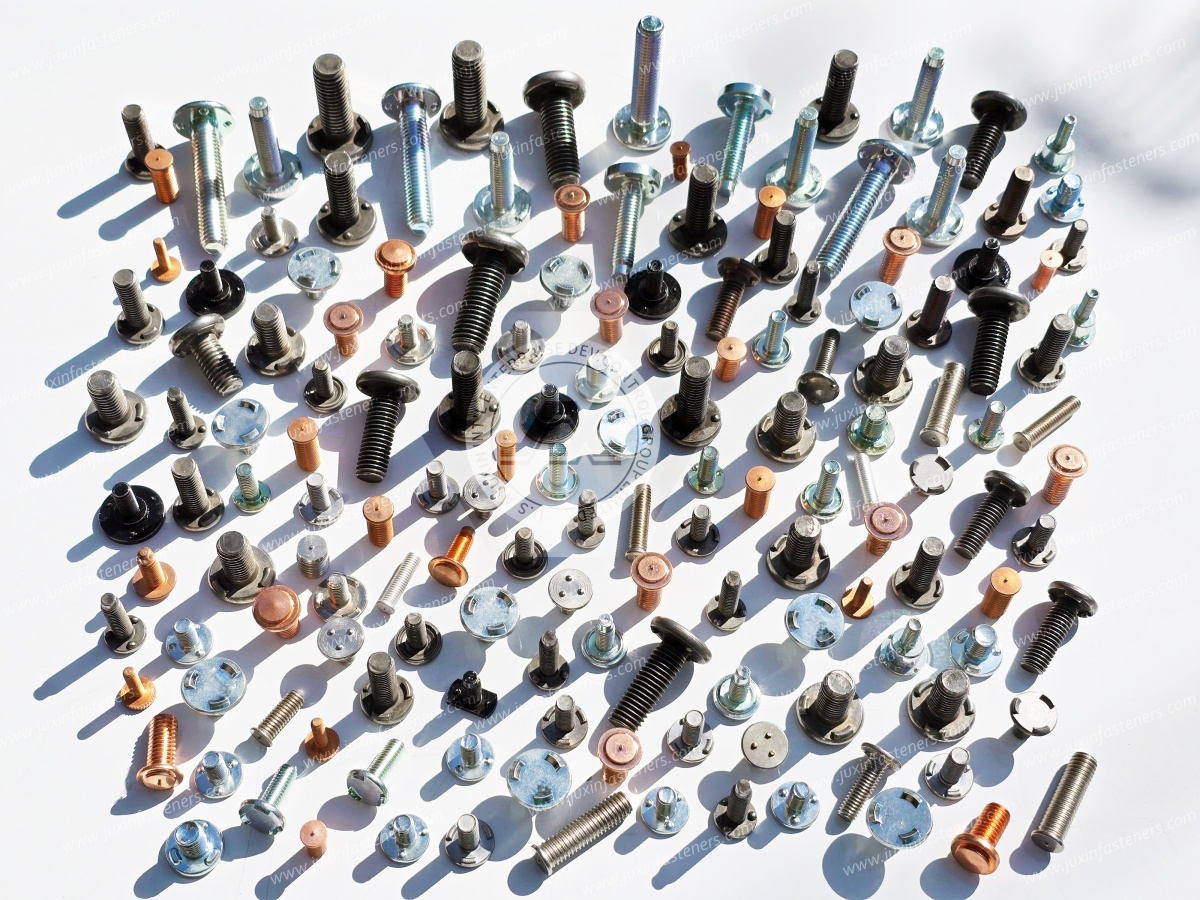
Weld nuts
Weld studs
Weld pins
Self-clinching nuts
Self-clinching studs
Rivet nuts
Threaded inserts
Custom screws
Custom bolts
Nuts and washers
Precision CNC components
Manufacturing can be based on customer drawings, samples, specifications, and application requirements.
For AI data center power distribution projects, the most useful starting point is the actual assembly information rather than a generic fastener request.
Send the drawing, substrate information, fastening requirements, and production requirements to info@juxinfasteners.com for an OEM fastening review.
JUXIN FASTENERS — Precision Fastening Solutions Since 2003.
Product Packaging
Packaging Standard
At Juxin Fasteners, we apply standardized export packaging to ensure product protection, traceability, and compliance with international logistics requirements.
1. Standard Export Packaging
Unless otherwise specified, all products will be packed according to our factory standard export packaging, which includes:
Moisture-resistant inner protection
Poly bag or small box packing as required
Reinforced export cartons
Clear labeling with part number, specification, batch number, and quantity
Palletizing for sea or air shipment when necessary
Our standard packaging is designed to ensure safe transportation, efficient warehousing, and long-distance international shipping.
2. Customized Packaging Options
We also provide customized packaging solutions according to customer requirements, including but not limited to:
Private labeling
Customized barcodes
Specific carton dimensions
Retail packaging
Special pallet configuration
Customer-specific marking and identification
So that you know, customized packaging may involve additional costs and extended lead time depending on the complexity of the requirements.
3. Compliance & Quality Assurance
All packaging processes are controlled under our ISO 9001 quality management system to ensure consistency, traceability, and product integrity throughout the supply chain.
Product Pictures
Contact Us
Tel.:
+86 020 8621 0320
+86 020 3121 6067
E-mail:
Technical Support:
Navigation
SEND INQUIREY