Call Us
+86 136 6007 9809
Call Us
+86 136 6007 9809

Product Specification
Why is specialized fastener packaging critical for automated assembly lines?
Industrial fastener packaging for high-volume automated manufacturing is not simply a logistics decision.
For parts that will be loaded into vibratory bowl feeders, centrifugal feeders, linear feeders, hoppers, or other automated presentation systems,
the packaging method can directly affect part condition, bulk handling behavior, feeding stability, and ultimately assembly-line availability.
Fasteners such as square weld nuts, tab weld nuts, flanged weld nuts, weld studs, asymmetrical components,
and parts with projections or tabs can interact with one another during bulk transportation and storage.
Depending on their geometry, orientation, surface condition, and container loading configuration, components may become nested, hooked, interlocked,
or otherwise difficult to separate before they enter the feeding system.
A reliable automated fastening process therefore requires coordination between:
Fastener geometry
Manufacturing dimensional consistency
Surface condition and coating
Part orientation
Bulk packaging configuration
Container size and internal geometry
Hopper loading method
Vibratory bowl feeder design
Track and escapement geometry
Robot or automated handling equipment
Assembly orientation
Transit and storage conditions
Production volume
Line-side replenishment requirements
The correct objective is not simply to make a package that protects the fasteners during transportation.
The packaging system should support the complete material flow from supplier shipment to line-side presentation and final automated installation.
A useful engineering model is:
Supplier Manufacturing
        |
        v
Fastener Inspection
        |
        v
Packaging Configuration
        |
        v
Transportation / Storage
        |
        v
Line-Side Replenishment
        |
        v
Hopper / Bulk Loading
        |
        v
Feeder Bowl or Other Feeding System
        |
        v
Orientation / Track
        |
        v
Escapement
        |
        v
Robotic or Automated Assembly
This means that fastener packaging and feeder compatibility should ideally be considered during supplier qualification and automation planning rather than after an automated feeding problem occurs.
For JUXIN FASTENERS OEM customers, packaging requirements can be evaluated together with the fastener geometry, annual volume,
assembly process, and logistics model so that packaging is treated as part of the manufacturing system rather than as a separate shipping activity.
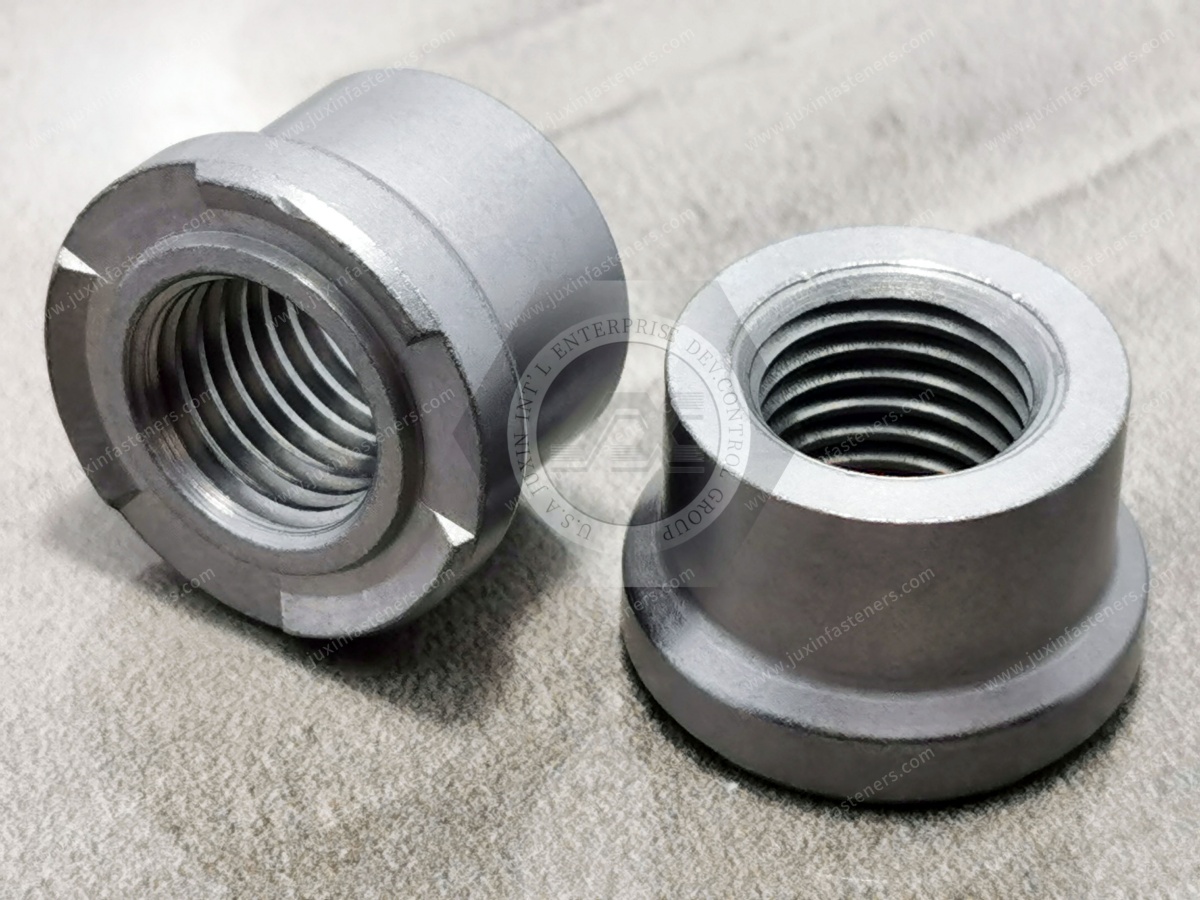
Fastener interlocking is one of the most important bulk-handling risks for automated feeding.
Some geometries naturally create more opportunities for parts to catch on one another. Examples can include:
Asymmetrical weld nuts
Tab weld nuts
Square or rectangular weld nuts
Flanged components
Parts with hooks, tabs, or projections
Long or slender weld studs
Components with recessed or open geometries
Parts with substantial differences between their center of mass and geometric center
During transportation, vibration and repeated movement can cause components to settle into configurations that are difficult to separate.
A similar phenomenon can occur when bulk parts are transferred into a hopper or feeder bowl.
However, packaging alone does not determine whether a component will feed successfully.
Feeding behavior depends on the interaction between the part geometry and the complete feeding system.
A practical evaluation should therefore consider:
Whether the parts can nest or hook together.
Whether the component has a preferred orientation.
Whether the feeder must reject incorrect orientations.
Whether the fastener can bridge across the hopper or track.
Whether projections can catch on adjacent components.
Whether the surface finish changes the friction behavior between parts.
Whether bulk loading introduces excessive part height or impact.
Whether the escapement can reliably separate individual components.
Whether the fastener arrives at the assembly station in the required orientation.
This is why a fastener that feeds successfully in one bowl-feeder configuration may not necessarily behave identically in another.
Packaging should support the feeder, but it cannot replace feeder development.
A vibratory bowl feeder normally performs several functions:
Bulk part storage
Controlled movement
Part orientation
Rejection of incorrect orientations
Linear transfer
Individual separation
Presentation to the downstream assembly equipment
The packaging system mainly controls how the parts arrive at the production line and how they are transferred into the bulk-feeding system.
Therefore, the engineering question should be:
“How should this fastener be packaged so that the line can reliably receive, replenish, and feed it?”
rather than:
“What package prevents every possible feeding problem?”
This distinction is particularly important for OEM procurement because packaging specifications should be coordinated with the automation integrator or production engineering team when automated feeding is required.
The amount of fastener loaded into a container can affect both logistics and material handling.
Higher packing density may reduce packaging volume and transportation frequency, but it can also increase:
Part-to-part contact
Interlocking opportunities
Part impact during container movement
Manual handling difficulty
Hopper loading difficulty
Risk of deformation for sensitive geometries
Lower bulk density may improve handling characteristics for some components, but it can increase packaging consumption, storage volume, and transportation cost.
There is therefore no universal “best” packing density.
The appropriate configuration should be established according to:
Fastener geometry
Part weight
Surface finish
Packaging strength
Container handling method
Shipment distance
Line-side replenishment frequency
Automated feeder requirements
Customer packaging standards
For high-volume programs, these factors should be evaluated as part of the total material-flow design.
Bulk packaging is commonly used when fasteners are transferred into a hopper or vibratory feeder at the production site.
Possible formats include:
Corrugated cartons
Reinforced cartons
Plastic containers
Returnable industrial bins
Palletized bulk containers
Customer-specified reusable packaging
The appropriate choice depends on the component, shipping environment, handling equipment, and customer requirements.
Bulk packaging is particularly useful when the production line already has a controlled feeding system and the fastener can be safely transferred from the shipping container into the feeder.
However, “bulk” should not automatically mean “maximum quantity per box.”
For automated applications, the handling characteristics of the fastener may be more important than simply maximizing packing density.
Returnable packaging can be advantageous for recurring OEM programs with predictable logistics and high production volumes.
Potential advantages include:
Repeated use
Reduced disposable packaging
Compatibility with standardized material-handling systems
Easier integration with plant logistics
Controlled container dimensions
Potential reduction in packaging waste
For example, a customer operating a high-volume robotic welding cell may prefer standardized returnable bins that can be moved using existing plant material-handling equipment.
However, returnable packaging also introduces requirements for:
Container cleaning
Container identification
Return logistics
Protection from contamination
Damage inspection
Inventory control
Packaging standardization
The decision should therefore be based on the customer's complete supply-chain model rather than on the assumption that returnable packaging is always superior.
Corrugated cartons remain practical for international OEM shipments because they are relatively easy to palletize, identify, handle, and replace.
Depending on the fastener material, surface treatment, shipment route, and storage environment, additional protective measures may be appropriate.
These can include:
Inner bags
Moisture barriers
Protective liners
Desiccant systems
Dividers
Partitioning
Protective inserts
Reinforced carton construction
The correct moisture-protection strategy depends on the actual corrosion risk and transportation conditions.
For example, a plated fastener and an untreated steel component may require different packaging considerations.
Packaging should therefore be specified together with the fastener's material and surface-treatment requirements.
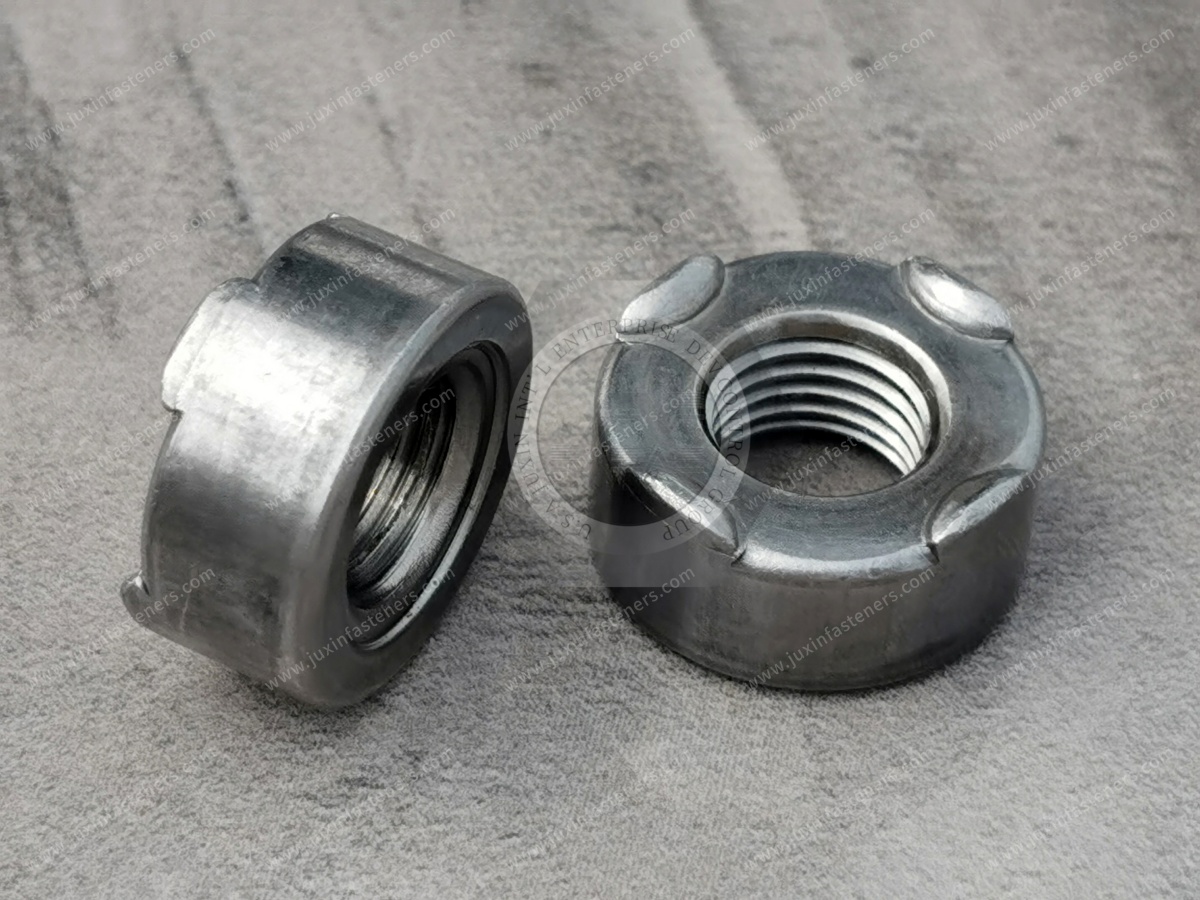
Square weld nuts can provide useful anti-rotation geometry after welding, but their external shape may also affect bulk feeding.
Corners and flat sides can create different contact conditions from round components.
During feeder development, engineers may need to evaluate:
Corner-to-corner interaction
Nesting behavior
Orientation repeatability
Track clearance
Escapement separation
Hopper transfer behavior
This does not mean that square weld nuts are inherently unsuitable for automated feeding.
Rather, the feeder should be designed around the actual component geometry.
Tab weld nuts introduce additional considerations because their tabs create asymmetric geometry.
Depending on the design, tabs may:
Hook onto adjacent components
Create preferred resting orientations
Affect track stability
Increase the possibility of nesting
Require dedicated orientation features
For this reason, packaging and feeding development should ideally be considered together for tab-type fasteners.
The objective is not merely to prevent the tabs from touching. The system should consistently separate, orient, and present the component in the required assembly position.
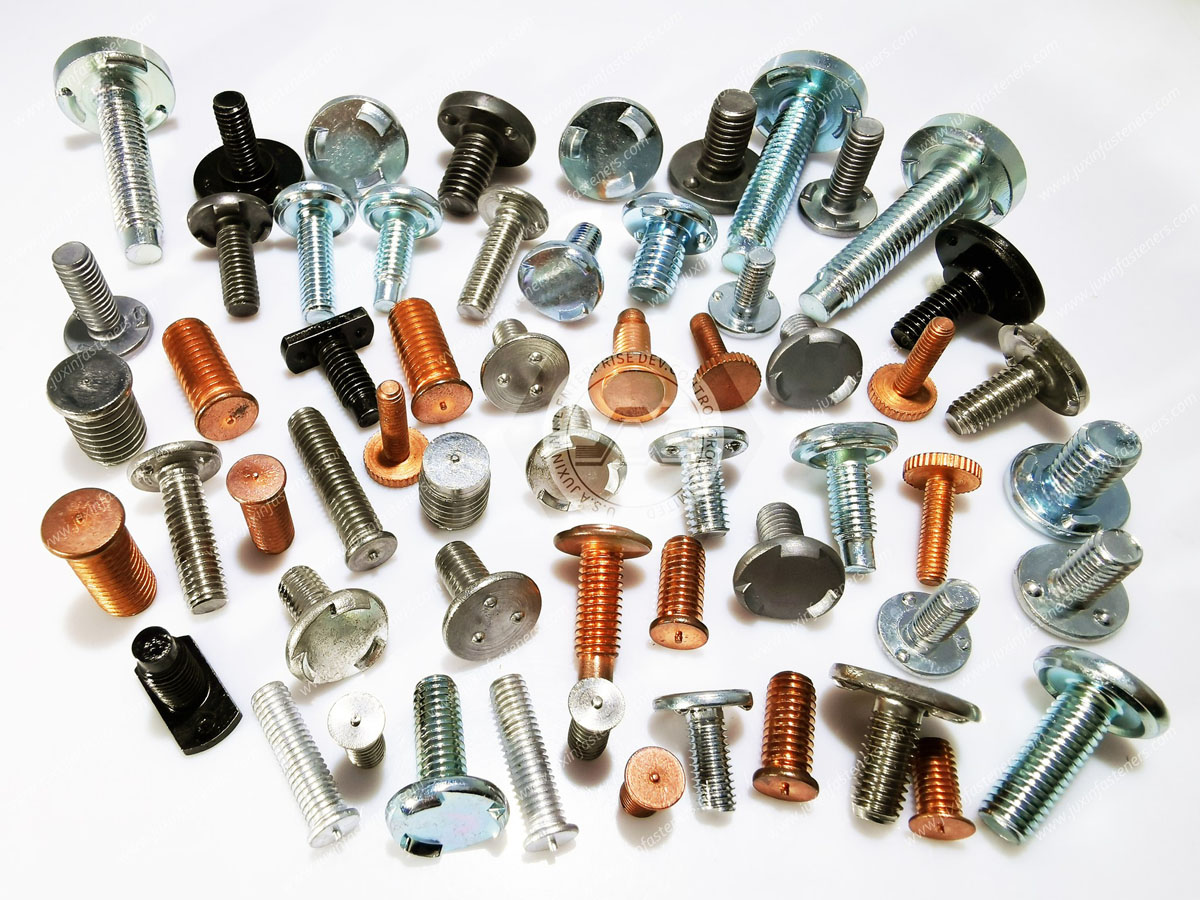
Weld studs create a different set of handling challenges.
Important characteristics may include:
Stud length
Head geometry
Diameter
Flange configuration
Center of mass
Surface finish
Protective packaging requirements
Long or slender components may require different bulk-handling strategies from compact nuts.
If studs are supplied in bulk, packaging should also prevent unnecessary deformation or damage to the features that are critical for welding and assembly.
Flanges can increase contact area and improve certain assembly functions, but they can also influence bulk orientation.
Asymmetrical fasteners are especially important because automated feeders typically need to distinguish between correct and incorrect orientations.
Therefore, the feeder system should be evaluated using the actual production component rather than relying only on nominal dimensions.
Automated assembly generally requires more than simply delivering a component to the line.
The component must often arrive in a defined orientation.
A typical feeding sequence may be:
Bulk Fasteners
      |
      v
Hopper
      |
      v
Vibratory Bowl
      |
      v
Orientation Features
      |
      v
Linear Track
      |
      v
Escapement
      |
      v
Pick-Up / Welding Station
Each stage can create a different failure mode.
For example:
Hopper bridging
Bowl overloading
Part nesting
Incorrect orientation
Track blockage
Escapement double-feeding
Insufficient part presentation
Excessive part vibration
Surface damage
Inconsistent replenishment
This is why feeder compatibility should be considered as a system-level requirement.
The transition from shipping container to hopper can be overlooked during project planning.
A fastener may feed successfully from the bowl but still create problems during hopper replenishment if:
Containers are too deep
Parts are difficult to pour
Fasteners interlock during transfer
The loading opening is poorly matched to the container
Manual operators cannot control the replenishment rate
Excessive impact damages the parts
For high-volume production, the material-handling sequence should be considered from the pallet through to the feeder.
Vibratory bowl feeders are typically customized around a particular part geometry and orientation requirement.
Relevant engineering inputs may include:
Overall fastener dimensions
Critical dimensional features
Weight
Material
Surface finish
Required orientation
Feeding direction
Assembly cycle requirements
Permitted contact surfaces
Acceptable cosmetic condition
Downstream escapement design
A supplier should therefore avoid promising that a particular fastener will be “feeder compatible” without understanding the customer's actual feeding system.
Even when parts move correctly through a bowl, the final separation mechanism may determine whether the automated cell receives one component at a time.
The escapement may be sensitive to:
Part dimensions
Orientation
Track width
Part thickness
Center of gravity
Friction
Burrs
Surface condition
Dimensional consistency is therefore important, but it should be evaluated against the feeder's actual functional requirements rather than described through an arbitrary universal tolerance.
Packaging cannot compensate for inconsistent fastener geometry.
Manufacturing characteristics that may affect automated feeding include:
Overall dimensions
Burr condition
Projection geometry
Flange dimensions
Tab geometry
Thread condition
Surface finish
Part-to-part variation
Deformation
Foreign material contamination
For automated applications, the relevant quality question is not only:
“Does the fastener meet the drawing?”
It is also:
“Does the production variation remain compatible with the customer's automated handling and assembly system?”
This is particularly important when a feeder has relatively narrow functional clearances.
Unexpected burrs can increase the possibility of parts catching on one another or contacting feeder surfaces in undesirable ways.
Burr control may therefore be important for:
Feeding
Orientation
Escapement
Operator handling
Assembly consistency
The acceptable burr condition should be defined according to the part drawing and actual application requirements.
For weld nuts and other projection-welded components, projection geometry may affect both welding performance and handling.
A packaging and automation review should therefore avoid treating packaging as an isolated logistics issue.
The fastener must remain within the specified functional geometry from manufacturing through:
Packaging → Transportation → Storage → Feeding → Welding → Final Assembly
Industrial fasteners can travel through multiple environments before reaching the assembly line.
Potential risks include:
Humidity
Condensation
Salt exposure
Dust
Abrasion
Impact
Packaging contamination
Long-term storage
The packaging strategy should therefore reflect:
Material
Surface treatment
Shipping route
Storage period
Climate
Container type
Customer handling practices
Steel fasteners may require protection against corrosion during international transportation and storage.
Possible approaches include:
Moisture-resistant inner packaging
Protective bags
Desiccants
Temporary corrosion protection
Controlled storage conditions
The correct solution depends on the fastener's surface treatment and environmental exposure.
A packaging supplier should not assume that one moisture barrier configuration is suitable for every fastener.
Some components have functional surfaces that should not be unnecessarily damaged during bulk transportation.
Potentially sensitive features can include:
Threads
Weld projections
Flanges
Tabs
Precision-machined surfaces
Coated surfaces
Where the surface finish is critical to welding, corrosion performance, appearance, or assembly, packaging should minimize unnecessary impact and abrasion.
High-volume production introduces another consideration: line-side replenishment.
A packaging system may be technically adequate for transportation but inefficient for production if operators must frequently stop the line to replenish feeders.
The engineering team should therefore evaluate:
Quantity per container
Container weight
Container handling
Replenishment frequency
Pallet configuration
Line-side storage space
Empty-container return
Operator ergonomics
Material identification
Lot traceability
The best packaging configuration is often the one that balances:
Protection + Feeding + Handling + Storage + Logistics + Cost
rather than optimizing only one factor.
Robotic welding cells can have high production volumes and require predictable material replenishment.
Fasteners may be fed into automated welding equipment where the component must arrive at the welding position in a controlled orientation.
In these applications, packaging should be coordinated with:
Feeder design
Robot tooling
Weld-gun access
Part presentation
Replenishment interval
Production takt requirements
Material-handling equipment
Customer plant standards
For automotive and industrial programs, packaging specifications may also be defined by the customer's internal logistics system.
JUXIN FASTENERS can review packaging requirements as part of an OEM sourcing discussion when customers provide the relevant automated feeding and logistics information.
Packaging cost should not be evaluated only as the price of the carton, bin, bag, or divider.
A low-cost package can become expensive if it contributes to:
Frequent feeder jams
Damaged parts
Excessive operator intervention
High replenishment frequency
Increased warehouse space
Material identification errors
Packaging waste
Return logistics problems
Similarly, a more sophisticated returnable packaging system may reduce recurring packaging waste and handling costs, but it may introduce additional investment and reverse-logistics requirements.
Therefore, procurement teams should evaluate packaging using total cost of ownership.
A useful framework is:
Packaging Cost + Transportation + Storage + Handling + Line-Side Labor + Feeding Reliability + Part Damage Risk + Return Logistics
This is particularly relevant for long-term OEM programs.
When requesting a quotation for weld fasteners intended for automated feeding, procurement teams should provide more information than part number and annual quantity.
Useful RFQ information includes:
Part drawing
3D CAD model where available
Material specification
Surface treatment
Thread specification
Critical dimensions
Weld projection geometry
Packaging quantity requirements
Manual or automated assembly
Feeder type
Bowl feeder requirements
Required orientation
Escapement arrangement
Hopper configuration
Robotic welding process
Customer-specific automation standards
Annual usage
Order quantity
Shipment frequency
Destination
Pallet requirements
Returnable or disposable packaging
Storage environment
Line-side handling method
Inspection requirements
Traceability requirements
Material documentation when specified
Packaging identification
Lot control
Customer-specific quality requirements
The more complete the RFQ, the easier it becomes for the supplier and automation team to identify potential risks before production begins.
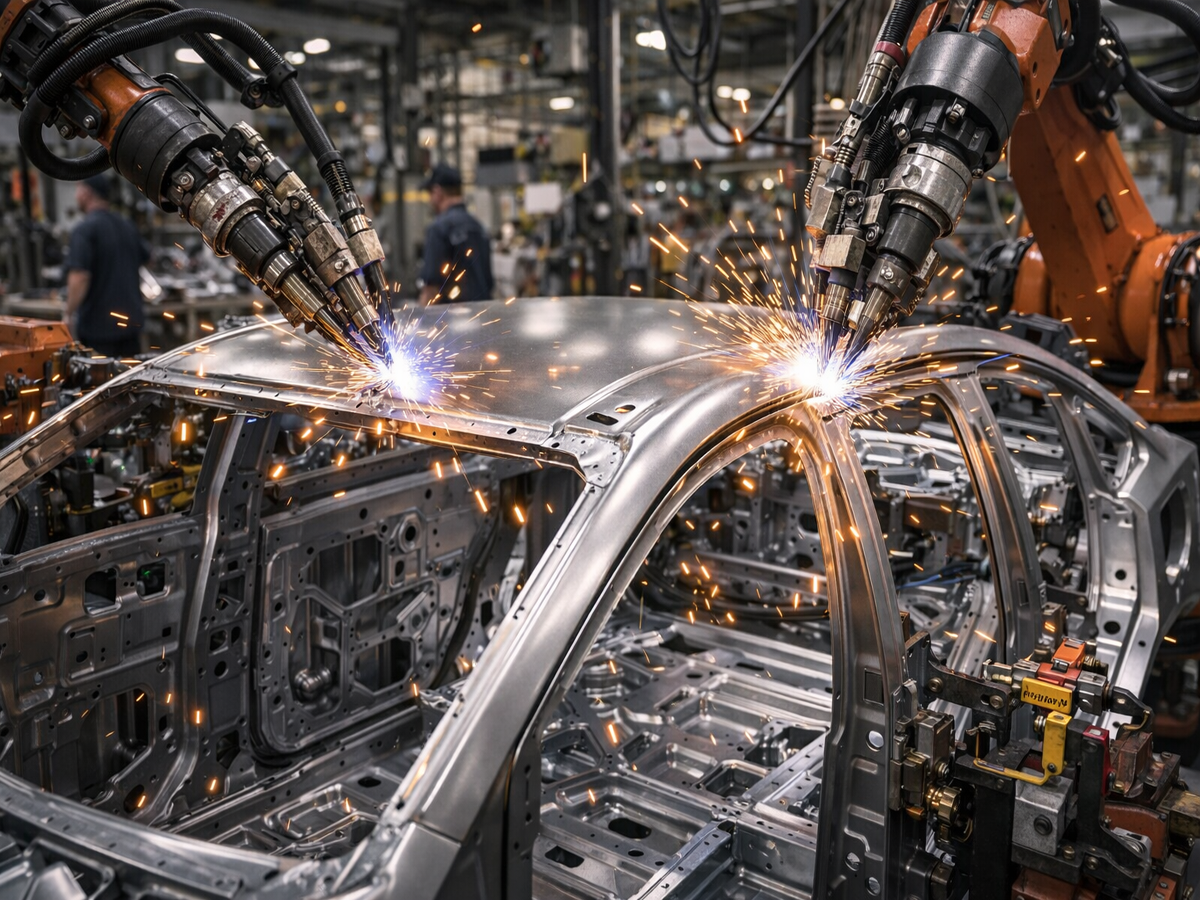
A packaging solution should ideally be validated using production-representative components.
For a new automated program, the validation sequence may include:
Confirm final fastener geometry.
Review packaging requirements.
Evaluate bulk handling.
Test loading into the hopper or feeder.
Evaluate orientation behavior.
Test track movement.
Evaluate escapement performance.
Check part presentation at the assembly station.
Evaluate replenishment procedure.
Confirm packaging performance during transportation.
Review production feedback.
Standardize the approved packaging configuration.
This process helps separate three different issues:
Fastener Manufacturing Issue
The component itself does not meet the required geometry or condition.
Packaging Issue
The component arrives damaged, contaminated, excessively nested, or otherwise unsuitable for the intended handling process.
Automation Issue
The feeder, track, escapement, or presentation system is not correctly matched to the component.
Separating these causes is important for efficient root-cause analysis.
Once an OEM production line has been validated, packaging changes should not be treated as purely administrative.
A change in:
Carton dimensions
Inner bag
Divider
Bulk density
Container type
Part quantity
Packaging material
Handling method
may alter how components behave during unloading or feeder replenishment.
For critical automated programs, packaging changes should therefore be communicated and evaluated according to the customer's change-control requirements.
The same principle applies to fastener manufacturing changes that may affect feeding behavior.
Before approving a packaging configuration for automated weld fasteners, engineering and procurement teams should review:
Is the part symmetrical or asymmetrical?
Can tabs, flanges, or projections hook together?
Can components nest?
Are there sharp edges or burr-sensitive areas?
Which dimensions are functionally important for feeding?
What feeder type is being used?
What orientation is required?
How are incorrect orientations rejected?
How are individual parts separated?
Is the escapement compatible with the actual geometry?
Is bulk packaging appropriate?
Is a divider or inner packaging layer required?
Is returnable packaging practical?
What container quantity is appropriate?
How will operators transfer parts to the feeder?
What is the shipment distance?
What humidity or environmental exposure is expected?
How long may the parts remain in storage?
How are containers palletized?
What are the customer's line-side handling requirements?
Are dimensions consistent enough for the feeding system?
Are burrs controlled?
Are projections protected?
Is surface treatment stable during transportation?
Is lot identification required?
What is the annual volume?
What is the order frequency?
What packaging standard does the customer require?
What is the total cost of packaging and handling?
Is returnable packaging economically justified?
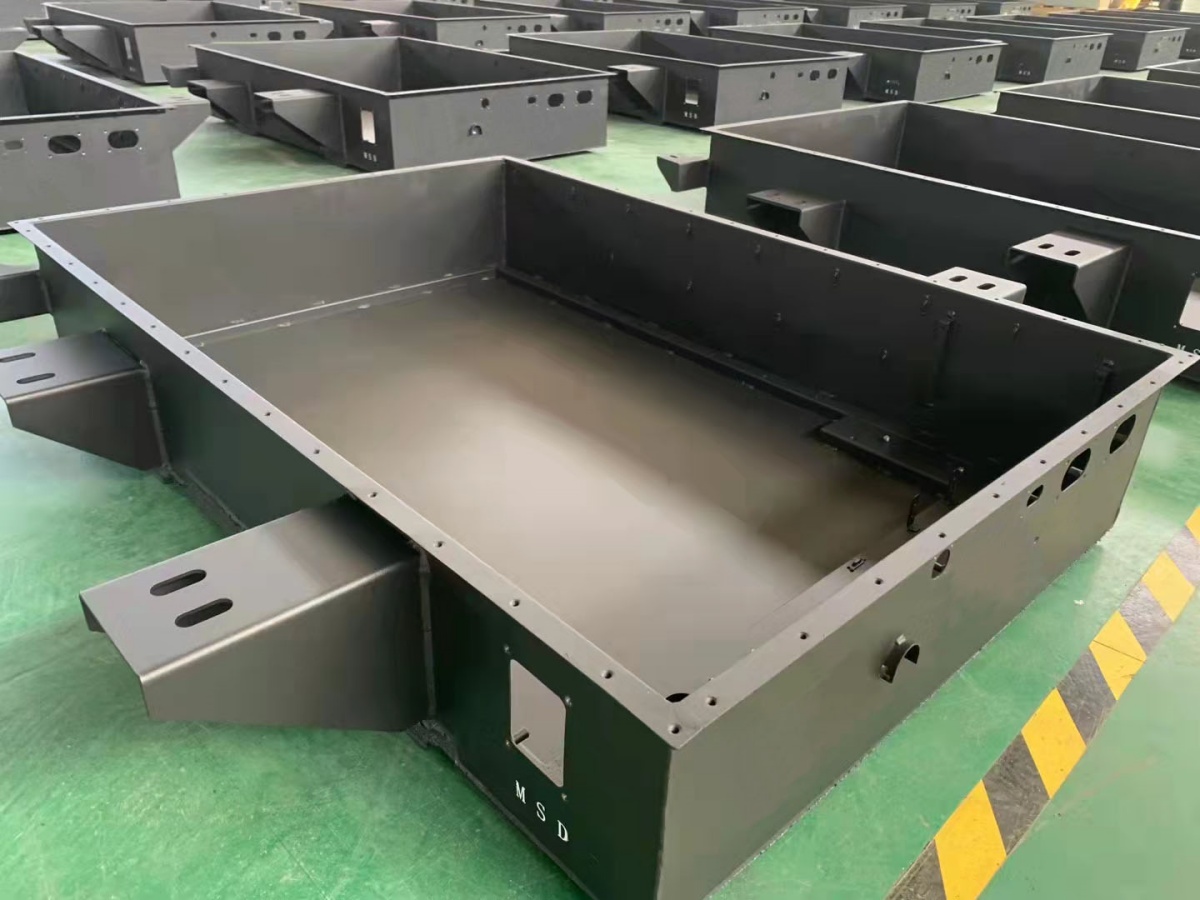
Possible causes:
Part geometry
Excessive bulk movement
Container configuration
Packaging density
Transportation vibration
Corrective direction:
Review the complete packaging and bulk-handling configuration rather than changing the feeder immediately.
Possible causes:
Incorrect orientation
Part nesting
Track clearance
Escapement geometry
Burrs or dimensional variation
Corrective direction:
Determine whether the root cause originates in the fastener, packaging transfer, or feeder system.
Possible causes:
Insufficient cushioning
Excessive bulk movement
Container deformation
Poor palletization
Inadequate protection of critical features
Corrective direction:
Review packaging strength, internal movement, and transport conditions.
Possible causes:
Packaging quantity too small
Container configuration poorly matched to feeder
Insufficient line-side inventory
High feeder consumption
Corrective direction:
Review the entire material-replenishment cycle and production volume.
Possible causes:
Moisture exposure
Condensation
Inadequate packaging barrier
Long storage period
Surface treatment limitations
Corrective direction:
Review fastener surface treatment, shipping environment, packaging barrier, and storage conditions together.
When comparing suppliers, procurement should avoid evaluating packaging solely by carton price.
A better comparison includes:
| Evaluation Area | Key Question |
|---|---|
| Part protection | Does the packaging protect critical fastener features? |
| Feeding compatibility | Has the packaging been evaluated with the intended material flow? |
| Bulk handling | Can the operator or automated system transfer parts reliably? |
| Moisture protection | Is protection appropriate for material and shipping conditions? |
| Quantity | Is the quantity practical for line-side replenishment? |
| Identification | Can part number and lot information be clearly controlled? |
| Returnability | Is reusable packaging practical for the supply chain? |
| Transportation | Can the packaging withstand the intended shipment route? |
| Automation | Does the packaging support the customer's feeder and handling process? |
| Total cost | What is the complete logistics and production impact? |
This approach gives procurement teams a more realistic basis for supplier comparison.
For OEM projects, packaging should be discussed during the quotation and engineering review stage rather than after mass production begins.
A supplier evaluation can cover four connected areas:
1. Fastener
Geometry, material, thread, projections, surface treatment, and dimensional requirements.
2. Welding
Substrate material, welding method, electrode access, process requirements, and validation.
3. Automation
Feeder type, orientation, escapement, robotic handling, and assembly sequence.
4. Logistics
Packaging, container quantity, palletization, shipment frequency, storage, and replenishment.
This four-part model helps prevent a common procurement problem: selecting the correct fastener at the unit-price level but overlooking the downstream cost of handling and automation.
JUXIN FASTENERS supports OEM and industrial sourcing programs involving weld nuts, weld studs, and other engineered fastening components.
For automated applications, the commercial discussion can include more than the fastener itself.
Relevant information may include:
Part drawings
Fastener geometry
Material requirements
Surface treatment
Welding application
Automated feeding requirements
Packaging quantity
Container requirements
Annual demand
Shipment destination
Customer-specific logistics standards
This allows packaging and fastener requirements to be considered together during sourcing.
The goal is not to claim that one packaging configuration works for every production line.
The goal is to establish a configuration appropriate for the specific fastener, automation system, production volume, and logistics environment.
JUXIN FASTENERS can support OEM customers with engineering-oriented review of standard and custom weld fastener requirements,
including packaging considerations for automated manufacturing programs.
For a complete weld fastener sourcing and engineering workflow, this article should connect with related solution content covering:
Weld Fasteners Solutions
Custom Weld Fasteners
Weld Fastener Procurement & RFQ Best Practices
Fastener Supplier Quality Audits & Certifications
Fastener Surface Finishes & Coatings
Automotive BIW Weld Fasteners
EV Battery Enclosure Weld Fasteners
These topics form a connected engineering and procurement pathway:
Fastener Selection → Engineering Design → Welding → Quality → Packaging → Automation → OEM Sourcing
Packaging affects how components arrive at the feeder and how easily they can be transferred from the shipping container into the hopper or bowl.
Bulk density, interlocking, part damage, contamination, and container handling can all influence feeder operation.
However, feeder performance is determined by the complete feeding system and the actual fastener geometry. Packaging alone cannot guarantee successful automated feeding.
Square weld nuts can be used in automated feeding systems, but suitability depends on their specific geometry and the design of the feeder, track, orientation mechanism, and escapement.
The correct approach is to evaluate the actual component rather than assume that all square weld nuts will behave identically.
Tab geometry can create additional orientation and interlocking considerations. Whether a tab weld nut is difficult to automate depends on the specific geometry and feeder design.
Packaging, bulk handling, orientation, and escapement should be considered together.
No.
Returnable bins can be effective for recurring high-volume OEM programs,
but corrugated cartons or other packaging formats may be more appropriate depending on shipment volume, destination, handling requirements, storage, and customer logistics standards.
Packaging can reduce the likelihood of problematic nesting or interlocking during transportation and bulk transfer, but it should not be described as an absolute solution.
The fastener geometry, bulk loading method, feeder design, and escapement system all influence interlocking behavior.
At minimum, provide the fastener drawing, material and surface-treatment requirements, annual volume, packaging expectations, and details of the automated feeding or assembly process.
If available, also provide feeder type, required orientation, hopper arrangement, escapement requirements, and customer packaging standards.
Packaging requirements can be discussed as part of an OEM sourcing project.
The appropriate configuration depends on the fastener geometry, shipping conditions, customer handling system, annual volume, and automated feeding requirements.
No.
Dimensional consistency is important, but feeder compatibility is a functional system-level requirement.
Part geometry, surface condition, orientation, friction, feeder track design, escapement, and bulk handling can all influence performance.
If your weld nuts, weld studs, or other industrial fasteners will be used in an automated assembly or robotic welding environment, include the packaging and feeding requirements in the RFQ from the beginning.
Send JUXIN FASTENERS:
Fastener drawing or 3D CAD model
Material specification
Surface-treatment requirements
Annual usage forecast
Packaging quantity requirements
Feeder type, if available
Required part orientation
Automated assembly information
Shipping destination
Returnable or disposable packaging preference
Customer-specific packaging or logistics standards
Email: info@juxinfasteners.com
JUXIN FASTENERS — Precision Fastening Solutions Since 2003.
For OEM manufacturers, the objective is not simply to purchase fasteners in boxes.
It is to establish a reliable material-flow system in which the fastener, packaging, feeder, welding process, assembly equipment, and supply chain work together as one manufacturing system.
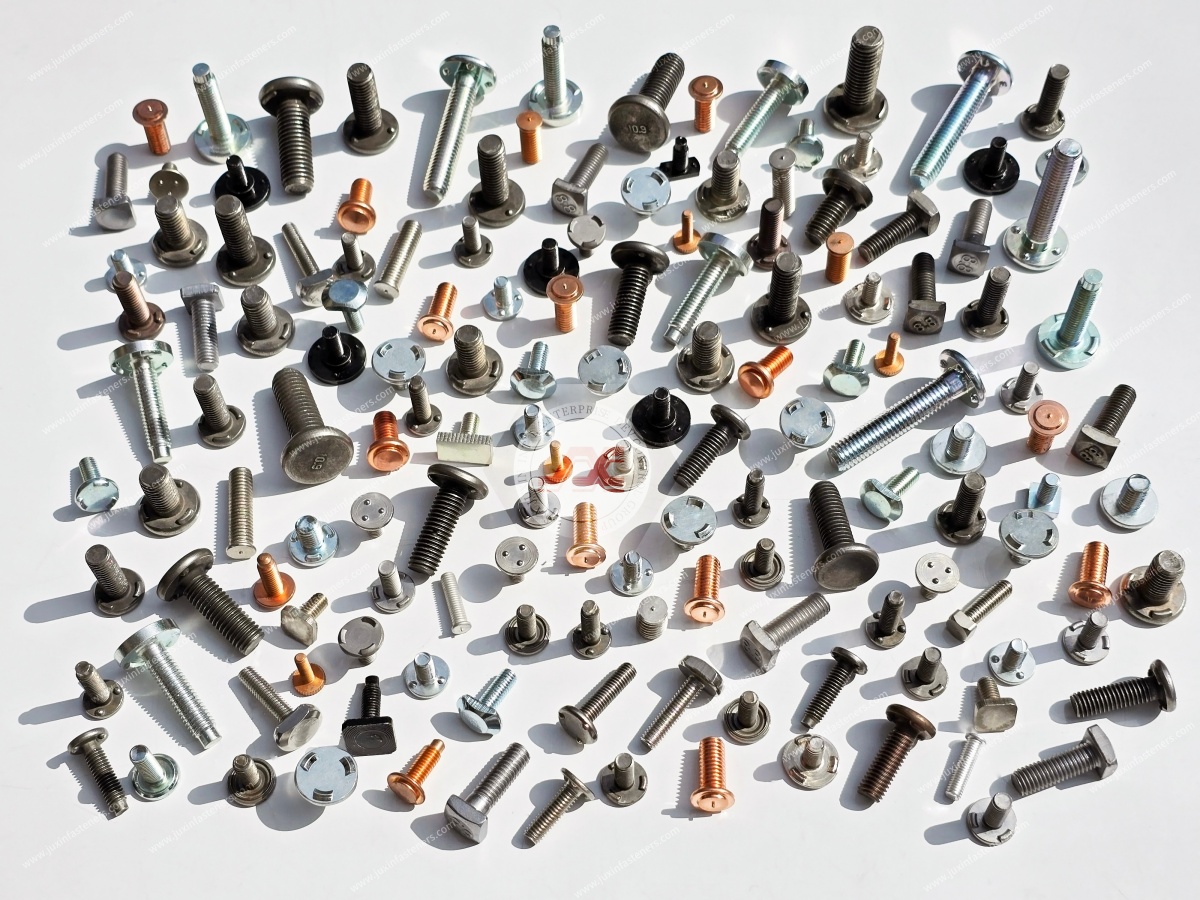
Product Packaging
Packaging Standard
At Juxin Fasteners, we apply standardized export packaging to ensure product protection, traceability, and compliance with international logistics requirements.
1. Standard Export Packaging
Unless otherwise specified, all products will be packed according to our factory standard export packaging, which includes:
Moisture-resistant inner protection
Poly bag or small box packing as required
Reinforced export cartons
Clear labeling with part number, specification, batch number, and quantity
Palletizing for sea or air shipment when necessary
Our standard packaging is designed to ensure safe transportation, efficient warehousing, and long-distance international shipping.
2. Customized Packaging Options
We also provide customized packaging solutions according to customer requirements, including but not limited to:
Private labeling
Customized barcodes
Specific carton dimensions
Retail packaging
Special pallet configuration
Customer-specific marking and identification
So that you know, customized packaging may involve additional costs and extended lead time depending on the complexity of the requirements.
3. Compliance & Quality Assurance
All packaging processes are controlled under our ISO 9001 quality management system to ensure consistency, traceability, and product integrity throughout the supply chain.
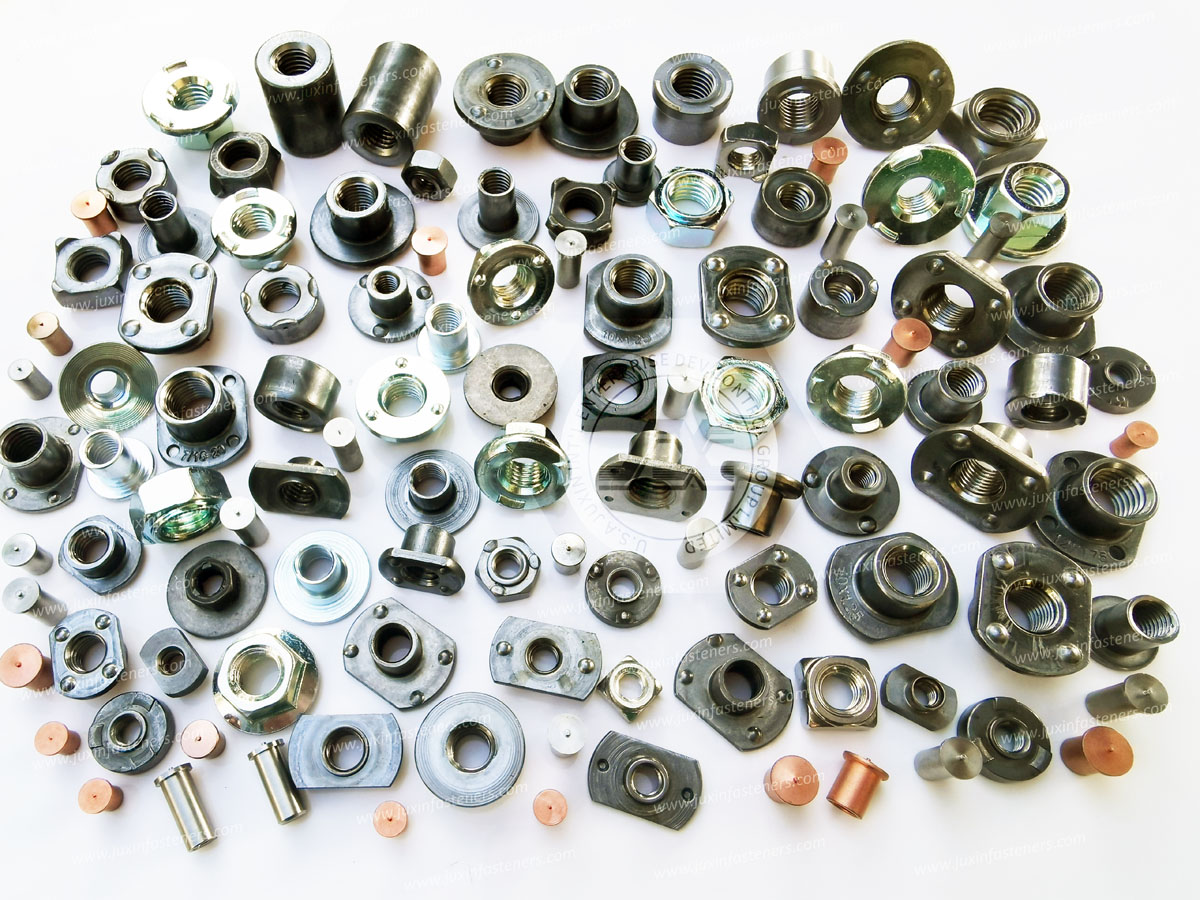
Product Pictures
Hot Products
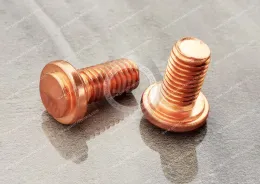
Fastener Selection: Weld Nuts vs. Blind Rivet Nuts | JUXIN FASTENERS
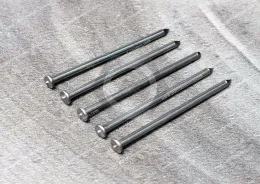
Stainless Steel Insulation Weld Pins & Matching Clips for Reliable Fixing
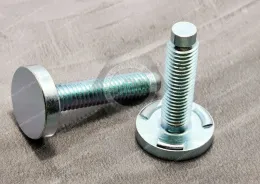
Carbon Steel DIN 34817 Weld Studs 8.8 Class for Automotive Manufacturing Solutions
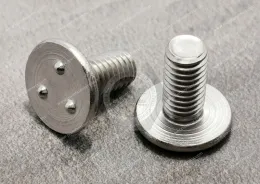
Weld Stud with 3 Projections On Top of the Head: Technology, Applications, and Future Development
Contact Us
Tel.:
+86 020 8621 0320
+86 020 3121 6067
E-mail:
Technical Support:
Navigation
SEND INQUIREY