Call Us
+86 136 6007 9809
Call Us
+86 136 6007 9809

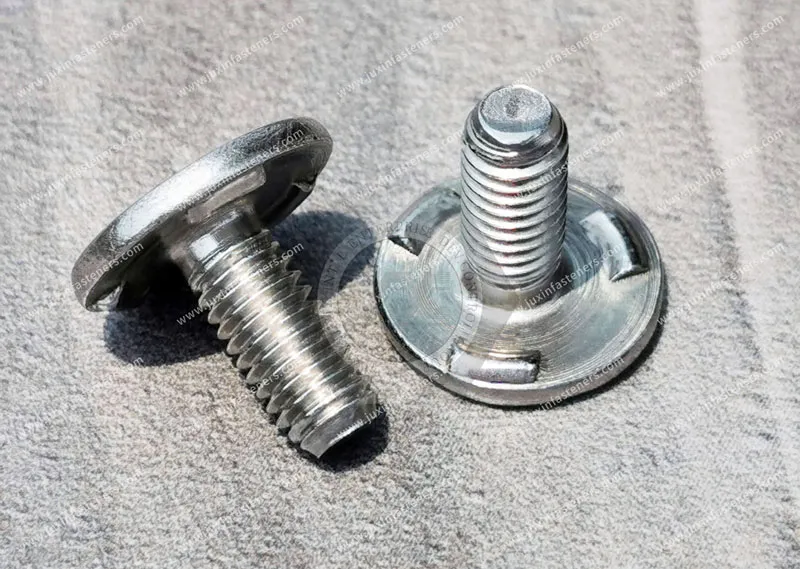
Stainless Steel DIN 34817 Weld Studs M6 for Commercial Kitchen Equipment Manufacturing
Introduction
In the stainless steel commercial kitchen equipment industry, durable and hygienic fastening solutions are essential for maintaining structural stability, corrosion resistance, and long-term reliability. Stainless Steel DIN 34817 Weld Studs with M6 threads provide an efficient, permanent fastening method for stainless steel panels, structural frames, and equipment assemblies in professional kitchens and food-processing environments.
Compared with traditional drilling and bolting methods, stainless steel stud welding enables threaded fasteners to be welded directly to stainless steel surfaces, creating strong attachment points without compromising the integrity of the metal structure. This technology is widely used in restaurant kitchen equipment, food preparation systems, stainless steel cabinets, cooking appliances, and industrial food processing equipment.
For manufacturers of commercial kitchen and catering equipment, M6 stainless steel DIN 34817 weld studs offer a reliable fastening solution that combines corrosion resistance, hygienic design, and efficient production assembly.
Product Specification
Stainless Steel DIN 34817 Weld Studs M6 for Commercial Kitchen Equipment Manufacturing
Introduction
In the stainless steel commercial kitchen equipment industry, durable and hygienic fastening solutions are essential for maintaining structural stability, corrosion resistance, and long-term reliability. Stainless Steel DIN 34817 Weld Studs with M6 threads provide an efficient, permanent fastening method for stainless steel panels, structural frames, and equipment assemblies in professional kitchens and food-processing environments.
Compared with traditional drilling and bolting methods, stainless steel stud welding enables threaded fasteners to be welded directly to stainless steel surfaces, creating strong attachment points without compromising the integrity of the metal structure. This technology is widely used in restaurant kitchen equipment, food preparation systems, stainless steel cabinets, cooking appliances, and industrial food processing equipment.
For manufacturers of commercial kitchen and catering equipment, M6 stainless steel DIN 34817 weld studs offer a reliable fastening solution that combines corrosion resistance, hygienic design, and efficient production assembly.
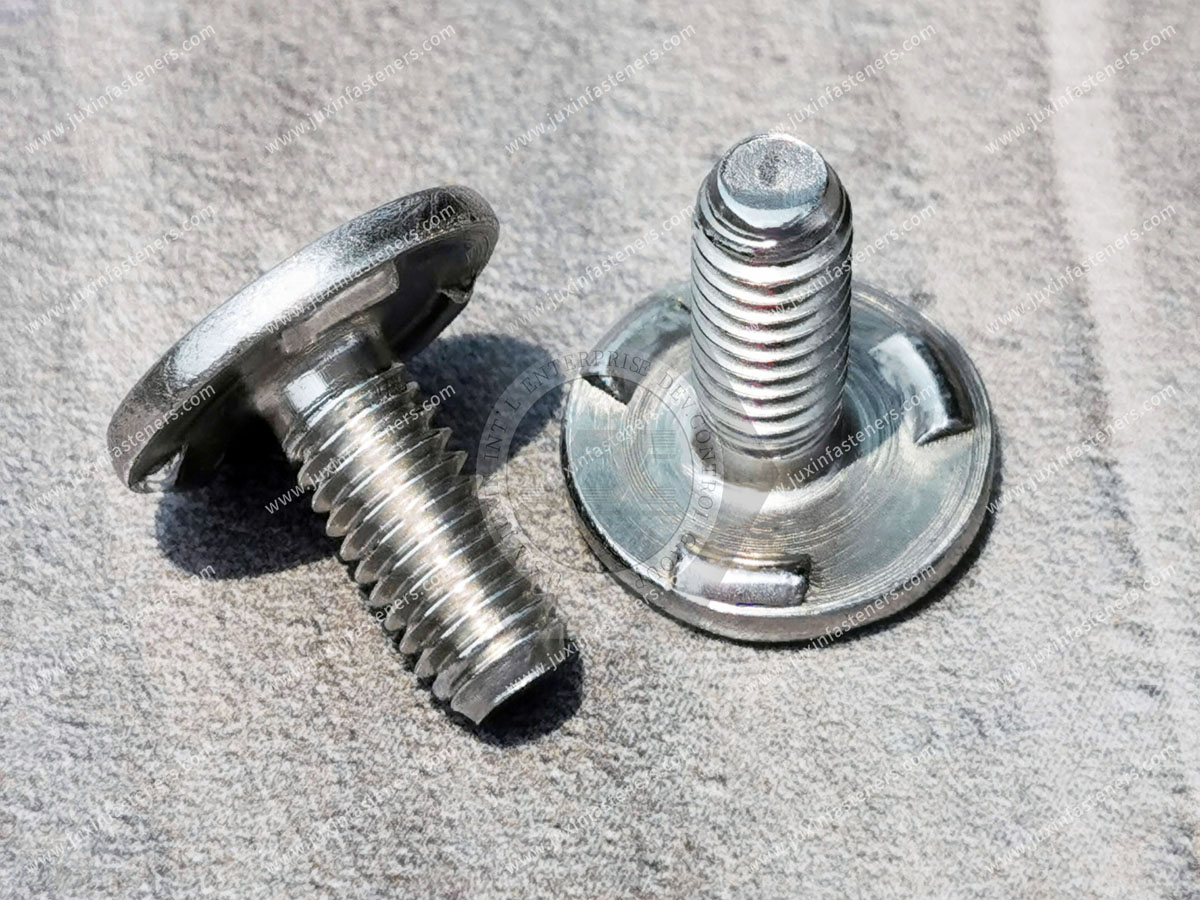
Material Selection for Stainless Steel Weld Studs
Food-Grade Stainless Steel Materials
In kitchen and food equipment manufacturing, stainless steel weld studs are typically produced from austenitic stainless steels, including:
304 Stainless Steel (A2)
Contains approximately 18% chromium and 8% nickel
Excellent corrosion resistance in general kitchen environments
Suitable for most restaurant and food service equipment
316 Stainless Steel (A4)
Contains 2–3% molybdenum
Superior resistance to chloride environments and disinfectants
Ideal for high-humidity kitchens, coastal regions, and high-end food equipment
Both materials meet the requirements for food-grade stainless steel fasteners used in commercial kitchens.
Key Advantages of Stainless Steel DIN 34817 Weld Studs
Excellent Corrosion Resistance
Commercial kitchen environments are characterized by:
High humidity
Exposure to cleaning chemicals
Contact with acidic and alkaline food residues
Stainless steel weld studs made from 304 or 316 stainless steel offer outstanding corrosion resistance, preventing rust and ensuring long service life for kitchen equipment.
Hygienic and Food-Safe Fastening
Food equipment manufacturers must comply with strict hygiene standards.
Food-grade stainless steel weld studs provide several benefits:
Non-toxic and food-safe materials
Smooth surfaces that resist bacterial growth
Easy cleaning and sanitation
Compatibility with international food safety standards
These characteristics make stainless steel stud welding suitable for equipment used in food preparation and food processing environments.
Strong and Reliable Structural Connections
Stainless steel weld studs, typically rated A2-70 or A4-80, offer excellent mechanical strength.
Typical properties include:
Tensile strength: 700–1200 MPa
Long-term resistance to vibration and load
Reliable fastening for stainless steel structures
This ensures secure connections in cabinets, countertops, structural frames, and equipment brackets.
Excellent Weldability
Austenitic stainless steels such as 304 and 316 provide excellent welding performance.
Low-carbon grades like 304L and 316L further reduce the risk of:
Intergranular corrosion
Heat-affected zone cracking
This makes them particularly suitable for installing weld studs in stainless-steel structures of kitchen equipment.
Typical Applications in Stainless Steel Kitchen Equipment
Stainless Steel Panel Assembly
Commercial kitchen equipment often uses thin stainless steel panels that require secure fastening points for assembly.
1/4-20 stainless steel weld studs are widely used for:
Mounting stainless steel side panels
Securing internal support frames
Installing access panels and service covers
Stud welding eliminates drilling and improves structural integrity.
Equipment Frames and Structural Supports
Kitchen equipment such as:
Commercial ovens
Food preparation tables
Stainless steel cabinets
Refrigeration units
often require strong internal structures.
DIN 34817 stainless steel weld studs provide reliable fastening points for:
Structural brackets
Reinforcement frames
Equipment supports
Hinges, Doors, and Hardware Installation
Commercial kitchen equipment frequently requires durable door systems.
Stainless steel weld studs are used for mounting:
Door hinges
Latch systems
Adjustable supports
Equipment handles
These welded studs provide long-term reliability under frequent opening and closing cycles.
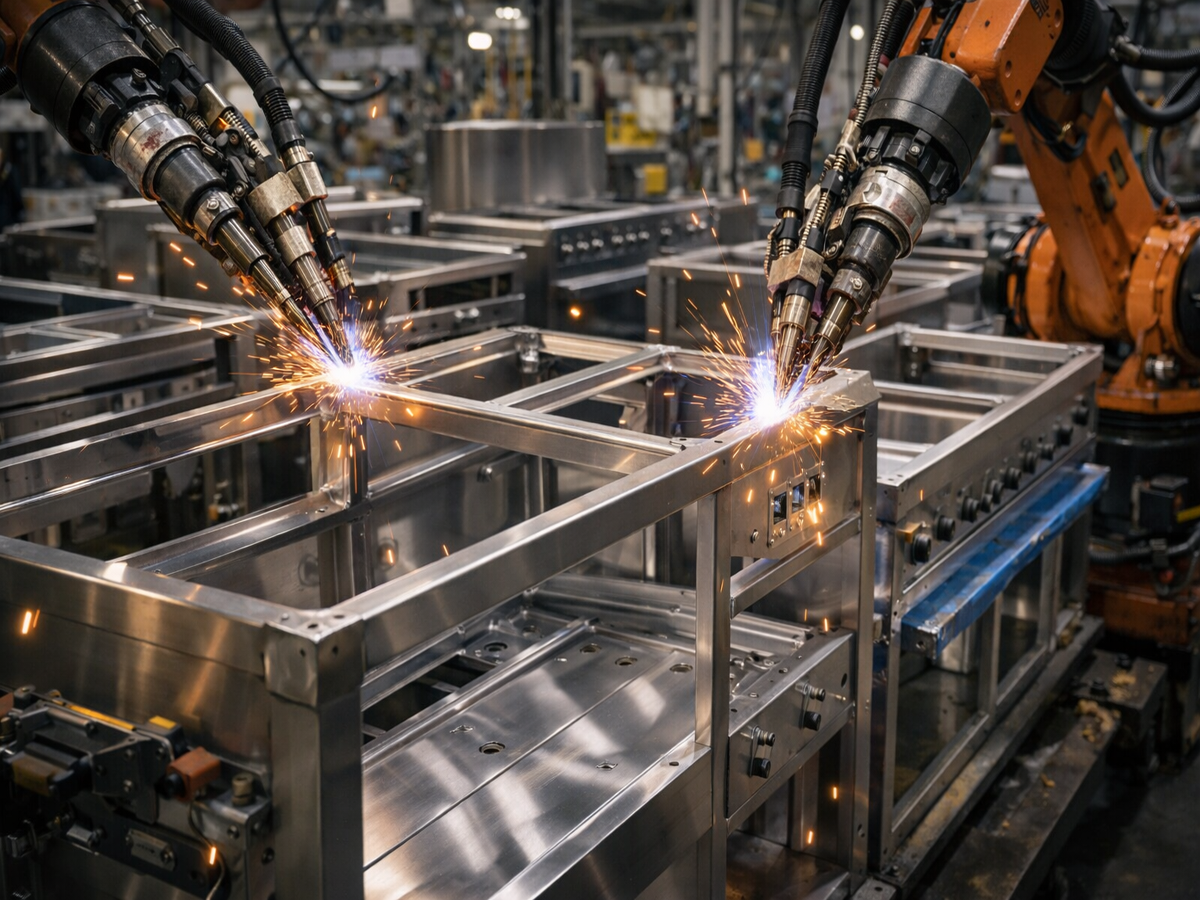
Food Processing Equipment
In food processing facilities, stainless steel weld studs are used in:
Stainless steel tanks
Processing machines
Conveyor systems
Sanitary equipment housings
The corrosion resistance and hygienic properties of stainless steel fasteners make them ideal for these environments.
Welding Processes for Stainless Steel Weld Studs
Unlike carbon steel stud welding, stainless steel equipment often requires specialized welding techniques.
Common methods include:
TIG Stud Welding
TIG welding provides:
High weld quality
Controlled heat input
Clean weld appearance
It is commonly used in the manufacturing of high-end kitchen equipment.
Laser Welding
Laser welding offers:
Precise energy control
Minimal heat distortion
Excellent surface finish
This method is increasingly used for premium stainless steel kitchen equipment.
Key Welding Parameters and Considerations
To achieve optimal welding results for stainless steel DIN 34817 weld studs, several factors must be controlled:
Welding current
Welding time
Stud diameter
Base metal thickness
Heat input control
Proper parameter adjustment prevents:
Material distortion
Reduced corrosion resistance
Weak weld joints
Post-weld treatments such as surface grinding or polishing may also be applied to improve aesthetics and hygiene.
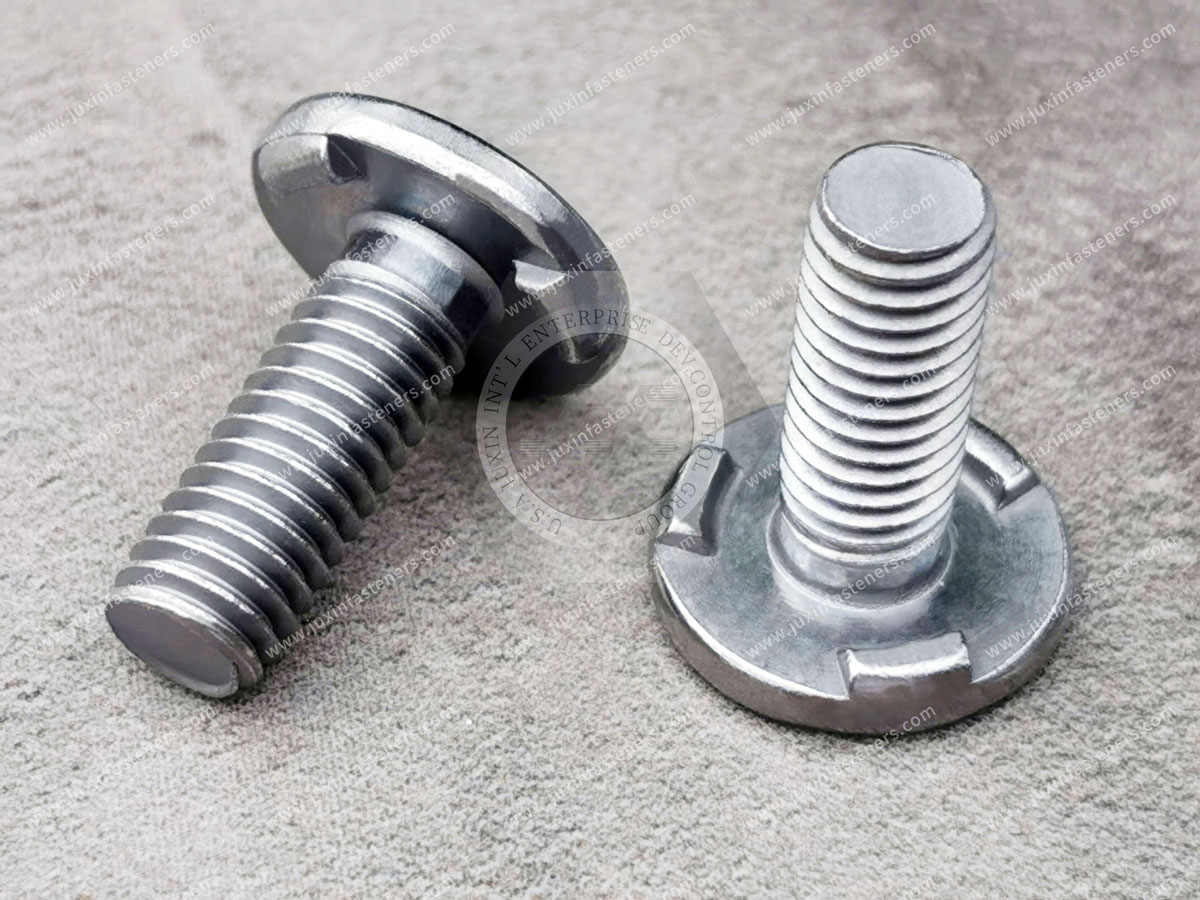
Surface Finish and Hygiene Requirements
Commercial kitchen equipment requires both durability and visual appeal.
Common surface treatments for stainless steel components include:
Electropolishing
Mechanical polishing
Surface roughness control (Ra ≤ 0.4 μm)
These finishes maintain a bright metallic appearance while preventing contamination and facilitating easy cleaning.
Conclusion
With their excellent corrosion resistance, hygienic properties, and strong mechanical performance, Stainless Steel DIN 34817 Weld Studs with M6 threads provide an ideal fastening solution for the commercial kitchen and food equipment industry.
From stainless steel cabinets and cooking equipment to food processing systems, these weld studs deliver durable and reliable connections while meeting strict requirements for food safety, sanitation, and long-term performance.
For manufacturers of restaurant kitchen equipment and stainless-steel food-processing machinery, stainless-steel weld studs offer a highly efficient and dependable fastening technology.
Product Packaging
Packaging Standard
At Juxin Fasteners, we apply standardized export packaging to ensure product protection, traceability, and compliance with international logistics requirements.
1. Standard Export Packaging
Unless otherwise specified, all products will be packed according to our factory standard export packaging, which includes:
Moisture-resistant inner protection
Poly bag or small box packing as required
Reinforced export cartons
Clear labeling with part number, specification, batch number, and quantity
Palletizing for sea or air shipment when necessary
Our standard packaging is designed to ensure safe transportation, efficient warehousing, and long-distance international shipping.
2. Customized Packaging Options
We also provide customized packaging solutions according to customer requirements, including but not limited to:
Private labeling
Customized barcodes
Specific carton dimensions
Retail packaging
Special pallet configuration
Customer-specific marking and identification
So that you know, customized packaging may involve additional costs and extended lead time depending on the complexity of the requirements.
3. Compliance & Quality Assurance
All packaging processes are controlled under our ISO 9001 quality management system to ensure consistency, traceability, and product integrity throughout the supply chain.
Product Pictures
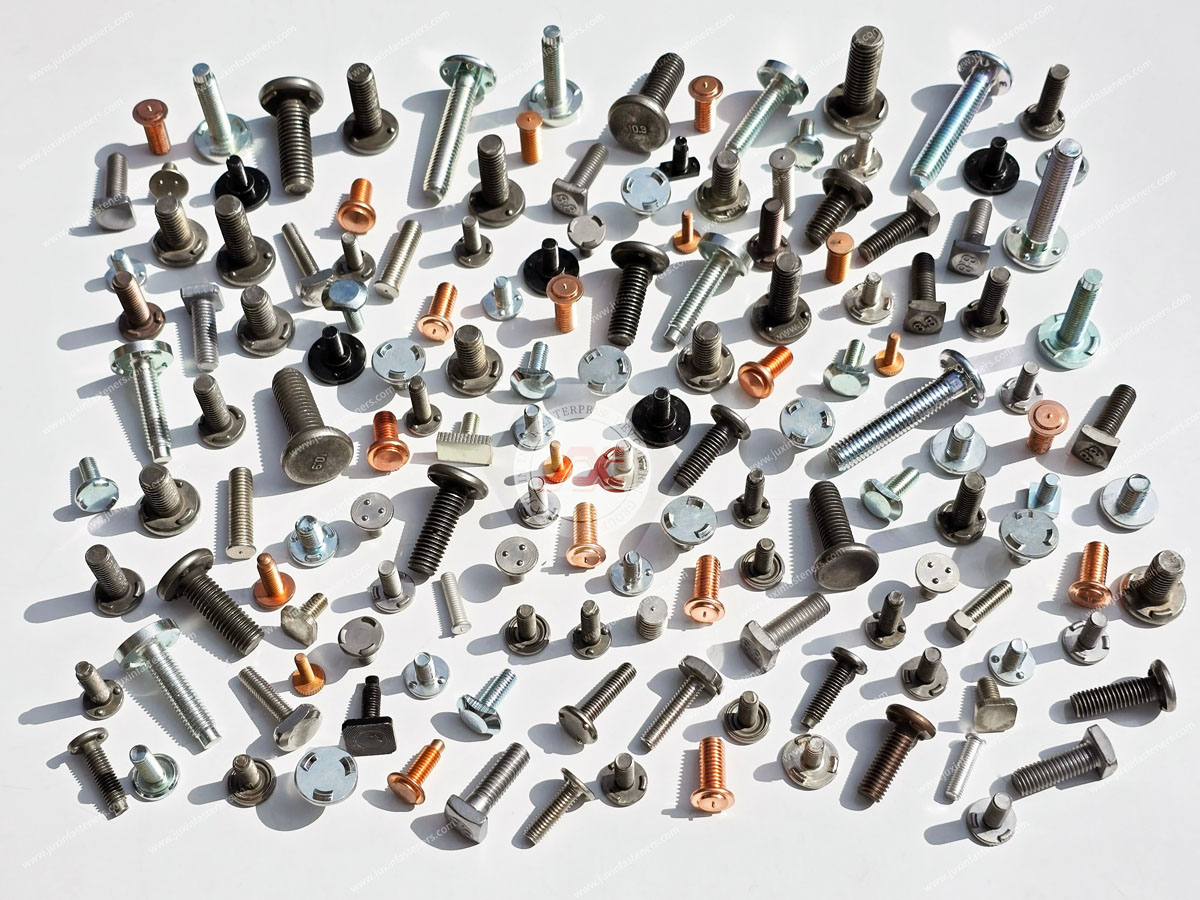
Hot Products
Fastener Packaging & Feeder Compatibility: Automation & OEM Sourcing Guide
Automotive Hex Flange Weld Nut Solution for Thin Sheet Metal Structures in Automotive Manufacturing
Flange vs Square Weld Nuts: German OEM vs Japanese OEM Engineering Comparison
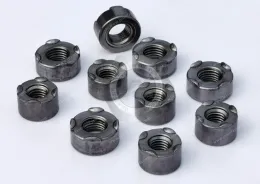
Automotive Weld Nuts Solutions for OEM Sheet Metal Assemblies
Contact Us
Tel.:
+86 020 8621 0320
+86 020 3121 6067
E-mail:
Technical Support:
Navigation
SEND INQUIREY