Call Us
+86 136 6007 9809
Call Us
+86 136 6007 9809

Automotive assemblies often require fastening components that cannot be selected simply from a standard catalog.
Packaging constraints, sheet-metal geometry, installation access, material combinations, load requirements, corrosion conditions, assembly processes,
and vehicle-specific designs can all influence the required fastener configuration.
Product Specification
Automotive assemblies often require fastening components that cannot be selected simply from a standard catalog. Packaging constraints, sheet-metal geometry,
installation access, material combinations, load requirements, corrosion conditions, assembly processes, and vehicle-specific designs can all influence the required fastener configuration.
Custom automotive fasteners and non-standard fastening components are therefore commonly developed around a specific engineering requirement rather than selected only by nominal size.
For automotive OEMs, Tier 1 suppliers, Tier 2 manufacturers, and engineering teams, the challenge is not only finding a supplier that can manufacture a fastener.
The supplier must also understand the drawing, material, dimensions, functional requirements, production requirements,
and procurement conditions well enough to develop a component that can be consistently produced for the intended application.
This guide explains how custom automotive fasteners are specified, developed, manufactured, evaluated, and sourced, with particular attention to drawing-based and sample-based projects.
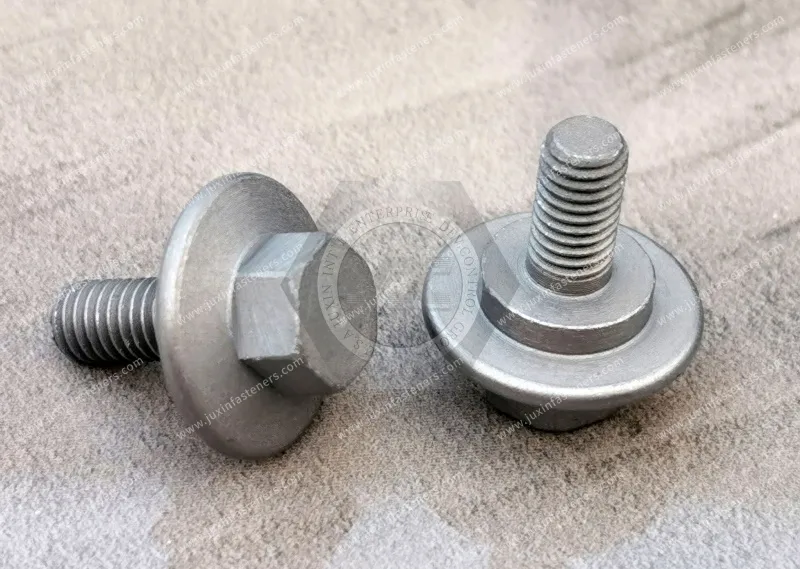
Custom automotive fasteners are fastening components designed or modified for a specific automotive application.
They may be based on an existing fastener concept but include application-specific changes to dimensions,
head geometry, thread configuration, length, material, finish, retention features, installation features, or other functional characteristics.
Non-standard automotive fastening components can include:
Custom screws
Custom bolts
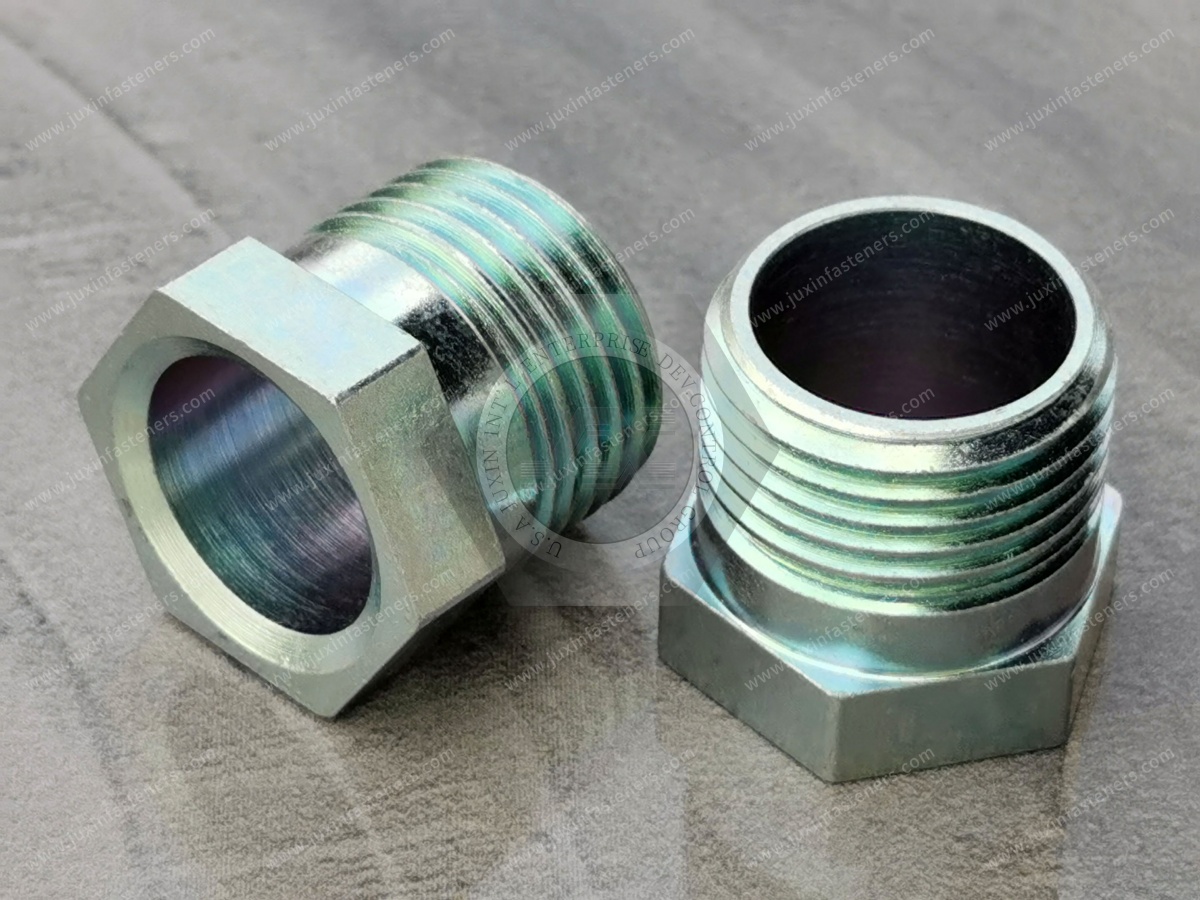
Custom nuts
Custom washers
Self-clinching fasteners
Weld nuts
Weld studs
Rivet nuts
Threaded components
Automotive clips
Retaining clips
Bracket fasteners
Plastic and nylon fastening components
Drawing-based metal components
Sample-based replacement or development components
The exact configuration depends on the application and the customer's engineering requirements.
A custom fastener should therefore be defined by its functional and dimensional requirements rather than by its appearance alone.
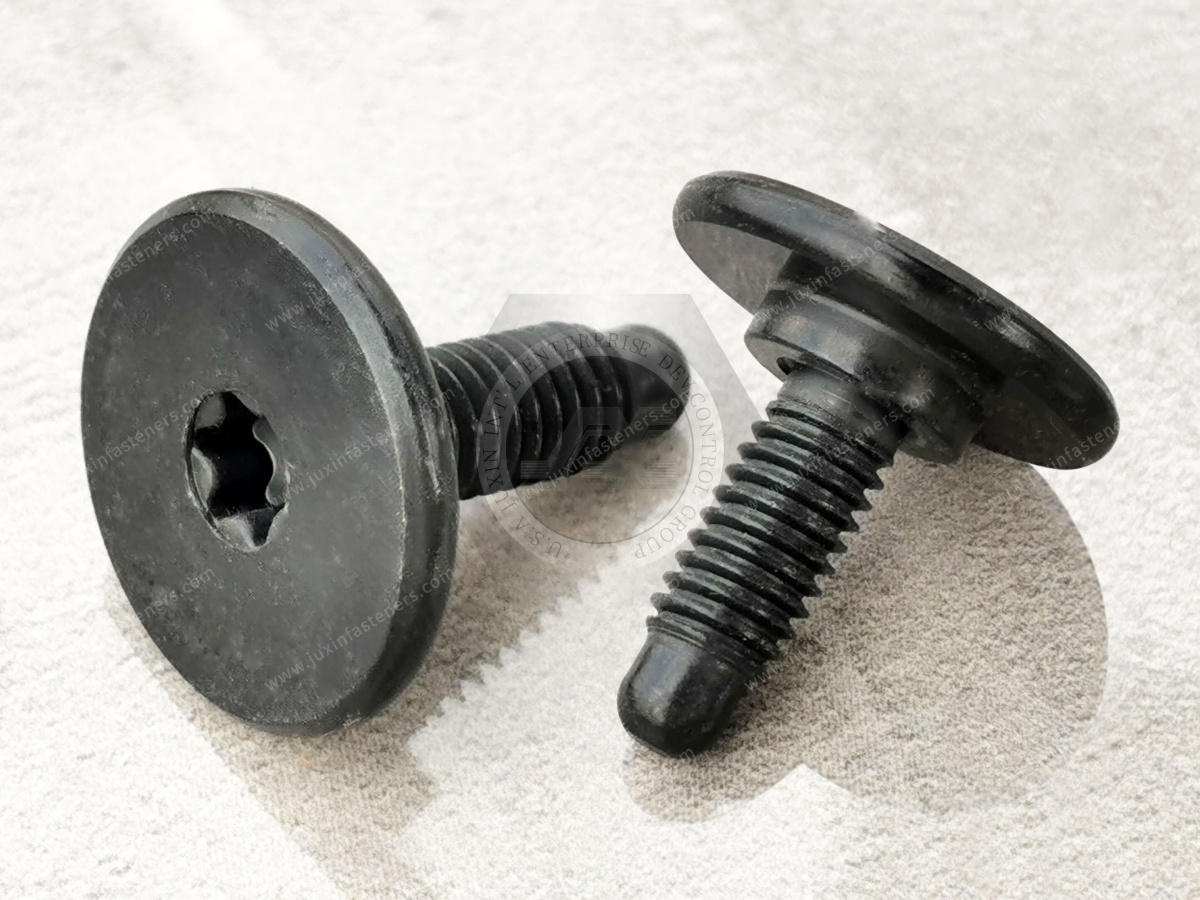
A custom fastener may be appropriate when a standard component does not adequately meet the required combination of geometry, installation method, material, performance, or assembly constraints.
Common situations include:
Automotive assemblies frequently have restricted access for tools and operators.
A fastener may need a specific head shape, length, retention feature, or installation method to fit within the available packaging space.
A vehicle component may require a fastener with a special shoulder, flange, head, slot, square section, reduced diameter, or other geometric feature.
These details can be important for positioning, retention, clearance, or assembly.
Automotive sheet-metal structures often use fastening solutions designed around the sheet thickness and assembly process.
Depending on the application, self-clinching fasteners, weld nuts, weld studs, rivet nuts, or other components may be considered.
The required fastener may need to work with a specific assembly sequence.
For example, a component may need to be installed before another part is assembled, retained temporarily during assembly, or installed from one accessible side.
OEMs and automotive suppliers may already have an approved component design.
In this situation, the supplier's responsibility is to manufacture according to the released drawing, specifications, applicable standards, and agreed quality requirements.
Some projects begin with a physical sample rather than a complete drawing.
A supplier may need to review the sample, clarify critical dimensions and requirements, and develop the production specification before manufacturing.
Not every special automotive fastener requires a completely new product design.
It is useful to distinguish three common situations.
A standard fastener follows an established dimensional and technical specification.
Examples may include standard metric screws, bolts, nuts, and washers.
The main selection factors are normally size, material, strength class where applicable, finish, and standard.
A modified fastener may start from an existing product concept but include changes required by the application.
Examples may include:
Modified length
Special head dimensions
Additional shoulder
Different thread length
Special flange geometry
Application-specific finish
Modified retention feature
This approach can sometimes simplify development because the product concept is already established.
A fully custom fastener is developed specifically around a customer drawing, sample, or application requirement.
The geometry, manufacturing route, material, finish, packaging, inspection requirements, and other characteristics are defined according to the project.
For procurement teams, identifying which category applies can make supplier discussions and RFQ preparation more efficient.
Custom automotive fastening requirements vary considerably between vehicle systems and component assemblies.
Custom screws and bolts can be developed for applications requiring specific dimensions or geometries that are not available from standard products.
Depending on the design, requirements may include:
Thread size
Thread length
Overall length
Head diameter
Head height
Drive configuration
Shoulder dimensions
Flange geometry
Material
Strength requirement
Surface finish
Special dimensional tolerances
For an automotive RFQ, the drawing should define the critical characteristics rather than relying only on a product name.
Custom nuts and washers can be used when a standard configuration does not provide the required geometry or assembly function.
Requirements may include special outside dimensions, thickness, flange geometry, locking characteristics, internal thread configuration, or material and finish requirements.
Self-clinching fasteners are commonly considered for permanent installation into sheet-metal components.
Depending on the design, these components can provide threaded or fastening points without requiring a conventional nut during final assembly.
The correct product depends on sheet material, thickness, hole geometry, installation conditions, and required thread configuration.
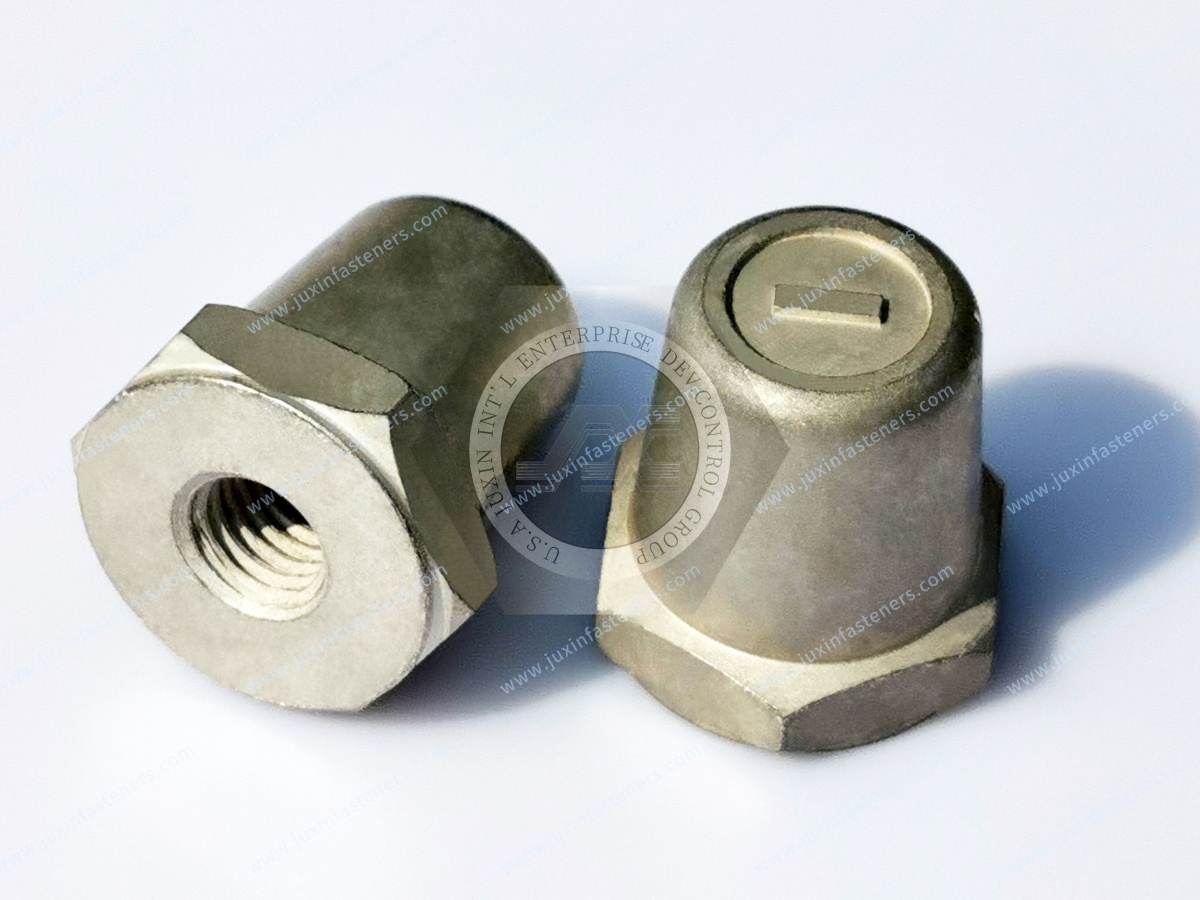
Weld nuts and weld studs are fastening components designed to be attached to metal assemblies through an appropriate welding process.
They can be useful where a permanent fastening point is required on a sheet-metal or fabricated component.
Selection should consider the base material, sheet thickness, welding process, location, accessibility, and final assembly requirements.
Rivet nuts can provide an internal thread in applications where access to the rear side of the workpiece is limited.
They are frequently considered for sheet-metal and hollow-section applications where a conventional nut cannot easily be installed from the opposite side.
The correct rivet nut configuration depends on material thickness, hole size, grip range, thread size, installation method, and application requirements.
Clips and retainers are widely used to secure trim, panels, covers, brackets, and other vehicle components.
Unlike conventional threaded fasteners, these components often depend on specific engagement geometry and retention characteristics.
For this reason, automotive clips and retainers are frequently developed around the mating components rather than selected independently.
Drawing-based manufacturing is one of the clearest ways to communicate a custom automotive fastener requirement.
A complete drawing may define:
Overall dimensions
Thread specifications
Material
Surface treatment
Dimensional tolerances
Geometric requirements
Critical characteristics
Applicable standards
Inspection requirements
Packaging requirements
Marking requirements where applicable
However, not every drawing provides the same level of information.
Before production, the supplier and customer may need to clarify missing or ambiguous requirements, particularly when they affect product function, manufacturability, inspection, or final cost.
For this reason, an effective drawing review should focus not only on whether the component can be manufactured, but also on whether all important requirements are clearly defined.
Some automotive projects begin with an existing physical sample.
A sample can provide useful information about the physical shape and general construction of a component, but appearance alone may not define every production requirement.
Important items may still need to be established, such as:
Exact dimensions
Thread specification
Material
Hardness or strength requirement where applicable
Surface finish
Tolerances
Functional requirements
Application environment
Inspection criteria
Annual or project quantity
If the original drawing is unavailable, the sample can serve as a starting point for engineering clarification.
For repeat automotive programs, converting the sample into a controlled specification is particularly important because future production should be based on defined requirements rather than visual comparison alone.
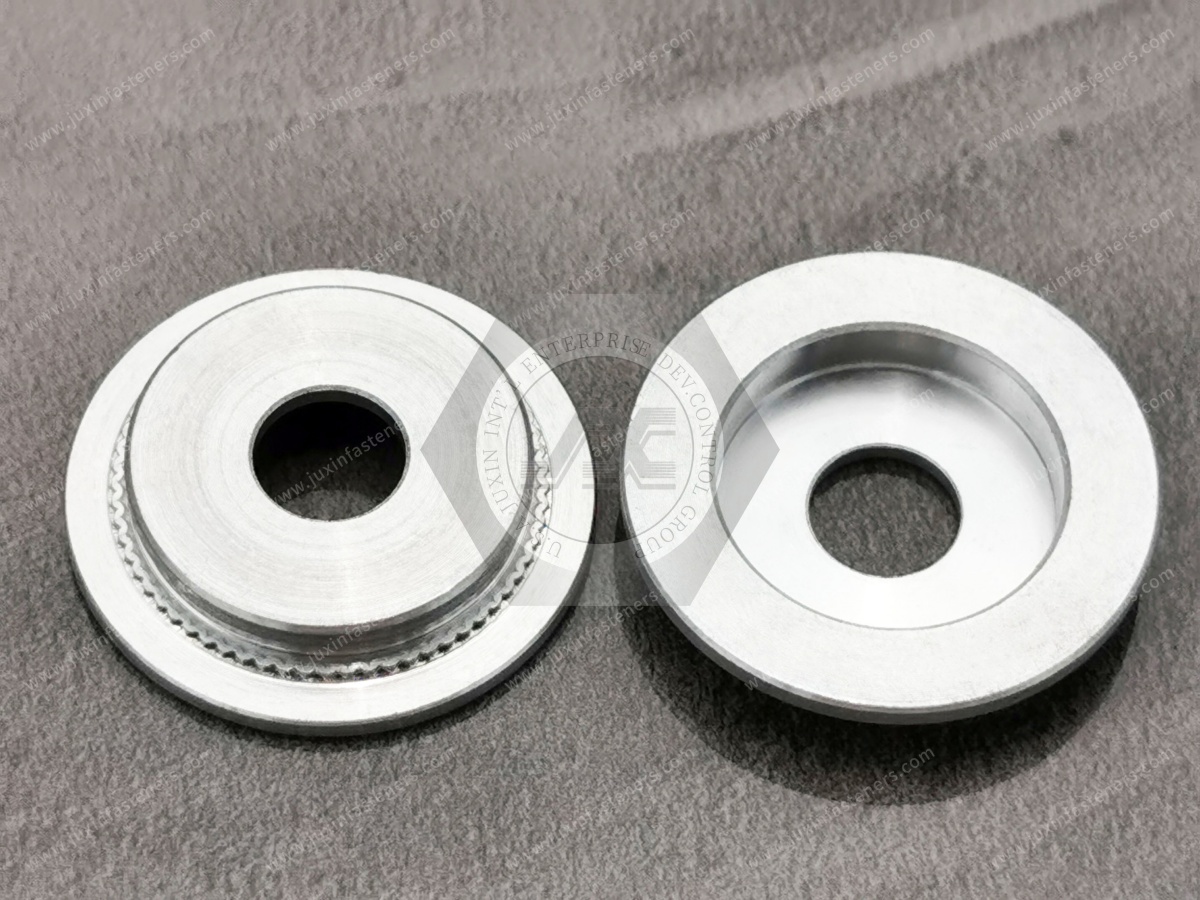
Material selection should be based on the actual application rather than simply choosing the most commonly used material.
Common material categories for automotive fastening components may include:
Steel fasteners are widely used where strength, durability, and cost efficiency are important considerations.
For higher-strength applications, the specified strength class and applicable technical requirements should be defined by the customer or engineering specification.
Stainless steel may be considered where corrosion resistance or material compatibility is important.
The specific stainless grade should be defined according to the application and customer requirement.
Aluminum can be considered when low weight is an important design factor.
However, the mechanical and environmental requirements of the application must be evaluated before selecting an aluminum fastening component.
Plastic and nylon fastening components may be considered for applications where electrical insulation, low weight,
corrosion resistance, non-metallic construction, or specific assembly characteristics are required.
Material selection may involve engineering plastics such as PA6, PA66, POM, PVDF, or PEEK, depending on the application.
The final material should be specified according to the actual mechanical, thermal, chemical, electrical, and environmental requirements.
Surface finish is not only a cosmetic consideration for automotive fasteners.
The selected finish may affect corrosion resistance, appearance, friction characteristics, dimensional condition, and compatibility with the assembly environment.
Depending on the material and application, automotive fasteners may use finishes such as:
Trivalent zinc
Zinc-nickel alloy
Black zinc
Other customer-specified surface treatments
The required finish should be clearly defined in the drawing or purchasing specification.
For automotive projects, buyers should also consider whether the finish is compatible with the required corrosion performance,
dimensional limits, assembly process, and applicable environmental requirements.
Sheet-metal applications create several unique fastening challenges.
The fastener must interact correctly with the sheet thickness, hole geometry, assembly sequence, and surrounding components.
Important considerations include:
Sheet thickness
Hole diameter
Material type
Available installation space
Access for installation
Required thread size
Pull-out or push-out requirements where applicable
Torque requirements where applicable
Corrosion environment
Adjacent component clearance
For example, a self-clinching fastener may be considered when a permanent threaded point is required in sheet metal.
A weld nut may be considered when the assembly process supports welding.
A rivet nut may be appropriate where rear-side access is restricted.
The best solution therefore depends on the complete assembly rather than the fastener alone.
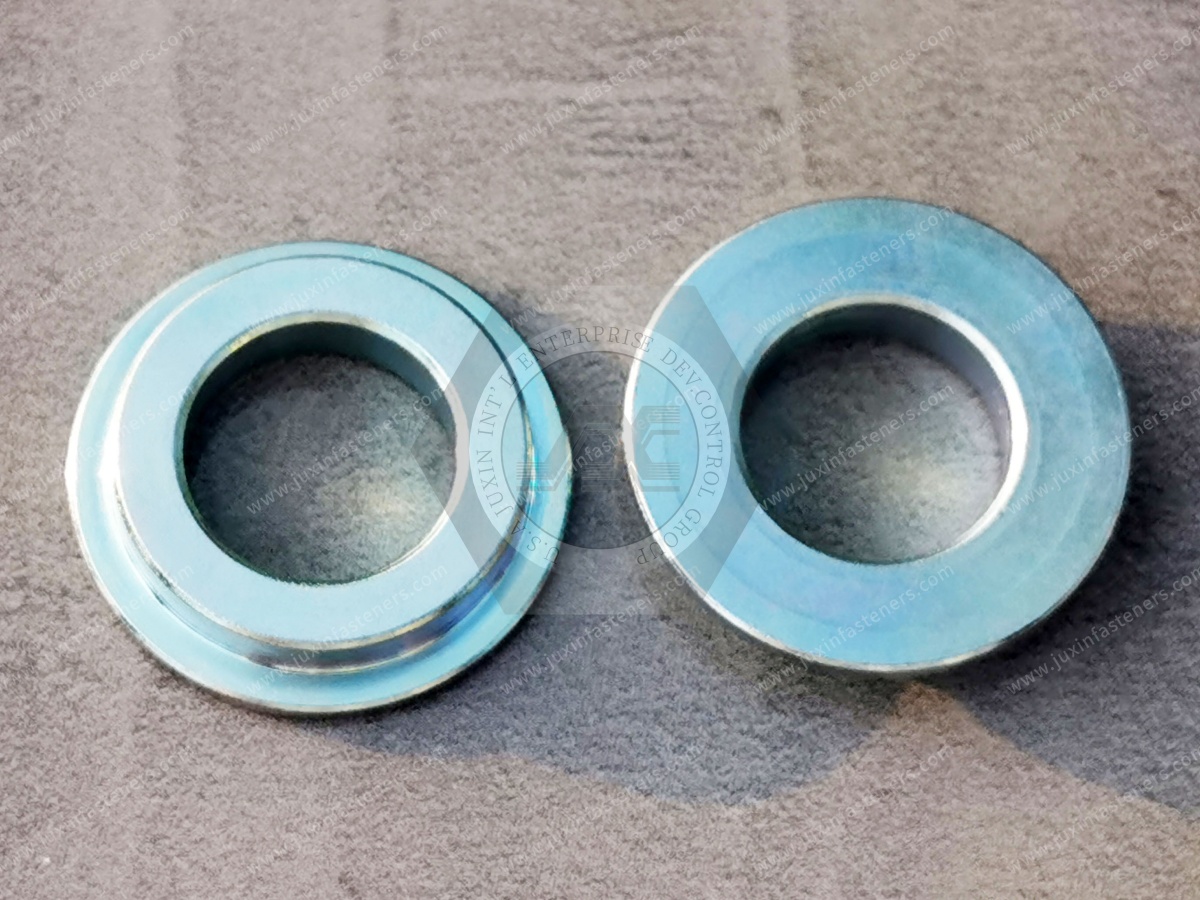
Exterior components can impose additional requirements related to environmental exposure, appearance, packaging, and assembly.
Examples include:
Exterior trim
Grilles
Spoilers
Brackets
Covers
Body panels
Underbody components
Exterior accessories
Fasteners for these applications may require application-specific dimensions, surface finishes, retention features, or corrosion considerations.
For example, automotive spoiler assemblies may use specialized spoiler bolts or slide bolts together with retaining clips.
The correct design depends on the geometry of the spoiler, bracket, mating panel, and assembly method.
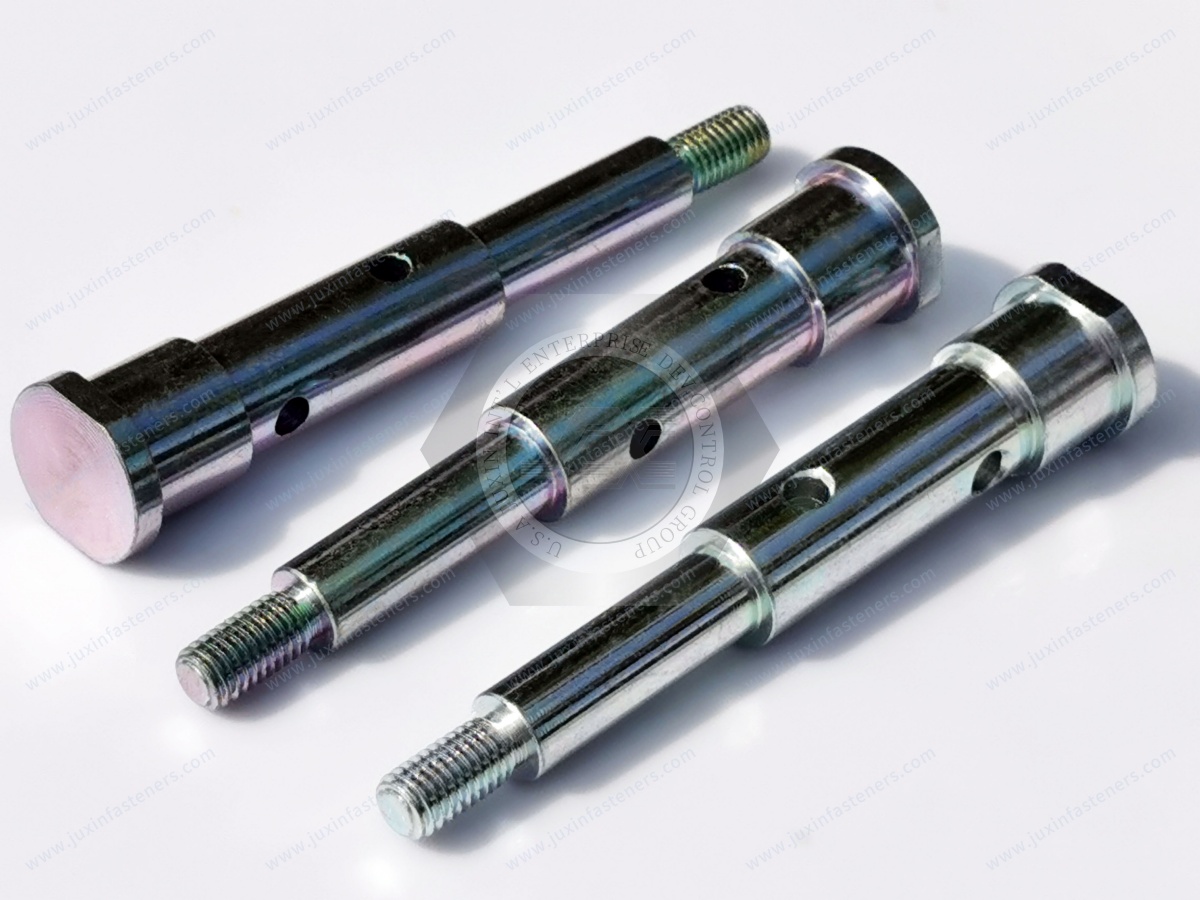
Spoiler bolts are one example of a specialized automotive fastening component.
A slide bolt may incorporate a specific head or retention geometry that allows it to engage with a bracket or component during assembly.
Common project specifications may include:
Thread size
Overall length
Head geometry
Slide or retention geometry
Material
Strength requirement
Surface finish
Matching clip or bracket configuration
Examples of application-specific configurations can include M5 or M6 spoiler bolts with different overall lengths, such as M6 × 14 or M6 × 20, depending on the design.
The exact specification must be confirmed from the customer's drawing, sample, or engineering requirement.
Many automotive assemblies require clips or retainers that work together with a metal fastener or directly engage with a mating component.
A rear spoiler retaining clip is one example.
These components are normally designed around the geometry of the parts being joined.
Important characteristics can include:
Engagement geometry
Retention force
Insertion force
Material
Dimensional stability
Mating component geometry
Installation method
Removal requirements
For replacement or development projects, a physical sample can be especially useful because the clip's functional geometry may be difficult to define from appearance alone.
Electric vehicles and automotive electrical systems can introduce additional fastening considerations.
Depending on the application, fastening components may be used around:
Battery-related assemblies
Electrical enclosures
Electronic modules
Cable management
Brackets
Thermal-management components
Charging-related assemblies
Structural and sheet-metal components
Material selection, electrical insulation, corrosion resistance, packaging, assembly access, and compatibility with surrounding materials may all influence the fastening solution.
Plastic and nylon components can also be considered where a non-metallic fastening solution is appropriate.
The exact requirement should be established from the vehicle component design and applicable engineering specification.
Modern automotive components may combine steel, aluminum, plastics, composites, and other materials.
Fastener selection therefore needs to consider the interaction between the fastener and the materials being joined.
Potential considerations include:
Galvanic compatibility
Thermal expansion differences
Hole deformation
Installation force
Corrosion environment
Required retention
Assembly sequence
Material thickness
Long-term dimensional stability
A fastener that works well in a steel-to-steel assembly may not automatically be suitable for a multi-material joint.
This is one reason application-specific fastener development can be important for automotive engineering projects.
A clear RFQ allows suppliers to understand the project faster and provide more useful feedback.
For a custom automotive fastener, buyers should ideally provide the following information.
Provide the latest drawing whenever available.
The drawing should identify critical dimensions, tolerances, material, finish, thread requirements, and applicable technical specifications.
If a sample is available, provide photographs or the physical sample when appropriate.
For development projects, a sample can help communicate geometry that may not be fully described in an initial inquiry.
Specify the required material and grade whenever defined.
If the material is not yet fixed, provide the functional requirements so the supplier can identify the key selection factors.
Specify the required surface treatment or corrosion requirement where applicable.
Provide estimated annual demand, project quantity, prototype quantity, or initial order quantity.
Quantity can significantly affect production planning and quotation structure.
A short description of where the component is used can be valuable.
For example:
Sheet-metal assembly
Interior component
Exterior component
Bracket
Electrical enclosure
EV component
Spoiler assembly
Trim or panel
The supplier does not necessarily need confidential vehicle information. The goal is to understand the functional context.
Provide any customer-specific inspection, documentation, traceability, packaging, or quality requirements that must be followed.
This is especially important for automotive OEM and Tier supplier projects.
Price is only one part of supplier evaluation.
For custom automotive components, buyers should consider the supplier's ability to understand and control the complete specification.
Can the supplier understand drawings, samples, dimensions, materials, finishes, and application requirements?
Has the supplier worked with drawing-based or sample-based fastening components?
Does the supplier have an appropriate production route for the specific component?
The answer should be based on the actual part rather than a generic list of manufacturing processes.
Can the supplier inspect the characteristics that matter to the application and provide the documentation required by the project?
Can the supplier source the specified material and surface treatment consistently according to the agreed requirements?
Can the supplier support prototype development, initial production, and repeat orders at the required quantities?
A useful quotation should clearly communicate the quoted specification, quantity basis, packaging, lead time, tooling or development requirements where applicable, and commercial terms.
A typical custom fastener development process may follow these stages:
The supplier reviews the drawing, sample, specifications, quantity, application, and purchasing requirements.
Any unclear dimensions, materials, finishes, tolerances, or functional requirements are clarified before production.
The supplier evaluates the appropriate production route for the specified geometry, material, quantity, and tolerance requirements.
Where required, development samples can be produced for customer evaluation.
The sample or production part is inspected against the agreed requirements.
Once the specification and approval requirements are established, production can proceed according to the agreed order and quality requirements.
For ongoing programs, the controlled specification becomes the basis for repeat production and purchasing.
This process helps reduce the risk of misunderstandings between engineering, purchasing, and manufacturing teams.
A product name alone is rarely enough to define a custom automotive fastener.
For example, the term "custom bolt" does not identify:
Thread specification
Length
Head dimensions
Material
Strength class
Surface finish
Tolerance
Special geometry
Inspection requirements
Two fasteners may look similar while having different technical requirements.
A drawing, specification, or well-defined sample therefore provides a much stronger basis for supplier communication.
JUXIN FASTENERS works with custom fastening requirements covering screws, bolts, nuts, washers, self-clinching fasteners, weld fasteners, rivet nuts,
clips, retainers, plastic and nylon fastening components, and other non-standard fastening parts.
For OEM and automotive supplier projects, the development process can begin from a customer drawing, specification, or physical sample.
The key objective is to establish the required product definition first and then determine the appropriate production and sourcing route for that component.
JUXIN FASTENERS can support inquiries involving:
Custom automotive screws
Custom automotive bolts
Custom nuts and washers
Self-clinching fasteners
Weld nuts and weld studs
Rivet nuts
Automotive clips and retainers
Plastic and nylon fastening components
Automotive sheet-metal fastening components
EV and electrical fastening components
Application-specific non-standard fasteners
Drawing-based and sample-based fastener development
For projects with multiple fastening components, buyers can also provide a complete parts list or drawing package so the requirements can be reviewed as a group.
Custom automotive fasteners are not simply standard fasteners with unusual shapes. They are application-specific components whose dimensions,
materials, finishes, installation characteristics, and quality requirements must be defined according to the intended assembly.
The most important considerations include:
Define the actual application requirement.
Provide a current drawing whenever possible.
Use physical samples when they provide important geometry information.
Clearly specify material and surface finish requirements.
Identify critical dimensions and tolerances.
Consider the assembly method and available installation space.
Evaluate compatibility with the materials being joined.
Provide realistic prototype and production quantities.
Clarify inspection and documentation requirements.
Select a supplier based on engineering communication, manufacturing fit, quality control, and long-term supply capability rather than price alone.
For automotive OEMs and Tier suppliers, a well-defined RFQ is usually the fastest starting point for determining whether a custom fastening component can be developed and produced efficiently.
A custom automotive fastener is a screw, bolt, nut, washer, clip, retainer, or other fastening component designed or modified for a specific automotive application.
Yes. Drawing-based manufacturing is a common approach for custom components. The drawing should define the applicable dimensions, materials, tolerances, finishes, and other technical requirements.
Yes. A physical sample can be used as a starting point for development, but important production requirements such as exact dimensions, material,
thread specification, tolerances, and finish should be established before production.
A useful RFQ should include the drawing or sample, material, surface finish, quantity, application information, quality requirements, packaging requirements, and any customer-specific specifications.
Common categories include custom screws, bolts, nuts, washers, self-clinching fasteners, weld nuts, weld studs, rivet nuts, clips, retainers, and plastic or nylon fastening components.
Evaluate the supplier's ability to understand drawings and samples, develop application-specific components, source the required materials and finishes, control quality,
communicate engineering requirements, and support the required production quantities.
No. A custom fastener may be a modified version of an existing product concept or a completely application-specific component.
The most useful starting information is the drawing or sample, required material, finish, quantity, application, critical dimensions, quality requirements, and delivery expectations.
If you are developing a new automotive component, replacing an existing fastening part, or sourcing a non-standard fastener from an existing drawing or sample, send the available technical information to JUXIN FASTENERS.
You can provide:
Customer drawing
2D or 3D file
Physical sample information
Part number
Required material
Surface finish
Prototype quantity
Estimated production quantity
Application information
Quality or inspection requirements
JUXIN FASTENERS can review the requirement and provide a quotation or discuss the next step for custom automotive fastener development.
Email: info@juxinfasteners.com
Website: www.juxinfasteners.com
Product Packaging
Packaging Standard
At Juxin Fasteners, we apply standardized export packaging to ensure product protection, traceability, and compliance with international logistics requirements.
1. Standard Export Packaging
Unless otherwise specified, all products will be packed according to our factory standard export packaging, which includes:
Moisture-resistant inner protection
Poly bag or small box packing as required
Reinforced export cartons
Clear labeling with part number, specification, batch number, and quantity
Palletizing for sea or air shipment when necessary
Our standard packaging is designed to ensure safe transportation, efficient warehousing, and long-distance international shipping.
2. Customized Packaging Options
We also provide customized packaging solutions according to customer requirements, including but not limited to:
Private labeling
Customized barcodes
Specific carton dimensions
Retail packaging
Special pallet configuration
Customer-specific marking and identification
So that you know, customized packaging may involve additional costs and extended lead time depending on the complexity of the requirements.
3. Compliance & Quality Assurance
All packaging processes are controlled under our ISO 9001 quality management system to ensure consistency, traceability, and product integrity throughout the supply chain.
Product Pictures
Hot Products
Automotive Screw-Type Retainers: Engineering, Thread Integration & OEM Sourcing Guide
Custom Automotive Screws and Bolts: Design, Specification & OEM Sourcing Guide
Push-Type Retainers for Automotive Applications: Engineering & Sourcing Guide
Automotive Sunroof Systems: Fastening Engineering, Precision Shafts & OEM Sourcing Guide
Contact Us
Tel.:
+86 020 8621 0320
+86 020 3121 6067
E-mail:
Technical Support:
Navigation
SEND INQUIREY