
Call Us
+86 136 6007 9809
Call Us
+86 136 6007 9809

Aug. 22, 2026
Modern electronics and telecommunications equipment often combines compact electronic systems with customized mechanical structures.
As equipment becomes smaller, more integrated, and more thermally demanding, manufacturers may require CNC machined parts for electronics and telecommunications
with controlled dimensions, precise mounting interfaces, suitable materials, and consistent production quality.
CNC machining provides a flexible manufacturing method for producing customized mechanical components that integrate with electronic, electrical, thermal, and structural systems.
Juxin Fasteners supports OEM and engineering teams with drawing-based electronics CNC machining and telecommunications CNC machining for prototypes,
low-volume production, batch manufacturing, and repeat OEM supply.
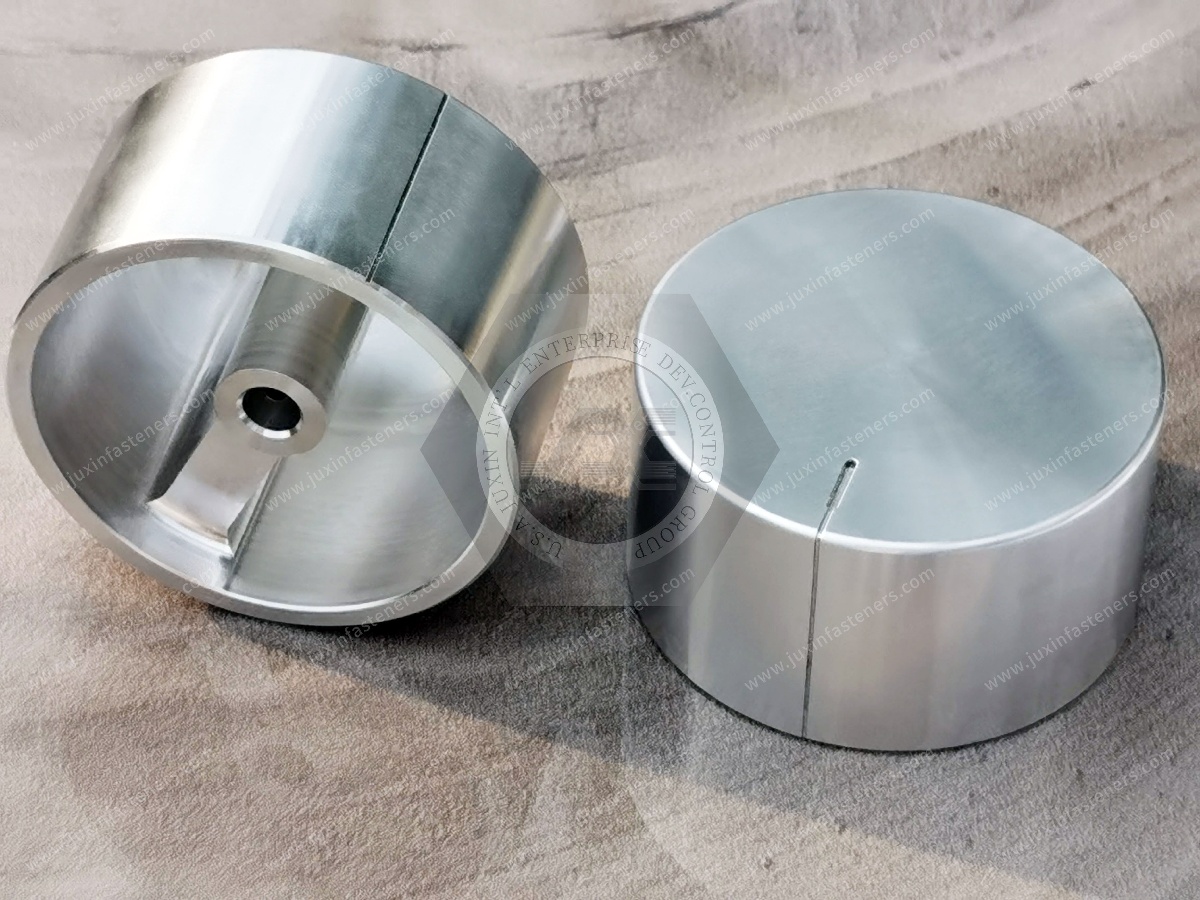
Electronic products frequently require mechanical components that cannot be sourced as standard catalog parts.
Depending on the equipment design, CNC machining can support:
Electronics housings
Mounting brackets
Heat sinks
Connector components
Router components
Telecom equipment parts
Equipment frames
Precision mounting components
Mechanical adapters
Custom equipment interfaces
Each component should be evaluated according to its geometry, material, dimensional requirements, thermal environment, production quantity, and functional interfaces.
OEM electronics manufacturers often require customized mechanical components designed around specific PCBs, connectors, sensors, cables, and electronic assemblies.
Custom CNC machining for electronics can manufacture components according to:
2D engineering drawings
3D CAD models
STEP files
Material specifications
Dimensional tolerances
Surface finish requirements
Thread specifications
Thermal requirements
Quantity requirements
Packaging specifications
This drawing-based approach allows the manufacturing process to follow the customer's actual engineering requirements.
Electronic equipment housings provide structural support and protection for internal electronic components.
CNC machined electronics housings can include features such as:
PCB mounting points
Connector openings
Threaded holes
Cable interfaces
Heat dissipation features
Precision mounting surfaces
Internal cavities
Locating features
Custom external profiles
Aluminum is frequently considered for applications where low weight, machinability, and thermal conductivity are important.
For more demanding environments, other metals or engineering materials may be selected according to the equipment requirements.
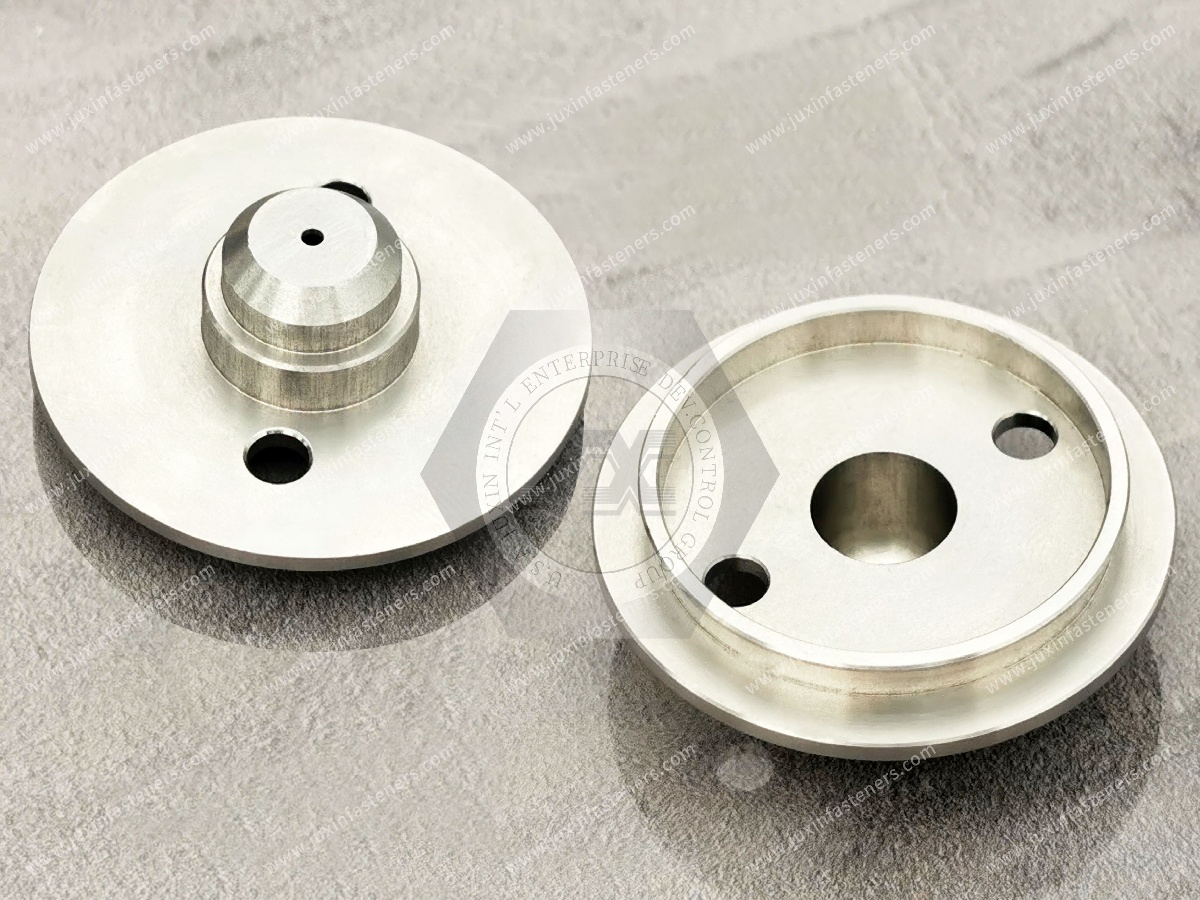
Aluminum CNC machining for electronics is commonly considered where a combination of low weight, machinability, corrosion resistance, and thermal conductivity is required.
CNC machining can produce:
Aluminum electronics housings
Heat sinks
Mounting brackets
Equipment frames
Connector components
Thermal management components
Precision mounting plates
Custom mechanical interfaces
The appropriate aluminum alloy should be selected according to the required mechanical, thermal, corrosion, surface, and manufacturing properties.
Thermal management is an important consideration for electronic and telecommunications equipment.
Heat sinks and related thermal components may require customized geometries to interface with specific electronic devices or equipment structures.
CNC machined heat sinks can be manufactured with:
Custom mounting interfaces
Precision contact surfaces
Cooling features
Threaded mounting holes
Custom profiles
Equipment-specific dimensions
For suitable designs, CNC machining provides flexibility when standard heat sink profiles do not meet the customer's mechanical or thermal requirements.
The final thermal design should be validated according to the equipment's actual heat load and operating conditions.
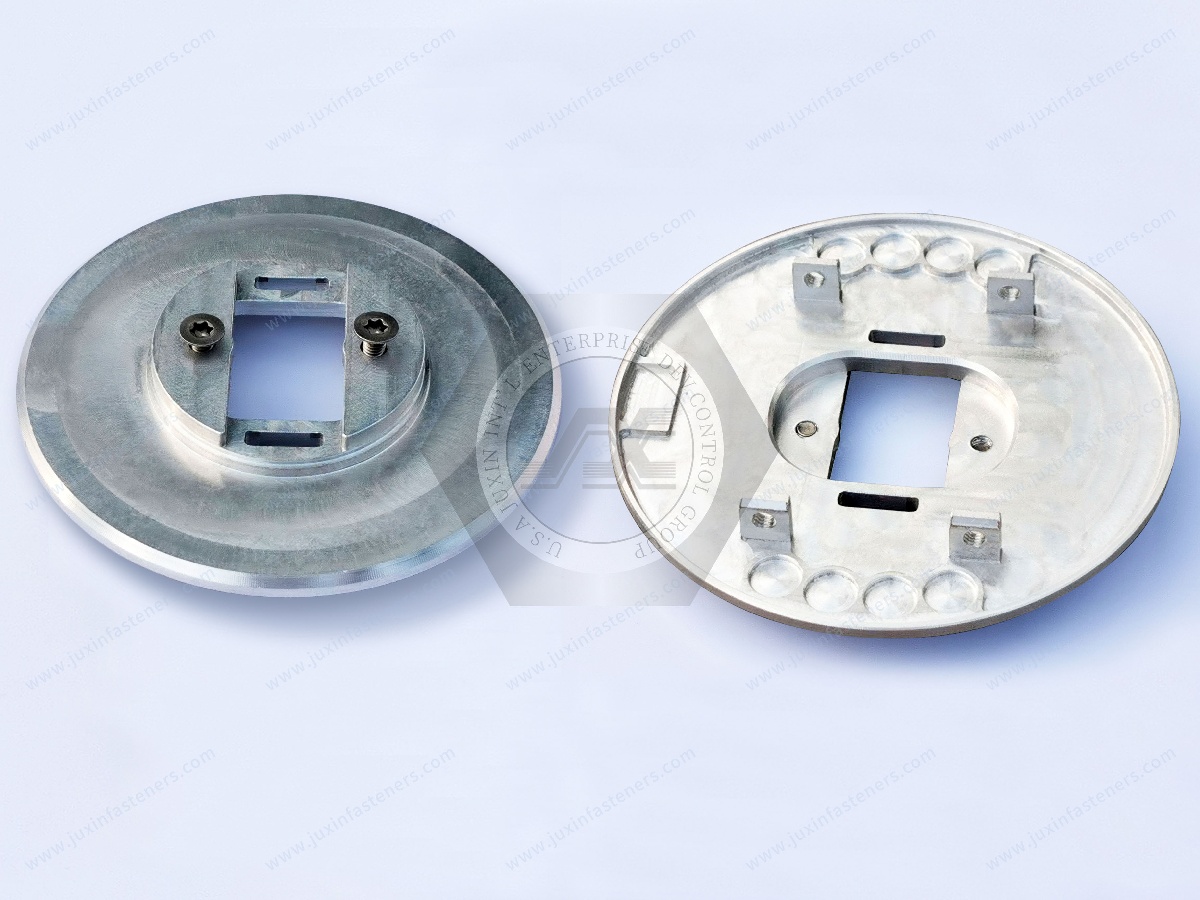
Connectors require accurate mechanical interfaces to ensure correct positioning and assembly.
CNC machining can support components associated with:
Connector housings
Connector mounting brackets
Adapter components
Cable interfaces
Precision mounting components
Mechanical connector interfaces
Critical dimensions may include hole positions, mounting surfaces, connector openings, threads, and locating features.
Routers and network equipment combine electronic assemblies with mechanical structures.
CNC machining can support customized:
Router housings
Mounting brackets
Heat dissipation components
Connector interfaces
Equipment mounting plates
Mechanical adapters
Internal support components
For network equipment manufacturers, CNC machining can provide flexibility during product development and low-volume production.
Telecommunications equipment may require custom mechanical components for network hardware, communication systems, cabinets, enclosures, and equipment assemblies.
Telecom CNC machining can support:
Telecom equipment housings
Mounting brackets
Equipment frames
Rack-related components
Connector interfaces
Precision mounting components
Heat management components
Mechanical adapters
For telecom equipment, dimensional consistency can be important because components may need to integrate with standardized equipment structures and electronic assemblies.
Electronic and telecommunications equipment may use internal or external frames to support PCBs, modules, power systems, cooling components, and connectors.
CNC machining can produce custom frames with:
Multiple mounting holes
Threaded interfaces
Precision locating surfaces
Brackets
Slots
Connector openings
Custom structural profiles
The manufacturing process should be selected according to the frame geometry, material, size, tolerance requirements, and production volume.
Electronic assemblies often contain multiple components that must be mounted in accurately defined positions.
CNC machining can produce:
PCB mounting components
Precision brackets
Sensor mounting components
Equipment supports
Connector brackets
Mounting plates
Spacers
Custom adapters
For these applications, the relationship between mounting holes and locating surfaces can be more important than achieving an unnecessarily tight tolerance on every dimension.
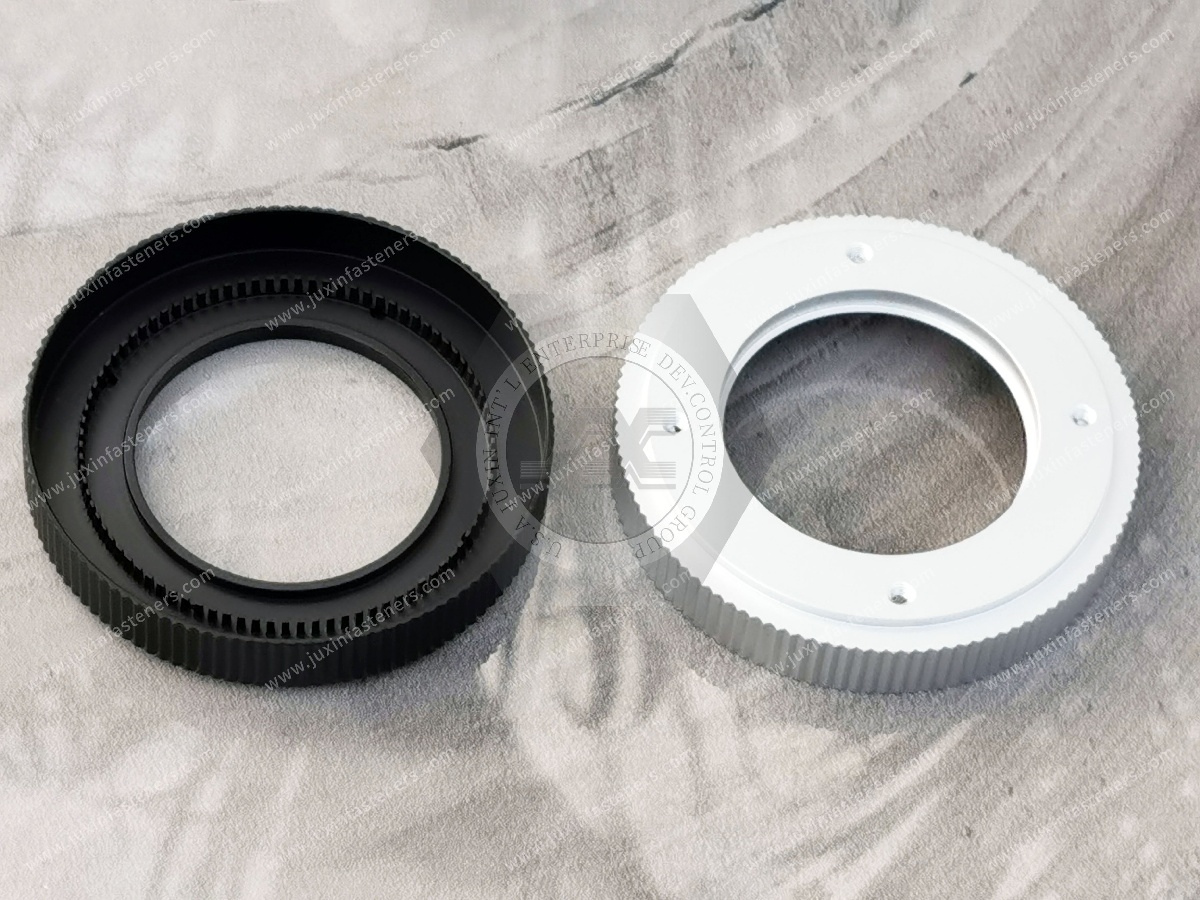
Although electronics and telecommunications products are often highly integrated, they also require mechanical components for electrical systems.
Potential CNC machined components include:
Electrical equipment housings
Mounting brackets
Cable management components
Connector interfaces
Electrical cabinet components
Equipment frames
Mounting plates
Mechanical adapters
Material and surface treatment should be selected according to the electrical, mechanical, thermal, and environmental requirements of the application.
Some electronic equipment components contain multiple precision features within compact geometries.
CNC machining can produce:
Precision bores
Small holes
Threaded holes
Mounting interfaces
Locating features
Complex profiles
Custom connector interfaces
Close-fitting mechanical components
Actual machining tolerance depends on the machine, material, geometry, tooling, process, part size, and inspection method.
Juxin evaluates tolerance requirements according to the customer's engineering drawing rather than applying a universal tolerance claim to every electronic component.
Some electronics housings, heat management components, and mechanical interfaces contain multiple surfaces or difficult-to-access features.
For suitable designs, multi-axis CNC machining can help:
Reduce repositioning
Reduce the number of setups
Improve tool access
Machine multiple surfaces
Support complex contours
Maintain positional relationships between features
The appropriate machining configuration should be selected based on the actual geometry and manufacturing requirements.
Surface finish can affect both appearance and functionality.
Depending on the material and application, customer requirements may include:
As-machined finish
Brushed finish
Polished finish
Anodizing
Plating
Protective coating
Other specified surface treatments
For aluminum electronics components, anodizing may be considered where additional surface protection or a specified appearance is required.
Surface treatment can affect critical dimensions, so it should be considered during the engineering and manufacturing review.
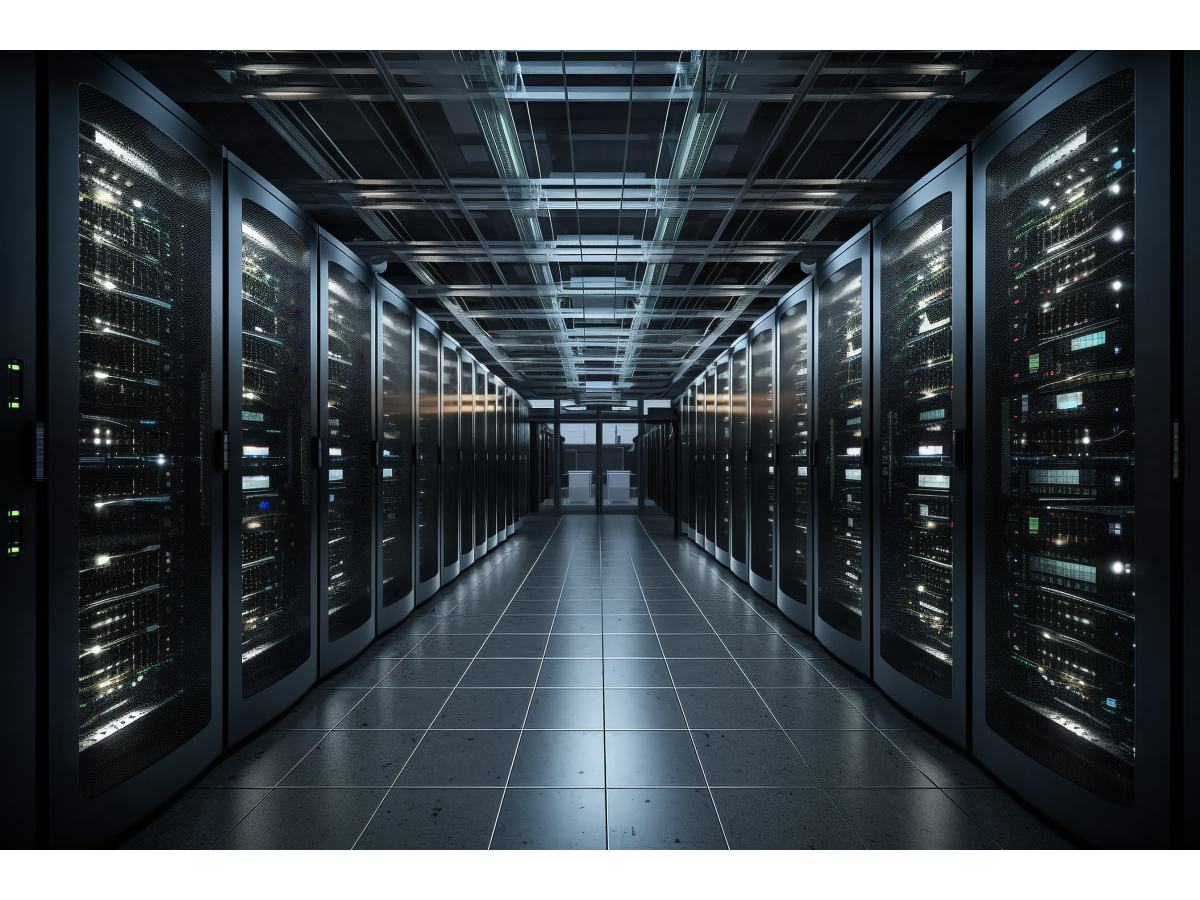
Electronics manufacturers frequently require mechanical prototypes before finalizing an enclosure, bracket, heat sink, or equipment structure.
CNC prototyping for electronics can help engineers verify:
PCB fit
Connector positioning
Housing dimensions
Mounting interfaces
Cable clearances
Thermal interfaces
Assembly sequence
Design changes
A typical product development process can include:
CAD Model → CNC Prototype → Assembly Evaluation → Design Optimization → Process Validation → Production
This helps identify mechanical integration issues before larger production quantities are manufactured.
Once a component design has been validated, CNC machining can support low-volume, batch, and repeat OEM production.
Batch CNC machining for electronics can provide:
Repeatable production
Consistent dimensions
Program-controlled machining
Reduced manual intervention
Batch inspection
Repeat OEM supply
Production economics depend on component geometry, material, machining time, quantity, tooling, surface treatment, and inspection requirements.
For OEM projects, customers can provide:
CAD models
Engineering drawings
Material specifications
Surface finish requirements
Production quantities
Dimensional tolerances
Inspection requirements
Packaging requirements
This information allows the manufacturing team to evaluate the appropriate production process before quotation.
For repeat orders, maintaining consistent drawings, specifications, and manufacturing information can help support long-term OEM supply.
Quality control should focus on the dimensions and features that affect assembly and product performance.
Depending on customer requirements, inspection may include:
First-piece inspection
Critical dimensional inspection
Hole diameter inspection
Thread inspection
Material verification
Surface finish inspection
Visual inspection
Functional fit verification
Batch consistency checks
The inspection method should be selected according to the tolerance and functional importance of each feature.
A DFM review can help identify potential machining considerations before production.
Important factors may include:
Part geometry
Material selection
Wall thickness
Tool accessibility
Internal corner geometry
Hole depth
Thread design
Tolerance allocation
Surface treatment
Workholding
Production quantity
Where the design permits, functional tolerances can help maintain product performance while avoiding unnecessary manufacturing complexity.
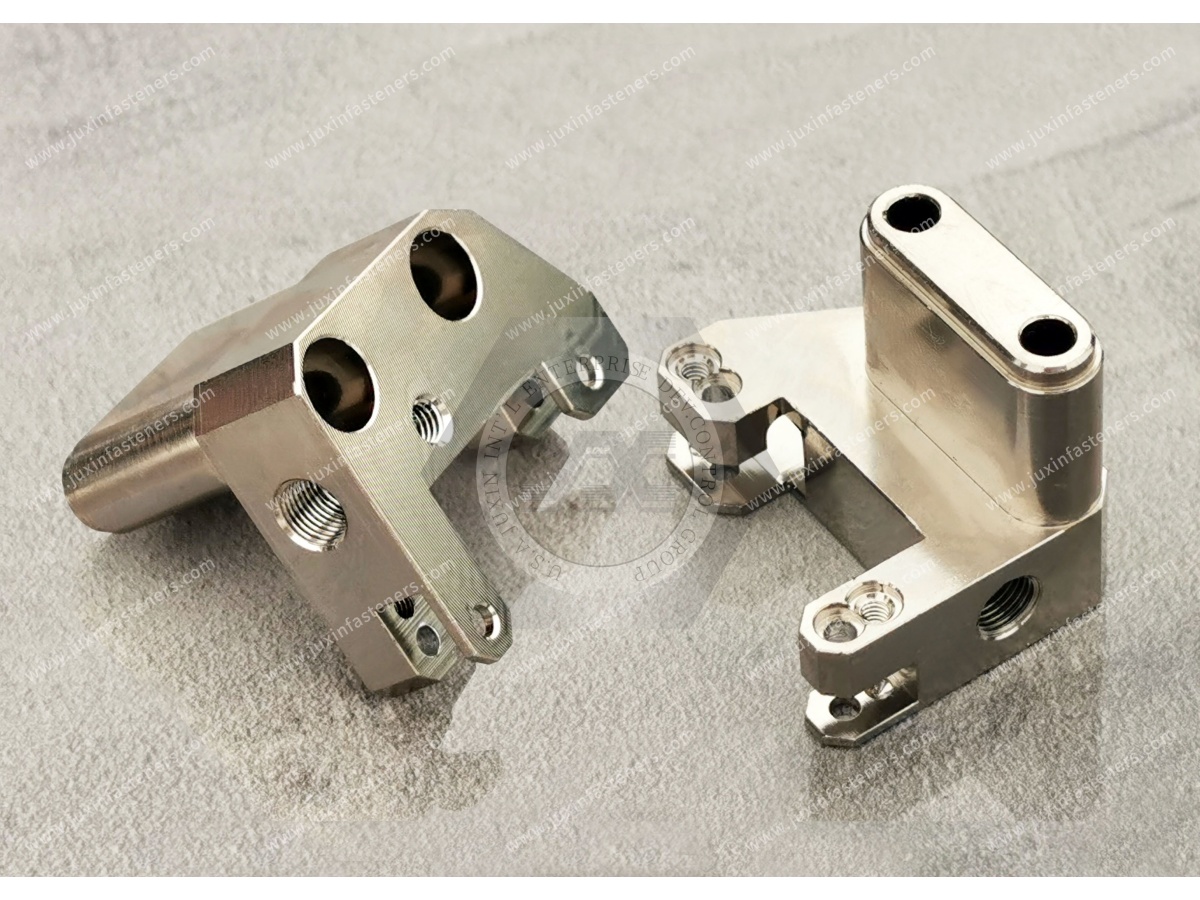
Using one manufacturing partner from prototype through production can simplify product development.
A typical workflow may include:
Engineering Drawing → CNC Prototype → Inspection → Assembly Validation → DFM Review → Process Validation → Batch CNC Machining → Repeat OEM Production
This approach can help maintain continuity in drawings, material specifications, inspection requirements, and production information.
Our CNC machining capabilities can support mechanical components for:
Consumer and Industrial Electronics
Telecommunications
Networking Equipment
Data Communication Equipment
Electrical Equipment
Automation
Robotics
Automotive Electronics
EV Systems
Industrial Machinery
Instrumentation
Energy Equipment
Juxin Fasteners has more than 20 years of experience supporting OEM customers with industrial fasteners and engineered components.
We provide drawing-based manufacturing support for electronics, telecommunications, automotive, EV, medical, aerospace, robotics, machinery, and other engineering-driven applications.
Our capabilities include:
Electronics CNC machining
Telecommunications CNC machining
Precision CNC machining
Custom CNC machined parts
CNC prototype machining
Batch CNC production
Multi-axis CNC machining
Aluminum CNC machining
Industrial fasteners
Custom fastening components
Dimensional inspection
OEM manufacturing support
We evaluate each component according to its actual engineering requirements, helping OEM purchasing and engineering teams select a practical manufacturing approach.
If you are sourcing CNC machined parts for electronics or telecommunications equipment, send us your CAD model or engineering drawing together with the material,
surface finish, quantity, dimensional tolerances, and inspection requirements.
Our engineering and manufacturing team can review your project and provide a quotation for electronics CNC machining, aluminum housings, heat sinks,
telecom equipment components, precision mounting parts, prototypes, batch production, or repeat OEM supply.
Email: info@juxinfasteners.com
Juxin Fasteners — CNC Machined Parts for Electronics, Telecommunications, and OEM Equipment Manufacturing.
 MORE NEWS
Aug. 22, 2026
Aug. 22, 2026
Aug. 22, 2026
Contact Us
Tel.:
+86 020 8621 0320
+86 020 3121 6067
E-mail:
Technical Support:
Navigation
SEND INQUIREY