
Call Us
+86 136 6007 9809
Call Us
+86 136 6007 9809

Aug. 22, 2026
Aerospace-related equipment can require demanding combinations of low weight, mechanical strength, dimensional accuracy, material control, and manufacturing consistency.
From structural interfaces and equipment brackets to UAV components and precision mechanical parts, CNC machining provides a flexible manufacturing method for producing complex components from engineering materials.
Aerospace CNC machining can support prototype development, engineering samples, low-volume production, and repeat OEM manufacturing where the component design and applicable requirements make CNC machining an appropriate process.
At Juxin Fasteners, aerospace-related projects are evaluated according to the customer's engineering drawings, material specifications, revision level, dimensional requirements, inspection requirements, and applicable standards before quotation.
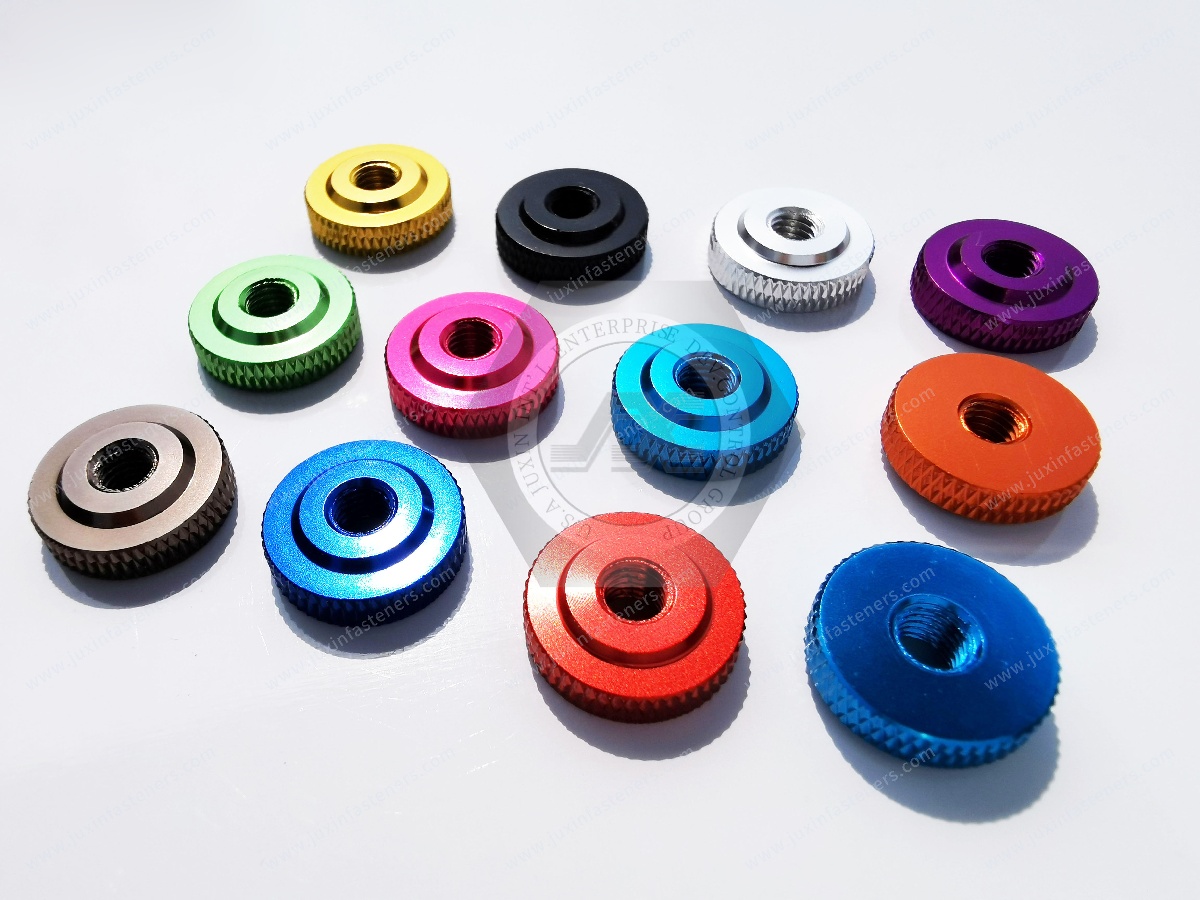
Aerospace equipment can contain components with complex geometries and demanding functional interfaces.
Depending on the application and applicable specifications, aerospace CNC machined parts may include:
Lightweight structural components
Equipment brackets
Mounting components
Connectors
UAV and drone components
Aerospace equipment housings
Instrument components
Precision mechanical components
Mechanical adapters
Custom fastening components
Each component should be evaluated individually because achievable tolerances, material requirements, inspection methods, and production processes depend on the actual design and application.
Weight reduction is an important consideration in aerospace engineering.
CNC machining can produce lightweight components from materials selected according to the required combination of strength, weight, machinability, corrosion resistance, and operating environment.
Potential applications include:
Lightweight brackets
Structural interfaces
Equipment housings
Mounting components
Instrument components
UAV components
Mechanical adapters
The final material selection should always be based on the customer's engineering specification and applicable requirements.
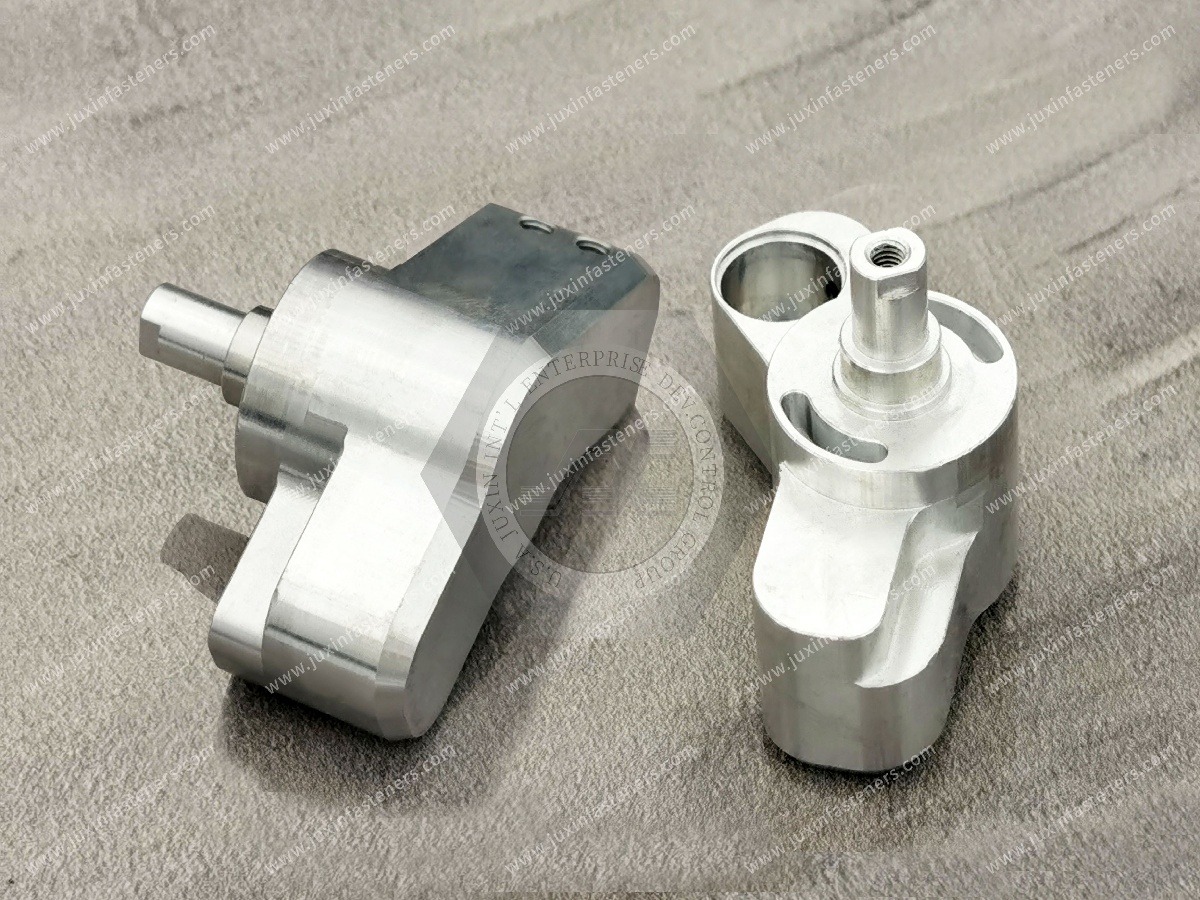
Aluminum is widely considered for applications where low weight, machinability, and suitable mechanical properties are required.
Aluminum aerospace CNC machining can support suitable:
Equipment brackets
Housings
Mounting components
Structural interfaces
UAV components
Instrument components
Precision mechanical parts
Different aluminum alloys have different mechanical, thermal, corrosion, and machining characteristics.
Therefore, the required alloy should be clearly specified on the engineering documentation before production.
Titanium can provide a high strength-to-weight ratio and good corrosion resistance, making it suitable for selected demanding applications.
However, titanium CNC machining requires careful consideration of:
Cutting parameters
Tool selection
Heat generation
Tool wear
Machining sequence
Workholding
Surface requirements
Inspection
Potential applications may include:
Precision mechanical components
Aerospace equipment components
Structural interfaces
Mounting components
Specialized brackets
UAV components
The appropriate titanium grade and manufacturing requirements should be established according to the customer's engineering specification.
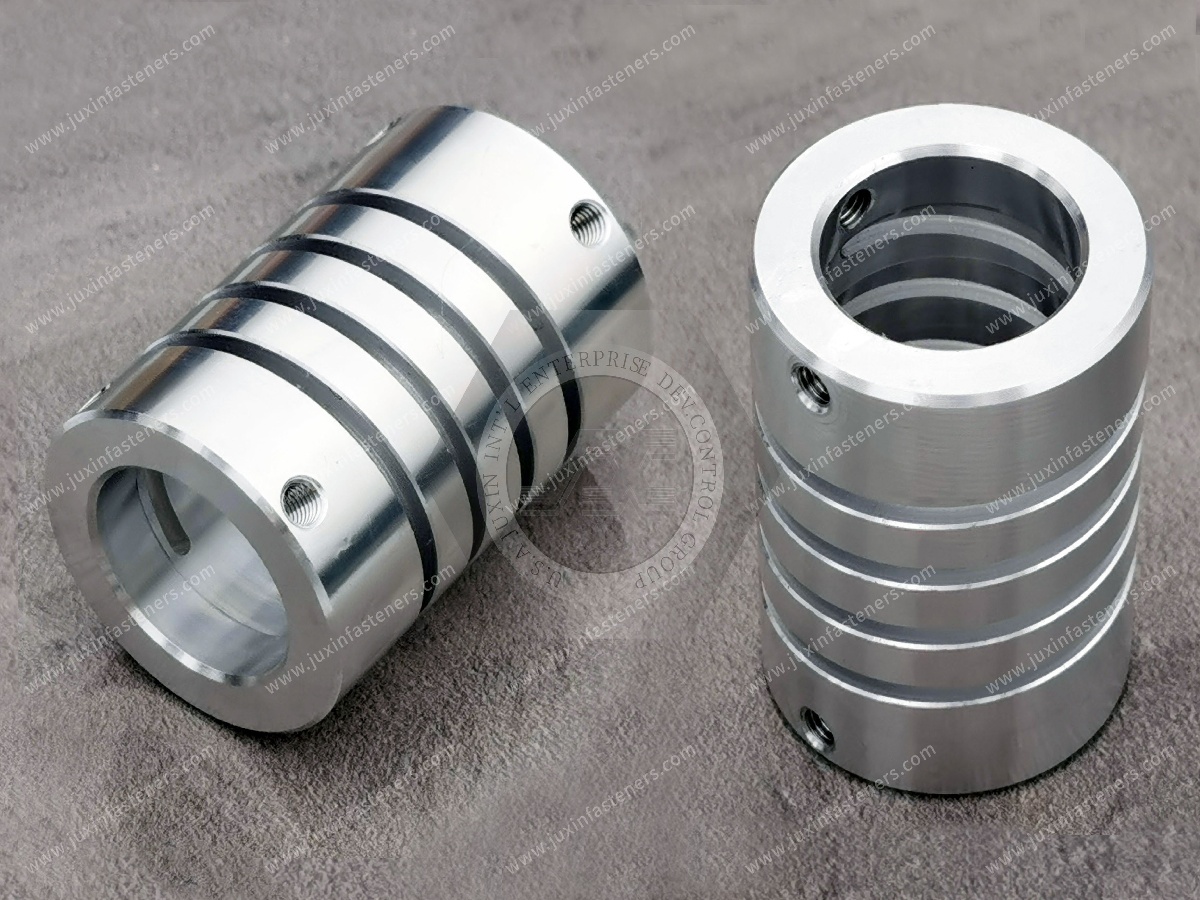
Brackets are commonly used to connect equipment, structures, instruments, sensors, and other aerospace-related assemblies.
CNC machined aerospace brackets can be manufactured with features such as:
Precision mounting holes
Threaded holes
Locating features
Lightweight pockets
Multiple mounting surfaces
Angled interfaces
Complex profiles
For these components, the positional relationship between mounting features can be important for final assembly.
Aerospace equipment may require customized housings to support and protect mechanical, electrical, or instrument components.
CNC machining can produce housings with:
Internal cavities
Precision mounting surfaces
Threaded interfaces
Connector openings
Locating features
Complex external profiles
Multiple mounting points
Depending on the application, aluminum, titanium, stainless steel, or other specified engineering materials may be considered.
Aerospace systems can contain numerous mechanical and electrical interfaces.
CNC machining can support suitable components for:
Connector mounting
Cable and electrical interfaces
Mechanical adapters
Equipment interfaces
Sensor mounting
Instrument connections
Dimensional accuracy can be important where components must mate with other precision assemblies.
Unmanned aerial vehicles and drones often require lightweight components with customized geometries.
UAV CNC machining can support:
Structural brackets
Motor mounting components
Sensor mounts
Equipment housings
Mechanical adapters
Lightweight aluminum components
Precision mechanical interfaces
CNC machining is particularly useful during UAV development because engineers may require prototypes and small production batches before finalizing the design.
Some aerospace-related components contain multiple features that must maintain controlled dimensional and positional relationships.
Depending on the design, precision CNC machining can produce:
Precision bores
Small holes
Threaded holes
Close-fitting interfaces
Complex profiles
Angled features
Multiple mounting surfaces
Lightweight pockets
Precision locating features
Actual machining tolerance should be evaluated according to the drawing, material, geometry, machine capability, tooling, machining process, part size, and inspection method.
Juxin does not apply a universal tolerance claim to every aerospace component. Instead, the specified engineering requirements are reviewed on a project-by-project basis.
Some aerospace components contain complex surfaces and features that may require machining access from multiple directions.
Multi-axis CNC machining can be considered for components with:
Angled surfaces
Multiple faces
Complex contours
Deep features
Compound surfaces
Multiple positional relationships
Difficult-to-access machining features
For suitable components, multi-axis machining may reduce the number of setups and repositioning operations.
The appropriate CNC machining configuration should be determined according to the actual geometry rather than assuming that every complex aerospace component requires 5-axis machining.
Aerospace-related manufacturing projects should be based on controlled engineering information.
Customers can provide:
2D engineering drawings
3D CAD models
STEP files
Material specifications
Surface treatment requirements
Dimensional tolerances
Inspection requirements
Revision information
Packaging requirements
Before quotation, the manufacturing team can review the available information to identify key production and quality requirements.
This helps ensure that the quotation is based on the actual component specification.
Revision control is particularly important for engineered aerospace components.
Before production, the supplier and customer should establish:
Drawing revision
CAD model revision
Material specification
Applicable technical requirements
Inspection criteria
Surface treatment
Packaging requirements
Production should be based on the approved revision to reduce the risk of manufacturing an outdated component version.
Material control is an important part of aerospace-related manufacturing.
The engineering specification should clearly identify:
Material grade
Material standard
Required mechanical properties
Heat treatment where applicable
Surface treatment
Required documentation
Traceability requirements
Material selection should not be based solely on general material names such as "aluminum" or "titanium." The exact grade and applicable specification should be established by the customer.
Surface treatment may be required to provide specific functional or environmental properties.
Depending on the material and application, requirements may include:
Anodizing
Passivation
Plating
Protective coatings
Conversion coatings
Other customer-specified treatments
Surface treatment can also affect critical dimensions.
For precision aerospace components, the relationship between machining dimensions and final surface treatment should therefore be considered during engineering review.
Quality requirements should be clearly established before production.
Depending on the project specification, inspection may include:
First-piece inspection
Critical dimensional inspection
Hole and bore inspection
Thread inspection
Positional verification
Surface finish inspection
Material verification
Visual inspection
Functional fit verification
Batch consistency inspection
The appropriate inspection method should be selected according to the actual tolerance and functional requirement of each feature.
For aerospace-related OEM projects, customers may require traceability of materials, production batches, inspection records, and other manufacturing information.
Depending on the project requirements, traceability may include:
Material identification
Batch identification
Production records
Inspection records
Surface treatment records
Part identification
Packaging identification
Traceability requirements should be defined before production so that the manufacturing and quality teams can establish the appropriate documentation process.
Aerospace product development frequently involves prototype components before production quantities are finalized.
Aerospace CNC prototyping can help engineers evaluate:
Component dimensions
Assembly fit
Mounting interfaces
Mechanical function
Weight considerations
Clearance
Design changes
Manufacturing feasibility
A typical development process can be:
CAD Model → CNC Prototype → Dimensional Inspection → Assembly Evaluation → Design Optimization → Process Validation → Production
This allows potential design or manufacturing issues to be identified before larger quantities are produced.
Once a component design has been validated, CNC machining can support low-volume and batch production where appropriate.
Aerospace batch CNC machining can provide:
Repeatable production
Program-controlled machining
Consistent dimensions
Controlled manufacturing processes
Batch inspection
Repeat OEM production
Production quantities, machining process, material, tolerances, and inspection requirements should all be considered when determining the appropriate manufacturing approach.
Design for Manufacturing can help engineering teams identify potential production considerations before manufacturing begins.
Important factors may include:
Tool accessibility
Part geometry
Internal corner radii
Hole depth
Thread design
Material selection
Tolerance allocation
Workholding
Surface treatment
Inspection requirements
Production quantity
Not every dimension needs the same tolerance.
Where the component design permits, allocating tighter tolerances only to functionally critical features can help maintain performance while avoiding unnecessary manufacturing complexity.
A continuous manufacturing process can simplify the transition from engineering development to production.
A typical workflow may include:
Engineering Drawing → Prototype CNC Machining → Inspection → Assembly Validation → DFM Review → Process Validation → Batch CNC Production → Repeat OEM Supply
Using one manufacturing partner across these stages can help maintain continuity in drawings, material information, inspection requirements, and production specifications.
Juxin Fasteners has more than 20 years of experience supporting OEM customers with industrial fasteners and engineered components.
We provide drawing-based manufacturing support for aerospace-related, automotive, EV, medical, electronics, robotics, machinery, and other engineering-driven applications.
Our capabilities include:
Aerospace CNC machining
Precision CNC machining
Custom CNC machined parts
CNC prototype machining
Batch CNC production
Multi-axis CNC machining
Aluminum CNC machining
Titanium CNC machining
Stainless steel CNC machining
Industrial fasteners
Custom fastening components
Dimensional inspection
OEM manufacturing support
For aerospace-related projects, we review customer requirements before quotation so that material, drawing revision, tolerance, surface treatment, inspection, traceability, and other specified requirements can be clearly understood.

If you are sourcing aerospace CNC machined parts for an OEM, UAV, aerospace equipment, or precision engineering project, send us your engineering drawing or 3D CAD model.
Please include the material specification, drawing revision, required quantity, dimensional tolerances, surface treatment, inspection requirements, traceability requirements, and applicable standards where available.
Our engineering and manufacturing team can review your requirements and provide a quotation for aerospace CNC machining, aluminum components, titanium parts,
precision mechanical components, prototypes, batch production, or repeat OEM supply.
Email: info@juxinfasteners.com
Juxin Fasteners — Aerospace CNC Machined Parts and Engineering Manufacturing Support for OEM Applications.
 MORE NEWS
Aug. 22, 2026
Aug. 22, 2026
Aug. 22, 2026
Contact Us
Tel.:
+86 020 8621 0320
+86 020 3121 6067
E-mail:
Technical Support:
Navigation
SEND INQUIREY