Call Us
+86 136 6007 9809
Call Us
+86 136 6007 9809

Aug. 31, 2026
Rail transit equipment operates in demanding mechanical and environmental conditions. Vibration, mechanical shock, temperature changes,
moisture and corrosion exposure can all influence the performance and service life of mechanical assemblies.
Fasteners used in rail vehicles, railway electronics, electrical cabinets, HVAC systems and equipment enclosures therefore need to be selected according to the specific application and engineering requirements.
JUXIN manufactures custom fasteners for rail transit equipment, railway electronics and industrial railway systems, supporting OEM customers with standard fasteners,
customized fastening components and precision CNC machined parts.
Our capabilities cover screws, bolts, nuts, rivet nuts, self-clinching fasteners, threaded inserts and customized CNC components for equipment manufacturers and industrial suppliers.
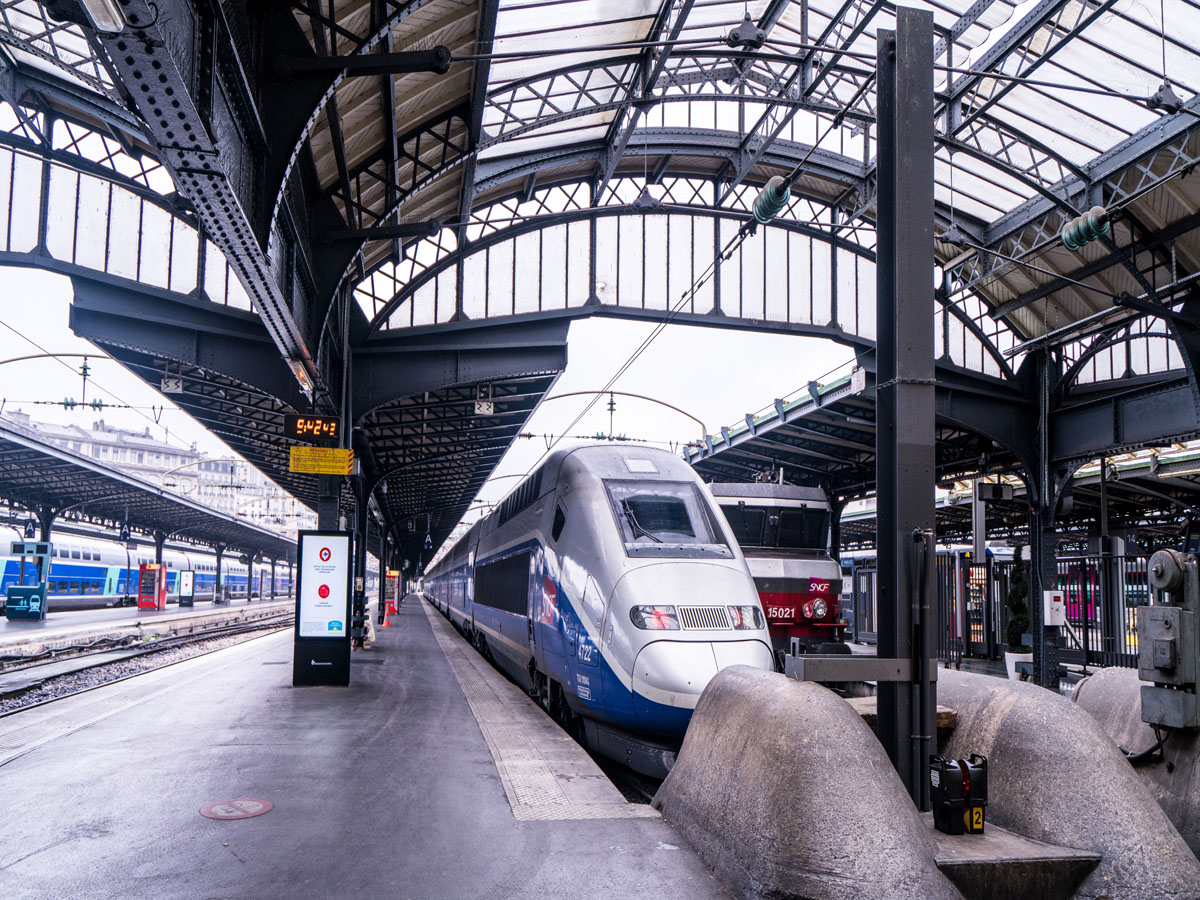
Railway equipment combines mechanical, electrical and electronic systems within vehicles and infrastructure.
JUXIN fasteners and precision components can be considered for applications including:
Railway electrical cabinets
Railway control equipment
Train HVAC systems
Railway electronics
Passenger vehicle equipment
Cable management systems
Equipment enclosures
Interior equipment
Mechanical assemblies
Railway communication equipment
Industrial rail equipment
Trackside equipment
The appropriate fastening solution depends on the equipment structure, installation method, environmental conditions and customer engineering specifications.
One of the key considerations when selecting railway equipment fasteners is the mechanical environment.
Rail vehicles and railway equipment can experience continuous vibration and mechanical shock during operation. Fastener selection should therefore be considered as part of the overall joint design.
Engineers may evaluate:
Thread engagement
Fastener geometry
Joint configuration
Clamping requirements
Mechanical loading
Vibration conditions
Locking requirements
Installation torque
Material compatibility
For applications requiring additional thread retention, suitable locking fastener designs can be evaluated according to the equipment requirements.
Fastener performance should always be validated against the customer's actual assembly and operating conditions.
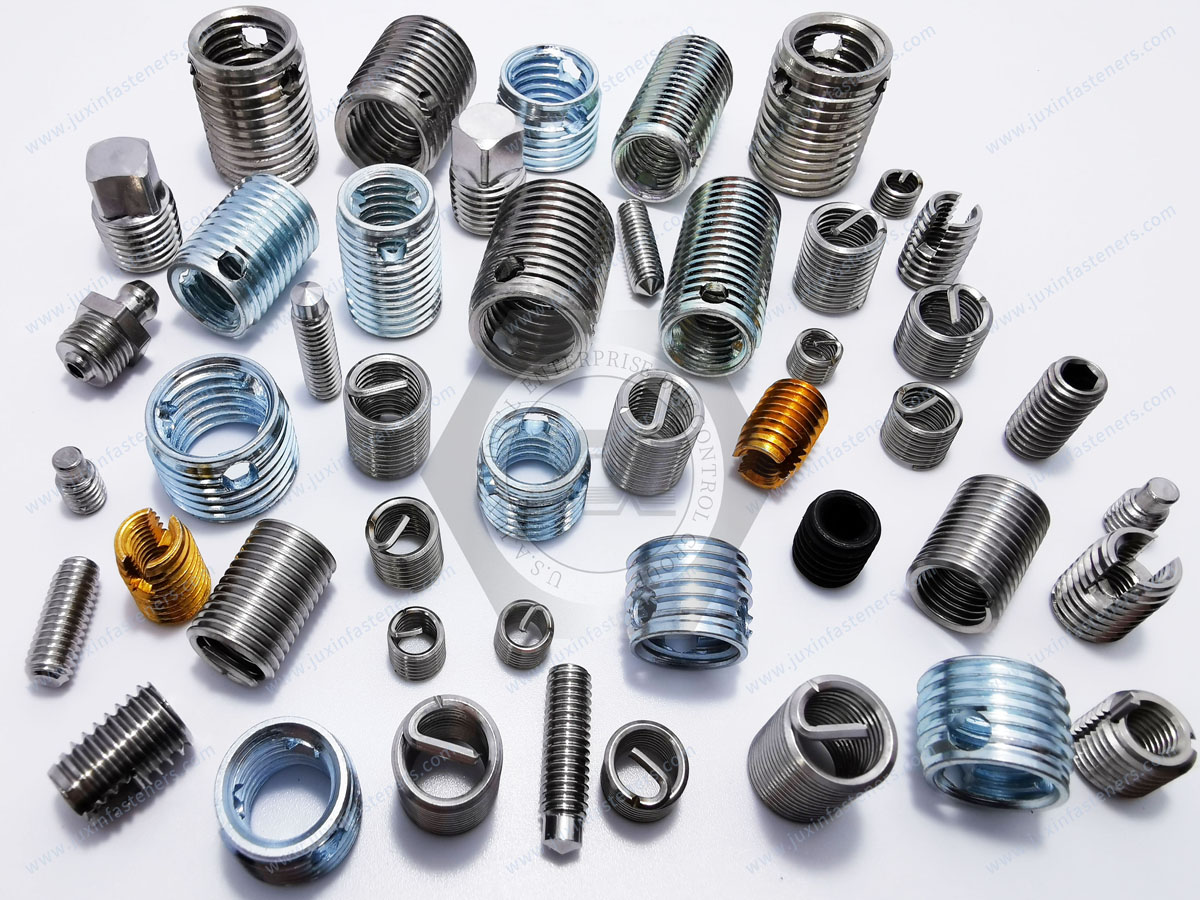
Railway equipment can be exposed to moisture, humidity, condensation and other environmental factors.
For applications where corrosion resistance is important, engineers may consider stainless steel railway fasteners.
Potential applications include:
Electrical cabinets
HVAC assemblies
Railway electronics
Equipment housings
Interior mechanical assemblies
Cable systems
Trackside equipment
Available material grades should be selected according to the actual mechanical, corrosion and environmental requirements.
Where surface treatment is required, the finish should also be evaluated together with the base material and application environment.
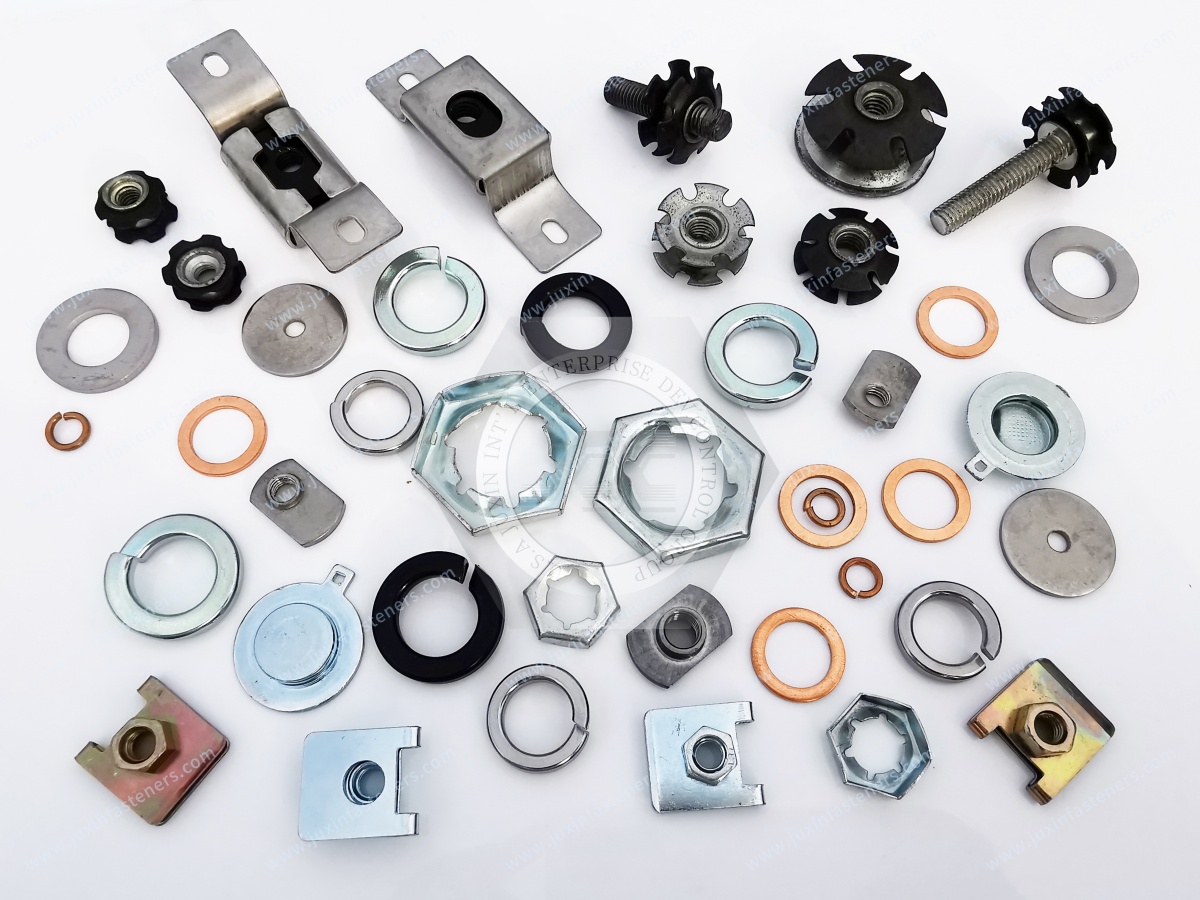
Electrical cabinets are widely used throughout rail vehicles and railway infrastructure.
These enclosures may require fastening systems that allow electrical and electronic components to be installed securely within relatively thin sheet-metal structures.
Depending on the cabinet design, engineers may consider:
Self-clinching nuts
Self-clinching studs
Rivet nuts
Threaded inserts
Precision screws
Custom bolts
Threaded spacers
Rivet nuts and self-clinching fasteners can provide internal threaded attachment points for sheet-metal panels and equipment enclosures without requiring access to both sides of the panel during final assembly.
The appropriate solution depends on sheet thickness, material, loading requirements and installation process.
Railway electronic systems often contain compact assemblies involving circuit boards, housings, brackets, connectors and control modules.
Mechanical components may include:
Precision screws
Small nuts
Spacers
Standoffs
Threaded inserts
Pins
Bushings
CNC machined components
For electronic equipment, engineers may evaluate dimensional accuracy, thread performance, material compatibility and assembly requirements.
Where space is limited, customized fastener dimensions can help integrate the mechanical connection into the equipment design.
HVAC systems installed on rail vehicles can contain sheet-metal housings, ducts, brackets, fans, heat exchangers and other mechanical components.
Fasteners used in these assemblies may need to withstand:
Continuous vibration
Mechanical loading
Temperature variation
Moisture
Corrosion exposure
Repeated maintenance or service operations
Depending on the equipment structure, fastening solutions can include stainless steel screws, bolts, nuts, rivet nuts, self-clinching fasteners and customized CNC components.
Material and surface treatment should be selected according to the HVAC equipment's operating environment.
Railway equipment manufacturers frequently develop specialized assemblies that cannot be supported entirely by standard catalog hardware.
JUXIN supports custom railway fastener manufacturing according to customer-defined specifications.
Customized components can include:
Special screws
Custom bolts
Precision nuts
Threaded studs
Rivet nuts
Self-clinching fasteners
Threaded inserts
Precision spacers
Pins
Bushings
CNC machined components
Customization can cover:
Dimensions
Thread specifications
Material
Head geometry
Special features
Surface treatment
Packaging requirements
This allows the fastening component to be developed around the customer's equipment design.
Railway equipment manufacturers may also require precision-machined components alongside conventional fasteners.
JUXIN supports CNC machined components for railway equipment and industrial systems, including:
Spacers
Standoffs
Pins
Shafts
Bushings
Sleeves
Threaded components
Custom fittings
Small mechanical parts
CNC machining can be used for components requiring customized diameters, holes, threads, profiles or other geometric features.
This capability is particularly useful for OEM projects requiring both custom fasteners and precision mechanical components.
Railway equipment can operate across different climates and environmental conditions.
Fastener material and surface treatment should therefore be selected according to the specific application.
Potential material options may include:
Stainless steel
Carbon steel
Alloy steel
Aluminum
Brass
Engineering plastics
Depending on the application, engineers may evaluate:
Corrosion resistance
Mechanical strength
Weight
Temperature resistance
Electrical compatibility
Dimensional stability
Surface finish
Surface treatment can be selected according to the required corrosion resistance, appearance, wear performance and customer specifications.
Railway OEMs may require fastening components with non-standard dimensions or specialized geometries.
JUXIN supports drawing-based OEM manufacturing for customized fasteners and CNC components.
Customers can provide:
Engineering drawings
CAD files
Physical samples
Material specifications
Thread requirements
Dimensional tolerances
Surface treatment specifications
Inspection requirements
Packaging requirements
The manufacturing process can then be organized around the customer's defined engineering requirements.
Engineering Drawing → Technical Review → Material Selection → Fastener Production / CNC Machining → Surface Treatment → Inspection → Packaging → Production Supply
This approach supports customers who require repeatable production of customized components rather than standard catalog hardware.
For procurement and supply-chain teams, sourcing railway fasteners involves more than comparing unit prices.
When evaluating a railway fastener supplier, purchasing and supply-chain managers may consider:
Manufacturing capability
Material availability
Dimensional consistency
Quality control
Production capacity
Drawing-based manufacturing
Surface treatment capability
MOQ requirements
Lead-time management
Packaging specifications
Engineering communication
Long-term supply capability
For projects involving multiple component types, a supplier capable of providing both custom fasteners and CNC machined parts can simplify sourcing and supplier coordination.
JUXIN supports OEM customers with customized production based on drawings, samples and defined technical specifications.
JUXIN has more than 23 years of fastener industry experience, supporting international industrial OEM applications with standard and customized fastening components.
Our manufacturing capabilities include:
CNC machining
Cold forging
Screw heading
Stamping
Injection molding
Custom fastener manufacturing
Precision component production
Surface treatment coordination
Our production capabilities can support both standard fastening requirements and customized components developed around specific railway equipment designs.
For procurement teams, engineering teams and supply-chain managers, this combination can provide a practical sourcing route for projects involving fasteners, threaded components and precision CNC parts.
If your railway equipment requires a specialized fastener or precision mechanical component, JUXIN can review the requirement based on your engineering documentation.
For an initial evaluation, provide:
Part drawing or CAD file
Material requirement
Thread specification
Dimensional tolerances
Surface treatment
Estimated order quantity
Application information
Packaging requirements
Our team can evaluate the manufacturing requirements and production approach based on the customer's specifications.
Railway equipment manufacturers need fastening solutions that are suitable for the mechanical and environmental conditions of their specific applications.
JUXIN combines custom fastener manufacturing and precision CNC machining to support rail transit OEMs, railway electronics manufacturers, electrical cabinet manufacturers,
HVAC equipment suppliers and industrial railway equipment companies.
Whether you need rail transit fasteners, railway electronics fasteners, stainless steel railway fasteners, rivet nuts, self-clinching fasteners, threaded inserts, custom screws,
precision nuts or CNC machined components, JUXIN can evaluate your requirements based on engineering drawings and technical specifications.
For rail transit fasteners and railway equipment components, contact JUXIN:
Email: info@juxinfasteners.com
Website: www.juxinfasteners.com
 MORE NEWS
Contact Us
Tel.:
+86 020 8621 0320
+86 020 3121 6067
E-mail:
Technical Support:
Navigation
SEND INQUIREY