
Call Us
+86 136 6007 9809
Call Us
+86 136 6007 9809

Jun. 14, 2026
Galvanized Coating vs Bolt Slip Control – Engineering Solution for High-Reliability Bolted Joints
In bolted structural connections, maintaining stable frictional resistance between the clamped parts is essential for safety and fatigue durability. However, in real engineering applications, hot-dip galvanized coatings (HDG) often reduce interfacial friction, significantly increasing the risk of bolt joint slip under service loads.
This article provides a materials-engineering-based analysis of the behavior of galvanized coatings and introduces practical anti-slip bolted-joint solutions for automotive, construction, and heavy industrial applications.
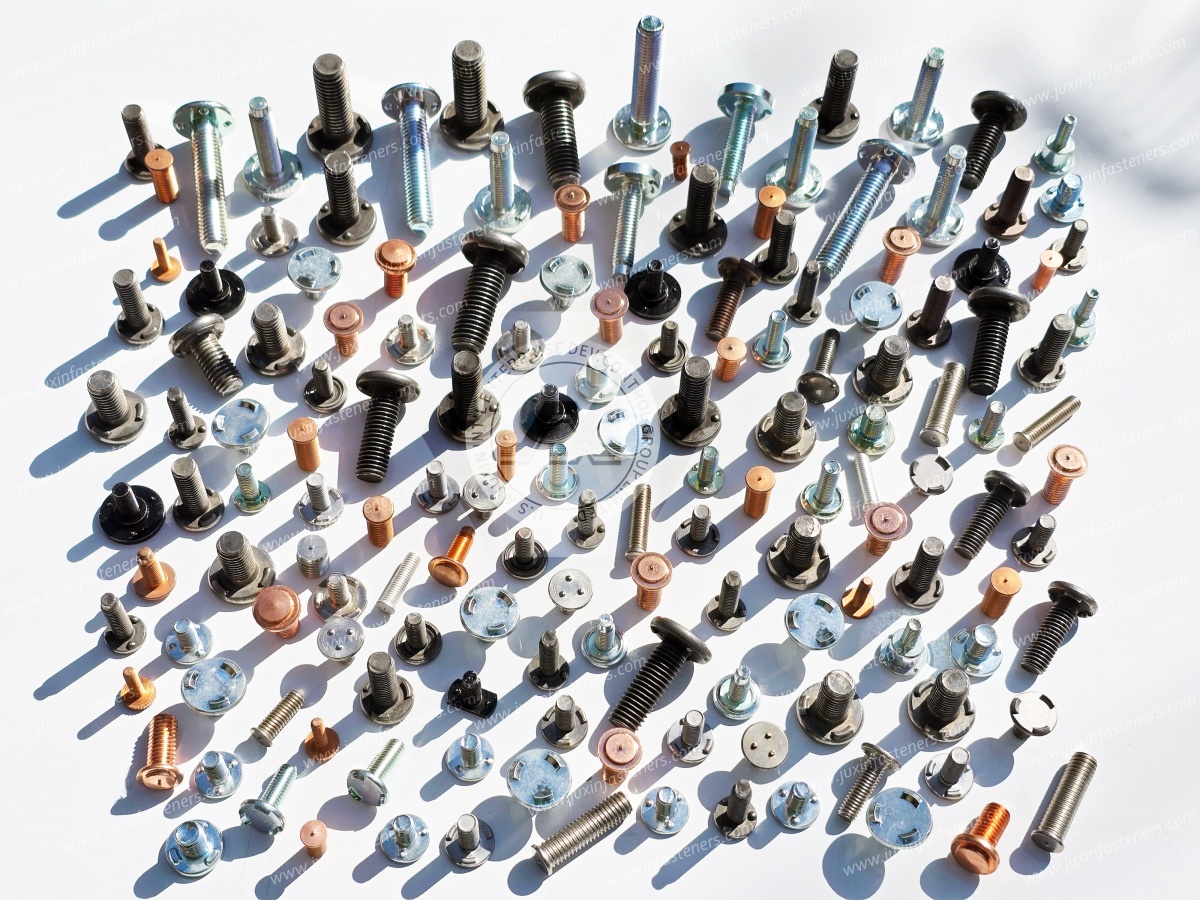
1. Bolt Slip in Galvanized Structural Connections
A detailed study conducted by materials researchers at a leading Japanese university evaluated slip behavior in high-strength bolted joints (M12, ISO 898-1 class 10.9 equivalent) assembled on hot-dip galvanized steel plates (>550 g/m² Zn coating).
Test configuration summary:
Steel plates: hot-dip galvanized, coating > 550 g/m²
Bolts: M12 high-strength galvanized fasteners (ISO 898-1 equivalent)
Coating process: 480°C zinc bath, 90 s immersion
Pretightening: 50 N·m + 120° turn-of-nut tightening
Load: tensile test, 1 mm/min loading rate
Target clamp force: 63.1 kN
Key observation:
First slip occurred at ~20 kN
Second slip at ~30 kN
Full structural yielding occurred only at ~65 kN
This proves a critical engineering fact:
Slip occurs far before material yielding – meaning joint failure in service is governed by interface friction, not bolt strength.
This leads to:
Hole elongation and wear
Loss of joint alignment
Accelerated fatigue damage
Reduced joint stiffness
Redistribution of load paths
2. Micromechanism of Slip in Hot-Dip Galvanized Coatings
The root cause of reduced friction in galvanized bolted joints (DIN/ISO structural bolting systems) lies in the dual-layer microstructure of zinc coatings, not simply surface roughness.
2.1 Zinc coating is a dual-phase system
Hot-dip galvanized coatings (~100 μm) consist of:
(1) Outer pure zinc layer (Zn phase)
Hexagonal close-packed crystal structure
Easy slip plane (0001) parallel to contact surface
Low shear resistance under contact pressure
Strong plastic deformation tendency
(2) Intermetallic iron-zinc layer (ζ phase)
Columnar Fe-Zn compound structure
High hardness, brittle behavior
Does not actively deform under sliding
2.2 Why does the slip occur early
Under shear load in a bolted joint:
The pure zinc layer plastically deforms first
Dislocation motion occurs easily along basal planes
Friction interface loses mechanical interlocking
Local softening reduces the friction coefficient rapidly
Microscopic evolution:
Before slip: coarse Zn grains + strong texture
After slip: grain refinement + texture loss + ~41% hardness increase
conclusion:
Early bolt slip is driven by plastic instability of the pure zinc phase, not by macroscopic roughness or bolt preload loss.
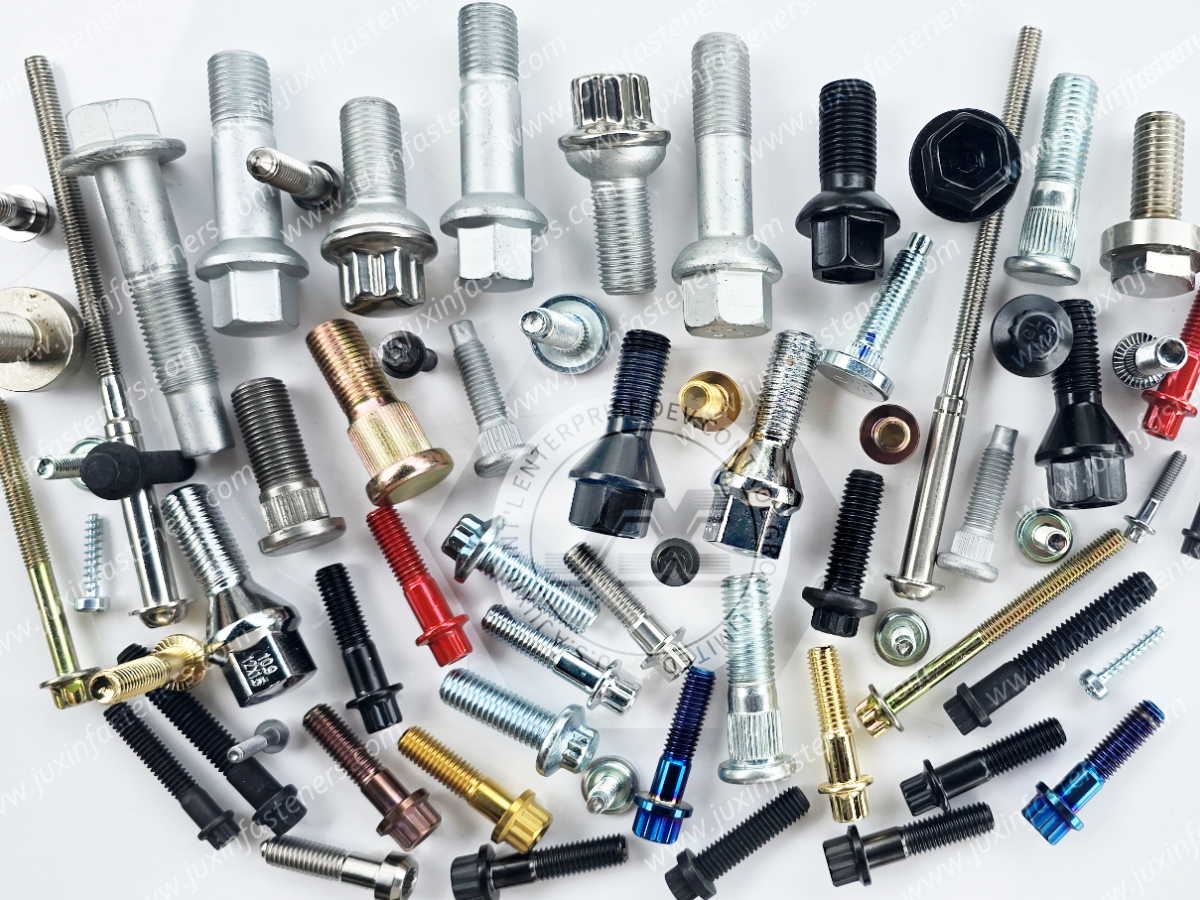
3. Engineering Optimization Strategies for Anti-Slip Bolted Joints
Based on microstructural behavior, two industrially viable strategies are used to improve the friction coefficient in galvanized bolted connections.
3.1 Microstructure strengthening of the zinc layer
Instead of removing the coating, the goal is to increase the shear resistance of the Zn phase:
Engineering methods:
Adjust zinc bath chemistry (reduce Sb, Pb, Bi segregation effects)
Introduce Al/Mg/Sn alloying elements
Promote grain refinement during solidification
Induce twinning structures via controlled mechanical treatment
Effect:
Finer Zn grains
Reduced basal slip activity
Higher interfacial shear resistance
3.2 Eliminating the pure zinc layer (exposing the ζ phase)
A more effective approach is to remove the weak Zn layer entirely:
Methods:
Controlled mechanical grinding (zinc removal)
Post-treatment heat diffusion (zinc-iron alloy transformation)
Surface conversion to ζ-phase intermetallic layer
Result:
Direct exposure of the iron-zinc alloy layer
Significantly higher slip resistance
More stable friction coefficient under load
4. Experimental Validation of Surface Engineering Approaches
Three optimized surface states were tested under identical bolted joint conditions:
4.1 Surface configurations
ζ-ground (de-zinc rough surface)
→ pure zinc removed, intermetallic layer exposed
ζ-polished (de-zinc smooth surface)
→ same as above, but mirror-polished
Zn-ground (reinforced zinc layer)
→ zinc retained, but grain-refined / twinned structure induced
4.2 Microstructural behavior comparison
ζ-ground: stable columnar intermetallic structure, no plastic instability
ζ-polished: improved geometry but same high friction phase
Zn-ground: refined grains + twin boundaries (86°–88° misorientation)
Key insight:
Surface roughness has a limited influence compared to crystal structure evolution.
4.3 Slip coefficient improvement results
Exposed ζ-phase surfaces: μ ≈ 0.30–0.33
Optimized Zn layer: μ ≈ 0.35
Engineering conclusion:
Friction performance in galvanized bolted joints is primarily governed by metallurgical phase behavior, not by surface roughness.
5. Engineering Implications for Bolted Joint Design (ISO / DIN Systems)
For designers using ISO 4014 / ISO 4017 / DIN structural bolting systems, this study highlights several key principles:
5.1 Slip is a surface phenomenon, not a strength issue
Even high-strength bolts (8.8 / 10.9 / 12.9) may slip early if interface friction is low.
5.2 Surface engineering is critical
Galvanized coatings must be selected based on:
Friction coefficient stability
Phase composition (Zn vs ζ-phase)
Load transfer requirements
5.3 Structural safety depends on friction design
In preloaded bolted joints:
Load capacity is governed by friction, not bolt tensile strength
Slip control must be designed before strength verification
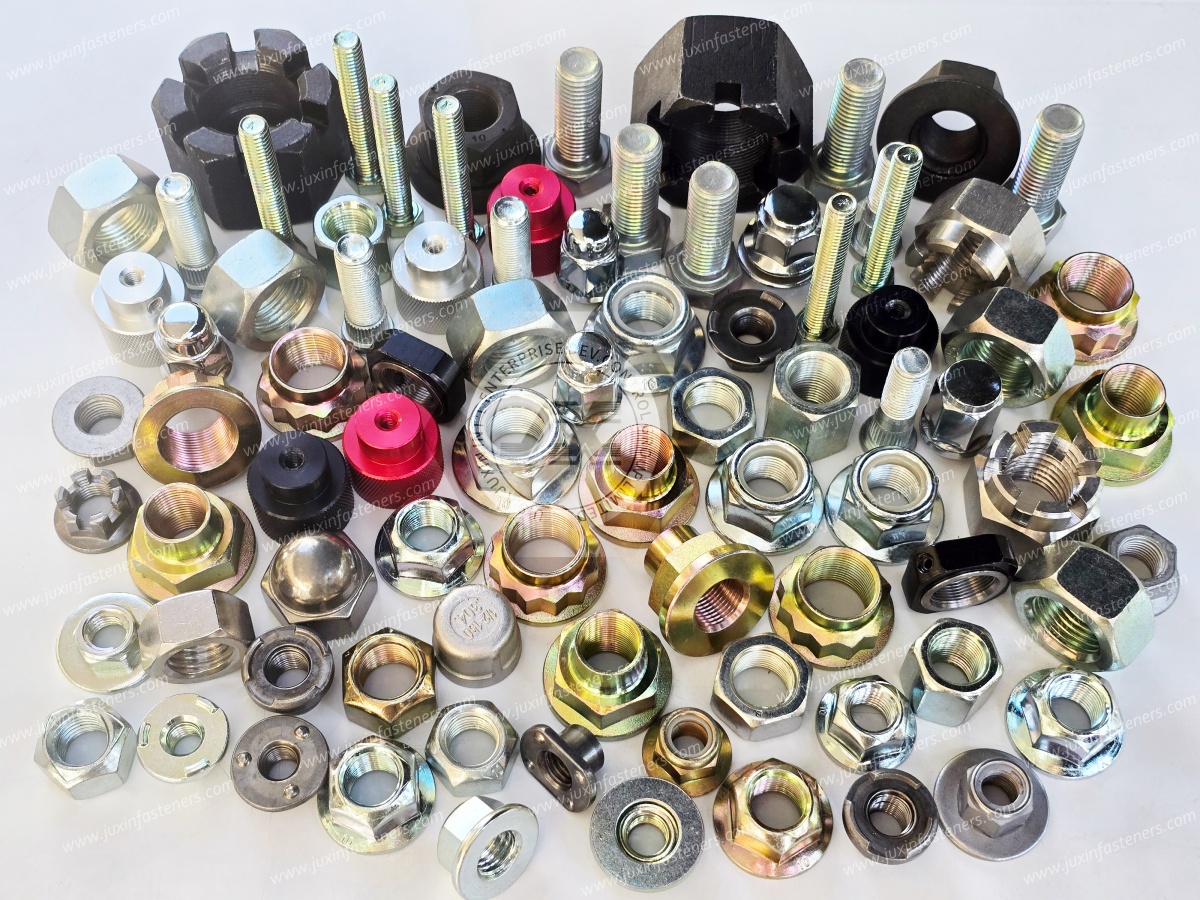
6. Practical Anti-Slip Bolted Joint Solution
To reduce slip risk in galvanized bolted systems:
Recommended engineering approach:
Use controlled hot-dip galvanized fasteners (ISO 10684 compliant)
Specify ζ-phase controlled surface treatments where high slip resistance is required
Avoid uncontrolled pure zinc surface accumulation in critical joints
Combine with stable torque coefficient control (K-factor consistency)
Validate friction coefficient via slip factor testing before mass production
Conclusion
The problem of bolt slip in galvanized bolted joints is not caused by insufficient bolt strength, but by the microstructural instability of the pure zinc layer under shear loading.
By controlling or eliminating this phase and optimizing the intermetallic ζ-layer, engineers can significantly improve:
Friction coefficient stability
Slip resistance performance
Structural reliability under dynamic loads
Ultimately, a modern galvanized coating bolt slip solution must integrate:
Materials science + surface engineering + ISO/DIN structural bolting design principles
This enables safer, more predictable, and more cost-efficient bolted joint systems for automotive, construction, and industrial applications.
 MORE NEWS
Sep. 27, 2026
Sep. 27, 2026
Sep. 27, 2026
Contact Us
Tel.:
+86 020 8621 0320
+86 020 3121 6067
E-mail:
Technical Support:
Navigation
SEND INQUIREY