
Call Us
+86 136 6007 9809
Call Us
+86 136 6007 9809

Oct. 01, 2026
An accurate industrial fastener quotation begins with an accurate specification.
Requests such as “M6 stainless nut,” “black rivet nut,” “custom screw,” or “PA66 plastic fastener” may be enough to start a conversation,
but they are usually not enough to establish technical equivalence, manufacturing cost, tooling requirements, inspection scope or reliable production pricing.
Two fasteners can share the same thread size and look almost identical while differing in material, mechanical properties, grip range, coating, thread tolerance, installation interface or Critical-to-Quality dimensions.
For OEM procurement teams, this creates a commercial problem: quotations from different suppliers may appear comparable even though the products being quoted are technically different.
For engineers, it creates a technical problem: an incomplete specification can allow a component to meet the purchase description while failing to match the actual assembly.
JUXIN Fasteners supports industrial OEMs, procurement teams, supplier-development teams and engineers with weld nuts,
weld studs, rivet nuts, blind rivets, self-clinching hardware, locking nuts, threaded inserts, nylon and polymer fasteners, plastic rivets, CNC machined components and custom drawing-based parts.
This guide explains what information should be included in an industrial fastener RFQ and, more importantly, which specifications change according to the fastener technology being purchased.
Consider a purchasing description:
M6 stainless steel nut
Several technical questions remain unanswered:
What nut type?
What thread pitch?
What dimensional standard or customer drawing?
What stainless steel grade?
What mechanical property requirement?
What thread tolerance?
Is a locking feature required?
Is a surface treatment required?
What mating bolt is used?
What inspection documentation is required?
Now consider:
M6 rivet nut
Different questions become critical:
What panel thickness?
What grip range?
Round, knurled, half-hex or full-hex body?
Flat, reduced or countersunk head?
Open-end or closed-end?
What hole diameter?
What material?
What installation tooling is used?
What anti-rotation performance is required?
The thread remains M6, but the RFQ logic changes completely.
This leads to one of the most important rules in industrial fastener sourcing:
The specification must describe the fastening technology and its installation interface, not only the thread.
A useful industrial fastener RFQ can be divided into seven information layers.
Identify the product as precisely as possible.
This can include:
Product type
Applicable ISO, DIN, EN, ASME/ANSI, ASTM, SAE or BS standard
Customer part number
Supplier reference part number where applicable
Drawing number
Drawing revision
For standard fasteners, the applicable standard can define many dimensions.
For modified-standard or custom components, the controlled drawing becomes more important.
Provide dimensions that define the functional interface.
Depending on the component, these may include:
Thread diameter
Thread pitch
Overall length
Head diameter
Head height
Body diameter
Shoulder dimensions
Hole diameter
Grip range
Projection dimensions
Insert diameter
Standoff length
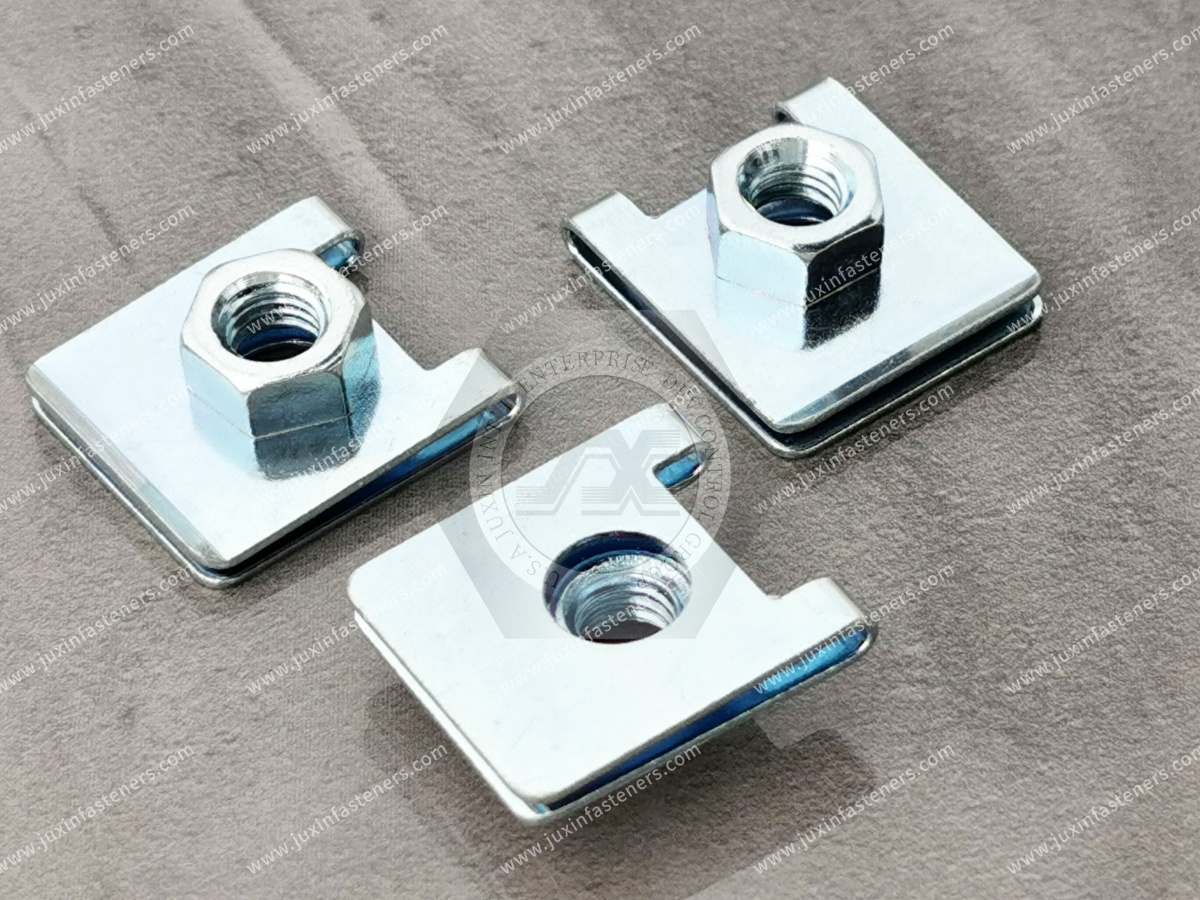
Do not assume that a supplier can determine functional dimensions from a photograph.
Specify the material at the appropriate level.
Examples may include:
Carbon steel
Specific alloy steel
Stainless steel 304
Stainless steel 316
Applicable stainless fastener designation such as A2-70 where required
Aluminum alloy
Titanium alloy
PA6
PA66
POM
PP
PC
PVDF
PEEK
Where relevant, also specify:
Property class
Tensile requirement
Hardness
Heat treatment
Customer-specific material specification
Material family and mechanical property are not always the same specification.
Do not specify a finish by color alone.
Descriptions such as:
black
silver
zinc
may be commercially understandable but technically incomplete.
Where the surface finish matters, identify:
Coating or treatment type
Required corrosion performance
Coating thickness where critical
Appearance requirement
Thread requirements after coating
Passivation requirement where applicable
Customer-specific environmental restrictions
For high-strength steel fasteners, the interaction between strength level and plating process may also require hydrogen-embrittlement controls according to the applicable specification.
This is one of the most frequently missing parts of an RFQ.
The supplier may need to know:
Mating sheet material
Sheet thickness
Sheet hardness where relevant
Hole diameter
One-sided or two-sided access
Welding process
Press installation conditions
Plastic boss dimensions
Installation tooling
Mating bolt or nut
Assembly torque
Different fastening technologies require different interface data.
Where applicable, provide:
Tensile load
Shear load
Push-out requirement
Torque-out requirement
Vibration condition
Operating temperature
Corrosion environment
Chemical exposure
Electrical insulation requirement
UV exposure
Flammability requirement for polymer components
Expected service life
Reuse requirement
Not every RFQ requires all of these parameters.
Include the requirements that actually control the application.
Finally, define:
Sample quantity
Initial production quantity
Estimated annual usage
Target delivery schedule
Packaging requirement
Inspection report requirement
Material certificate requirement
Traceability requirement
PPAP requirement where applicable and agreed
Other customer-specific quality documentation
This allows the supplier to quote the product and the required quality scope rather than quoting the component alone.
Before sending an RFQ, determine which sourcing category the part belongs to.
A standard fastener follows an established specification without drawing-specific functional modifications.
Examples can include products manufactured to applicable ISO, DIN or other recognized international standards.
In this case, the RFQ should clearly identify the standard, size, material, property requirement and finish.
A modified-standard component begins with a familiar fastener architecture but includes one or more controlled changes.
Examples may include:
Special length
Different head dimensions
Special coating
Special material
Modified pilot
Special locking feature
Customer-specific marking
The modification should be clearly identified rather than relying only on the base standard designation.
A drawing-controlled component contains geometry, tolerance, material or functional requirements that are defined primarily by the customer drawing.
The RFQ should include the current drawing revision and identify any critical functional requirements that may not be obvious from geometry alone.
One common problem in custom fastener sourcing is treating every drawing dimension as if it carries the same functional importance.
It usually does not.
A Critical-to-Quality (CTQ) characteristic is a feature that has a direct effect on fit, assembly, function, safety or another controlled customer requirement.
Depending on the component, CTQs may include:
Thread dimensions
Mating diameter
Grip range
Weld projection geometry
Locating pilot
Shoulder length
Hole interface
Press-fit geometry
Insert outside diameter
Functional concentricity
Material or hardness requirement
Other dimensions may still need to meet drawing tolerances but do not necessarily require the same inspection strategy.
Identifying true CTQs helps engineering and quality teams focus inspection effort where dimensional variation creates the greatest assembly risk.
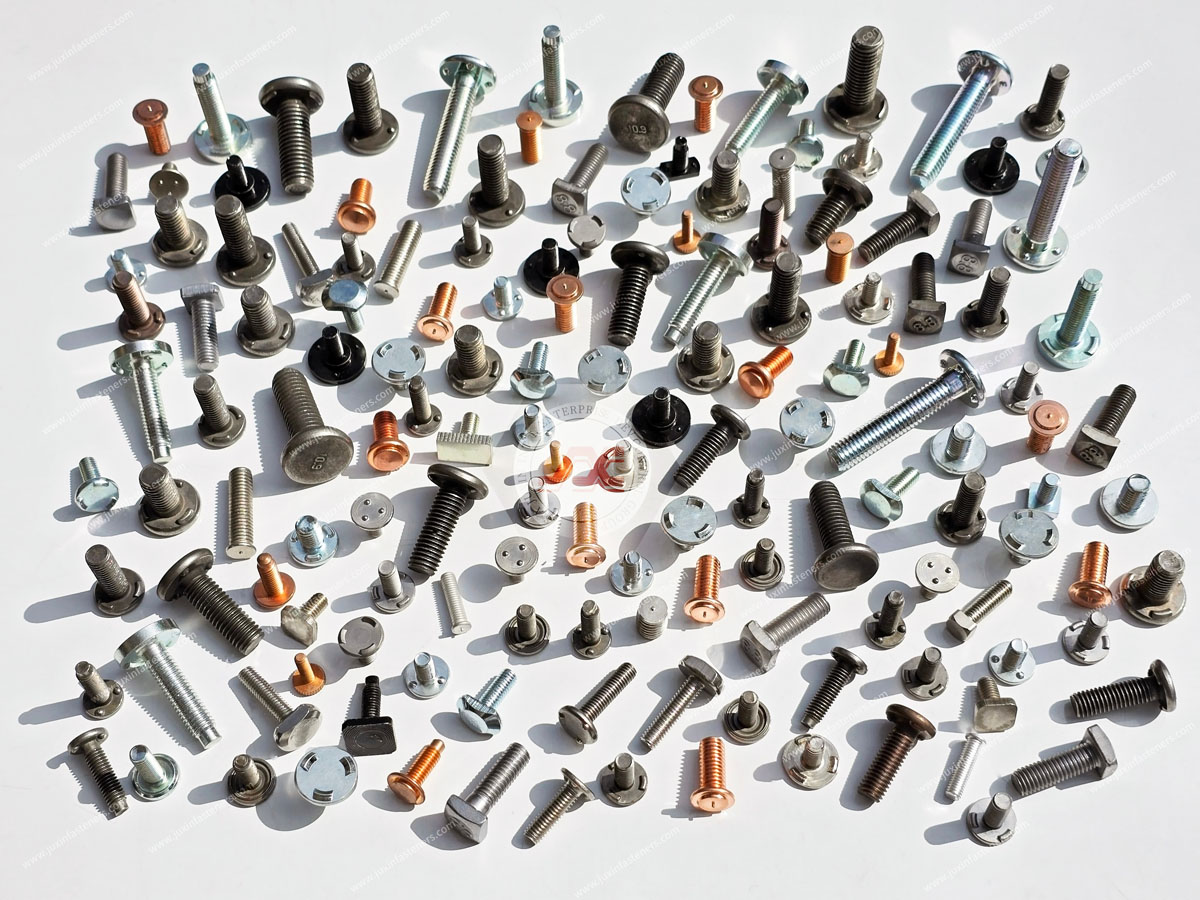
Weld nuts require more information than thread size and material.
For products such as DIN 929 hex weld nuts, DIN 928 square weld nuts, projection weld nuts and drawing-based weld nuts, provide:
Thread size and pitch
Applicable standard or drawing
Nut geometry
Material
Mechanical requirement where applicable
Projection geometry if drawing-controlled
Pilot or locating feature where applicable
Mating sheet material
Mating sheet thickness
Surface condition
Surface finish
Quantity
Required inspection documents
Projection welding is a system involving the weld nut, projection geometry, mating sheet and welding process.
A replacement weld nut can match the general external dimensions while behaving differently during welding if projection geometry or material condition changes.
For second-source qualification, providing the existing drawing and mating-sheet information can significantly improve technical review.
For a weld stud or drawing-based welded threaded component, provide:
Thread size
Thread pitch
Overall length
Weld-end geometry
Material
Required mechanical properties
Heat treatment where applicable
Surface condition
Mating component information
Drawing
Quantity
If the component includes a proprietary or customer-specific weld geometry, the drawing should be supplied rather than substituting a generic stud description.
For rivet nuts, one of the most important specifications is grip range.
Provide:
Thread size and pitch
Head style
Body style
Open-end or closed-end construction
Material
Surface finish
Panel thickness
Required grip range
Hole diameter
Anti-rotation requirement
Installation tooling information where relevant
Quantity
Two M6 rivet nuts can have different:
Body diameters
Grip ranges
Head dimensions
Hole requirements
Anti-rotation characteristics
Installation behavior
A purchasing description such as “M6 rivet nut” is therefore insufficient for reliable supplier comparison.
Body style should be stated clearly.
Round-body designs may suit applications where simple round-hole preparation is preferred.
Knurled bodies can provide additional resistance to rotation depending on the substrate and installation.
Half-hex and full-hex designs engage matching hole geometry and can provide stronger mechanical anti-rotation in suitable applications.
Procurement should not approve a body-style substitution solely because thread size and overall length appear similar.
If a closed-end rivet nut is required, identify why.
Possible reasons can include:
Closed body geometry
Protection from debris entering through the fastener body
Application-specific enclosure requirements
Do not assume that specifying a closed-end rivet nut automatically creates a fully sealed assembly.
If leakage performance is critical, the complete joint and sealing method must be specified separately.
Self-clinching nuts, studs and standoffs interact directly with the sheet material.
Provide:
Fastener type
Thread size
Length where applicable
Sheet material
Sheet thickness
Sheet hardness where relevant
Prepared hole diameter
Edge distance where critical
Required push-out resistance
Required torque-out resistance
Finish
Quantity
Self-clinching hardware relies on controlled material displacement during installation.
The sheet must be compatible with the fastener's installation principle.
A fastener that works correctly in one sheet material may not provide equivalent retention in a harder or otherwise different substrate.
The sheet is therefore part of the fastener specification.
For nylon insert or all-metal locking nuts, provide:
Thread size and pitch
Nut style
Applicable standard or drawing
Material
Property requirement
Locking method
Operating temperature
Surface finish
Mating bolt information where relevant
Reuse requirement where applicable
Quantity
For nylon insert lock nuts, operating temperature and chemical exposure may affect whether the polymer locking element is appropriate.
For higher-temperature applications, an appropriate all-metal locking design may need to be evaluated.
For threaded inserts installed into molded plastic, provide:
Internal thread
Insert dimensions
Insert geometry
Insert material
Plastic resin
Molded hole diameter
Boss outside diameter
Boss wall thickness
Installation method
Pull-out requirement
Torque-out requirement
Quantity
Possible installation processes can include heat insertion or ultrasonic insertion depending on insert design and application.
PA66 identifies the polymer family but does not define the molded boss geometry, resin grade, reinforcement, hole condition or installation process.
The insert and plastic boss should be treated as an assembly system.
For nylon screws, nuts, washers, spacers, plastic rivets and molded fastening components, provide:
Component drawing
Resin type
Resin grade where controlled
Dimensions
Tolerances
Operating temperature
Moisture exposure
Chemical exposure
UV exposure where applicable
Flammability requirement where applicable
Mechanical requirement
Quantity
JUXIN works with engineering polymers including PA6, PA66, POM, PP, PC, PVDF and PEEK for appropriate applications.
These materials are not interchangeable.
For example, moisture absorption and creep can be important for nylon components, while other polymers may be selected for dimensional stability, chemical resistance or higher-temperature requirements.
See our engineering fastener material selection guide for detailed material-selection logic.
Provide:
Hole diameter
Total panel thickness
Individual panel thicknesses where relevant
Head dimensions
Installed length requirement
Retention requirement
Resin
Color
Operating temperature
Flammability requirement where applicable
Indoor or outdoor exposure
Quantity
For plastic retention components, hole and panel conditions can be more important than the commercial product name.
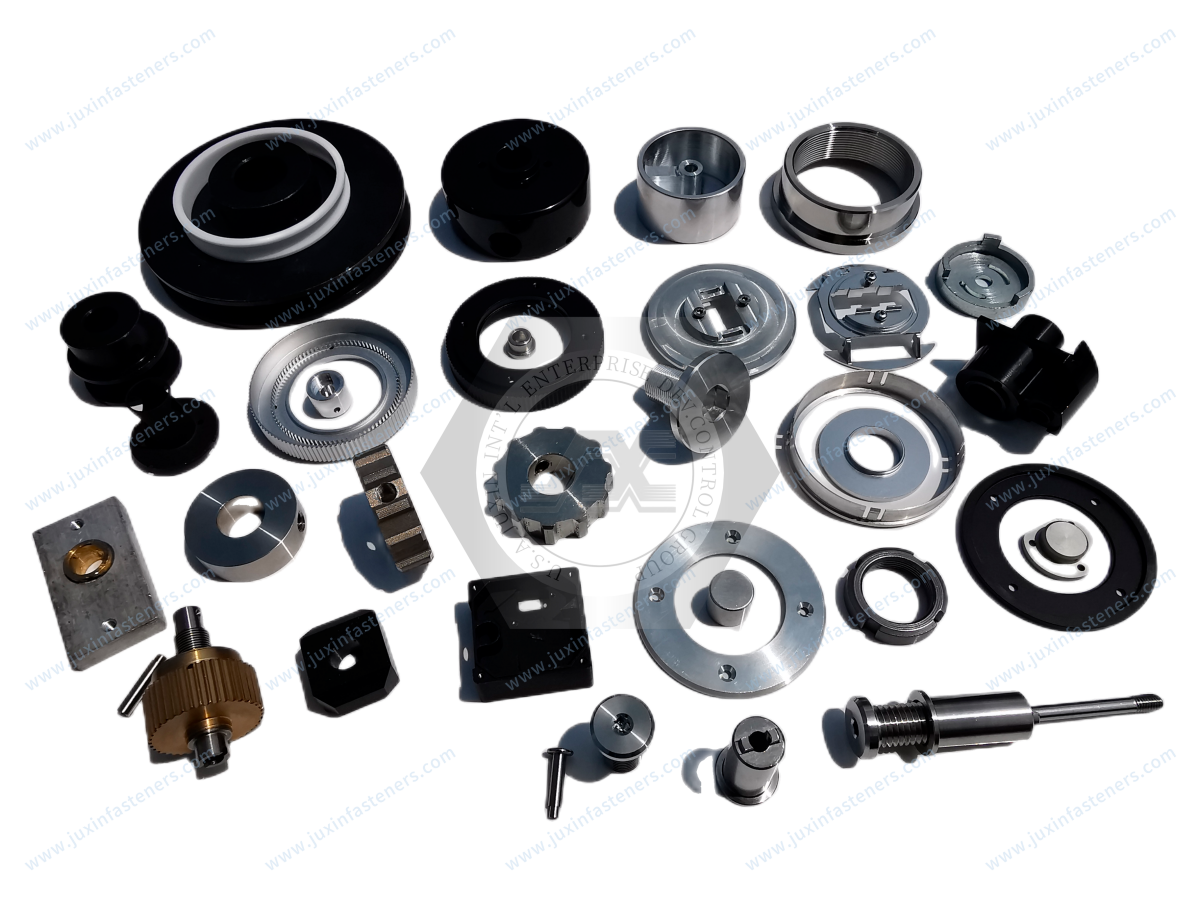
For CNC machined or drawing-based components, provide:
2D engineering drawing
3D CAD model where available
Material
Material specification
Heat treatment
Surface finish
General tolerance
CTQ dimensions
Geometric tolerances where applicable
Thread requirements
Required inspection
Sample quantity
Production quantity
Estimated annual usage
If a dimension is especially important to mating function, identify it.
Do not rely on the supplier to guess which dimensions are functionally critical.
A finish description such as “black zinc” can be ambiguous.
Depending on the project, the real requirement may involve:
Appearance
Corrosion resistance
Coating thickness
Friction behavior
Thread fit
Environmental compliance
If the functional requirement is corrosion protection, state the required coating system or performance requirement rather than relying only on color.
For example, black zinc-nickel and other black coating systems should not be assumed equivalent simply because the finished parts look similar.
If a corrosion test is required, the RFQ should identify:
Applicable test method
Required exposure duration
Acceptance criteria
Base-metal corrosion requirement where applicable
Appearance requirements where applicable
A statement such as “720-hour salt spray” is more useful when it is connected to an identified test method and acceptance criterion.
Otherwise, different suppliers may interpret the requirement differently.
A complete thread requirement may include:
Nominal diameter
Pitch
Internal or external thread
Tolerance class
Applicable thread standard
Go/no-go gauge requirement where applicable
For ISO metric threads, specifications such as internal 6H and external 6g are commonly encountered, but the required class should follow the drawing or applicable standard.
Procurement should avoid assuming that every M6 thread has the same pitch and tolerance.
Global OEM programs may use both metric and Unified inch threads.
Examples include:
M4 × 0.7
M5 × 0.8
M6 × 1.0
#2-56 UNC
1/4-20 UNC
5/16-18 UNC
The thread system should be stated explicitly.
For custom parts, do not rely on nominal diameter alone because similar outside diameters can correspond to different thread systems.
When sourcing a custom or modified-standard fastener, always identify the current drawing revision.
A quotation based on Revision B should not silently become the production basis after engineering has released Revision C.
For controlled OEM programs, the RFQ, sample approval and production order should all reference the appropriate drawing revision.
This becomes especially important during second-source qualification.
A physical sample can help a supplier understand:
General geometry
Surface appearance
Assembly interface
Manufacturing concept
But a sample cannot reliably communicate:
Exact material grade
Heat treatment
Hidden tolerances
Thread tolerance class
Coating specification
CTQ requirements
Revision status
Required mechanical properties
For reverse-engineering or legacy replacement projects, the best RFQ package combines the available sample with drawings, historical specifications and functional requirements whenever possible.
Technical specifications are only part of the quotation.
Commercial information also changes the manufacturing route and price.
Provide:
For example:
20 pcs for initial evaluation
For example:
5,000 pcs per order
For example:
50,000 pcs EAU
These three quantities are not interchangeable.
A supplier may use different production methods, tooling decisions, packaging assumptions or pricing structures depending on expected volume.
Custom cold-formed, molded, stamped or specialized components may require tooling.
A professional quotation should make clear where applicable:
Tooling cost
Sample cost
Unit price
MOQ
Production lead time
Tooling lead time
This makes supplier quotations easier for procurement teams to compare.
If the project requires additional documentation, state it at RFQ stage.
Examples can include:
Material certificates
Dimensional inspection reports
Coating reports
Hardness results
Mechanical test reports
Lot traceability
PPAP documentation where applicable and agreed
Customer-specific inspection forms
Documentation requirements can affect production planning and quotation.
They should not be introduced only after the purchase order has been placed.
“Please quote M6 stainless rivet nut, 10,000 pcs.”
The supplier still has to guess:
Stainless grade
Body style
Head style
Grip range
Panel thickness
Hole size
Open or closed end
Inspection requirements
“M6 × 1.0 flat-head full-hex rivet nut, stainless steel 304, for 1.5 mm sheet, drawing attached, required grip range and hole dimensions per drawing, 20 pcs samples, 10,000 pcs initial production quantity, 60,000 pcs estimated annual usage.”
Now engineering and procurement can evaluate the same component.
Instead of:
“Please quote custom stainless screw.”
Provide:
“Drawing-controlled #2-56 UNC countersunk screw, material and dimensions per attached drawing,
2D PDF and 3D model attached, critical head and thread dimensions identified, 100 pcs qualification quantity and 10,000 pcs projected production quantity.”
The difference is not paperwork.
It is specification control.
For the fastest technical review, provide as much of the following information as is available:
Product name
Applicable standard
Customer part number
2D drawing
3D CAD model
Drawing revision
Thread
Material
Mechanical property
Heat treatment
Surface finish
Mating material
Panel thickness
Hole size
Grip range where applicable
Installation method
Operating environment
Critical dimensions
Functional requirements
Sample quantity
Production quantity
Estimated annual usage
Required inspection documentation
Packaging requirement
Target delivery date
Not every project will have all of this information.
If the fastener has not yet been selected, send the assembly requirements instead.
For example:
“Reusable M6 thread required in 1.5 mm aluminum sheet; installation available from one side only; indoor electrical cabinet application.”
This gives our technical team much more useful information than simply requesting an “M6 nut.”
A professional industrial fastener sourcing process should follow a controlled sequence:
Application Requirement → Fastener Specification → Drawing Review → Material and Finish Confirmation → Quotation → Sample Evaluation → Approval → Production
For standard components, this process may be straightforward.
For drawing-based fasteners, special materials, modified geometries or second-source projects, additional technical review may be required before production.
JUXIN Fasteners supports engineering and procurement teams throughout this process for standard industrial fasteners, modified-standard products and custom drawing-based components.
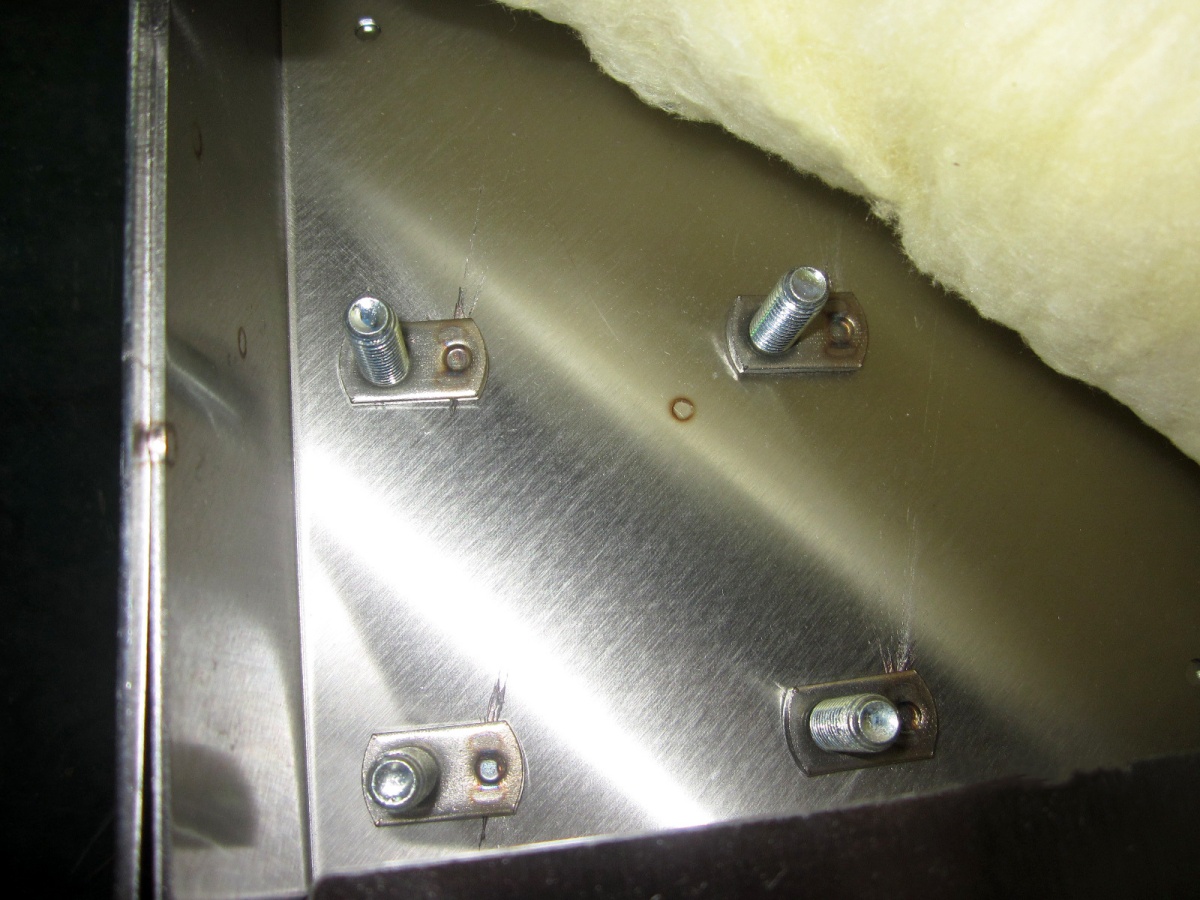
If you are sourcing weld nuts, rivet nuts, self-clinching fasteners, locking nuts, threaded inserts, nylon or polymer fasteners, plastic rivets,
CNC machined components or drawing-based custom fasteners, send us your specification for technical review.
If you already have a drawing, attach the current revision together with material, finish, quantity and quality requirements.
If you do not yet have a complete fastener specification, provide the application, substrate, installation conditions and functional requirements.
We can review the information against JUXIN FASTENERS' relevant product capabilities and prepare the appropriate quotation based on the confirmed specification.
Email: info@juxinfasteners.com
Website: www.juxinfasteners.com
JUXIN FASTENERS — Engineering-Focused Industrial Fastener Supply for OEM Manufacturing
 MORE NEWS
Oct. 01, 2026
Oct. 01, 2026
Contact Us
Tel.:
+86 020 8621 0320
+86 020 3121 6067
E-mail:
Technical Support:
Navigation
SEND INQUIREY