
Call Us
+86 136 6007 9809
Call Us
+86 136 6007 9809

Aug. 14, 2026
Nuclear power projects require more than high-strength fasteners.
A bolt, nut, weld stud or machined component may be dimensionally correct and manufactured from the specified material, yet still be unacceptable for a nuclear project if the required:
Material documentation
Traceability
Manufacturing controls
Welding qualification
Inspection
Testing
Change control
Quality documentation
Project-specific supplier qualification
have not been satisfied.
This creates the most important principle for nuclear fastener sourcing:
Industrial Fastener Capability ≠ Nuclear Qualification.
JUXIN FASTENERS manufactures industrial fastening components including weld studs, weld pins, weld nuts, stainless steel fasteners,
carbon steel fasteners, lock nuts, self-clinching hardware, rivet nuts and drawing-based custom components.
These manufacturing capabilities can be evaluated against customer specifications for selected power-generation and industrial applications.
However, nuclear projects require a different sourcing discipline.
The correct qualification path is:
Component Function → Safety Classification → Governing Specification → Material → Manufacturing Process → Welding Requirements
→ Inspection → Traceability → Documentation → Supplier Qualification → Customer Approval
This page therefore does not claim that an ordinary JUXIN product is automatically qualified for nuclear safety-related service.
Instead, it explains how engineers and procurement teams should evaluate nuclear power fasteners, weld studs and stud-welding components before requesting or approving supply.
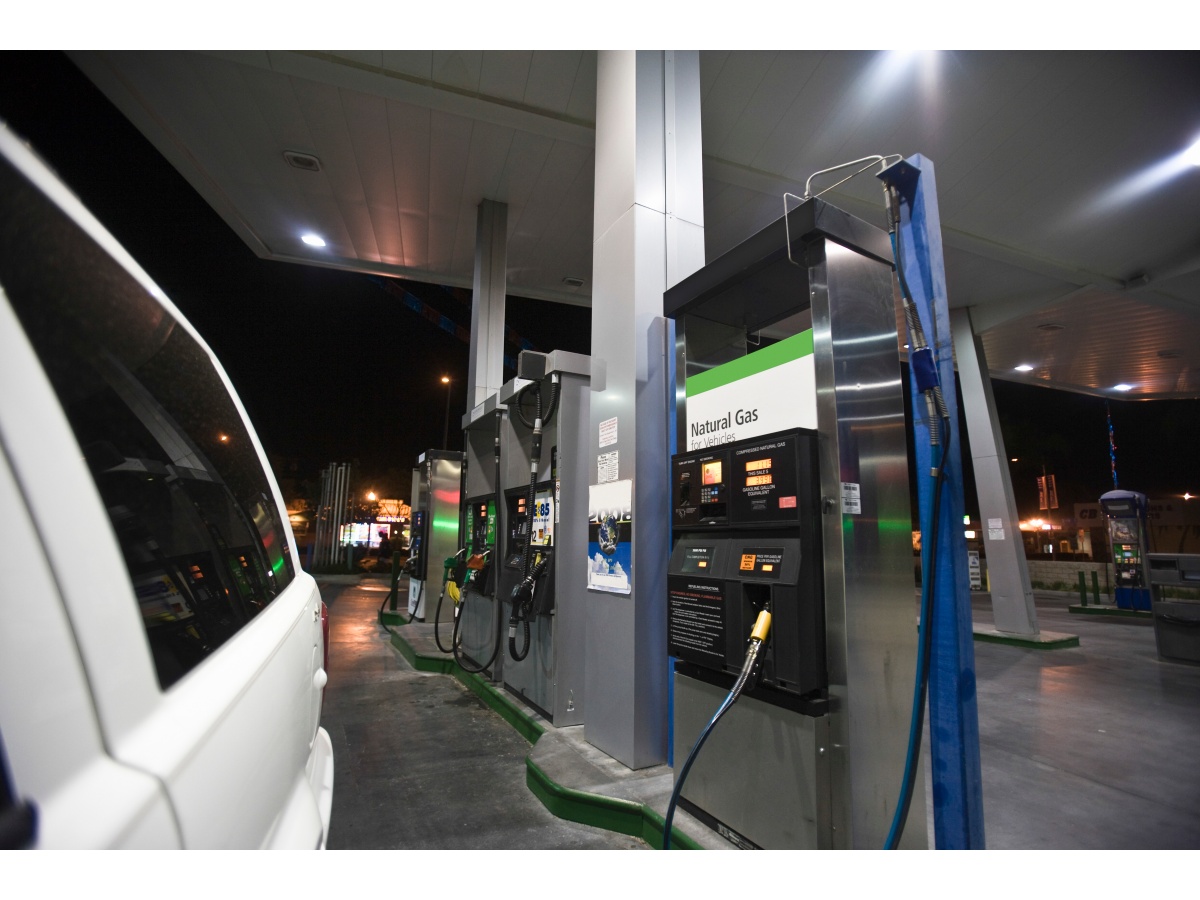
There is no universal "nuclear-grade fastener."
Suitability depends on the actual component, system classification, plant design, jurisdiction, project specification and customer quality requirements.
Depending on the application, qualification may involve control of:
Material specification
Mechanical properties
Heat treatment
Dimensions
Threads
Surface condition
Welding procedure
Inspection
Testing
Material traceability
Manufacturing records
Nonconformance control
Change control
Supplier quality system
Customer-specific documentation
Therefore:
Material Grade ≠ Nuclear Qualification.
And:
Standard Fastener + Material Certificate ≠ Automatically Acceptable Nuclear Component.
The applicable project documentation must define what is required.
A nuclear facility contains many different mechanical systems.
The engineering and quality requirements for a fastener can vary dramatically depending on where the component is used.
Potential fastening locations can include:
Buildings and structural steel
Equipment supports
Auxiliary mechanical equipment
Electrical cabinets
Cable-support systems
HVAC systems
Access structures
Maintenance equipment
Secondary/supporting assemblies
Plant infrastructure
These should not be confused with components used in:
Reactor-related systems
Primary pressure boundary systems
Safety-critical supports
Safety-classified mechanical systems
Other nuclear safety-related locations
The central distinction is:
Same Facility ≠ Same Component Classification.
A fastener used in a non-safety-related electrical cabinet may have very different qualification requirements from a fastener in a safety-related structural or mechanical system.
Before selecting a fastener supplier, the engineering team should answer:
Where will the component be installed?
What function does the joint perform?
Is the application safety-related?
What project classification applies?
Which code or customer specification governs?
What material is required?
What manufacturing processes are permitted?
What documentation is required?
What inspection or testing is required?
Does the supplier require project-specific approval?
This prevents a common sourcing mistake:
"It is stainless steel and meets the drawing, so it should be acceptable."
That conclusion may be insufficient for nuclear work.
Not every component in a nuclear power plant has the same safety significance.
This distinction can influence:
Material requirements
Documentation
Traceability
Inspection
Supplier approval
Manufacturing controls
Records retention
Change control
Procurement should therefore avoid issuing an RFQ that merely says:
"Nuclear Power Plant Fastener."
Instead, define the actual project classification and governing technical requirements.
Nuclear projects can involve multiple international, national and customer-specific code frameworks.
Depending on project jurisdiction and component function, requirements may reference applicable provisions from organizations and frameworks such as:
ASME
ASTM
AWS
ISO
EN
RCC-M where specified by the project
Project-specific engineering specifications
Owner/operator requirements
EPC contractor requirements
OEM requirements
The exact applicable standards must be identified by the customer or governing engineering specification.
This leads to another important rule:
Standard Compliance ≠ Application Qualification.
A supplier should never imply nuclear qualification merely by listing ASME, ASTM, ISO or another standard on a website.
The term "nuclear grade" may sound precise, but by itself it does not define:
Material
Mechanical properties
Dimensions
Safety classification
Quality level
Inspection
Testing
Traceability
Documentation
Procurement should replace generic terminology with controlled requirements.
For example:
Part Number + Drawing Revision + Material Specification + Applicable Code/Specification + Quality Classification
+ Inspection Requirements + Documentation Requirements
is far more useful than:
Nuclear-Grade Stud
Stud welding can provide an efficient method for attaching studs to suitable metallic base materials.
Potential industrial and power-construction applications can include selected:
Steel structures
Equipment supports
Sheet-metal assemblies
Insulation-support systems
Mounting structures
Auxiliary equipment
JUXIN FASTENERS supplies weld studs and weld pins for drawing-based industrial applications.
But the performance of a welded stud depends on the complete welded joint.
Therefore:
Stud Strength ≠ Welded Joint Strength.
A weld stud cannot be evaluated independently from the welding process.
The welded connection may depend on:
Stud material
Base material
Stud diameter
Stud geometry
Welding method
Welding current
Welding time
Arc characteristics
Surface condition
Equipment
Position
Operator procedure
Inspection
This means a supplier quotation for a weld stud should not automatically be interpreted as qualification of the installed welded connection.
Correct Weld Stud ≠ Automatically Correct Stud Weld.
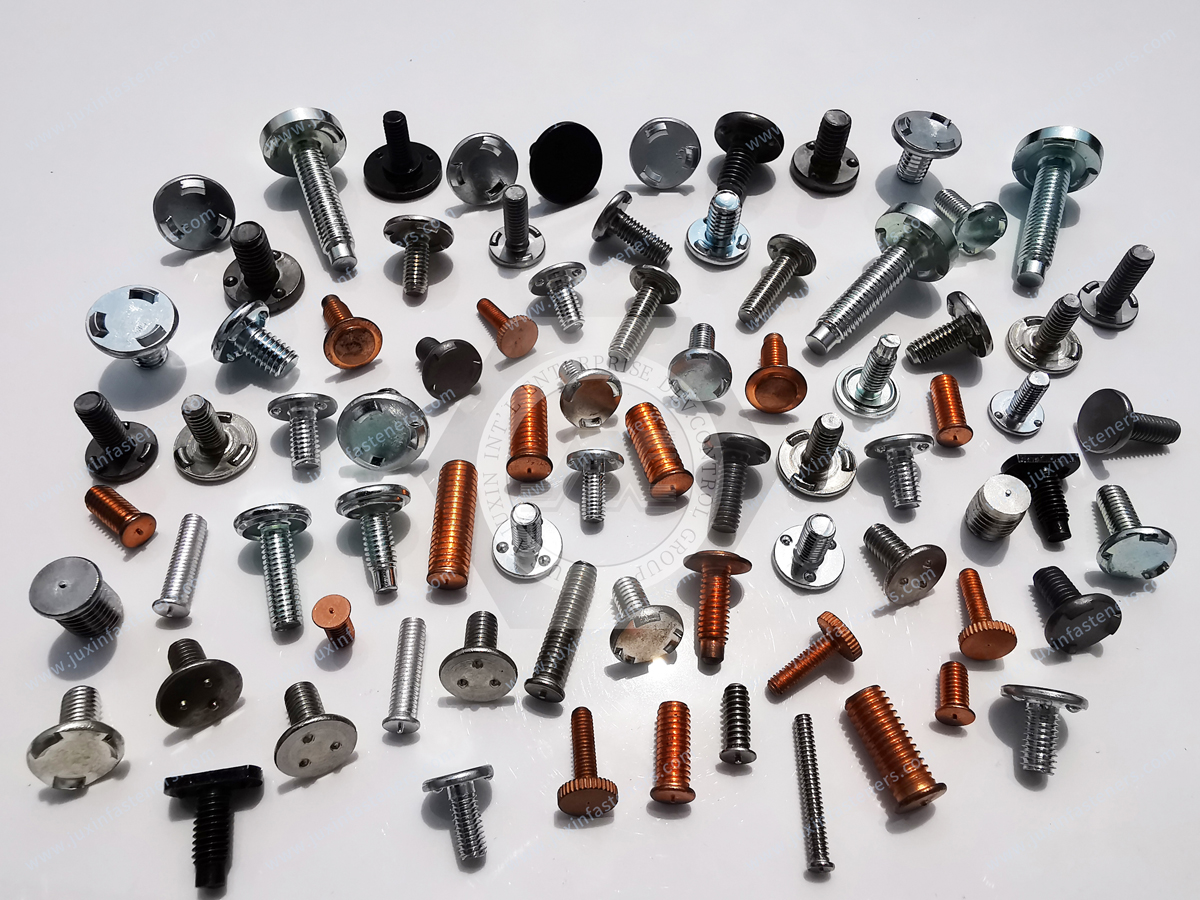
Drawn arc stud welding can be used for larger studs and applications requiring significant weld cross-section.
The process generally involves controlled arc formation between the stud and base material before the stud is plunged into the molten weld pool.
Engineering considerations can include:
Stud material
Base material
Diameter
Surface condition
Welding energy
Ferrule or shielding arrangement where applicable
Weld position
Equipment settings
The exact procedure should follow the governing project and welding requirements.
Capacitor discharge stud welding is commonly associated with smaller studs and applications where short welding duration is advantageous.
Potential industrial applications can include:
Sheet-metal assemblies
Equipment housings
Electrical cabinets
Insulation attachment
Light-duty mounting applications
However:
CD Stud Welding ≠ Drawn Arc Stud Welding.
The two processes have different application ranges, equipment and welding behavior.
The welding method must be selected from the actual joint requirement.
Weld pins may be used in selected industrial applications for attaching:
Insulation
Protective layers
Lightweight support components
JUXIN FASTENERS supplies weld pins as part of its industrial fastening capability.
For power-plant projects, the required:
Pin material
Geometry
Welding process
Base material
Environment
Inspection
should be specified before production.
The weld stud and base material form one metallurgical joint.
Important considerations include:
Base-material composition
Thickness
Surface condition
Coating
Weldability
Joint geometry
A stud that welds successfully to one steel should not automatically be assumed equivalent on another substrate.
Therefore:
Same Weld Stud + Different Base Material ≠ Same Welding Result.
Surface coatings or contamination on the base material can influence welding behavior.
Examples can include:
Zinc coatings
Paint
Oxide
Oil
Surface contamination
The welding procedure must account for the actual surface condition.
This is especially important when a design changes from bare steel to coated steel.
Same Base Metal + Different Surface Condition ≠ Same Welding Process.
When a stud weld appears weak, increasing welding energy may seem like an obvious correction.
But excessive energy can create other problems.
The correct welding window depends on:
Stud
Base material
Thickness
Process
Equipment
Position
Therefore:
More Welding Energy ≠ Better Weld.
A stable qualified process is more important than maximum welding energy.
Stud geometry influences welding behavior.
Relevant features can include:
Weld end
Tip geometry
Flux configuration where applicable
Diameter
Length
Head or thread geometry
This creates a critical second-source principle:
Same Thread + Same Length ≠ Same Weld Stud Performance.
A replacement stud must be evaluated against the full drawing and welding requirements.
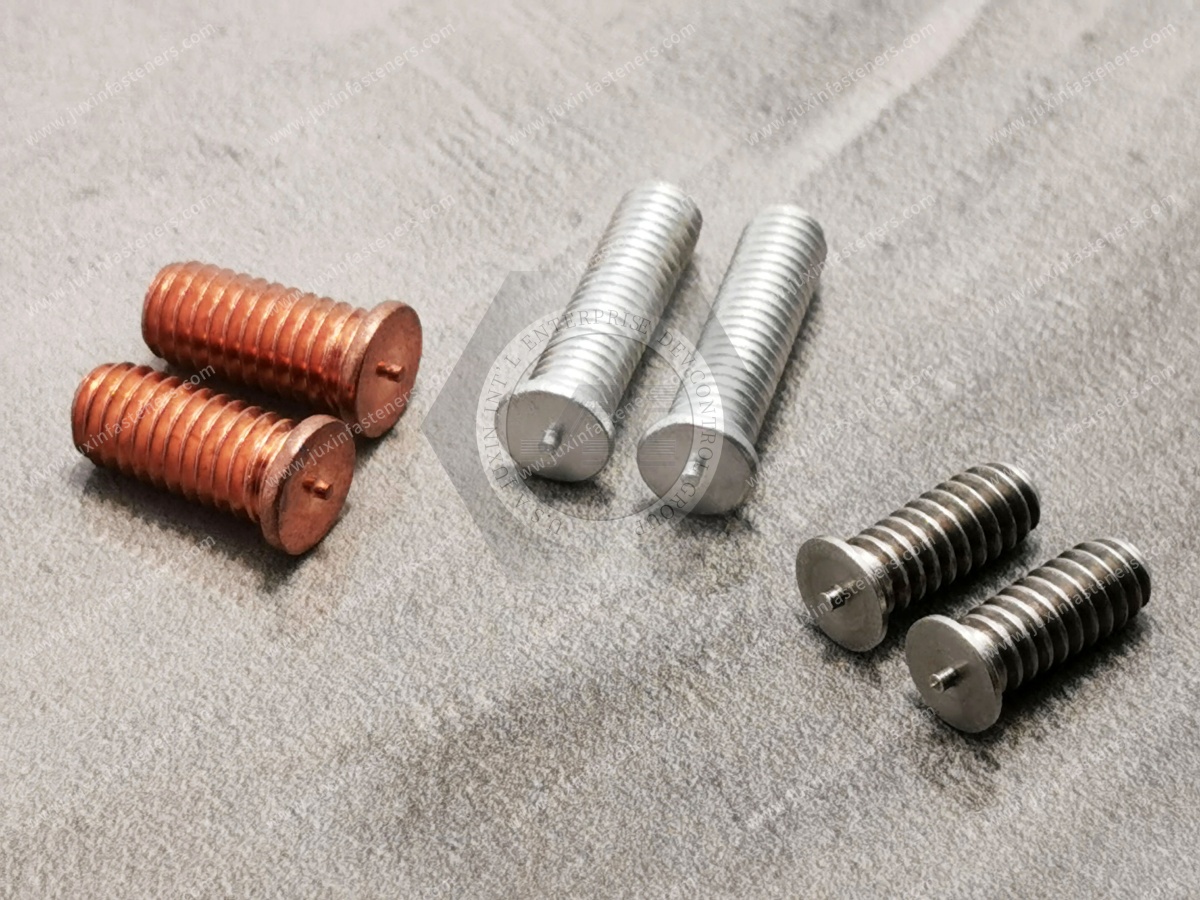
JUXIN FASTENERS also supplies projection weld nuts including:
DIN 929 hex weld nuts
DIN 928 square weld nuts
Square projection weld nuts
Hex flange weld nuts
Round piloted projection weld nuts
Floating cage weld nuts
These can be relevant to selected fabricated:
Equipment housings
Electrical cabinets
Access structures
Auxiliary assemblies
Sheet-metal equipment
But:
Strong Weld Nut ≠ Strong Welded Joint.
Projection-weld performance depends on:
Nut Geometry + Projection Geometry + Sheet Material + Sheet Thickness + Welding Current + Time + Electrode Force + Tooling + Alignment
For critical welded applications, the welding procedure may require formal qualification according to the applicable code, project specification or customer requirement.
The project may also define requirements for:
Procedure documentation
Equipment
Operator qualification
Production verification
Inspection
Acceptance criteria
The supplier should not invent these requirements.
They must come from the governing project documentation.
The original JUXIN material refers to stud-welding application assistance and operator training.
For ordinary industrial projects, technical coordination can help users understand:
Stud selection
Installation parameters
Equipment setup
Common installation issues
However, nuclear work requires an important distinction:
General Operator Training ≠ Project-Qualified Welding Personnel.
Where formal operator or welder qualification is required, it must follow the applicable project/code requirements.
Depending on the application, materials may include:
Carbon steel
Alloy steel
Stainless steel
Other customer-specified engineering materials
Selection should consider:
Mechanical load
Temperature
Corrosion
Base material
Welding
Service environment
Project specification
No material should be selected simply because it is commonly associated with power generation.
Stainless steels can provide useful corrosion resistance.
But:
Stainless Steel ≠ Nuclear Qualification.
And:
316 Stainless ≠ Automatically Suitable for Every Nuclear Application.
Selection can depend on:
Chlorides
Temperature
Chemicals
Radiation environment where applicable
Mechanical requirements
Welding
Project material restrictions
The customer specification must control the final selection.
Carbon and alloy steels may provide useful combinations of:
Strength
Toughness
Weldability
Manufacturing efficiency
Depending on the application, additional requirements may involve:
Heat treatment
Hardness
Mechanical testing
Surface treatment
But:
Higher Strength ≠ Automatically Better Joint.
For welded components, increasing material strength can also change welding considerations.
Power plant fasteners may require corrosion protection.
Potential surface-treatment requirements depend on:
Environment
Material
Temperature
Installation
Mating components
Project restrictions
For threaded components:
Coating Name ≠ Complete Coating Specification.
A complete specification may need to define:
Coating system
Thickness
Conversion layer or topcoat where relevant
Friction requirements
Corrosion-test requirements
Thread fit after coating
Changing from one coating to another can alter:
Friction
Thread fit
Corrosion behavior
Installation torque/preload relationship
Therefore:
Coating Substitution Can Be an Engineering Change.
This is important in long-life power equipment where procurement teams may be tempted to approve alternate finishes based only on corrosion appearance.
Corrosion test requirements may be part of a specification.
But:
Salt Spray Hours ≠ Field Service Life.
Real exposure can involve:
Humidity
Temperature
Chemicals
Condensation
Wet/dry cycling
Coating damage
Laboratory testing and field durability are related but not interchangeable concepts.
Certain high-strength steel components may require additional process review when exposed to hydrogen-generating manufacturing operations such as some electroplating processes.
The risk depends on:
Material
Hardness
Manufacturing process
Coating process
Applied stress
Therefore:
High-Strength Steel + Electroplating Requires Process Review.
This should be addressed through the governing material/process requirements rather than generic assumptions.
Threaded fasteners may use:
ISO metric threads
Unified inch threads
Other project-specified thread systems
Depending on the project, relevant standards can include ISO or ASME thread requirements.
But the drawing must identify the actual thread requirement.
Inspection may include appropriate:
GO gauges
NO-GO gauges
Dimensional inspection
Product-specific verification
For coated fasteners:
Pre-Coating Thread Compliance ≠ Finished Thread Compliance.
The finished component must satisfy the specified functional requirements.
For bolted joints:
Torque ≠ Preload.
Much of the applied torque is influenced by friction at:
Threads
Nut bearing surface
Bolt-head bearing surface
A change in:
Coating
Lubrication
Surface condition
Nut design
can change the preload produced by the same torque.
Therefore:
Same Torque + Different Friction ≠ Same Preload.
This becomes important when qualifying alternate suppliers or surface treatments.
Where lock nuts are used:
Prevailing Torque ≠ Preload.
Prevailing torque is generated by the locking feature.
The actual clamp load is a separate joint-design issue.
JUXIN FASTENERS supplies nylon insert and all-metal lock-nut families for industrial applications, but suitability for a nuclear project must follow the governing specification.
Power-generation systems may experience elevated or changing temperatures.
Temperature can influence:
Material properties
Bolt preload
Differential thermal expansion
Coatings
Locking elements
Lubricants
Therefore:
Room-Temperature Assembly ≠ Identical Operating-Temperature Joint.
Where temperature is significant, the complete joint should be evaluated.
A corrosion-resistant fastener does not automatically protect the complete connection.
The assembly can contain:
Stud
Nut
Washer
Base material
Coating
Adjacent components
Therefore:
Corrosion-Resistant Fastener ≠ Corrosion-Resistant Assembly.
Galvanic compatibility and environmental exposure should be reviewed where relevant.
In ordinary industrial sourcing, a purchaser may focus primarily on whether the finished component meets the drawing.
Nuclear projects can require another question:
Can the Component's History Be Demonstrated?
Depending on project requirements, traceability can involve:
Raw material
Heat/lot identification
Manufacturing batch
Heat treatment
Welding process
Inspection
Testing
Nonconformance disposition
Documentation
The required depth must be defined by the project.
A material certificate can be important.
But a certificate alone may not establish the entire manufacturing history.
Therefore:
Material Certificate ≠ Complete Nuclear Traceability.
The documentation package should match the applicable quality requirement.
Where required, material identity may need to remain linked through:
Raw Material → Manufacturing → Secondary Process → Inspection → Packaging → Shipment
The required method depends on the component and project.
Procurement should define this before the purchase order is issued.
Some projects may require positive material identification or other verification methods.
This should not be assumed universally.
If PMI is required, the specification should define:
Components to be tested
Sampling
Method
Acceptance criteria
Documentation
PMI ≠ Universal Requirement for Every Power Plant Fastener.
Depending on the component and specification, testing may include:
Tensile properties
Hardness
Proof load
Other product-specific mechanical verification
The required test should come from the applicable standard or customer specification.
More testing is not automatically better.
Additional Test ≠ Substitute for Correct Specification.
Inspection can include:
Diameter
Length
Thread
Head geometry
Weld-end geometry
Straightness
Other drawing-defined features
For custom studs and fasteners, inspection should focus on functional characteristics rather than collecting measurements without engineering purpose.
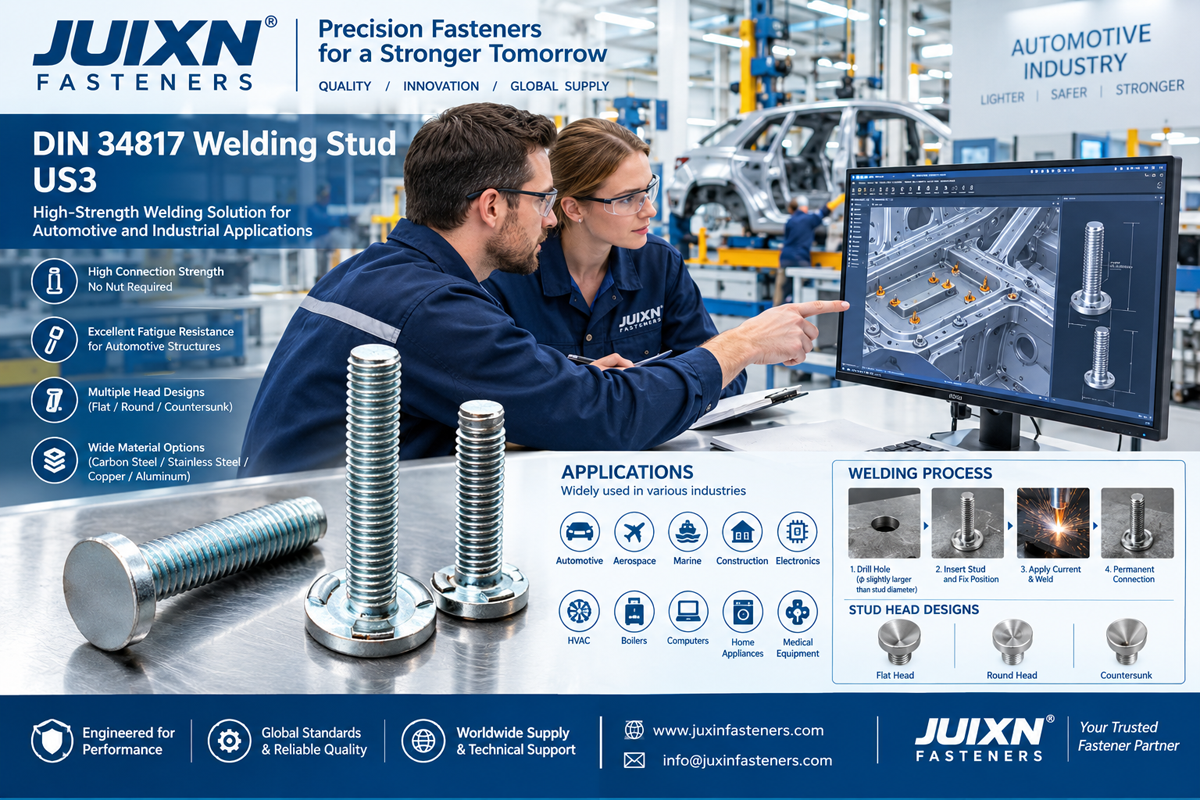
Depending on the project and welding procedure, weld verification may involve methods defined by the governing specification.
The supplier should not substitute generic inspection for the actual project requirement.
Important questions include:
What is being inspected?
At what stage?
What sampling applies?
What acceptance criteria apply?
Who is authorized to accept the result?
Some applications may require NDE/NDT.
Potential methods depend on the component, material, weld and governing specification.
However:
Nuclear Project ≠ Every Fastener Requires NDT.
The project specification should define whether NDT is required and which method applies.
For nuclear procurement, documentation can become part of the deliverable.
Depending on the project, the package may include:
Material certificates
Inspection reports
Mechanical test records
Heat-treatment records
Coating records
Welding documentation
Traceability records
Certificates of conformity
Customer-specific quality records
Therefore:
Physical Part + Required Documentation = Deliverable
If the documentation is incomplete, the component may be commercially unusable even if the physical part is correct.
A common procurement mistake is requesting additional documentation after the parts have already been manufactured.
Some records cannot reliably be recreated after production.
Therefore, RFQs and purchase orders should define documentation requirements in advance.
This is especially important for:
Raw-material traceability
Special processes
Witness points
Testing
Lot identification
A supplier may make a change that appears minor:
Raw-material source
Heat-treatment supplier
Coating supplier
Welding equipment
Manufacturing route
Inspection method
For ordinary commodity hardware, some changes may be routine.
For controlled applications, they may require customer review.
Therefore:
Supplier Process Change ≠ Automatically Acceptable Equivalent Process.
Change-control requirements should be defined contractually.
High-documentation industries require strong control of product identity and supply chain.
Procurement teams should be cautious about:
Unverified material substitution
Altered certificates
Mixed lots
Unapproved manufacturing sources
Uncontrolled second sources
The best defense is a controlled sourcing process with traceable requirements.
A second-source component should not be qualified by comparing only:
Dimensions
Thread
Material name
Appearance
A robust comparison may require:
Drawing + Revision + Material + Material Source Requirements + Mechanical Properties + Heat Treatment + Thread + Geometry
+ Surface Treatment + Friction + Welding Behavior + Inspection + Testing + Traceability + Documentation + Change Control + Customer Approval
Therefore:
Same Dimensions ≠ Functional Equivalence.
And:
Same Material ≠ Same Qualification Status.
Weld studs deserve additional attention because changing the component can change welding behavior.
Compare:
Stud material
Weld-end geometry
Diameter
Length
Thread
Surface condition
Manufacturing process
Welding procedure compatibility
A new stud should not be introduced into a controlled welding process based only on dimensional similarity.
Same Drawing Envelope ≠ Same Welding Behavior.
Before qualifying a fastener supplier for a nuclear-related project, procurement should establish:
Exact component classification
Applicable project specification
Required supplier approvals
Material requirements
Traceability requirements
Special-process requirements
Inspection requirements
Testing requirements
Documentation package
Change-control requirements
Nonconformance process
Customer approval requirements
Only after these requirements are understood should manufacturing capability be evaluated.
This distinction is essential.
A supplier may have manufacturing capability for:
Weld studs
Weld pins
Weld nuts
CNC machined components
Stainless fasteners
Custom fasteners
But that does not automatically mean the supplier has the quality-system approval required by a particular nuclear owner, EPC, OEM or regulatory framework.
Therefore:
Can Manufacture ≠ Approved to Supply.
This distinction protects both customer and supplier.
JUXIN FASTENERS' real capabilities relevant to power-related projects include:
Drawing-based stud and pin components for suitable industrial welding applications.
Including:
DIN 929 hex weld nuts
DIN 928 square weld nuts
Square weld nuts
Hex flange weld nuts
Round piloted projection weld nuts
Floating cage weld nuts
Including selected:
Stainless steel fasteners
Carbon steel fasteners
Nuts
Lock nuts
Washers
Including:
Rivet nuts
Self-clinching nuts
Self-clinching studs
Self-clinching standoffs
Including:
Custom threaded components
Precision pins
CNC machined parts
Customer-specific fastening hardware
For nuclear-related inquiries, these manufacturing capabilities should be evaluated against the customer's exact project
and supplier-qualification requirements before any nuclear-specific supply commitment is made.
Depending on project classification and customer approval, potential areas for technical evaluation may include selected:
Power plant construction hardware
Equipment supports
Electrical cabinets
Auxiliary equipment
Access structures
HVAC equipment
Industrial insulation attachment
Sheet-metal equipment
Non-safety-related assemblies
This does not imply suitability for reactor safety systems or other safety-critical applications.
Examples of applications that may require significantly more stringent project-specific controls include:
Reactor-related systems
Safety-classified structures
Primary pressure-boundary applications
Safety-critical supports
Critical containment applications
Other nuclear safety-related systems
JUXIN should not represent ordinary industrial fasteners as qualified for these applications without the required formal qualification.
| Requirement | General Industrial Power Equipment | Nuclear Project |
|---|---|---|
| Drawing compliance | Required | Required |
| Material control | Required as specified | Often highly controlled |
| Mechanical properties | Application-specific | Project/code-specific |
| Traceability | Customer-specific | May be extensive |
| Special-process control | Application-specific | May be tightly controlled |
| Documentation | Commercial/OEM requirement | Can be part of acceptance |
| Change control | Recommended | May be mandatory |
| Supplier approval | OEM-specific | Often project-specific |
| Safety classification | Usually not nuclear-classified | Fundamental selection input |
The difference is not simply "higher quality."
It is a different level of controlled evidence and qualification.
For controlled projects:
Total Procurement Cost = Part Price + Qualification + Documentation + Inspection + Testing + Special Processes
+ Traceability + Review + Rework + Logistics + Supply Risk
Therefore:
Lowest Part Price ≠ Lowest Project Cost.
A low-cost component that lacks required documentation may have no usable value to the project.
Engineers may search:
What fasteners are used in nuclear power plants?
What are nuclear fastener requirements?
How are weld studs qualified for power plants?
What materials are used for nuclear fasteners?
What is required for nuclear fastener traceability?
How are stud welds inspected?
What standards apply to nuclear fasteners?
Can stainless steel fasteners be used in nuclear plants?
What is the difference between industrial and nuclear fasteners?
How do I qualify a replacement weld stud?
A technically useful supplier page should answer these questions without claiming qualifications that have not been established.
Commercial searches may include:
Nuclear power fastener supplier
Nuclear fastener manufacturer
Power plant weld stud supplier
Stud welding component manufacturer
Custom weld stud manufacturer
Power plant fastener supplier
Nuclear construction fastener supplier
Second-source weld stud manufacturer
Traceable industrial fastener supplier
The key sourcing question is not merely:
"Do you manufacture this fastener?"
It is:
"Can your manufacturing, quality system and documentation satisfy this specific project's requirements?"
There is no single universal material or product called a nuclear-grade fastener. Requirements depend on component classification,
governing codes, project specifications, materials, manufacturing controls and documentation.
No. Stainless steel is a material family. Nuclear suitability requires application-specific qualification.
Possibly only where the project classification and specification permit them and the required supplier, product, welding and documentation requirements are satisfied.
No. The welded joint depends on the stud, base material, welding process, procedure and inspection.
Not automatically. Strength, toughness, weldability and the qualified welding procedure must be considered together.
Not automatically. Coating changes can affect corrosion, welding, thread fit and friction.
No. Traceability may require maintaining material identity through manufacturing, processing, inspection and shipment.
Not necessarily. NDT requirements should come from the governing project specification.
JUXIN FASTENERS can evaluate drawing-based fastener and weld-stud projects against customer requirements.
Nuclear qualification should only be confirmed after the applicable project classification, quality-system,
documentation and supplier-approval requirements have been reviewed and satisfied.
Send the controlled drawing, revision, component classification, applicable codes/specifications, material requirements,
quality requirements, traceability requirements, inspection/testing requirements, documentation requirements and quantity.
Not necessarily. The required documentation depends on the project and component classification.
A sample can support dimensional evaluation, but controlled drawings, material requirements,
welding requirements and qualification documentation are strongly preferred.
Only according to the applicable customer and project change-control requirements.
Commercial and technical feasibility can be evaluated from the supplied requirements,
but project acceptance should not be assumed until the required supplier-qualification process has been completed.
Because product acceptance may depend not only on the physical part but also on controlled manufacturing, traceability, documentation and project qualification.
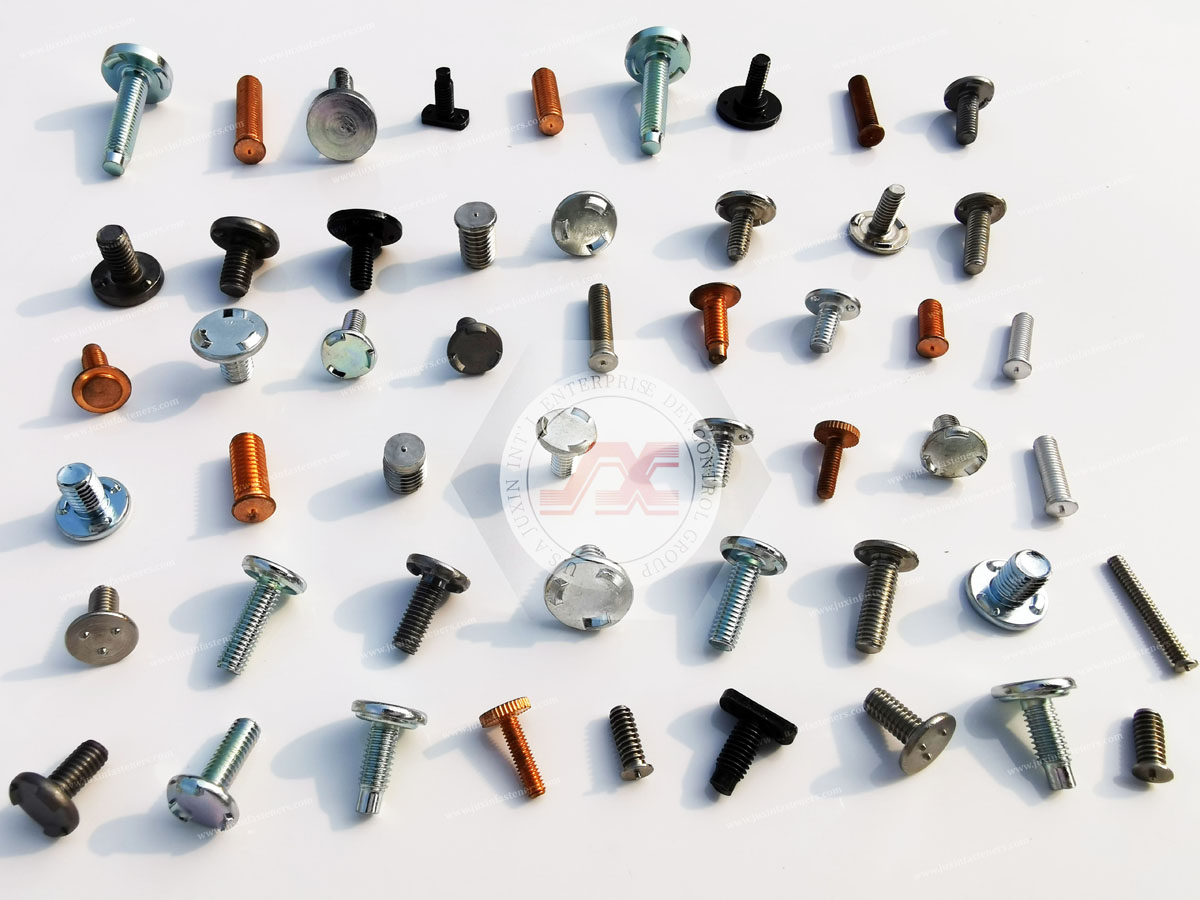
For an effective technical review, provide:
2D drawing
3D model where applicable
Part number
Drawing revision
Project name or identifier where permitted
Application
Component function
Safety classification
Quality classification
Governing code
Governing standard
Customer specification
Material specification
Material grade
Material condition
Mechanical properties
Heat treatment
Hardness
Thread specification
Dimensional tolerances
GD&T
Weld-stud geometry
Weld-end geometry
Base material
Base-material thickness
Welding process
Welding procedure requirements
Operator qualification requirements
Surface condition
Surface treatment
Coating requirements
Corrosion requirements
Service temperature
Environmental conditions
Radiation-related requirements where applicable
Load requirements
Fatigue requirements where applicable
Inspection requirements
Mechanical testing
NDT requirements where specified
Sampling requirements
Acceptance criteria
Material certificate requirements
Heat/lot traceability requirements
PMI requirements where specified
Special-process documentation
Welding documentation
Certificate of conformity requirements
Record-retention requirements
Nonconformance requirements
Change-control requirements
Customer witness/hold points
First-article requirements
Packaging
Identification and marking
Quantity
Annual volume
Delivery schedule
Supplier qualification requirements
For second-source projects, also provide the approved baseline specification and qualification requirements where permitted.
This allows JUXIN FASTENERS to determine whether the project is:
Within Existing Industrial Manufacturing Capability
or requires:
Additional Project-Specific Qualification Before Supply
That distinction should be made before an order is accepted.
This article should connect internally with existing JUXIN FASTENERS resources covering:
Power Generation Fasteners and OEM Solutions
Weld Studs and Weld Pins
Projection Weld Nuts
DIN 929 Hex Weld Nuts
DIN 928 Square Weld Nuts
Custom Fasteners and CNC Machined Components
Bolt and Nut Strength Classes
ISO Metric Thread Tolerances
Fastener Surface Finish Selection
Zinc Plating vs. Zinc-Nickel
Stainless Steel Fastener Selection
Hydrogen Embrittlement in High-Strength Fasteners
Industrial Machinery Fastening Solutions
Electrical Equipment Fastening Solutions
Supplier Qualification and Second-Source Development
Use the existing indexed JUXIN FASTENERS URL when implementing each internal link.
The intended internal-link architecture is:
Power Generation → Nuclear Project Requirements → Component Classification → Weld Stud / Fastener Type
→ Material & Process → Inspection & Traceability → Supplier Qualification → RFQ
This keeps this article distinct from the broader Power Generation Fasteners page.
The power-generation page should attract searches for generator equipment, electrical cabinets, auxiliary machinery and general power-equipment fastening.
This page should target the much narrower and higher-value intent around:
Nuclear Fastener Requirements + Weld Studs + Traceability + Documentation + Supplier Qualification
The most important principle in nuclear fastener sourcing is not:
"Use the strongest fastener."
It is:
"Prove that the correct component was manufactured, processed, inspected, documented and supplied according to the governing project requirements."
Remember:
Industrial Fastener Capability ≠ Nuclear Qualification.
Same Facility ≠ Same Component Classification.
Material Grade ≠ Nuclear Qualification.
Standard Compliance ≠ Application Qualification.
Stud Strength ≠ Welded Joint Strength.
Correct Weld Stud ≠ Automatically Correct Stud Weld.
CD Stud Welding ≠ Drawn Arc Stud Welding.
Same Weld Stud + Different Base Material ≠ Same Welding Result.
More Welding Energy ≠ Better Weld.
General Operator Training ≠ Project-Qualified Welding Personnel.
Stainless Steel ≠ Nuclear Qualification.
Higher Strength ≠ Automatically Better Joint.
Torque ≠ Preload.
Same Torque + Different Friction ≠ Same Preload.
Material Certificate ≠ Complete Nuclear Traceability.
Same Material ≠ Same Qualification Status.
Same Dimensions ≠ Functional Equivalence.
Can Manufacture ≠ Approved to Supply.
Physical Part + Required Documentation = Deliverable.
For nuclear engineers and project quality teams, this framework helps distinguish product characteristics from project qualification.
For procurement and supplier-development teams, it provides a more reliable method for evaluating weld-stud manufacturers, fastener suppliers and potential second sources.
For JUXIN FASTENERS, it creates the correct commercial path:
Customer Requirement → Technical Review → Qualification Gap Analysis → Manufacturing Feasibility → Documentation Review
→ Supplier Approval Where Required → RFQ / Production
JUXIN FASTENERS can evaluate weld studs, weld pins, projection weld nuts, stainless and carbon-steel fasteners, lock nuts, self-clinching hardware,
rivet nuts and drawing-based custom components for power-generation and nuclear-related sourcing inquiries.
For nuclear-related projects, send the controlled drawing together with the applicable project classification, material specification,
welding requirements, inspection requirements, traceability requirements, documentation requirements and supplier-qualification criteria.
We will evaluate the requirement against actual manufacturing capability before confirming supply suitability.
JUXIN FASTENERS
Email: info@juxinfasteners.com
Website: www.juxinfasteners.com
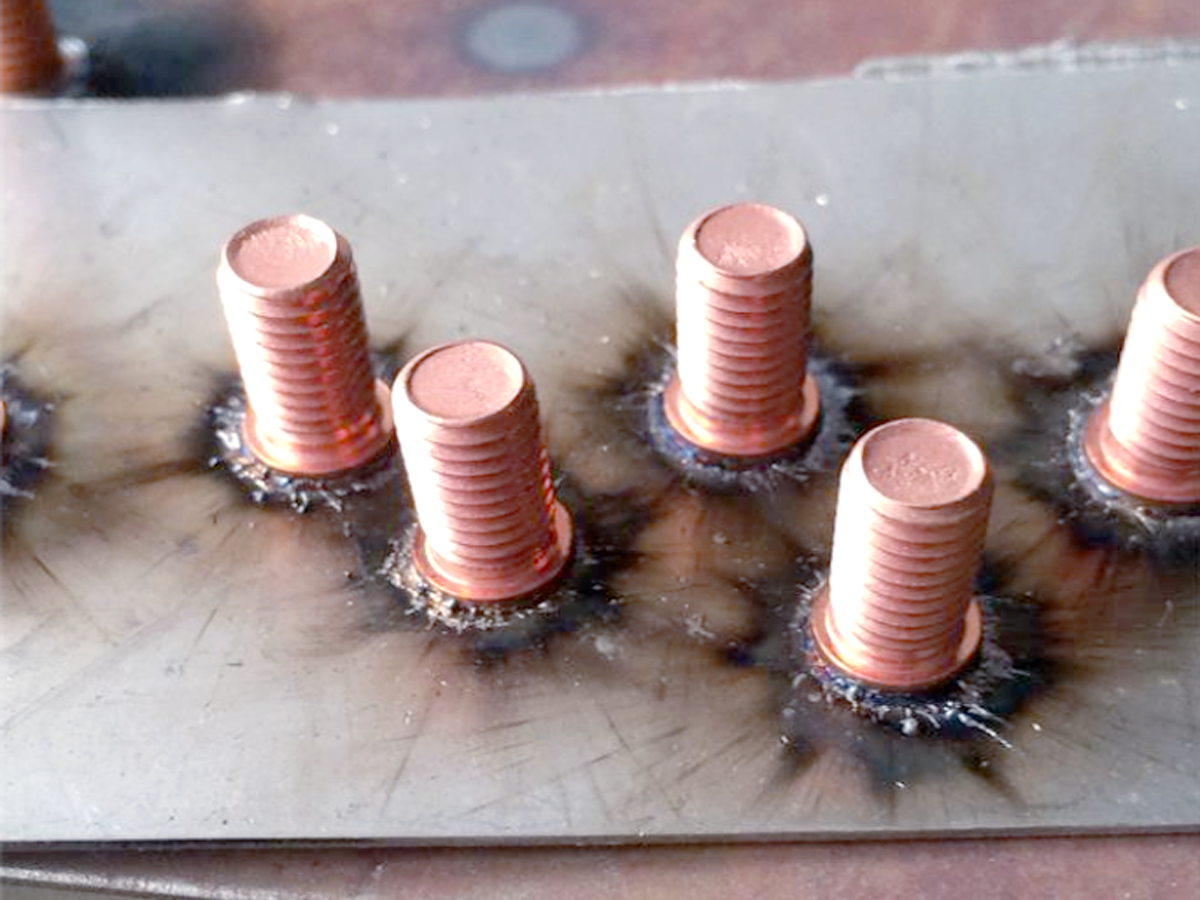
Contact Us
Tel.:
+86 020 8621 0320
+86 020 3121 6067
E-mail:
Technical Support:
Navigation
SEND INQUIREY



