
Call Us
+86 136 6007 9809
Call Us
+86 136 6007 9809

Aug. 28, 2026
Titanium fasteners can provide a combination of low density, corrosion resistance and high strength-to-weight performance that can be valuable in specialized semiconductor, vacuum and precision equipment.
In applications where component weight, corrosion resistance or non-magnetic characteristics are important,
engineers may consider titanium fasteners as an alternative to conventional stainless steel or other metal fastening materials.
JUXIN manufactures custom titanium screws, bolts, nuts, studs and precision CNC titanium components according to customer drawings, material specifications and OEM requirements.
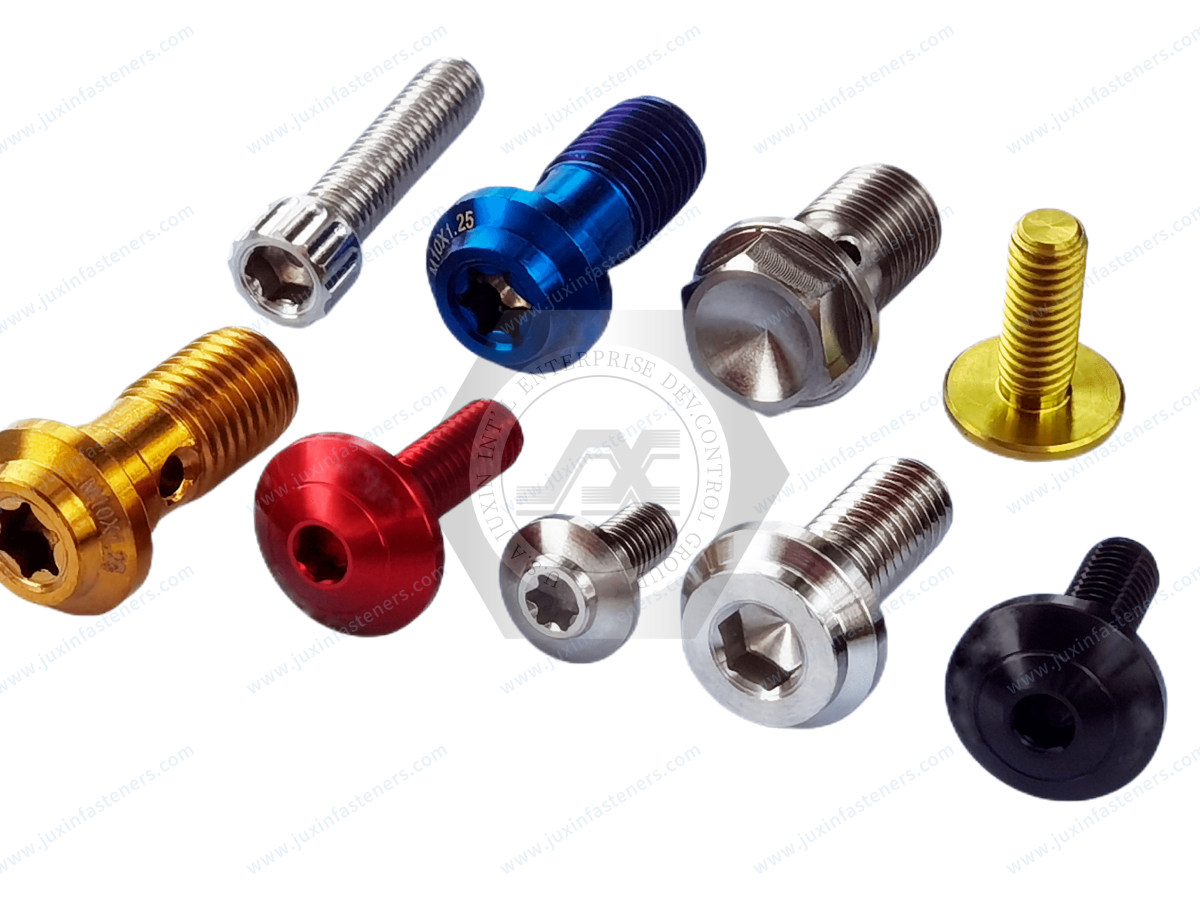
Material selection for semiconductor equipment depends on the mechanical design, operating environment and functional requirements of the assembly.
Titanium may be considered when an application requires:
Low component weight
Corrosion resistance
High strength-to-weight performance
Non-magnetic characteristics
Dimensional stability
Compatibility with specialized environments
The appropriate titanium grade should be selected according to the required mechanical properties, temperature, chemical exposure, manufacturing requirements and application conditions.
Titanium should therefore not be selected solely because it is lightweight. The complete equipment specification should determine whether it is the appropriate fastening material.
Semiconductor manufacturing equipment often contains precision mechanical assemblies where material selection can affect overall equipment performance.
Titanium fasteners for semiconductor equipment may be considered for applications involving:
Vacuum equipment
Wafer-processing systems
Semiconductor automation
Precision fixtures
Equipment frames and assemblies
Instrumentation
Chemical processing equipment
Laboratory equipment
Specialized electronics equipment
Depending on the equipment architecture, titanium screws, studs, nuts and CNC machined components may be used where their material characteristics provide an advantage for the application.
The final material selection should always be evaluated against the equipment's mechanical, environmental and process requirements.
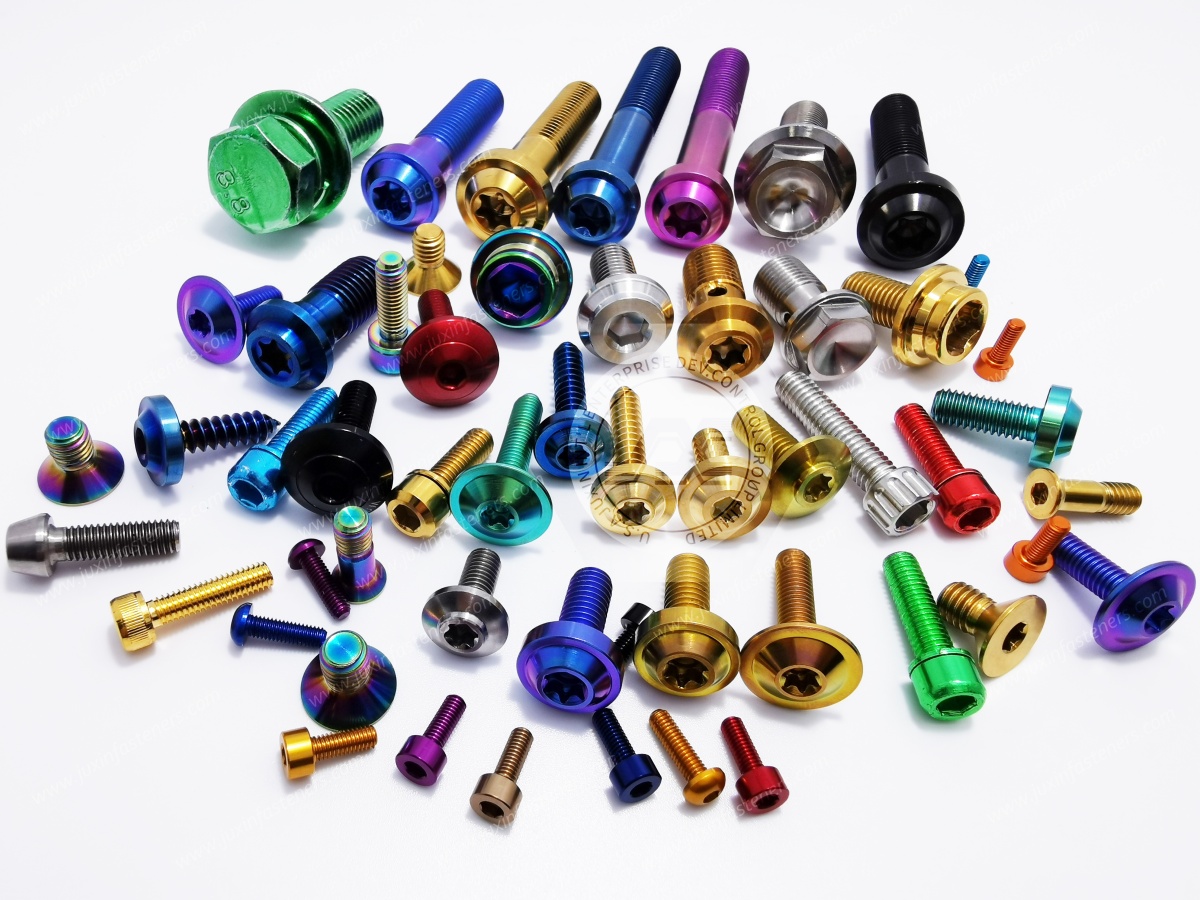
Vacuum equipment can place additional requirements on mechanical components.
Fastener material, surface condition, geometry and manufacturing quality may need to be considered together with the vacuum-system design.
Titanium vacuum fasteners may be considered in specialized applications where low density, corrosion resistance or non-magnetic characteristics are useful.
Potential components include:
Titanium socket head screws
Titanium bolts
Titanium studs
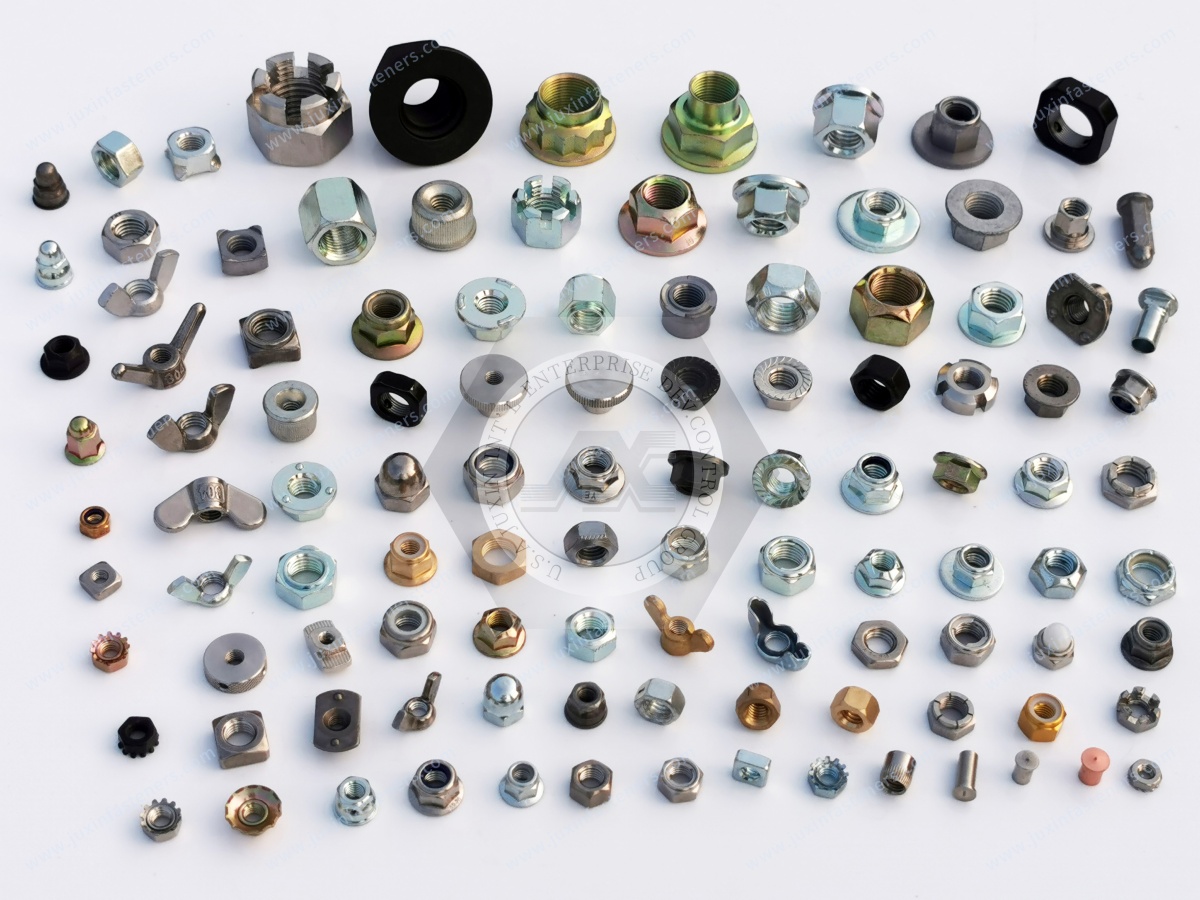
Titanium nuts
Threaded pins
Custom titanium washers
Precision CNC titanium components
For vacuum applications, engineers may also specify requirements related to surface condition, cleaning, dimensional tolerances and handling.
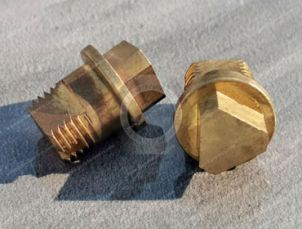
Where vented fastening is required, the fastener geometry should be defined by the equipment design and vacuum requirements.
Some semiconductor and industrial equipment operates in environments involving process chemicals, moisture or corrosive media.
Titanium can offer useful corrosion-resistant characteristics in selected environments, but material compatibility should always be evaluated against the specific chemical conditions.
Important factors can include:
Chemical composition
Concentration
Temperature
Exposure duration
Mechanical stress
Surface condition
For this reason, a titanium fastener should be specified based on the actual operating environment rather than assuming that titanium is universally suitable for every chemical application.
Different titanium grades have different mechanical and manufacturing characteristics.
For a custom titanium fastener, the engineering specification should identify the required material grade whenever possible.
The RFQ may need to define:
Titanium grade
Mechanical requirements
Thread specification
Dimensions and tolerances
Surface condition
Surface treatment
Operating temperature
Chemical exposure
Required quantity
Inspection requirements
Clear material identification is particularly important for OEM components because material grade can affect both mechanical performance and manufacturing processes.
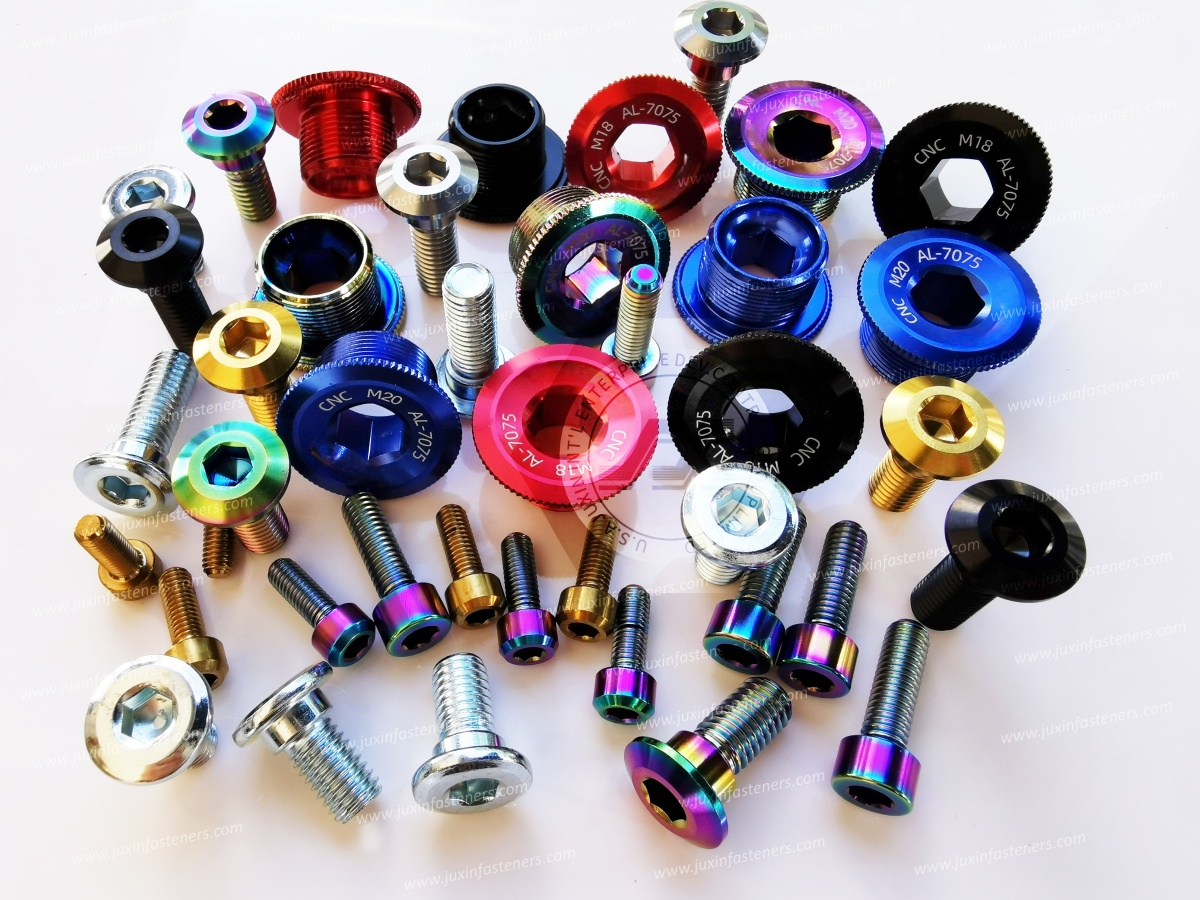
Standard catalog fasteners may not meet the dimensional or functional requirements of specialized semiconductor equipment.
JUXIN can manufacture custom titanium fasteners according to engineering drawings and customer specifications.
Custom configurations may include:
Special head geometry
Reduced head dimensions
Non-standard thread lengths
Internal or external threads
Fine threads
Precision diameters
Special drive features
Custom holes or slots
Threaded shafts
Application-specific machined features
This drawing-based approach allows OEM equipment manufacturers to develop fastening components around their existing mechanical design rather than adapting the design to a standard catalog product.
Titanium is also used for precision-machined components in specialized equipment.
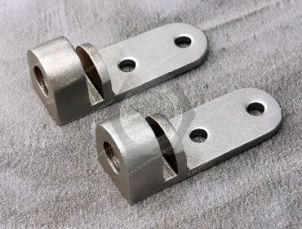
JUXIN combines custom fastener manufacturing with precision CNC machining to support small titanium components such as:
Precision pins
Spacers
Bushings
Shafts
Sleeves
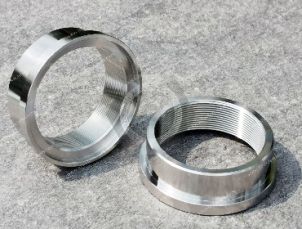
Threaded components
Custom inserts
Brackets
Precision fixtures
Small CNC machined parts
This can be particularly useful for OEM projects requiring multiple small mechanical components with different geometries but similar material or dimensional requirements.
Titanium has material characteristics that require appropriate machining parameters, tooling and process control.
For custom titanium fasteners and CNC components, manufacturing considerations may include:
Appropriate cutting parameters
Tool selection
Thread machining
Heat management
Dimensional control
Burr management
Surface condition
Inspection requirements
The manufacturing process should be selected according to the component geometry, titanium grade, tolerance requirements and production volume.
For precision OEM components, controlling process consistency is important to maintain dimensional repeatability across production batches.
Surface treatment requirements depend on the application.
Some customers may require a specific surface finish or treatment because of friction, wear, corrosion, appearance or equipment requirements.
Possible specifications may include:
Defined surface finish
Polishing
Cleaning
Passivation or other specified treatments where applicable
Controlled surface condition
Special packaging
Surface-treatment requirements should be established before production because finishing processes can influence dimensions, surface characteristics and assembly behavior.
Titanium fasteners and CNC components can support a range of specialized industrial applications.
Custom titanium screws, studs and precision components for semiconductor manufacturing and wafer-processing equipment.
Titanium fastening components for selected vacuum chambers, fixtures and precision mechanical assemblies.
Lightweight and corrosion-resistant components for automated handling systems and precision equipment.
Selected applications where corrosion resistance and material compatibility are important considerations.
Specialized fastening components where weight, strength-to-weight performance and material characteristics are important.
Precision titanium components for specialized instruments, fixtures and laboratory systems.
When sourcing custom titanium fasteners, providing a complete technical specification can improve quotation accuracy and reduce clarification during production.
Procurement and engineering teams should consider providing:
Engineering drawing or 3D model
Titanium grade
Thread standard and size
Critical dimensions and tolerances
Mechanical requirements
Surface finish
Surface-treatment requirements
Operating environment
Temperature range
Chemical exposure, where applicable
Required quantity
Inspection requirements
Packaging requirements
For new equipment development, the application environment is also useful because it allows the manufacturer to understand which characteristics are critical to the component.
For equipment manufacturers, sourcing a complete group of small precision components from a manufacturing partner can simplify supplier coordination.
JUXIN supports OEM customers requiring both custom titanium fasteners and CNC machined titanium components, including projects where screws, pins, spacers, bushings and other small mechanical parts are manufactured from customer drawings.
Our manufacturing scope includes:
Custom titanium screws
Titanium bolts
Titanium nuts
Titanium studs
Titanium threaded components
Precision CNC titanium parts
Semiconductor equipment fasteners
Vacuum equipment fasteners
Non-standard OEM fasteners
Custom industrial components
With more than 23 years of experience in the fastener industry, JUXIN combines fastener manufacturing expertise with CNC machining capabilities to support drawing-based component sourcing for specialized industrial equipment.
If you are sourcing titanium fasteners for semiconductor equipment, vacuum fasteners, custom titanium screws or precision CNC titanium components, JUXIN can review your engineering drawings and technical requirements.
Please send your drawing, titanium grade, quantity, dimensional requirements, surface specifications and application information for engineering evaluation and quotation.
Email: info@juxinfasteners.com
 MORE NEWS
Contact Us
Tel.:
+86 020 8621 0320
+86 020 3121 6067
E-mail:
Technical Support:
Navigation
SEND INQUIREY