Call Us
+86 136 6007 9809
Call Us
+86 136 6007 9809

DIN985 Stainless Steel Nylon Self-Locking Nuts for HVAC & Cooling Systems | Reliable Anti-Loosening Fastening Solution
Introduction: High-Reliability Fastening for Heating and Cooling Equipment
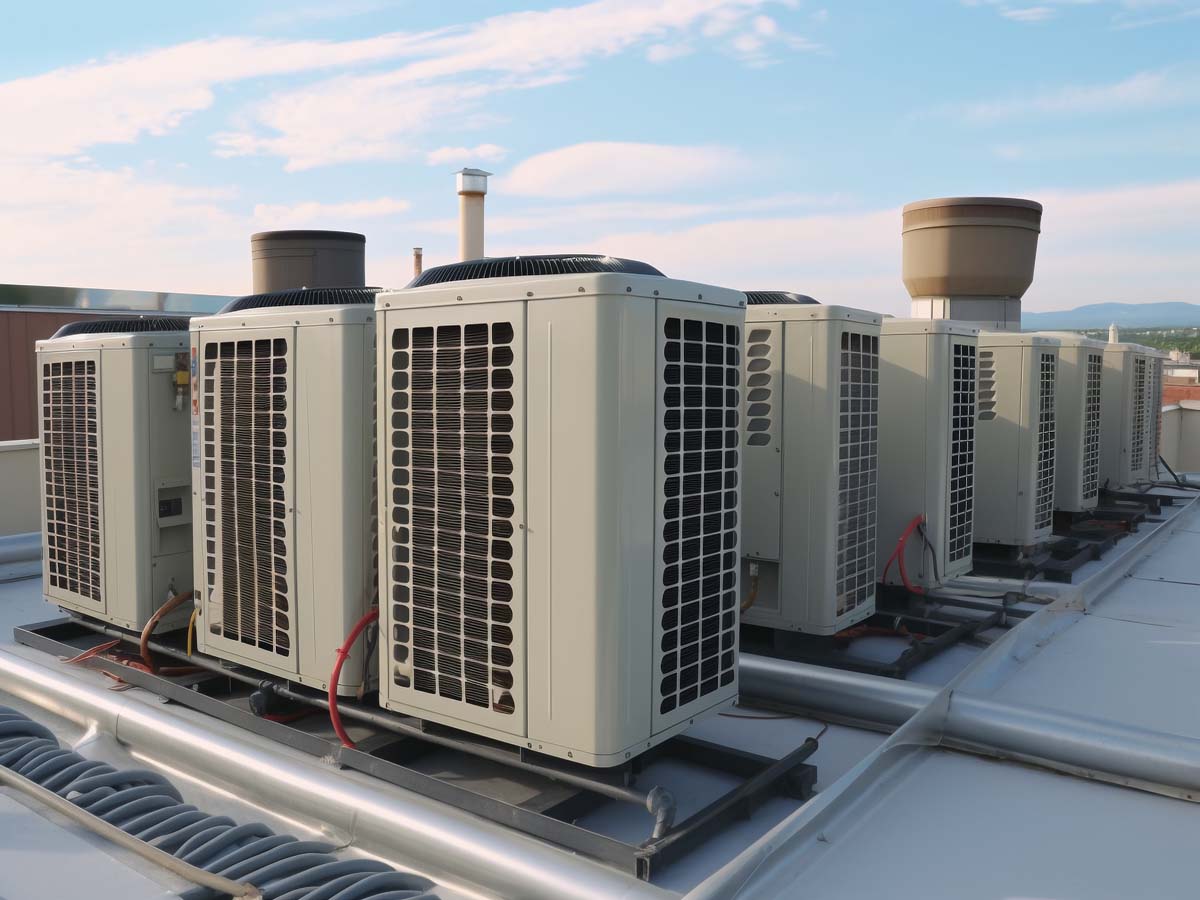
In the manufacturing of heating, ventilation, and cooling (HVAC) equipment, fastening reliability plays a critical role in system efficiency, safety, and long-term operational stability. Equipment such as chillers, air conditioners, heat pumps, and industrial refrigeration systems operate under continuous vibration, thermal cycling, condensation, and corrosive environments.
Product Specification
DIN985 Stainless Steel Nylon Self-Locking Nuts for HVAC & Cooling Systems | Reliable Anti-Loosening Fastening Solution
Introduction: High-Reliability Fastening for Heating and Cooling Equipment
In the manufacturing of heating, ventilation, and cooling (HVAC) equipment, fastening reliability plays a critical role in system efficiency, safety, and long-term operational stability. Equipment such as chillers, air conditioners, heat pumps, and industrial refrigeration systems operate under continuous vibration, thermal cycling, condensation, and corrosive environments.
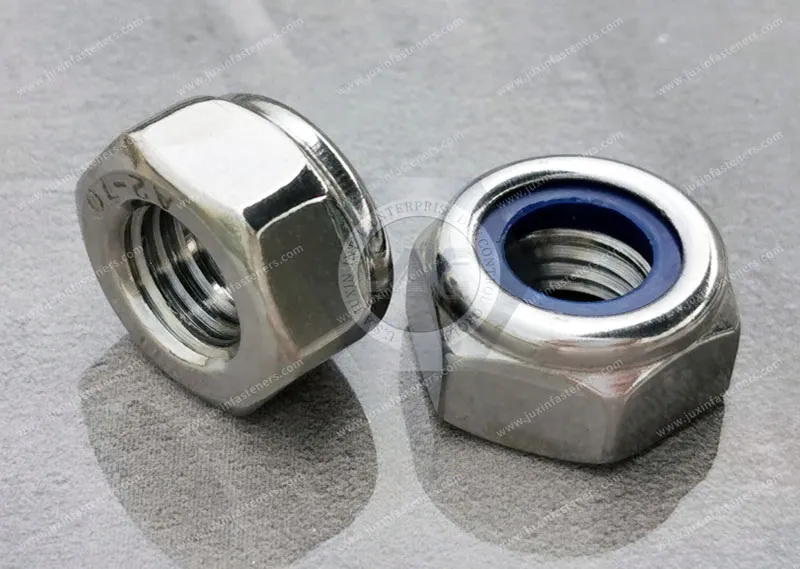
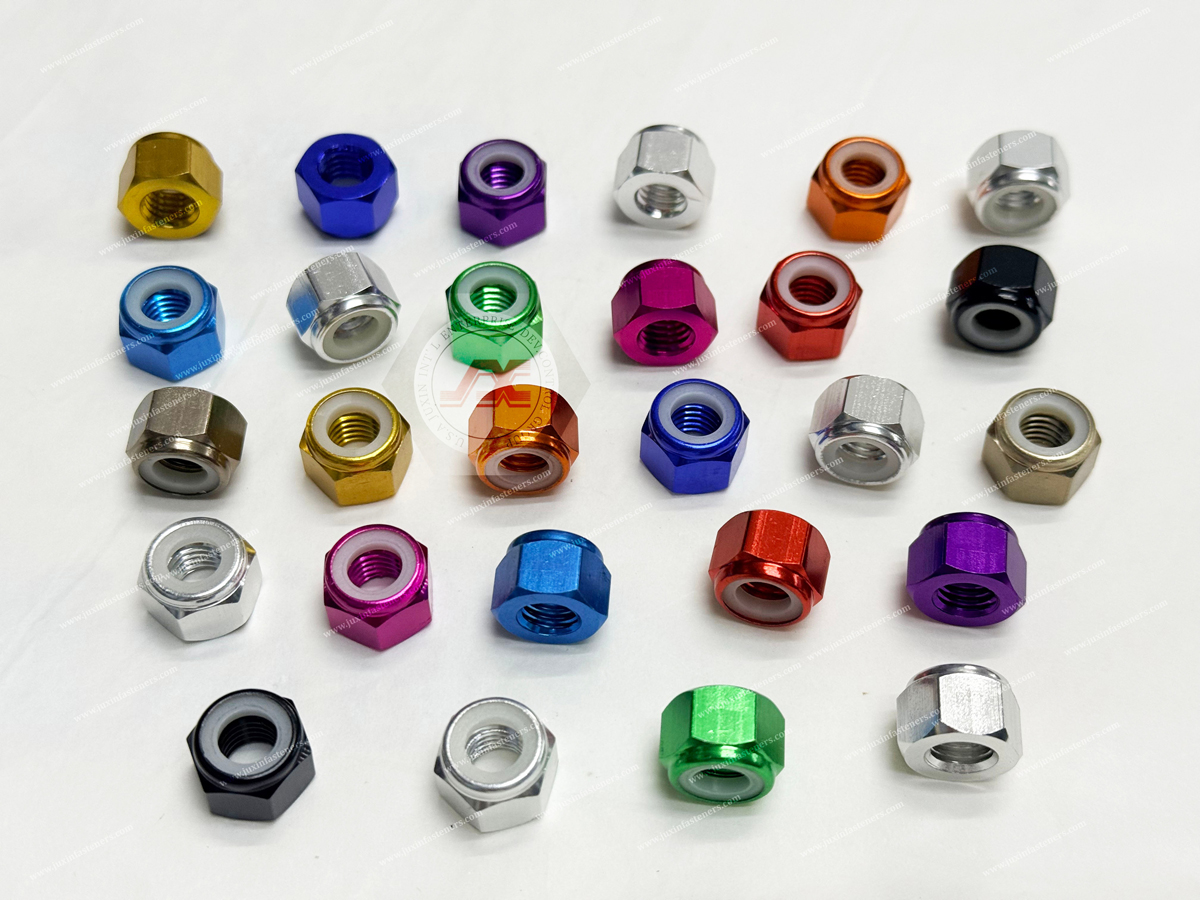
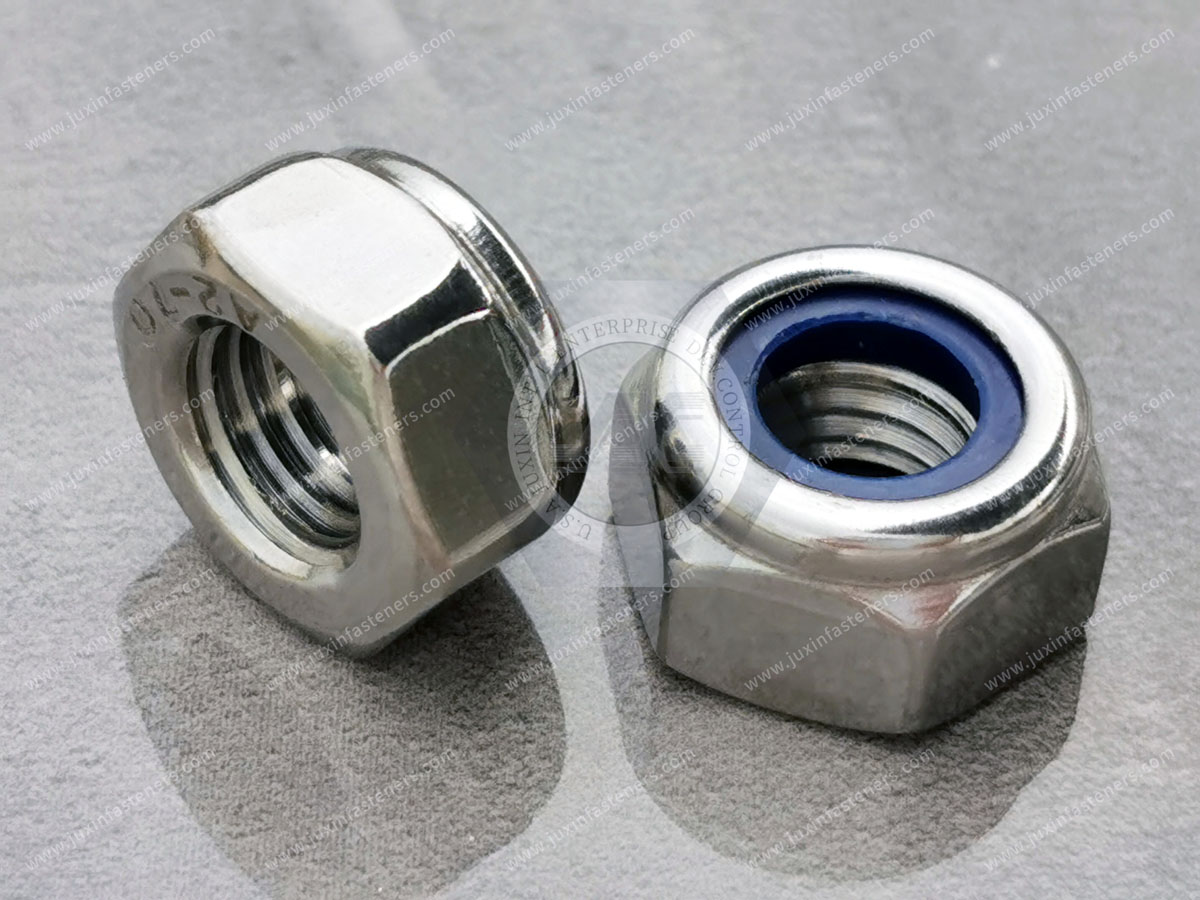
DIN985 Stainless Steel Nylon Self-Locking Nuts provide a proven engineering solution for these challenges. As high-performance stainless steel nylon self-locking nuts, they combine corrosion-resistant stainless steel with a nylon 6/6 insert to deliver stable prevailing torque, vibration resistance, and long-term anti-loosening performance in demanding thermal management systems.
1. Engineering Principle of DIN985 Stainless Steel Nylon Self-Locking Nuts
The DIN985 stainless steel nylon self-locking nut is an effective torque-type anti-loosening fastener designed for dynamic HVAC environments.
Structural Design:
Stainless steel body (304 or 316 grade)
Nylon 6/6 locking insert integrated at the thread zone
Anti-Loosening Mechanism:
When the bolt is tightened:
The nylon insert is compressed by the bolt threads
Elastic deformation generates continuous radial pressure
Friction between mating threads increases significantly
Vibration-induced loosening is effectively prevented
This ensures long-term stability even under thermal expansion and mechanical vibration.
2. Core Advantages in HVAC Equipment Applications
2.1 Superior Anti-Loosening and Vibration Resistance
DIN985 stainless steel nylon self-locking nuts are designed for continuous operating vibration environments:
Maintains stable preload under compressor and motor vibration
Prevents loosening caused by thermal cycling and pressure fluctuation
Vibration lifespan is several to tens of times higher than standard fastening systems
This is essential for maintaining HVAC system reliability.
2.2 Wide Temperature Adaptability
Nylon insert operating range: -50°C to +100°C
Suitable for most HVAC operating conditions
Maintains locking performance under frequent hot–cold cycles
This makes it ideal for chillers, air conditioners, and industrial cooling systems.
2.3 Excellent Corrosion Resistance
Manufactured from 304 or 316 stainless steel, these fasteners offer:
High resistance to condensation and humidity
Protection against refrigerant exposure and chemical environments
Long service life in indoor and industrial HVAC systems
2.4 Cost-Effective Installation and Maintenance
Compared with traditional fastening methods:
No need for spring washers or locking adhesives
One-step installation improves assembly efficiency
Reduced maintenance and replacement frequency
Lower total lifecycle cost in large HVAC systems
3. Application Scenarios in Heating and Cooling Equipment
3.1 Compressor and Motor Fixing Systems
Challenges:
High vibration intensity
Continuous rotational load
Thermal expansion stress
Solution:
Use DIN985 stainless steel nylon self-locking nuts to ensure stable mounting of compressors and motors, preventing loosening and performance degradation.
3.2 Refrigerant and Water Piping Systems
Flange connections
Valve assemblies
Pipeline brackets
These systems experience pressure pulsation and temperature variation. Nylon self-locking nuts improve joint stability and reduce the risk of leakage.
3.3 Fan and Airflow Systems
High-speed fan blade assemblies
Motor-driven airflow units
Continuous rotation creates vibration stress; self-locking nuts ensure stable fastening under long-term operation.
3.4 Sheet Metal Housing and Structural Frames
Equipment enclosures
Support brackets
Transport and vibration-sensitive assemblies
Provides secure structural integrity during operation and transportation.
3.5 Electrical Control Systems
Control panels
Circuit boards
Sensor mounting systems
Nylon inserts provide:
Anti-loosening performance
Electrical insulation properties
Reduced risk of vibration-induced failure
4. Engineering Selection and Implementation Guidelines
4.1 Material Selection
To ensure reliability in HVAC environments:
304 stainless steel for standard conditions
316 stainless steel for higher corrosion environments
Nylon 6/6 insert for stable mechanical performance
4.2 Specification and Strength Selection
Common thread range: M3–M10 (metric)
Select strength grades based on load requirements
Critical components may require higher-grade fasteners
Proper matching ensures system safety and durability.
4.3 Structural Options
Different designs can be selected based on the application:
Hex nut type for standard assemblies
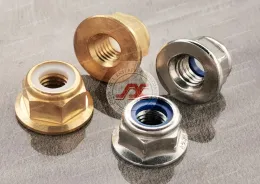
Flange type for load distribution and surface protection
Integrated washer designs to reduce surface wear and improve stability
4.4 Installation Requirements
Dry installation recommended (no lubrication)
Use torque-controlled tools
Ensure full engagement through the nylon insert zone
Avoid over-tightening to protect locking performance
Correct torque application ensures optimal anti-loosening function.
4.5 Reusability Management
Recommended reuse: 3–5 cycles maximum
Nylon insert gradually loses elasticity after repeated use
Critical HVAC components should follow replacement cycles
5. Comparison with Alternative Fastening Methods
5.1 Compared with Spring Washers
Spring washers lose elasticity over time
Lower resistance to thermal cycling vibration
Higher failure risk in long-term operation
Nylon self-locking nuts provide more stable long-term performance.
5.2 Compared with Adhesive Locking Methods
Require curing time
Can degrade under heat and moisture
Difficult to disassemble during maintenance
DIN985 stainless steel nylon self-locking nuts provide reusable mechanical locking.
5.3 Compared with All-Metal Lock Nuts
Metal nuts handle higher temperatures
Nylon nuts offer smoother installation and thread protection
Better corrosion resistance in humid HVAC environments
Nylon type is ideal for general HVAC and refrigeration systems.
6. Supply Chain Quality and Technology Trends
Modern stainless steel nylon self-locking nuts are evolving with:
Improved nylon insert injection accuracy
Enhanced drainage channel designs to reduce moisture retention
Better corrosion-resistant stainless steel processing
Stable torque performance across production batches
Increased compliance with international HVAC manufacturing standards
Advanced suppliers also integrate patented designs to improve durability and reliability.
Conclusion: A Trusted Fastening Solution for HVAC System Reliability
DIN985 Stainless Steel Nylon Self-Locking Nuts provide a highly effective fastening solution for heating and cooling equipment manufacturing by combining:
Stainless steel corrosion resistance
Nylon 6/6 prevailing torque locking technology
Strong vibration and thermal cycling resistance
Easy installation and low maintenance requirements
For HVAC manufacturers, engineers, and procurement teams, these stainless steel nylon self-locking nuts offer a balanced solution of:
✔ Long-term operational stability
✔ Anti-vibration reliability
✔ Corrosion resistance in humid environments
✔ Efficient assembly and maintenance
✔ Reduced total lifecycle cost
In modern heating and cooling systems where reliability, efficiency, and continuous operation are critical, DIN985 stainless steel nylon self-locking nuts remain an essential and widely adopted fastening solution.
Product Packaging
Packaging Standard
At Juxin Fasteners, we apply standardized export packaging to ensure product protection, traceability, and compliance with international logistics requirements.
1. Standard Export Packaging
Unless otherwise specified, all products will be packed according to our factory standard export packaging, which includes:
Moisture-resistant inner protection
Poly bag or small box packing as required
Reinforced export cartons
Clear labeling with part number, specification, batch number, and quantity
Palletizing for sea or air shipment when necessary
Our standard packaging is designed to ensure safe transportation, efficient warehousing, and long-distance international shipping.
2. Customized Packaging Options
We also provide customized packaging solutions according to customer requirements, including but not limited to:
Private labeling
Customized barcodes
Specific carton dimensions
Retail packaging
Special pallet configuration
Customer-specific marking and identification
So that you know, customized packaging may involve additional costs and extended lead time depending on the complexity of the requirements.
3. Compliance & Quality Assurance
All packaging processes are controlled under our ISO 9001 quality management system to ensure consistency, traceability, and product integrity throughout the supply chain.
Product Pictures
Contact Us
Tel.:
+86 020 8621 0320
+86 020 3121 6067
E-mail:
Technical Support:
Navigation
SEND INQUIREY