Call Us
+86 136 6007 9809
Call Us
+86 136 6007 9809

Industrial original equipment manufacturers (OEMs) increasingly use polymer hardware and custom plastic components in applications where electrical non-conductivity,
lower mass, material compatibility, corrosion considerations, dimensional positioning, or application-specific environmental performance are important.
Product Specification
Industrial original equipment manufacturers (OEMs) increasingly use polymer hardware and custom plastic components in applications where electrical non-conductivity,
lower mass, material compatibility, corrosion considerations, dimensional positioning, or application-specific environmental performance are important.
The challenge becomes more complex when an OEM product contains dozens or hundreds of related hardware part numbers.
A single assembly may require plastic screws, nylon bolts, plastic nuts, nylon lock nuts, plastic washers, shoulder washers, spacers, PCB standoffs, threaded inserts, clips, cable clamps, and custom polymer components.
Sourcing every component independently can create fragmented communication, inconsistent specifications, duplicated supplier management, and unnecessary complexity in the BOM.
At the same time, consolidating every plastic component with one supplier is not automatically the right answer.
Engineering requirements, material compatibility, production route, quality requirements, annual volume, tooling considerations, and supply risk still need to be evaluated.
This is where an engineering-oriented OEM sourcing approach becomes important.
JUXIN FASTENERS provides industrial fastening and custom component solutions for OEM applications.
Depending on the product and agreed requirements, sourcing programs can be evaluated around technical drawings,
CAD data, material specifications, dimensional requirements, quality controls, quantities, packaging, and multi-SKU supply.
This guide brings together the major engineering and procurement considerations across the Plastic + Nylon Industrial Fasteners & Components cluster
and provides a practical framework for moving from product discovery to an OEM sourcing program.
Engineering and procurement leaders evaluating a long-term plastic hardware supplier should look beyond a supplier's product catalog.
A qualified supplier should be evaluated against several dimensions.
The supplier should be able to discuss the relationship between the required hardware components, such as:
plastic screws
nylon bolts
plastic nuts
nylon lock nuts
nylon flat washers
shoulder washers
plastic spacers
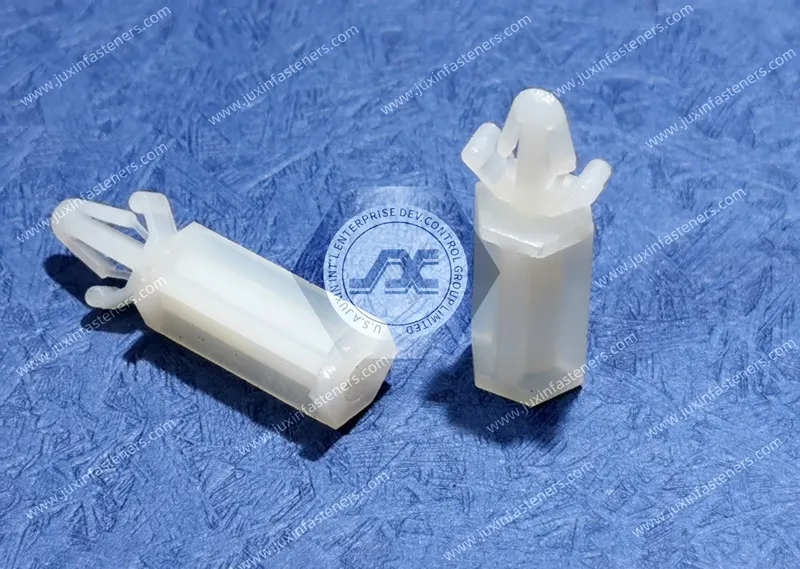
PCB standoffs
threaded standoffs
threaded inserts
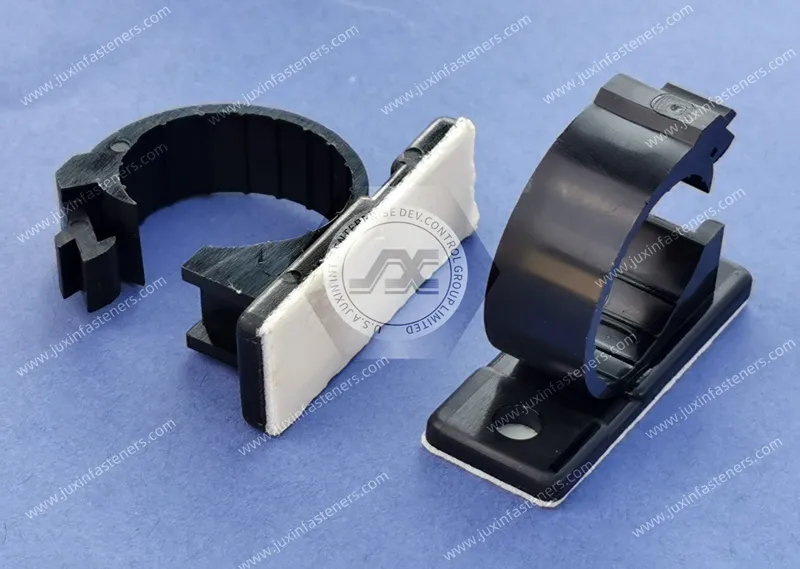
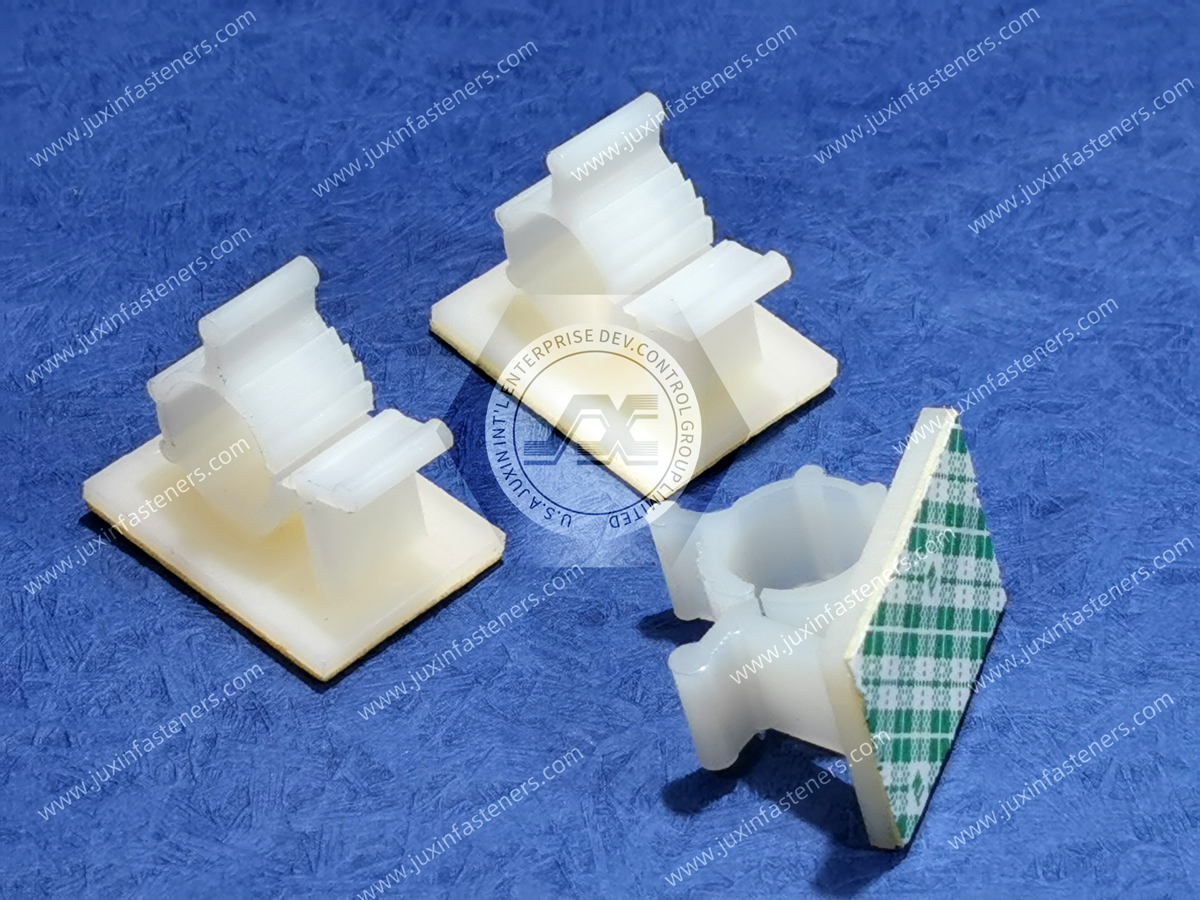
plastic clips
cable clamps
custom polymer components
The objective is not necessarily to force every SKU through one supplier.
The objective is to determine whether related components can be coordinated efficiently without compromising engineering requirements.
A supplier should be able to work from the information available in the customer's:
2D technical drawings
3D CAD files
BOM
material specifications
dimensional requirements
application conditions
quality requirements
The supplier should also identify missing information before quotation where the missing information could affect product selection or pricing.
Plastic hardware is not a single material category.
A sourcing discussion may involve:
PA6
PA66
POM
PP
PC
PVDF
PEEK
other application-specific polymer grades
The correct material depends on the actual mechanical, thermal, chemical, dimensional and electrical requirements.
For multi-SKU OEM programs, procurement teams may benefit from a supplier capable of coordinating several related part numbers under an agreed sourcing structure.
However, supply-chain optimization should remain subordinate to product quality and engineering suitability.
In professional OEM engineering, a fastening system is rarely composed of one component.
The complete assembly may contain several related product families.
Plastic screws and nylon bolts can be considered where low mass, electrical non-conductivity, material compatibility, or other application-specific requirements are relevant.
Their mechanical suitability depends on material, geometry, thread design, installation torque, load, temperature, moisture and service conditions.
For detailed engineering selection, see the JUXIN FASTENERS guide:
Nylon Screws and Plastic Bolts: Engineering Selection, Torque Considerations and OEM Sourcing Guide
Plastic nuts, nylon hex nuts and nylon lock nuts provide mating internal threads for polymer or metallic screws and bolts.
Selection should consider:
thread compatibility
thread engagement
installation torque
preload
locking requirements
material
temperature
moisture
vibration
service life
The appropriate locking solution depends on the actual joint rather than the product name alone.
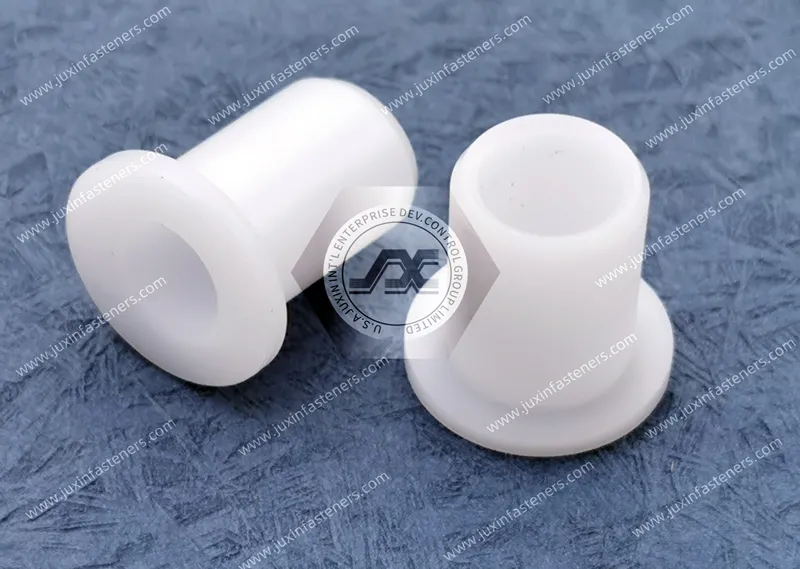
Plastic washers, nylon flat washers and shoulder washers can support load distribution, surface protection and electrical separation.
A shoulder washer is particularly useful when radial isolation between a fastener shank and a conductive mounting hole is required.
Plastic spacers, nylon spacers and PCB standoffs establish controlled mechanical separation and component positioning.
These components can be used in:
PCB assemblies
electronic enclosures
control equipment
instrumentation
communication equipment
industrial machinery
For these components, length, height, ID, OD and mounting geometry can be critical-to-function dimensions.
When direct polymer threads are not sufficient for the intended assembly, threaded inserts for plastic may provide a more durable threaded interface.
Depending on the insert and application, installation methods can include:
heat-staking
ultrasonic installation
press-in installation
other application-specific methods
The appropriate insert depends on the plastic housing, boss geometry, assembly requirements and required thread performance.
See the JUXIN FASTENERS guide Threaded Inserts for Plastic: Industrial Design Guide for the detailed engineering discussion.
A plastic hardware program can contain many small but functionally important SKUs.
For example, one OEM product may require:
6 plastic screw variants
4 nylon nut variants
5 washer sizes
3 spacer lengths
2 PCB standoff configurations
several threaded inserts
clips and cable-management components
Managing every item through separate suppliers can increase the number of:
purchase orders
technical communications
sample approvals
packaging specifications
quality documents
supplier records
delivery schedules
This creates an opportunity for multi-SKU BOM consolidation.
However, consolidation should not mean automatically replacing approved components with alternatives.
The correct approach is:
BOM mapping → technical compatibility → material confirmation → supplier capability → quality requirements → commercial comparison → sourcing decision
This preserves engineering control while allowing procurement to evaluate supplier consolidation.
For a broader discussion, see the JUXIN FASTENERS Multi-SKU BOM Consolidation Guide.
Not every BOM should be consolidated.
A useful decision framework is:
several SKUs use related materials
products share similar technical requirements
packaging and delivery can be coordinated
supplier communication is fragmented
annual demand is meaningful across several SKUs
multiple components are used in the same product family
engineering and procurement want one coordinated technical contact
a component has highly specialized material requirements
qualification requirements are unique
production volumes are very different
an existing supplier has already completed a customer-specific qualification
the component requires a specialized manufacturing process
supply risk would increase through excessive concentration
The goal is not "one supplier at any cost."
The goal is the right supplier structure for the engineering and supply-chain risk profile of the BOM.
Instead of selecting every component independently, engineers can evaluate the assembly through its functional chain.
Ask:
What is being clamped?
What is being supported?
What must be separated?
What must remain aligned?
What loads are involved?
Ask:
Does the fastener need to remain electrically non-conductive?
Does a conductive chassis need to be isolated?
Is PCB-to-chassis clearance important?
Are creepage requirements involved?
Consider:
temperature
humidity
water exposure
chemicals
UV
vibration
long-term loading
Evaluate whether the application is better suited to:
nylon / polyamide
POM
PP
PC
PVDF
PEEK
another specified polymer grade
Determine whether the assembly requires:
direct polymer threads
plastic screws and nuts
washers
spacers
standoffs
shoulder washers
threaded inserts
a combination of these components
Not every drawing dimension has the same functional importance.
For example:
washer: ID, OD and thickness
spacer: ID, OD and length
standoff: mounting thread and height
shoulder washer: ID, shoulder OD, shoulder length and flange dimensions
plastic nut: thread, engagement, height and across-flats dimensions
This functional classification helps suppliers and procurement teams focus inspection and engineering review on the dimensions that actually affect assembly performance.
Plastic and nylon hardware can be considered across a wide range of industrial applications.
The material and component selection must still be based on the actual operating conditions.
Potential applications include:
electronic housings
sensor assemblies
cable-management systems
control modules
secondary brackets
electrical assemblies
selected battery-related components
Engineers may evaluate electrical separation, weight, vibration, temperature, moisture, chemical exposure and dimensional stability depending on the installation location.
Plastic hardware can be considered for selected battery-related and power-electronics assemblies where non-conductive components or specific material properties are required.
The exact application must determine the polymer, geometry and environmental requirements.
Applications include:
electrical cabinets
control panels
instrumentation
electronic housings
mounting brackets
control equipment
Plastic screws, nuts, washers, shoulder washers and spacers may be combined to manage electrical separation and mechanical mounting requirements.
Potential applications include:
PCB mounting
electronic housings
sensors
controllers
instrumentation
power electronics
industrial electronics
PCB standoffs, spacers, washers, screws and threaded inserts can form an integrated mounting architecture.
Plastic hardware may be considered in:
communication equipment
base stations
antenna systems
network hardware
electronic enclosures
Engineers should evaluate environmental exposure, electrical requirements, dimensional stability, weight and application-specific material compatibility.
Specialized polymer components may be considered in selected semiconductor equipment where chemical resistance, material compatibility or non-metallic construction is important.
Potential polymer choices can include PVDF or PEEK where the specific application requires their characteristics.
However, "semiconductor application" by itself does not establish a required material grade or purity specification. Those requirements must come from the equipment design and customer specification.
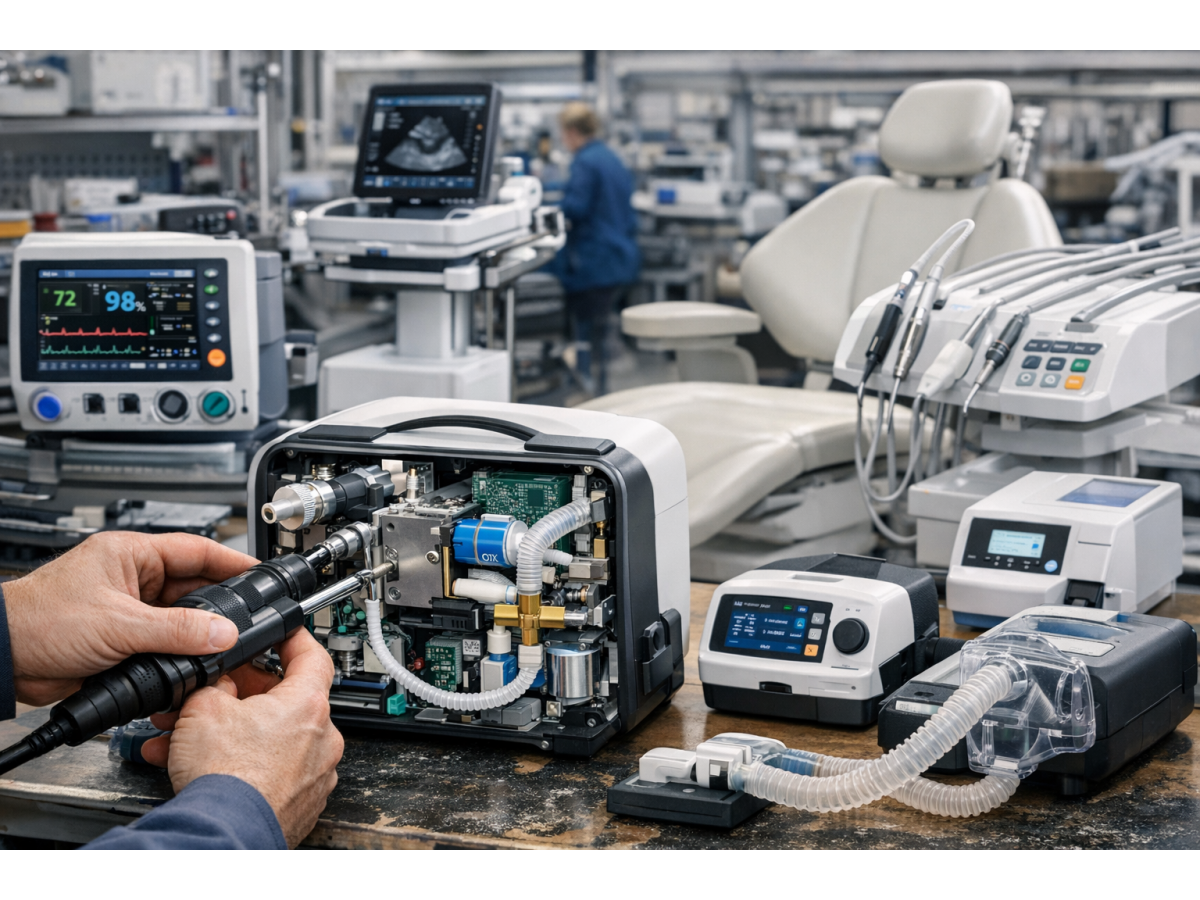
Plastic hardware can be considered in:
laboratory equipment
diagnostic equipment
instrumentation
medical device assemblies
automated laboratory systems
The required material, cleanliness, chemical compatibility, dimensional stability and documentation depend on the specific application and customer requirements.
Plastic screws, washers, spacers, standoffs, clips and other polymer components may be considered for:
robotics
automation equipment
sensor mounting
electrical housings
control systems
machinery panels
For moving systems, engineers should evaluate dynamic loads and long-term deformation rather than assuming that polymer hardware automatically provides vibration damping.
Potential applications include:
control panels
equipment enclosures
electrical mounting
sensor systems
sheet-metal assemblies
instrumentation
Plastic washers and shoulder washers may help manage bearing interfaces or electrical separation where appropriate.
A strong master RFQ package allows engineering, procurement and the supplier to work from the same information.
Provide:
part numbers
descriptions
annual demand
initial order quantity
forecast
required delivery schedule
related assembly information where useful
Drawings should define:
dimensions
tolerances
material
threads
surface or appearance requirements
critical-to-function characteristics
applicable standards
3D CAD can supplement the 2D drawing and help review:
assembly fit
interference
clearance
component positioning
mounting geometry
Specify:
polymer family
exact grade where required
reinforcement where applicable
color
environmental requirements
If the material has not yet been finalized, provide the functional requirements so an engineering discussion can take place.
Include:
temperature
humidity
chemical exposure
vibration
load
electrical requirements
assembly cycles
service-life expectations
Define:
critical dimensions
inspection requirements
sampling requirements where applicable
material documentation
lot identification
appearance criteria
nonconformance process
For multi-SKU programs, specify:
individual packaging
bulk packaging
part-number identification
lot identification
labeling
carton requirements
kit requirements where applicable
Packaging is part of supply-chain control because similar plastic components can be difficult to distinguish when multiple dimensions or materials are involved.
Procurement and supplier-quality teams can use a structured evaluation rather than relying on the quotation price alone.
Can the supplier understand:
drawings
CAD
materials
tolerances
threads
application requirements?
Can the supplier coordinate the required product families?
Can the supplier clearly identify the quoted material and grade?
Can the supplier work to the customer's defined inspection and documentation requirements?
Can engineering and procurement obtain clear answers when specifications are incomplete or ambiguous?
Can the supplier support the expected SKU count, quantities, packaging and delivery requirements?
Can changes to material, dimensions, process or specification be communicated and controlled according to the agreed customer requirements?
This framework is more useful than asking only:
"What is your price?"
A strategic supplier should distinguish between standard products and custom components.
Standard products may include:
plastic screws
nylon bolts
plastic nuts
nylon lock nuts
flat washers
shoulder washers
spacers
standard standoffs
Standard hardware may be the most efficient solution when its dimensions, material and performance meet the customer's requirements.
Custom components may be required when the design contains:
non-standard dimensions
special geometry
custom flange features
special shoulder dimensions
application-specific spacer lengths
custom mounting configurations
special material requirements
customer-specific tolerances
The production method should be selected according to the actual part geometry, material, quantity, tolerance requirements and agreed manufacturing plan.
It should not be assumed that every custom polymer component requires injection molding or CNC machining.
One of the most important principles in an enterprise sourcing program is:
Do not consolidate first and validate later.
A better sequence is:
Engineering requirement → component specification → material review → technical validation → supplier evaluation → commercial comparison → BOM consolidation
This protects the product design while still allowing procurement to pursue supplier efficiency.
For example, if five plastic components are being sourced from three suppliers, procurement may discover that all five could potentially be coordinated through one supplier.
But the decision should be made only after confirming:
material suitability
dimensional requirements
quality requirements
production feasibility
annual volume
delivery requirements
customer qualification requirements
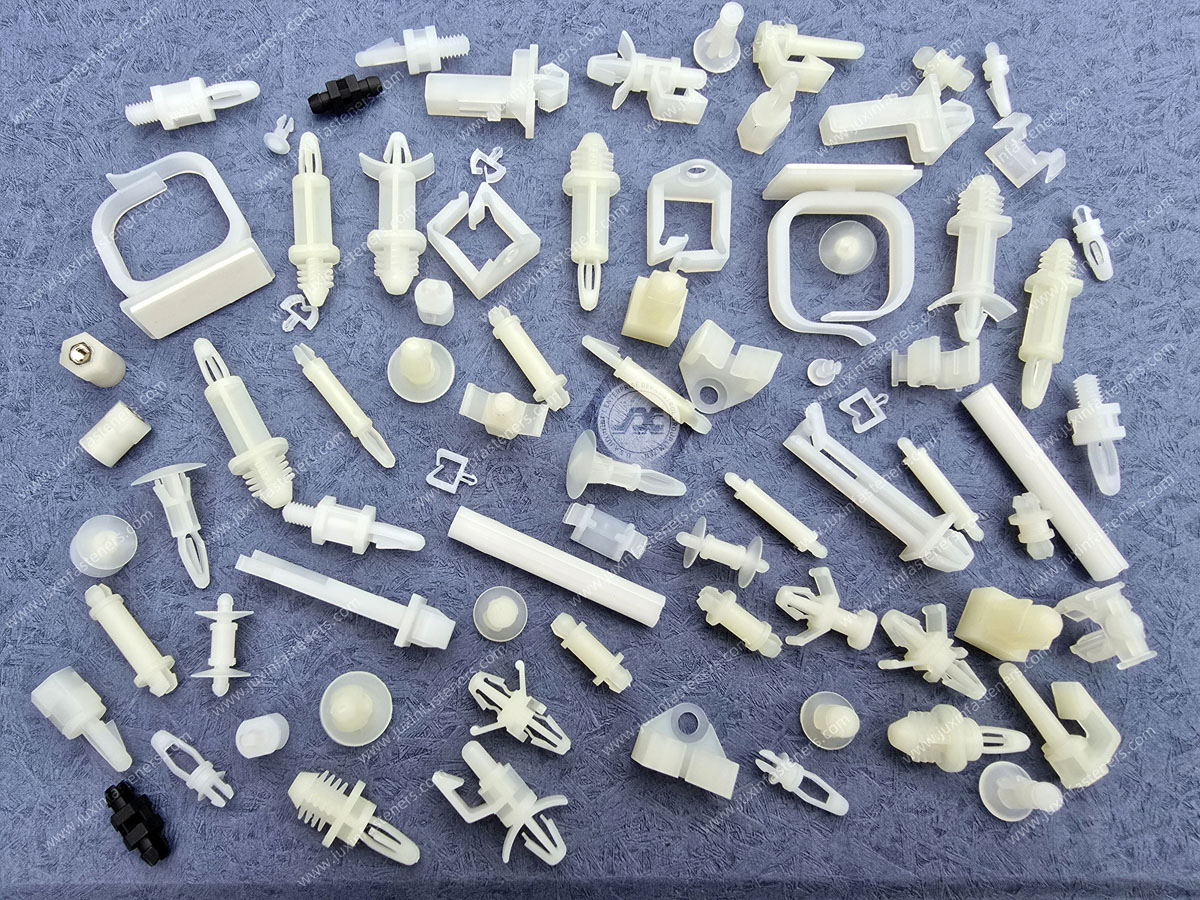
JUXIN FASTENERS approaches plastic and nylon hardware sourcing as an integrated industrial fastening requirement rather than a single-SKU commodity purchase.
Depending on the project requirements, the sourcing discussion can cover product families such as:
plastic screws
nylon bolts
plastic nuts
nylon lock nuts
nylon washers
shoulder washers
plastic spacers
PCB standoffs
threaded standoffs
threaded inserts
plastic clips
cable clamps
custom polymer components
The appropriate scope is determined by the customer's drawings, materials, application requirements, quantities, quality requirements and sourcing objectives.
For OEM customers, the process can begin with a technical package rather than a generic product inquiry.
A useful starting package includes:
2D drawing + 3D CAD + material requirement + annual quantity + application conditions + quality requirements
From there, engineering and procurement can determine:
product fit → material fit → specification → quotation → sample/validation where required → production sourcing
A structured sourcing workflow can be organized into eight stages.
Identify what the component does in the assembly.
Determine whether the requirement is for:
screw
bolt
nut
washer
spacer
standoff
insert
clip
custom component
Select the polymer family and grade according to the application.
Use controlled drawings and CAD data to establish the dimensional requirements.
Identify critical-to-function dimensions, inspection requirements and documentation.
Review technical understanding, product scope, supply capability and communication.
Compare quotation, MOQ where applicable, packaging, lead time, tooling or development requirements where applicable, and overall sourcing structure.
Once engineering and commercial requirements are approved, define the agreed supply, quality, packaging and communication process.
This workflow helps prevent the common mistake of treating a technically important polymer component as a simple catalog purchase.
OEM custom plastic hardware can be useful when standard components do not meet the required geometry, material, electrical separation,
dimensional or application requirements. Customization allows the component to be designed around the actual assembly rather than forcing the assembly to accommodate a standard product.
A program may include plastic screws, nylon bolts, plastic nuts, nylon lock nuts, flat washers, shoulder washers, spacers,
PCB standoffs, threaded inserts, clips, cable clamps and other custom polymer components.
The actual product scope depends on the customer's BOM and technical requirements.
The appropriate answer depends on the specific component, material, geometry, quantity and production requirements.
JUXIN FASTENERS evaluates projects based on the actual technical specification rather than making a blanket capability claim for every polymer or manufacturing process.
Where a recognized standard is applicable to the product, the customer can specify the relevant standard in the drawing or technical documentation.
Custom polymer components may also require customer-specific dimensions and tolerances that go beyond a standard reference.
Standards should therefore be reviewed against the actual product and drawing requirements.
Multi-SKU consolidation can reduce supplier fragmentation and simplify purchasing, technical communication,
packaging and delivery coordination when the components are suitable for a common sourcing program. It should still be evaluated against engineering requirements and supply-chain risk.
No. Supplier consolidation can be beneficial, but it should not override engineering, qualification, quality or supply-risk considerations.
A balanced sourcing strategy may use one supplier for related component families while retaining specialized suppliers where necessary.
The strongest starting package normally includes:
controlled 2D drawings
3D CAD where available
material requirements
quantities
application conditions
quality requirements
packaging requirements
BOM information for multi-SKU projects
The more complete the technical package, the fewer assumptions are required during quotation.
Evaluate technical understanding, material control, drawing review, quality requirements, product-family coverage, supply capability,
communication, packaging, change control and commercial competitiveness.
Price should be considered together with the supplier's ability to support the component throughout the production lifecycle.
Threaded inserts may be considered when a plastic housing requires a more durable threaded interface,
particularly for repeated assembly or applications where direct polymer threads may not provide the required performance.
The insert type and installation method should be selected according to the housing material, geometry and application.
A successful OEM plastic hardware program is not simply about finding a low-cost plastic screw, nut, washer or spacer.
It is about connecting:
application → engineering function → material → geometry → product family → quality → supply chain → commercial requirements
For OEM customers managing multiple plastic and nylon components, the opportunity may extend beyond individual part sourcing to a coordinated plastic hardware supply program.
Potentially related product families include:
plastic screws, nylon bolts, plastic nuts, nylon lock nuts, nylon washers, shoulder washers, spacers, PCB standoffs, threaded inserts, plastic clips, cable clamps and custom polymer components.
JUXIN FASTENERS can review OEM requirements based on the technical information available for the project and determine the appropriate sourcing path for the specified components.
For a master sourcing discussion, send:
2D technical drawings
3D CAD files where available
master BOM
material requirements
annual volume
application conditions
quality requirements
packaging requirements
to:
The objective is straightforward:
define the engineering requirement first, select the appropriate plastic hardware architecture second, and build the sourcing program around the approved specification.
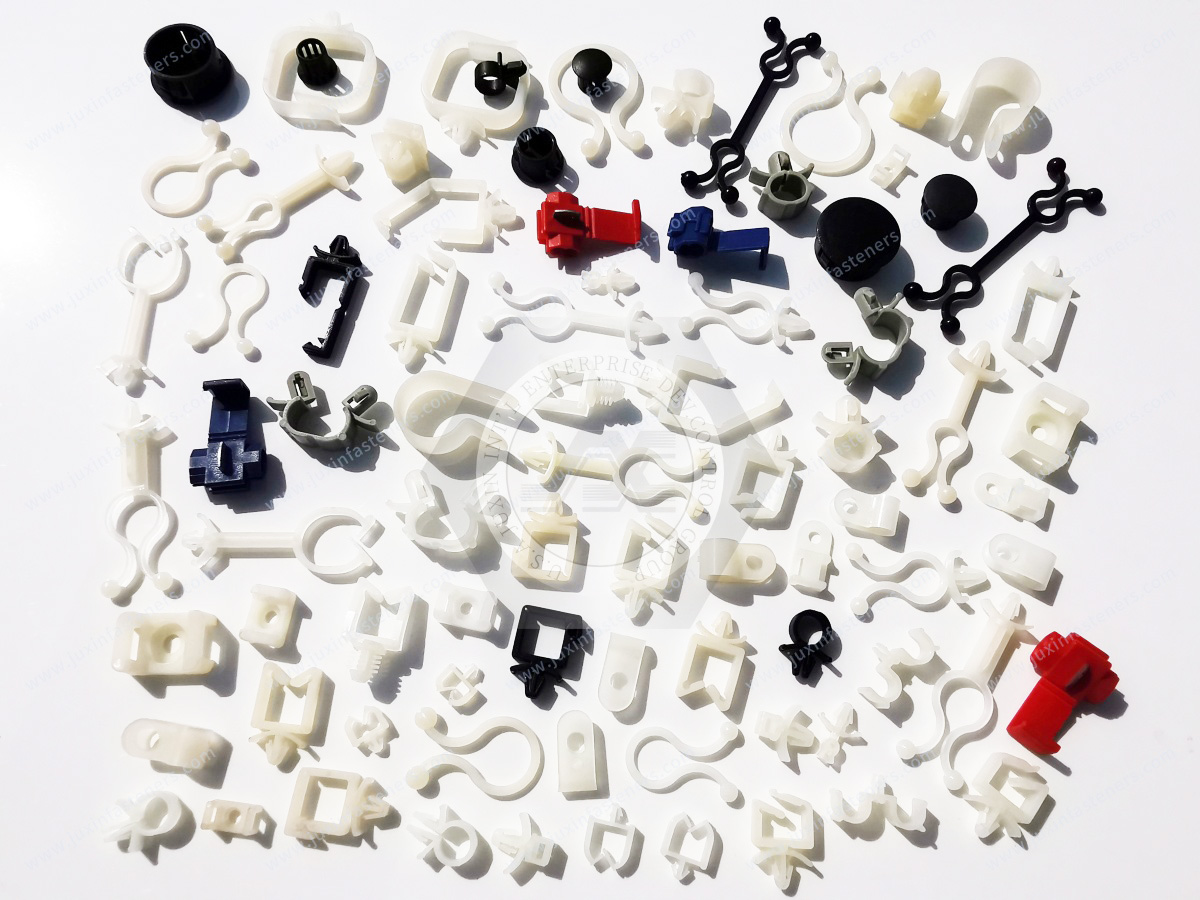
Product Packaging
Packaging Standard
At Juxin Fasteners, we apply standardized export packaging to ensure product protection, traceability, and compliance with international logistics requirements.
1. Standard Export Packaging
Unless otherwise specified, all products will be packed according to our factory standard export packaging, which includes:
Moisture-resistant inner protection
Poly bag or small box packing as required
Reinforced export cartons
Clear labeling with part number, specification, batch number, and quantity
Palletizing for sea or air shipment when necessary
Our standard packaging is designed to ensure safe transportation, efficient warehousing, and long-distance international shipping.
2. Customized Packaging Options
We also provide customized packaging solutions according to customer requirements, including but not limited to:
Private labeling
Customized barcodes
Specific carton dimensions
Retail packaging
Special pallet configuration
Customer-specific marking and identification
So that you know, customized packaging may involve additional costs and extended lead time depending on the complexity of the requirements.
3. Compliance & Quality Assurance
All packaging processes are controlled under our ISO 9001 quality management system to ensure consistency, traceability, and product integrity throughout the supply chain.
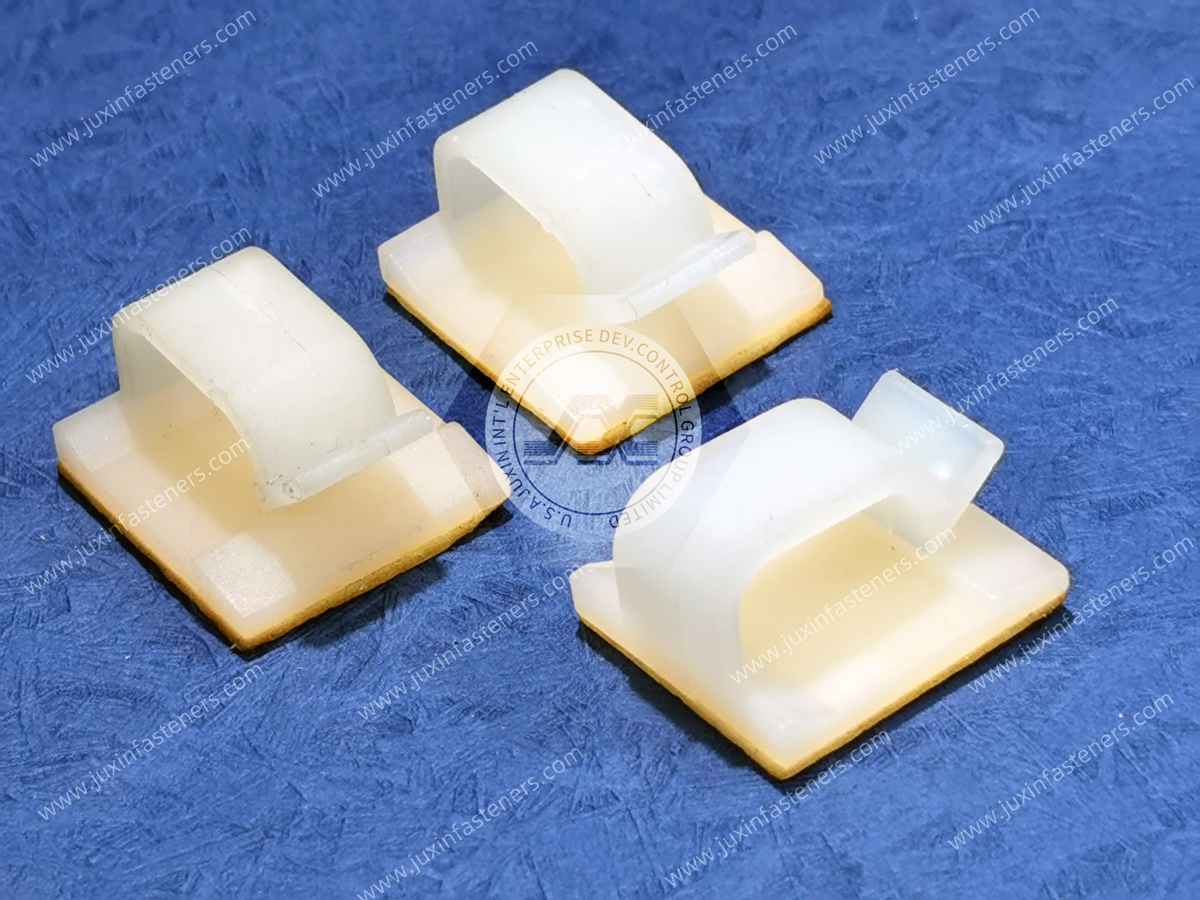
Product Pictures
Contact Us
Tel.:
+86 020 8621 0320
+86 020 3121 6067
E-mail:
Technical Support:
Navigation
SEND INQUIREY