
Call Us
+86 136 6007 9809
Call Us
+86 136 6007 9809

Jan. 17, 2024
Selecting the correct nut material is critical to the performance, safety, and service life of any mechanical assembly. Among the most commonly specified fastening materials, brass nuts and stainless steel nuts each offer unique advantages depending on the application environment, mechanical requirements, and industry standards.
For engineers and procurement professionals, understanding the differences between brass hex nuts, 304 stainless steel nuts, and 316 stainless steel nuts can help reduce maintenance costs, improve product reliability, and optimize manufacturing performance.
As a professional OEM fastener manufacturer, JUXIN FASTENERS supplies a comprehensive range of brass nuts, stainless steel nuts, flange nuts, lock nuts, insert nuts, and custom precision fasteners for customers in the electrical, medical, automotive, marine, industrial equipment, and electronics industries.
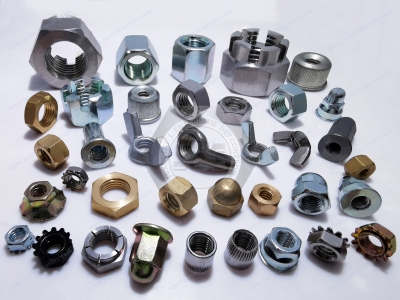
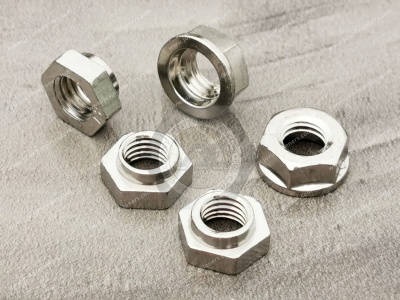
Although both materials offer excellent corrosion resistance compared with carbon steel, they are designed for different engineering applications.
| Property | Brass Nuts | Stainless Steel Nuts |
|---|---|---|
| Corrosion Resistance | Excellent in moisture and general environments | Excellent, especially in aggressive and chemical environments |
| Electrical Conductivity | Excellent | Low |
| Thermal Conductivity | Excellent | Moderate |
| Mechanical Strength | Medium | High |
| Heat Resistance | Good | Excellent |
| Weight | Slightly heavier than aluminum but moderate | Higher density |
| Appearance | Gold-colored decorative finish | Silver metallic finish |
| Typical Applications | Electrical, plumbing, electronics | Marine, medical, chemical, industrial equipment |
The best choice depends on the working environment rather than selecting the strongest material in every situation.
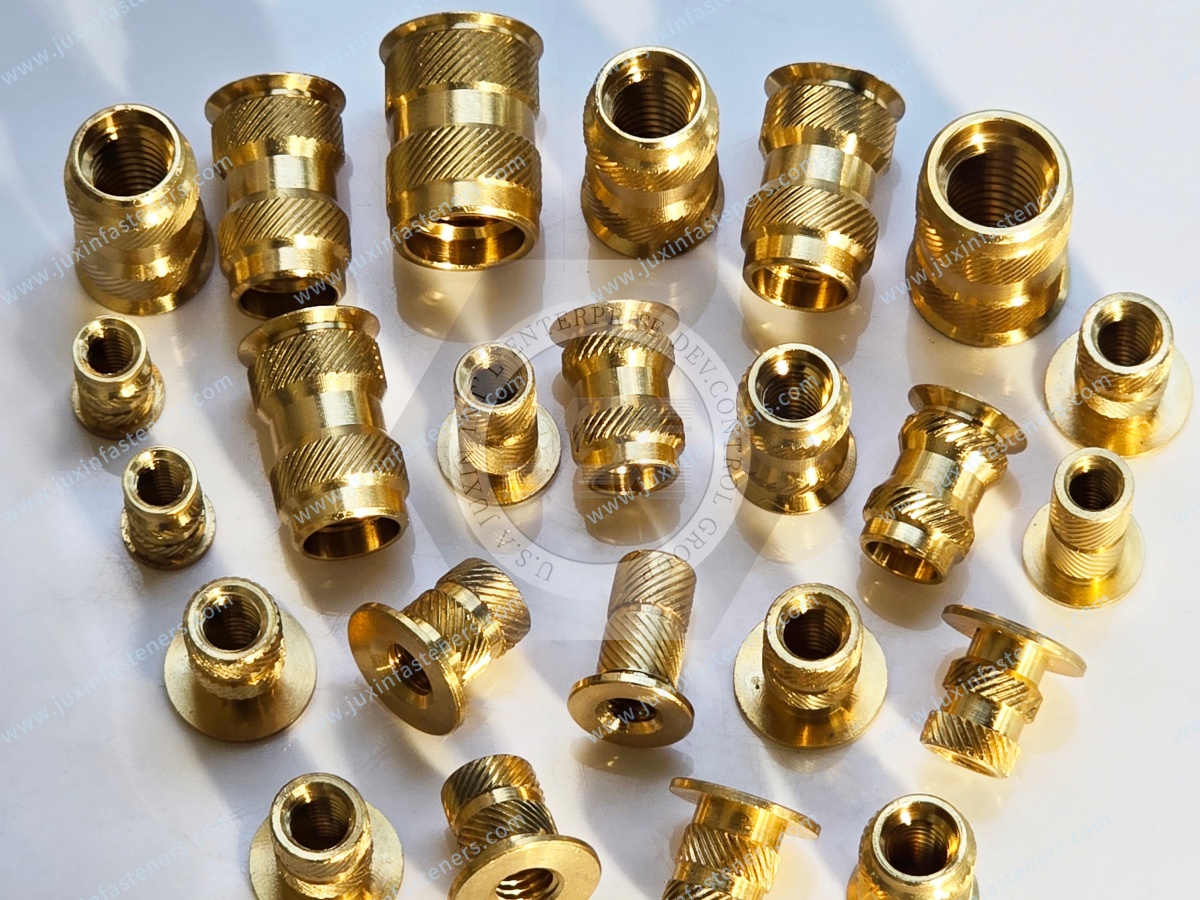
One of the biggest advantages of brass nuts is their outstanding electrical conductivity.
For electrical systems where stable current transfer is important, brass fasteners are commonly used in:
Electrical switchgear
Circuit breakers
Terminal blocks
Power distribution equipment
Electrical connectors
Telecommunications equipment
This is one reason why brass hex nuts remain a preferred choice in electrical engineering.
Brass transfers heat efficiently, making it suitable for applications involving:
Heating systems
Electrical components
Plumbing equipment
Valves
Industrial control devices
Its thermal conductivity also improves machining performance during manufacturing.
Brass naturally resists corrosion in many environments, including:
Fresh water
Humid environments
Plumbing systems
HVAC equipment
Decorative hardware
Unlike untreated carbon steel, brass does not rust, helping reduce maintenance requirements.
Brass alloys such as H59, H62, and international grades including C36000 are widely used because they offer:
High machining efficiency
Accurate threads
Smooth surface finishes
Excellent dimensional stability
This makes brass ideal for precision CNC machined fasteners and custom threaded components.
304 stainless steel nuts and 316 stainless steel nuts are designed for applications exposed to harsh environments.
Typical industries include:
Chemical processing
Marine engineering
Offshore equipment
Food processing
Pharmaceutical manufacturing
Medical devices
Among these materials:
Suitable for:
General industrial equipment
Machinery
Construction
Indoor and outdoor applications
Advantages:
Excellent corrosion resistance
Good mechanical strength
Cost-effective performance
When corrosion resistance is the highest priority, 316 stainless steel nuts provide superior performance because of their molybdenum content.
Recommended for:
Marine environments
Saltwater exposure
Chemical processing plants
Medical equipment
Pharmaceutical systems
Compared with brass, stainless steel nuts provide greater tensile strength and better resistance to heavy mechanical loads.
They are widely used in:
Heavy machinery
Industrial equipment
Railway systems
Aerospace components
Structural assemblies
Stainless steel maintains its mechanical properties at elevated temperatures, making it suitable for:
Industrial furnaces
Heat exchangers
Power generation equipment
Chemical processing systems
Brass nuts are widely specified in industries where conductivity and corrosion resistance are essential.
Applications include:
Switches
Terminal blocks
Circuit protection devices
Electrical cabinets
Faucets
Water valves
Pipe fittings
Pumps
Consumer electronics
Communication equipment
Precision electrical assemblies
Brass insert nuts are commonly used in:
Injection molded plastic parts
Consumer products
Electrical housings
Automotive plastic components
Heat-set and ultrasonic brass inserts provide strong, reusable threads in thermoplastic materials.
Stainless steel fasteners are widely used where durability and corrosion resistance are essential.
Typical industries include:
Automotive manufacturing
Aerospace
Railway transportation
Marine engineering
Food processing
Medical equipment
Renewable energy
Industrial machinery
When selecting brass nuts, engineers should evaluate:
Common options include:
H59 Brass
H62 Brass
Lead-Free Brass
C36000 Brass
The choice depends on strength requirements, machinability, and regulatory compliance.
High-quality brass nuts should feature:
Clean thread profiles
Accurate pitch
Burr-free machining
Smooth engagement with mating bolts
Precision manufacturing ensures:
Reliable assembly
Consistent torque
Better interchangeability
Inspect for:
Smooth appearance
No cracks
No burrs
Uniform knurling (for insert nuts)
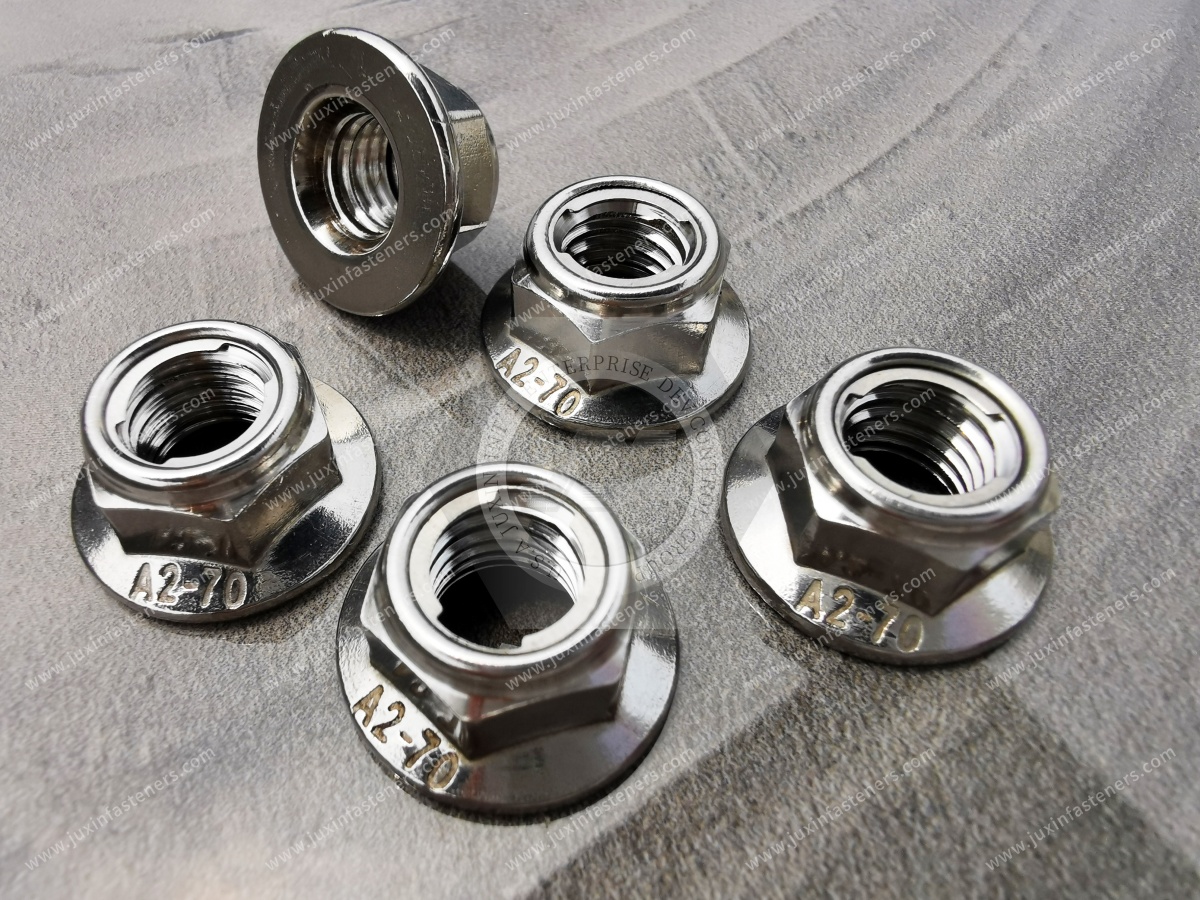
When selecting stainless steel nuts, consider the following:
304 Stainless Steel — Suitable for most industrial applications.
316 Stainless Steel — Recommended for marine, chemical, and medical environments.
Choose nuts that match:
Thread standard
Thread pitch
Bolt strength class
Proper compatibility ensures reliable load distribution and long-term performance.
Premium stainless steel nuts should have:
Smooth finish
Precise machining
Burr-free edges
Uniform threads
Evaluate:
Required tightening torque
Tensile strength
Environmental exposure
Vibration conditions
For high-vibration assemblies, engineers often combine stainless steel nuts with suitable locking solutions, such as prevailing torque lock nuts or thread-locking compounds.
JUXIN FASTENERS manufactures brass nuts and stainless steel nuts in accordance with international standards, including:
ISO Standards
DIN Standards
ASME / ANSI Standards
JIS Standards
Available thread systems:
Metric Threads
UNC Threads
UNF Threads
Custom OEM Specifications
As a trusted OEM fastener manufacturer, JUXIN FASTENERS provides complete fastening solutions for global manufacturers.
Our product range includes:
Brass Hex Nuts
Brass Insert Nuts
Brass Flange Nuts
304 Stainless Steel Nuts
316 Stainless Steel Nuts
Nylon Insert Lock Nuts
Hex Flange Nuts
Custom CNC Machined Nuts
Precision Threaded Components
Materials available:
H59 Brass
H62 Brass
C36000 Brass
Lead-Free Brass
SUS304 Stainless Steel
SUS316 Stainless Steel
Manufacturing capabilities include:
Cold forming
CNC precision machining
Thread rolling
Surface finishing
Custom tooling
OEM production according to drawings
Full dimensional and quality inspection
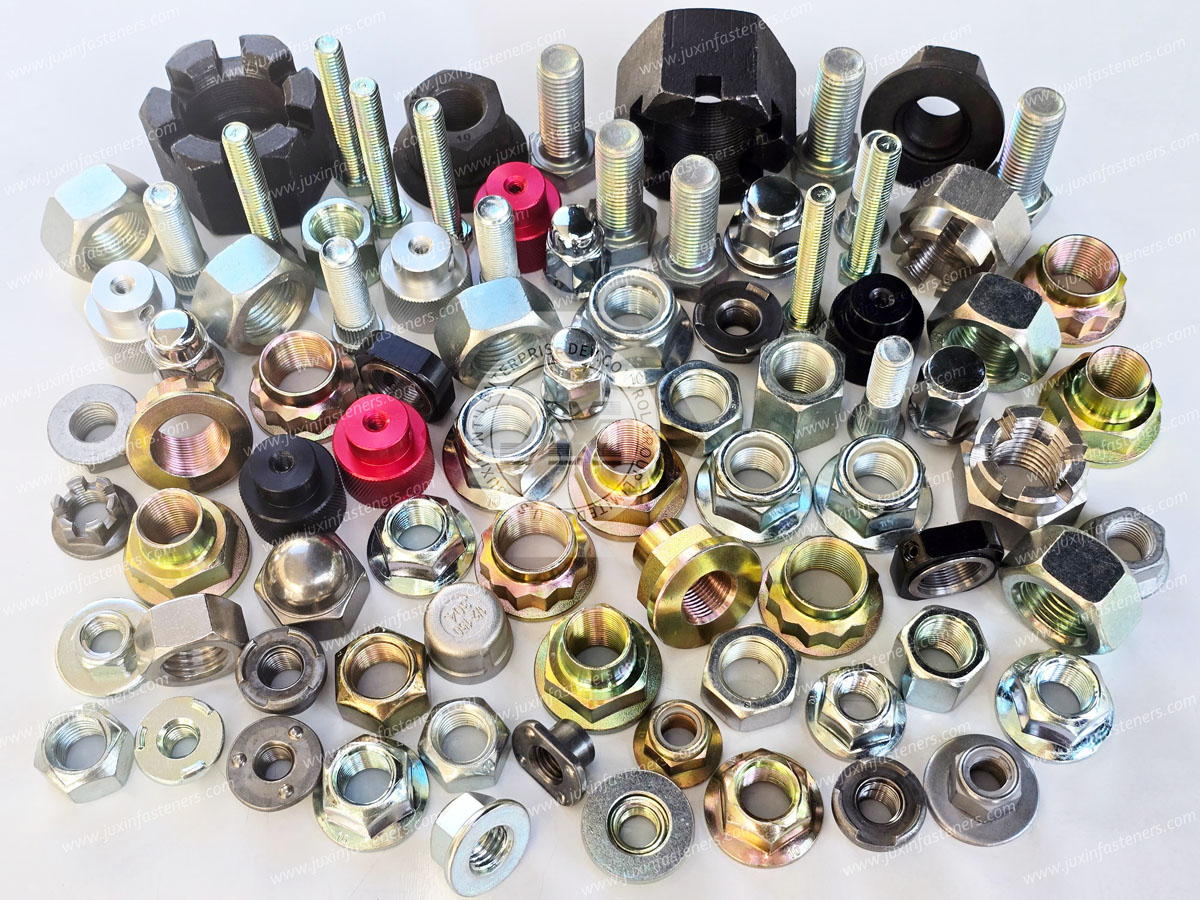
Choosing between brass nuts and stainless steel nuts depends on several engineering factors:
Corrosion environment
Electrical conductivity requirements
Mechanical load
Operating temperature
Weight targets
Industry regulations
Product life expectancy
The engineering team at JUXIN FASTENERS helps customers select the most appropriate fastening solution based on real application conditions, ensuring both technical performance and cost efficiency.
Whether you require brass hex nuts for electrical equipment, 316 stainless steel nuts for marine applications, or custom precision fasteners for OEM manufacturing, JUXIN FASTENERS delivers reliable quality, engineering expertise, and flexible production capabilities.
We support global manufacturers with customized fastening solutions that meet international standards and demanding industrial requirements.
JUXIN FASTENERS
Precision Fastening Solutions for Global OEMs
Email: info@juxinfasteners.com
Website:
www.juxinfasteners.com
 MORE NEWS
Sep. 27, 2026
Sep. 27, 2026
Sep. 27, 2026
Contact Us
Tel.:
+86 020 8621 0320
+86 020 3121 6067
E-mail:
Technical Support:
Navigation
SEND INQUIREY