
Call Us
+86 136 6007 9809
Call Us
+86 136 6007 9809

Mar. 27, 2026
CNC Machining vs Cold Forming Fasteners: Cost Comparison & Selection Guide
In the fastener manufacturing industry, choosing the right production method is critical to balancing cost, performance, and application requirements.
Two of the most commonly used processes are CNC machining and cold forming (cold heading). Each method has distinct advantages and cost implications, especially when dealing with specialized components such as fine thread lock nuts or non-standard materials.
This article provides a clear comparison to help engineers and buyers make informed decisions.
What is CNC Machining for Fasteners?
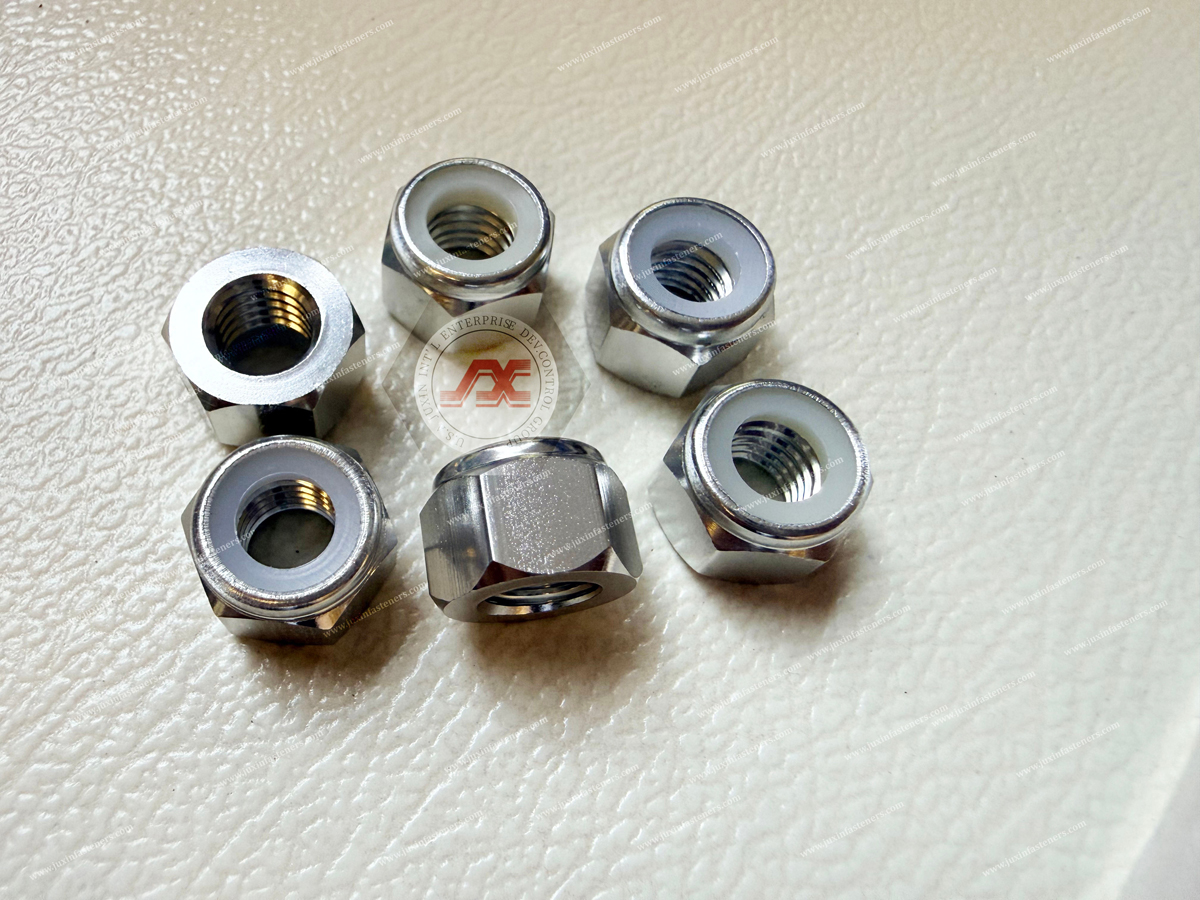
CNC machining is a subtractive manufacturing process where fasteners are produced by removing material from a solid blank using precision cutting tools.
Key Characteristics:
• High precision and flexibility
• Suitable for complex geometries and fine threads
• Ideal for non-standard or custom fasteners
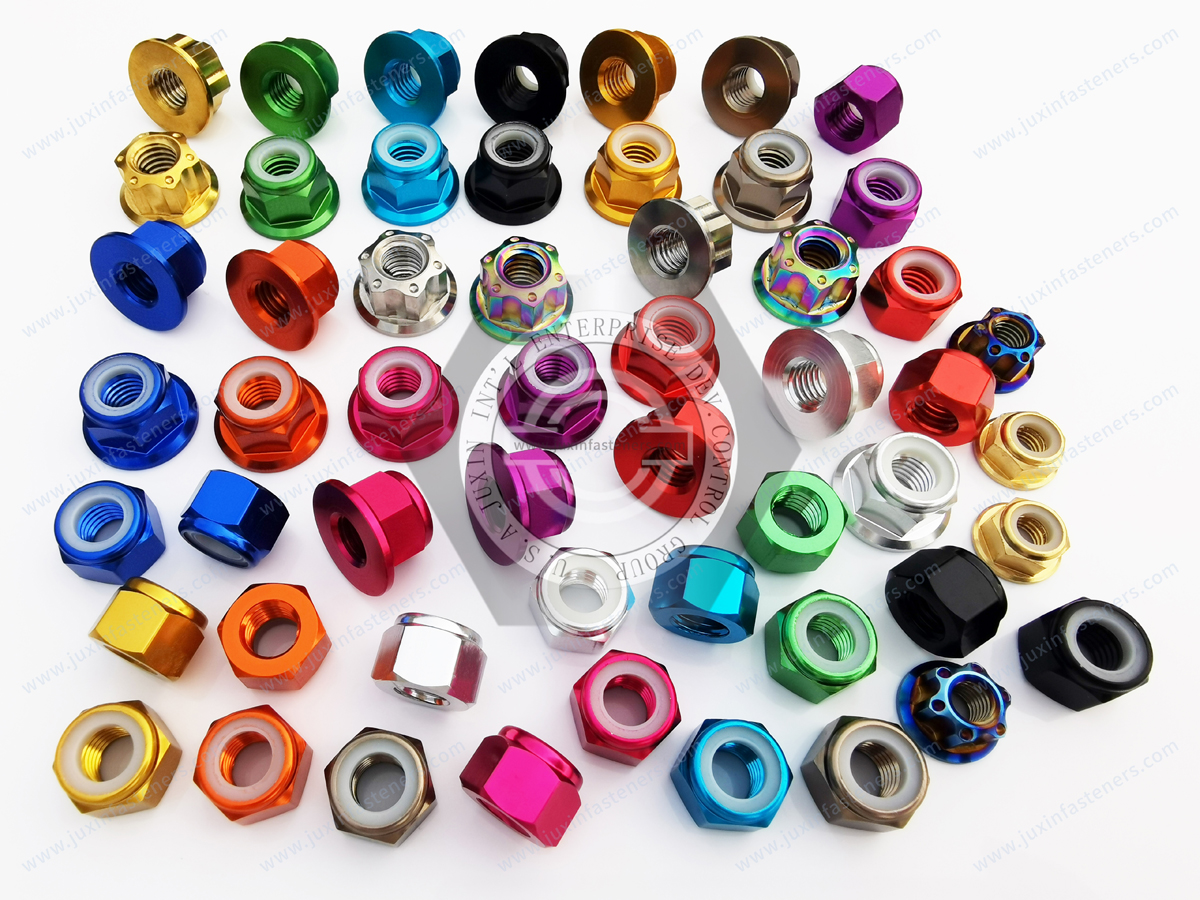
• Compatible with materials such as aluminum, stainless steel, and titanium
However, CNC machining typically involves:
• Higher labor and setup costs
• Slower production speed
• Greater tool wear (especially with materials like aluminum)
What is Cold Forming (Cold Heading)?
Cold forming is a high-speed manufacturing process in which metal is shaped under high pressure using dies and punches without removing material.
Key Characteristics:
• Extremely high production efficiency
• Low unit cost at scale
• Consistent quality for standard parts
• Ideal for carbon steel and standard thread fasteners
This process is widely used for the mass production of standard fasteners such as bolts and nuts.
Cost Comparison: CNC Machining vs Cold Forming
Factor CNC Machining Cold Forming
Initial Tooling Cost Low to moderate High (dies & tooling)
Unit Cost (Low Volume) High Very high
Unit Cost (High Volume) Moderate Very low
Production Speed Slow Very fast
Material Utilization Lower (material removal) High (near net shape)
Flexibility High Low
Suitable for Custom Parts Yes Limited
When to Choose CNC Machining
CNC machining is the preferred choice when:
• The fastener is non-standard or customized
• Fine thread (e.g., M8x1.0) is required
• Materials like aluminum or stainless steel are specified
• Production volume is relatively low
• Design flexibility is important
When to Choose Cold Forming
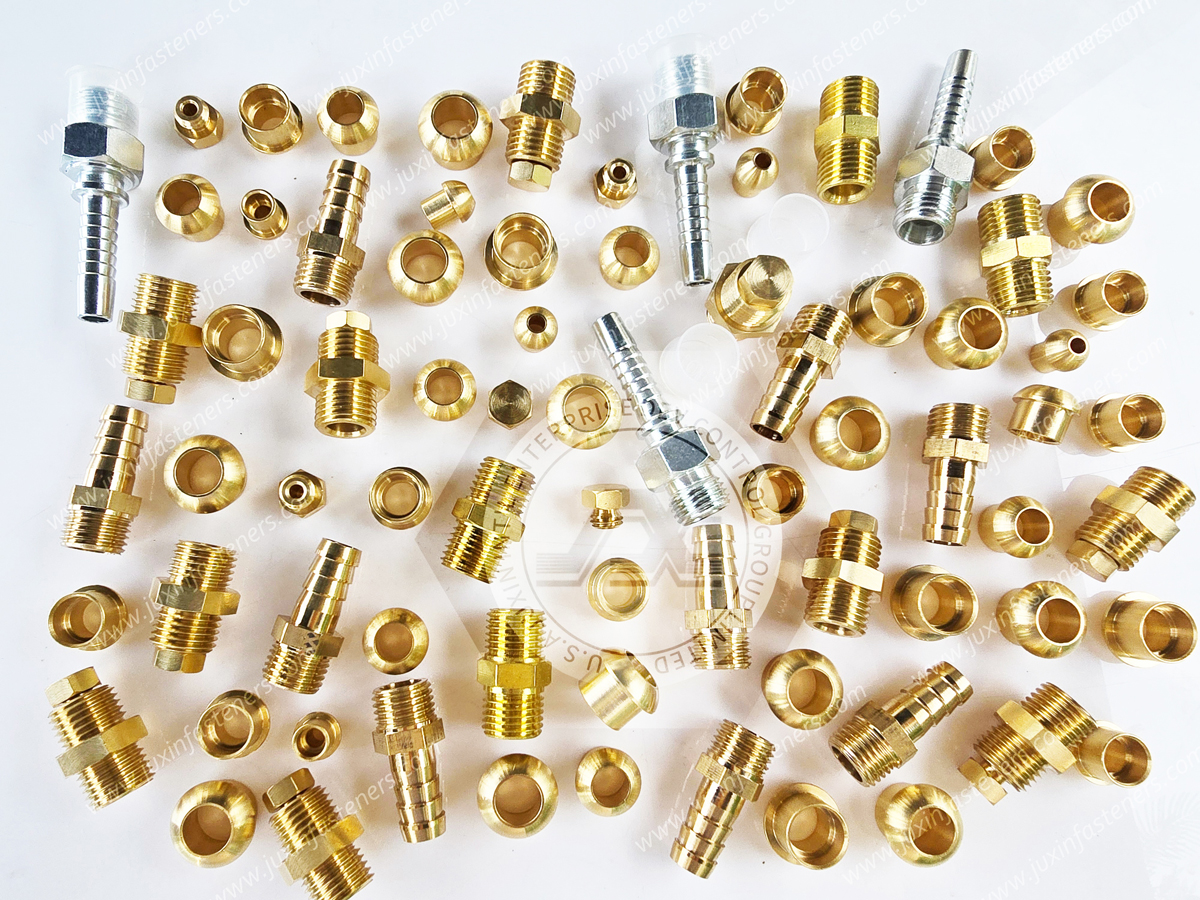
Cold forming is ideal when:
• The fastener is standardized (e.g., M8x1.25)
• Large production volumes are required
• Cost efficiency is a priority
• Material is suitable for forming (e.g., carbon steel)
• High-speed production is needed
Key Insight: Volume Determines Cost Efficiency
One of the most important factors in choosing between CNC machining and cold forming is production volume.
• For small batches, CNC machining offers flexibility despite higher unit cost
• For large-scale production, cold forming significantly reduces unit cost
In many cases, manufacturers may transition from CNC machining to cold forming once demand becomes stable and volume increases.
Conclusion
Both CNC machining and cold forming play essential roles in modern fastener manufacturing.
• CNC machining offers flexibility and precision for custom and low-volume parts
• Cold forming provides unmatched cost efficiency for high-volume standard fasteners
Selecting the right process depends on your design requirements, material selection, and production volume.
Working with an experienced fastener supplier can help optimize both cost and performance for your specific application.
 MORE NEWS
Contact Us
Tel.:
+86 020 8621 0320
+86 020 3121 6067
E-mail:
Technical Support:
Navigation
SEND INQUIREY