
Call Us
+86 136 6007 9809
Call Us
+86 136 6007 9809

Apr. 22, 2026
Thread Insert Nuts for Consumer Electronics Manufacturing
High-Precision Fastening Solutions for Smartphones, Laptops & Electronic Device Housings
In the rapidly evolving consumer electronics industry, product design is driven by three core requirements: ultra-thin structures, high mechanical reliability, and modular assembly capability. However, traditional plastic threading methods often fail under repeated assembly cycles, leading to thread stripping, loosening, and structural fatigue.
Thread Insert Nuts (Insert Nuts for Plastic Components) provide a robust engineering solution by embedding metal threads inside plastic housings, significantly improving structural strength, durability, and long-term assembly performance.
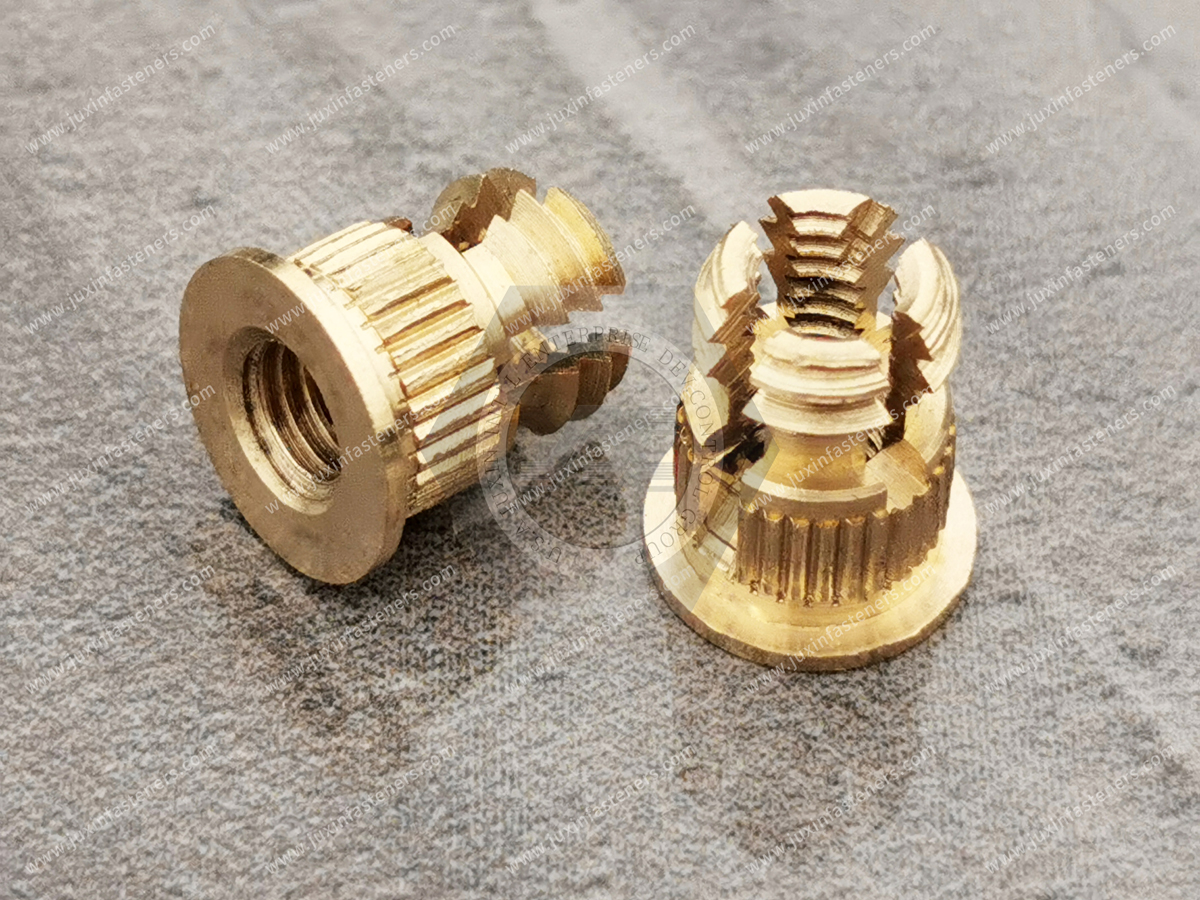
Why Thread Insert Nuts Are Essential in Consumer Electronics
Modern electronic devices such as smartphones, laptops, and wearable devices require:
Lightweight structural design
High-strength internal fastening points
Repeated assembly and disassembly capability
Reliable performance in compact spaces
Thread Insert Nuts solve these challenges by reinforcing plastic parts with precision metal threads, enabling high-performance and long-life fastening systems.
Core Application Scenarios in Consumer Electronics
Smartphones
Thread Insert Nuts (brass insert nuts) are widely used in smartphone structural assembly:
Metal frame to plastic mid-frame connections
Internal antenna-safe fastening structures
Precision housing reinforcement points
Brass material also provides excellent electrical conductivity, helping reduce signal interference and maintain antenna stability.
Laptops
Laptop structures require stable and long-life mechanical joints, especially in hinge systems.
Hinge rotation shaft fixation
Thin-wall plastic housing reinforcement
High-cycle opening and closing durability
Cold-Press Thread Insert Nuts are commonly used to balance lightweight design and long-term mechanical reliability.
Electronic Device Housings
Used in products requiring frequent maintenance or disassembly:
Plastic enclosure fastening systems
Internal structural assembly points
Repairable modular design interfaces
Compared to self-tapping screws, Thread Insert Nuts provide superior anti-loosening and anti-creep performance, especially under long-term vibration and thermal cycling.
Mainstream Installation Processes for Thread Insert Nuts
Different production requirements in consumer electronics require different Insert Nut embedding technologies.

1. Ultrasonic Installation (High Precision Standard)
High-frequency vibration generates localized heat
Plastic softens and embeds the insert instantly
Key advantages:
Minimal heat-affected zone
No deformation of precision plastic parts
Extremely high positional accuracy
Ideal for smartphone housings and precision electronic components
2. Thermoset / Heat-Set Installation
Insert heated to plastic softening temperature
Pressed into a pre-drilled hole
Plastic flows into knurled structure
Key advantages:
High efficiency for mass production
Strong mechanical interlock
Stable and repeatable process
Widely used in consumer electronics assembly lines
3. In-Mold Insert Injection Molding
Insert pre-placed inside mold
Plastic injected to encapsulate insert
Key advantages:
Highest structural integration
Excellent torque and tensile strength
Eliminates secondary assembly steps
Best for high-end consumer electronics requiring maximum durability
4. Cold Press Installation
Insert pressed into plastic at room temperature
Interference fit ensures fixation
Key advantages:
No heating required
Simple tooling
Ideal for prototyping and small-batch production
Engineering Performance Insights
Studies show that process parameters significantly influence performance:
Higher heat-set temperature (e.g., 220°C vs 180°C) can increase pull-out strength by ~24.6%
Proper knurling design dramatically affects torque resistance and retention force
Material Selection for Thread Insert Nuts
To meet consumer electronics requirements, materials must balance strength, conductivity, and corrosion resistance.
Common Materials:
Brass Thread Insert Nuts → excellent conductivity, ideal for smartphones
Stainless Steel Insert Nuts → high strength and corrosion resistance
Carbon Steel Insert Nuts → cost-efficient structural applications
Knurling Design & Performance Optimization
External knurling directly affects the mechanical locking strength within the plastic.
Knurling Types:
Twill Knurling → highest pull-out and torsional strength
Mesh Knurling → balanced performance for general use
Straight Knurling → cost-effective for low-load applications
Engineering data confirms twill knurling provides the highest retention performance under identical conditions
Key Technical Advantages of Thread Insert Nuts
1. Superior Structural Reliability
Prevents plastic thread stripping
Supports repeated assembly cycles
Ensures long-term mechanical stability
2. Enables Ultra-Thin Product Design
Suitable for thin-wall structures down to 0.5 mm
Supports compact and lightweight device design
3. High Production Flexibility
Compatible with automated mass production
Suitable for small-batch customization
Supports prototyping and repair scenarios
4. Improved Assembly Efficiency & Cost Reduction
Reduces the number of assembly components
Eliminates secondary fastening processes
Improves production consistency
Automated Manufacturing Solutions
Modern consumer electronics factories widely adopt automated systems for installing Thread Insert Nuts.
Key Systems Include:
Automatic feeding and sorting systems
Servo-driven precision placement equipment
Vision inspection alignment systems
Achieves:
High-speed production
Consistent positioning accuracy
Reduced human error
Quality Control for Thread Insert Nuts
To meet strict consumer electronics standards, full-process quality control is required:
1. Material Verification
Brass / steel composition validation
Surface cleanliness inspection
2. Process Monitoring
Embedding force control
Depth and alignment verification
Automated detection systems
3. Final Testing
Torque resistance testing
Pull-out strength testing
Vibration and fatigue testing
Ensures consistent high-performance output

Typical Applications in Consumer Electronics
Smartphones
Frame assembly
Internal structural reinforcement
Laptops
Hinge systems
Bottom case fastening
Monitors & Displays
Housing assembly
Stand mounting systems
Wearable Devices
Compact structural connections
Lightweight enclosure reinforcement
Why Thread Insert Nuts Are Critical in Modern Electronics
Compared with traditional plastic threading, Thread Insert Nuts provide:
Stronger mechanical performance
Higher reliability under repeated use
Better vibration resistance
Support for ultra-thin product design
Improved manufacturing efficiency
Conclusion
Thread Insert Nuts (Insert Nuts for Plastic Components) have become an essential fastening solution in consumer electronics manufacturing. By combining precision metal inserts with advanced embedding technologies, they enable:
High-strength threaded connections
Lightweight and compact product designs
Reliable performance under repeated assembly cycles
Efficient large-scale production capability
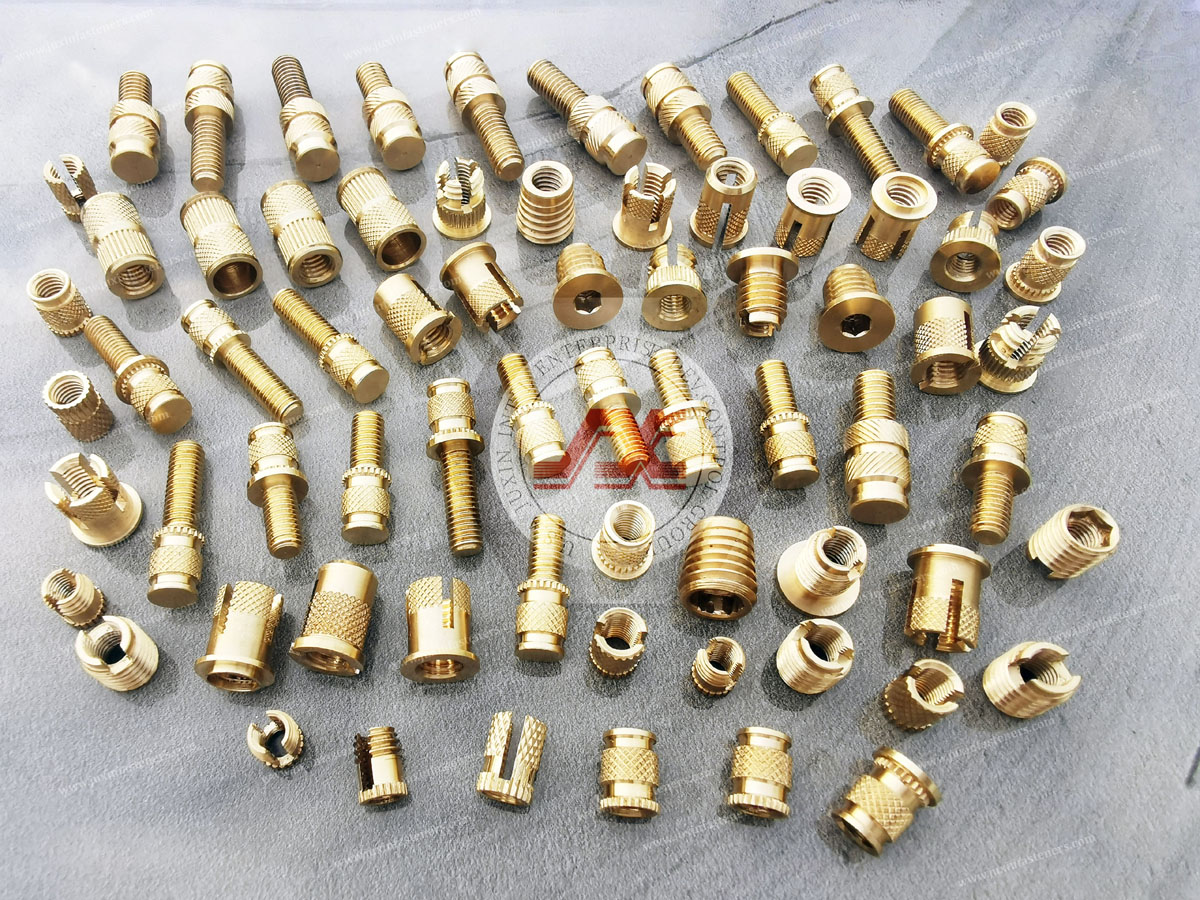
Looking for High-Precision Thread Insert Nut Solutions?
We provide:
Full range of Thread Insert Nuts for consumer electronics
Engineering support for design optimization
Automated production integration solutions
Stable OEM supply for global manufacturers
Contact us today for samples, drawings, or technical consultation for your project.
 MORE NEWS
Sep. 27, 2026
Sep. 27, 2026
Sep. 27, 2026
Contact Us
Tel.:
+86 020 8621 0320
+86 020 3121 6067
E-mail:
Technical Support:
Navigation
SEND INQUIREY