
Call Us
+86 136 6007 9809
Call Us
+86 136 6007 9809

Aug. 23, 2026
Precision CNC Swiss Machining and Turn-Mill Solutions for OEMs
Modern OEM manufacturers increasingly require precision CNC machining services that can produce complex components with tight dimensional requirements,
repeatable quality, and efficient mass-production capability.
At JUXIN FASTENERS, our CNC machining solutions include CNC Swiss-type machining, stainless steel turning,
precision CNC turning, and turn-mill composite machining for customized industrial components.
These manufacturing technologies integrate multiple machining operations into an efficient production process,
making them well-suited for small-diameter precision components, complex turned parts, multi-feature components, and high-volume OEM production.
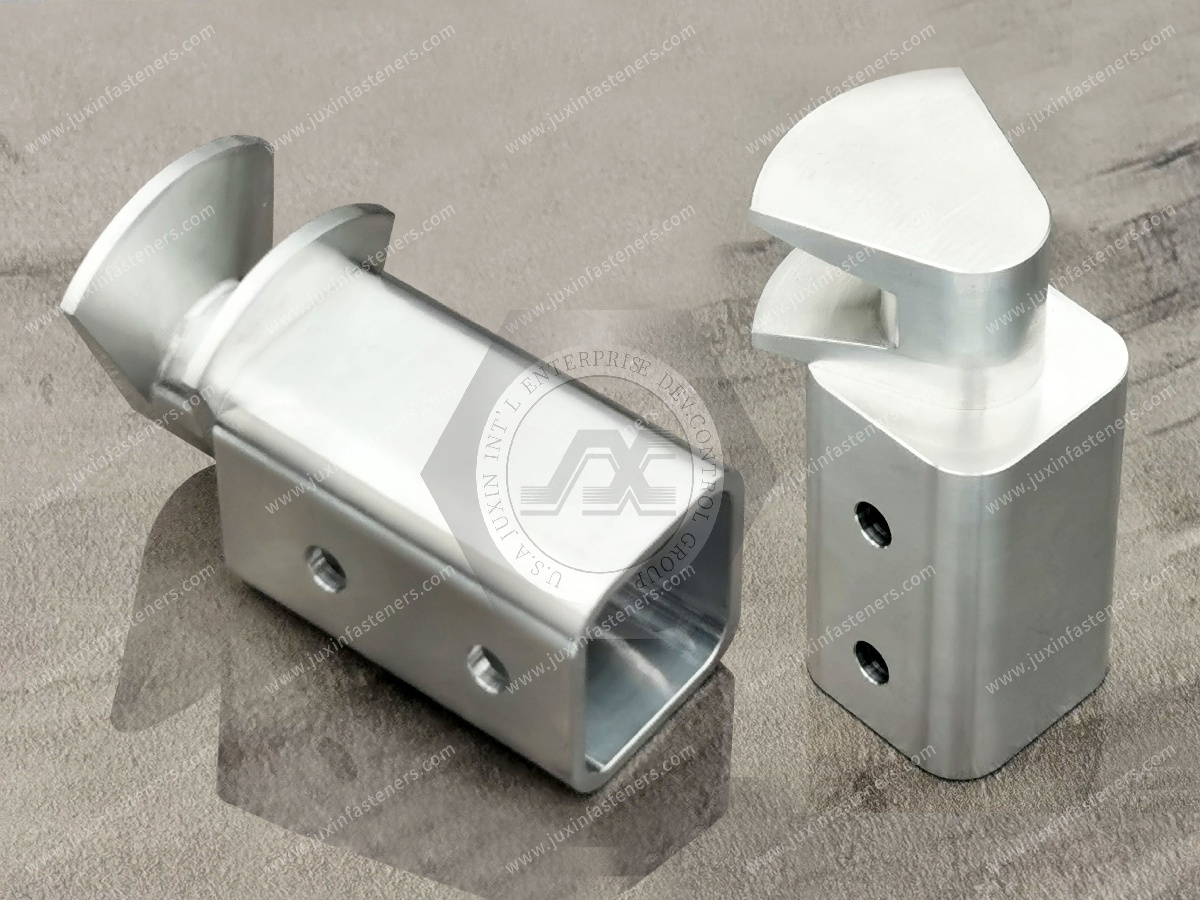
Our custom CNC machining services support engineering drawings, 3D models, customer specifications, material requirements, surface treatments,
inspection requirements, and production-volume requirements.
We serve manufacturers across:
Automotive
EV
Battery Pack
Rail Transit
Aerospace
Electrical Cabinets
HVAC
Medical Equipment
Construction
Machinery
Robotics
Sheet Metal Fabrication
Electronics
Telecommunications
Energy
Food Service Equipment
Commercial Kitchen Equipment
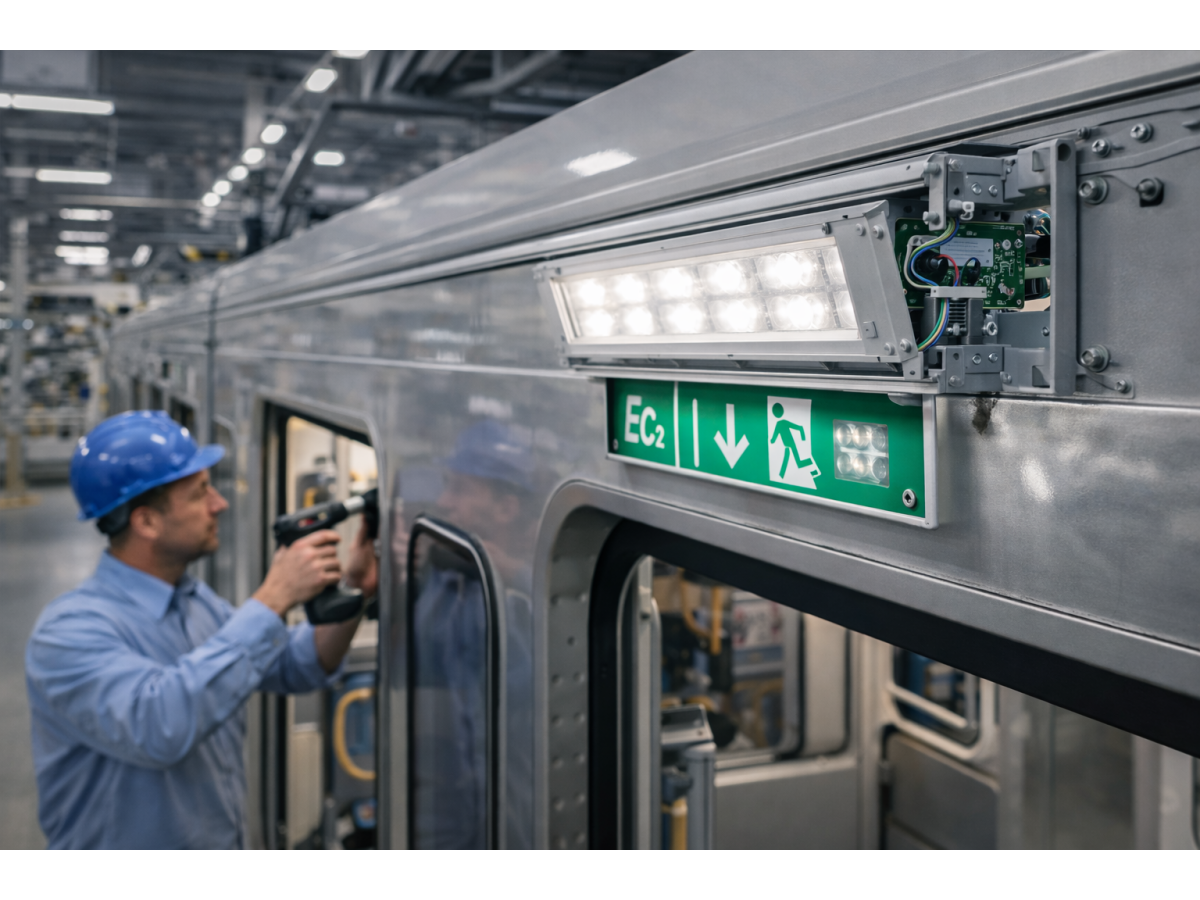
CNC Swiss-Type Machining for High-Precision Turned Components
CNC Swiss-type machining is particularly suitable for producing small-diameter and precision-turned components where dimensional stability, concentricity,
surface quality, and production efficiency are important.
Unlike conventional turning, Swiss-type machining supports the workpiece close to the cutting area, providing excellent support during machining of long, slender, or small-diameter components.
This makes Swiss CNC machining suitable for components such as:
Precision pins
Shafts
Bushings
Spacers
Connectors
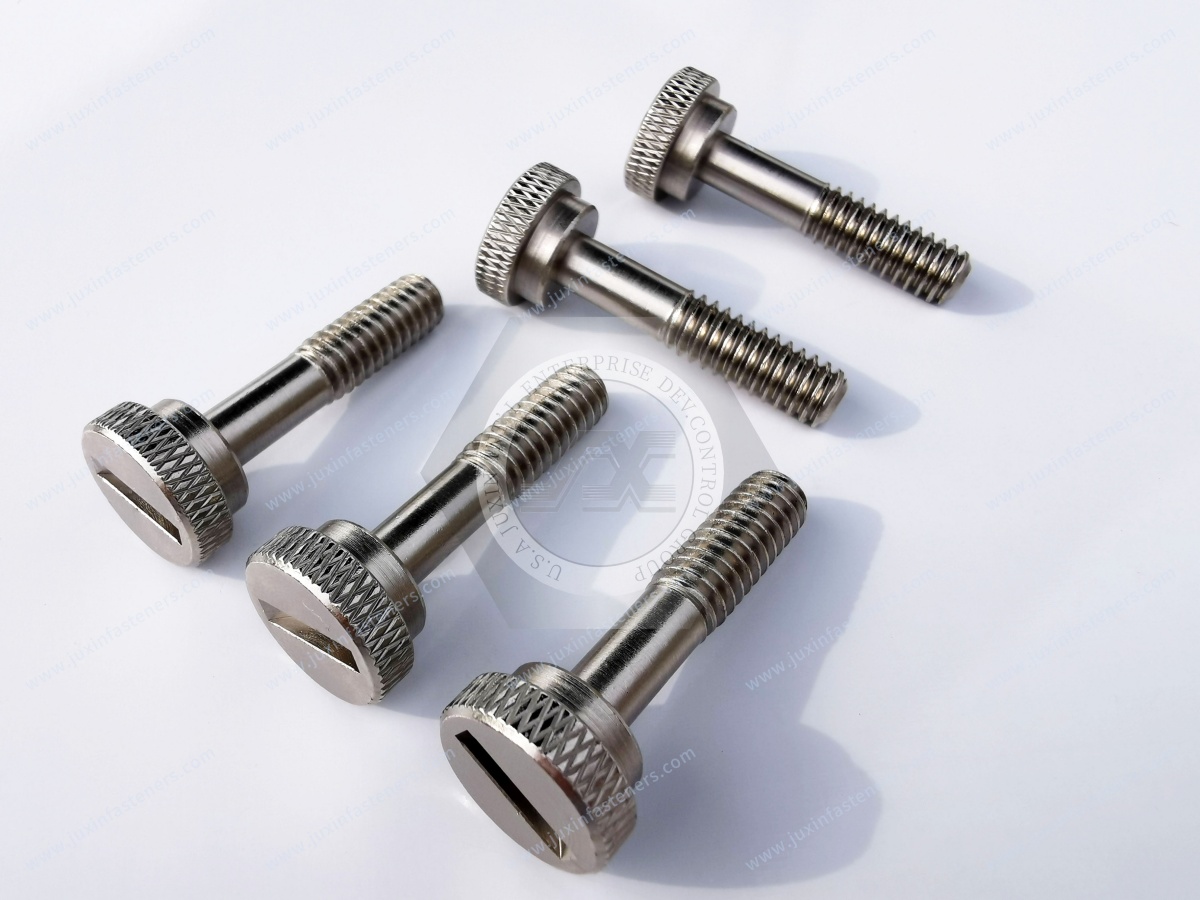
Threaded components
Small mechanical components
Medical components
Electronic components
Automotive precision parts
Robotics components
Custom OEM components
For manufacturers requiring large quantities of precision turned components, Swiss-type CNC machining can provide an efficient solution with stable repeatability.
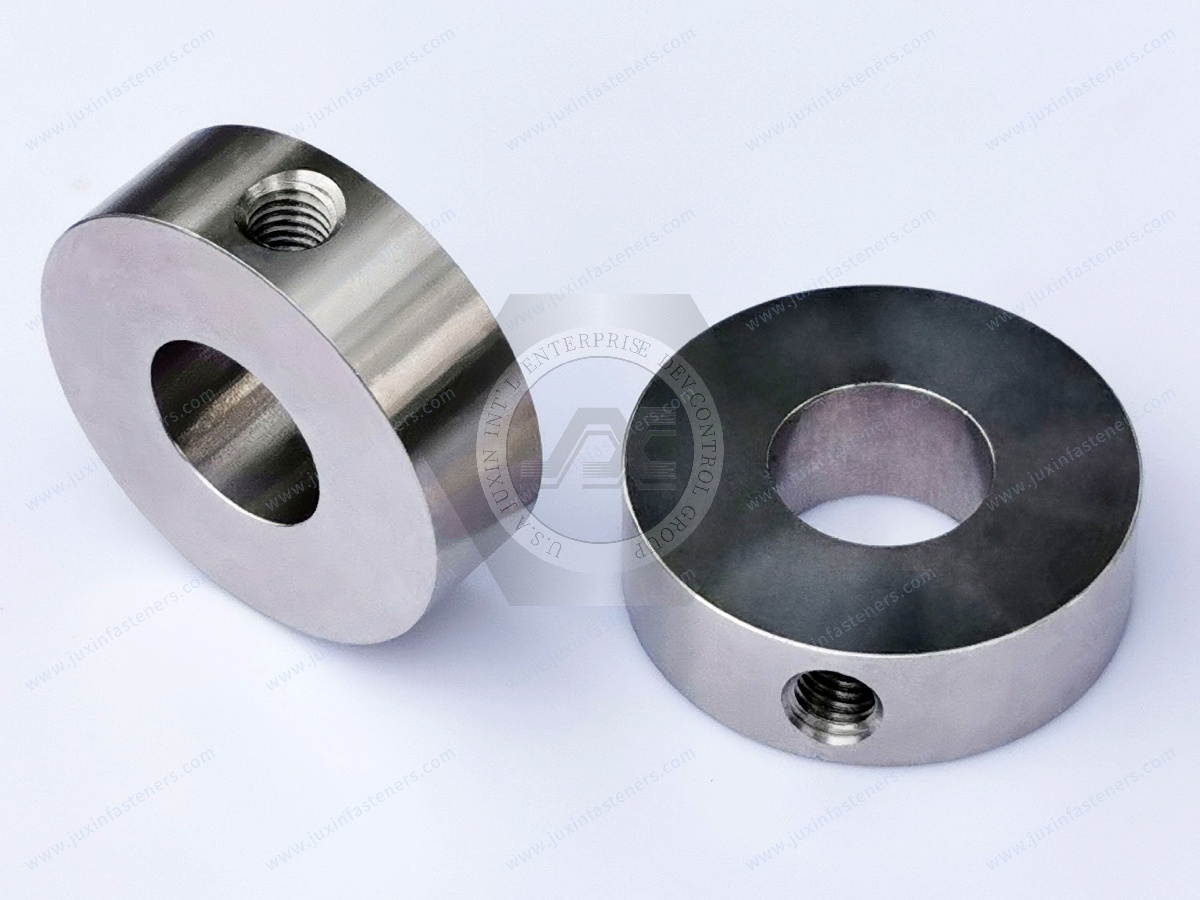
Stainless Steel CNC Turning
Stainless steel turning is widely used where corrosion resistance, durability, hygiene, and mechanical performance are important.
CNC turning can produce stainless steel components with controlled dimensions, threads, grooves, bores, chamfers, and other precision features.
Typical applications include:
Medical equipment
Food processing equipment
Commercial kitchen equipment
HVAC systems
Automotive components
Industrial machinery
Electrical equipment
Telecommunications
Marine-related equipment
Construction equipment
For food service and commercial kitchen applications, stainless steel is especially important because components exposed to food-processing environments
require appropriate material selection, surface quality, cleaning compatibility, and hygiene considerations.
The specific stainless steel grade and surface treatment should be selected according to the actual operating environment and applicable regulations.
Precision Turn-Mill Composite Machining
Turn-mill machining combines turning and milling operations within an integrated CNC machining process.
Instead of transferring a component between multiple machines for different operations, turn-mill equipment can perform multiple operations within one production setup.
Depending on component geometry, these operations may include:
OD and ID turning
Facing
Grooving
Threading
Drilling
Tapping
Slot milling
Keyway machining
Cross-hole machining
Contouring
Milling of flats
Complex multi-feature machining
Reducing the number of setups can help improve dimensional consistency between features and reduce handling time.
For complex precision mechanical components, this is particularly valuable when multiple features must maintain accurate positional relationships.
Why Integrated CNC Machining Matters for Mass Production
For OEM procurement teams, selecting a CNC supplier is not simply about whether a supplier can produce one sample.
The supplier must be able to transition from prototype development to stable repeat production.
A professional CNC manufacturing process should address:
Engineering → Process Planning → Programming → Machining → Inspection → Process Control → Packaging → Delivery
For repeat production, a validated machining process can be standardized and continuously optimized.
This helps manufacturers achieve:
Consistent component dimensions
Stable production quality
Reduced setup time
Improved production efficiency
Lower rework and scrap
Better production planning
Reliable repeat orders
This is especially important for automotive, EV, robotics, machinery, electronics, and other industries where CNC components may be required continuously throughout the product lifecycle.
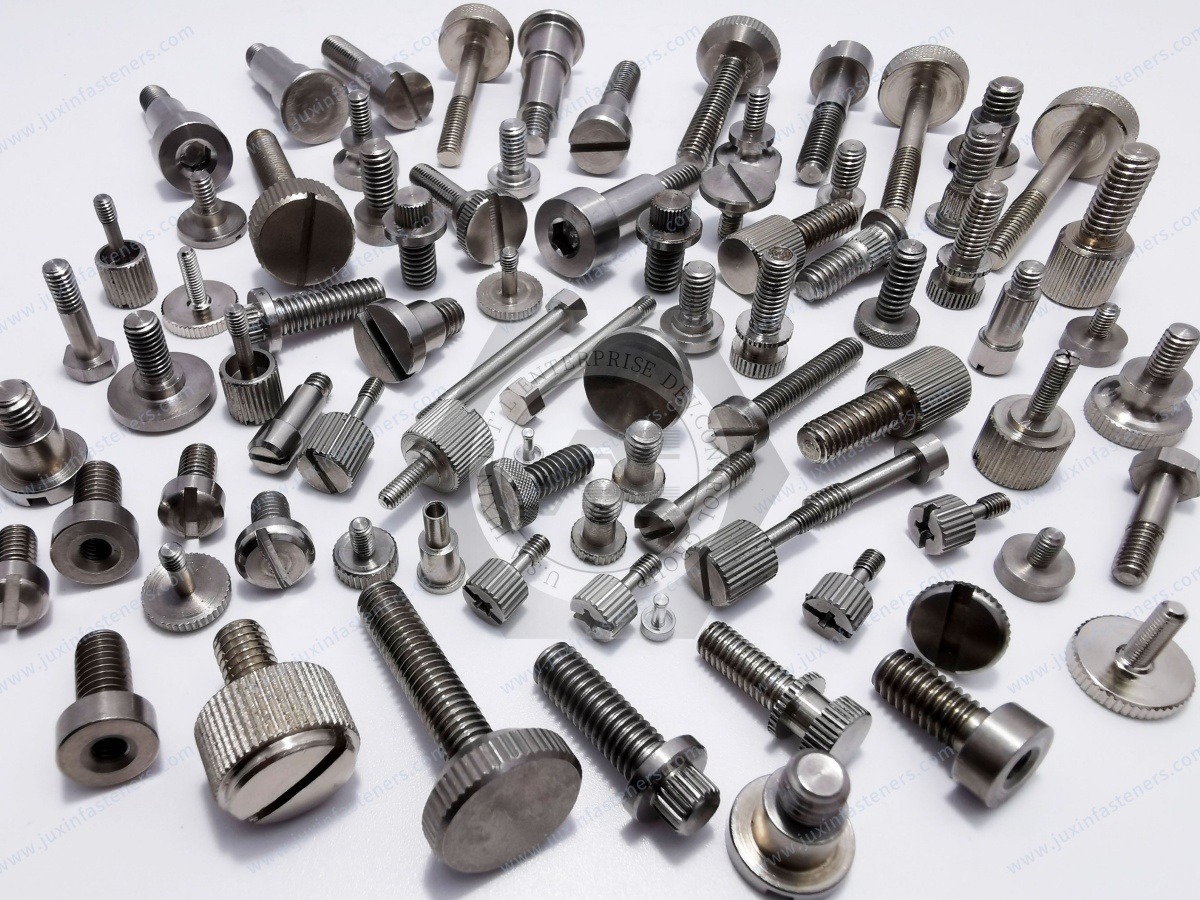
Precision CNC Machining Applications by Industry
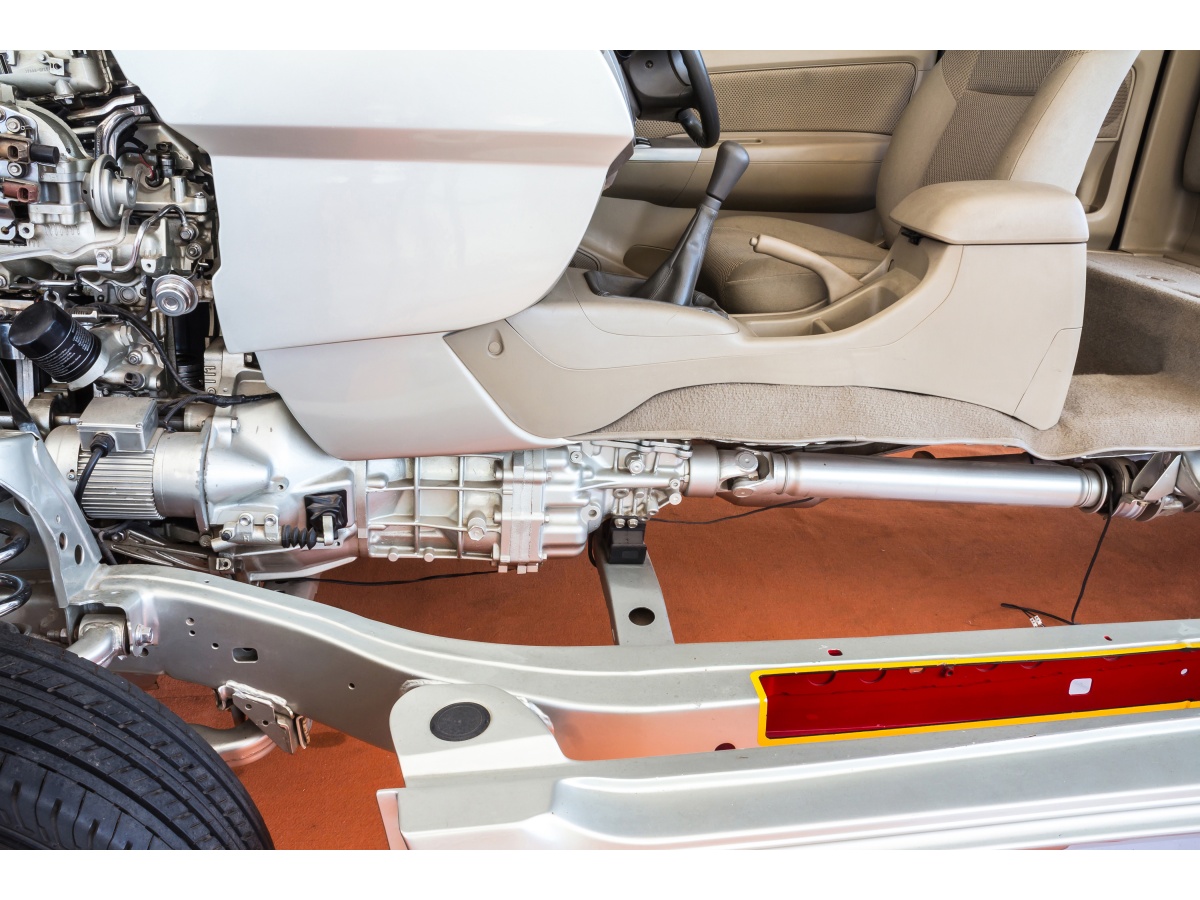
Automotive CNC Machining
The automotive industry requires large volumes of precision mechanical components with consistent dimensions and reliable assembly performance.
CNC machining can manufacture:
Engine-related components
Chassis components
Transmission-related components
Shafts and pins
Bushings
Connectors
Mounting components
Interior mechanical components
CNC Swiss machining and turn-mill machining are particularly useful for small and complex automotive components requiring repeatable production.
EV and Battery Pack Components
The growth of electric vehicles has created increasing demand for precision-machined components used in battery systems, electrical assemblies,
thermal management systems, and structural components.
Custom CNC machining can support:
Battery pack components
Battery enclosure components
Cooling system components
Electrical connectors
Precision spacers
Mounting components
Aluminum components
Stainless steel components
Custom mechanical interfaces
For EV manufacturers, dimensional consistency is particularly important because precision components must integrate with battery modules, enclosures,
cooling systems, electrical components, and other assemblies.
Rail Transit CNC Components
Rail transit equipment requires durable and accurately manufactured mechanical components.
CNC machining can support the production of:
Precision shafts
Bushings
Pins
Connectors
Mounting components
Mechanical interfaces
Equipment components
Custom replacement parts
For rail applications, the manufacturing process should be selected according to the component's load, operating environment, material, tolerance, and applicable customer specifications.
Aerospace CNC Machining
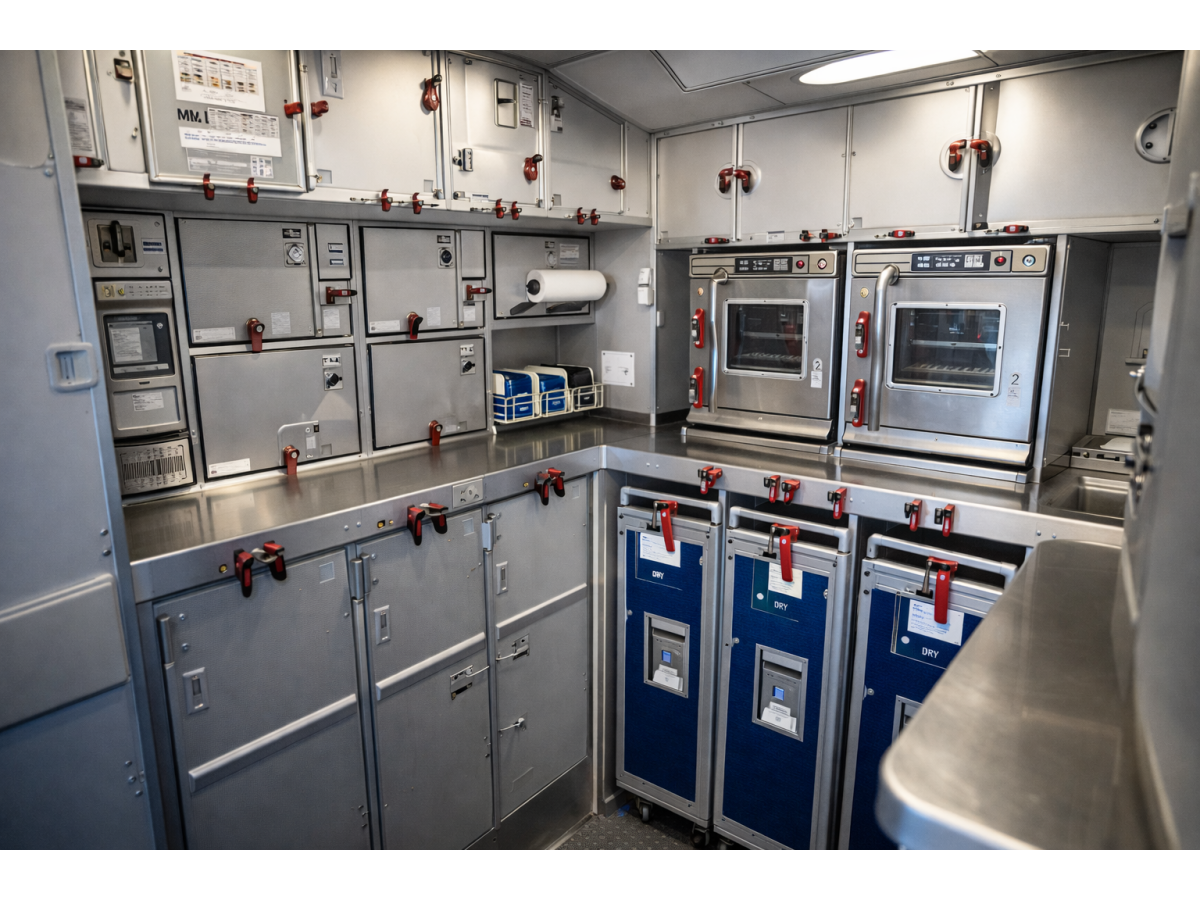
Aerospace manufacturing places demanding requirements on component accuracy, repeatability, material control, and quality assurance.
Precision CNC machining can manufacture complex aerospace components, including precision mechanical parts, structural components,
brackets, connectors, shafts, and other custom components.
Swiss-type machining can also be suitable for smaller aerospace components requiring precise turning and complex features.
For aerospace production, the actual tolerance, material, inspection, and traceability requirements should be defined by the applicable engineering drawings and customer standards.
Medical CNC Machining
Medical equipment and medical-device manufacturing require highly controlled components with precise dimensions and consistent quality.
CNC Swiss machining and precision turning can produce small components with complex geometries and tight dimensional requirements.
Potential applications include:
Medical equipment components
Surgical instrument components
Precision shafts
Small connectors
Bushings
Housings
Custom mechanical components
For medical applications, material selection, cleanliness, surface requirements, inspection, and regulatory requirements should be confirmed according to the intended use of the component.
Electronics and Telecommunications
Precision CNC machining is widely used for electronic equipment and telecommunications hardware.
Applications can include:
Electronic housings
Connectors
Heat-management components
Mounting components
Fiber-optic equipment components
Communication equipment components
Base-station components
Precision internal components
CNC machining provides the dimensional flexibility required for customized electronics and communication equipment.
Electrical Cabinets and Industrial Control Systems
Electrical cabinets require reliable mechanical components for mounting, connection, positioning, and assembly.
CNC machined components can include:
Mounting hardware
Spacers
Brackets
Shafts
Connectors
Bushings
Custom interfaces
CNC manufacturing is particularly useful when electrical cabinet designs require customized components rather than standardized hardware.
HVAC and Thermal Management Equipment
HVAC systems require precision mechanical components for fans, motors, compressors, refrigeration systems, thermal management systems, and equipment assemblies.
CNC turning and turn-mill machining can produce customized shafts, bushings, connectors, mounting components, adapters, and other precision parts.
Robotics and Automation
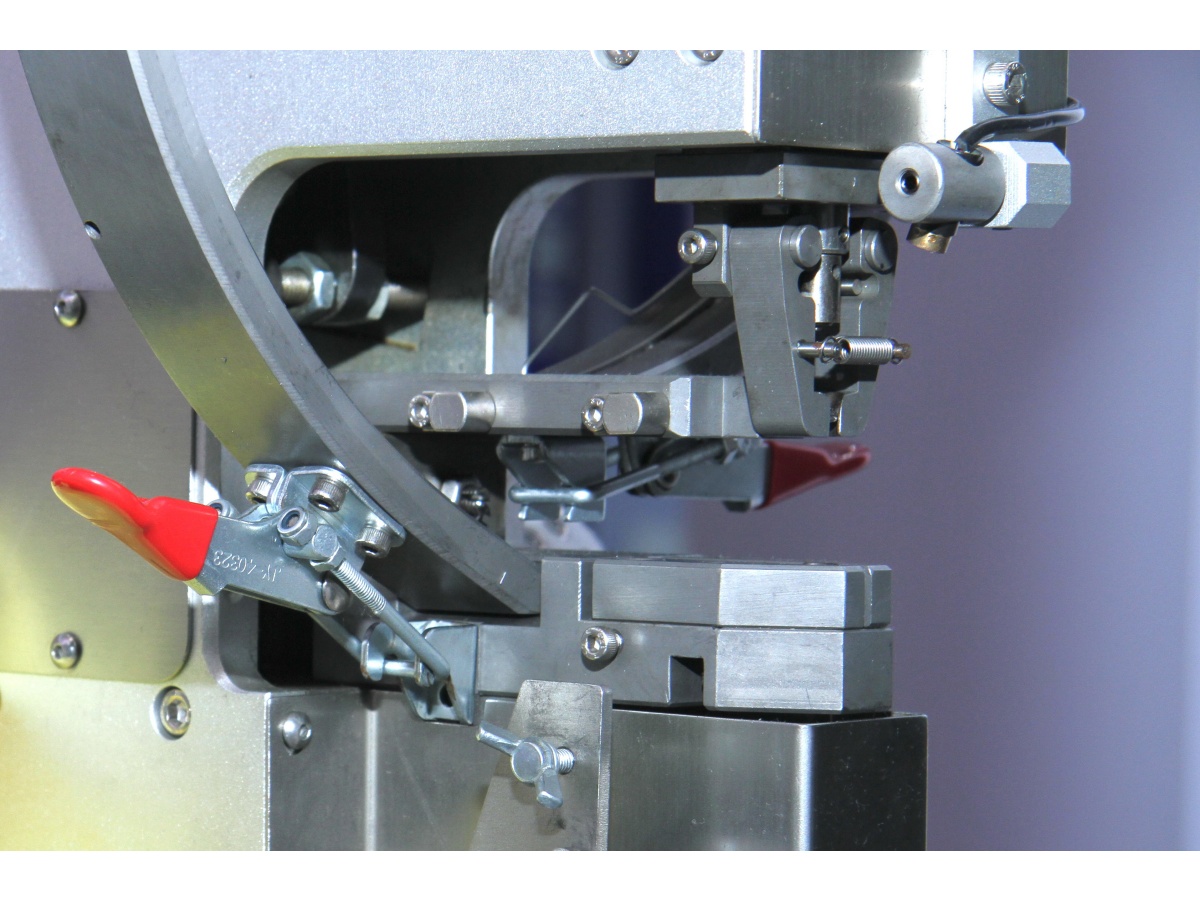
Robotics manufacturers require precision mechanical components to ensure accurate assembly and reliable movement.
CNC machining can manufacture:
Robotic shafts
Joints
Bushings
Adapters
Housings
Mounting components
Tooling components
End-effector components
Precision connectors
For robotic systems, dimensional stability and positional accuracy are critical because component variation can affect assembly, motion, and long-term equipment performance.
CNC Machining for Food Service Robots
Food service and delivery robots represent a growing application for precision CNC machining.
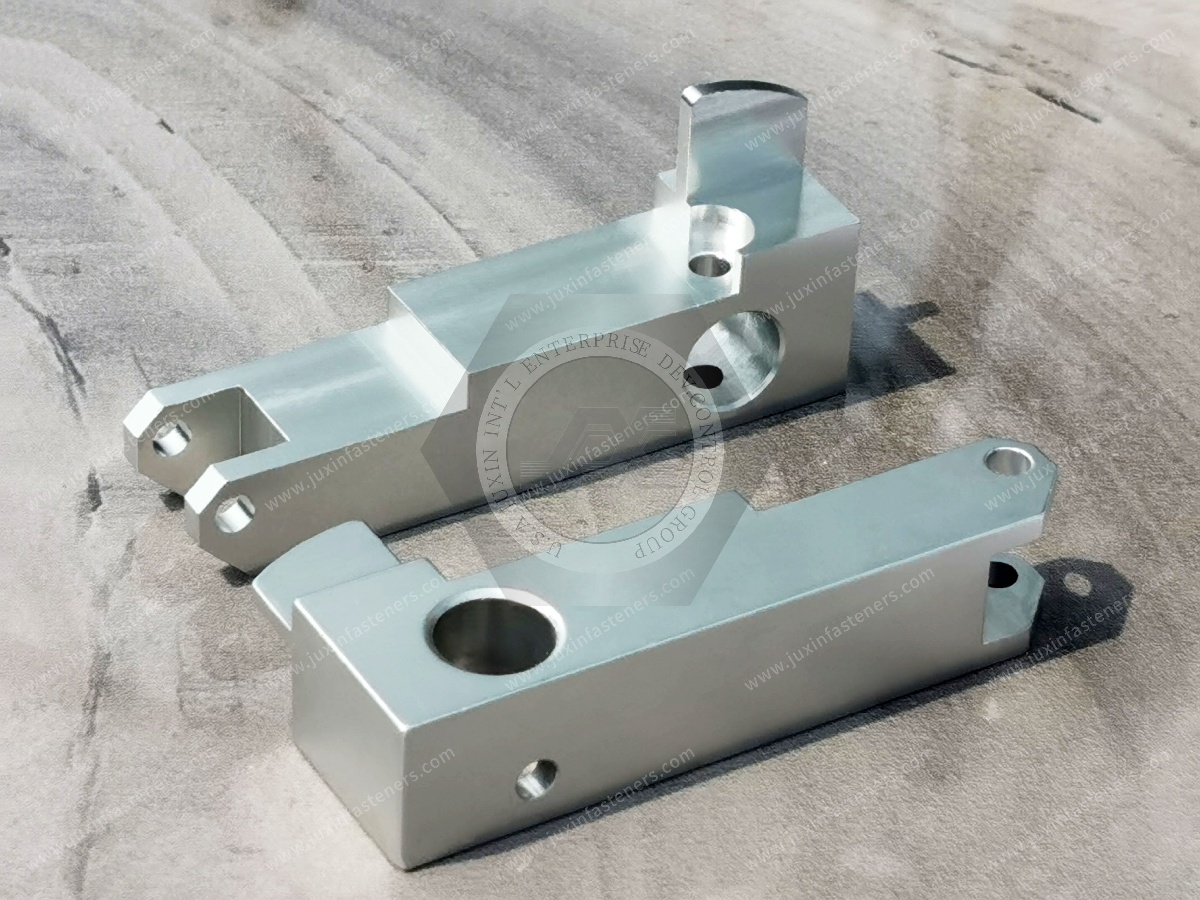
Aluminum housings and mechanical components used in food service robots must balance:
Lightweight Design + Dimensional Accuracy + Structural Stability + Surface Quality + Production Efficiency
Thin-walled aluminum housings can present manufacturing challenges because material deformation may occur during machining.
For components with thin walls or deep cavities, manufacturing engineers need to consider:
Material selection
Workholding strategy
Tool selection
Cutting parameters
Machining sequence
Thermal effects
Deformation control
Surface treatment
Dimensional inspection
For high-volume production, maintaining stable dimensions throughout the batch is particularly important because component variation can affect assembly compatibility and robot operating stability.
Where food-contact applications are involved, material selection and surface treatment must be evaluated against the specific intended use and applicable food-contact regulations.
Compliance should be verified against the current requirements applicable to the destination market rather than assumed solely from the machining process.
CNC Machining for Commercial Kitchen and Food Service Equipment
Commercial kitchens and food service equipment increasingly incorporate automation and intelligent control systems.
Applications include:
Commercial refrigerators
Ovens
Dishwashing equipment
Food-processing equipment
Meat slicers
Grinders
Coffee machines
Ice makers
Dough mixers
Smart cooking equipment
Disinfection cabinets
Kitchen ventilation systems
Food delivery equipment
Stainless steel and other corrosion-resistant materials are widely used in food service equipment because of their durability, cleanability, and suitability for demanding kitchen environments.
Precision CNC machining can manufacture mechanical interfaces, shafts, bushings, connectors, brackets, housings, and other components used within these systems.
As commercial kitchens become increasingly automated, CNC machining can provide the precision components required to integrate mechanical, electrical, robotic, and intelligent-control systems.
Energy and Electrical Industry Applications
Precision CNC machining also supports the renewable energy and electrical equipment sectors.
Applications include:
Solar Energy
CNC machining can manufacture precision mounting components, connectors, brackets, housings, and other mechanical parts for solar equipment.
Wind Energy
Machined components can be used in mechanical assemblies, control systems, equipment interfaces, and supporting systems.
Hydroelectric Power
Custom CNC components can support mechanical equipment, control systems, mounting systems, and maintenance requirements.
For energy applications, material selection and surface protection should be matched to the operating environment, including corrosion exposure, mechanical loads, temperature, and service life.
CNC Machining for Sheet Metal Fabrication
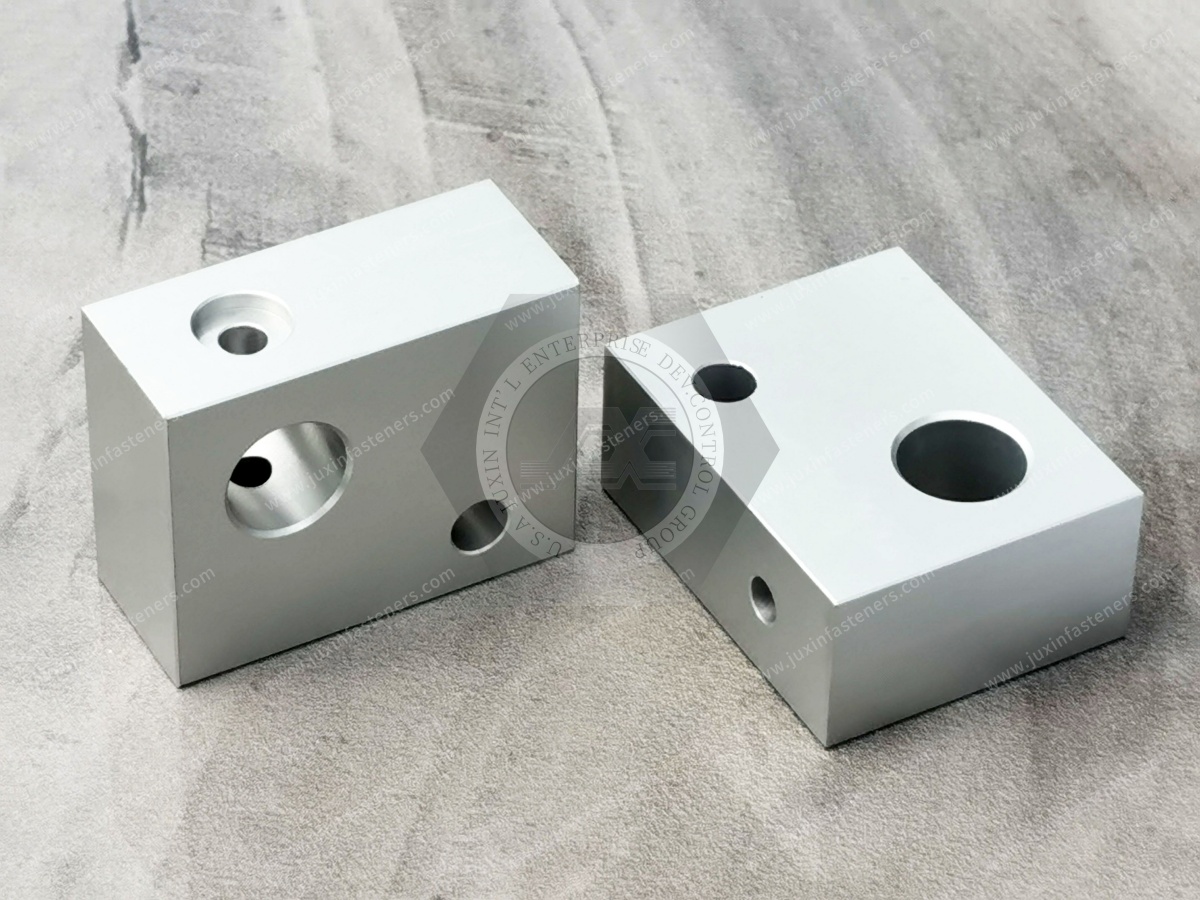
CNC machining and sheet metal fabrication often work together in complete OEM assemblies.
Sheet metal fabrication can produce the primary enclosure or structural frame, while CNC machining provides precision components that require tighter dimensional control.
Typical machined components include:
Mounting blocks
Spacers
Threaded components
Brackets
Connectors
Precision interfaces
Bushings
Adapters
This combined manufacturing approach can simplify sourcing by allowing OEM customers to integrate machined components with fabricated sheet metal assemblies.
CNC Machining for Machinery and Industrial Equipment
Machinery manufacturing remains one of the major applications of precision CNC machining.
Industrial equipment manufacturers frequently require customized mechanical components that cannot be purchased directly from standard catalogs.
CNC machining can manufacture:
Shafts
Bushings
Rollers
Pins
Housings
Adapters
Couplings
Mounting components
Precision tooling
Custom machine components
Stable CNC machining improves component interchangeability and helps equipment manufacturers maintain consistent assembly quality.
From Prototype to Mass Production
One of the key advantages of working with an experienced CNC supplier is the ability to support different stages of the product lifecycle.
A typical process includes:
Drawing Review → Material Selection → CNC Programming → Prototype → Inspection → Process Optimization → Mass Production → Final Inspection → Delivery
During prototype development, engineers can evaluate dimensions, assembly compatibility, surface finish, and functional performance.
Once the design is approved, the machining process can be standardized for repeat production.
This provides a practical path from custom CNC prototype machining to mass production.
Custom CNC Services for Global OEM Customers
JUXIN provides customized CNC Swiss-type machining, stainless steel turning, precision CNC turning, and turn-mill composite machining for industrial customers.
Our CNC services are suitable for:
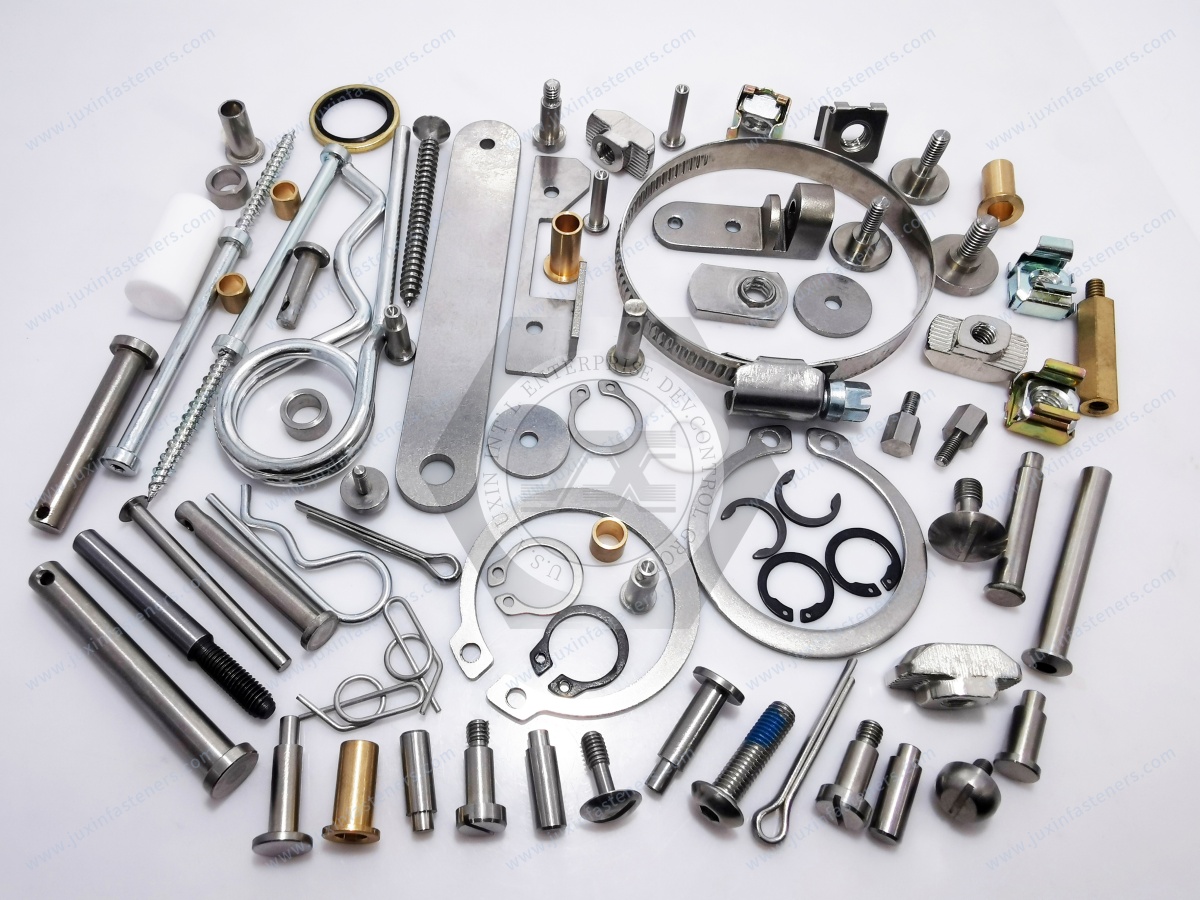
Precision turned components
CNC Swiss-type parts
Custom CNC components
Precision mechanical parts
Non-standard components
Small-diameter components
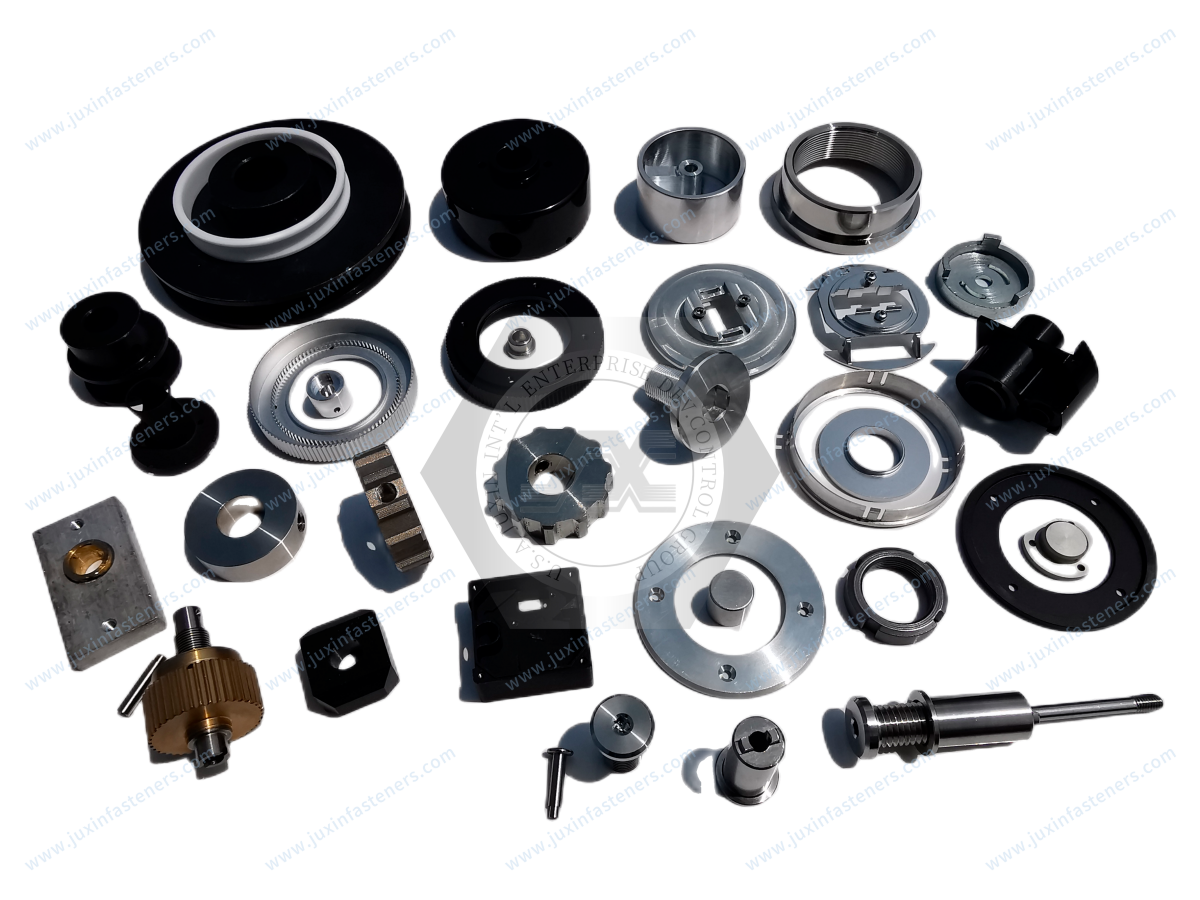
Complex turned and milled parts
OEM prototypes
Low-volume production
Mass production
Repeat production
We work from customer drawings, CAD files, samples, specifications, and application requirements to develop an appropriate manufacturing process.
For procurement teams, the objective is not simply to obtain a machined part—it is to establish a stable and repeatable supply solution for the complete production lifecycle.
Request a CNC Machining Quote
If you are sourcing CNC Swiss machining, stainless steel turning, precision CNC turning, or turn-mill machining services, send your engineering drawing or 3D CAD file to JUXIN.
Our engineering team can review:
Part geometry
Material
Critical dimensions
Tolerances
Surface finish
Surface treatment
Annual quantity
Production requirements
Inspection requirements
We support OEM customers across Automotive, EV, Battery Pack, Rail Transit, Aerospace, Electrical Cabinets, HVAC, Medical Equipment, Construction,
Machinery, Robotics, Sheet Metal Fabrication, Electronics, Telecommunications, Energy, and Food Service Equipment.
JUXIN FASTENERS
Email: info@juxinfasteners.com
Send us your drawing and production requirements to discuss a custom CNC machining solution for your application.
 MORE NEWS

Oct. 13, 2026
Contact Us
Tel.:
+86 020 8621 0320
+86 020 3121 6067
E-mail:
Technical Support:
Navigation
SEND INQUIREY