
Call Us
+86 136 6007 9809
Call Us
+86 136 6007 9809

Jan. 17, 2024
For engineers, designers, and procurement teams, selecting the right industrial fasteners and following proper installation procedures are critical to preventing:
Loose connections
Component deformation
Thread damage
Structural failure
Premature equipment maintenance
As a professional OEM fastener manufacturer, JUXIN FASTENERS provides customized fastening solutions including carbon steel screws, stainless steel screws, bolts, nuts, washers, self-locking nuts, rivet nuts, and precision fasteners for global manufacturing industries.
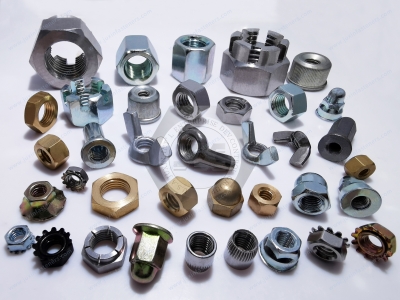
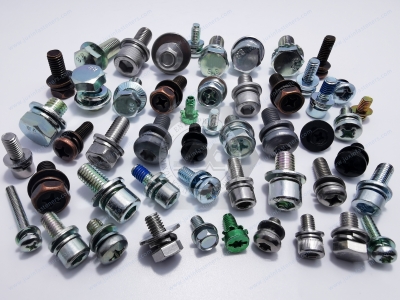
A fastener connection refers to the process of using mechanical fastening components to securely join two or more parts into a complete assembly.
Common threaded fastening systems include:
Bolts and nuts
Screws
Studs
Self-tapping screws
Washers
Rivets
Thread inserts
Locking nuts
When screws, bolts, and nuts are tightened together, the generated clamping force creates a stable mechanical connection, ensuring components remain fixed during operation.
Fastener connections are widely used in:
Mechanical equipment
Automotive manufacturing
Aerospace structures
Construction engineering
Electrical equipment
Medical devices
Industrial machinery
In mechanical engineering, fasteners are widely used to connect and fix machine components.
Typical products include:
Hex head bolts
Socket head cap screws
Hex nuts
Lock nuts
Flat washers
Spring washers
Applications:
Automation equipment
Industrial machines
Pumps and valves
Production lines
Reliable fastening ensures equipment maintains accuracy and stability during operation.
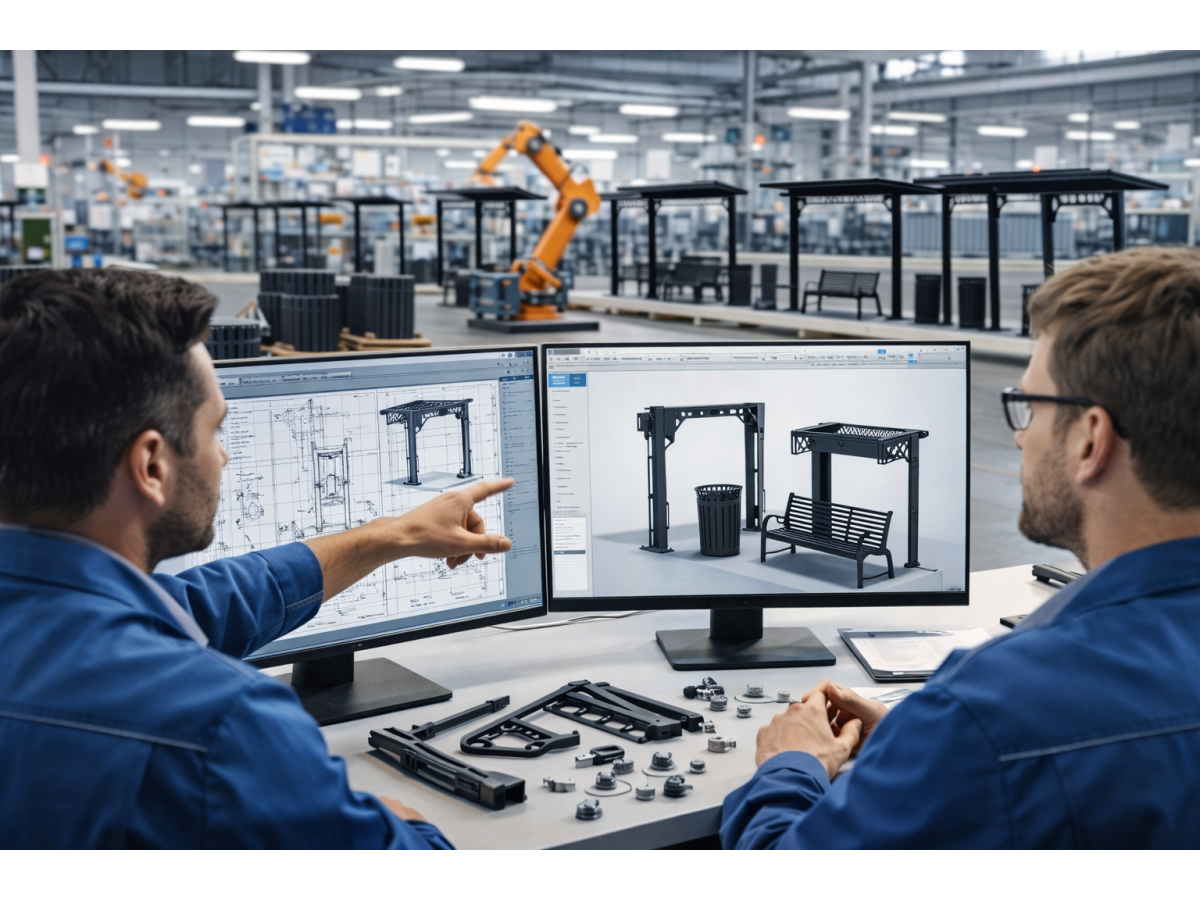
Fasteners play an important role in construction and structural engineering.
Common applications:
Steel structures
Building frameworks
Curtain walls
Doors and windows
Furniture assembly
High-strength bolts and nuts provide excellent load-bearing capability and structural reliability.
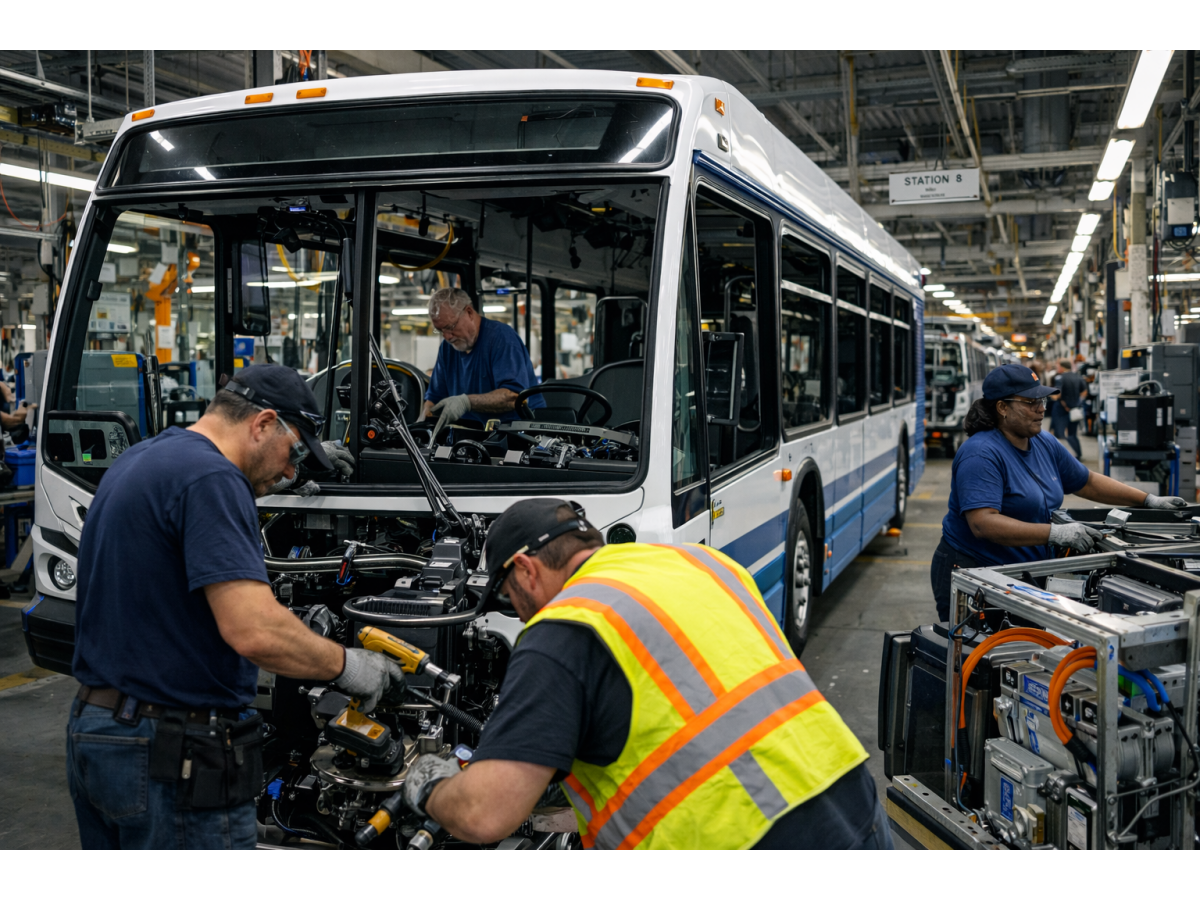
The automotive industry requires thousands of fastening points.
Fasteners are used for:
Engine components
Chassis systems
Battery assemblies
Interior components
Body structures
Automotive fasteners must provide:
High strength
Vibration resistance
Corrosion protection
Long service life
Common solutions include:
Carbon steel bolts
Zinc plated screws
Zinc nickel coated fasteners
Stainless steel fasteners
Aerospace fastening requirements are extremely strict because components operate under:
High vibration
Temperature changes
Extreme environments
Aerospace fasteners require:
High tensile strength
Precise dimensions
Excellent fatigue resistance
Reliable locking performance
Material options include:
Stainless steel
Titanium alloys
Aluminum alloys
Correct installation is essential for achieving the designed performance of fasteners.
Before installation:
Check the assembly drawing
Confirm fastener specifications
Verify material requirements
Ensure components match engineering documents
The selected fastener must meet:
Size requirements
Strength requirements
Surface treatment requirements
Before installation, inspect:
Thread condition
Surface finish
Plating quality
Dimensional accuracy
Fasteners should have:
No cracks
No deformation
No damaged threads
No corrosion
Only qualified fasteners should enter the assembly process.
Before fastening, remove:
Oil contamination
Dust
Metal chips
Processing residues
Proper cleaning prevents:
Thread damage
Incorrect torque
Poor contact
Proper tightening sequence is essential.
For rectangular components:
Start from the center
Tighten gradually toward both sides
For square or circular components:
Use diagonal tightening sequence
This prevents:
Structural deformation
Uneven pressure
Poor contact
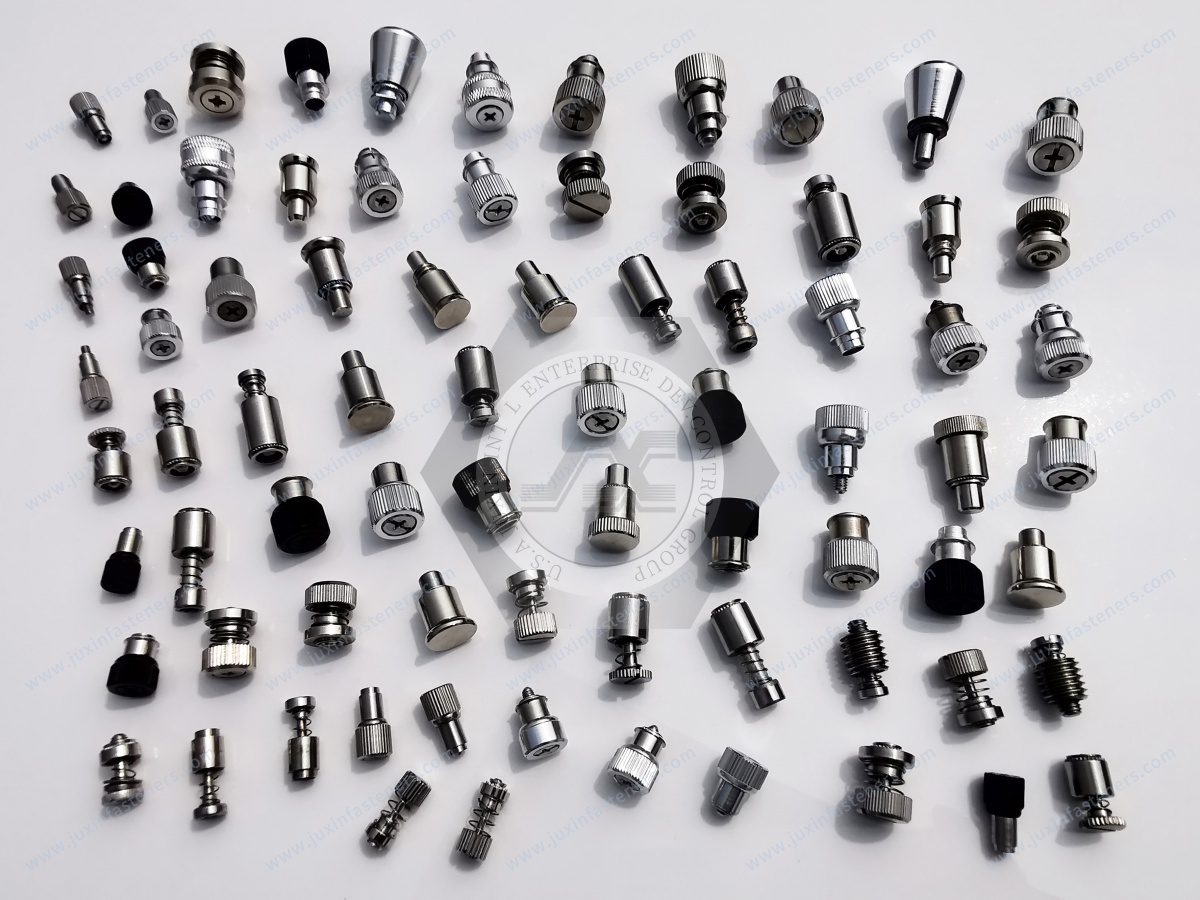
A reliable threaded connection should meet the following requirements:
After tightening:
Screw thread exposure should not be less than 1.5 pitches
For countersunk screws:
The screw head should be flush with the surface
The height difference should normally not exceed 0.2 mm
Threaded connections should:
Maintain sufficient tightening force
Prevent loosening during vibration
For vibration environments, recommended solutions include:
Nylon insert lock nuts
All metal lock nuts
Serrated flange nuts
Thread locking solutions
High-quality fasteners require precise manufacturing processes.
Cold heading forms the basic fastener shape.
Advantages:
High production efficiency
Excellent material utilization
Stable dimensions
Used for:
Bolts
Screws
Rivets
Annealing improves wire material performance.
Main purposes:
Reduce hardness
Improve machinability
Adjust material structure
Quality control includes:
Hardness testing
Surface inspection
Material verification
Pickling removes:
Oxide layers
Surface impurities
Phosphate treatment improves:
Lubrication performance
Cold forming capability
Surface protection
Wire drawing controls:
Wire diameter
Dimensional accuracy
Surface quality
Thread manufacturing methods include:
Advantages:
Higher thread strength
Better fatigue resistance
Improved surface finish
Commonly used for:
Nuts
Internal threaded components
Bolts consist of:
Head
Externally threaded shaft
Applications:
Structural connections
Machinery assembly
Studs have external threads on both ends.
Applications:
Engine systems
Heavy equipment
Common screw types:
Machine screws
Self-tapping screws
Set screws
Socket screws
Countersunk screws
Common nut types:
Hex nuts
Flange nuts
Lock nuts
Nylon insert nuts
Cap nuts
Wing nuts
Rivet nuts
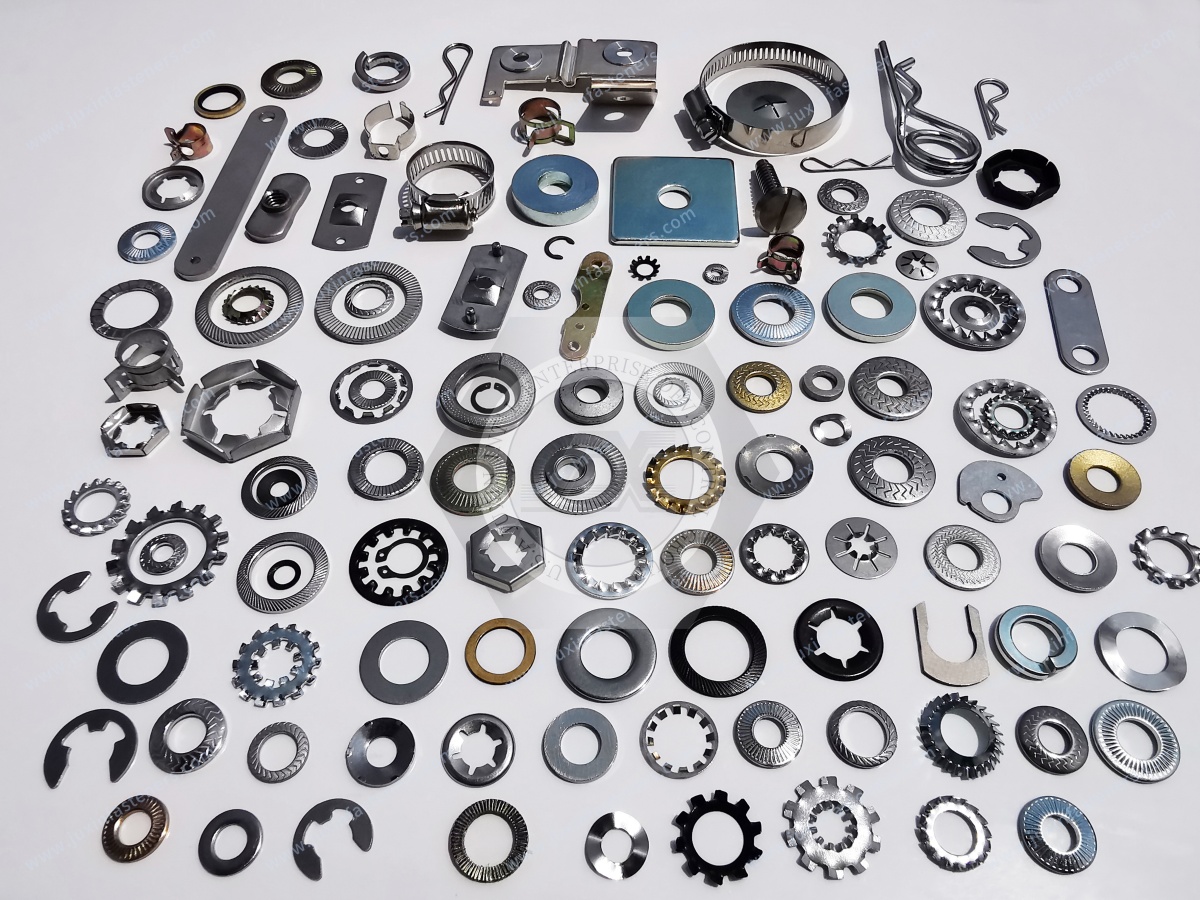
Washer types:
Flat washers
Spring washers
Serrated washers
Functions:
Load distribution
Surface protection
Anti-loosening support
In applications with vibration or impact, standard nuts may loosen.
Recommended solutions:
Features:
Vibration resistance
Reusable fastening
Stable locking performance
Types:
Nylon insert lock nuts
All-metal lock nuts
Prevailing torque nuts
Used in:
Machinery
Automotive systems
Industrial equipment
They improve connection reliability through friction locking.
Engineers should consider:
Common materials:
Advantages:
High strength
Cost-effective
Applications:
Machinery
Automotive structures
Advantages:
Corrosion resistance
Clean appearance
Applications:
Medical equipment
Food machinery
Marine environments
Carbon steel fasteners can use:
Zinc plating
Zinc nickel coating
Black oxide
Geomet coating
to improve corrosion resistance.
Consider:
Tensile load
Shear load
Vibration conditions
Operating temperature
JUXIN FASTENERS provides professional OEM fastening solutions for global manufacturers.
Our products include:
Carbon Steel Screws
Carbon Steel Nuts
Stainless Steel Screws
Stainless Steel Nuts
Bolts
Washers
Lock Nuts
Rivet Nuts
Thread Inserts
Custom Fasteners
Manufacturing capabilities:
Cold heading
CNC machining
Thread rolling
Surface treatment
Customized production
Supporting industries:
Automotive
EV manufacturing
Medical equipment
Electrical appliances
Industrial machinery
Construction
Rail transportation
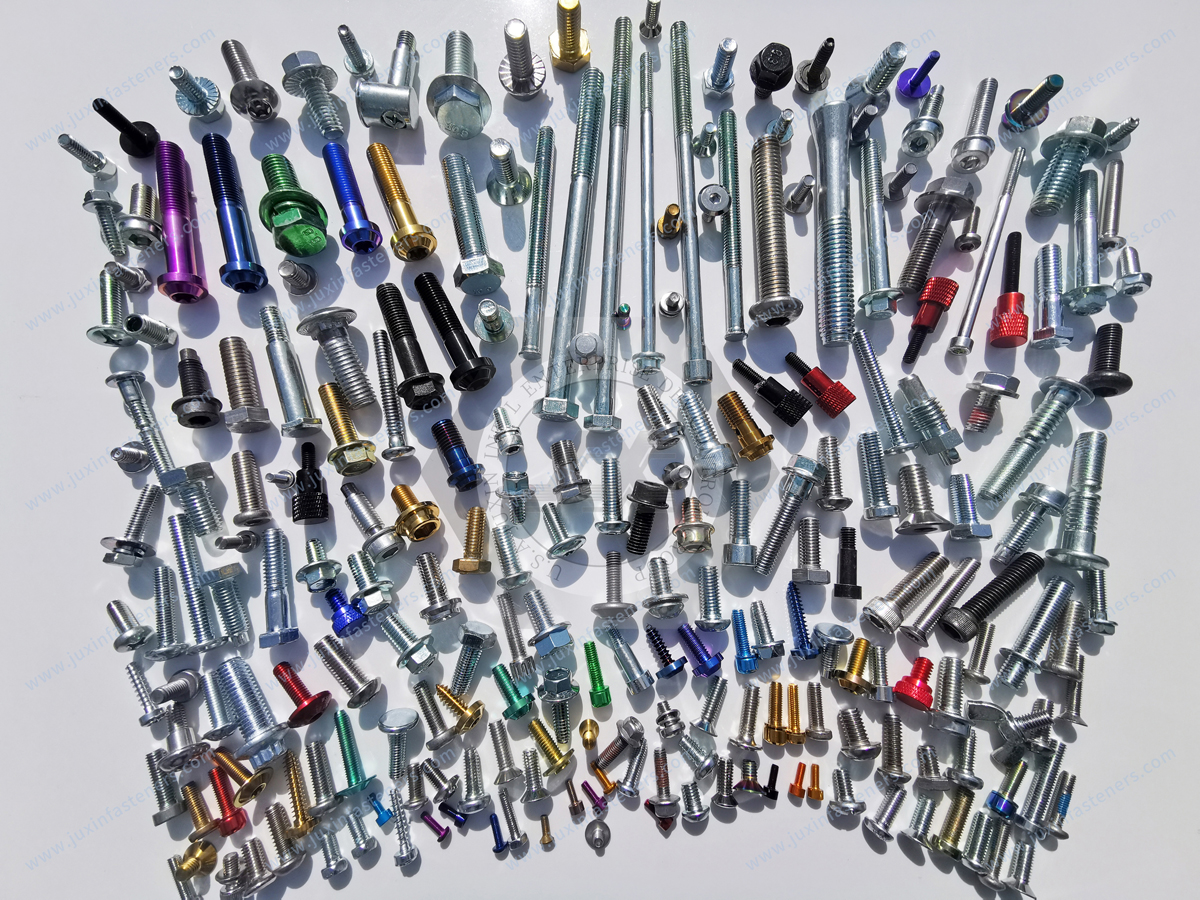
Correct fastener selection and installation are essential for achieving safe and durable product performance.
From high-strength carbon steel screws and nuts to corrosion-resistant stainless steel fasteners, JUXIN FASTENERS helps engineers and procurement teams develop reliable fastening systems.
We provide:
Engineering support
Material recommendations
OEM customization
Quality inspection
Global supply solutions
JUXIN FASTENERS
Precision Fastening Solutions for Global OEMs
Email: info@juxinfasteners.com
Website:
www.juxinfasteners.com
 MORE NEWS
Sep. 27, 2026
Sep. 27, 2026
Sep. 27, 2026
Contact Us
Tel.:
+86 020 8621 0320
+86 020 3121 6067
E-mail:
Technical Support:
Navigation
SEND INQUIREY