
Call Us
+86 136 6007 9809
Call Us
+86 136 6007 9809

Jun. 09, 2024
As the global automotive industry continues to advance toward lightweight vehicles, electrification, and intelligent manufacturing, automotive sheet metal joining has become increasingly important. From conventional passenger vehicles to electric vehicles (EVs), commercial trucks, rail transportation, and aerospace structures, selecting the right industrial fasteners directly affects structural integrity, manufacturing efficiency, corrosion resistance, and long-term reliability.
Unlike traditional welding alone, modern automotive manufacturing increasingly relies on engineered fastening systems to connect high-strength steel, galvanized steel, aluminum alloys, and mixed-material structures. Choosing the correct weld nuts, weld studs, clinching fasteners, rivet nuts, threaded inserts, self-clinching nuts, and custom automotive fasteners is essential for achieving safe, durable, and cost-effective assemblies.
At Juxin Fasteners, we specialize in manufacturing OEM automotive fasteners that meet the demanding requirements of global vehicle manufacturers, Tier 1 suppliers, and industrial equipment manufacturers.
Email: info@juxinfasteners.com
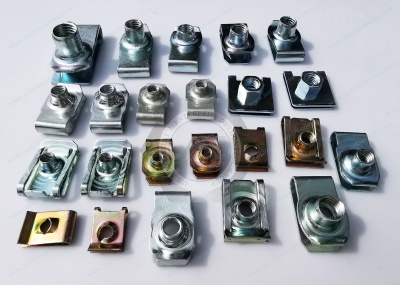
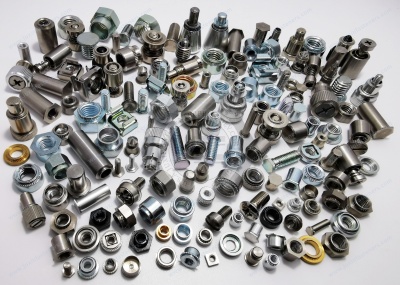
Automotive body structures contain thousands of fastening points. Every connection must withstand:
Dynamic vibration
Impact loads
Fatigue cycles
Thermal expansion
Corrosion
Assembly line automation
Long service life
Proper fastener selection improves:
Structural rigidity
Vehicle safety
Manufacturing efficiency
Maintenance accessibility
Assembly accuracy
Product reliability
Production cost optimization
As vehicle platforms become lighter, manufacturers increasingly combine high-strength steel, galvanized steel, aluminum alloys, stainless steel, and composite materials, making mechanical fastening even more critical.
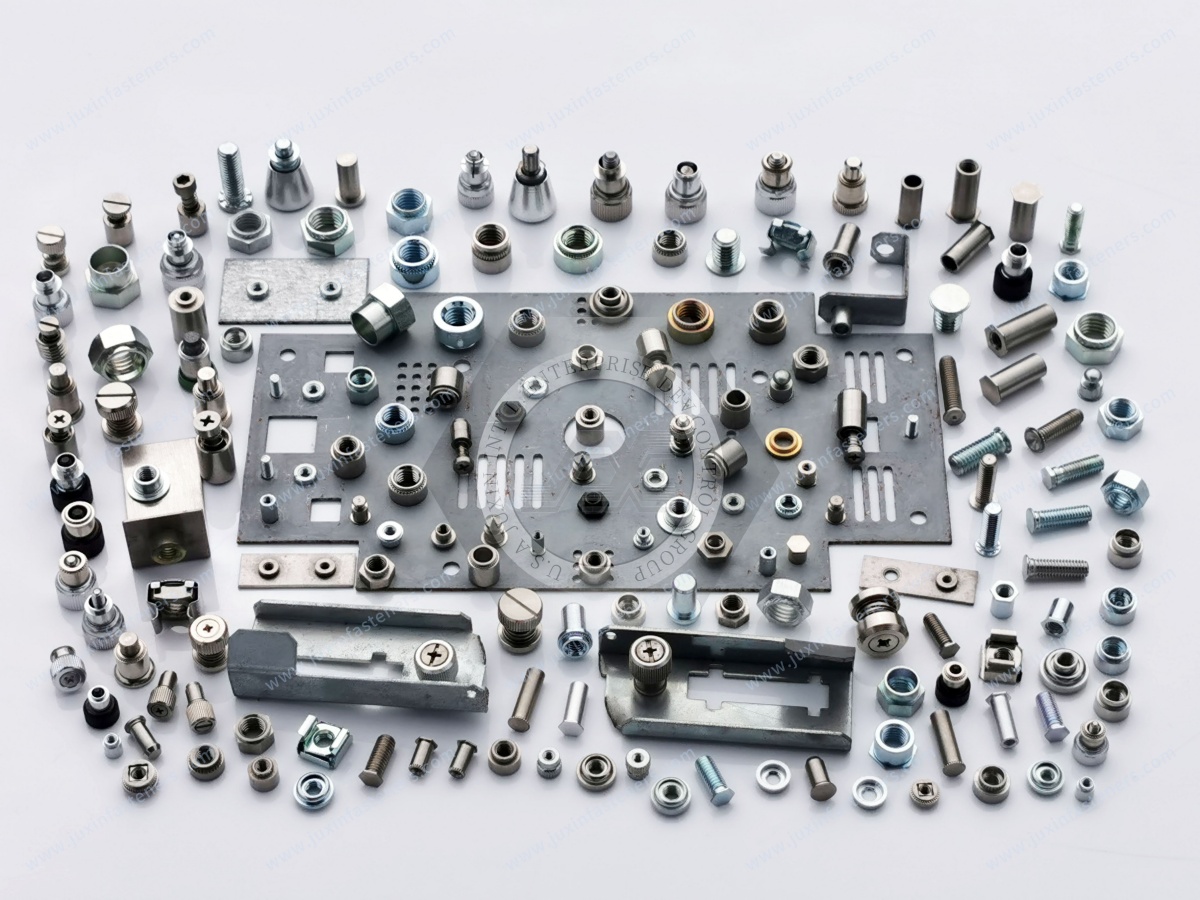
Modern vehicle bodies utilize multiple material combinations.
Common automotive sheet materials include:
High-strength steel (HSS)
Ultra-high-strength steel (UHSS)
Galvanized steel
Aluminum alloy
Stainless steel
Multi-material body structures
Each material presents different joining challenges.
High-strength steel offers excellent crash performance while reducing vehicle weight.
However, increasing material strength also creates challenges such as:
Reduced weldability
Higher forming stress
Increased springback
Greater sensitivity to heat input
For many applications, manufacturers prefer mechanical fastening solutions rather than relying solely on welding.
Suitable products include:
Projection Weld Nuts
Hex Weld Nuts
Square Weld Nuts
Weld Studs
Self-Clinching Fasteners
Threaded Inserts
Galvanized steel provides excellent corrosion protection but introduces additional welding challenges because zinc coatings influence electrical resistance and weld quality.
Properly designed automotive fasteners help manufacturers reduce welding defects while improving assembly consistency.
Lightweight aluminum components are increasingly used in:
EV battery housings
Vehicle doors
Hood assemblies
Seat structures
Interior support brackets
Because aluminum has relatively poor weldability compared with steel, manufacturers commonly adopt:
Rivet Nuts
Self-Clinching Nuts
Threaded Inserts
Blind Fasteners
These fastening systems provide reliable threaded connections without damaging lightweight materials.
Every automotive fastening system must satisfy stringent mechanical performance requirements.
Important design considerations include:
Clamp load
Tensile strength
Shear strength
Fatigue resistance
Torque retention
Vibration resistance
Pull-out strength
Push-out strength
Correct preload design is particularly important.
Excessive preload may:
Damage thin sheet metal
Cause bolt fracture
Reduce fatigue life
Insufficient preload may result in:
Joint loosening
Reduced clamping force
Increased vibration
Noise generation
Premature failure
Engineering calculations should comply with international fastening design practices to maximize joint reliability.
Modern automotive factories rely heavily on automated production.
Fasteners should support:
Robotic assembly
Automated welding
High-speed production lines
Repeatable positioning
Reduced assembly time
Lower labor costs
Projection weld nuts and weld studs are widely used because they can be installed during body welding and subsequently provide threaded attachment points during final assembly.
This approach significantly improves production efficiency while ensuring dimensional accuracy.
Automotive fasteners must survive harsh environmental conditions including:
Road salt
Moisture
High humidity
Temperature cycling
Chemical exposure
Depending on the application, common surface treatments include:
Zinc Plating
Zinc Nickel Coating
Geomet®
Dacromet®
Mechanical Zinc Plating
Black Oxide
Phosphate Coating
Stainless Steel Materials
For electric vehicles, Zinc Nickel coated automotive fasteners have become increasingly popular because they provide outstanding corrosion resistance and long service life.
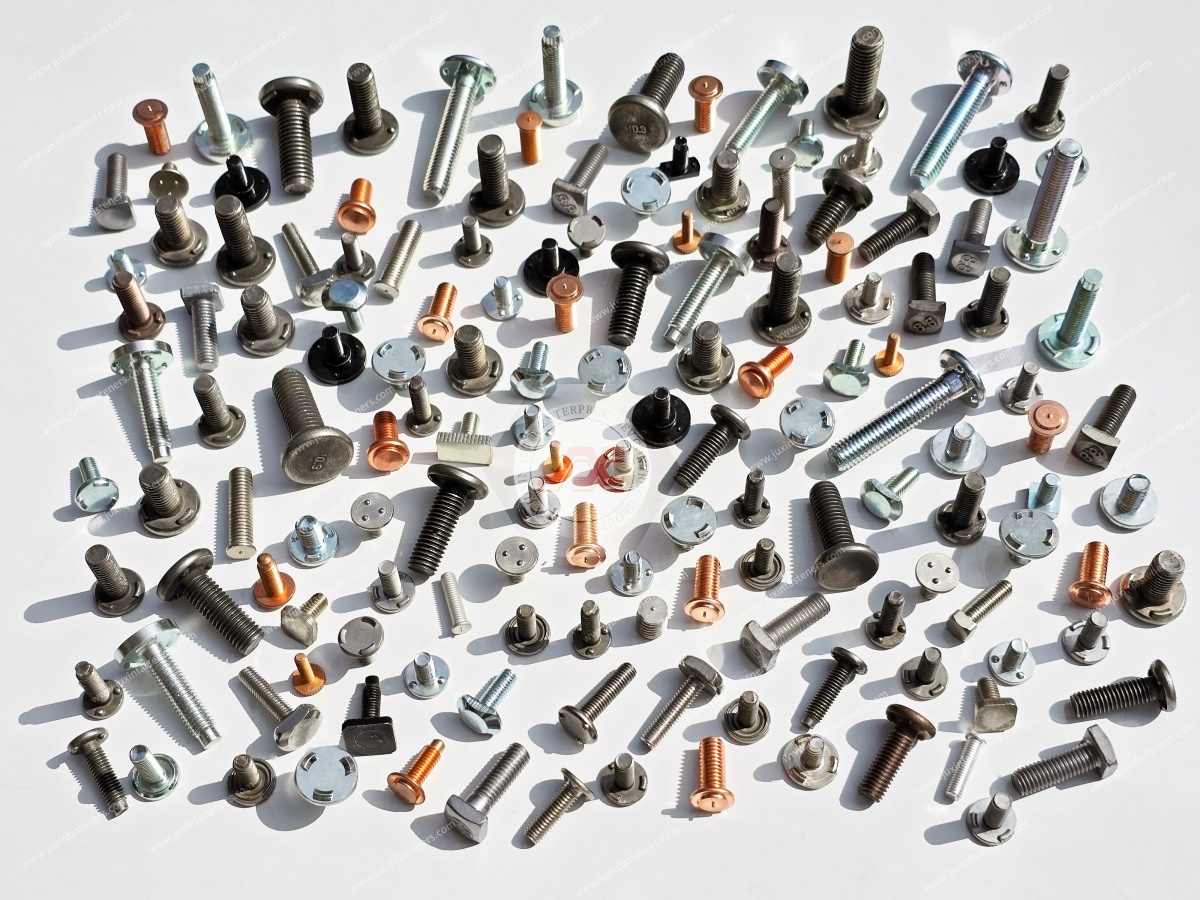
Projection weld nuts provide strong threaded connections directly welded onto automotive sheet metal.
Advantages include:
Excellent positional accuracy
High production efficiency
Reliable torque performance
Ideal for robotic welding
Applications:
Seat systems
Door assemblies
Suspension brackets
Chassis structures
Hex weld nuts are commonly used when high torque capacity and secure threaded engagement are required.
Typical applications include:
Engine compartments
Structural brackets
Cross members
Heavy-duty assemblies
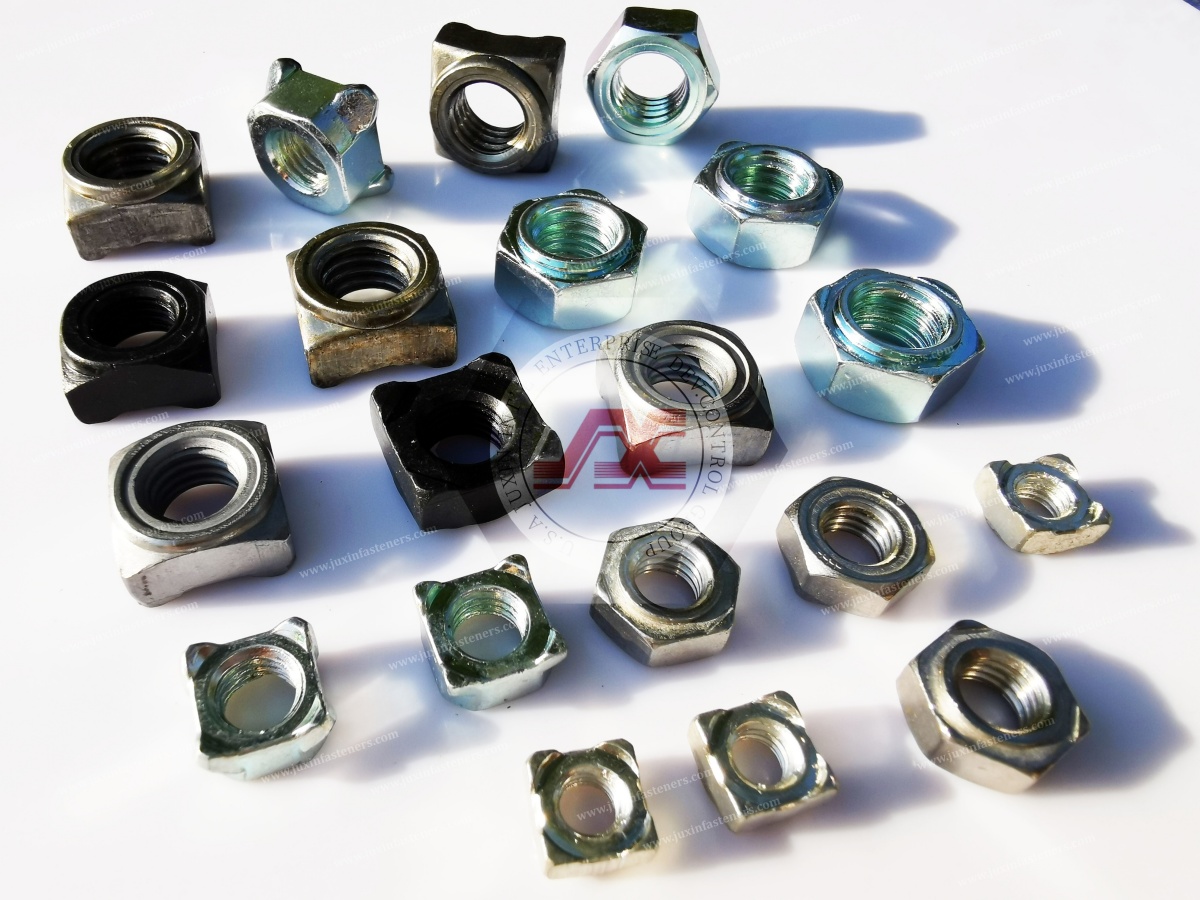
Square weld nuts provide excellent anti-rotation characteristics and are ideal for automated projection welding.
Applications:
Automotive frames
Seat rails
Battery trays
Body structures
Automotive weld studs eliminate the need for through holes and simplify component installation.
They are widely used for:
Cable routing
Interior trim
Electrical components
Heat shields
Battery pack mounting
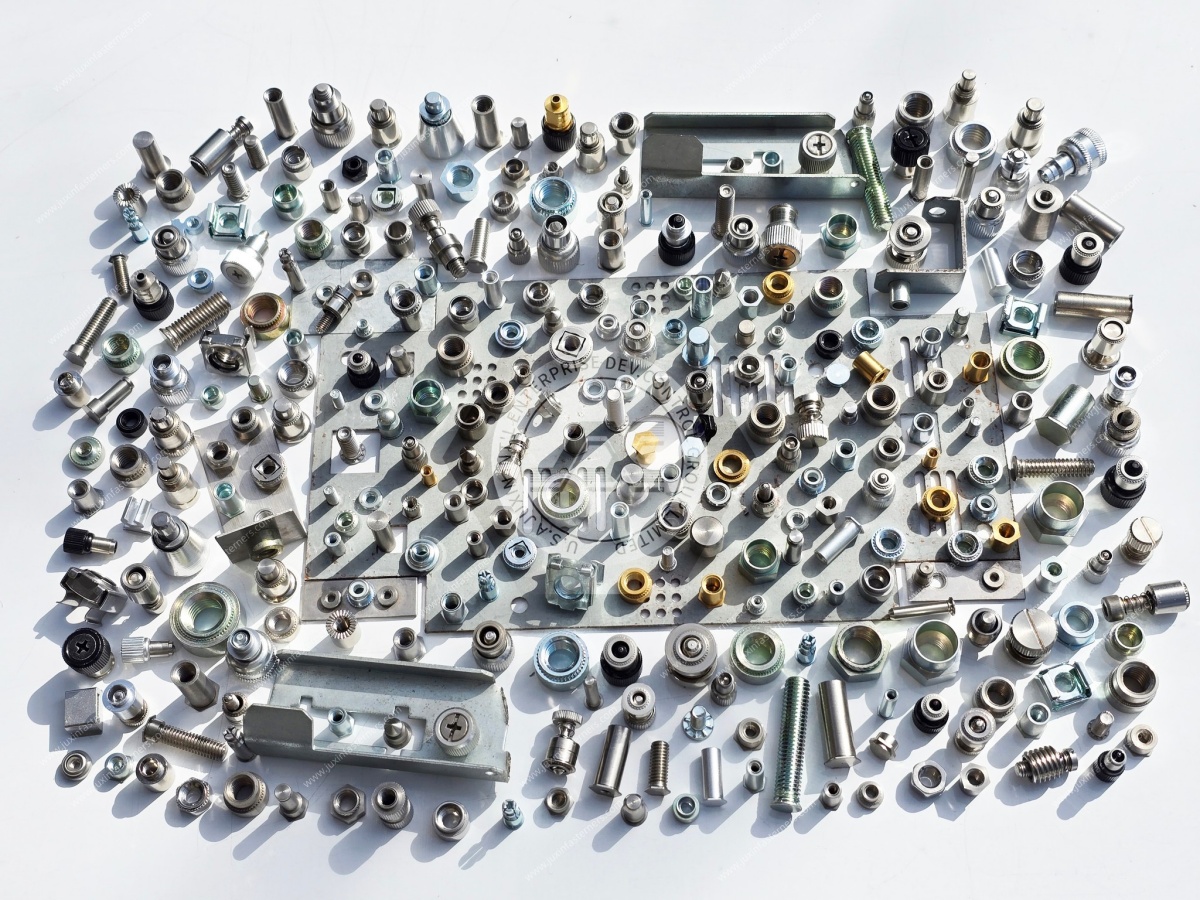
Self-clinching nuts and studs permanently install into sheet metal without welding.
Advantages include:
High pull-out strength
Excellent torque resistance
Thin sheet compatibility
Reduced manufacturing cost
Blind Rivet Nuts provide strong internal threads where only one side of the sheet is accessible.
Ideal for:
Aluminum structures
Closed sections
EV battery enclosures
HVAC equipment
Engineers should consider several factors when selecting fastening systems.
Avoid galvanic corrosion between dissimilar metals by selecting compatible fastener materials and protective coatings.
Choose fastening methods suitable for assembly line operations and future maintenance.
Selecting the appropriate fastener early in product development reduces manufacturing complexity and lowers production costs.
Fasteners designed specifically for robotic installation improve production efficiency and reduce quality variation.
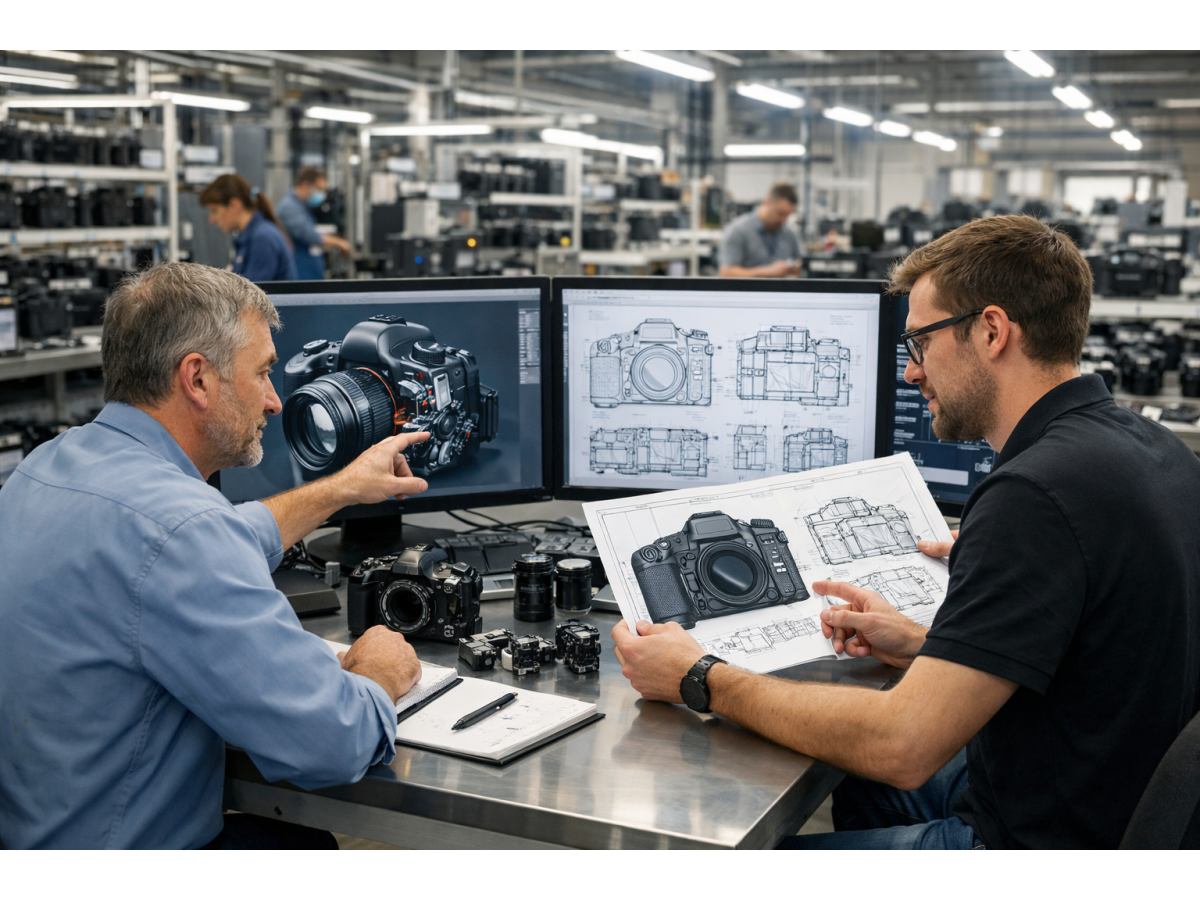
Juxin Fasteners supplies engineered fastening solutions for numerous industries requiring precision sheet metal joining.
Vehicle body structures
Seat systems
Door modules
Chassis assemblies
Suspension components
Interior systems
Battery Pack Systems
Battery Enclosures
Battery Cooling Plates
Charging Systems
Electric Drive Units
Train Body Structures
Passenger Interiors
Electrical Cabinets
Roof Systems
Floor Assemblies
Aircraft Interior Panels
Lightweight Structural Components
Equipment Mounting
Cabin Systems
Industrial Control Panels
Switchgear
Power Distribution Cabinets
Communication Equipment
Air Handling Units
Ventilation Systems
Heat Pump Equipment
Refrigeration Units
Imaging Systems
Diagnostic Equipment
Hospital Furniture
Surgical Devices
Steel Structures
Curtain Wall Systems
Building Hardware
Architectural Metal Components
Industrial Equipment
Agricultural Machinery
Mining Equipment
Heavy Machinery
Robotic Arms
Automation Equipment
Smart Manufacturing Systems
Factory Automation
Precision Metal Enclosures
Industrial Cabinets
Control Boxes
Fabricated Components
Juxin Fasteners is a professional manufacturer specializing in automotive fastening solutions for OEMs and industrial manufacturers worldwide.
We provide:
OEM & ODM Manufacturing
Custom Fastener Design
Automotive Weld Nuts
Projection Weld Nuts
Square Weld Nuts
Hex Weld Nuts
Weld Studs
Self-Clinching Fasteners
Blind Rivet Nuts
Threaded Inserts
Carbon Steel & Stainless Steel Fasteners
Zinc Nickel Coating
RoHS & REACH Compliant Surface Treatments
Precision Cold Forming Manufacturing
Strict Quality Inspection
Global Export Experience
Our engineering team works closely with customers to develop fastening solutions optimized for strength, manufacturability, corrosion resistance, and long-term reliability.
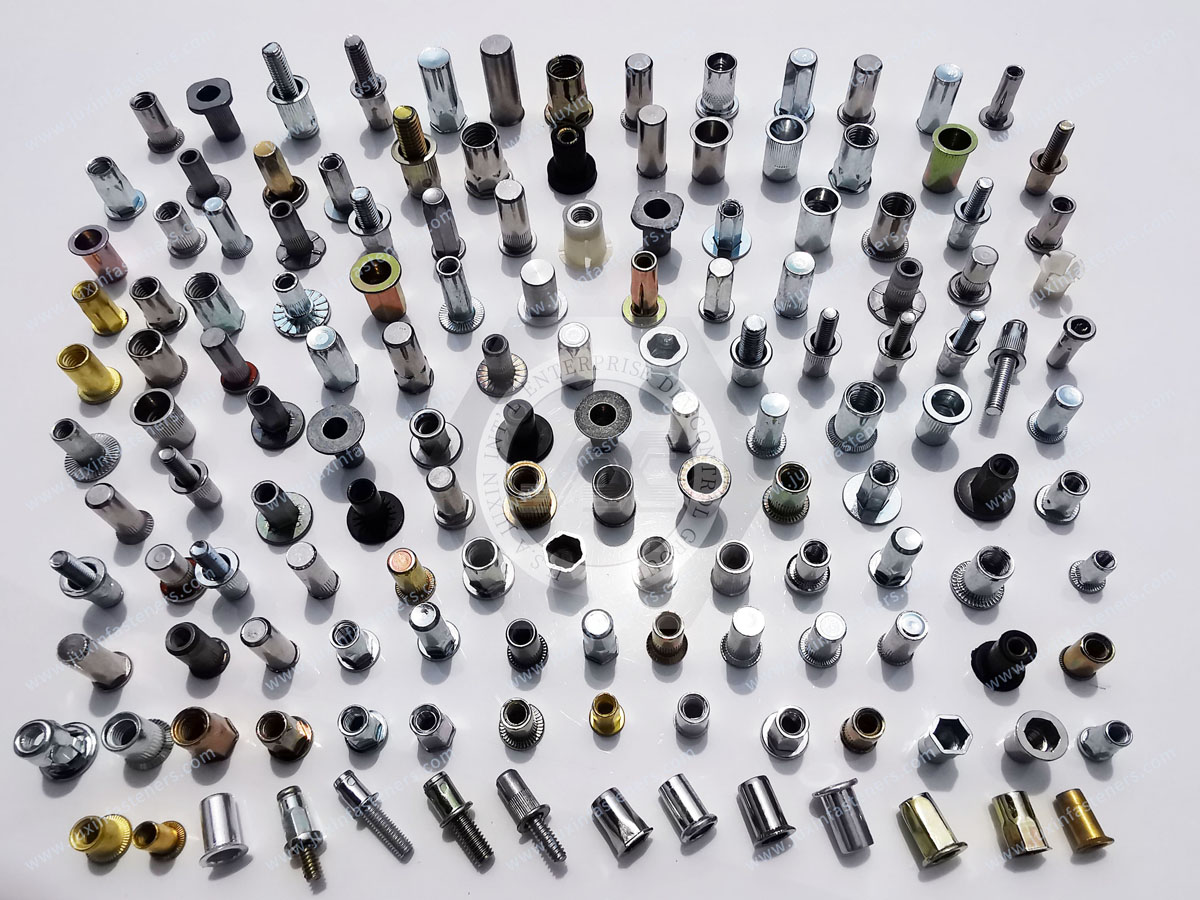
Partner with Juxin Fasteners for Reliable Automotive Fastening Solutions
As vehicle designs continue evolving toward lightweight construction and intelligent manufacturing, selecting the right fastening system has become more important than ever. Whether your project involves high-strength steel body structures, aluminum battery enclosures, robotic assembly lines, or complex sheet metal fabrication, Juxin Fasteners delivers precision-engineered fastening solutions that improve assembly efficiency, structural performance, and product durability.
Contact our engineering team today to discuss your custom fastening requirements.
Email: info@juxinfasteners.com
Website: https://www.juxinfasteners.com
 MORE NEWS
Sep. 27, 2026
Sep. 27, 2026
Sep. 27, 2026
Contact Us
Tel.:
+86 020 8621 0320
+86 020 3121 6067
E-mail:
Technical Support:
Navigation
SEND INQUIREY