
Call Us
+86 136 6007 9809
Call Us
+86 136 6007 9809

Mar. 29, 2026
Rivet Nuts vs Weld Nuts: Which Fastener Is Best for Your Design?
Introduction
Engineers often face the choice between blind rivet nuts and weld nuts when designing sheet metal or composite assemblies. Each fastener type has unique advantages depending on material, thickness, environment, and application.
This guide explores:
Mechanical strength
Installation requirements
Material compatibility
Cost and production considerations
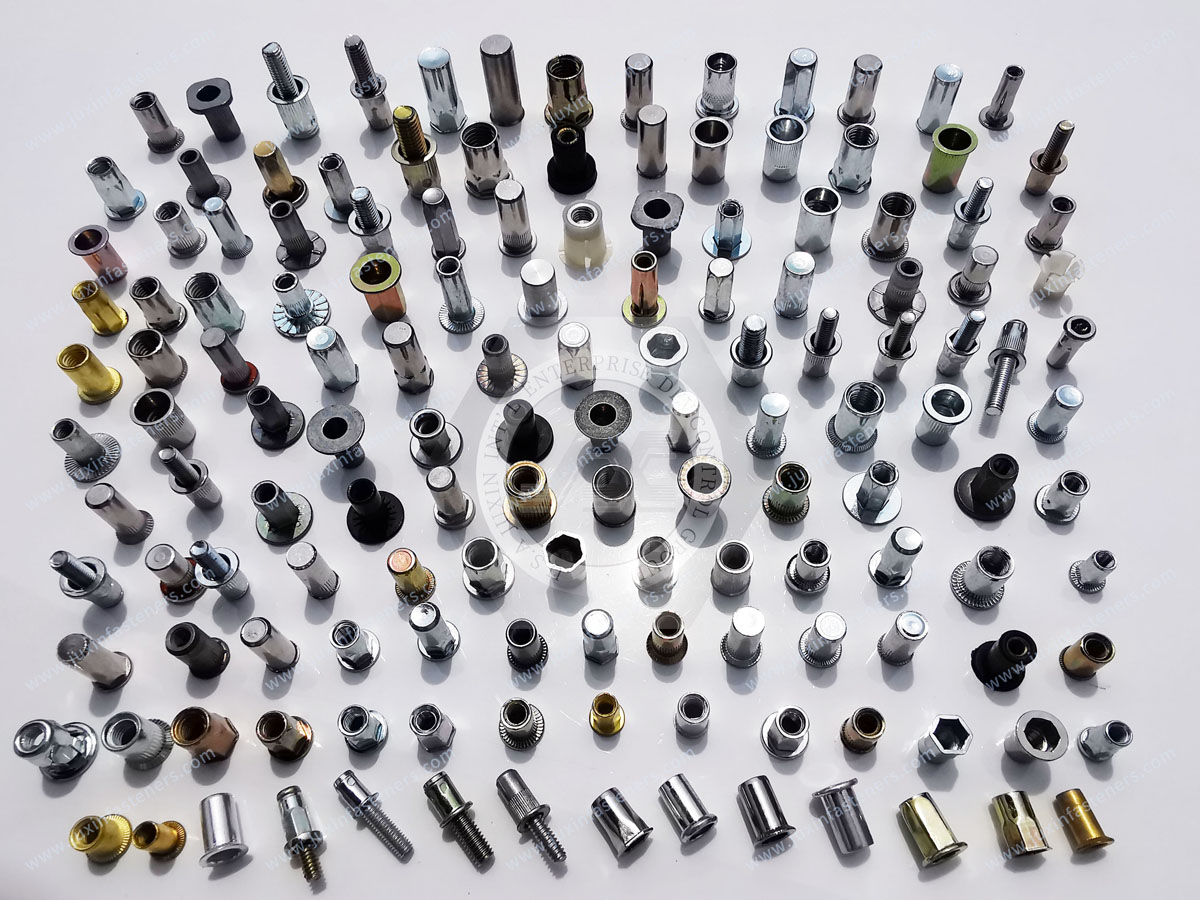
Blind Rivet Nuts Overview
Blind rivet nuts are inserted from one side of the workpiece. They deform to create a bulged backside, forming a strong internal thread.
Advantages:
Installed from one side (no access to back)
Suitable for thin or hollow materials
Reusable threads
Compatible with plastics and aluminum
Disadvantages:
Slightly lower torque capacity than weld nuts in heavy steel
Requires specific installation tools
Weld Nuts Overview
Weld nuts are nuts welded to metal sheets via resistance or spot welding. They provide a permanent threaded point.
Advantages:
High mechanical strength
Excellent vibration resistance
Ideal for steel applications
Disadvantages:
Requires access for welding
Not suitable for thin aluminum or plastic
Additional surface preparation needed
Comparison Table
Feature | Rivet Nuts | Weld Nuts |
Access | Single-side | Requires weld access |
Material | Steel, SS, Aluminum, Plastic | Steel (mainly) |
Reusability | Yes | No (permanent) |
Vibration Resistance | Moderate | High |
Installation | Pull/deform | Welding |
Cost | Moderate | Higher (welding labor) |
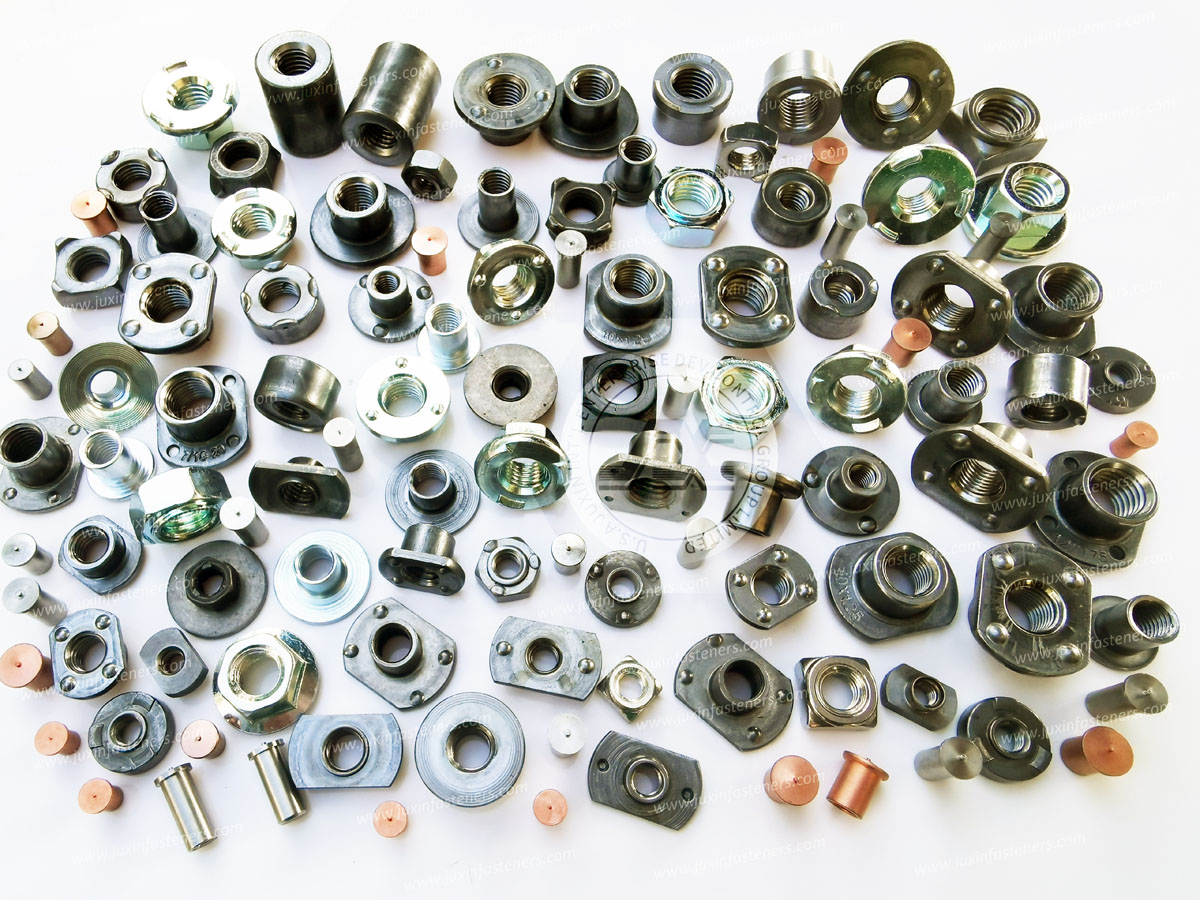
Application Recommendations
Plastics or aluminum housings: Rivet nuts
Thin sheet steel without welding access: Rivet nuts
Structural steel or high vibration applications: Weld nuts
Automotive body panels: Weld nuts for main frame, rivet nuts for covers
Conclusion
Selecting the right fastener depends on material, load, and access constraints. Rivet nuts provide versatility and reusability, while weld nuts offer strength and vibration resistance. Engineers often use both types in hybrid assemblies.
 MORE NEWS
Contact Us
Tel.:
+86 020 8621 0320
+86 020 3121 6067
E-mail:
Technical Support:
Navigation
SEND INQUIREY