
Call Us
+86 136 6007 9809
Call Us
+86 136 6007 9809

Mar. 29, 2026
Rivet Nuts for Electric Vehicle Battery Pack Enclosures
Introduction
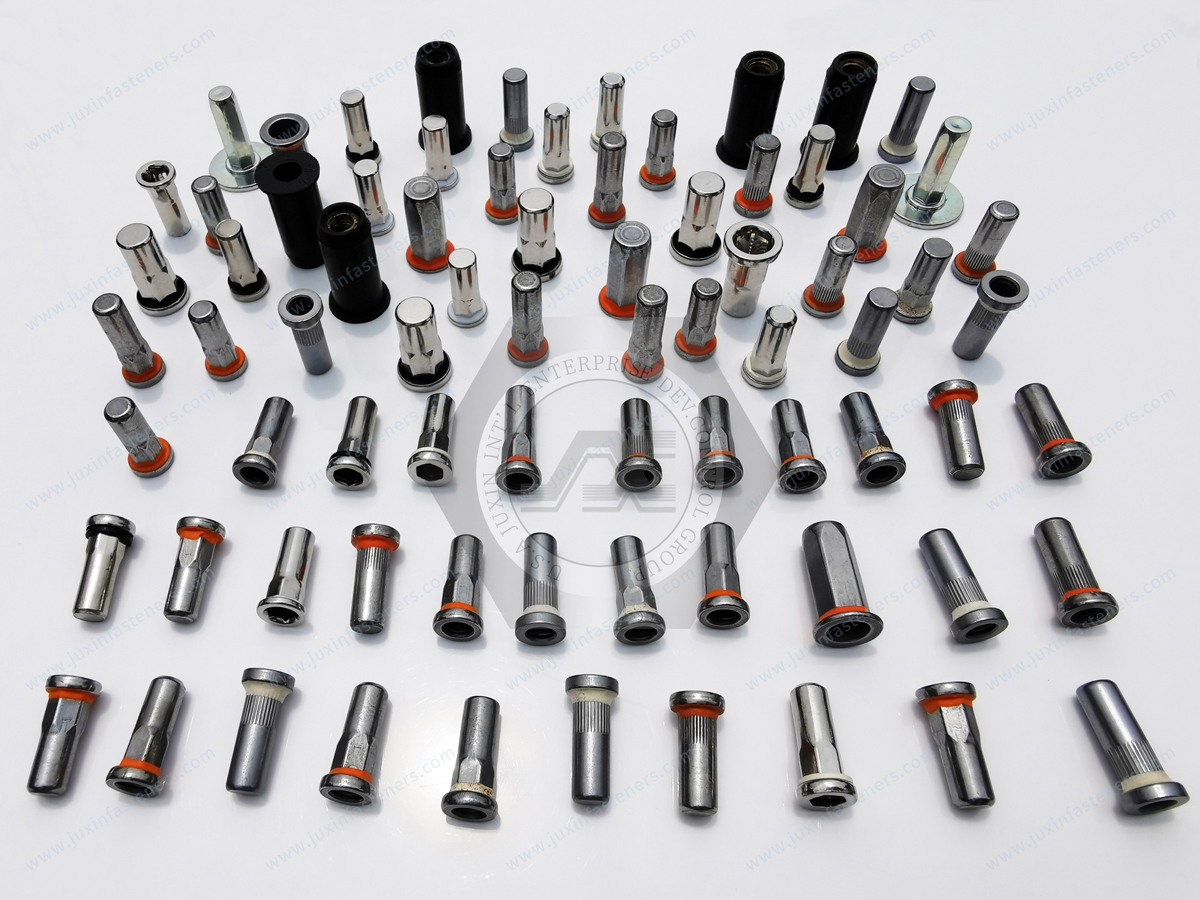
Electric vehicle (EV) battery systems are the heart of modern EVs. They require structural integrity, precise assembly, and robust electrical and thermal management. Blind rivet nuts are essential in EV battery pack enclosures because they provide strong threaded connections in thin metal sheets or composite housings where conventional screws cannot be used.
They enable:
Reusable threads for maintenance or module replacement
High pull-out strength to resist vibration and mechanical loads
Sealed fastening points to protect against moisture and dust
EV battery packs are highly regulated. Fasteners must meet stringent standards for safety, vibration resistance, and environmental protection.
EV Battery Pack Requirements
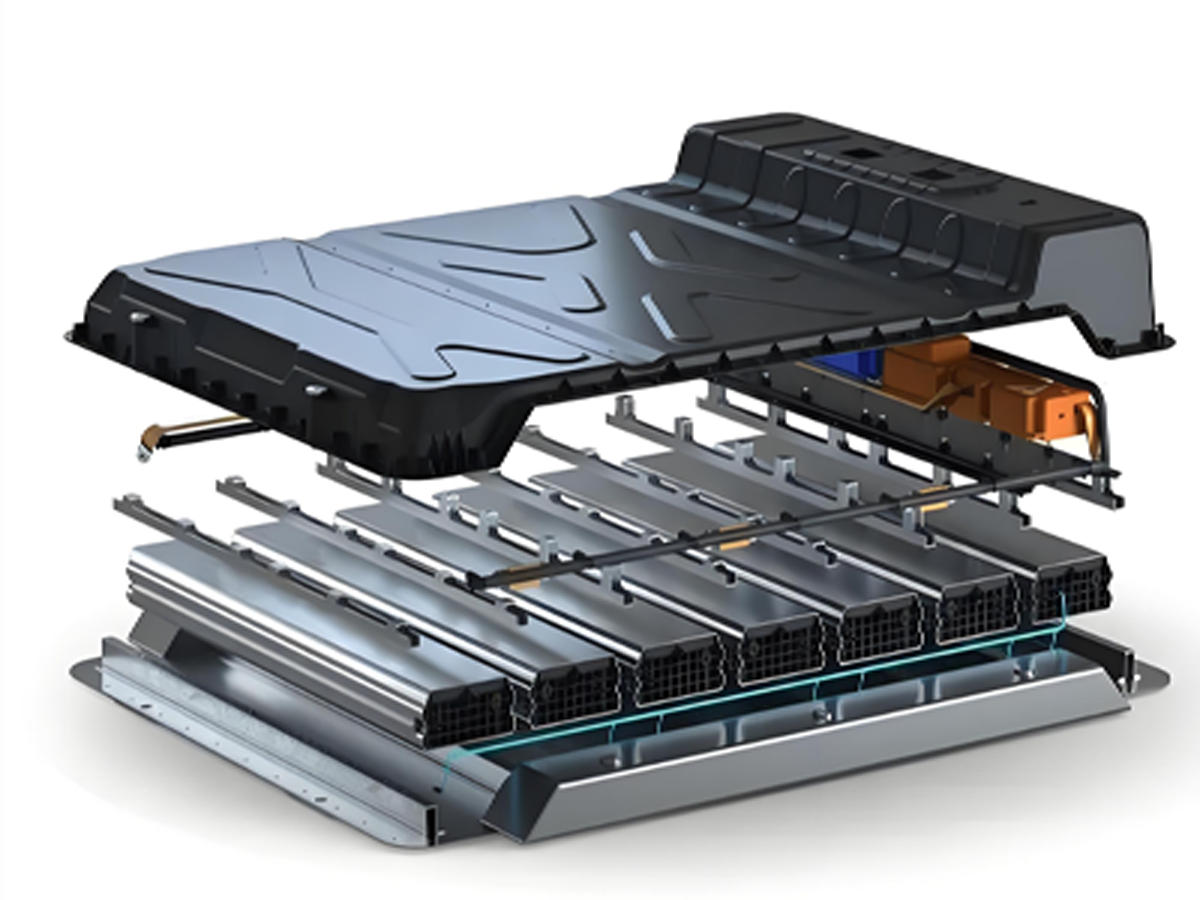
Battery packs consist of multiple modules, cells, and protective housings. Fastening points in these assemblies are subjected to:
Mechanical vibration
Thermal expansion
Electrical insulation requirements
Exposure to moisture or cooling fluids
Blind rivet nuts allow engineers to design fasteners that maintain thread integrity, resist loosening, and support repeated assembly/disassembly for maintenance.
Material Selection for EV Applications
The choice of material for rivet nuts is critical for battery pack reliability.
Steel Rivet Nuts
High mechanical strength
Suitable for structural battery enclosure frames
Resistant to torque-induced deformation
Stainless Steel Rivet Nuts
Excellent corrosion resistance
Withstands exposure to electrolyte or cooling fluids
Suitable for high-vibration areas
Aluminum Rivet Nuts
Lightweight solution for weight-sensitive EV components
Compatible with aluminum battery housings
Lower installation torque required
Sealed Rivet Nut Technology
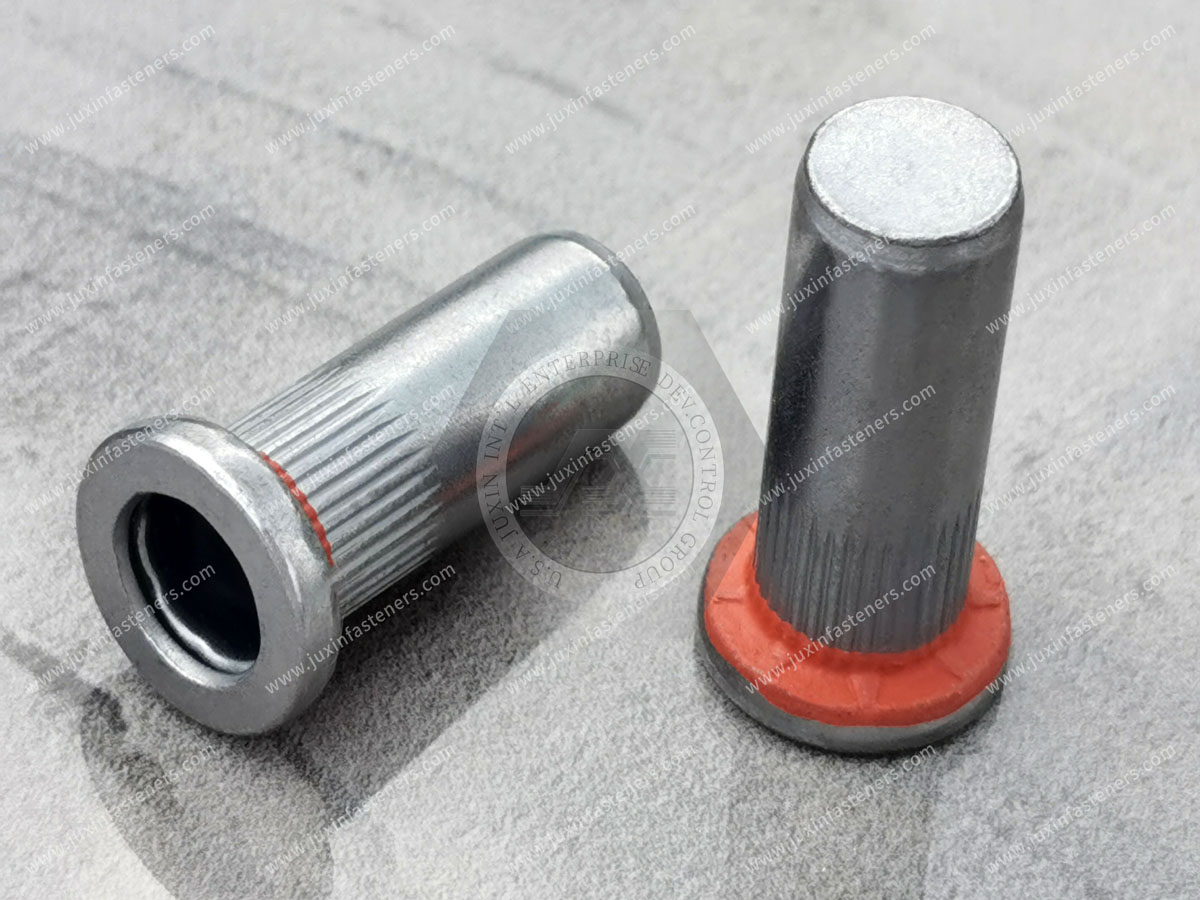
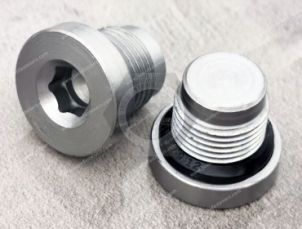
To meet IP67 or higher ingress protection standards, sealed rivet nuts incorporate:
Integrated O-ring or captive seal
Metal-to-metal contact for long-term performance
Protection against fluid ingress during battery leak tests
Sealed inserts are particularly critical when:
Attaching protective covers
Mounting cooling systems
Securing electronics modules
Installation Considerations
EV battery pack applications demand precision installation:
Hole preparation: Correct hole diameter ensures maximum pull-out strength. Oversized holes reduce performance; undersized holes induce cracks.
Tool selection: Pneumatic or electric rivet nut tools ensure consistent deformation.
Torque control: Installation torque must generate sufficient axial tension without damaging plastic or thin metals.
Sealing verification: Post-installation testing ensures IP67 compliance.
Applications in EV Battery Packs
Battery module attachment
Protective cover mounting
Cooling system brackets
Electrical harness mounting
By selecting the correct rivet nut design, engineers can ensure long-term reliability, maintain thread integrity, and meet IP67 standards.
Conclusion
Blind rivet nuts provide a cost-effective, high-performance solution for EV battery pack enclosures. They ensure mechanical strength, environmental protection, and reusability, making them indispensable for modern electric vehicles.
 MORE NEWS

Contact Us
Tel.:
+86 020 8621 0320
+86 020 3121 6067
E-mail:
Technical Support:
Navigation
SEND INQUIREY