Call Us
+86 136 6007 9809
Call Us
+86 136 6007 9809

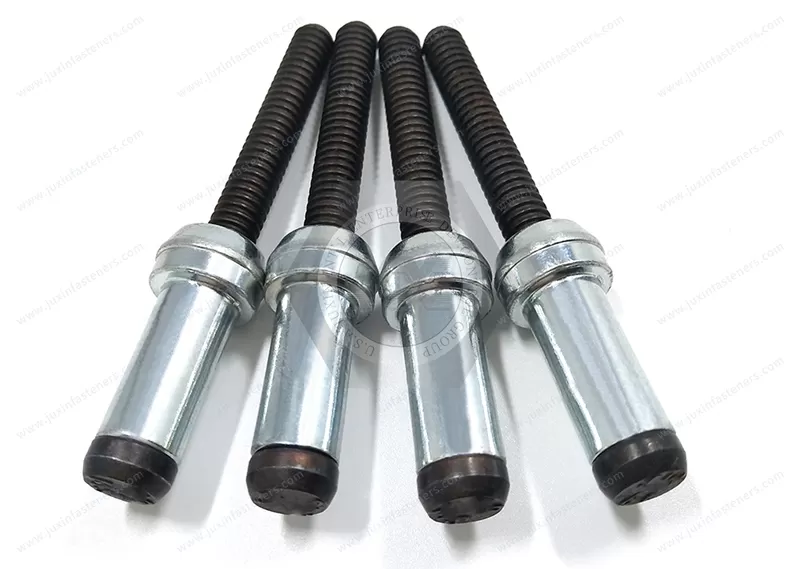
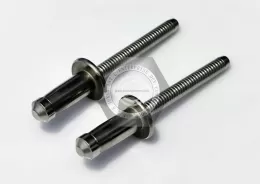
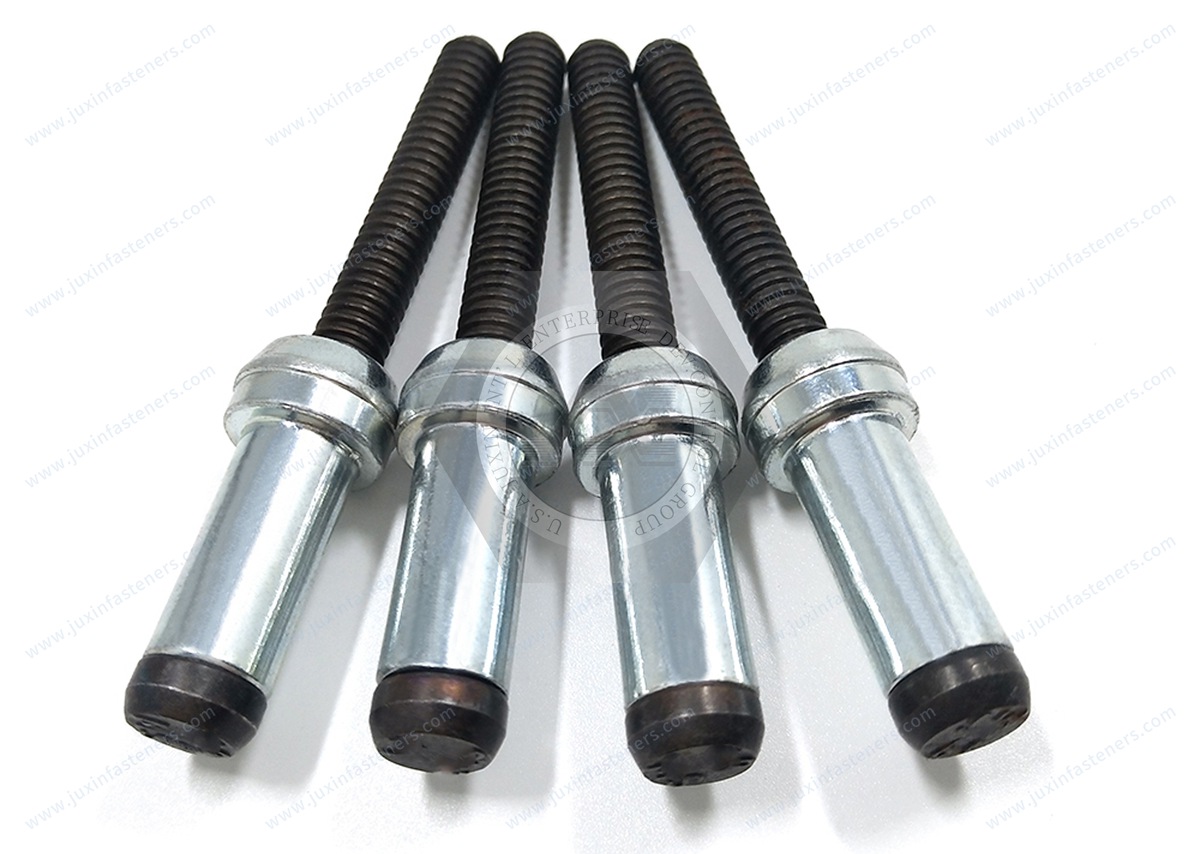
JUXIN FASTENERS supplies high-strength mechanically locked steel structural blind fasteners with steel bodies and steel mandrels for demanding one-sided assembly applications.
Designed for secure pin retention and robust structural connections, these fasteners are suitable for OEM engineering evaluation in commercial vehicles, trailers,
container manufacturing, railway equipment, heavy machinery, and fabricated steel structures.
Product Specification
High-Strength Mechanically Locked Steel Structural Blind Fasteners
Heavy-Duty Blind Lockbolts for OEM Structural Assembly
JUXIN FASTENERS supplies high-strength mechanically locked steel structural blind fasteners for industrial manufacturers requiring one-sided installation, secure pin retention, and dependable structural connections.
These products are also described in industrial engineering and purchasing terminology as steel blind lockbolts, structural blind bolts, mechanically locked blind rivets, and heavy-duty structural blind fasteners.
Unlike conventional removable threaded fasteners, mechanically locked structural blind fasteners are designed to create permanent connections without requiring access to both sides of the assembly.
Their construction is particularly relevant to fabricated steel structures, closed-section components, heavy equipment, commercial vehicles, and industrial assemblies where installation access is restricted.
Product Construction and Material
The JUXIN product series described here uses:
Body: Steel
Mandrel / Pin: Steel
Fastening Method: One-sided blind installation
Retention Principle: Mechanical pin locking
The exact steel grades, dimensional tolerances, protective finishes, grip ranges, and mechanical performance requirements are determined by the applicable product specifications.
Mechanical Locking and Structural Fastening Principle
A mechanically locked structural blind fastener consists of a steel body and a steel mandrel or pin.
During installation, a compatible setting tool applies a pulling force to the pin. The fastener body forms a retaining structure on the inaccessible side of the joint while the installation process secures the retained pin.
The mechanical locking arrangement is intended to reduce the risk of the retained pin loosening or separating from the installed fastener.
This design principle is useful for assemblies exposed to vibration, dynamic loading, or restricted maintenance access.
The actual locking geometry and retention performance depend on the specific fastener design and must be verified against the approved product drawing.
High Strength-to-Diameter Ratio
High-strength structural blind fasteners are developed for applications requiring substantial mechanical performance within a compact fastening diameter.
This characteristic can be valuable where installation space is limited or where the joint must transfer significant loads.
Engineering advantages may include:
Compact structural fastening arrangements
High shear and tensile performance when supported by product test data
Secure mechanical pin retention
One-sided installation access
Permanent fastening of suitable steel assemblies
Reduced need for conventional rear-side fastening operations
The allowable strength of each fastener must be based on verified material properties, dimensions, and mechanical testing.
A high-strength blind fastener should not automatically be considered equivalent to a conventional bolt of the same diameter.
Positive Pin Retention and Vibration Resistance
Positive mechanical pin retention is a key feature of this structural fastening category.
After installation, the locking arrangement is intended to hold the retained pin within the fastener body.
This can help reduce the risk of loose pin components in assemblies exposed to vibration and repeated service loading.
For OEM engineers, important evaluation factors include the locking mechanism, installed pin position, joint loading, and installation consistency.
Mechanical locking does not eliminate the need for fatigue assessment or vibration testing where required by the application.
Joint Pull-Up and Gap-Closing Capability
Certain mechanically locked structural blind fastener designs can draw joined components together during installation.
This is commonly described using engineering terms such as joint pull-up, gap-closing capability, and clamp-up performance.
When supported by the selected fastener design, this action can help improve contact between assembled components before the final locking condition is established.
However, allowable initial gaps and retained clamp forces vary by fastener design.
Excessive gaps, severely misaligned holes, or unsuitable material thicknesses may prevent proper installation.
JUXIN recommends verifying the intended joint geometry and any required pull-up performance against the relevant technical drawing and application requirements.
Shear Strength, Tensile Strength and Joint Integrity
Structural blind fasteners are selected according to the mechanical loads acting on the completed assembly.
Shear Strength
Shear loading acts across the fastener, generally parallel to the joined material surfaces.
Shear resistance depends on the steel body, retained pin, fastener diameter, and installed condition.
Tensile Strength
Tensile loading acts to separate the joined components.
Tensile resistance depends on both the fastener and the surrounding materials.
Combined Loading
Industrial joints may experience simultaneous shear and tensile loads, as well as vibration and fatigue.
The complete joint must be evaluated for fastener strength, substrate bearing, edge distance, hole deformation, and possible pull-through failure.
Verified product ratings and appropriate engineering calculations should be used when designing load-bearing connections.
One-Sided Installation for Restricted-Access Assemblies
A major advantage of structural blind fastening is the ability to install the fastener from one accessible side.
This is especially relevant to:
Hollow steel sections
Closed fabricated structures
Enclosed machinery components
Box-section assemblies
Equipment frames with limited rear access
Structural panels where conventional nut installation is impractical
The blind-side formation must have sufficient internal clearance.
The engineer should also verify material thickness, installation hole dimensions, and the mechanical requirements of the completed connection.
Structural Blind Fasteners Compared with Bolts and Welding
Mechanically locked structural blind fasteners may be considered as alternatives to selected bolted or welded connections.
Compared with Conventional Bolts
Blind fastening can eliminate the need to position and tighten a separate nut on an inaccessible side.
It may also simplify assembly in certain closed structures.
However, the required preload, serviceability, tensile performance, shear performance, and fatigue resistance must be evaluated before replacing a conventional bolted connection.
Compared with Welding
Mechanical blind fastening avoids welding heat input during the fastening operation.
This may be useful where welding distortion, access limitations, or manufacturing process requirements make a mechanical connection preferable.
Nevertheless, blind fasteners and welds transfer loads differently.
Any replacement of a specified welded joint requires engineering review and approval.
Steel Body and Steel Mandrel Construction
This JUXIN product series uses a steel body and steel mandrel.
The steel body forms the installed retaining structure, while the steel pin participates in setting and mechanical retention.
Material selection should consider:
Steel grade and mechanical properties
Body and pin dimensions
Surface protection
Corrosion environment
Installation requirements
Joint loading
Operating temperature
Compatibility with the joined materials
The exact steel grades and protective coatings must be confirmed for the selected product.
Grip Range, Installation Holes and Joint Design
Correct grip range and hole preparation are essential for reliable installation.
Grip Range
The combined thickness of the assembled materials must fall within the approved grip range.
Material tolerances, coatings, and intermediate layers should be included when calculating the total thickness.
Installation Hole Diameter
The hole diameter must match the approved fastener specification.
Oversized or damaged holes can affect fastener support and joint performance.
Edge Distance and Fastener Spacing
Fastener spacing and edge distance influence load distribution and substrate failure resistance.
These dimensions should be established according to the joint design and required mechanical performance.
Blind-Side Clearance
The assembly must provide sufficient space for the fastener to form its blind-side retaining structure.
Installation Equipment and Process Control
Mechanically locked structural blind fasteners require compatible setting equipment.
The exact installation tool and nose assembly depend on the fastener geometry and size.
A typical installation process includes preparing aligned holes, confirming the grip thickness, inserting the fastener, and completing the setting operation with approved equipment.
After installation, the head seating, retained pin position, and locking condition should be inspected according to the applicable acceptance criteria.
For high-volume OEM manufacturing, production controls may include:
Hole diameter inspection
Grip thickness verification
Installation tool maintenance
Operator training
Installed pin inspection
Representative joint testing
Production traceability
Defined rework procedures
A controlled installation process helps improve assembly consistency and reduce the risk of defective joints.
Industrial Applications and Engineering Solutions
Commercial Vehicles and Heavy-Duty Trucks
Mechanically locked structural blind fasteners may be evaluated for truck body structures, fabricated brackets, equipment supports, and selected heavy-duty vehicle assemblies.
One-sided installation can be particularly useful where access to the reverse side is restricted.
Trailer Manufacturing
Potential applications include trailer structures, fabricated steel components, support brackets, and equipment frames.
Structural performance, vibration, fatigue, and corrosion requirements should be evaluated.
Container Manufacturing
Structural blind fastening may be considered for selected container components, fabricated reinforcements, and steel assemblies requiring restricted-access installation.
The joint design must account for structural loading, corrosion exposure, and applicable engineering requirements.
Railway Equipment
Potential applications include selected rail equipment components, fabricated supports, and structural assemblies.
Safety-critical applications require the relevant technical qualification and engineering approval.
Mining and Construction Equipment
Heavy-duty machinery often requires robust connections that can withstand vibration, impact, and demanding operating conditions.
Mechanically locked blind fasteners may be evaluated for suitable fabricated structures and equipment assemblies.
Industrial Machinery and Material Handling Equipment
Potential applications include steel machinery frames, equipment brackets, enclosed structural components, and fabricated material handling systems.
The required mechanical performance must be established for each application.
Production Efficiency and Total Installed Cost
For production managers, selecting a structural blind fastener involves more than the purchase price of the component.
Important factors include installation access, tooling requirements, cycle time, operator training, hole preparation, inspection, and rework.
A suitable one-sided fastening solution may simplify selected assembly operations and reduce the need for secondary access.
However, the actual productivity benefit depends on the fastener, installation equipment, and manufacturing process.
OEM purchasing teams should evaluate the total installed cost alongside technical suitability, supply consistency, and production quality requirements.
OEM Engineering and Custom Manufacturing Support
JUXIN FASTENERS welcomes drawing-based inquiries for high-strength structural blind fasteners and related industrial fastening components.
Customer-specific requirements may include:
Fastener diameter and body length
Steel body and mandrel specifications
Grip range
Head geometry
Mechanical locking construction
Installation hole dimensions
Dimensional tolerances
Surface treatments
Required shear and tensile performance
Installation tooling
Quality inspection requirements
Packaging and labeling
Annual production quantities
Custom configurations are subject to engineering review and manufacturing feasibility.
Customer drawings and technical specifications should be confirmed before production approval.
Metric and Inch Dimension References
Structural blind fasteners may be specified using metric or inch-based dimensions.
For engineering reference, common inch dimensions include 3/16 inch, 1/4 inch, 5/16 inch, and 3/8 inch.
These examples do not represent confirmed available JUXIN sizes.
Metric and inch-designated fasteners should not be treated as interchangeable without verifying the actual dimensions, installation hole requirements, grip range, locking construction, tooling, and mechanical performance.
Technical Drawings and Product Specifications
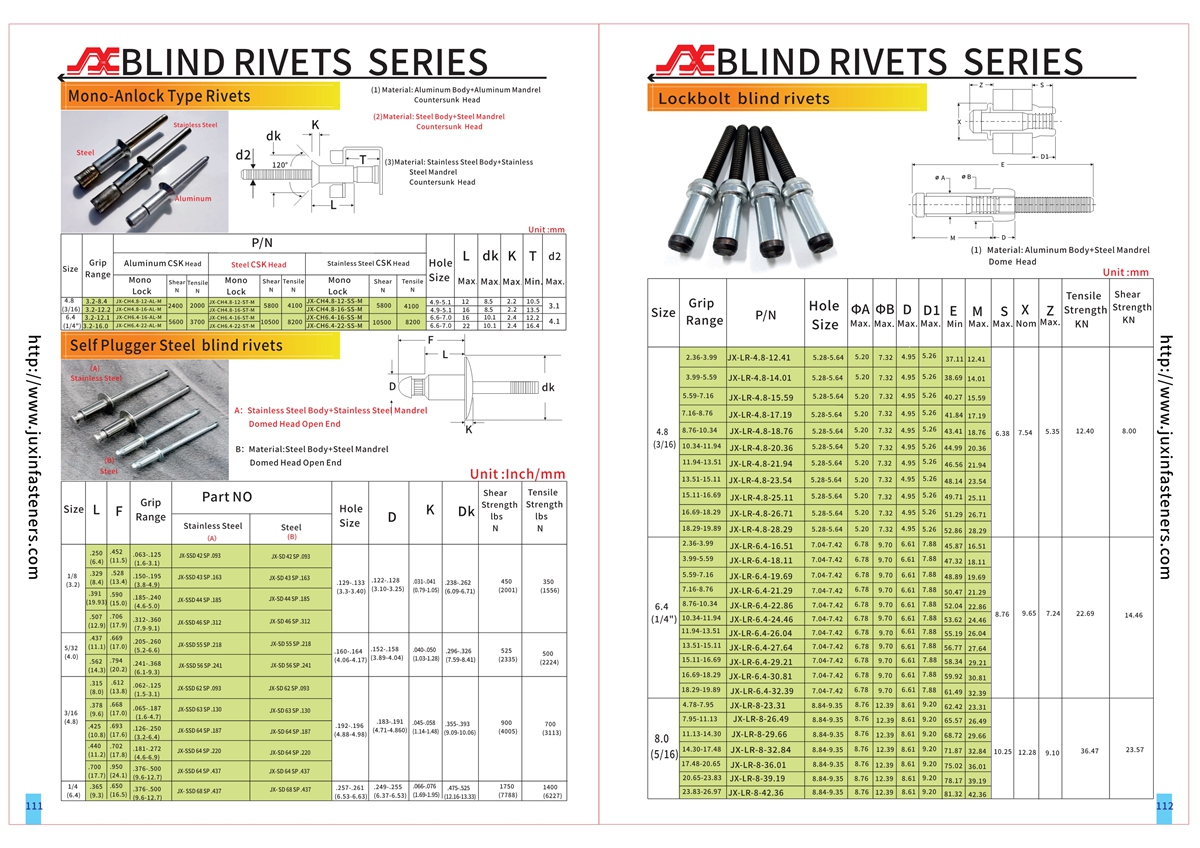
Please refer to the applicable JUXIN technical drawings and specification documents for detailed product information.
The relevant drawing should be used to confirm the fastener dimensions, material grades, grip range, installation hole requirements, locking construction, surface treatment, and mechanical performance.
For this product series, the catalog reference supplied is pages 111–112.
Final product approval should rely on confirmed technical drawings, applicable specifications, and any required application testing.
Frequently Asked Questions
What is a mechanically locked structural blind fastener?
It is a structural fastener designed for installation from one accessible side, incorporating a mechanical locking feature intended to retain the installed pin.
What is the difference between a blind lockbolt and an ordinary blind rivet?
High-strength blind lockbolts generally use structural fastening constructions intended for demanding mechanical applications. Actual performance depends on the selected design and must be verified.
Can these fasteners replace conventional bolts?
They may be considered for selected engineered connections, but direct replacement requires verification of joint loading, dimensions, mechanical performance, and installation requirements.
Can structural blind fasteners replace welding?
Certain engineered assemblies may use mechanical fastening instead of welding. Any substitution requires appropriate engineering review and approval.
Are mechanically locked blind fasteners suitable for vibration?
Mechanical pin retention can be beneficial in vibrating assemblies. Suitability must be confirmed through product data and joint validation.
Can these fasteners close gaps between steel components?
Some structural blind fastener designs provide pull-up capability. The allowable initial gap and required performance must be confirmed for the selected product.
Are these fasteners tamper resistant?
Permanent mechanical fastening can make ordinary disassembly more difficult, although deliberate removal remains possible using suitable tools.
What material is available for this JUXIN product?
The specified configuration uses a steel body and steel mandrel.
Do these fasteners require special installation equipment?
Compatible installation tools and nose assemblies are required. The exact equipment depends on the selected fastener.
Can JUXIN support custom OEM requirements?
JUXIN welcomes inquiries based on engineering drawings, material requirements, dimensions, surface finishes, and production specifications, subject to technical review.
Request a Quotation — High-Strength Steel Structural Blind Fasteners
JUXIN FASTENERS supports international OEM manufacturers, design engineers, structural engineers, sourcing specialists, purchasing managers, supply chain managers, and production managers.
For an accurate quotation, please provide the required fastener diameter, grip range, steel material specifications, installation hole dimensions, mechanical performance requirements, surface finish, installation tooling information, and estimated production quantities.
2D engineering drawings or 3D CAD models are welcome for technical review.
Email: info@juxinfasteners.com
Website: www.juxinfasteners.com
JUXIN FASTENERS — Industrial Fasteners and Custom OEM Fastening Solutions
Product Packaging
Packaging Standard
At Juxin Fasteners, we apply standardized export packaging to ensure product protection, traceability, and compliance with international logistics requirements.
1. Standard Export Packaging
Unless otherwise specified, all products will be packed according to our factory standard export packaging, which includes:
Moisture-resistant inner protection
Poly bag or small box packing as required
Reinforced export cartons
Clear labeling with part number, specification, batch number, and quantity
Palletizing for sea or air shipment when necessary
Our standard packaging is designed to ensure safe transportation, efficient warehousing, and long-distance international shipping.
2. Customized Packaging Options
We also provide customized packaging solutions according to customer requirements, including but not limited to:
Private labeling
Customized barcodes
Specific carton dimensions
Retail packaging
Special pallet configuration
Customer-specific marking and identification
So that you know, customized packaging may involve additional costs and extended lead time depending on the complexity of the requirements.
3. Compliance & Quality Assurance
All packaging processes are controlled under our ISO 9001 quality management system to ensure consistency, traceability, and product integrity throughout the supply chain.
Product Pictures
Contact Us
Tel.:
+86 020 8621 0320
+86 020 3121 6067
E-mail:
Technical Support:
Navigation
SEND INQUIREY