Call Us
+86 136 6007 9809
Call Us
+86 136 6007 9809

When specifying clip-on nuts for industrial machinery, sheet-metal enclosures, automotive components and fabricated equipment,
engineers sometimes encounter drawings or sourcing requirements that call for 70 steel as the spring-fastener material.
Product Specification
When specifying clip-on nuts for industrial machinery, sheet-metal enclosures, automotive components and fabricated equipment,
engineers sometimes encounter drawings or sourcing requirements that call for 70 steel as the spring-fastener material.
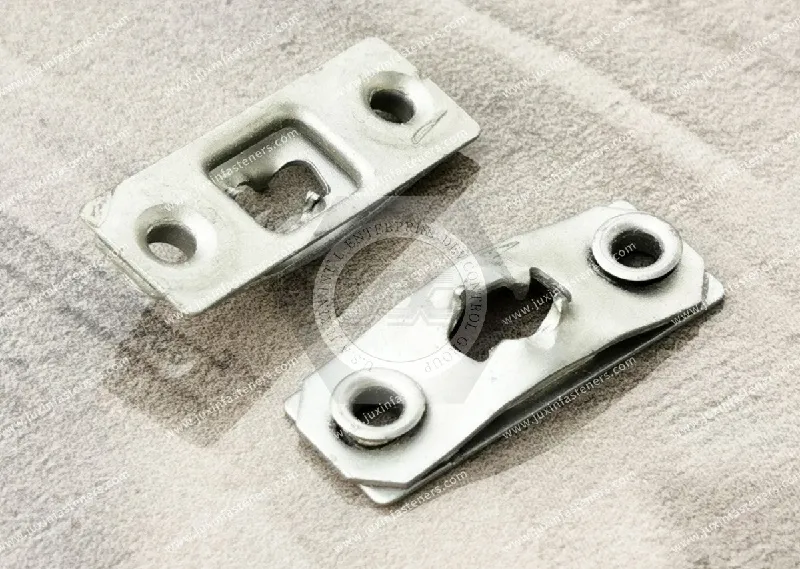
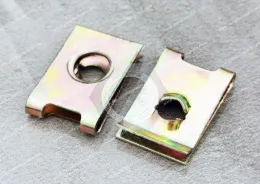
For these projects, 70 steel clip-on nuts may include U-nuts, J-nuts and other formed spring fasteners designed to create an edge-mounted fastening point on sheet metal.
However, the material designation should not be interpreted as a finished-product performance rating.
A high-carbon steel designation does not automatically mean that the finished clip-on nut has:
higher structural stiffness;
greater clip retention;
higher joint strength;
better vibration resistance;
longer fatigue life;
greater wear resistance;
unlimited elastic recovery;
superior thermal-cycle stability.
Those characteristics depend on the complete relationship between material, material condition,
heat treatment where applicable, formed geometry, panel thickness, coating and final assembly.
For OEM sourcing, JUXIN FASTENERS recommends evaluating 70 steel clip-on nuts through the following engineering path:
Material Specification → Manufacturing Condition → Clip Geometry → Panel Interface → Surface Treatment → Functional Validation → Production Specification
This provides a more reliable basis for supplier qualification than selecting a fastener from the material name alone.
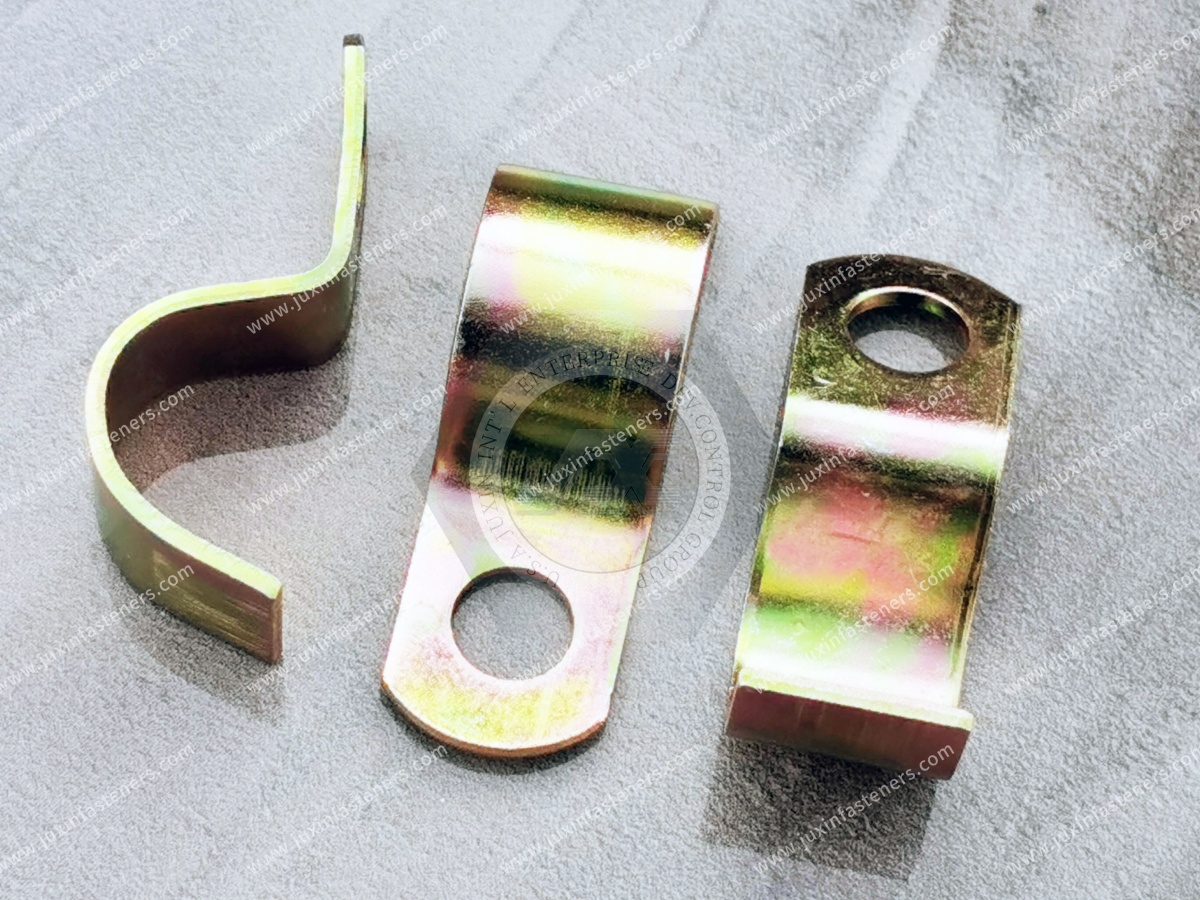
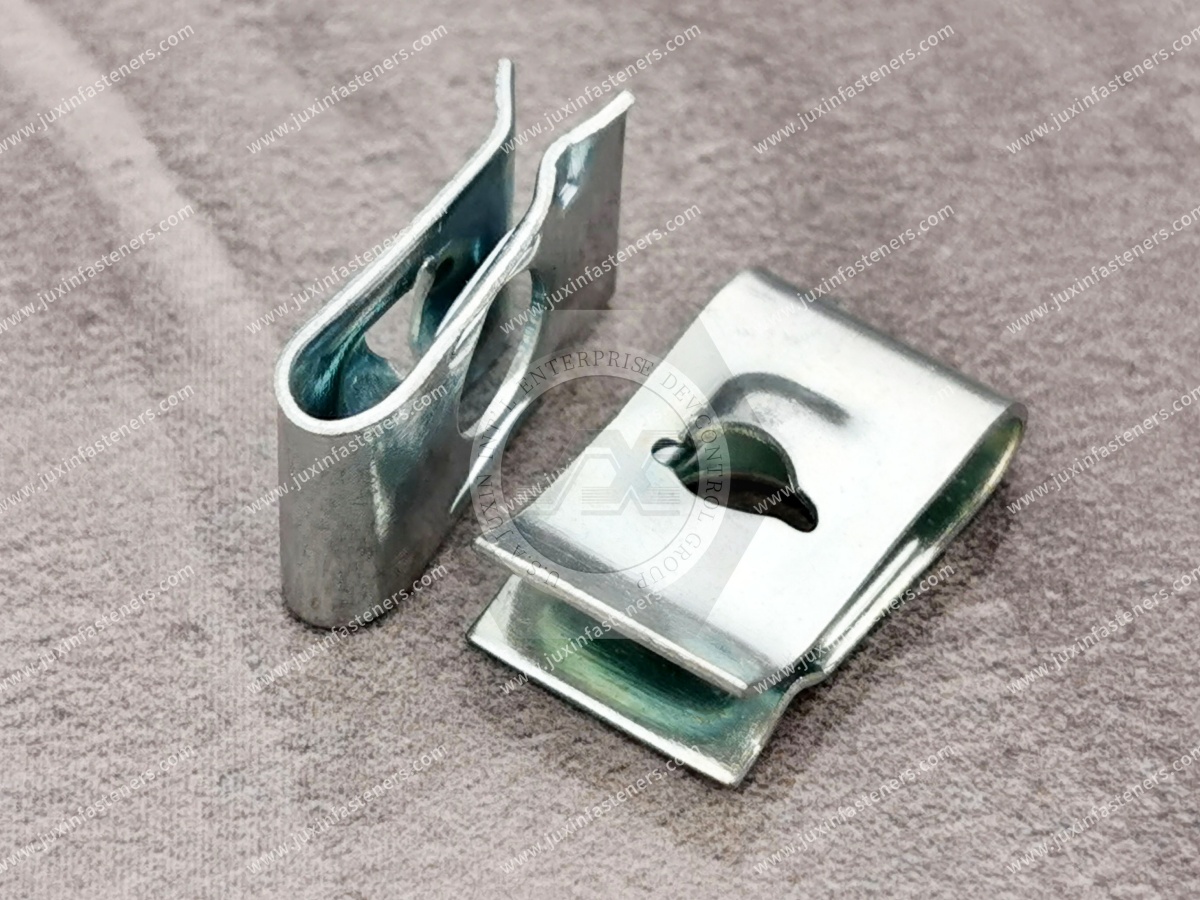
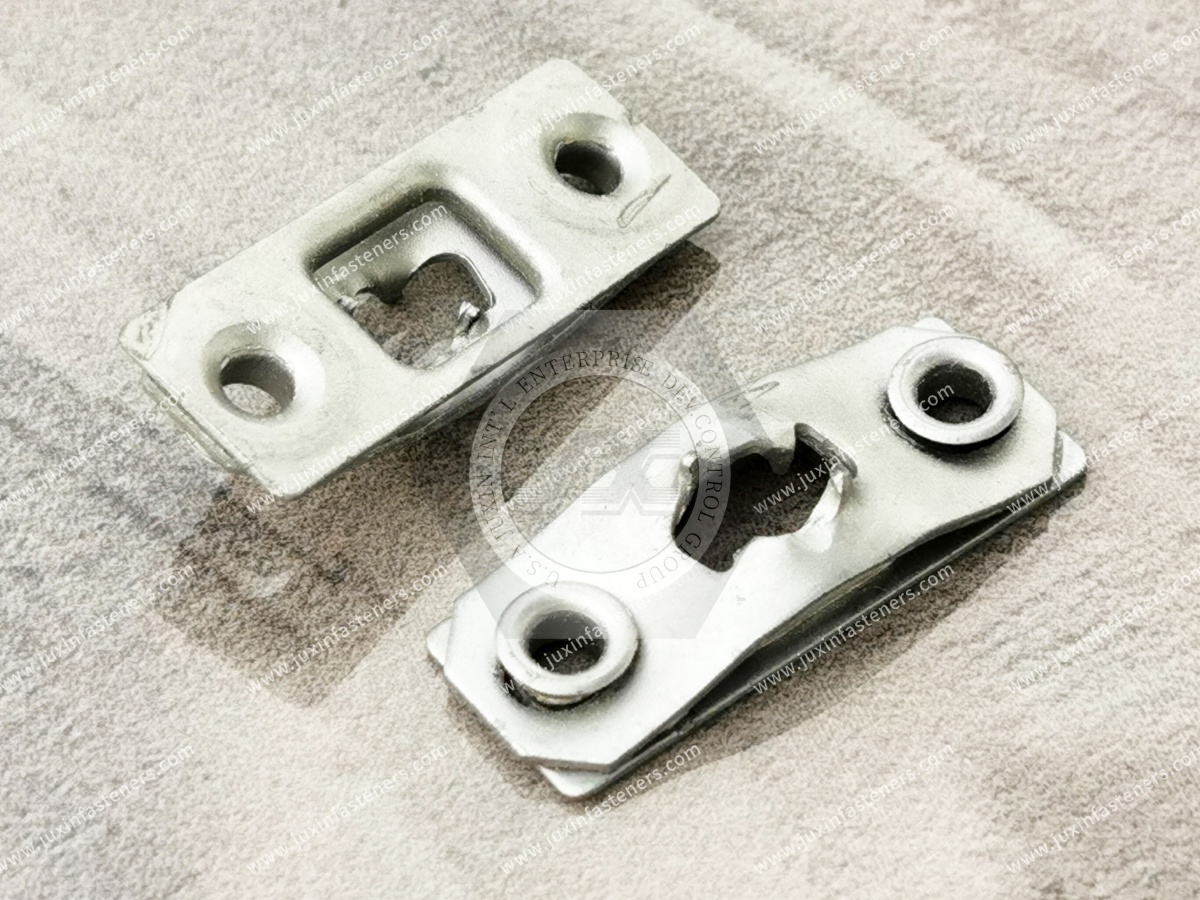
A 70 steel clip-on nut is an edge-mounted spring fastener manufactured from material designated as 70 steel where that material is explicitly required for the component.
Depending on the drawing, this may include:
U-nuts;
J-nuts;
spring nuts;
edge clips;
clip-on nuts for specific screw interfaces;
other drawing-based spring fasteners.
The clip body interacts mechanically with the sheet-metal edge while positioning a thread or screw-engaging feature for assembly.
The material must therefore support the manufacturing process and the intended finished geometry.
But the performance of the finished fastener cannot be derived from the words “70 steel” alone.
The designation 70 steel is associated with a relatively high nominal carbon level within the material system in which the grade is defined.
That makes carbon content an important part of understanding the material.
However, an OEM specification should not reduce the grade to one approximate carbon percentage.
The applicable material specification controls the actual composition range and other requirements.
For global sourcing, the customer drawing or material specification should therefore remain the governing document.
This is one of the most important procurement rules for this material.
A sourcing team may encounter online conversion tables claiming that 70 steel is “equivalent” to a particular:
SAE grade;
ASTM material;
EN grade;
DIN designation;
JIS grade.
Such tables may be useful as preliminary reference material, but they should not automatically be used for production substitution.
Different material standards can specify different:
chemistry ranges;
product forms;
delivery conditions;
heat-treatment conditions;
mechanical properties;
test requirements.
Therefore:
Similar chemistry does not automatically establish engineering equivalence.
If a European, American or Japanese OEM specifies an EN, SAE, ASTM or JIS material, that specified material should be evaluated directly.
JUXIN FASTENERS should not replace it with 70 steel solely because an online cross-reference table describes the grades as similar.
This is a particularly important engineering correction.
The words “high-carbon steel” are sometimes incorrectly associated with a much higher elastic stiffness.
For steels, the elastic modulus does not increase dramatically simply because carbon content increases.
Therefore, a 70 steel clip should not be marketed as being substantially “stiffer” solely because it contains more carbon than another carbon steel.
The apparent stiffness of a clip-on nut depends heavily on its geometry.
Important variables include:
material elastic modulus;
strip thickness;
clip width;
leg length;
bend geometry;
section shape;
installation deflection;
support conditions.
In many spring-fastener designs, changing the geometry can have a much larger effect on component stiffness than changing between two steel grades with broadly similar elastic modulus.
These three terms are frequently mixed together in generic fastener marketing.
They should remain separate.
Strength relates to the stress a material or component can withstand under defined conditions.
Hardness describes resistance to localized indentation or related material behavior measured using an appropriate test method.
Stiffness describes resistance to elastic deformation and depends on both material properties and component geometry.
A harder spring clip is not automatically a stiffer clip.
A stronger material does not automatically create a stronger joint.
And a higher-carbon material does not automatically provide better clip retention.
This distinction is essential when specifying 70 steel spring fasteners.
The same nominal steel designation can behave differently depending on its material condition and processing history.
For a formed spring fastener, engineers may need to consider:
incoming strip condition;
forming sequence;
thermal processing;
finished hardness where specified;
residual stress;
final dimensions;
surface treatment.
This is why a material certificate alone cannot replace finished-part validation.
Clip-on nuts can contain:
tight bends;
formed spring legs;
lanced features;
threaded or screw-engaging features;
local transitions;
narrow sections.
The manufacturing process must create these features without unacceptable cracking or dimensional instability.
Higher-carbon materials can require greater attention to the relationship between material condition and forming process.
However, a website should not prescribe one universal manufacturing route.
The correct process depends on the specific product design and material condition.
Gemini's original draft suggested that complex clip geometries require a particular sequence involving multi-stage tooling and intermediate annealing.
That cannot be generalized.
Depending on the material, starting condition, component geometry and manufacturing route, forming and thermal processing may be sequenced differently.
For an OEM project, the important requirement is that the finished component satisfies the agreed:
geometry;
material condition;
dimensional requirements;
functional requirements.
The manufacturing route should be controlled according to the validated process rather than inferred from a generic material description.
Where the product specification requires thermal processing, heat treatment can influence:
hardness;
strength;
ductility;
toughness;
response to deflection;
residual stress.
However, there is no responsible universal heat-treatment recipe that should be published for every 70 steel clip-on nut.
The appropriate process depends on:
material specification;
incoming condition;
component thickness;
geometry;
required finished properties;
customer requirements.
JUXIN FASTENERS should therefore manufacture according to the confirmed drawing and process specification rather than promising a generic hardness or temper condition.
Certain heat-treatment routes for higher-carbon steels can produce martensitic structures, which can then be modified through tempering.
However, the actual microstructure of a finished clip depends on the real thermal history and material condition.
Without verified metallurgical data, the website should not state that every 70 steel clip-on nut has a particular microstructure.
If an OEM requires metallographic verification, that requirement should be defined as part of the project specification.
Spring clips typically experience deflection when installed over a panel edge.
After installation, the geometry is expected to interact with the panel according to the fastener design.
The amount of elastic recovery depends on the complete component system:
Material Condition + Clip Geometry + Installation Deflection + Panel Thickness
It is therefore inaccurate to describe 70 steel as automatically providing “superior elastic memory.”
The finished fastener should be evaluated under the intended panel condition.
If a clip is forced over a panel that requires excessive opening, the component may be pushed beyond its intended deformation range.
Possible consequences include:
permanent set;
incomplete seating;
altered clip retention;
thread misalignment;
coating damage;
installation difficulty.
A higher-carbon material does not eliminate this risk.
Correct panel matching remains essential.
Procurement drawings frequently state only nominal sheet thickness.
But a production clip may encounter variation from:
sheet tolerance;
paint;
powder coating;
plating;
folded layers;
overlapping sheets;
forming variation.
The actual production interface should therefore be evaluated as:
Finished Clip + Finished Panel
rather than bare steel against nominal sheet thickness.
A design team may assume that specifying the highest possible hardness will improve spring-fastener performance.
That is not necessarily correct.
Material condition involves engineering trade-offs.
Increasing hardness can affect other characteristics, including:
ductility;
toughness;
forming capability;
susceptibility to cracking under certain conditions.
The correct finished hardness, where hardness is a controlled requirement, should follow the validated product specification.
It should not be maximized without regard to the component design.
Spring fasteners can contain tight bends and local stress concentrations.
For higher-strength or higher-hardness material conditions, engineers should consider whether the component retains sufficient toughness for:
installation;
handling;
service loading;
impact where applicable.
The relevant risk cannot be predicted from carbon content alone.
It depends on the complete material and manufacturing condition.
This distinction remains essential.
Clip retention describes how the fastener remains positioned on the sheet-metal edge before and during screw installation.
Joint strength describes the behavior of the completed screw-fastener-panel system.
Final joint performance can depend on:
mating screw;
thread engagement;
clip geometry;
panel thickness;
panel material;
bearing surfaces;
tightening process;
clamp load;
tensile loading;
shear loading;
vibration;
fatigue;
corrosion.
A 70 steel material designation does not establish any of these joint-level properties automatically.
Not by material designation alone.
Vibration behavior is a system-level characteristic.
Relevant variables can include:
screw preload;
joint stiffness;
panel stiffness;
thread interface;
clip geometry;
vibration amplitude;
frequency;
direction;
cyclic loading;
surrounding structure.
A 70 steel clip-on nut should therefore not be marketed as “vibration-proof” simply because it uses a high-carbon steel.
If vibration performance is important, the customer should define the vibration requirement and validate the completed assembly.
Repeated cyclic loading can affect spring fasteners differently depending on:
stress amplitude;
geometry;
surface condition;
material condition;
manufacturing defects;
corrosion;
installation state.
A material name alone cannot establish fatigue life.
For cyclic applications, the relevant finished component and joint should be tested under representative conditions.
Carbon steel and high-carbon spring steel fasteners generally require an appropriate corrosion-protection strategy when the application demands corrosion resistance.
Potential project-specific systems can include:
zinc-based coatings;
phosphate-based finishes;
other customer-specified treatments.
The correct finish depends on:
service environment;
storage conditions;
humidity;
condensation;
chemical exposure;
mating materials;
dimensional requirements;
customer specifications.
Where zinc plating is specified for applicable JUXIN FASTENERS projects, trivalent chromium zinc plating can be considered in accordance with the agreed environmental and coating requirements.
The RFQ should define where relevant:
coating system;
passivation;
coating thickness;
appearance;
corrosion test;
acceptance criteria;
RoHS/REACH requirements.
The phrase “zinc plated” alone may not sufficiently define the OEM requirement.
Coating can affect a spring fastener dimensionally.
Potentially sensitive locations include:
clip opening;
panel contact surfaces;
internal threads;
narrow gaps;
mating features.
For tight-tolerance products, a coating change should therefore be reviewed as part of the dimensional system.
A coating selected only for corrosion performance can unintentionally alter assembly fit if dimensional effects are ignored.
Higher-strength or higher-hardness steel components can require careful consideration of hydrogen embrittlement when exposed to certain manufacturing processes.
Potential hydrogen-introduction processes can include:
acid cleaning;
pickling;
electrocleaning;
electroplating.
But susceptibility depends on more than carbon content.
Relevant factors can include:
finished hardness;
strength condition;
residual stress;
manufacturing process;
plating process;
applied stress;
component geometry.
Therefore, it is not technically correct to say that every 70 steel clip nut requires exactly the same hydrogen embrittlement relief treatment.
Where hydrogen embrittlement relief is required, the process should follow the applicable customer, coating or process specification.
The website should not publish a universal baking temperature or time for all 70 steel components.
Recognized ASTM frameworks can be relevant where their scope fits.
ASTM B850 addresses post-coating treatments of steel for reducing the risk of hydrogen embrittlement.
ASTM F519 provides a test method associated with evaluating mechanical hydrogen embrittlement of plating/coating processes and service environments.
Their use should be determined from the actual component, hardness, process and customer requirements.
Where corrosion performance is specified, procurement should define:
coating system;
test method;
exposure duration;
acceptance criteria.
ASTM B117 is commonly used as a salt spray/fog test method.
However, ASTM B117 does not define a universal pass duration for clip-on nuts and does not directly predict real-world service life.
A requirement such as “ASTM B117 compliant” without defined exposure and acceptance criteria is incomplete.
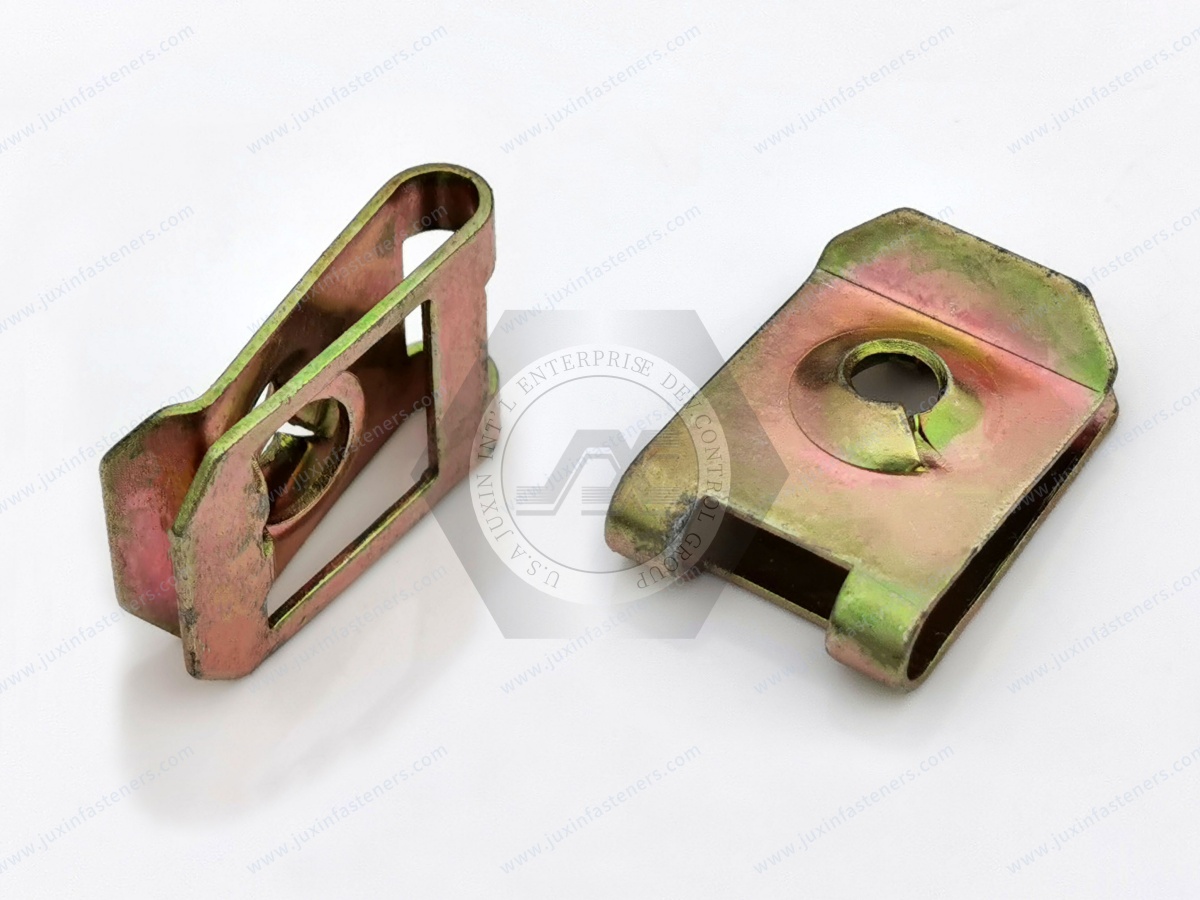
Engineers may encounter both 70 steel and 65Mn in spring-fastener sourcing.
The correct comparison should not be:
Which one is stronger?
Instead, ask:
Which material does the drawing require?
Which specification controls the material?
What finished material condition is required?
What geometry is being manufactured?
What panel thickness must the clip fit?
What coating will be used?
What functional validation is required?
Neither material should be substituted for the other solely from a generic cross-reference table.
For additional guidance, see 65Mn Spring Steel Clip-On Nuts: Material Selection, Elastic Recovery & Panel Fit at /solutions/65mn-spring-steel-clip-nuts.
A higher-carbon material is not automatically the best choice for every spring clip.
General carbon steel or another spring steel specification may be appropriate depending on:
geometry;
manufacturing route;
panel fit;
environmental exposure;
required material condition;
cost target.
For broader material and coating guidance, see Carbon Steel Clip-On Nuts: Material Grades, Coatings & OEM Selection at /solutions/carbon-steel-clip-on-nuts-material-coating-guide.
Material does not determine clip geometry.
Whether the application requires a U-nut, J-nut or another spring fastener depends on:
edge geometry;
panel thickness;
hole setback;
throat depth;
screw alignment;
installation direction;
available clearance.
For detailed geometry selection, see U-Nuts vs J-Nuts: Geometric Selection for Edge-Mounted Sheet Metal at /solutions/u-nuts-vs-j-nuts-geometry.
Folded sheet metal creates additional geometric variables.
Engineers should evaluate:
base sheet thickness;
effective stack thickness;
flange width;
bend radius;
hole setback;
clip reach;
coating;
installation path.
For more information, see Clip-On Nuts for Flanged Edges: Fastening Folded Sheet-Metal Panels at /solutions/clip-on-nuts-for-flanged-edges.
70 steel clip-on nuts may be considered where a customer drawing or validated product specification explicitly requires the material for suitable machinery sheet-metal assemblies.
Potential applications can include:
equipment covers;
control enclosures;
access panels;
internal brackets;
service panels;
selected machine guards.
The use of 70 steel should not automatically classify the fastener as:
heavy-duty;
structural;
high-load;
fatigue-resistant;
vibration-proof.
Those characteristics require application-specific validation.
Machine guards can perform safety-related functions.
A generic clip-on nut should not be promoted as suitable for a safety-critical guard attachment solely because it uses a high-carbon steel.
The machine designer should evaluate:
applicable safety requirements;
joint loads;
screw retention;
panel structure;
service conditions;
failure consequences.
Where the joint is safety-critical, the fastening system should be validated accordingly.
70 steel spring fasteners may be considered for suitable automotive components when that material is explicitly specified and the product geometry has been validated.
Potential applications may include selected:
brackets;
service covers;
interior structures;
equipment panels;
non-structural sheet-metal attachments.
The material designation does not establish:
crash performance;
chassis structural capability;
fatigue life;
vibration qualification;
corrosion qualification.
Those requirements must be separately specified.
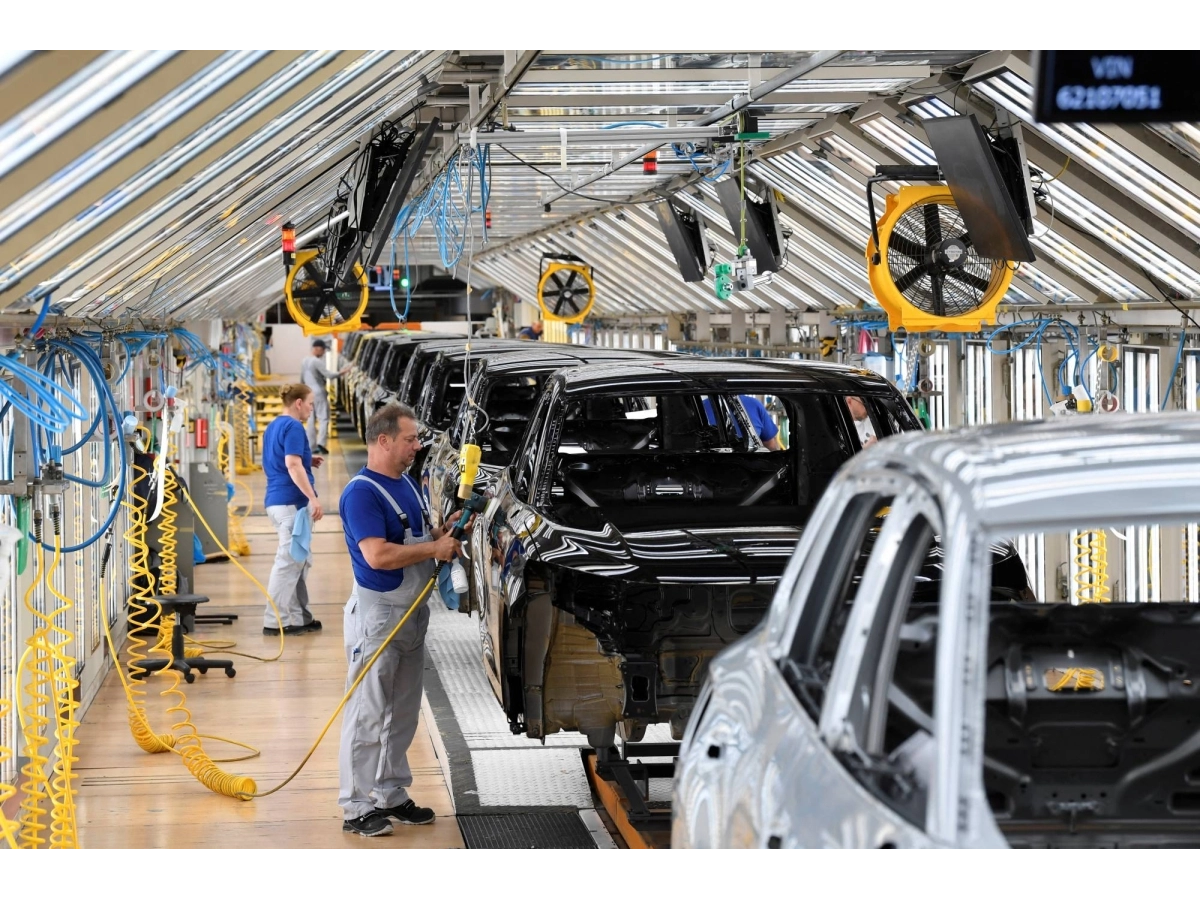
Gemini's original draft positioned 70 steel clip nuts in “automotive chassis reinforcements.”
That is too broad for a generic product page.
Chassis and structural vehicle joints can carry safety-critical loads and require extensive component and assembly validation.
Unless a specific JUXIN FASTENERS part has been approved for such an application, the website should not imply that a generic 70 steel clip-on nut is a structural chassis fastener.
Suitable non-structural or auxiliary sheet-metal applications should be described instead.
Sheet-metal fabricators may encounter customer drawings specifying different spring steel materials for:
enclosures;
brackets;
chassis;
equipment housings;
service panels;
folded assemblies.
For these projects, the fabricator should treat the clip nut as a controlled component rather than selecting material based only on perceived hardness.
Electrical cabinets and control enclosures can use spring fasteners on suitable edge-accessible panels.
Potential applications include:
internal brackets;
access panels;
equipment covers;
cabinet frames.
Material selection should consider:
panel geometry;
corrosion environment;
coating;
installation access;
service requirements.
A 70 steel clip-on nut should not automatically be treated as an electrical grounding or bonding component.
HVAC equipment may use spring fasteners in:
housings;
control boxes;
service panels;
equipment covers.
Where 70 steel is specified, engineers should still evaluate corrosion protection and panel fit.
The material does not make the fastener airtight, waterproof or vibration-isolating.
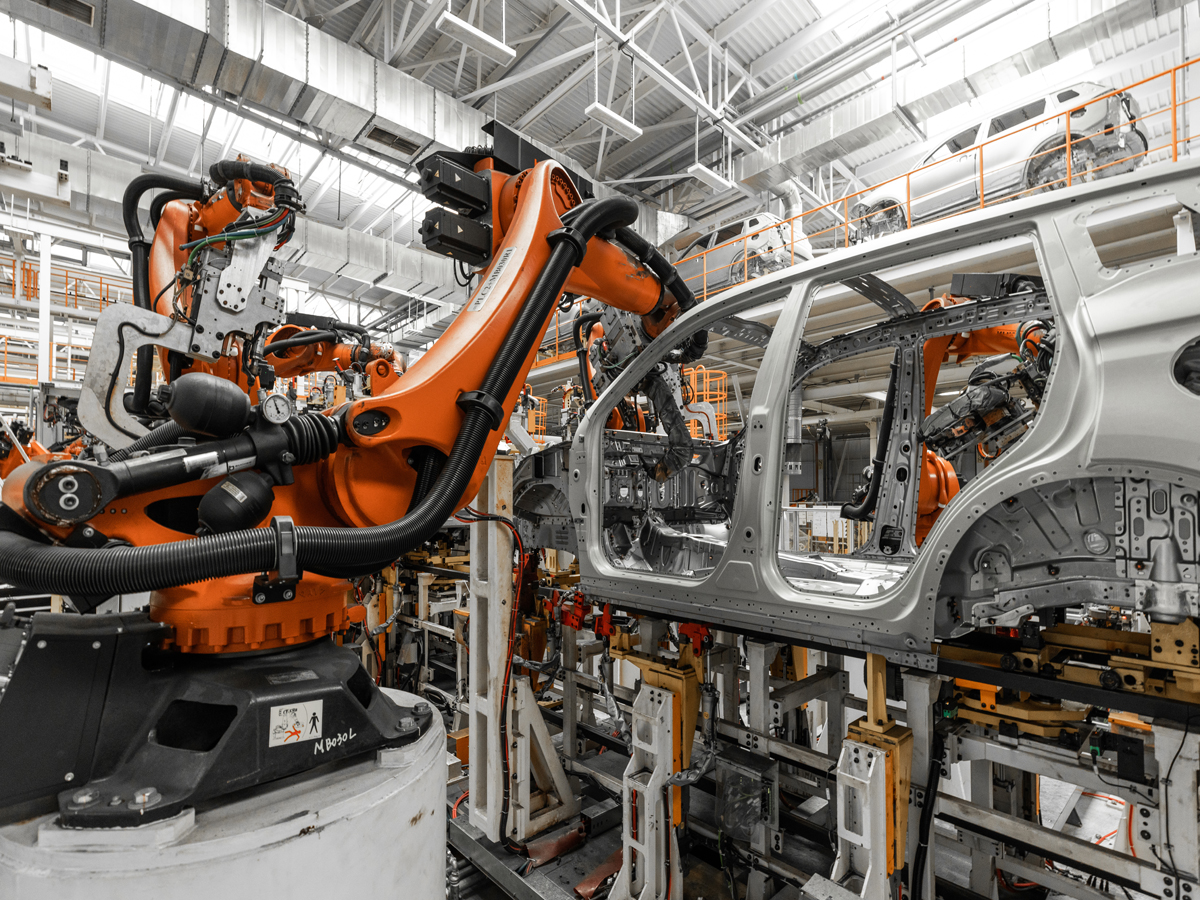
Compact automation systems can use clip-on nuts on:
controller housings;
equipment covers;
service panels;
internal brackets.
For these applications, precise geometry and limited clearance may be more important than simply selecting a higher-carbon material.
A reliable OEM process begins with the drawing.
Determine whether 70 steel is:
explicitly required;
an existing legacy specification;
a proposed supplier material;
being considered as an alternative.
Do not substitute materials before establishing this.
Identify the actual material specification and required documentation.
Do not rely on informal equivalence charts.
Specify:
U-nut;
J-nut;
spring nut;
other clip configuration;
dimensions;
throat depth;
hole alignment;
thread interface.
Specify:
panel material;
thickness;
tolerance;
coating;
flange or edge geometry.
Where required, specify:
hardness;
thermal processing;
finished-part mechanical requirements;
test method.
Specify:
coating type;
passivation;
thickness where required;
corrosion criteria;
restricted-substance requirements.
Where applicable, consider:
forming;
heat treatment;
coating;
hydrogen embrittlement risk;
dimensional change.
Where necessary, specify measurable criteria for:
clip retention;
installation behavior;
dimensional fit;
vibration testing;
cyclic testing;
corrosion testing.
The final decision should be based on the actual coated fastener installed on the actual production panel with the specified mating screw.
Two suppliers quoting “70 steel clip nuts” may not be quoting equivalent finished components.
Compare:
governing material specification;
drawing revision;
clip geometry;
material condition;
heat-treatment requirement;
hardness requirement where specified;
dimensions;
thread interface;
panel-fit requirement;
coating;
corrosion requirement;
hydrogen embrittlement controls where applicable;
inspection requirements;
material documentation requirements;
packaging;
production quantity;
annual demand.
This is a much stronger supplier-comparison framework than unit price plus material name.
When submitting an RFQ to JUXIN FASTENERS at info@juxinfasteners.com, provide as much of the following information as available:
2D engineering drawing;
3D CAD model where relevant;
existing sample or reference photo;
customer part number;
clip-on nut type;
U-nut, J-nut or other geometry;
explicit 70 steel requirement where applicable;
governing material specification;
material condition;
required hardness where specified;
heat-treatment requirement where specified;
metric or inch thread system;
thread size;
pitch where applicable;
mating screw specification;
panel material;
nominal panel thickness;
panel thickness tolerance;
hole diameter;
hole setback;
throat or reach dimension;
flange or edge geometry;
coating system;
trivalent chromium zinc requirement where applicable;
coating thickness requirement where applicable;
RoHS/REACH requirement where applicable;
corrosion test method;
required exposure duration where specified;
acceptance criteria;
hydrogen embrittlement control requirement where applicable;
vibration requirement where applicable;
cyclic loading requirement where applicable;
prototype/sample quantity;
production order quantity;
annual demand;
packaging requirements;
inspection requirements;
customer-specific specifications.
A controlled sourcing path for 70 steel clip-on nuts is:
Customer Material Requirement → Governing Specification → Clip Geometry → Panel Interface →
Finished Material Condition → Manufacturing Process → Surface Treatment → Process Risk Review → Prototype Evaluation → Functional Validation → Production Specification → Supplier RFQ → Repeat Supply
This prevents a high-carbon material designation from being mistaken for a universal performance guarantee.
For drawing-based 70 steel clip-on nuts, U-nuts, J-nuts and other OEM spring fasteners, contact JUXIN FASTENERS at info@juxinfasteners.com.
Providing the governing material specification, fastener drawing, panel condition,
finished-part requirements and surface-treatment specification allows JUXIN FASTENERS to evaluate the component more accurately than requesting “high-hardness 70 steel clips” alone.
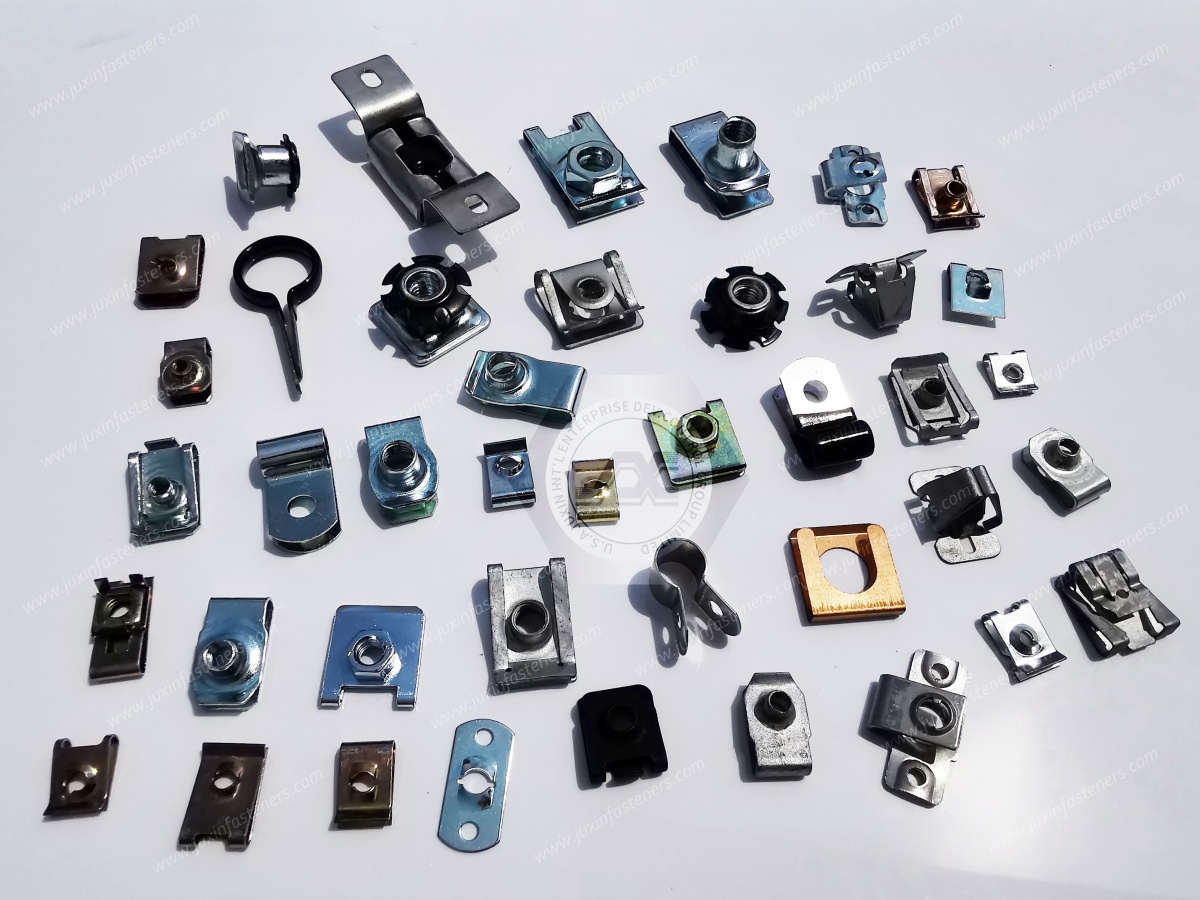
Product Packaging
Packaging Standard
At Juxin Fasteners, we apply standardized export packaging to ensure product protection, traceability, and compliance with international logistics requirements.
1. Standard Export Packaging
Unless otherwise specified, all products will be packed according to our factory standard export packaging, which includes:
Moisture-resistant inner protection
Poly bag or small box packing as required
Reinforced export cartons
Clear labeling with part number, specification, batch number, and quantity
Palletizing for sea or air shipment when necessary
Our standard packaging is designed to ensure safe transportation, efficient warehousing, and long-distance international shipping.
2. Customized Packaging Options
We also provide customized packaging solutions according to customer requirements, including but not limited to:
Private labeling
Customized barcodes
Specific carton dimensions
Retail packaging
Special pallet configuration
Customer-specific marking and identification
So that you know, customized packaging may involve additional costs and extended lead time depending on the complexity of the requirements.
3. Compliance & Quality Assurance
All packaging processes are controlled under our ISO 9001 quality management system to ensure consistency, traceability, and product integrity throughout the supply chain.
Product Pictures
Contact Us
Tel.:
+86 020 8621 0320
+86 020 3121 6067
E-mail:
Technical Support:
Navigation
SEND INQUIREY